
The global food system currently faces a critical paradox where massive production yields coexist with staggering levels of waste, contributing significantly to environmental degradation. Recent data indicates that food waste is responsible for approximately 10% of all global greenhouse gas emissions, a figure that has prompted a surge in technological interventions designed to bridge the gap between surplus supply and consumer demand. Among these innovations, the platform Too Good To Go has emerged as a prominent player in the "circular food economy," providing a digital marketplace that connects consumers with local restaurants and grocery stores possessing unsold, surplus inventory. By facilitating the redistribution of food that would otherwise be discarded, these platforms are not only addressing environmental concerns but are also reshaping the logistics of domestic entertaining and hospitality.

The Scale of Global Food Waste and Environmental Impact
To understand the necessity of surplus redistribution platforms, one must examine the breadth of the food waste crisis. According to the Food and Agriculture Organization (FAO) of the United Nations, roughly one-third of all food produced for human consumption is lost or wasted globally. This equates to approximately 1.3 billion tons of food per year. The environmental cost of this waste is multifaceted; it involves the squandering of water, land, energy, and labor, while the decomposition of food in landfills releases methane, a potent greenhouse gas with a warming potential significantly higher than carbon dioxide.
In the United States alone, the Environmental Protection Agency (EPA) estimates that food is the single most common material sent to landfills. When food is wasted, the entire carbon footprint of its production—from the diesel used in tractors to the electricity used in refrigeration—is rendered an unnecessary environmental burden. Digital platforms like Too Good To Go aim to mitigate this by ensuring that the energy invested in food production results in human consumption rather than atmospheric pollution.

The Mechanism of Surplus Redistribution: The "Surprise Bag" Model
The operational core of the Too Good To Go model relies on a "Surprise Bag" system, which addresses the unpredictability of retail and restaurant inventory. Because businesses cannot always predict exactly which items will remain unsold at the end of a business day, they offer curated bundles of surplus goods at a significantly reduced price—typically one-third of the original retail value.
A recent implementation of this model involved a strategic selection of two distinct retail categories: a gourmet grocery store and a specialized juice boutique. The objective was to demonstrate how high-quality, perishable goods can be salvaged and repurposed for social gatherings. Upon purchasing these bags through the mobile interface, consumers are provided with a pickup window, usually coinciding with the store’s closing hours. This chronology of transaction ensures that the business maintains its primary sales throughout the day while clearing inventory in the final hour, thereby maximizing efficiency and reducing disposal costs.

In the case of the gourmet grocery acquisition, the surplus bag contained high-quality artisanal breads and a variety of perishable accompaniments. The juice store bag provided nutrient-dense liquids and potentially fruit-based components. By acquiring these items at a fraction of the cost, the consumer is incentivized to experiment with ingredients they might not have otherwise purchased, while the retailer recovers a portion of their production costs.
Transforming Surplus into Sustainable Hospitality
The repurposing of surplus food requires a shift in culinary philosophy, moving away from rigid recipe following toward a more flexible, ingredient-led approach. A primary example of this is the "Waste-Free Gathering," where the host utilizes salvaged ingredients as the foundation for a gourmet menu.
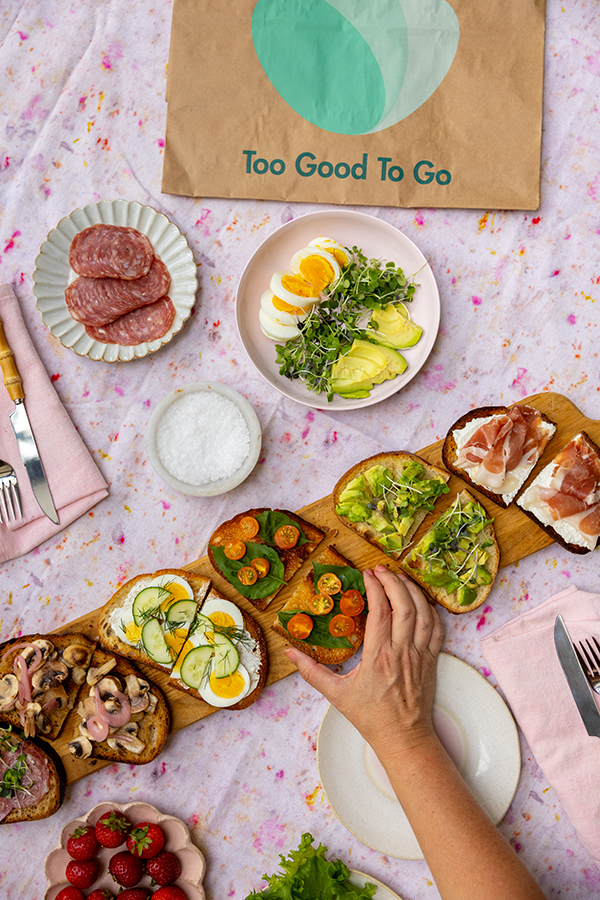
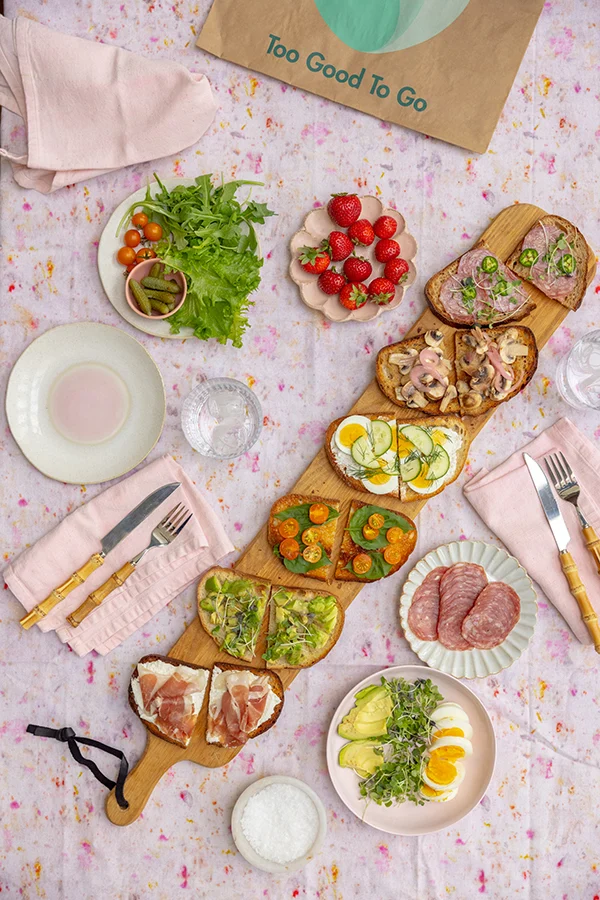
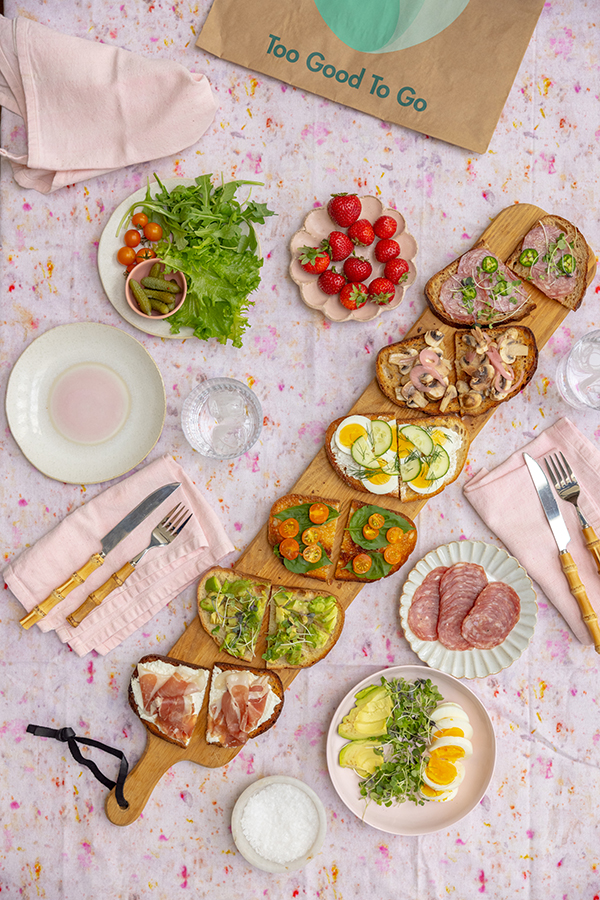
Artisanal bread, a common surplus item due to its short shelf life, serves as a versatile base for appetizers. In the aforementioned case study, the bread was toasted en masse in an oven to restore texture and provide a uniform foundation for various toppings. This method allows the host to utilize small quantities of disparate ingredients—often referred to as "refrigerator velcro"—to create sophisticated culinary offerings. By combining surplus retail items with "garden-to-table" components such as basil and tomatoes, the carbon footprint of the meal is further reduced.
The following culinary combinations illustrate how surplus items can be elevated to gourmet standards:

- Ricotta and Charcuterie: Utilizing surplus cheeses with prosciutto and a drizzle of hot honey.
- Vegetarian Proteins: Mashed avocado seasoned with lemon and salt, topped with fresh sprouts.
- Classic Bruschetta: A mixture of garden-fresh tomatoes, basil, and high-quality olive oil.
- European Delicatessen Style: Sliced hard-boiled eggs with cucumbers, fresh dill, and a base of mayonnaise.
- Umami-Rich Options: Melted surplus cheeses paired with sautéed mushrooms.
- Spicy Meat Pairings: Soppressata paired with sliced jalapeños.
This "build-your-own" approach not only reduces waste but also introduces an interactive element to social hosting, where guests can customize their food based on preference, further ensuring that every item prepared is actually consumed.
Economic and Corporate Implications of Food Recovery
The adoption of surplus redistribution platforms is not merely a consumer trend; it is a strategic business move for retailers. For grocery stores and restaurants, food waste represents a "sunk cost"—money spent on inventory and labor that yields no return. By participating in a surplus marketplace, businesses can convert potential losses into a new revenue stream. While the items are sold at a discount, the recovery of one-third of the retail price is significantly more beneficial than the total loss associated with disposal.

Furthermore, participating in food recovery programs enhances a brand’s Corporate Social Responsibility (CSR) profile. Modern consumers, particularly those in the Millennial and Gen Z demographics, increasingly prioritize sustainability when choosing where to shop. Data from various market research firms suggest that brands perceived as environmentally conscious see higher levels of customer loyalty. By visibly reducing their waste through digital platforms, retailers can attract a demographic that is both price-conscious and eco-minded.
Broader Impact and the Future of the Circular Food Economy
The success of platforms like Too Good To Go is indicative of a broader shift toward the circular economy—an economic system aimed at eliminating waste and the continual use of resources. In a traditional linear economy, food is produced, sold, and discarded. In a circular model, the "waste" from one stage becomes the "input" for the next.
Industry analysts suggest that the integration of Artificial Intelligence (AI) and real-time inventory tracking will further refine these systems. Future iterations of food recovery technology may allow for even more precise matching of surplus goods with consumer needs, potentially predicting surplus before it even occurs.
Moreover, the legislative landscape is beginning to mirror this shift. Several European nations have already implemented "Organic Waste Bans" or mandatory food donation laws for large supermarkets. In the United States, the USDA and EPA have set a national goal to reduce food waste by 50% by the year 2030. Achieving this target will require a combination of policy changes, infrastructure investment (such as improved composting and anaerobic digestion), and the continued proliferation of consumer-facing technology.

Strategic Tips for Maintaining a Zero-Waste Household
For individuals looking to adopt the principles of the surplus food movement, experts suggest several practical strategies:
- Inventory Management: Regularly "shop" your own pantry and refrigerator before visiting a store to avoid redundant purchases.
- Flexible Meal Planning: Design meals around what needs to be used first, rather than what is desired in the moment.
- Proper Storage: Utilize freezing and pickling techniques to extend the life of surplus produce and proteins.
- Community Engagement: Use apps to source food, but also consider sharing excess garden harvests or pantry items with neighbors through local "Buy Nothing" groups.
The transition toward a waste-free society is a collective endeavor that requires the participation of technology developers, retail corporations, and individual consumers. By revaluing "surplus" not as trash, but as an opportunity for creativity and conservation, the global community can make significant strides in reducing the environmental impact of the food system. The integration of platforms like Too Good To Go into the standard routine of social entertaining serves as a powerful proof of concept: that sustainability and gourmet hospitality are not mutually exclusive, but are, in fact, the future of responsible living.


