
The Nutritional Significance of Chicken Liver in Canine Diets
Chicken liver is frequently categorized by veterinary nutritionists as a "superfood" for dogs due to its dense concentration of essential vitamins and minerals. Unlike muscle meat, which provides protein but lacks certain micronutrients, liver serves as a biological powerhouse. It is exceptionally high in Vitamin A, which supports vision, skin health, and immune function. Furthermore, it provides a robust profile of B vitamins, particularly B12, which is critical for nervous system health and the production of red blood cells.
According to nutritional data, a standard serving of chicken liver provides approximately 15 grams of protein and is rich in iron, copper, and zinc. These minerals are vital for oxygen transport in the blood and the maintenance of a healthy coat. However, experts emphasize the importance of moderation. Because liver is so nutrient-dense, particularly regarding Vitamin A, it should generally constitute no more than 5% to 10% of a dog’s total caloric intake to prevent hypervitaminosis A—a condition resulting from excessive vitamin accumulation. The dehydration process preserves these nutrients while removing moisture, creating a shelf-stable product that retains the intense flavor profile dogs find highly palatable.
Economic Analysis: DIY vs. Commercial Pet Treats
The financial implications of home-dehydrating pet treats are substantial. Data from the American Pet Products Association (APPA) indicates that pet owners in the United States spent over $147 billion on their animals in 2023, with a significant portion of that allocated to premium treats. High-end, single-ingredient jerky treats sold in specialty pet boutiques often retail for between $25 and $45 per pound.
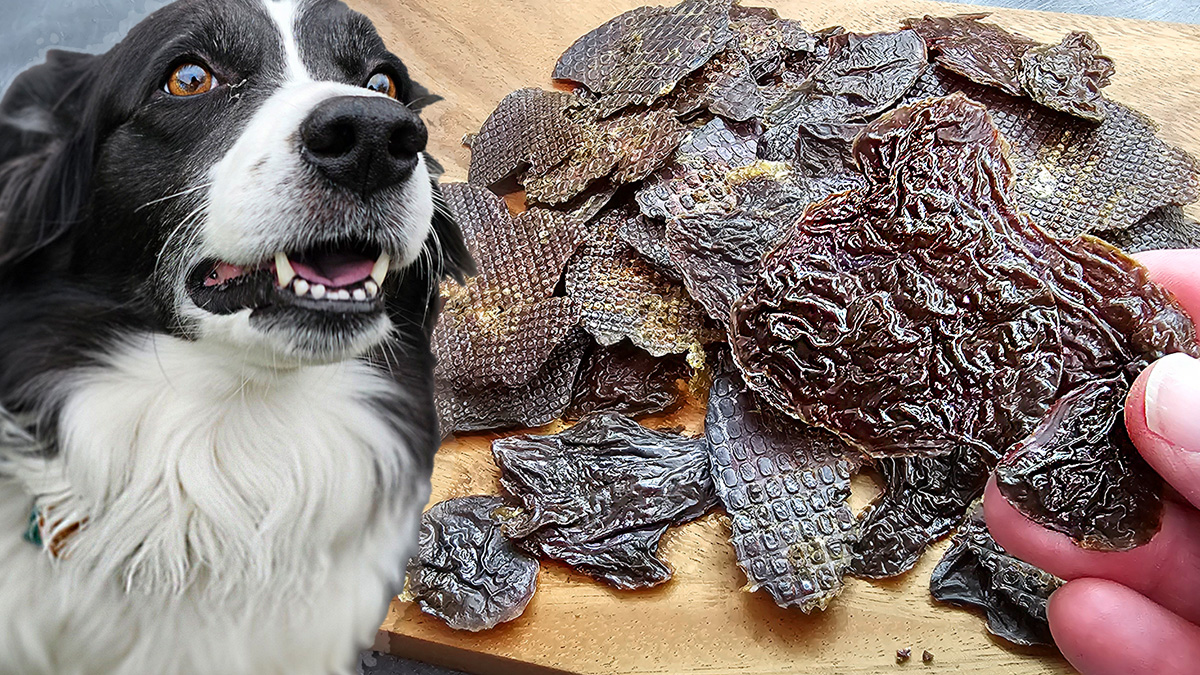
In contrast, raw chicken livers are among the most affordable protein sources available in grocery stores, often priced between $1.50 and $3.00 per pound. While the dehydration process reduces the weight of the meat by approximately 70% to 75% as water is removed, the final cost of the homemade jerky remains a fraction of the retail price. For households with multiple dogs or those engaged in high-frequency training—where treats are used as constant positive reinforcement—the annual savings can reach hundreds of dollars.
The Dehydration Process: A Step-by-Step Chronology
The transition from raw organ meat to finished jerky involves a specific sequence of steps designed to ensure food safety and optimal texture.
Phase 1: Preparation and Safety
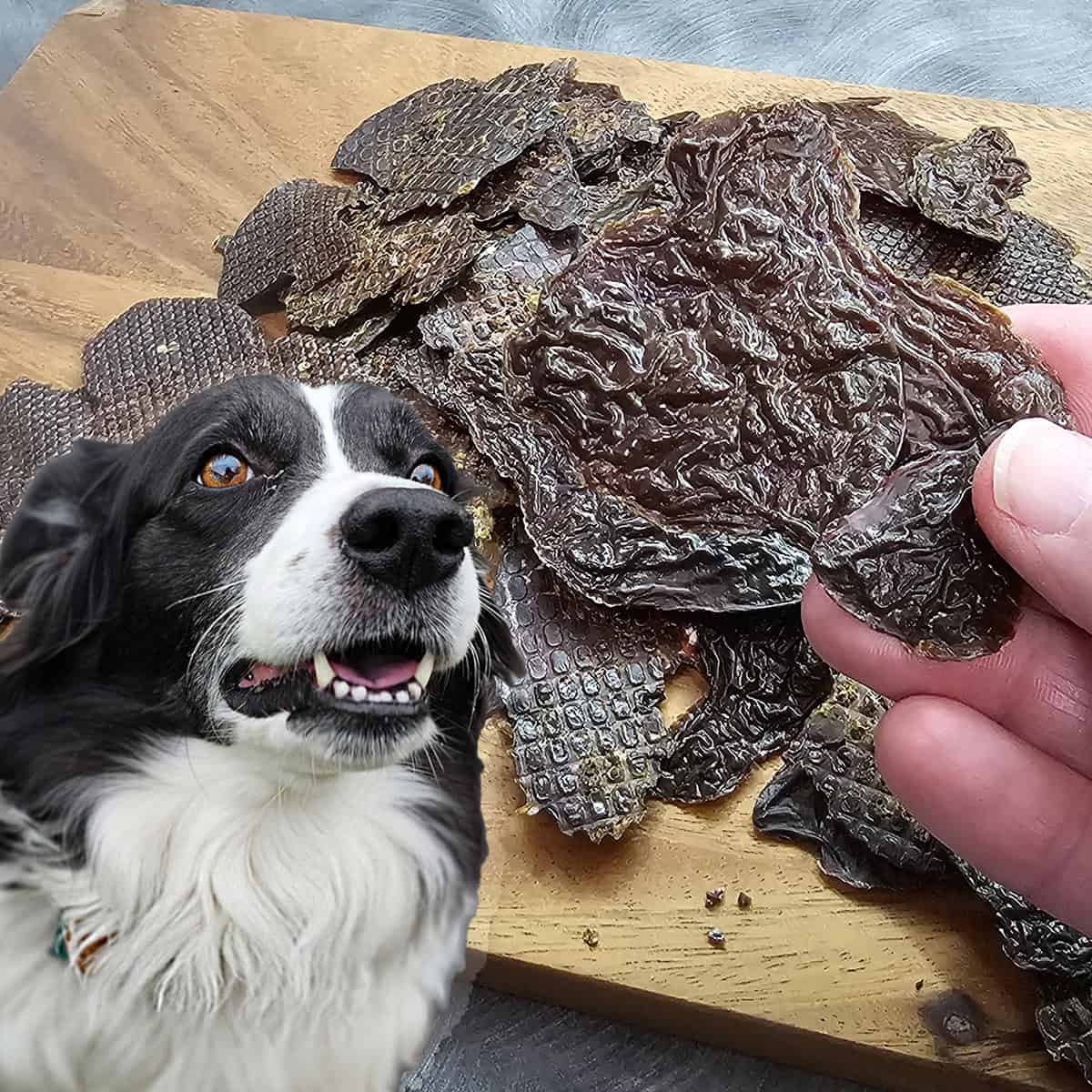
The process begins with the selection of the raw material. While standard grocery store chicken livers are sufficient, some owners opt for organic or pasture-raised options to minimize exposure to potential antibiotics or hormones. Safety is paramount during the handling of raw poultry. The Centers for Disease Control and Prevention (CDC) recommends strict hygiene protocols, including washing hands and sanitizing all surfaces that come into contact with raw meat to prevent the spread of Salmonella or Campylobacter.
Phase 2: Slicing and Arrangement
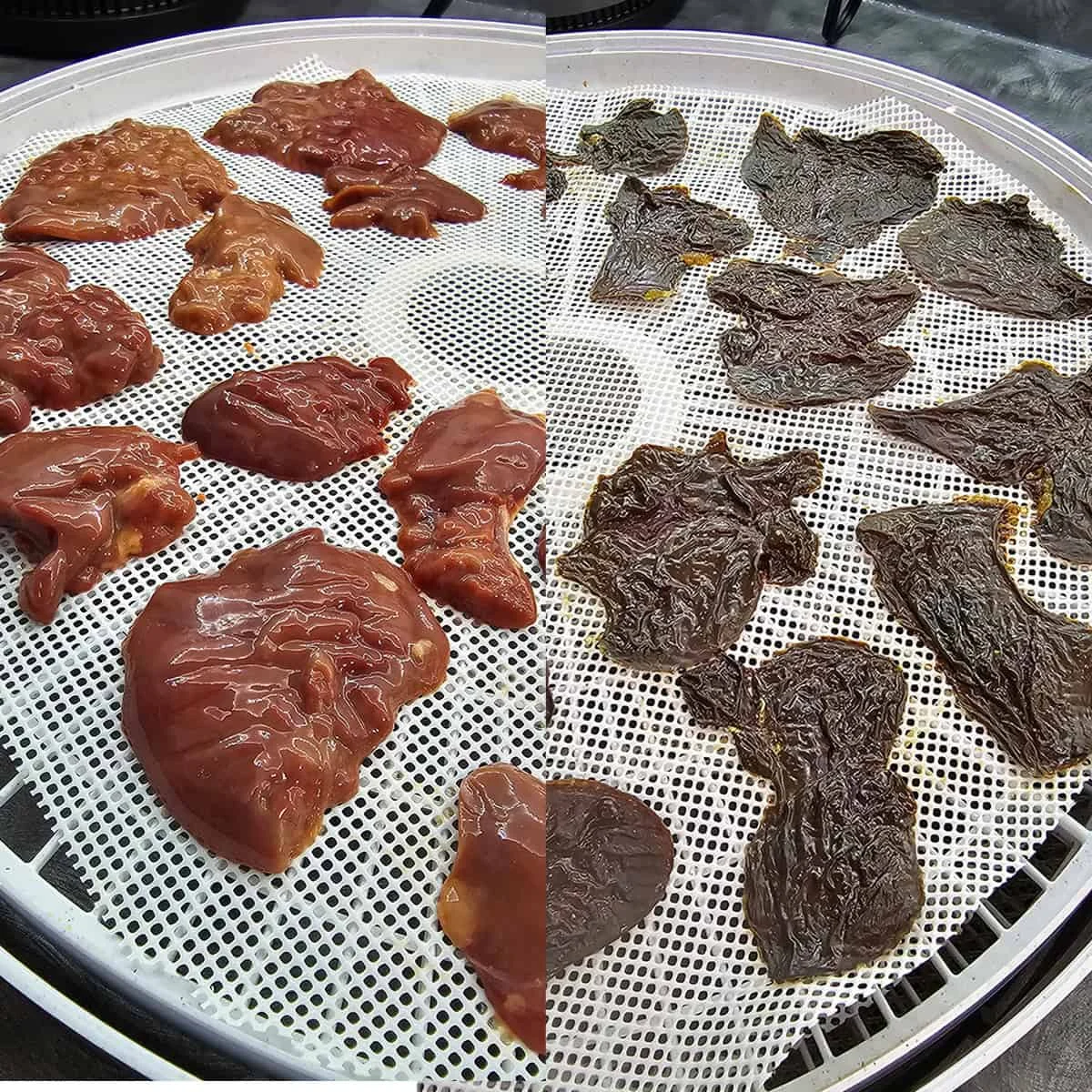
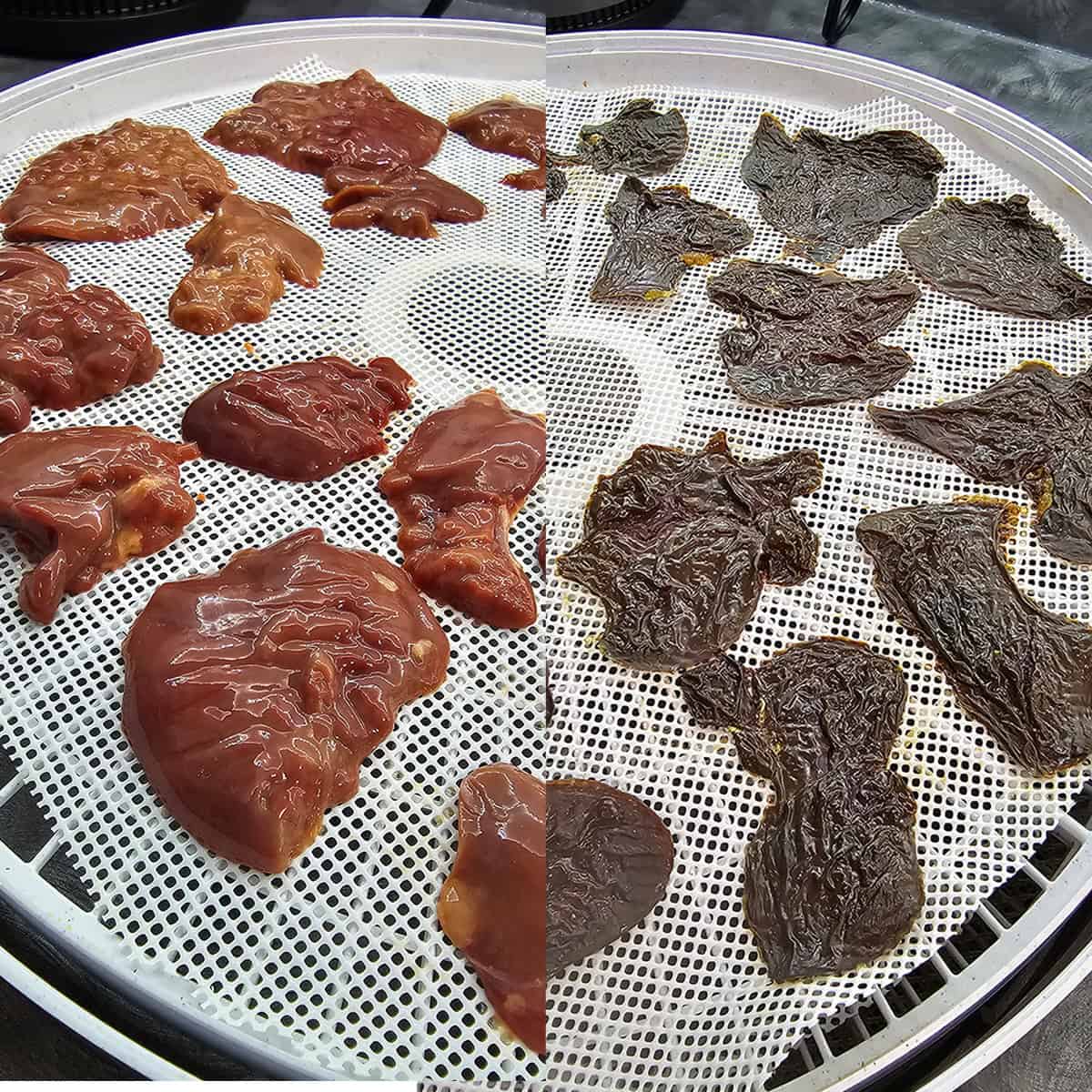
Livers are typically rinsed and patted dry. To ensure even drying, the meat can be sliced into uniform pieces, although many owners choose to dehydrate them whole for a "chunkier" chew. The pieces are then arranged on dehydrator trays or baking sheets. It is essential to ensure that the pieces do not overlap, as airflow is the primary mechanism for moisture removal.
Phase 3: The Dehydration Cycle
For those using a dedicated dehydrator, the equipment is set to 160°F (71°C). This temperature is critical; it is high enough to kill potential pathogens while low enough to dry the meat without "case hardening"—a condition where the outside dries too quickly, trapping moisture inside and leading to spoilage. The dehydration period typically lasts between 8 and 12 hours, depending on the thickness of the meat and the ambient humidity of the room.
Phase 4: Cooling and Conditioning
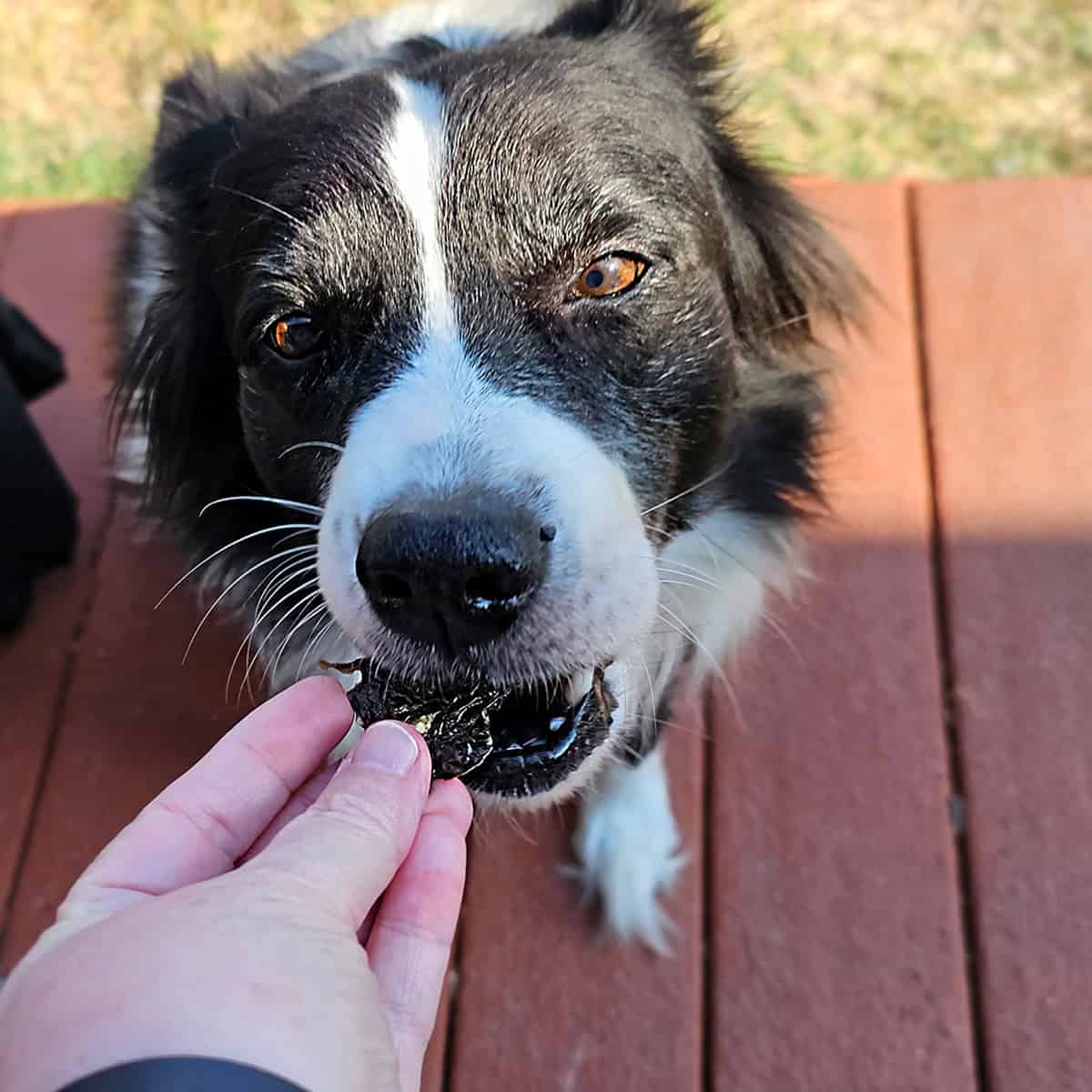
Once the liver is firm and shows no visible moisture when cut, it is removed from the heat. A cooling period is necessary before storage. During this time, owners can "condition" the treats by observing if any condensation forms in a sealed container; if moisture appears, the treats require further drying.
Alternative Preparation: The Oven Method
For pet owners who do not own a dehydrator, the conventional oven serves as a viable alternative. However, this method requires closer monitoring. Most modern ovens do not have settings as low as 160°F, often starting at 170°F or 200°F. To compensate, owners are advised to use the lowest possible setting and potentially prop the oven door open slightly with a heat-resistant utensil to allow moisture to escape and maintain a lower internal temperature. Oven-drying typically takes 4 to 6 hours, and the resulting treats may have a slightly different texture—more akin to a roasted snack than traditional leather-like jerky.
Safety Implications and Quality Control
The move toward DIY treats is partially a reaction to historical safety concerns in the commercial pet food supply chain. Over the past two decades, the Food and Drug Administration (FDA) has issued numerous alerts regarding jerky treats, particularly those imported from overseas, which were linked to cases of Fanconi syndrome—a rare kidney disease—in dogs. By preparing treats at home, owners gain total transparency over the sourcing of ingredients and the absence of chemical additives like glycerin, which is often used in commercial jerky to keep it pliable.
Furthermore, the DIY approach allows for customization based on a dog’s specific health needs. For instance, dogs with certain allergies can avoid the "meat by-products" or grain fillers often found in processed biscuits. However, pet owners are encouraged to consult with veterinarians before introducing significant amounts of organ meat into a pet’s diet, especially for animals with pre-existing conditions like kidney disease or pancreatitis.
Storage and Shelf-Life Standards
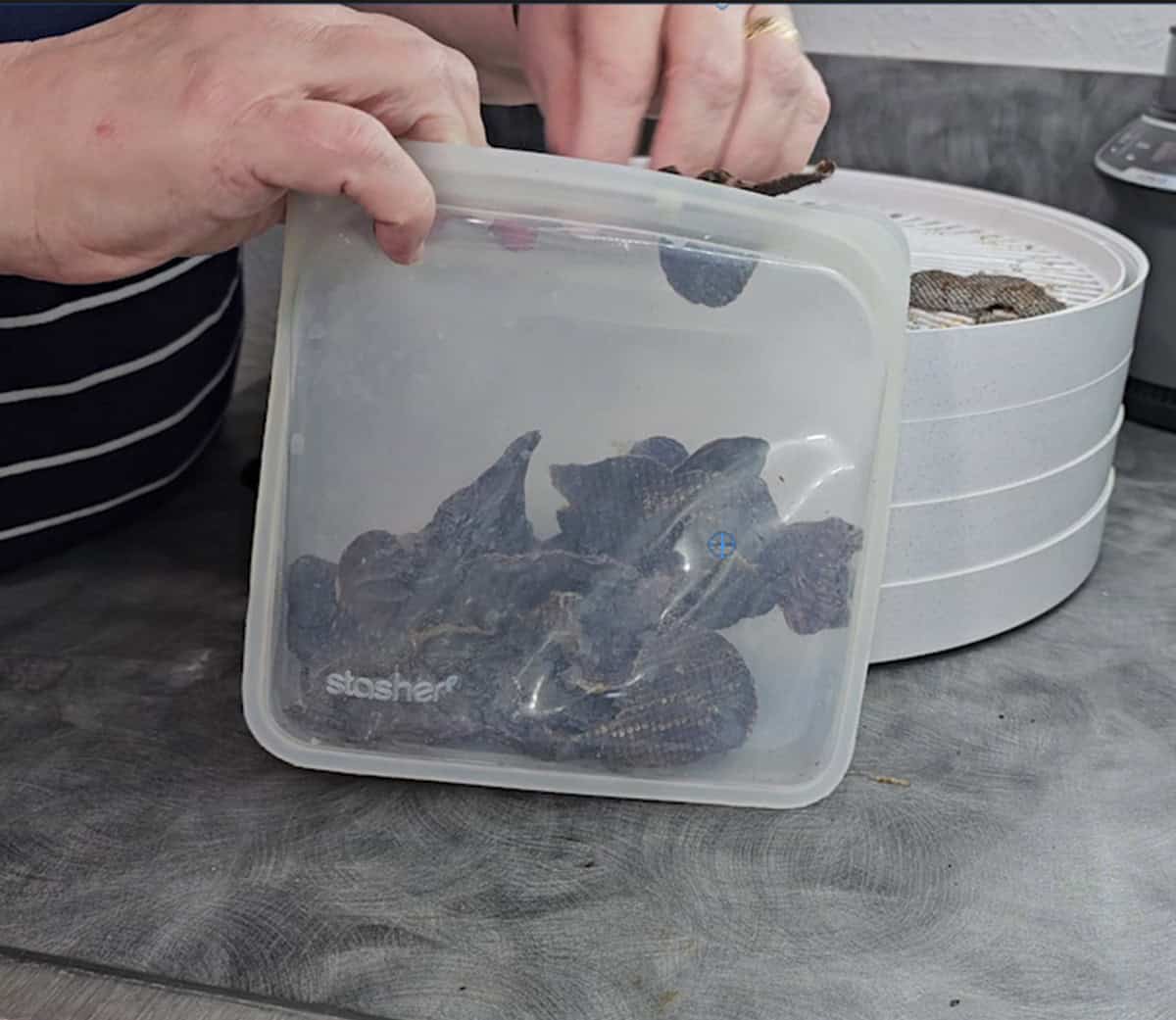
Because homemade dehydrated treats do not contain nitrates or artificial preservatives, their shelf life is shorter than store-bought equivalents. Proper storage is essential to prevent the growth of mold or bacteria.
- Room Temperature: In a cool, dry place, the treats can last for approximately one week in an airtight container.
- Refrigeration: This extends the shelf life to approximately two weeks.
- Freezing: For long-term storage, dehydrated liver treats can be frozen for up to six months.
Experts recommend using vacuum sealing or adding oxygen absorbers to containers to further extend freshness by minimizing the oxidative rancidity of the fats present in the liver.
Broader Impact on Pet Ownership and Sustainability
The practice of dehydrating organ meats at home also aligns with broader environmental and sustainability goals. By purchasing livers—parts of the animal that are often underutilized in the human food chain—pet owners contribute to a more nose-to-tail approach to agriculture, reducing food waste. Additionally, the reduction in single-use plastic packaging from commercial treat bags lessens the environmental footprint of pet ownership.
As the "humanization" of pets continues to drive market trends, the empowerment of the pet owner as a "home producer" represents a significant shift in the power dynamic between consumers and large-scale manufacturers. Knowledge sharing through platforms like The Purposeful Pantry, led by experts like Darcy Baldwin, provides the technical framework necessary for the public to take control of their pets’ nutrition.
Conclusion: A Shift Toward Autonomy in Pet Care
The rise of DIY dehydrated chicken liver treats is more than a culinary trend; it is a convergence of economic necessity, health consciousness, and a desire for transparency. By mastering the relatively simple science of dehydration, pet owners provide their animals with a high-value reward that supports physiological health while circumventing the risks associated with industrial food processing. As data continues to support the benefits of whole-food nutrition for canines, the kitchen dehydrator is likely to become as essential a tool for the modern pet owner as the leash or the water bowl. Through careful preparation, adherence to safety protocols, and an understanding of nutritional balance, the DIY movement is setting a new standard for how society cares for its most loyal companions.


