
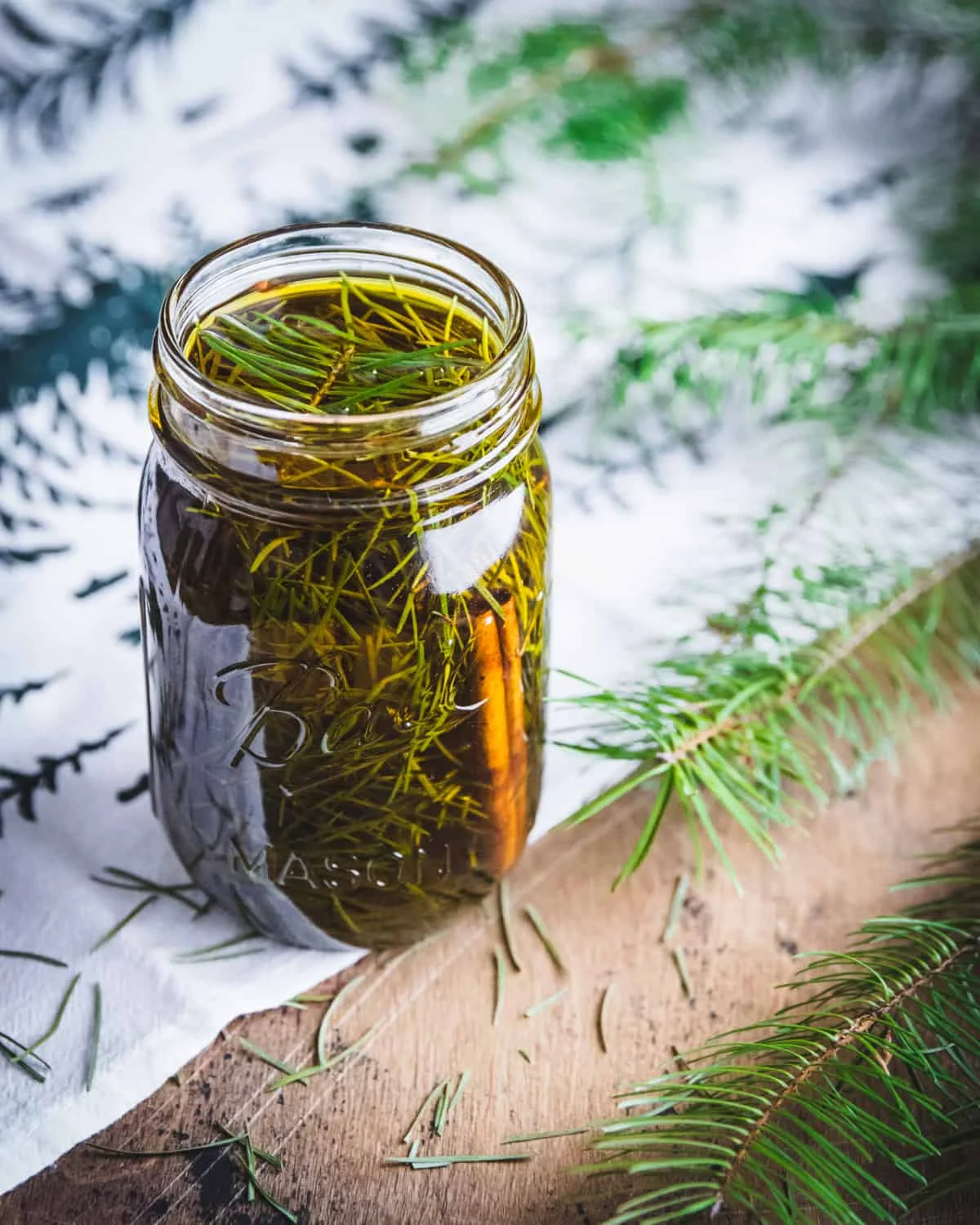
The practice of creating infused herbal oils represents the fundamental building block of the burgeoning natural skincare industry, serving as the essential precursor for a wide array of topical applications including salves, body butters, and therapeutic creams. As consumer demand for transparency in ingredient sourcing continues to escalate, the art of oil maceration—the process of extracting botanical constituents into a lipid medium—has transitioned from a niche traditional craft into a mainstream pursuit for both amateur herbalists and artisanal manufacturers. This foundational process, while deceptively simple, requires a nuanced understanding of botanical chemistry, lipid stability, and microbial safety to ensure the production of high-quality, shelf-stable products.
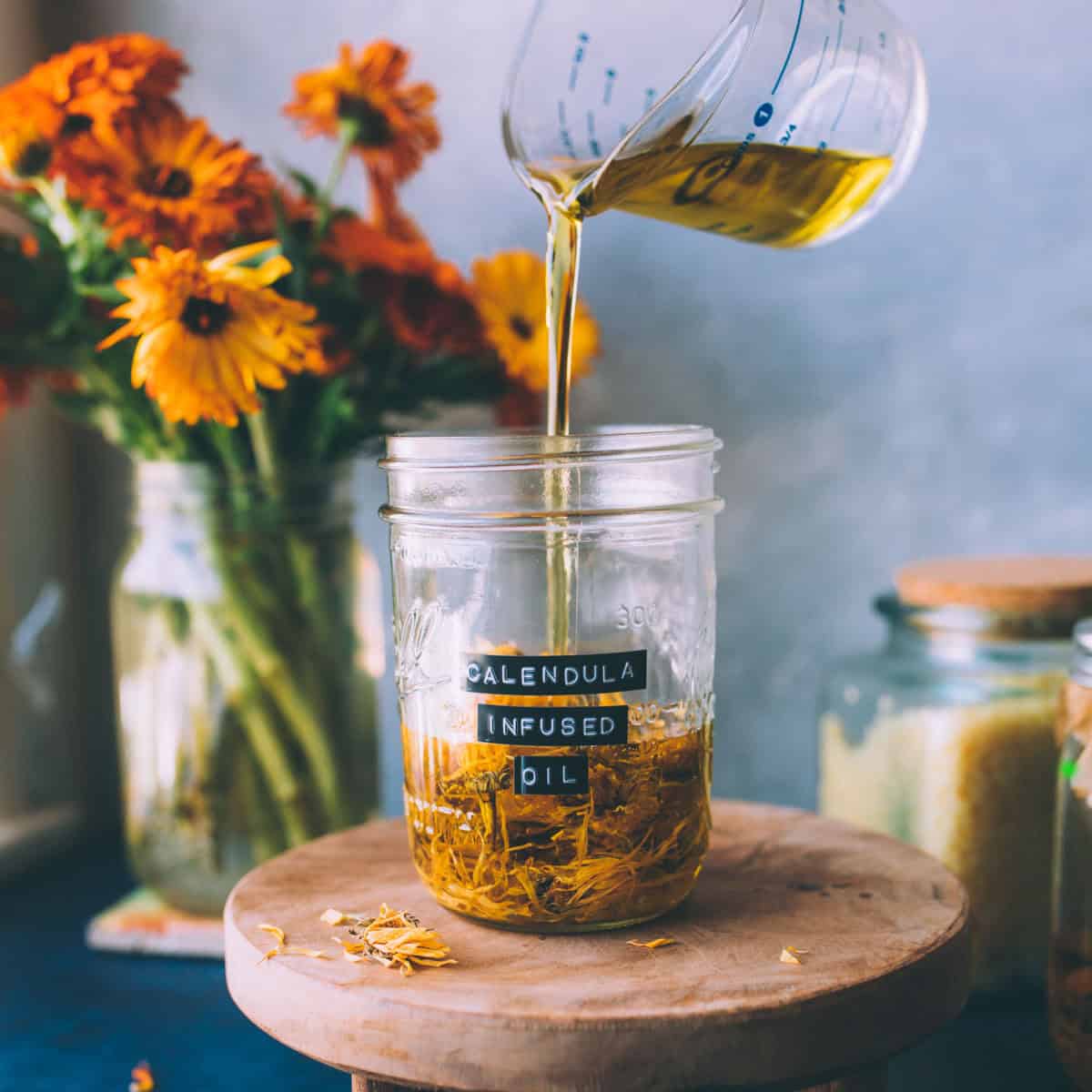
The Evolution of Botanical Infusions in Modern Skincare
The global shift toward "Clean Beauty" has significantly impacted the way individuals perceive and consume skincare. Market analysis indicates that the global natural and organic cosmetics market is projected to reach a valuation of approximately $32.3 billion by 2030, growing at a compound annual growth rate (CAGR) of 9.1%. This growth is driven by a heightened awareness of synthetic additives and a desire for plant-based alternatives. Herbal oil infusions sit at the heart of this movement, offering a method to harness the phytochemical properties of plants such as calendula, lavender, and yarrow without the need for complex laboratory equipment or harsh chemical solvents.
Historically, herbal oils have been utilized for millennia across various cultures, from the infused balms of Ancient Egypt to the traditional macerations used in European folk medicine. Today, the resurgence of these methods is viewed by industry experts as a democratization of skincare formulation. By mastering a few key techniques, individuals can create customized treatments tailored to specific skin concerns, such as inflammation, dryness, or wound healing, while maintaining total control over the supply chain.
The Botanical Foundation: Selecting and Preparing Raw Materials
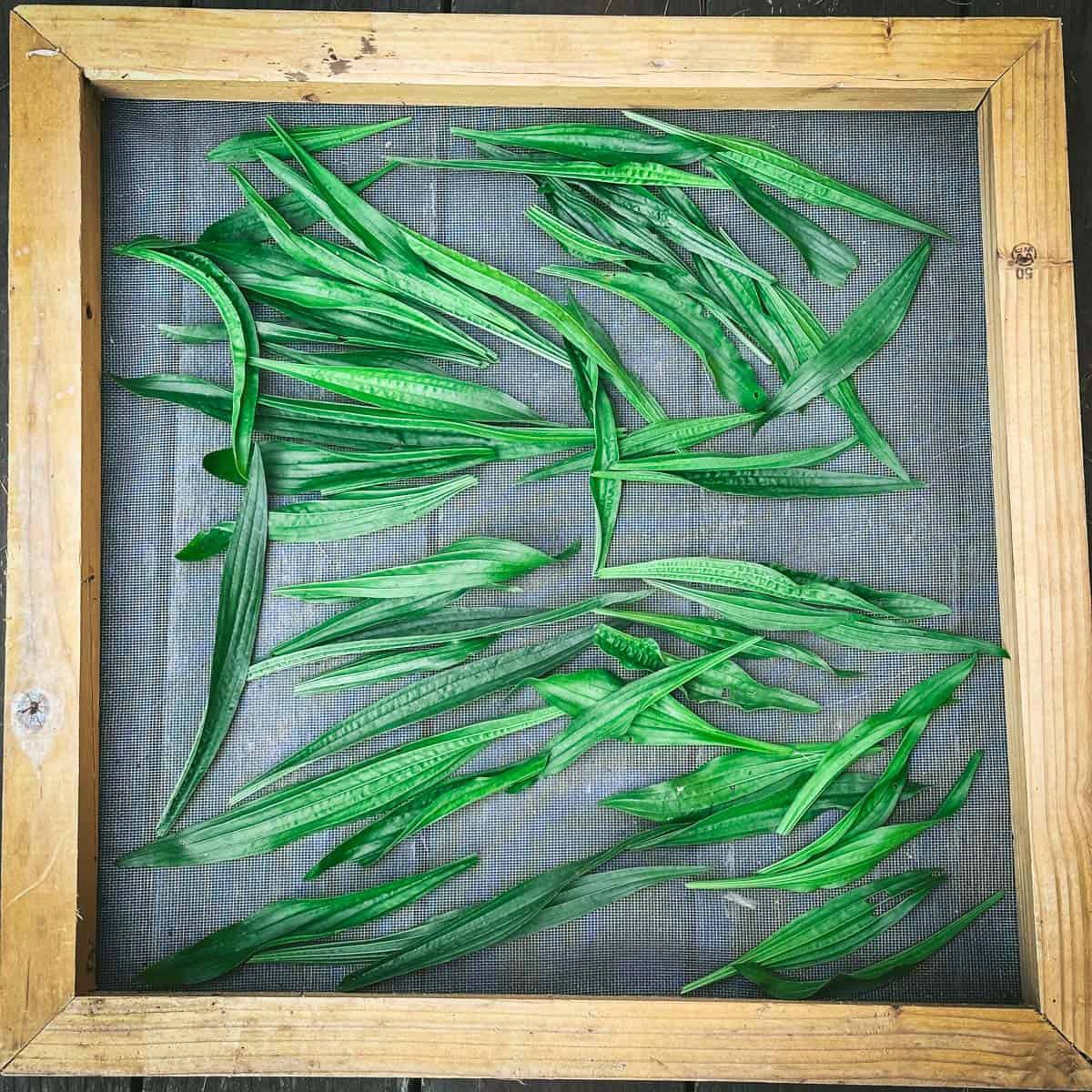
The efficacy of an infused oil is directly proportional to the quality of the raw botanical material used. Expert herbalists emphasize that the first and most critical step in the infusion process is ensuring that herbs are properly dried. The presence of moisture in fresh plant material is the primary catalyst for rancidity and the growth of mold or bacteria, including the risk of Clostridium botulinum in certain anaerobic environments.
A wide variety of flora is suitable for oil infusion, each offering distinct dermatological benefits:
- Calendula (Calendula officinalis): Renowned for its high flavonoid content, it is widely used for its anti-inflammatory and skin-soothing properties.
- Lavender (Lavandula angustifolia): Valued for its antiseptic qualities and its ability to promote tissue regeneration.
- Rosemary (Salvia rosmarinus): Contains carnosic acid, which provides antioxidant protection for both the skin and the oil itself.
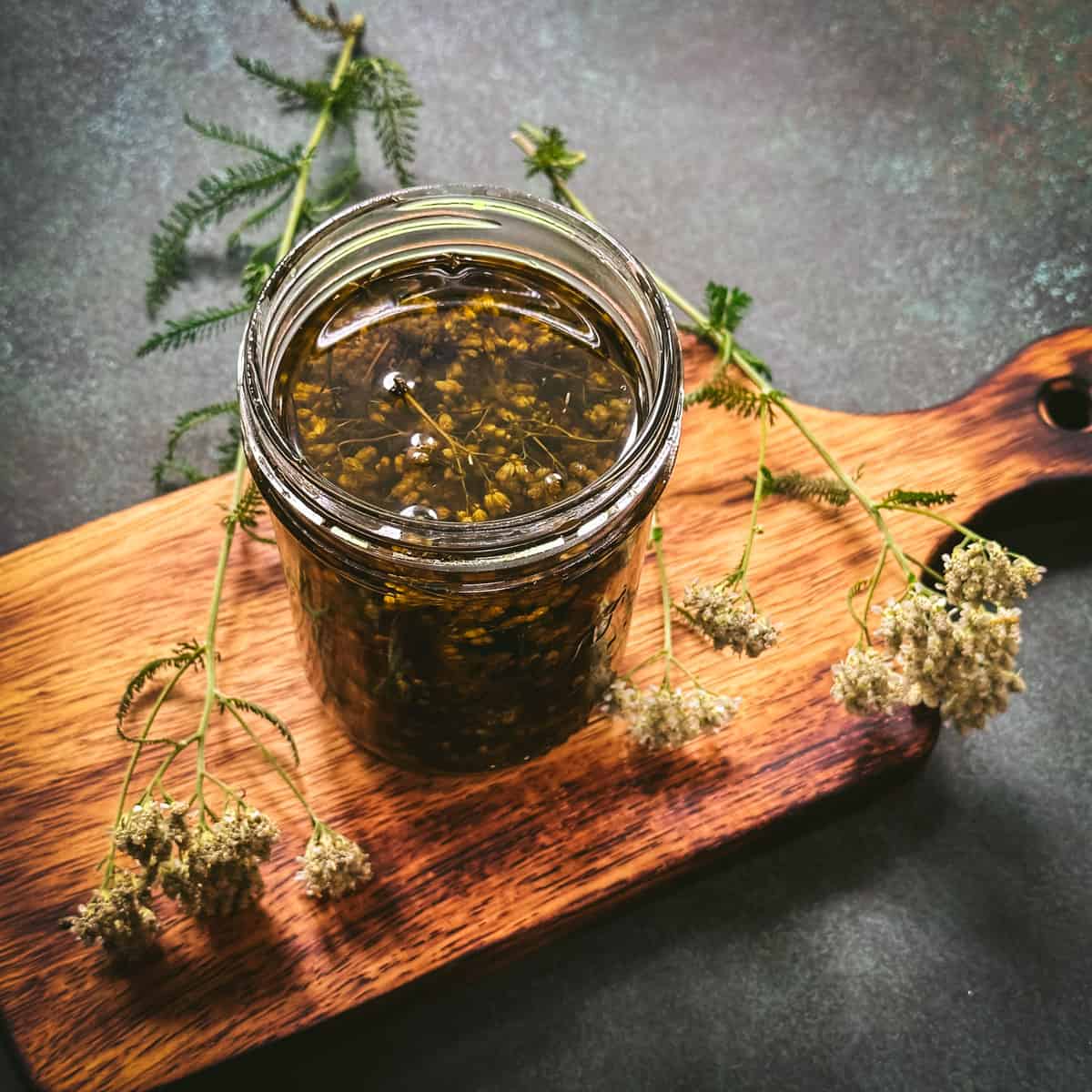
- Yarrow (Achillea millefolium): A traditional vulnerary used to support the healing of minor abrasions and to provide astringent benefits.
- Plantain (Plantago major): Often referred to as "nature’s band-aid," it is a staple for drawing out impurities and soothing insect bites.
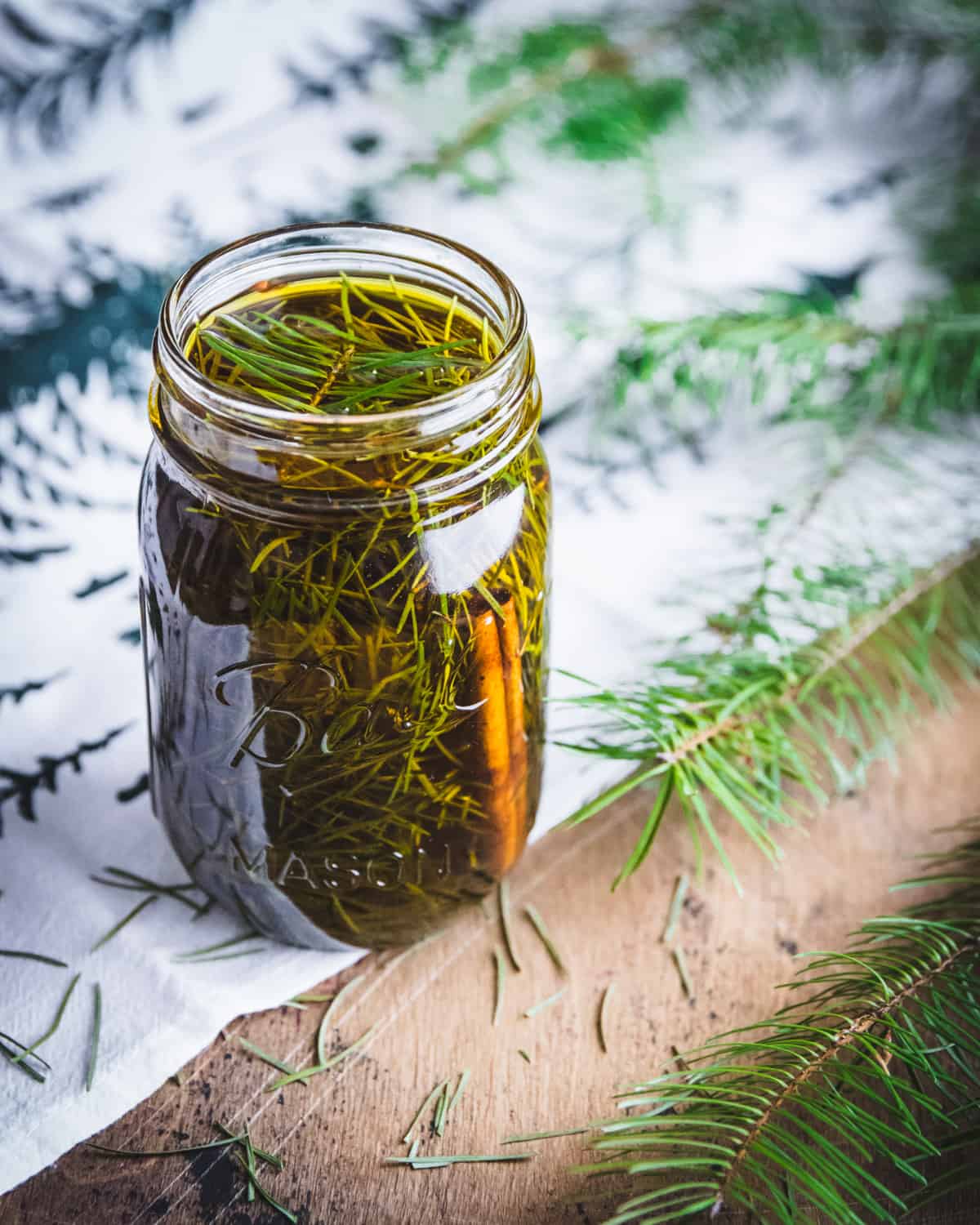
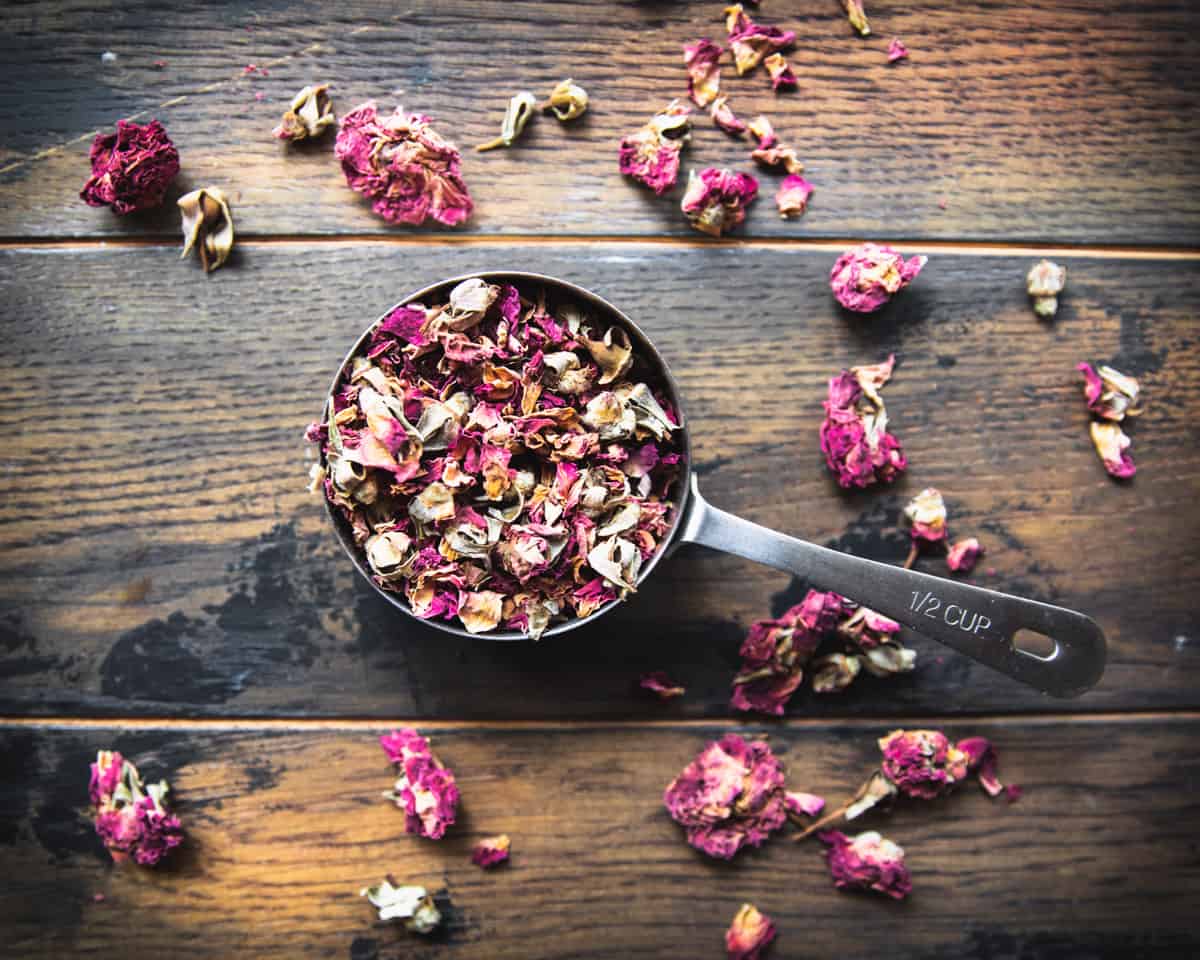
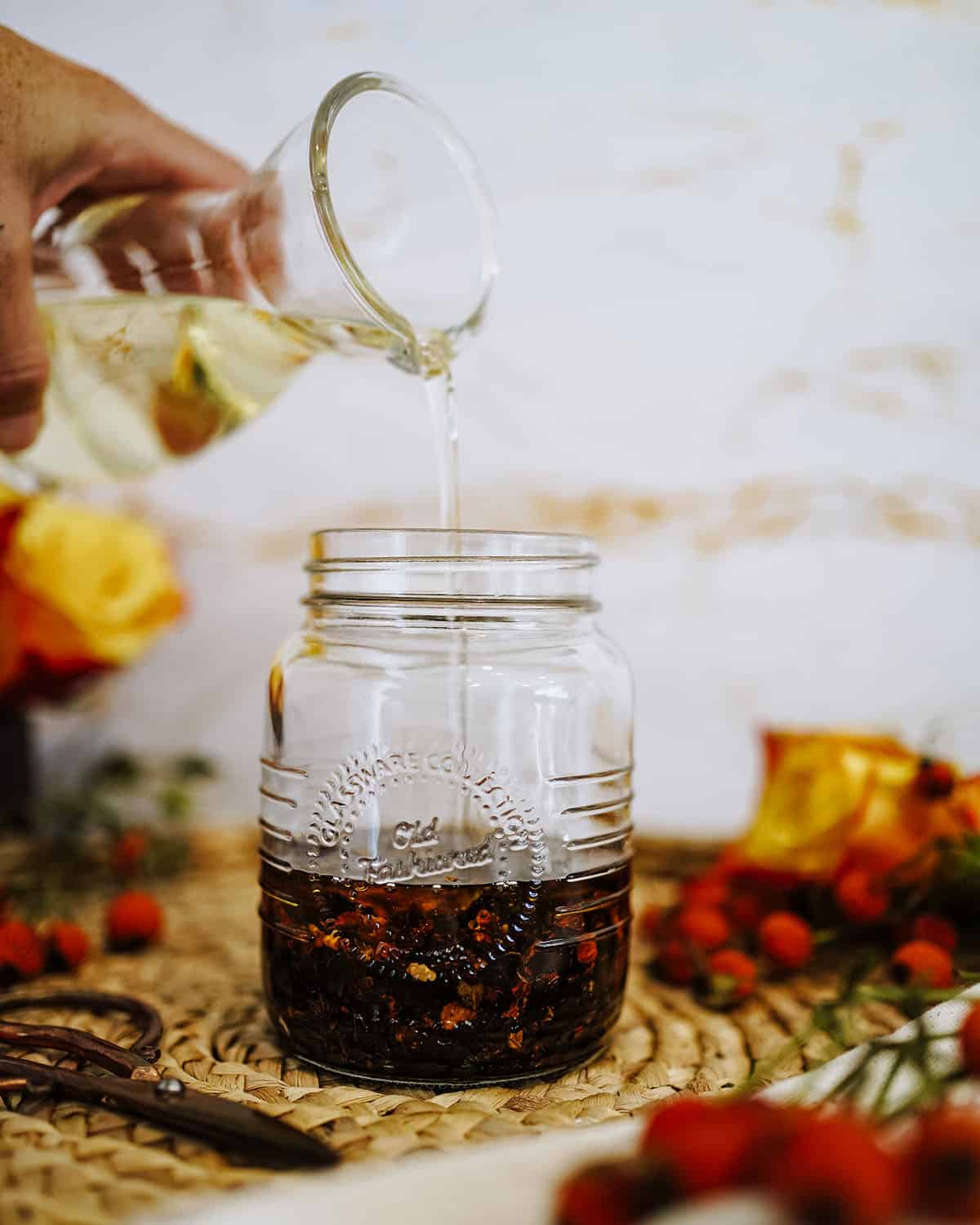
For those who do not forage their own materials, the commercial market for dried bulk herbs has expanded, with suppliers like Mountain Rose Herbs setting industry standards for organic certification and ethical harvesting. The seasonal cycle plays a vital role in this process; while spring and summer offer a bounty of fresh blooms for drying, the fall and winter months provide unique opportunities to work with conifer needles and vitamin-C-rich rose hips.
The Chemistry of Carrier Oils
The choice of a carrier oil—the lipid base of the infusion—is as significant as the herbs themselves. Formulators must consider the fatty acid profile, comedogenic rating (the likelihood of clogging pores), and the oxidative stability of the oil.
Commonly utilized carrier oils include:
- Olive Oil: A robust choice with a high oleic acid content, providing a long shelf life and deep penetration into the epidermal layers.
- Sweet Almond Oil: Favored for its light texture and high Vitamin E content, making it ideal for sensitive skin and facial applications.
- Coconut Oil: Offers antimicrobial properties due to its lauric acid content, though its solid state at room temperature requires specific handling.
- Jojoba Oil: Technically a liquid wax, it closely mimics the skin’s natural sebum, making it highly compatible for all skin types and exceptionally resistant to rancidity.
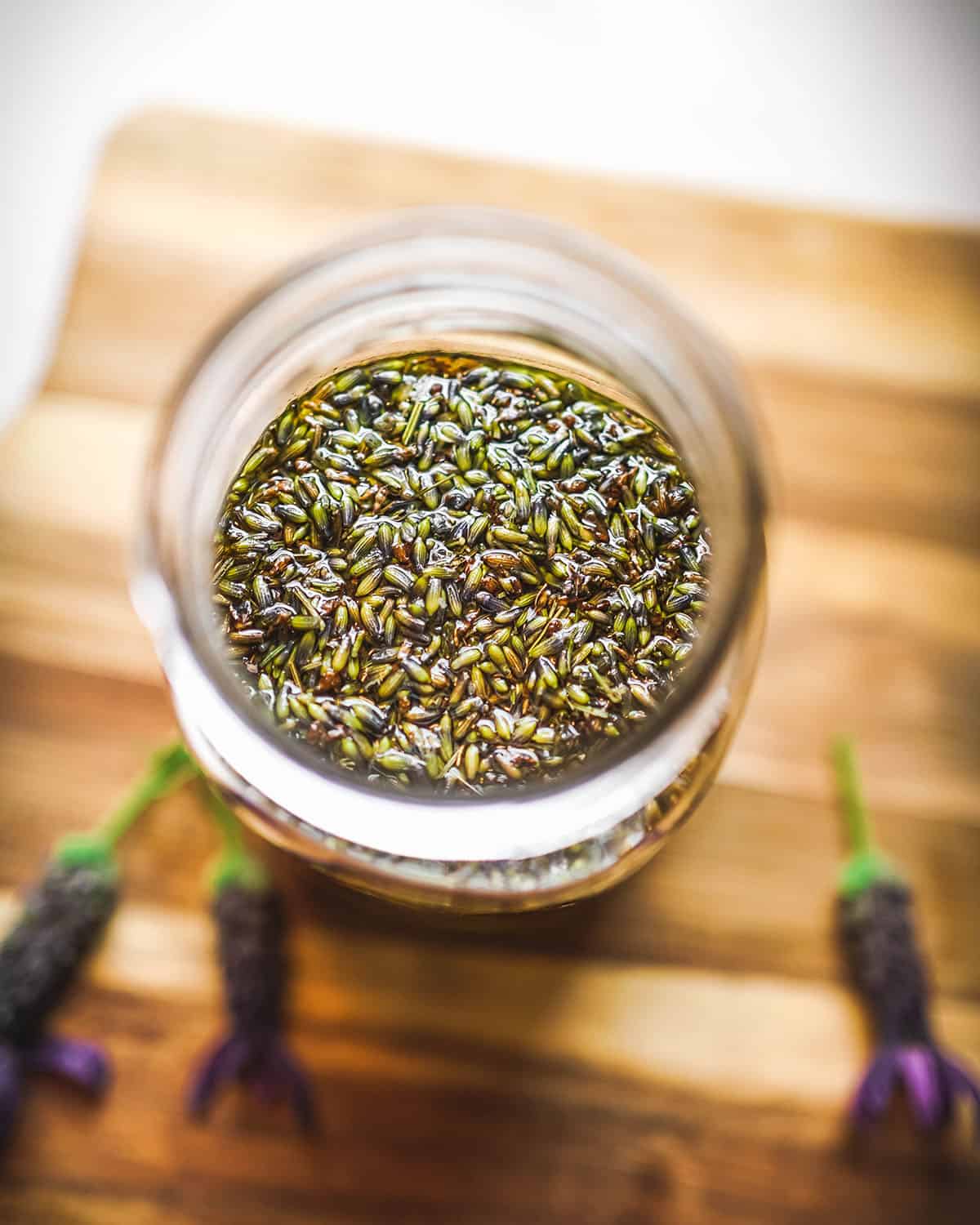
In professional practice, a blend of oils is often employed to balance absorption rates and nutrient density. The ratio of herbs to oil is typically flexible, though a standard guideline involves ensuring the plant material is completely submerged by at least one to two inches of oil to prevent oxidation at the surface.
Technical Procedures: A Chronology of Infusion Methods
There are three primary methodologies utilized in the creation of herbal oils, each with specific advantages and timelines.
The Cold Infusion (Maceration) Method
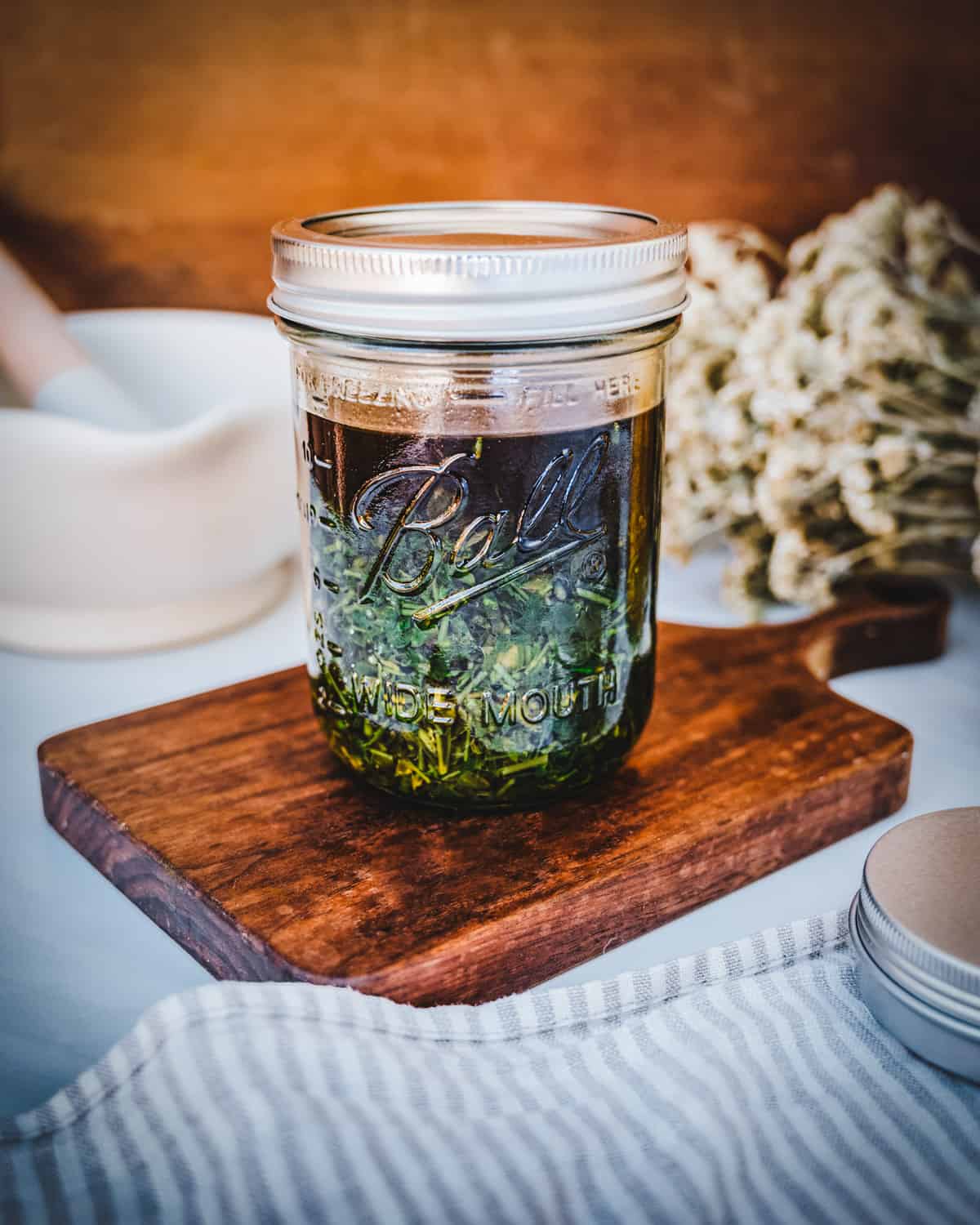
Often cited as the "gold standard" for delicate botanicals, the cold infusion method relies on time rather than heat to extract plant constituents.
- Timeline: 4 to 6 weeks.
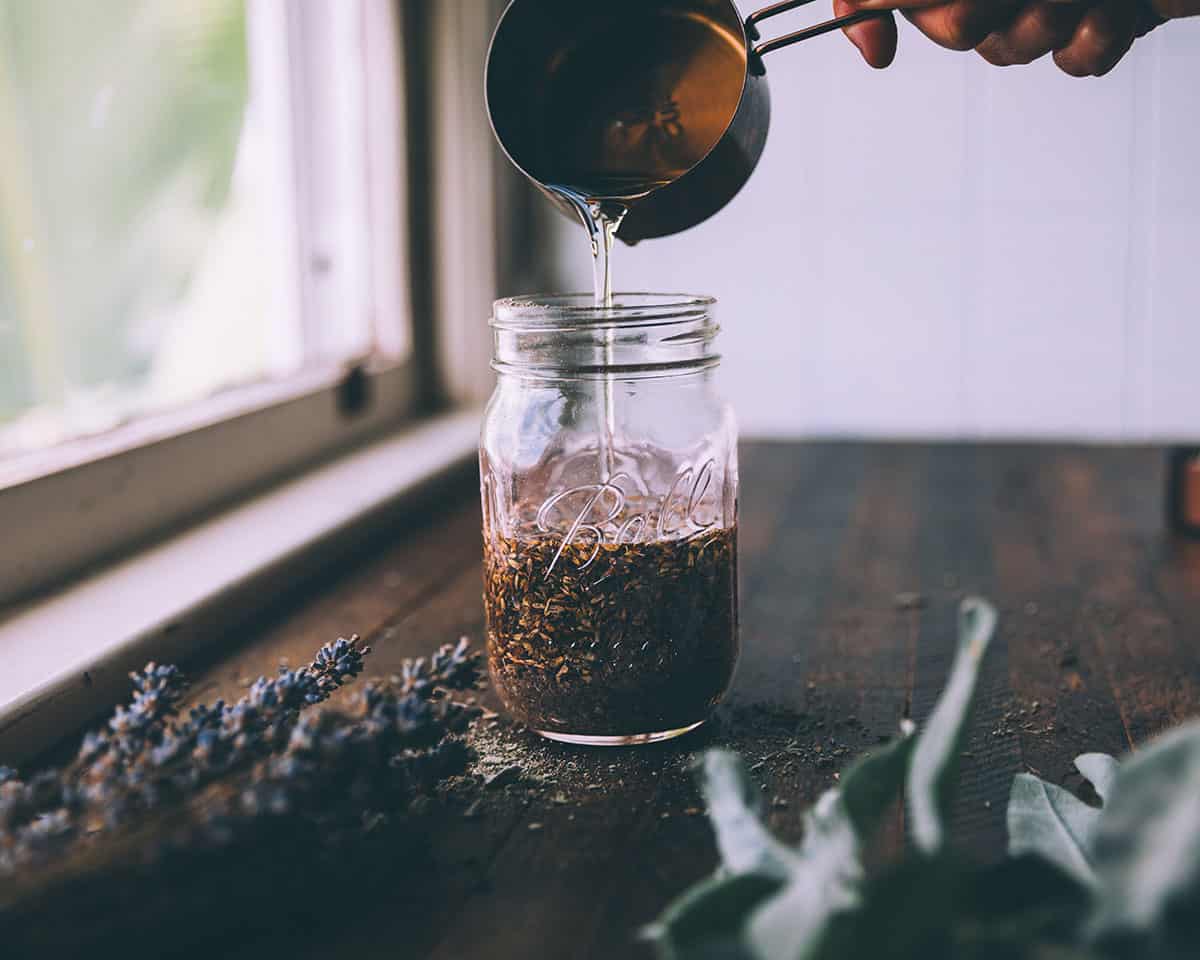
- Procedure: Dried herbs are placed in a glass jar, covered with the carrier oil, and stored in a cool, dark environment.
- Analysis: This method preserves the integrity of heat-sensitive compounds and volatile oils. It is the preferred choice for long-term stability and is most effective when using oils that are naturally resistant to oxidation.
The Quick Heat Method
When production timelines are compressed or when working with certain "wilted" (semi-fresh) herbs that require rapid moisture evaporation, the heat method is employed.
- Timeline: 12 to 24 hours.
- Procedure: A double boiler or a slow cooker on the lowest possible setting is used to maintain a consistent temperature, ideally not exceeding 110 degrees Fahrenheit.
- Analysis: While efficient, excessive heat can degrade the therapeutic properties of the herbs and accelerate the oxidation of the carrier oil. This method requires constant monitoring to ensure the oil does not "cook" the plant material, which would result in a scorched aroma and diminished efficacy.
The Solar Infusion Method
This traditional method utilizes the gentle warmth of the sun to facilitate extraction.
- Timeline: 2 to 4 weeks.
- Procedure: The infusion is placed on a sunny windowsill, allowing solar heat to warm the lipids.
- Analysis: This method is increasingly controversial among modern formulators. While historically popular, ultraviolet (UV) exposure is a known catalyst for lipid peroxidation (rancidity). Most contemporary experts suggest that if heat is required, controlled electric heat is superior to unregulated solar exposure.
Safety Protocols and Quality Control
The primary challenge in artisanal oil production is the prevention of spoilage. Microbiologists note that while oil does not support the growth of most bacteria in the same way water-based lotions do, the introduction of any moisture can create "micro-pockets" where pathogens can thrive.
To maintain safety standards, formulators are advised to:
- Sterilize Equipment: All jars and stirring implements should be thoroughly cleaned and dried before use.
- Strain Rigorously: Using fine mesh sieves or multiple layers of cheesecloth ensures that no organic sediment remains in the final product, as these particles can become sites for mold growth.
- Storage: Once infused, the shelf life of the oil is effectively shortened. Storing the final product in amber glass bottles in a cool, dark place—or even the refrigerator—can extend its viability.
- Labeling: Accurate record-keeping, including the date of infusion, the type of oil used, and the source of the herbs, is essential for tracking batch consistency and expiration.
Economic and Environmental Implications
The rise of DIY herbalism and small-batch production carries significant broader implications. Environmentally, the use of locally foraged or home-grown herbs reduces the carbon footprint associated with global cosmetic supply chains. Furthermore, the ability to reuse glass containers for infusions contributes to a "zero-waste" lifestyle that resonates with modern environmental values.
Economically, the skill of oil infusion empowers individuals to produce high-value skincare products at a fraction of the retail cost. A single liter of high-quality infused oil can be transformed into dozens of tins of salve or jars of body butter, providing a viable pathway for micro-entrepreneurship in the "maker economy."
Conclusion: The Future of Botanical Formulation
As the boundary between traditional herbalism and modern dermatological science continues to blur, the role of infused herbal oils remains steadfast. They represent a bridge between the ancient understanding of plant synergy and the contemporary demand for pure, effective, and ethical skincare. By adhering to rigorous preparation standards and selecting the appropriate extraction methods, today’s herbalists are not merely reviving an old craft; they are refining a scientific process that serves as the foundation for the next generation of natural health and beauty products. The continued interest in these methods suggests a permanent shift in consumer behavior—one that favors the slow, the intentional, and the botanical over the mass-produced and the synthetic.


