
The Nutritional Profile and Benefits of Chicken Liver
Chicken liver is an organ meat that provides an concentrated source of essential vitamins and minerals that are often lacking in standard muscle meat. From a nutritional standpoint, liver is a powerhouse, containing high levels of Vitamin A, which is crucial for maintaining healthy vision, skin, and immune function in canines. Furthermore, it is a rich source of B vitamins, particularly Vitamin B12, which supports the nervous system and metabolic processes.
According to veterinary nutritional data, chicken liver also provides significant amounts of iron and copper. Iron is essential for the formation of hemoglobin, the protein in red blood cells that carries oxygen throughout the body, while copper assists in the absorption of iron and the formation of connective tissue. For active dogs or those recovering from illness, the high protein content—approximately 15 grams per two-piece serving in dehydrated form—supports muscle repair and sustained energy levels. However, experts caution that because liver is so nutrient-dense, it should be treated as a supplement rather than a primary meal component. Overconsumption can lead to Vitamin A toxicity, a condition that can cause joint stiffness and bone spurs in dogs.
Historical Context and Market Trends
The shift toward DIY pet treats is not merely a hobbyist movement but a reaction to historical safety concerns within the global pet food supply chain. Between 2007 and 2015, the United States Food and Drug Administration (FDA) investigated thousands of reports of pet illnesses and deaths linked to jerky treats imported from overseas, specifically those containing chicken, duck, and sweet potato. These incidents led to widespread recalls and a lasting distrust among consumers regarding the safety of mass-produced jerky.
This climate of caution has fueled the growth of the "home-prepared" pet food segment. Market analysis indicates that the global pet treat market is expected to continue its upward trajectory, with a specific focus on "functional treats"—those that offer health benefits beyond basic nutrition. By making treats at home, owners gain total control over the sourcing of ingredients, effectively eliminating the risk of exposure to synthetic additives, excessive sodium, or contaminated raw materials.
The Chronology of Home Dehydration: A Step-by-Step Process
The process of creating dehydrated chicken liver treats involves a series of precise steps designed to ensure both the nutritional integrity of the meat and the safety of the final product.
Phase 1: Sourcing and Preparation
The first step in the chronology is the acquisition of high-quality raw material. Chicken livers are widely available in grocery stores, typically sold in tubs. While standard commercial livers are sufficient, many proponents of DIY treats opt for organic or pasture-raised options to minimize the presence of antibiotics or hormones. Once sourced, the livers must be handled with the same rigor as any raw poultry product to prevent cross-contamination.
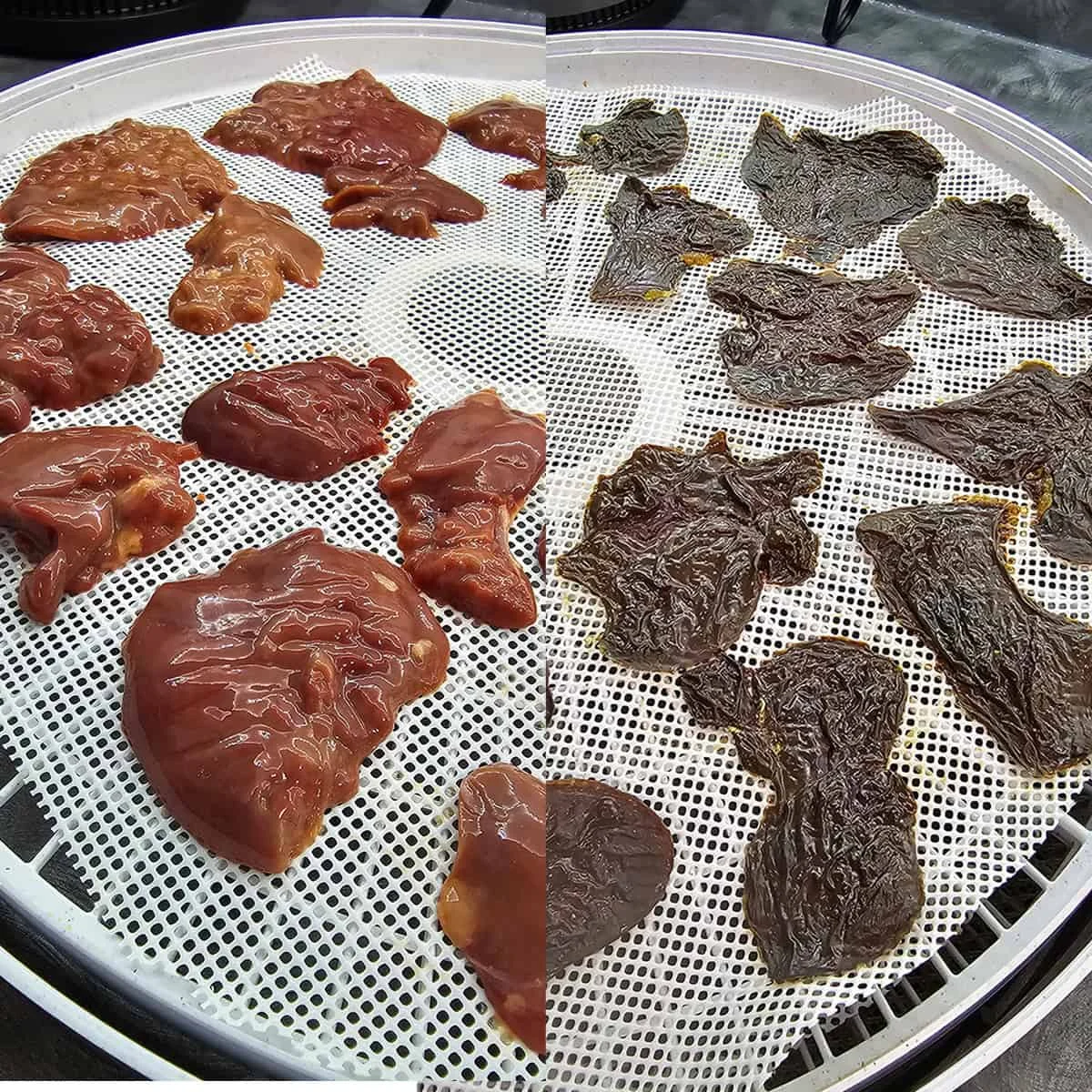
Preparation begins with rinsing the livers under cold water and patting them dry. The meat is then sliced into uniform pieces, typically about 1/4 inch thick. Uniformity is critical in the dehydration process; slices that vary in thickness will dry at different rates, leading to a batch that is partially under-dried (posing a spoilage risk) and partially over-dried.
Phase 2: The Dehydration Cycle
Once sliced, the liver is arranged on dehydrator trays. It is essential to ensure that the pieces do not touch or overlap, as adequate airflow is the primary mechanism of dehydration. The temperature setting is the most critical safety factor in this phase. To ensure the destruction of pathogens such as Salmonella and E. coli, the USDA recommends that meat be heated to an internal temperature of 160°F (71°C). Most modern dehydrators include a setting for meat that maintains this temperature.
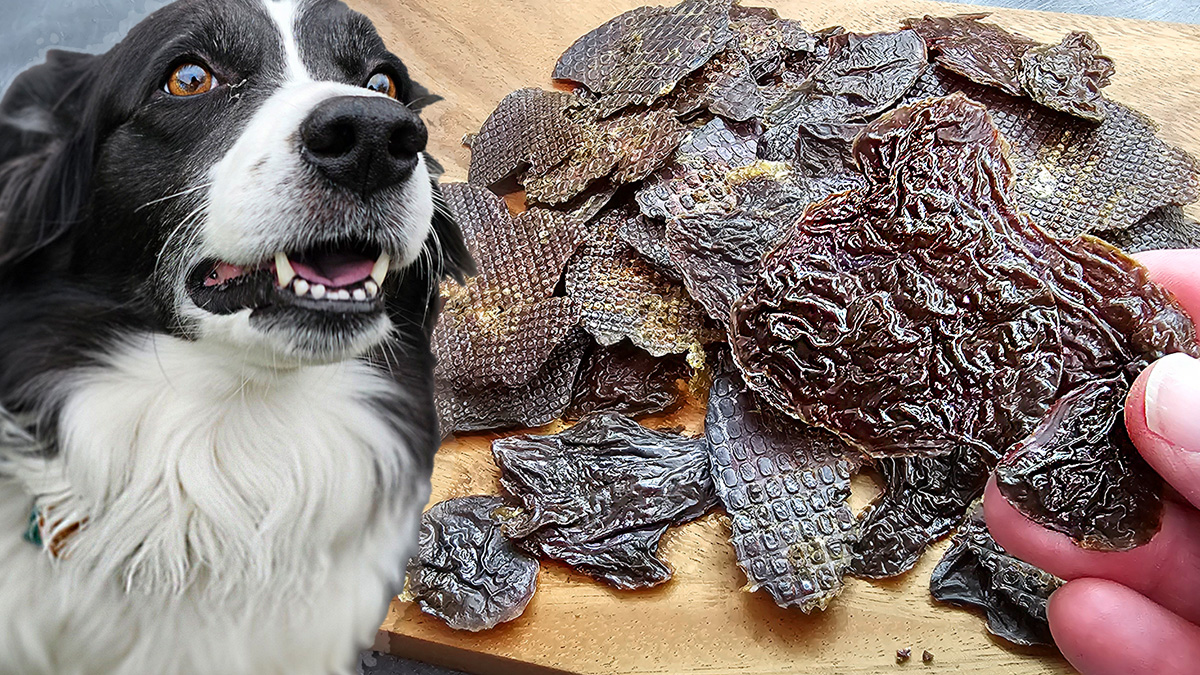
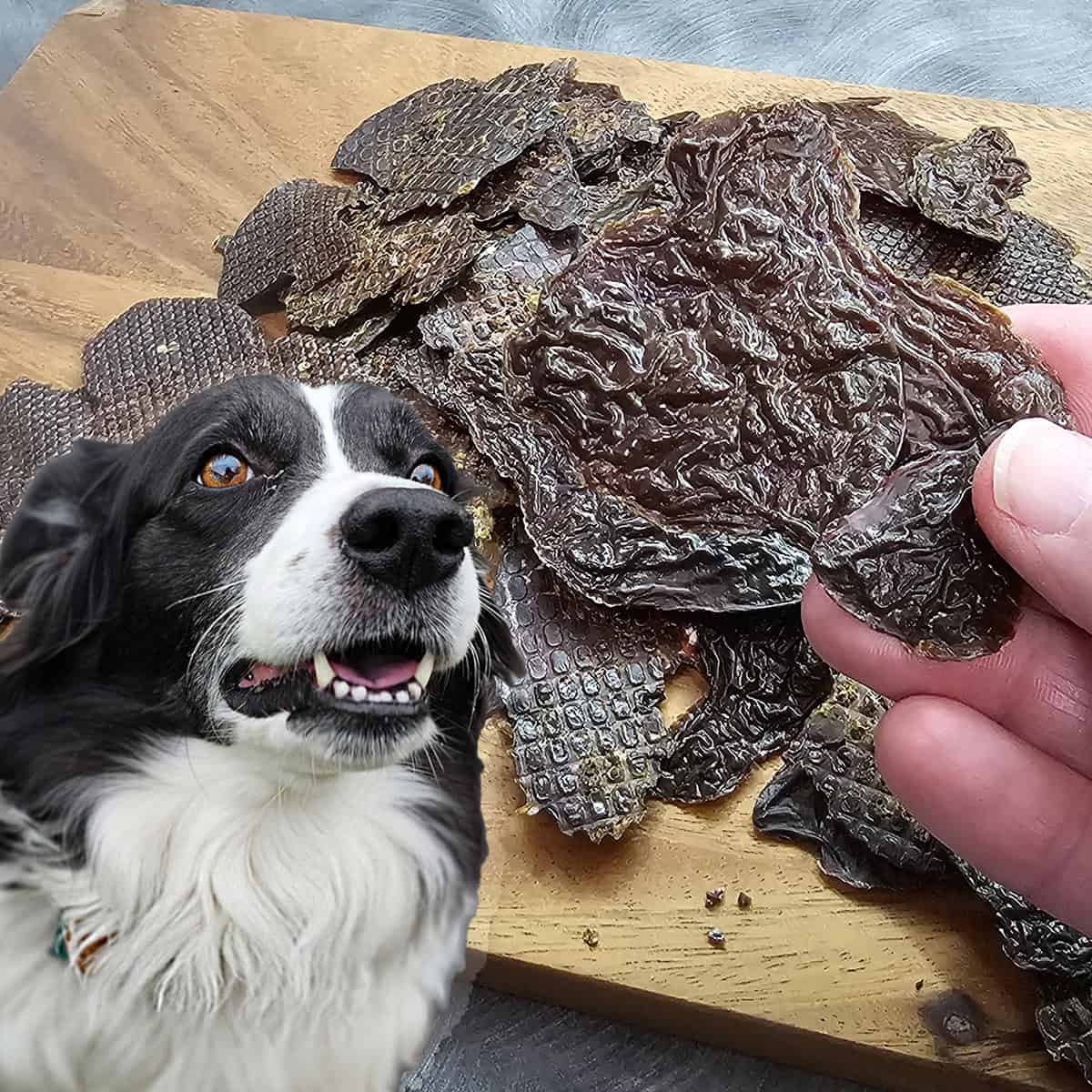
The duration of the cycle typically ranges from 8 to 12 hours, depending on the humidity of the environment and the specific moisture content of the liver. The goal is to reach a state where the jerky is firm and snaps when bent, rather than stretching or feeling leathery.
Phase 3: The Oven Alternative
For pet owners without a dedicated dehydrator, the process can be replicated in a standard oven. This method involves placing the liver slices on a wire rack over a baking sheet to allow for 360-degree air circulation. The oven should be set to its lowest possible temperature—often around 170°F. Because ovens lack the specialized fans of dehydrators, the process may be faster but requires closer monitoring to prevent scorching.
The Science of Preservation and Storage
Dehydration preserves food by removing the "water activity" ($a_w$) that bacteria, mold, and yeast need to grow. By reducing the moisture content of the chicken liver to below 10%, the shelf life is significantly extended without the need for chemical preservatives like potassium sorbate or BHA/BHT, which are common in commercial treats.
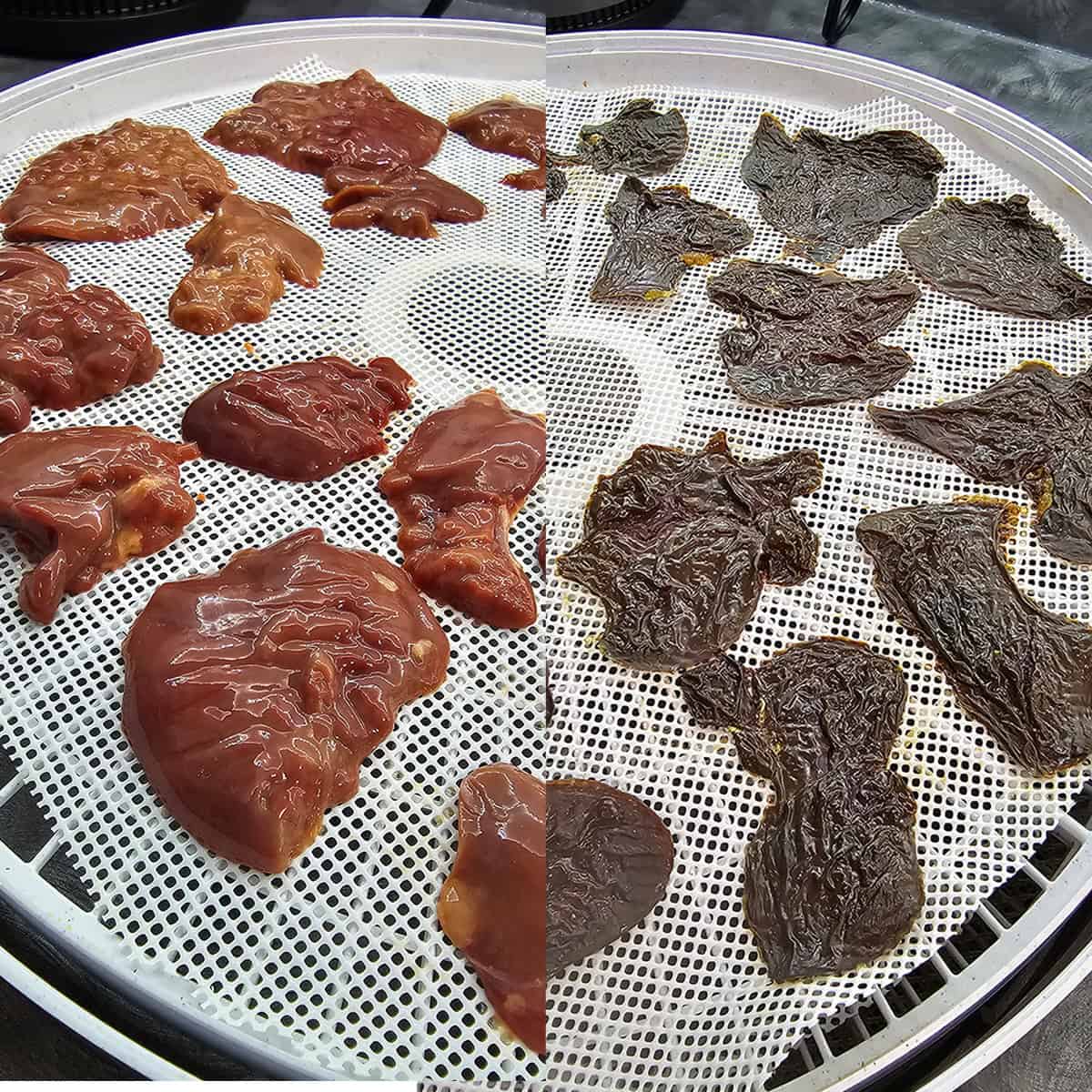
Storage protocols are vital to maintaining this state of preservation. Once the dehydration cycle is complete, the treats must be allowed to cool completely at room temperature. Placing warm treats in a sealed container can create condensation, reintroducing moisture and facilitating mold growth.
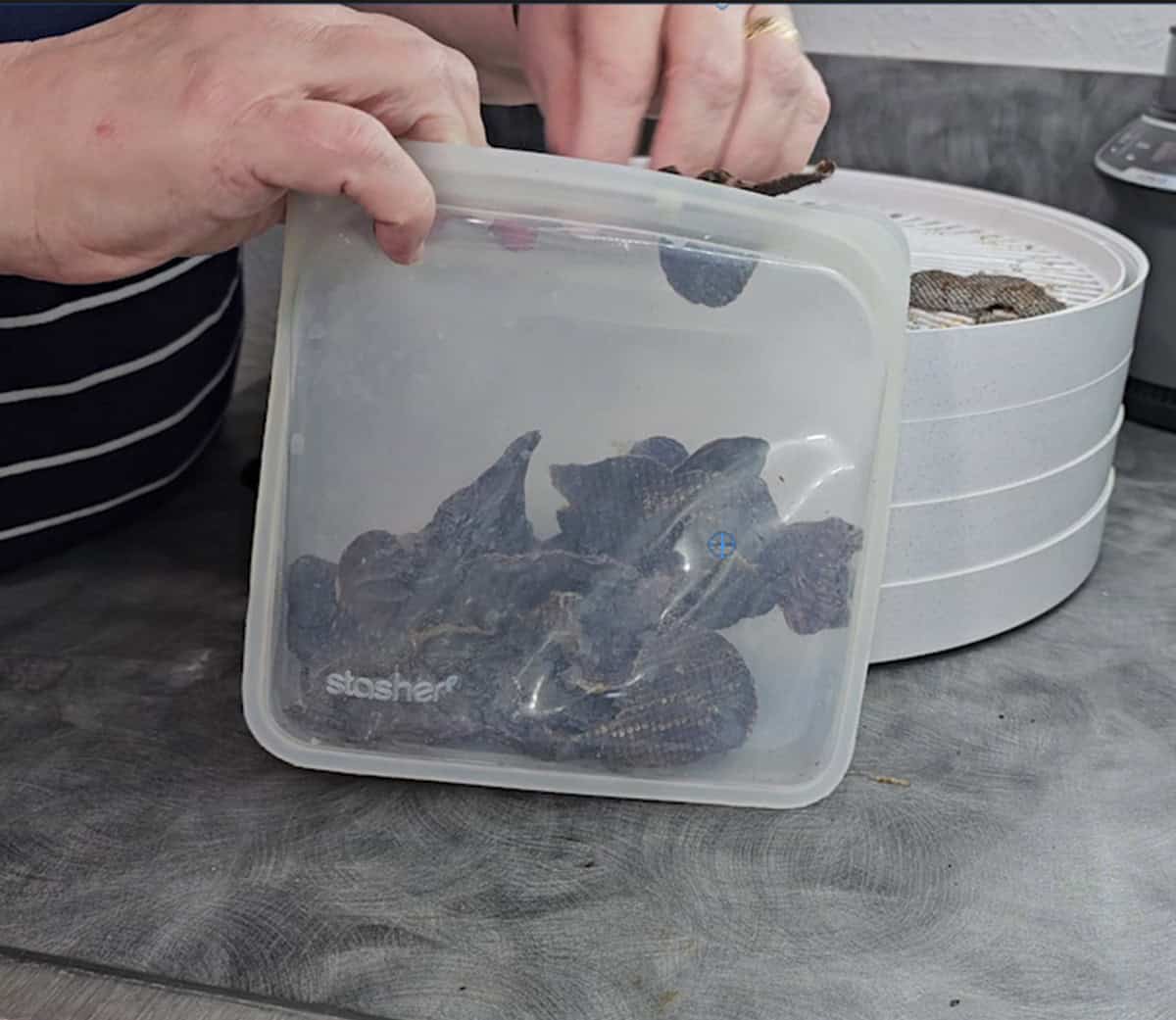
Experts recommend storing the finished jerky in airtight containers. For short-term use (up to two weeks), a cool, dark pantry is sufficient. For longer-term storage, the treats can be kept in the refrigerator for up to a month or in the freezer for several months. The use of reusable silicone bags or glass jars is preferred to maintain freshness and reduce environmental impact.
Economic Analysis: DIY vs. Commercial Products
An analysis of the cost implications reveals significant savings for the consumer. Premium, single-ingredient chicken liver treats in retail environments often cost between $2.00 and $4.00 per ounce. In contrast, raw chicken liver can frequently be purchased for less than $0.20 per ounce. Even when accounting for the weight loss that occurs during dehydration (meat typically loses about 75% of its weight as water evaporates), the cost of homemade treats remains substantially lower—often less than $0.80 per finished ounce.
For a household with multiple dogs or high-drive dogs in training, these savings can amount to hundreds of dollars annually. Furthermore, the "yield" of a single tub of chicken liver is surprisingly high, providing enough high-value training rewards to last for several weeks of intensive work.
Broader Implications for Canine Health and Training
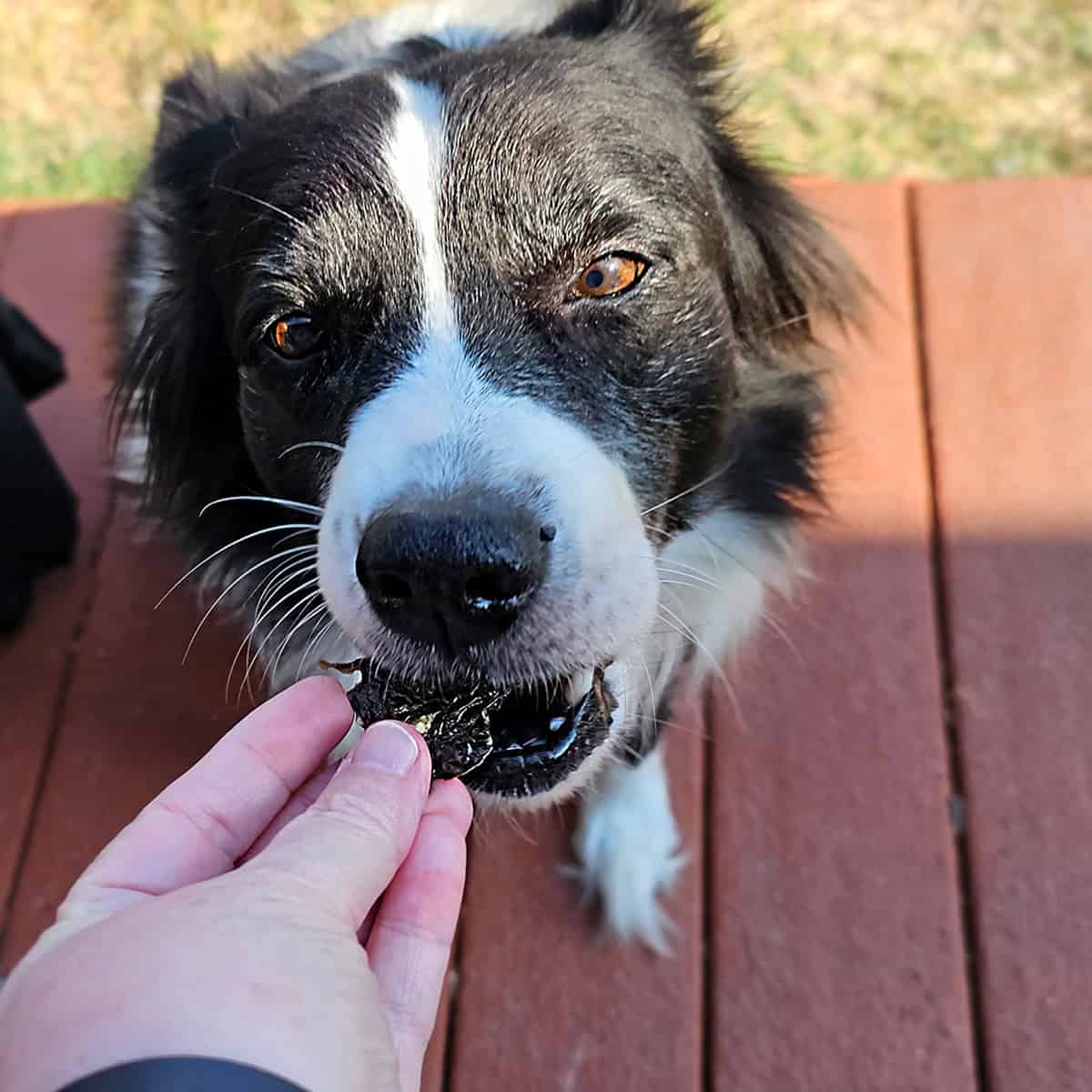
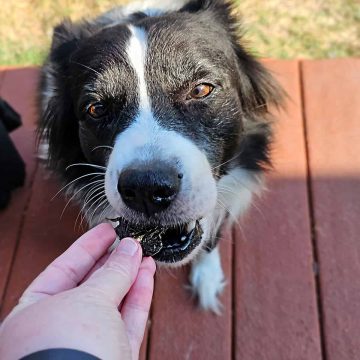
Beyond the nutritional and economic benefits, dehydrated chicken liver treats have significant implications for canine behavior and training. Professional trainers often categorize treats into "low-value" (kibble) and "high-value" (fresh or dried meats). Because of its strong aroma and intense flavor, dehydrated liver is considered a "jackpot" reward.
This high level of motivation is essential for teaching complex behaviors or for use in environments with high distractions. The ability to break the jerky into tiny, non-greasy "training bits" makes it an ideal tool for positive reinforcement. Unlike commercial treats that may be high in carbohydrates and sugars—contributing to the rising epidemic of canine obesity—liver jerky provides a pure protein reward that aligns with the biological needs of a carnivore.
Conclusion: The Future of the Purposeful Pantry
The rise of resources like The Purposeful Pantry, which provide detailed instructions for home food preservation, reflects a broader societal move toward self-sufficiency and informed consumption. As the "clean label" movement continues to migrate from human food to the pet aisle, the ability to produce safe, nutritious, and cost-effective treats at home will likely transition from a niche activity to a standard practice for health-conscious pet owners. By mastering the simple science of dehydration, consumers can bypass the complexities of the industrial food system, ensuring that their canine companions receive the highest quality nutrition possible.


