
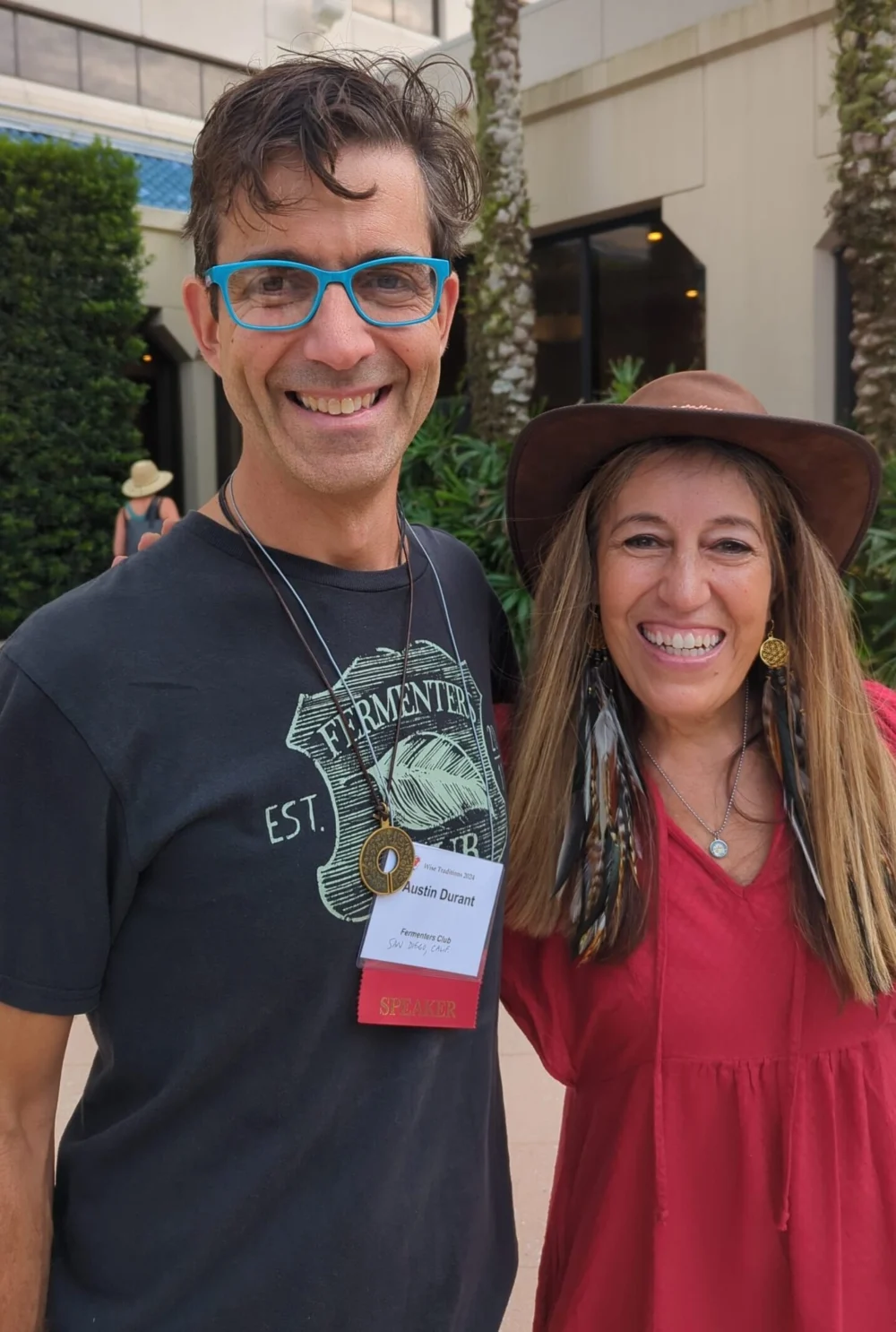
Austin Durant, the esteemed founder of Fermenters Club and author of the recently published book, "Fearless Fermenting," recently featured as a guest on the highly regarded Wise Traditions podcast, hosted by the illustrious Hilda Labrada Gore, known to her audience as @holistichilda. The appearance underscores a growing convergence between the traditional food movement and the burgeoning interest in home-based fermentation, a practice lauded for its historical significance and contemporary health benefits. This collaboration highlights a shared commitment to educating the public about nutrient-dense foods and empowering individuals to reclaim control over their dietary choices through time-honored methods.
The Intersection of Expertise and Advocacy: Austin Durant’s Mission
Austin Durant has been a prominent figure in the fermentation community for over 14 years, dedicating his efforts to demystifying the ancient art of food preservation and transformation. His journey began with a personal interest in improving health through diet, leading him to establish the Fermenters Club, an organization that has since become a cornerstone for enthusiasts seeking guidance, recipes, and a supportive community for their fermentation endeavors. The club’s mission extends beyond mere instruction, aiming to instill confidence and overcome common apprehensions associated with fermenting food at home. This ethos is profoundly encapsulated in his inaugural book, "Fearless Fermenting," published in 2024. The book serves as a comprehensive guide, meticulously designed to equip readers with the knowledge and techniques required to confidently produce a diverse array of fermented foods, from sauerkraut and kimchi to kombucha and kefir, ensuring safety and optimal flavor. Durant’s philosophy emphasizes simplicity and accessibility, making fermentation an achievable practice for anyone, regardless of prior experience. His work is not merely about preserving food but about enriching lives through improved nutrition, enhanced gut health, and a deeper connection to food sources.
The Wise Traditions Podcast: A Platform for Ancestral Health
The Wise Traditions podcast, hosted by Hilda Labrada Gore, serves as a vital educational arm of the Weston A. Price Foundation (WAPF). The podcast is renowned for its in-depth discussions on ancestral health, traditional diets, and sustainable living practices. Hilda Labrada Gore, an accomplished holistic health coach, certified health practitioner, and seasoned podcast host, brings a wealth of knowledge and a gracious interviewing style to her program, making complex health topics accessible to a broad audience. Her commitment to exploring the scientific basis and practical applications of traditional wisdom aligns perfectly with the WAPF’s core tenets.
The Weston A. Price Foundation, established in 1999, is a non-profit nutrition education foundation dedicated to restoring nutrient-dense foods to the human diet through education, research, and activism. Inspired by the pioneering research of Dr. Weston A. Price, a dentist who traveled the world in the 1930s studying the diets and health of isolated traditional populations, the foundation advocates for a return to whole, unprocessed foods, rich in fat-soluble vitamins and healthy fats. Their principles emphasize the importance of raw milk, pasture-fed animal products, traditional fats, and, critically, properly prepared and fermented foods. The podcast extends this mission, reaching millions globally through platforms like YouTube and Spotify, providing a credible and engaging source of information for those seeking alternatives to modern industrial diets.
A Chronology of Collaboration and Connection
The seeds of this significant podcast appearance were sown prior to the recording. Austin Durant and Hilda Labrada Gore first met in person during a conference held in Florida last year, specifically in 2024, the same year Durant’s book, "Fearless Fermenting," was released. This initial meeting evidently forged a connection, recognizing a mutual dedication to promoting health through traditional food practices. The conference, likely a gathering related to the Weston A. Price Foundation or a broader ancestral health summit, provided an opportune moment for the two thought leaders to engage, discuss their respective work, and identify areas of synergistic interest.
Following this foundational meeting, the invitation for Durant to appear on the Wise Traditions podcast materialized. The recording of the episode, which is now available for listeners, represents the culmination of this developing relationship. The timing is particularly relevant given the increasing public awareness of gut health and the role of fermented foods in maintaining a robust microbiome, a topic frequently explored by the Weston A. Price Foundation. Durant’s expertise, combined with the recent publication of his comprehensive guide, made him an ideal guest to shed light on the practical aspects of incorporating these vital foods into daily life.
The Podcast Discussion: Deep Dive into Fermentation
During the podcast episode, titled "Fearless Fermenting With Austin Durant," listeners were treated to an in-depth exploration of the world of fermentation. While the exact details of every segment are extensive, the discussion likely encompassed several key areas pertinent to both Durant’s work and the Wise Traditions audience. Topics would have included the foundational principles of fermentation, distinguishing between various types of ferments (e.g., lacto-fermentation, acetic acid fermentation), and the critical role of beneficial microorganisms in transforming raw ingredients into nutrient-dense, probiotic-rich foods.
Durant would have undoubtedly elaborated on the core concepts presented in "Fearless Fermenting," emphasizing how his methodologies help overcome common barriers such as fear of spoilage, lack of consistent results, or simply the perceived complexity of the process. He likely shared practical tips for beginners, debunked common myths, and provided insights into selecting quality ingredients and maintaining optimal conditions for successful fermentation. Furthermore, the conversation would have naturally extended to the profound health benefits of consuming fermented foods regularly. This includes improved digestion, enhanced nutrient absorption, bolstered immune function, and the intricate connection between a healthy gut microbiome and overall well-being—themes central to the Weston A. Price Foundation’s educational framework. The exchange between Gore and Durant would have offered listeners a blend of scientific understanding, historical context, and actionable advice, reinforcing the idea that fermentation is not just a culinary technique but a cornerstone of ancestral health.
The Resurgence of Fermented Foods: Supporting Data and Market Trends
The interest in fermented foods is not merely a niche health trend but a rapidly expanding segment of the global food market. According to a report by Grand View Research, the global fermented food and ingredients market size was valued at USD 657.9 billion in 2022 and is projected to grow at a compound annual growth rate (CAGR) of 6.2% from 2023 to 2030. This growth is largely driven by increasing consumer awareness regarding the health benefits associated with probiotics, prebiotics, and overall gut health. A 2023 survey by the International Food Information Council (IFIC) found that 72% of consumers are trying to consume more fermented foods for digestive health.
Historically, fermentation was a primary method of food preservation across cultures long before refrigeration. From kimchi in Korea to sauerkraut in Germany, natto in Japan, and sourdough bread globally, these foods are deeply embedded in human culinary traditions. Modern scientific research has validated the wisdom of these ancient practices, demonstrating how fermentation not only preserves food but also enhances its nutritional profile, making vitamins more bioavailable, breaking down anti-nutrients, and introducing beneficial bacteria that contribute to a diverse and healthy gut microbiome. Conditions such as irritable bowel syndrome (IBS), certain autoimmune disorders, and even mental health issues are increasingly being linked to gut dysbiosis, making fermented foods a focus for preventive and complementary health strategies. This scientific validation, coupled with a renewed cultural appreciation for traditional foodways, forms the backdrop against which Durant’s work and the Wise Traditions podcast gain significant traction.
Inferred Statements and Broader Implications
While specific direct quotes from the podcast beyond the initial announcement are not available in the provided text, the alignment of missions allows for logical inferences regarding the sentiments expressed by both parties. Austin Durant, true to the spirit of the Fermenters Club and his book, would likely have expressed profound gratitude for the platform provided by the Wise Traditions podcast. He would have emphasized his dedication to making fermentation accessible and empowering individuals to confidently embrace this transformative food practice. His message would resonate with the idea that home fermentation is a tangible step towards food sovereignty and improved personal health, aligning with his stated interests in permaculture gardening and cooking.
For Hilda Labrada Gore and the Weston A. Price Foundation, hosting an expert like Austin Durant signifies their ongoing commitment to providing their audience with practical, actionable information rooted in traditional wisdom. Their inclusion of fermentation expertise underscores its integral role in a nutrient-dense, ancestral diet. The collaboration is a testament to the foundation’s proactive approach in bringing diverse voices and practical skills to its community, strengthening the movement for real food and traditional preparation methods.
The implications of such a high-profile collaboration are far-reaching. Firstly, it amplifies the message of both Fermenters Club and the Weston A. Price Foundation, reaching a broader, engaged audience interested in health and nutrition. For Fermenters Club, it means increased visibility for Austin Durant’s book, "Fearless Fermenting," potentially inspiring more individuals to embark on their fermentation journey. For the WAPF, it reinforces their position as a leading authority on ancestral health, offering tangible ways for their community to implement their dietary principles. Secondly, it contributes to the demystification of fermentation, countering the intimidation factor that often deters beginners. By presenting fermentation as a "fearless" and achievable endeavor, the podcast episode empowers listeners to experiment and integrate these beneficial foods into their daily lives. Finally, this collaboration serves as a powerful example of how independent experts and advocacy organizations can coalesce to promote public health and educate consumers on sustainable, traditional food practices in an increasingly industrialized food landscape. It solidifies the idea that ancient wisdom, when coupled with modern understanding and accessible guidance, holds profound solutions for contemporary health challenges.
Conclusion: A Synergistic Partnership for Health and Heritage
Austin Durant’s appearance on the Wise Traditions podcast, hosted by Hilda Labrada Gore, represents a synergistic partnership that promises to further invigorate the traditional food and fermentation communities. This collaboration brings together Durant’s practical expertise and accessible approach to fermentation with the Weston A. Price Foundation’s foundational advocacy for ancestral health and nutrient-dense diets. By leveraging the broad reach of the Wise Traditions podcast, this initiative not only promotes Durant’s "Fearless Fermenting" and the mission of the Fermenters Club but also significantly advances the broader discourse on the importance of traditional food preparation methods for holistic well-being. As consumers increasingly seek authentic and health-promoting dietary choices, such educational efforts are crucial in guiding them toward practices that are both historically validated and scientifically supported, ultimately contributing to a more informed and healthier global community.


