
Cheese, a culinary cornerstone enjoyed across millennia and cultures, exhibits remarkable variations in consumption patterns worldwide, underscoring its diverse appeal and integration into global diets. Annually, Australians consume an average of 13.6 kg per person, while Americans demonstrate a slightly higher appetite at 16.73 kg per capita. Leading the pack, the Danes stand out with a formidable 28.1 kg of cheese consumed per person each year, a figure that highlights the deep-seated cultural significance of dairy in certain regions. This global tapestry of cheese consumption is not merely a reflection of dietary habits but also points to the evolving role of cheese from a preserved food staple to a versatile ingredient capable of transforming everyday meals into extraordinary culinary experiences.
The Enduring Allure of Cheese: A Historical and Economic Perspective
The history of cheese production stretches back thousands of years, with archaeological evidence suggesting its origins in Mesopotamia as early as 8,000 BCE. Initially a method of preserving milk, cheese-making techniques evolved independently across different civilizations, leading to the vast array of types we recognize today. From the ancient Roman practice of grating hard cheeses over dishes to the medieval monasteries perfecting intricate recipes, cheese has consistently adapted to culinary landscapes, solidifying its status as a universal food item.
Today, the global cheese market is a multi-billion-dollar industry, driven by both traditional consumption and innovative culinary applications. The demand for cheese supports vast dairy farming operations, processing plants, and a complex international trade network. Economic analysts frequently cite the dairy sector as a significant contributor to agricultural economies, with cheese being a high-value product that transcends basic commodity status. The rise of artisanal cheese movements, alongside established industrial production, further diversifies the market, offering consumers an unprecedented selection of flavors, textures, and origins. This economic vitality underpins the widespread availability and cultural embedding of cheese in daily life.
Navigating Nutritional Aspects and Consumption Guidelines

While the sheer delight derived from cheese often encourages enthusiastic consumption, particularly among aficionados, a balanced perspective on its nutritional profile is crucial. Cheese is widely recognized as an excellent source of calcium, essential for bone health, and a significant provider of protein, vital for muscle repair and growth. It also contains various vitamins, including B12 and riboflavin, and healthy fats. However, its caloric density, saturated fat content, and sodium levels warrant consideration within a balanced diet.
Nutritionists often advise that while there’s no inherent "need to hold back" on enjoying cheese, mindful consumption is key. Integrating cheese as a flavor enhancer rather than a primary calorie source can allow enthusiasts to enjoy its benefits without excessive intake. For instance, a sprinkle of Parmesan provides intense umami, while a modest portion of mozzarella offers creamy texture. The increasing availability of lower-fat and lower-sodium cheese varieties also offers alternatives for those managing specific dietary requirements, allowing broader participation in the world of cheese-infused cuisine.
Optimizing Culinary Integration: Sourcing and Preparation
To effectively incorporate cheese into a wide array of dishes, having a diverse and quality supply is paramount. Modern consumers benefit from sophisticated supply chains, including dedicated cheese delivery services and curated subscription boxes, which ensure a steady stream of various cheese types directly to their homes. For those exploring cheese-centric meal ideas, stocking foundational varieties like robust cheddar, piquant red Leicester, sharp Parmesan, creamy gorgonzola, fresh ricotta, elastic mozzarella, and firm paneer offers a comprehensive starting point. These selections cater to a broad spectrum of flavors and culinary techniques, from melting and grating to crumbling and baking.
Beyond cheese, a well-stocked pantry and refrigerator with high-quality basic ingredients are indispensable. This includes a selection of fresh meats, a vibrant assortment of seasonal vegetables, and an array of aromatic herbs and spices. The convenience of modern food delivery services extends to these staples as well, enabling home cooks to maintain a consistent inventory of fresh produce and gourmet items, facilitating effortless and inspired meal preparation. This accessibility plays a vital role in encouraging culinary experimentation and the widespread adoption of diverse cooking styles.
Transforming Traditional Fare with Cheese: A Culinary Journey

The versatility of cheese allows for its seamless integration into established culinary traditions, offering innovative twists on beloved classics. This section explores how different cheese types can elevate five popular meal categories, demonstrating cheese’s capacity to transcend its traditional roles.
1. The Sunday Roast Reimagined: A Cheesy Evolution
The Sunday roast, a venerable culinary institution originating in the United Kingdom, has transcended its British roots to become a cherished tradition in diverse nations like Australia, Argentina, and Norway. This hearty meal, typically centered around roasted meat, potatoes, and an assortment of vegetables, offers unexpected avenues for cheese integration, enriching its comfort-food appeal.
The most iconic cheesy addition to a Sunday roast is undoubtedly Cauliflower Cheese. Traditionally prepared with mature cheddar, this creamy, bubbling bake can be intensified by swapping or combining cheddar with red Leicester for a deeper color and nuttier flavor. A sophisticated touch involves topping the dish with a mixture of breadcrumbs and grated Parmesan, which provides a delightful textural contrast and an extra layer of savory depth upon baking.
Beyond the classic cauliflower, other vegetables can be elevated. For instance, leeks and bacon can be simmered in a rich, velvety cheddar sauce, transforming humble greens into a luxurious accompaniment. Even the often-maligned Brussels sprouts can find new favor when served in a creamy Gorgonzola cheese sauce. This pungent blue cheese, when melted with shallots, flour, and milk, creates a surprisingly harmonious sauce that beautifully complements the earthy bitterness of the sprouts, making them a more sought-after vegetable at the dining table. These applications demonstrate how cheese can subtly or overtly enhance the overall profile of a traditional roast.
2. Lasagna: An Italian Classic Infused with More Cheese

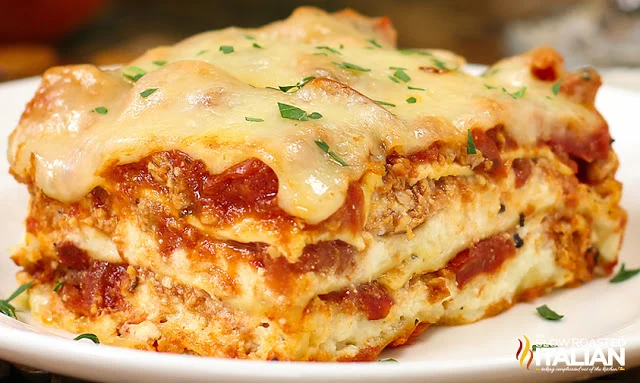
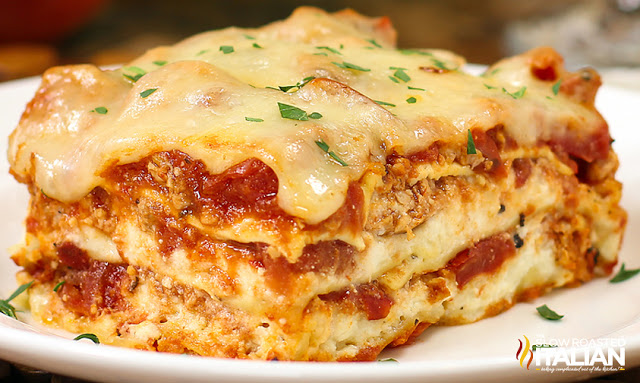
Lasagna, the quintessential layered pasta dish, holds such a revered status that it commands its own annual national day on July 29th. While most interpretations already feature a generous blanket of melted cheese, typically mozzarella, on its uppermost layer, the potential for cheese integration within this Italian masterpiece extends far deeper into its construction.
A truly decadent and vegetarian-friendly rendition of lasagna places cheese at its very core, replacing traditional meat fillings. This "all-cheese lasagna" primarily features a harmonious blend of ricotta, Parmesan, and mozzarella. Ricotta, with its fresh, creamy texture, forms the bulk of the rich filling, often mixed with herbs and eggs. Parmesan lends its sharp, salty, umami notes throughout the layers, while mozzarella provides the characteristic gooey, stretchy melt that defines a perfect lasagna slice. This triumvirate of cheeses creates a dish that is profoundly satisfying for any cheese lover, offering a symphony of textures and flavors in every forkful.
Furthermore, the cheesy experience can extend to the accompanying side dishes. Cheesy garlic bread, with its golden, bubbling topping, is a natural companion. For a refreshing contrast, a crisp Greek salad, generously studded with briny feta cheese, complements the richness of the lasagna, proving that cheese can enhance an entire meal, not just the main course.
3. Jalfrezi Curry: A Spicy Indian Delight with Dairy Depth
Jalfrezi curry, an aromatic Indian dish typically featuring meat or fish cooked with vegetables in a vibrant, spicy sauce characterized by green chili peppers, offers a compelling canvas for cheese innovation. Its transformation into a cheese-based curry is most commonly achieved through the introduction of paneer, a fresh, non-melting Indian cheese. Paneer’s firm texture allows it to retain its shape when cooked, absorbing the rich flavors of the curry sauce while adding a unique, milky counterpoint to the spice.
However, the cheesy possibilities for Jalfrezi do not end with paneer. To deepen the flavor profile and introduce a different kind of richness, a substantial handful of grated cheddar cheese can be stirred directly into the curry sauce during the final stages of cooking. This infusion mellows the spice slightly, adds a creamy consistency, and imparts a savory depth that can surprise and delight.
For an extra layer of flavor and texture, grated cheese can also be incorporated into the accompanying rice. A simple sprinkling of cheddar or even a milder cheese like mozzarella into hot, freshly cooked rice, allowing it to melt gently, creates a subtly cheesy side dish that enhances the overall curry experience. This innovative approach demonstrates how cheese can bridge cultural culinary divides, bringing new dimensions to traditional recipes.
4. Extra Cheese Pizza: Beyond the Topping
Pizza, a global phenomenon with an estimated 5 billion consumed worldwide annually, is synonymous with cheese. While standard pizzas come adorned with ample cheese toppings and often feature cheese-stuffed crusts, there are creative methods to integrate even more cheese directly into the pizza’s foundation.
A particularly popular innovation, especially among those following specific dietary regimes like the keto diet, involves crafting pizza bases from eggs and cheeses. These carb-free bases, typically made with a blend of mozzarella, cheddar, and Parmesan, offer a remarkably cheesy foundation that is both flavorful and structurally sound. They satisfy the craving for pizza while providing a substantial boost of protein and fat, appealing to a health-conscious segment of the market.
Alternatively, for those preferring a traditional flour-based crust, an inventive method involves grating preferred cheeses directly into the dough before cooking. Incorporating cheeses like cheddar, Parmesan, or even a blend, into the flour mixture during the kneading process infuses the entire crust with a savory, cheesy essence. This ensures that every bite, from the edge to the center, is packed with cheesy goodness, fulfilling even the most intense cheese cravings and elevating the entire pizza experience.
5. Meat & Vegetable Stew with Cheese Dumplings: Comfort Food Elevated

Meat and vegetable stew, a timeless comfort food dating back millennia, is particularly cherished on cold days for its warmth and heartiness. Traditionally slow-simmered to develop deep, wholesome flavors, the challenge often lies in how to introduce cheese without compromising the integrity or texture of the stew itself.
The most effective and satisfying way to infuse a stew with a cheesy element is through the inclusion of cheese dumplings. These delightful, dough-like balls are designed to cook directly within the stew, absorbing its rich broth while simultaneously releasing their cheesy essence. The preparation is remarkably simple: when making a standard dumpling mix (typically flour, suet, and water), integrate between 75g and 100g of grated mature cheddar cheese. These cheesy dough balls are then shaped and gently dropped into the simmering stew for the last 20 minutes of cooking. As they steam and swell, they become light, fluffy, and infused with the robust flavor of the cheese, offering a creamy, savory counterpoint to the rich stew. This method ensures the cheese remains contained within the dumplings, preventing a messy or overly emulsified stew, and instead provides pockets of intense flavor and satisfying texture.
Conclusion: The Unyielding Appeal of Cheese
Cheese’s universal adoration stems from its incredible versatility, depth of flavor, and comforting familiarity. While millions globally cherish their classic meals, there’s an expansive realm of culinary innovation awaiting those willing to integrate this beloved dairy product more creatively. The examples above demonstrate the effortless ways in which various cheeses—from the sharp tang of cheddar to the fresh creaminess of ricotta—can transform evening meals, elevating humble dishes into memorable feasts. From Sunday roasts to spicy curries, and from Italian classics to hearty stews, cheese proves itself to be an indispensable ingredient, capable of adding layers of flavor, texture, and richness, ensuring its continued prominence on dinner tables worldwide. The ongoing evolution of cheese production, coupled with increasing consumer access to diverse varieties, promises a future where cheese remains at the heart of culinary exploration and enjoyment.


