The American Homebrewers Association (AHA) celebrated its annual Home Fermentation Day on August 1, 2026, with a vibrant display of community engagement, showcasing a diverse range of fermented creations from across the United States. Members shared their successful projects, highlighting the transformative power of microbes in turning everyday ingredients into complex and delicious foods and beverages. From the garden-fresh tang of lacto-fermented beets to the year-long maturation of a guava melomel, the day underscored the widespread enthusiasm for home fermentation, a practice deeply rooted in culinary history and increasingly embraced by modern enthusiasts.
The event, which encourages participants to share their ongoing fermentation projects, saw a significant uptick in submissions compared to previous years, reflecting a growing interest in the science and art of fermentation. This year’s submissions included not only traditional favorites like sauerkraut and pickles but also more adventurous endeavors such as artisanal hot sauces, homemade breads, and an intriguing instance of "rebellious" sake. The sheer variety of projects underscores the accessibility and adaptability of fermentation techniques, allowing individuals to explore a spectrum of flavors and preservation methods.
A Tapestry of Fermented Delights
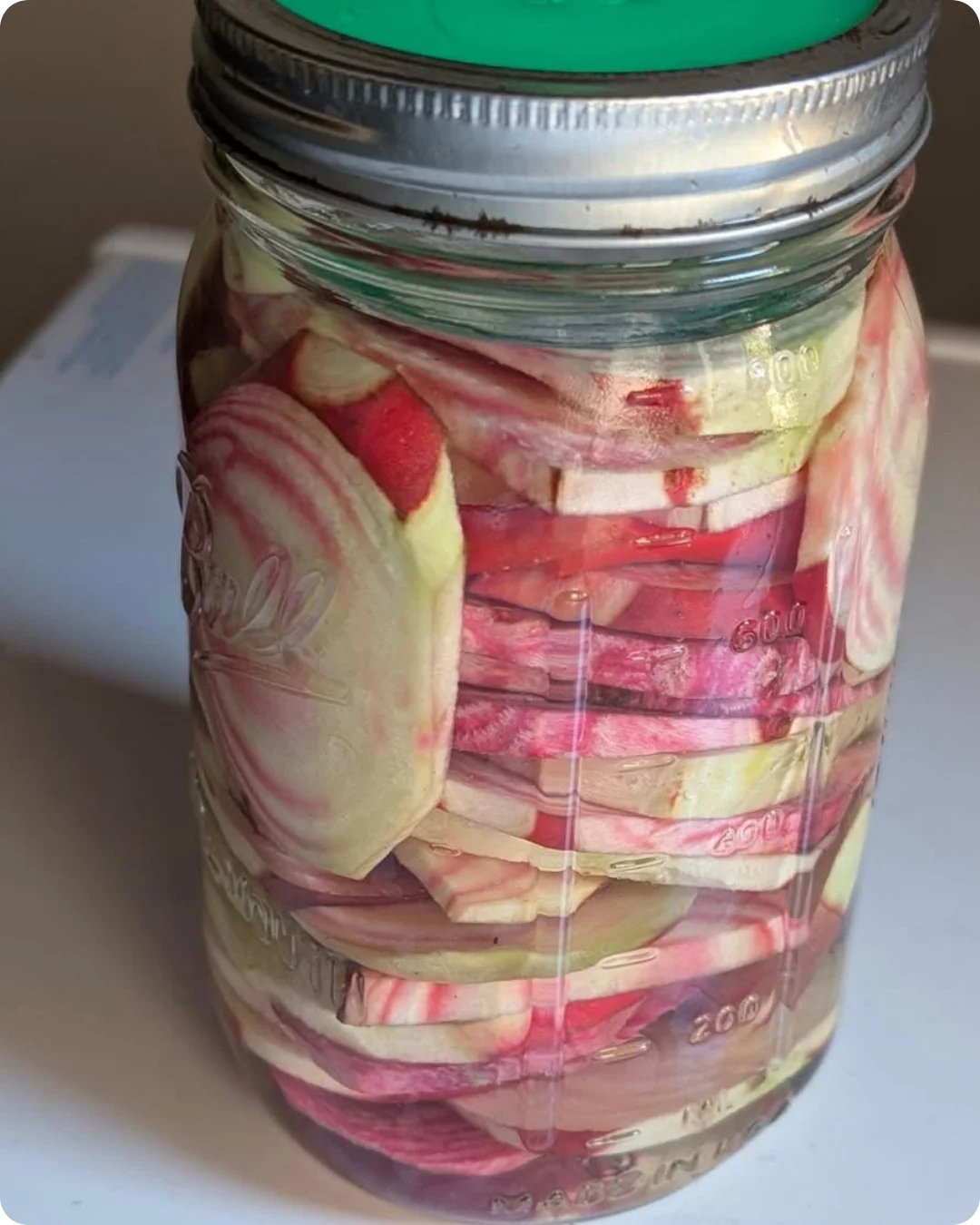
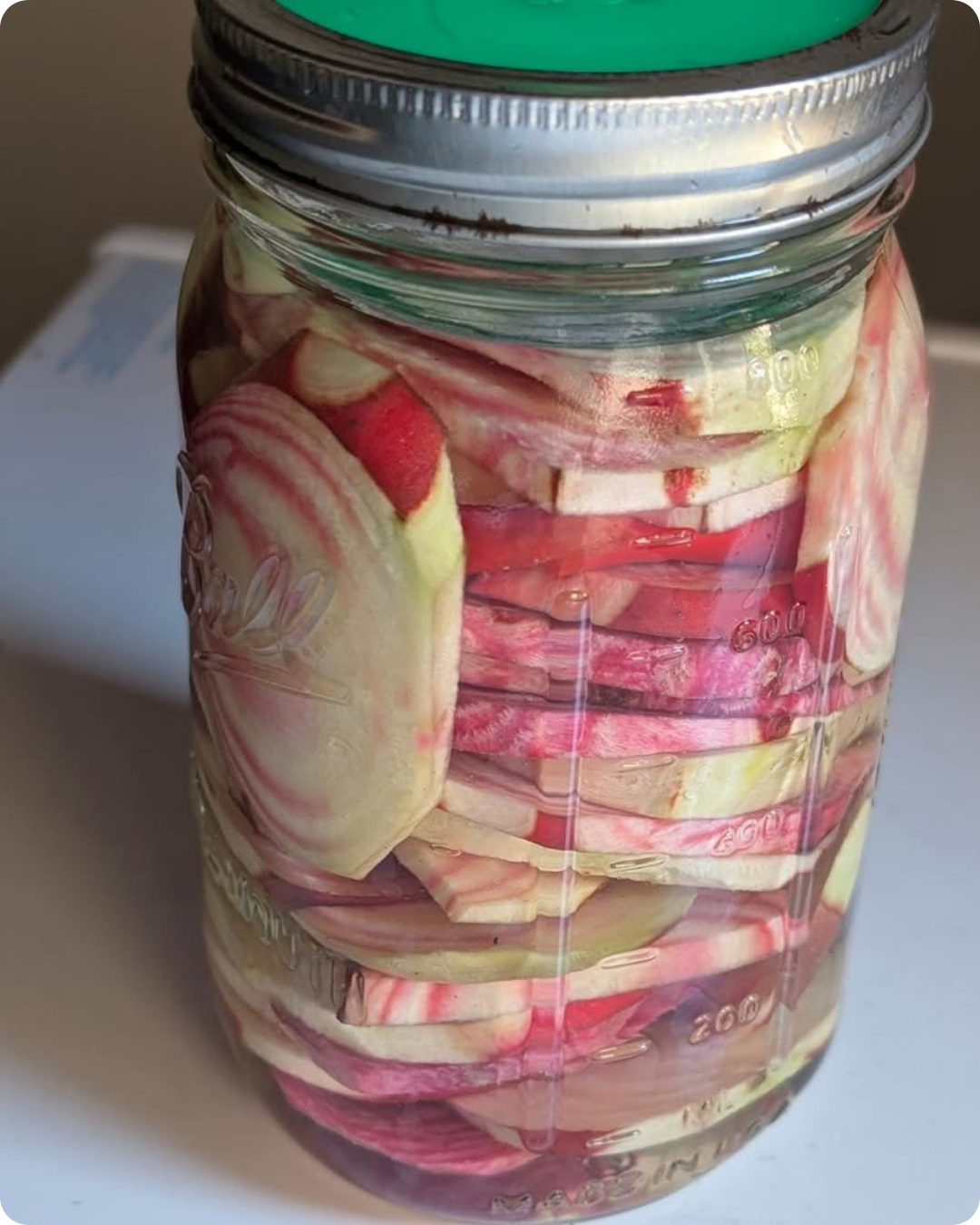
The breadth of creativity was evident in the featured projects. Andrew Farke of Claremont, California, a member of the Horse Thief Brewers Association, contributed a vibrant batch of lacto-fermented beets. These beets, harvested directly from his own garden, were enhanced with the pungent notes of garlic and the subtle heat of Thai chiles. Lacto-fermentation, a cornerstone of many traditional food preservation techniques, relies on lactic acid bacteria to convert sugars into lactic acid, a process that not only preserves the food but also imparts a characteristic tangy flavor and improves digestibility. Farke’s use of homegrown produce exemplifies a growing trend towards self-sufficiency and a deeper connection with the food we consume.
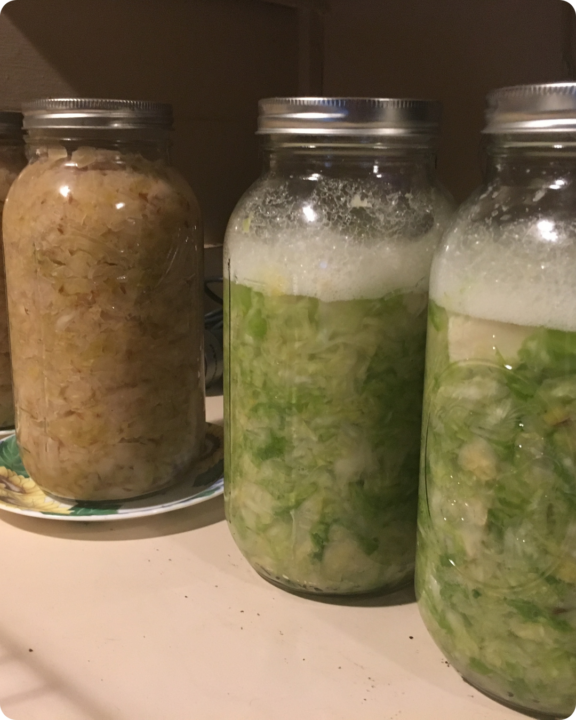
In contrast, Carl Saxer of Hilo, Hawaii, showcased a classic approach with his naturally fermented sauerkraut. Made with just cabbage and salt, Saxer’s creation represents the foundational principles of fermentation, demonstrating how simple ingredients can yield profound flavor. He noted that his preferred accompaniment for this staple is homemade sausage, further emphasizing the integration of fermented foods into a broader culinary lifestyle. The simplicity of Saxer’s method speaks to the enduring appeal of traditional food preservation, a practice that has sustained communities for centuries by extending the shelf life of seasonal produce.
Adding a touch of sweetness and complexity, Chris Gasbarro of Port St. Lucie, Florida, presented a guava melomel that had undergone a year-long aging process. This fruit-infused mead, crafted with guava blossom honey and guava puree, represents a more advanced fermentation project, requiring patience and careful monitoring. Melomels, a type of mead made with fruit, offer a rich canvas for flavor development, and the year of aging allows the intricate notes of the guava and honey to meld and mature. Gasbarro’s successful aging of this beverage highlights the dedication and skill involved in producing high-quality fermented drinks at home.
The Science and History Behind the Bubbles
Home Fermentation Day serves as more than just a showcase of finished products; it’s a testament to the vital role microbes play in our food system. Bacteria, yeasts, and molds, often invisible to the naked eye, are the unsung heroes of fermentation. These microorganisms break down complex carbohydrates and sugars into simpler compounds, producing a range of desirable outcomes, including the preservation of food, the creation of unique flavors and aromas, and the enhancement of nutritional profiles through increased bioavailability of vitamins and minerals.
The practice of fermentation is ancient, with evidence suggesting its use dating back thousands of years across various cultures. Early humans likely discovered fermentation accidentally, observing how wild yeasts and bacteria naturally transformed fruits, grains, and milk into more palatable and preservable forms. This empirical knowledge was passed down through generations, forming the basis of diverse culinary traditions worldwide, from kimchi in Korea to yogurt in the Middle East and sourdough bread in Europe.
The AHA’s initiative to dedicate a day to home fermentation aims to demystify this process and encourage more individuals to explore its possibilities. By providing a platform for members to share their experiences, the association fosters a sense of community and shared learning. This collaborative environment allows novice fermenters to gain insights from experienced practitioners, while seasoned enthusiasts can find inspiration for new projects and techniques.
Community Engagement and Future Prospects
The overwhelming participation in Home Fermentation Day underscores the growing popularity of home fermentation as a hobby and a lifestyle choice. Data from related food and beverage sectors indicate a rising consumer interest in fermented products, driven by perceived health benefits, a desire for artisanal and unique flavors, and an increasing awareness of sustainable food practices. This trend is mirrored in the homebrewing and home winemaking communities, where fermentation is a central tenet.
The AHA actively promotes continued engagement beyond the designated day. Their extensive collection of recipes for beer, mead, cider, fermented foods, and other projects serves as a valuable resource for those looking to embark on their own fermentation journeys. The association encourages members to share their ongoing experiments and successes on social media platforms, tagging @homebrewassoc, or by submitting photos directly to their website. This ongoing dialogue ensures that the spirit of Home Fermentation Day extends throughout the year, fostering a continuous cycle of inspiration and innovation within the community.
Expanding Horizons: Upcoming Events and Educational Opportunities
Looking ahead, the AHA is committed to providing ongoing educational opportunities for its members and the broader fermentation enthusiast community. A notable upcoming event is the AHA Happy Hour on Wednesday, August 5, 2026, at 6:30 p.m. MT. This virtual gathering will feature Charlie Biolo, the owner and content creator behind Golden Hive Mead. Biolo has gained a significant following for his engaging and accessible videos that introduce millions to the world of meadmaking. His approach emphasizes that fermentation can be an approachable, creative, and enjoyable process, even if it occasionally involves "questionable" (in the best sense) outcomes.
AHA Happy Hours are designed as informal, interactive online sessions where participants can connect with fellow homebrewers, share stories, ask questions, and discuss their passion for the hobby. These events are open to everyone, regardless of AHA membership status, further reinforcing the association’s commitment to fostering a welcoming and inclusive environment for all fermentation enthusiasts. Such events are crucial for disseminating knowledge, building confidence, and maintaining the momentum of the home fermentation movement.
The success of Home Fermentation Day 2026 is a clear indicator of the enduring appeal and expanding reach of home fermentation. As more individuals discover the satisfaction of nurturing microbial life to create delicious and healthful products, the practice is poised to become an even more integral part of home kitchens and culinary traditions across the nation. The AHA’s continued dedication to education, community building, and showcasing member achievements will undoubtedly play a pivotal role in this ongoing evolution.