
The Economic and Environmental Context of Food Preservation
The impetus for dehydrating cantaloupe often stems from the intersection of seasonal abundance and the economic necessity of reducing food waste. According to data from the Food and Agriculture Organization (FAO), a substantial percentage of fruits and vegetables are discarded annually due to spoilage. Melons, with their thick rinds and high internal moisture, are particularly susceptible to mold and fermentation if not consumed within days of reaching peak ripeness. Dehydration offers a technical solution to this biological constraint.
When cantaloupes are in peak season, market prices typically drop, allowing consumers to purchase in bulk. However, the window of optimal flavor is narrow. Dehydrating the surplus allows households to "lock in" seasonal prices and flavors, providing a source of vitamin-rich snacks during the winter months when fresh produce prices escalate. Furthermore, the reduction in weight and volume achieved through drying minimizes the carbon footprint associated with food storage and transport, aligning with broader environmental sustainability goals.
The Science of Moisture Reduction in Melons
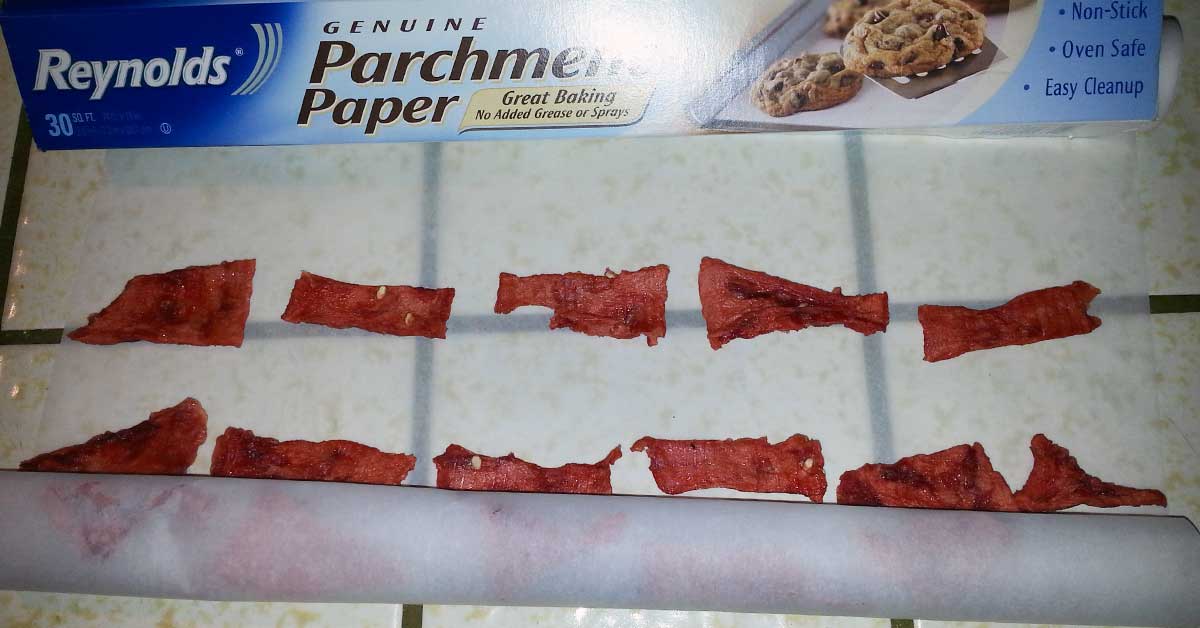
Dehydration is a controlled process of moisture removal that inhibits the growth of microorganisms, such as bacteria, yeast, and mold, by reducing the "water activity" (aw) of the food. For cantaloupe, which consists of approximately 90% water, the objective is to reach a moisture level where the fruit becomes leathery and shelf-stable. During this process, the natural sugars—primarily fructose and glucose—become concentrated. This concentration not only enhances the sweetness of the fruit but also acts as a secondary preservative.
Even specimens that may lack robust flavor in their fresh state can be salvaged through dehydration. The removal of water intensifies the existing flavor compounds, often resulting in a product that tastes superior to the original fruit. This chemical transformation is a cornerstone of food science, where heat and airflow work in tandem to evaporate moisture from the cellular structure of the fruit without cooking it, thereby preserving heat-sensitive vitamins.
Methodological Chronology: From Harvest to Storage
The successful dehydration of cantaloupe requires a systematic approach to ensure safety and quality. The process begins with the selection of the fruit. Experts recommend using cantaloupes that are at the peak of ripeness, as the sugar content is at its maximum.
Phase I: Preparation and Sanitization
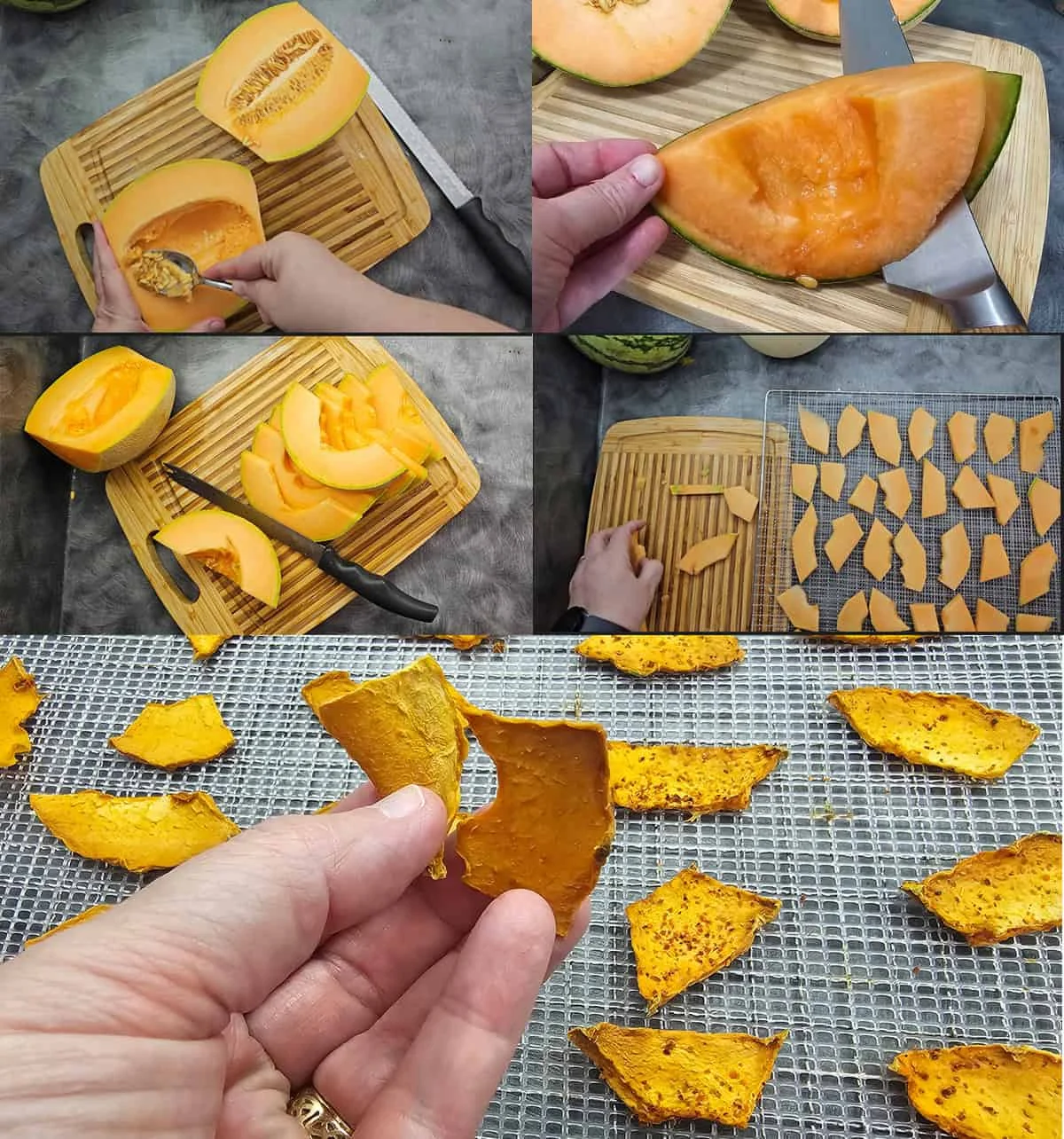
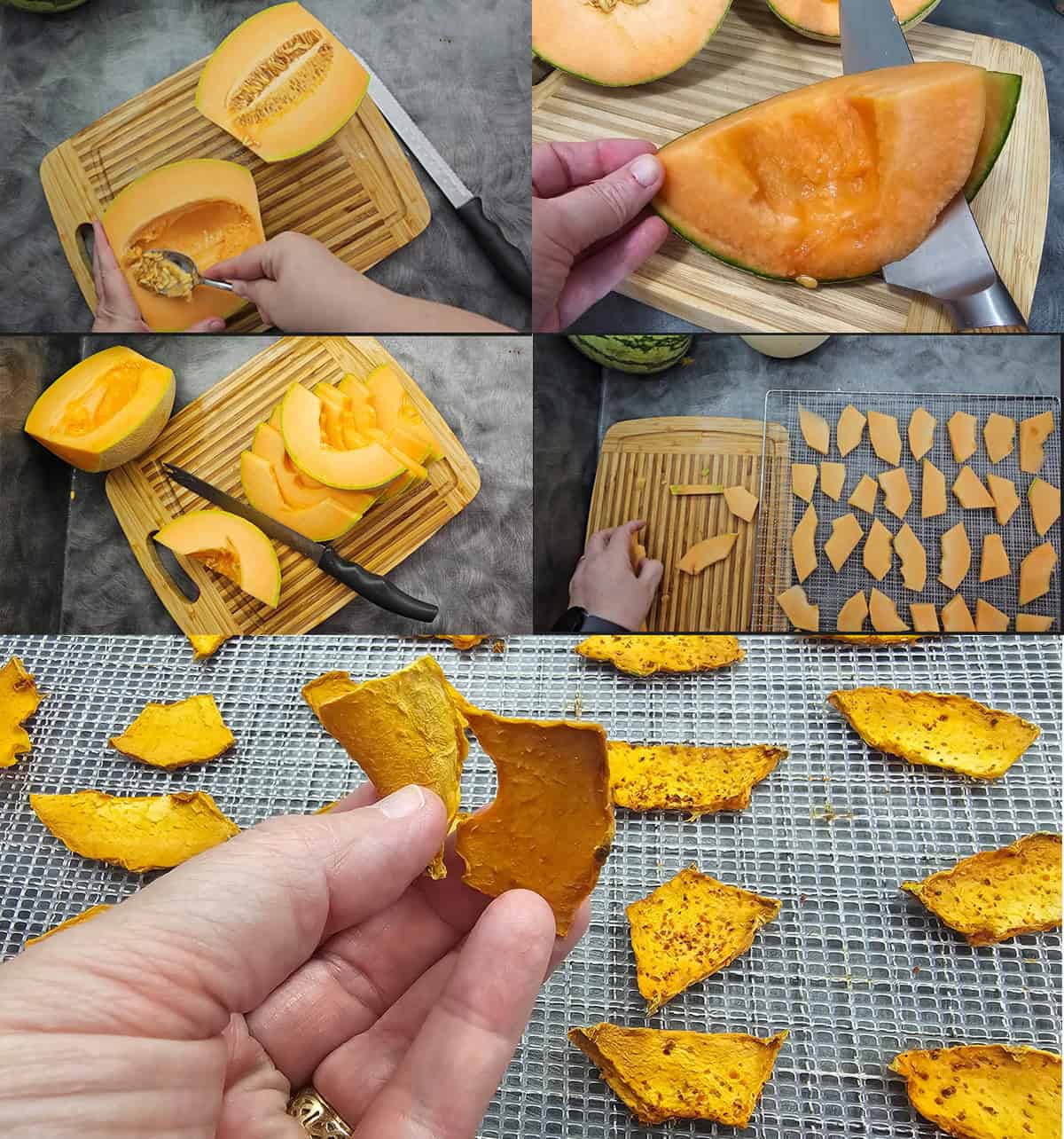
The initial step involves thoroughly washing the exterior of the melon. Because cantaloupes have a netted rind, they can harbor soil-borne pathogens such as Salmonella. Journalistic reports on food safety frequently highlight the importance of scrubbing the rind with a vegetable brush under running water before slicing. Once cleaned, the melon is halved, and the seeds and internal membranes are removed.
Phase II: Precision Slicing
Uniformity is the most critical factor in the dehydration phase. Slices should be approximately 1/4 inch (0.6 cm) thick. Inconsistent thickness leads to uneven drying, where some pieces remain dangerously moist while others become overly brittle. For high-volume processing, the use of a mandoline slicer is often recommended to ensure geometric precision, though a sharp chef’s knife utilized with consistent technique is sufficient.
Phase III: The Dehydration Cycle
The prepared slices are arranged on dehydrator trays with sufficient spacing to allow for laminar airflow. The industry standard temperature for fruit dehydration is 135°F (57°C). At this temperature, the fruit dries efficiently without "case hardening"—a phenomenon where the exterior dries too quickly, trapping moisture inside and leading to internal spoilage. The duration of this cycle typically ranges from 10 to 14 hours, depending on the ambient humidity and the specific water content of the melon.
Technical Specifications and Equipment Requirements
To achieve professional-grade results, specific equipment is utilized. While modern ovens can be used, dedicated food dehydrators are preferred for their energy efficiency and precise temperature control.
- Dehydrator: Units with rear-mounted fans (horizontal airflow) provide the most consistent results, ensuring that trays do not need to be rotated frequently.
- Mandoline Slicer: Essential for maintaining the 1/4-inch thickness required for even drying.
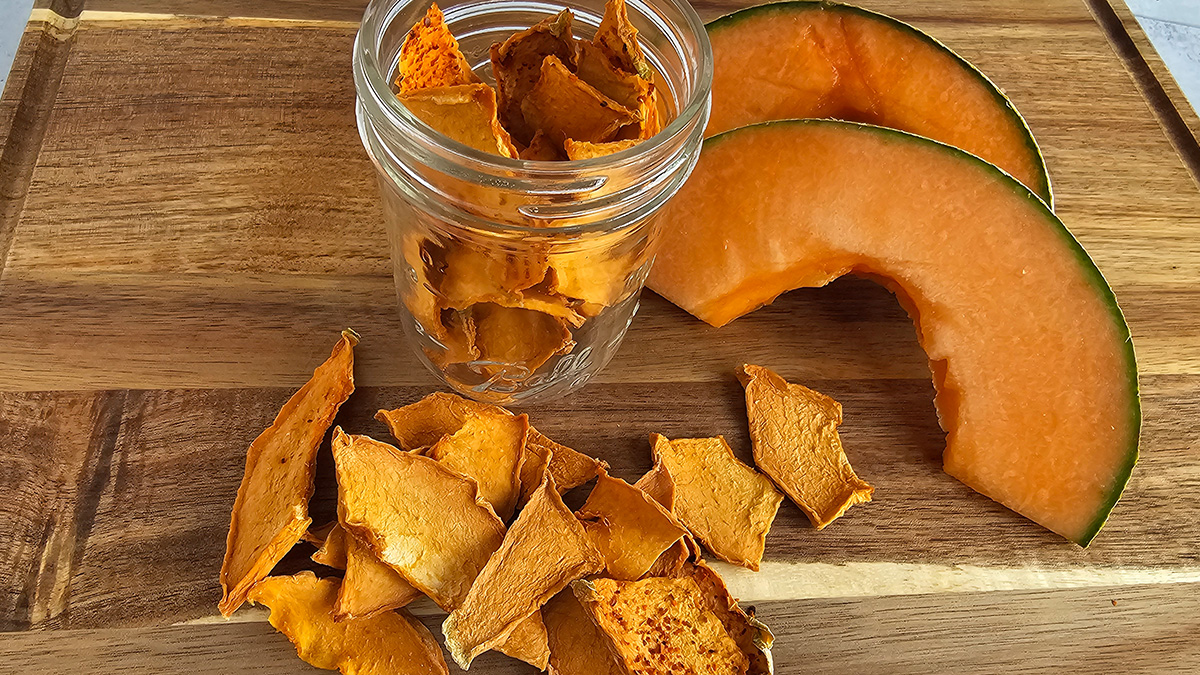
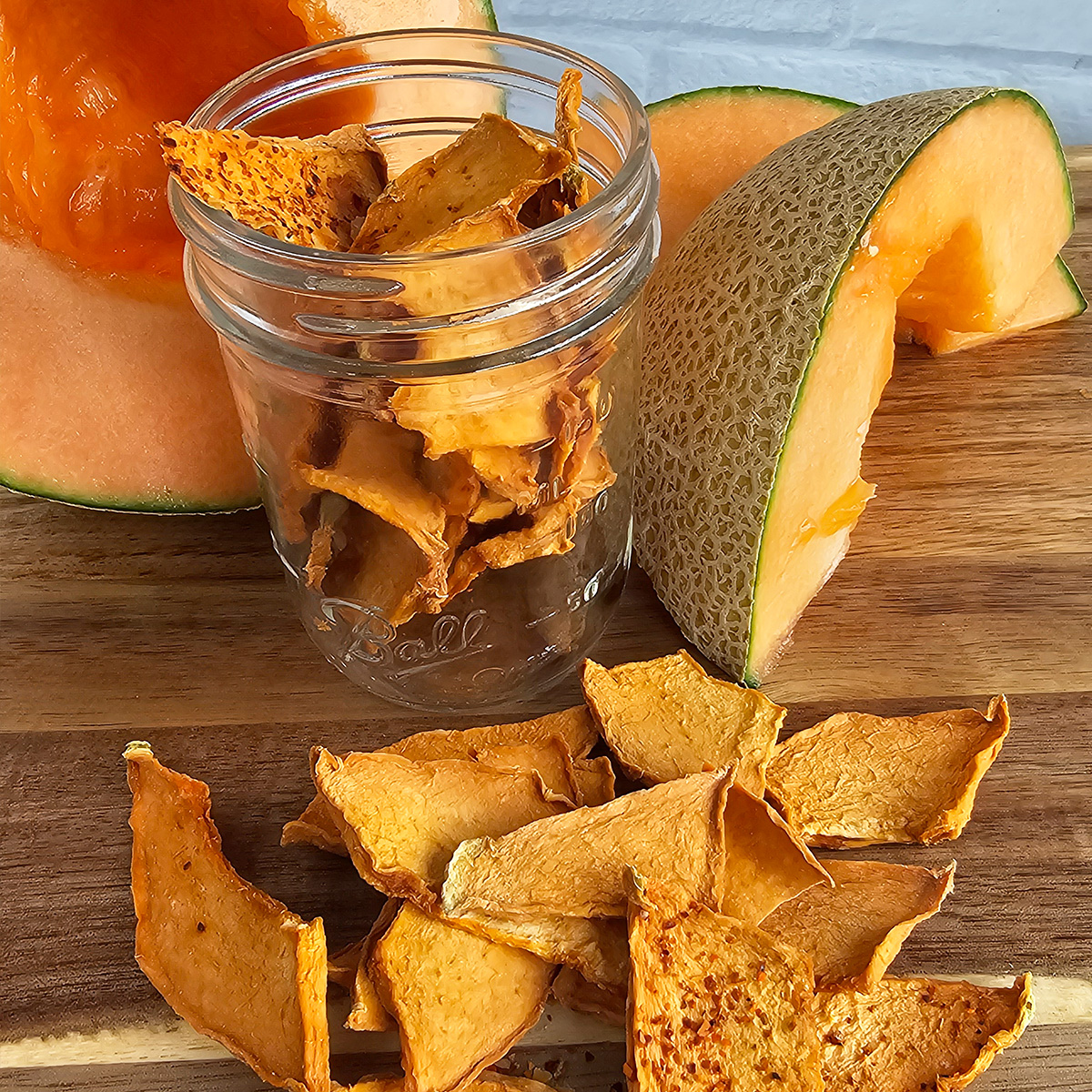
- Airtight Storage: Glass jars (such as Mason jars) or vacuum-sealing systems are necessary to prevent the hygroscopic fruit from reabsorbing moisture from the air.
- Conditioning Tools: Clear containers are used in the days following dehydration to monitor for any residual moisture.
Nutritional Analysis and Dietary Implications
Dehydrated cantaloupe is a powerhouse of concentrated nutrients. Data from nutritional databases indicate that while the water is removed, the majority of the vitamins and minerals remain. Cantaloupe is an excellent source of Vitamin A (in the form of beta-carotene), Vitamin C, and Potassium.
However, consumers must be aware of the caloric density of dried fruit. Because the volume of the fruit shrinks significantly, it is easy to consume the caloric equivalent of an entire melon in a single sitting. Nutritional experts suggest a serving size of approximately 1/4 cup of dried fruit, which correlates to roughly one cup of fresh fruit in terms of sugar and caloric content. This makes dehydrated cantaloupe an ideal high-energy snack for hikers, athletes, and students, providing a rapid source of natural glucose without the weight of fresh produce.
Flavor Enhancement and Seasoning Profiles
While the natural sweetness of cantaloupe is often sufficient, the culinary application of dried melon can be expanded through the addition of seasonings. This adds a "gourmet" element to the preserved food, making it more versatile for different palates.
- Tajin or Chili-Lime: A popular choice that provides a savory, spicy contrast to the fruit’s sweetness.
- Cinnamon and Nutmeg: These spices lend a "pie-like" flavor profile, suitable for winter snacking.
- Ginger Powder: Adds a sharp, bright note that complements the muskiness of the cantaloupe.
- Lemon Juice Spritz: Applied before drying, this can help maintain color and add a subtle tartness.
Quality Control: Conditioning and Long-Term Storage
The process does not end when the dehydrator is turned off. "Conditioning" is a vital safety step in the chronology of food preservation. Once the fruit is cooled, it is placed in a clear, airtight jar, filled about two-thirds full. For five to seven days, the jar is shaken daily and inspected for condensation. If moisture appears on the glass, the fruit must be returned to the dehydrator. This step ensures that the moisture levels are equalized across all pieces, preventing localized mold growth.
For long-term storage, the fruit should be kept in a cool, dark, and dry environment. Under optimal conditions, dehydrated cantaloupe can maintain its quality for up to one year. The use of oxygen absorbers or moisture-wicking silica packets can further extend this shelf life, particularly in regions with high relative humidity.

Broader Impact on Food Security and Emergency Preparedness
The ability to preserve fruit like cantaloupe has significant implications for emergency preparedness and community resilience. In the event of power outages or disruptions to the food supply chain, shelf-stable, nutrient-dense foods become invaluable. Dehydration requires no ongoing energy input once the process is complete, unlike freezing, which is dependent on a continuous power source.
Furthermore, the practice encourages a deeper connection to the seasonal cycles of agriculture. By engaging in home preservation, individuals become less dependent on the "just-in-time" delivery systems of modern supermarkets. This shift toward self-reliance is a key component of modern food security strategies, as emphasized by various non-governmental organizations and agricultural extensions.
Conclusion: The Future of Home Preservation
As technology in home appliances continues to advance, the barrier to entry for food preservation is lowering. Modern dehydrators are more silent, efficient, and affordable than their predecessors, making the dehydration of cantaloupe an accessible task for the average household. By following rigorous scientific standards for temperature and sanitation, consumers can effectively bridge the gap between summer’s bounty and winter’s scarcity, ensuring that no part of the harvest is wasted. The transformation of a simple melon into a sophisticated, long-lasting snack is a testament to the enduring utility of dehydration in the modern culinary landscape.


