
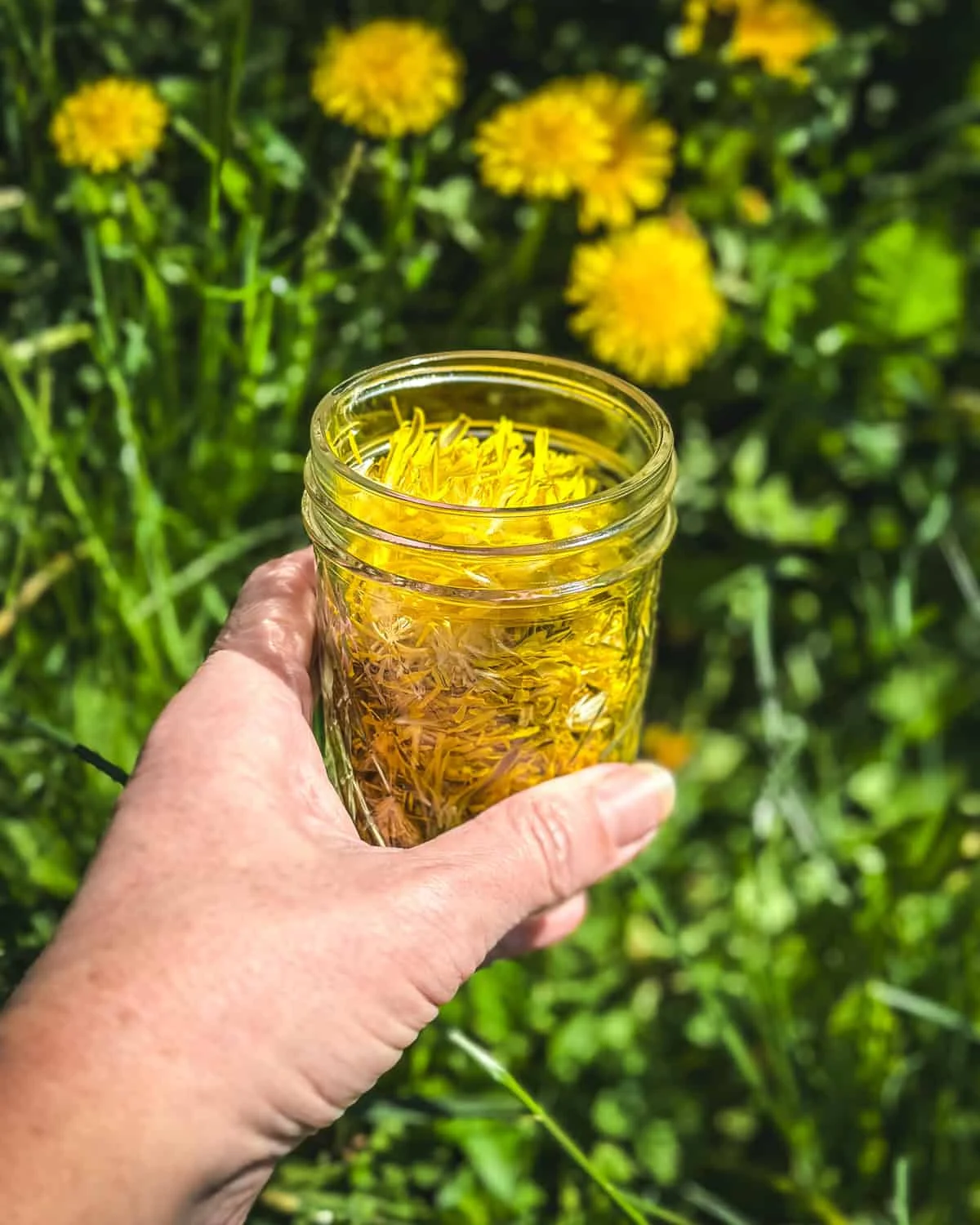
As spring temperatures begin to stabilize across the Northern Hemisphere, the emergence of the common dandelion (Taraxacum officinale) is once again shifting from a suburban landscaping nuisance to a focal point of the burgeoning "wildcrafting" and sustainable foraging movement. Long dismissed as an invasive weed by proponents of the manicured turf-grass lawn, the dandelion is increasingly recognized by culinary experts and herbalists for its resilience, nutritional density, and versatility in kitchen applications, most notably in the preparation of dandelion bread. This shift reflects a broader societal trend toward "slow food" and a renewed interest in backyard biodiversity, as consumers seek to reconnect with seasonal cycles through the consumption of foraged ingredients.
The Botanical and Historical Context of Taraxacum Officinale
The dandelion is a hardy perennial belonging to the Asteraceae family, characterized by its deep taproot and vibrant yellow composite flowers. While often viewed through the lens of modern pest control, the plant has a storied history in traditional medicine and gastronomy. Historically, dandelions were brought to North America by European settlers who valued them for both their medicinal properties and their reliability as a food source. Every part of the plant—from the root to the petals—is technically edible, though each component offers a distinct flavor profile and chemical composition.
The roots are frequently roasted and used as a caffeine-free coffee substitute, known for their earthy, bitter notes. The leaves, particularly when harvested early in the spring, serve as a potent salad green, though they develop a sharp bitterness as the plant matures and the weather warms. However, it is the yellow petals that have gained recent popularity in artisanal baking. These petals possess a light, honey-like sweetness that, when extracted from the bitter green bracts of the flower head, provides a unique floral infusion for breads, muffins, and syrups.
Chronology of the Foraging Season and Harvesting Best Practices
The window for optimal dandelion harvesting is relatively narrow, typically peaking between late March and early May, depending on the local climate. Foragers and culinary enthusiasts follow a specific chronology to ensure the quality and safety of their ingredients:
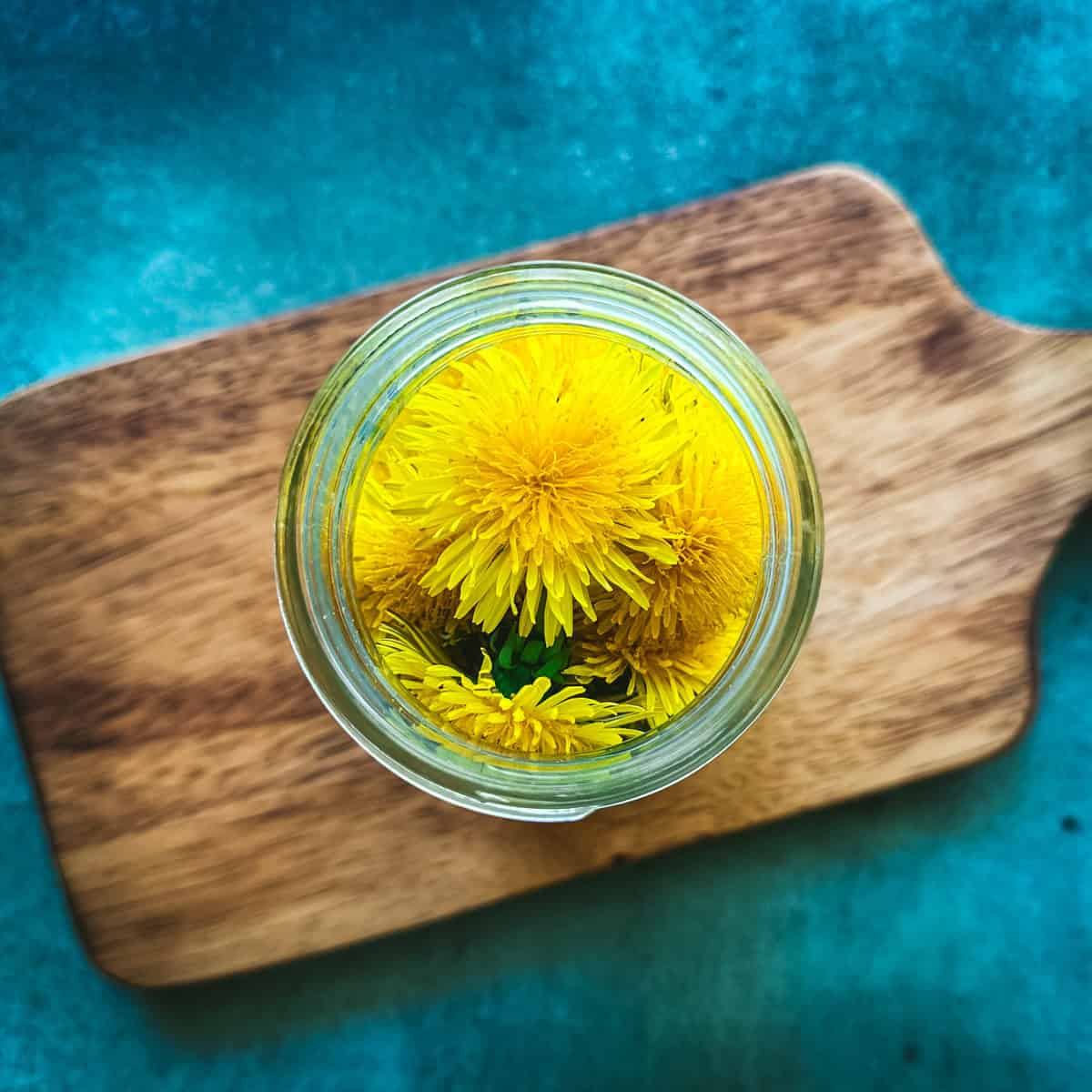
- Identification and Site Assessment: The process begins with the identification of healthy, vibrant blooms. Journalistic and ecological reports emphasize the importance of site selection; foragers must ensure that the area has not been treated with synthetic pesticides, herbicides, or heavy fertilizers. Public parks and roadside verges are often avoided due to potential contamination from vehicle exhaust and chemical runoff.
- The Midday Harvest: Unlike many garden herbs that are best picked in the morning dew, dandelion flowers are ideally harvested during the sunniest part of the day. This is when the flower heads are fully open, allowing for easier collection and better access to the sweet petals.
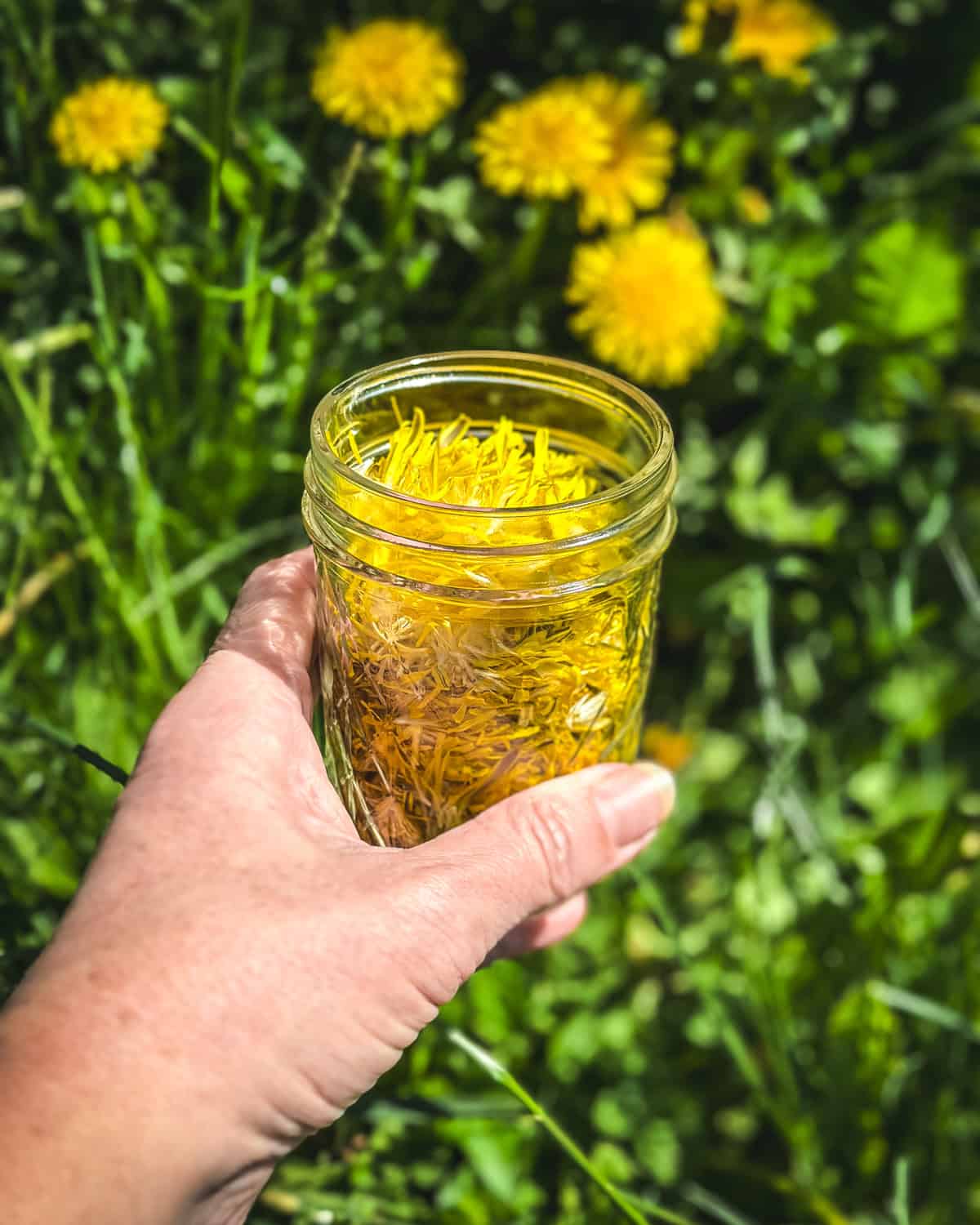
- Processing and Separation: Once collected, the flowers must be processed quickly to prevent wilting. The primary challenge in dandelion baking is the separation of the yellow ray floret (the petal) from the green sepal and receptacle. The green portions contain a milky latex that is excessively bitter and can ruin the delicate flavor of the bread.
- Culinary Integration: Following separation, the petals are either used immediately in batters or dried for long-term storage.
Nutritional Profile and Scientific Analysis
The movement to incorporate dandelions into the modern diet is supported by a growing body of nutritional data. According to various botanical studies, dandelion petals and leaves are rich in vitamins A, C, and K, as well as essential minerals such as iron, calcium, and magnesium.

Recent research has delved into the specific phytochemical properties of the plant. A study cited in the journal Nutrients suggests that active components within dandelions may modulate hemostatic processes, potentially playing a role in blood health, though researchers caution that more clinical trials are needed to determine precise dosages and long-term effects. Furthermore, comparative analyses have demonstrated that dandelion petals exhibit significant antioxidant activity. In some instances, the petal preparations outperformed leaf extracts in neutralizing free radicals, highlighting the functional benefits of including floral elements in baked goods like dandelion bread.

The use of raw honey in conjunction with dandelion petals in recipes further enhances the "functional food" aspect of the dish. Honey, known for its antimicrobial properties, complements the floral notes of the dandelion while providing a natural preservative effect for the bread’s crumb.
The Economic and Cultural Impact of Backyard Foraging
The rise of dandelion bread is not an isolated culinary quirk but part of a larger cultural shift toward "cottagecore" aesthetics and self-sufficiency. Market analysts have noted a significant uptick in the sale of foraging guides and home-fermentation kits over the last five years. For instance, digital publications and ebooks focusing on backyard weeds have seen a surge in downloads, as suburban homeowners seek to find value in their existing landscapes rather than spending resources on chemical eradication.
This trend has broader implications for environmental sustainability. By reclassifying dandelions as a crop rather than a weed, there is a reduced incentive for the application of broadleaf herbicides. This, in turn, supports local pollinator populations, particularly honeybees and bumblebees, for whom dandelions are a vital early-season food source. Ecologists suggest that a "forage-first" approach to lawn management can significantly increase urban biodiversity.
Technical Specifications: The Dandelion Bread Recipe
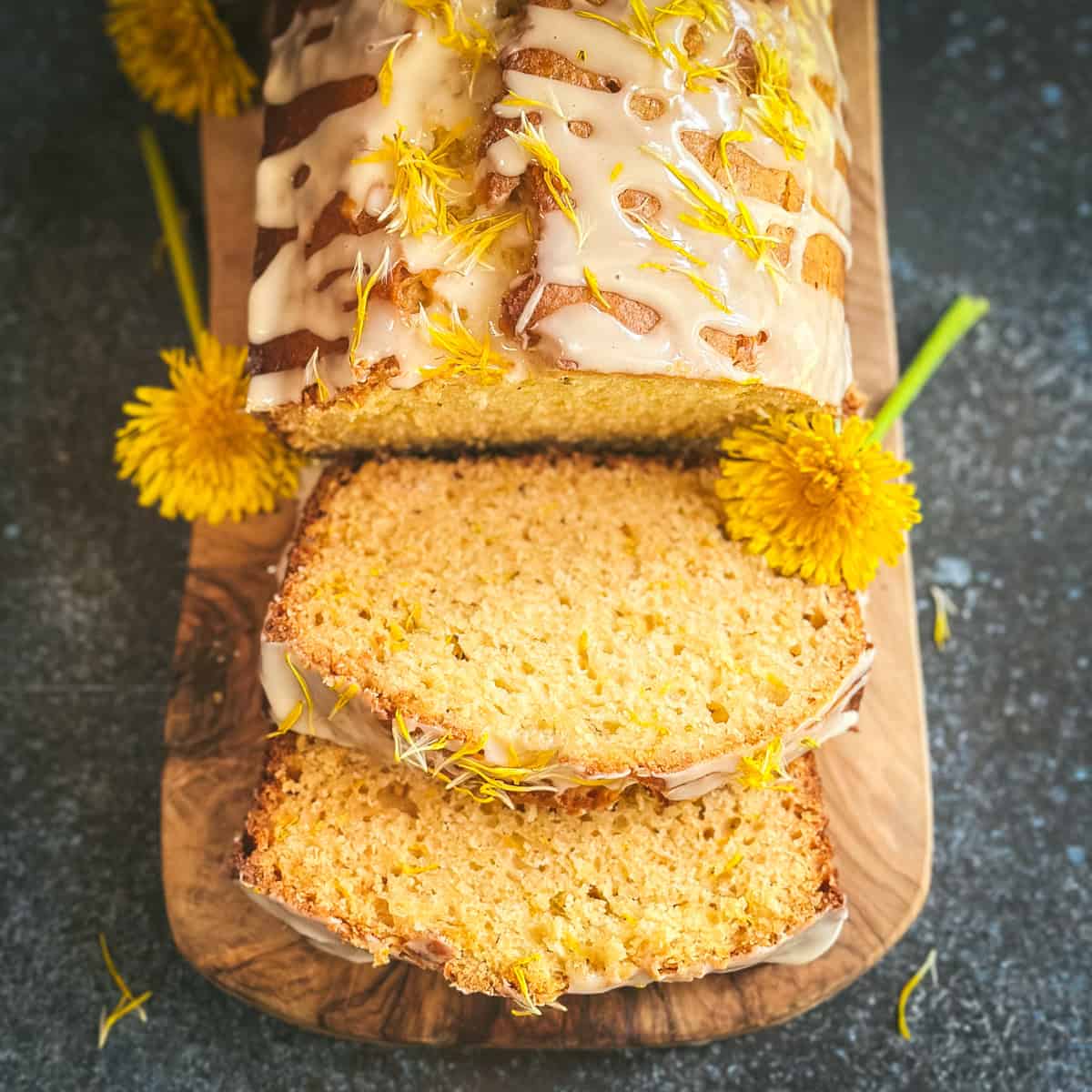
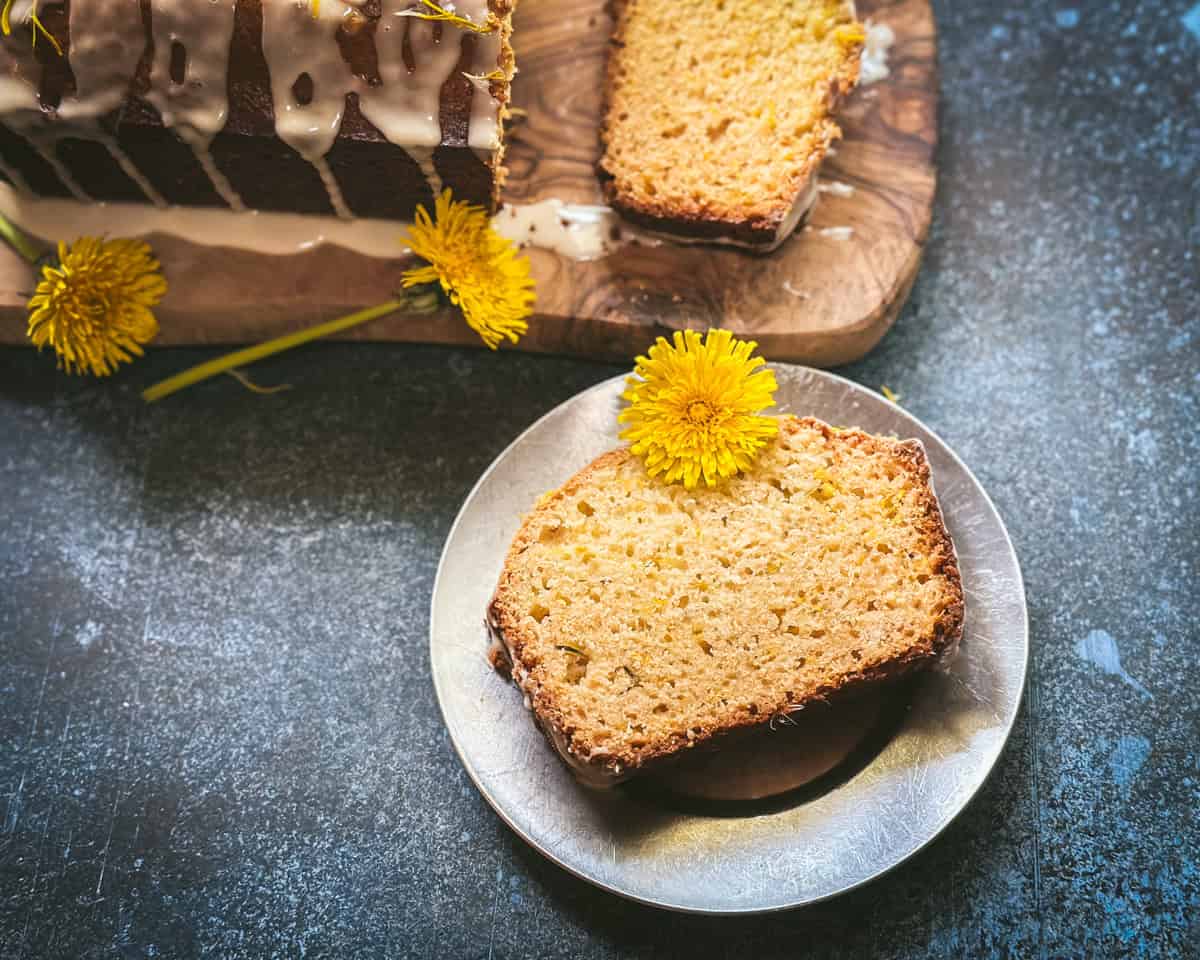
For those looking to translate these botanical facts into a culinary reality, the preparation of dandelion bread requires a balance of standard leavening techniques and specific floral preparation. The following recipe represents the standard for a professional-grade dandelion loaf, often served as a seasonal breakfast item or a teatime accompaniment.
Required Ingredients
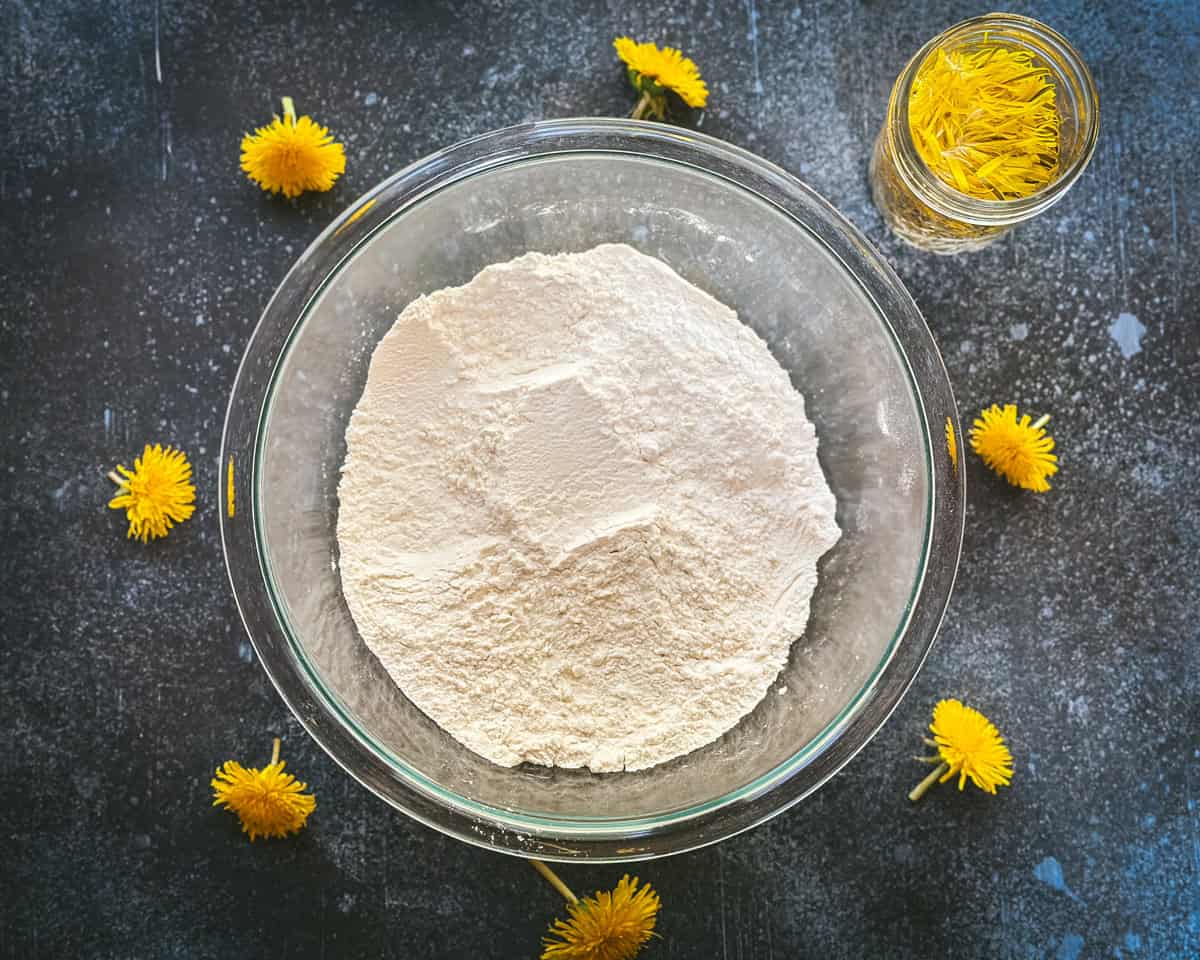
- Dry Base: 2 cups of all-purpose flour, 1 tablespoon of baking powder, and ½ teaspoon of salt.
- Lipids and Sweeteners: ½ cup of light vegetable oil (avocado or organic canola is preferred for a neutral profile), ½ cup of granulated sugar, and ¼ cup of raw honey.
- Binding and Moisture: 1 large egg and 1 cup of milk (whole cow’s milk or a high-protein plant-based substitute).
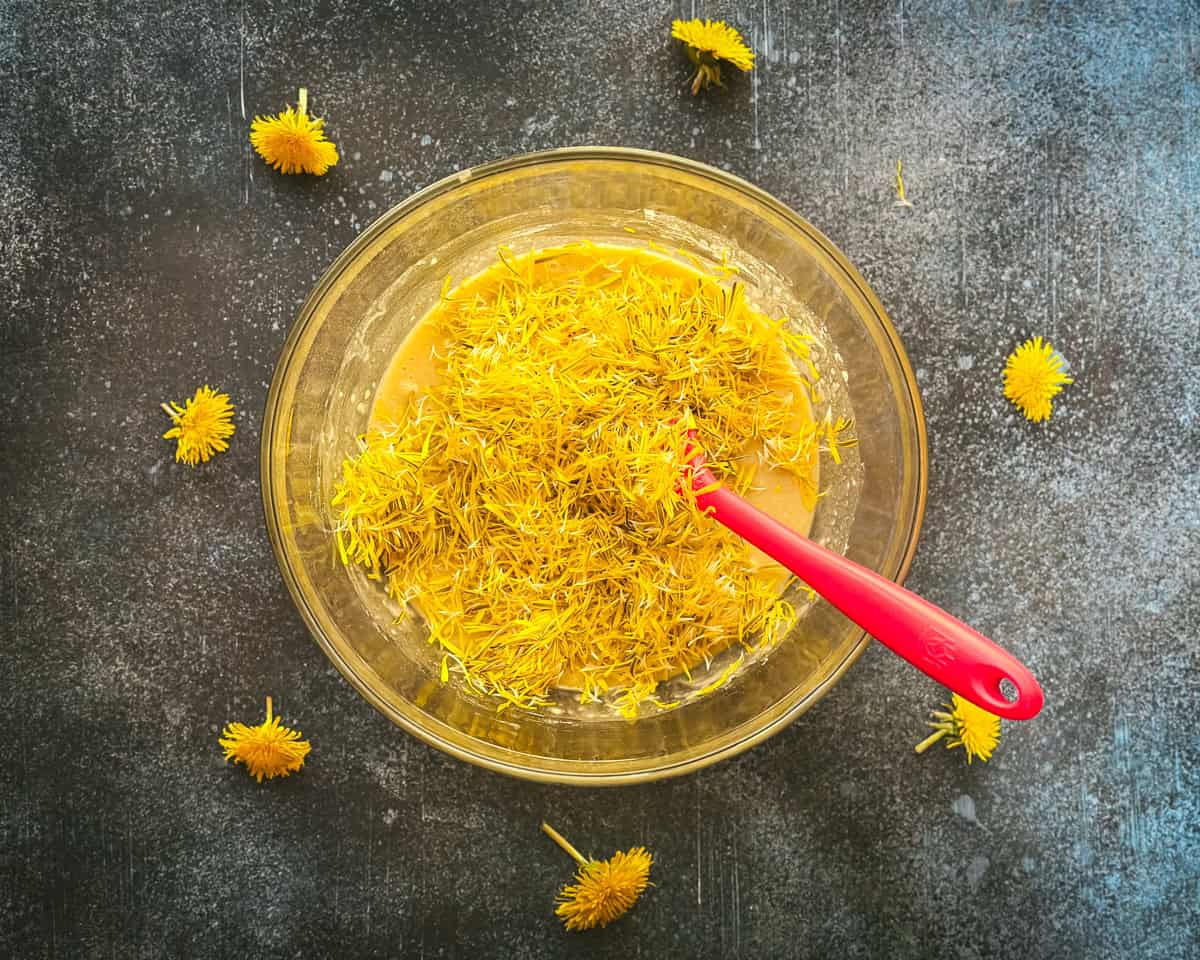
- Floral Element: 1 cup of freshly harvested and cleaned dandelion petals (approximately 40-50 flower heads).
- Citrus Glaze: 1 cup of powdered sugar, 2 tablespoons of fresh lemon juice, and 1 tablespoon of honey.
Method of Preparation
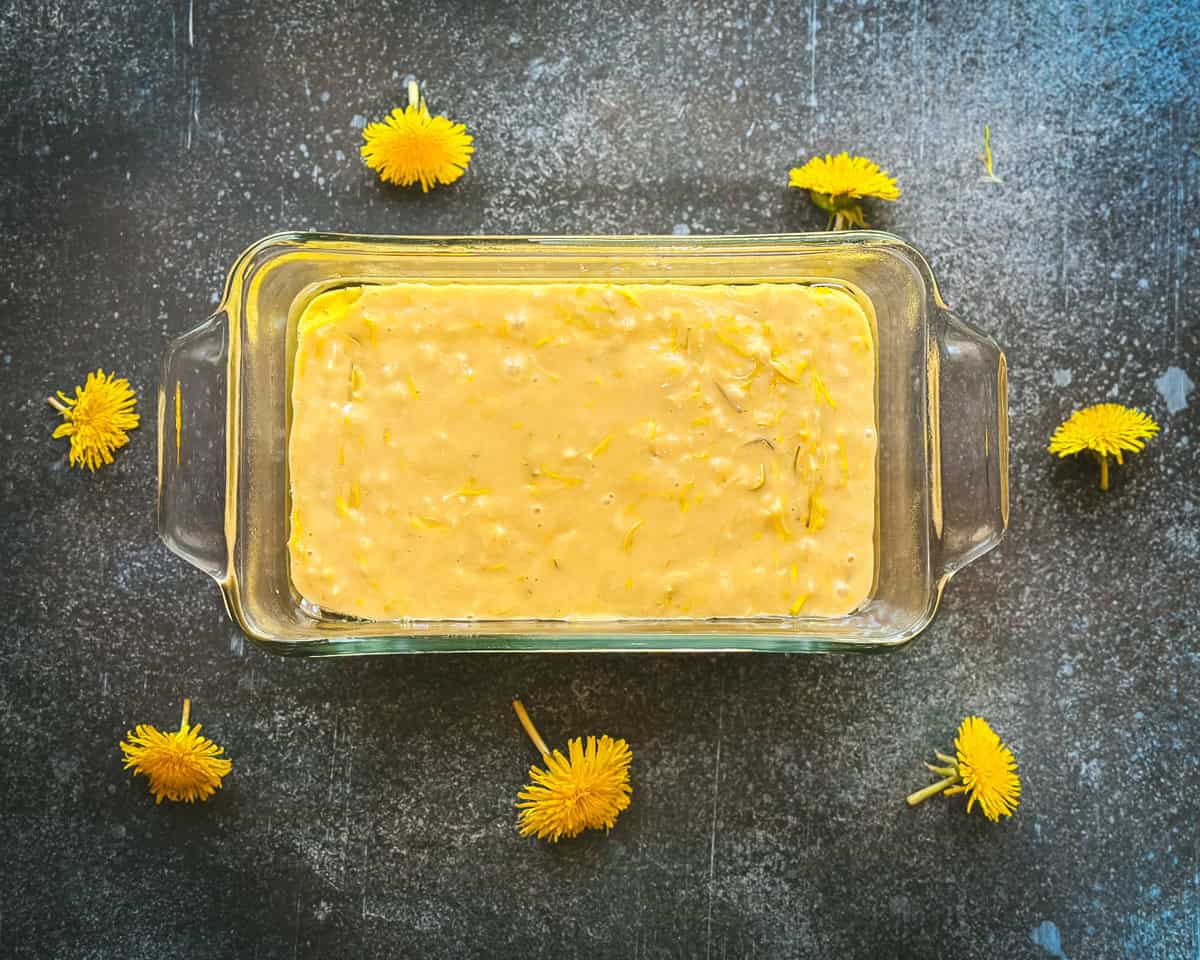
- Oven Calibration: Preheat the oven to 350°F (175°C). The use of a standard 9×5 inch loaf pan, greased thoroughly, is recommended.
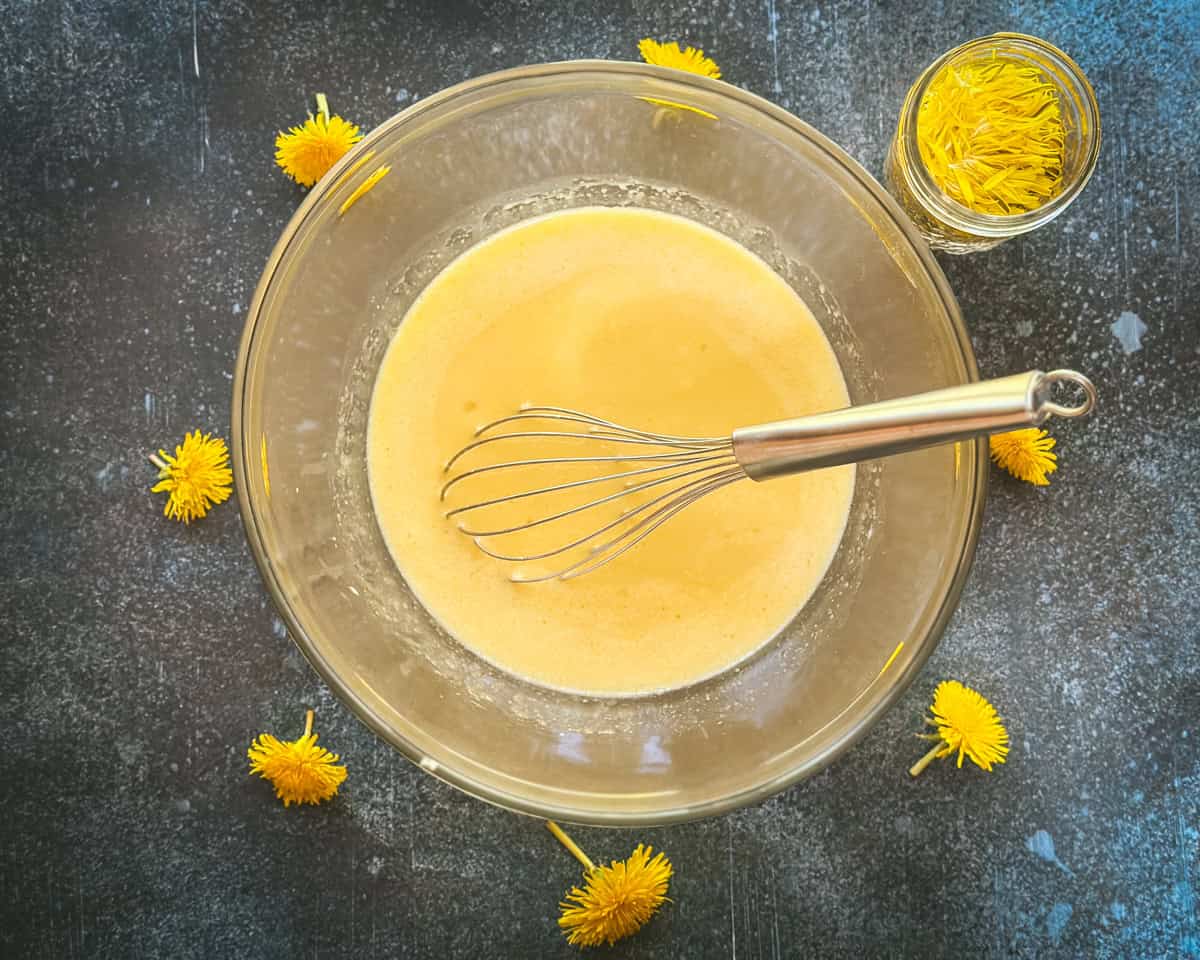
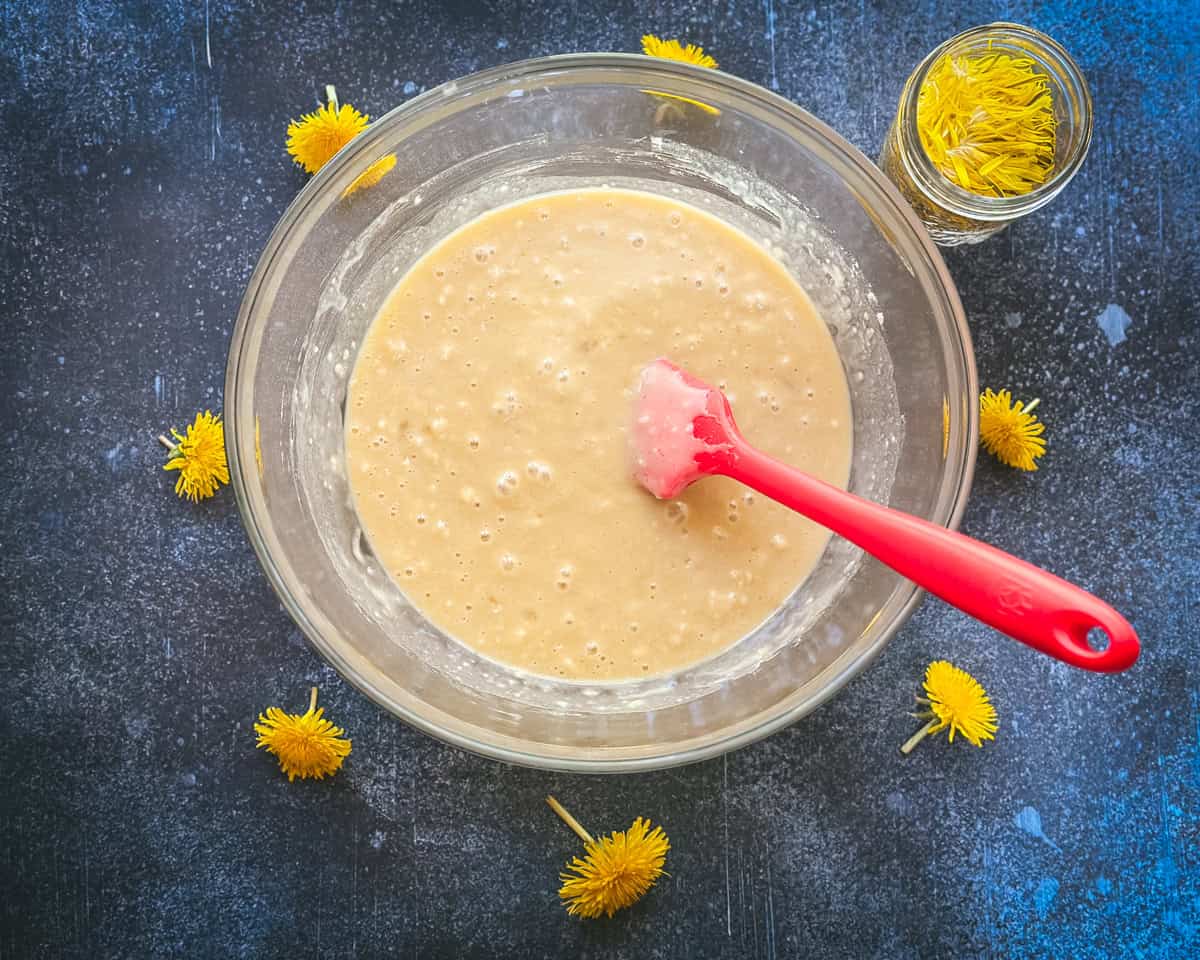
- Emulsification: In a large mixing bowl, the oil, sugar, and honey are whisked until the mixture reaches a uniform consistency. The egg and milk are then incorporated.
- Dry Integration: The flour, baking powder, and salt are sifted together and gradually added to the wet ingredients. Journalistic culinary standards advise stirring only until just combined to avoid over-developing the gluten, which would result in a tough texture.
- The Folding Process: The dandelion petals are gently folded into the batter. This ensures even distribution without bruising the delicate florets.
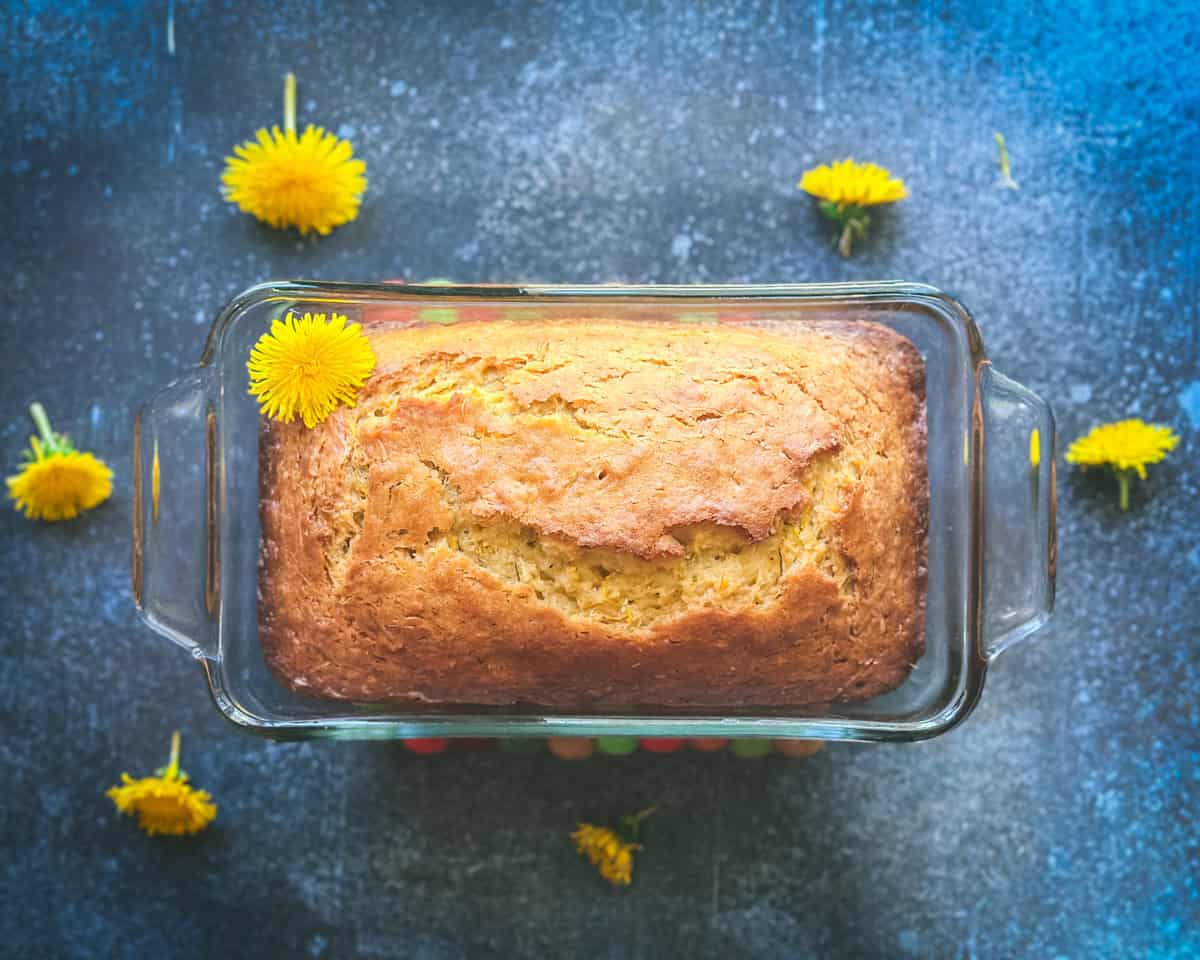
- Baking Parameters: The loaf is baked for 55 to 65 minutes. A common professional tip involves covering the pan with aluminum foil during the final 15 minutes to prevent the sugars in the honey and glaze from over-browning.
- Cooling and Glazing: The bread must cool in the pan for at least 20 minutes before being transferred to a wire rack. The lemon-honey glaze is applied only once the bread is at room temperature to ensure it sets as a bright, opaque layer rather than soaking into the crumb.
Expert Perspectives and Sustainability
Culinary educators and herbalists emphasize that the consumption of dandelions is a "familiar gateway" to wild foraging. By presenting the plant in the form of a sweet, glazed bread, the "ick factor" associated with eating weeds is mitigated. "Dandelions are humble and resilient heroes," notes one foraging expert. "The more we can incorporate these abundant, nutrient-dense plants into our daily routines, the more we foster a resilient food system that doesn’t rely entirely on industrial supply chains."
However, experts also issue a standard "forager’s caution." Proper identification is paramount, as certain look-alikes, such as Catsear (Hypochaeris radicata), while generally non-toxic, do not provide the same flavor profile. Furthermore, the ethical forager is reminded to never harvest the first dandelions of the season, leaving them for the pollinators who rely on them after winter dormancy.
Implications for the Future of Home Gardening
The transition of the dandelion from a "foe" to a "foraged comfort food" signals a potential end to the era of the monoculture lawn. As more households experiment with recipes like dandelion bread, the demand for "messy" but productive yards grows. This shift supports a more circular economy where the "waste" of a lawn becomes the "harvest" of the kitchen.
In conclusion, dandelion bread serves as more than a seasonal treat; it is a symbol of a changing relationship between humans and their immediate environment. Through a combination of historical wisdom, modern nutritional science, and artisanal baking, the common dandelion has secured its place as a legitimate and valuable component of the contemporary spring pantry. As the climate continues to shift and the importance of local food security grows, the resilience of the dandelion may offer a blueprint for a more sustainable and flavorful future.


