
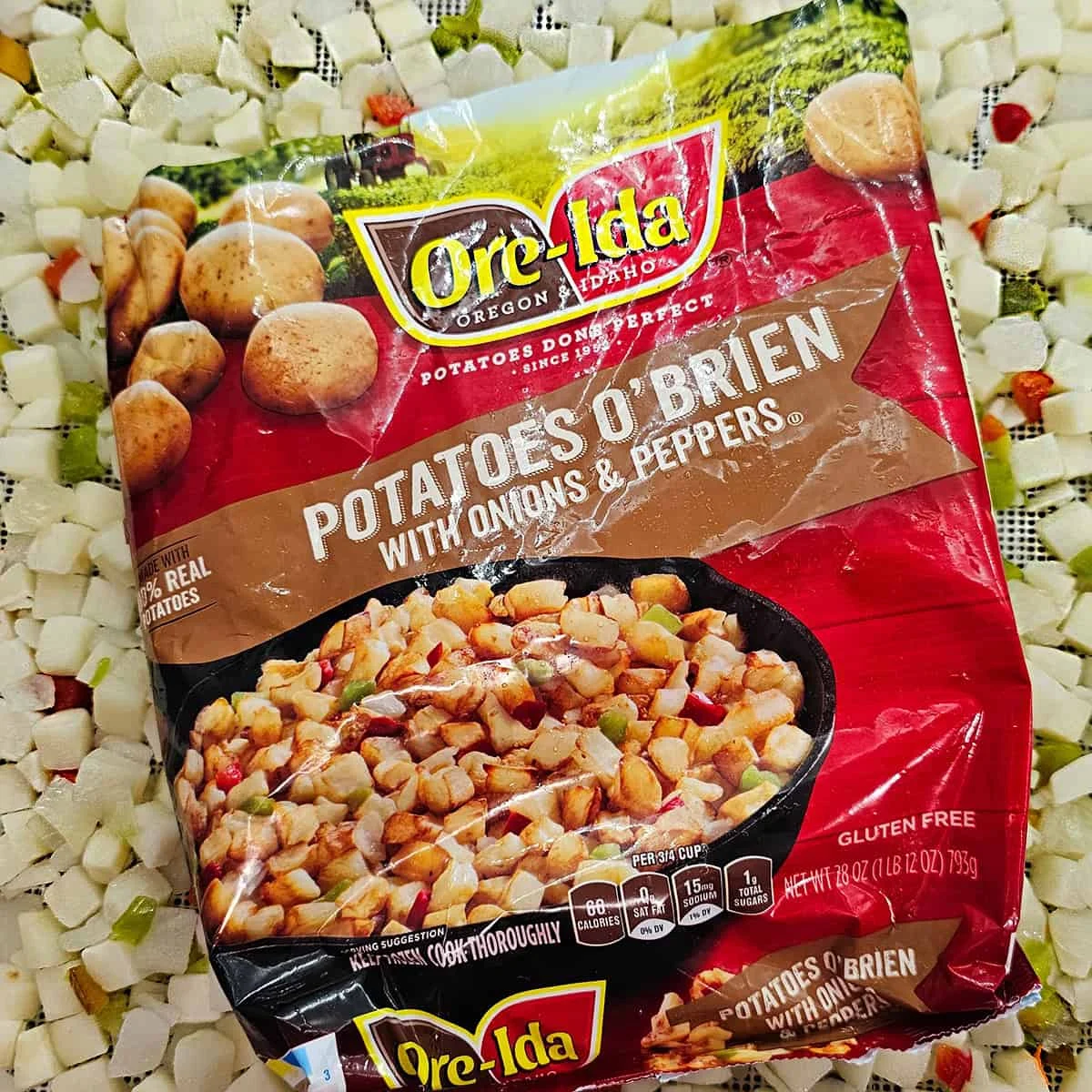
The practice of home food preservation has seen a significant resurgence as households seek to mitigate the effects of food inflation, reduce domestic waste, and enhance long-term food security. One of the most efficient yet underutilized techniques in this domain is the dehydration of commercially frozen vegetables, specifically pre-diced potato blends such as Potatoes O’Brien. By transitioning these items from the freezer to the pantry shelf, consumers can reclaim valuable freezer real estate for highly perishable items while creating a versatile, shelf-stable ingredient that retains its nutritional value for years.
The process of dehydrating frozen potatoes is fundamentally different from processing fresh tubers. Fresh potatoes require labor-intensive washing, peeling, dicing, and—most importantly—blanching to deactivate enzymes that cause browning and textural degradation. In contrast, commercially frozen potatoes, including the popular Potatoes O’Brien variety which features a mix of diced potatoes, onions, and bell peppers, have already undergone these industrial preparations. This makes them an ideal candidate for both novice and experienced practitioners of food dehydration.
The Strategic Shift from Freezing to Dehydration
While freezing is an excellent method for short-to-medium-term preservation, it is not without its vulnerabilities. Freezers are dependent on a continuous power supply; a prolonged outage can result in the loss of hundreds of dollars in inventory. Furthermore, frozen foods are susceptible to "freezer burn," a condition caused by sublimation where moisture leaves the food and forms ice crystals on the surface, leading to a tough, leathery texture and off-flavors.
Dehydration offers a robust alternative. By removing approximately 90% to 95% of the moisture content, the biological processes that lead to spoilage are effectively halted. A dehydrated bag of Potatoes O’Brien occupies a fraction of the space of its frozen counterpart and can be stored safely at room temperature in airtight containers. This "shelf-stable" status is a cornerstone of modern "prepping" and efficient pantry management, allowing for a diverse food supply that is immune to mechanical failure or local power grid instability.
Technical Methodology: The Dehydration Process
To successfully dehydrate frozen Potatoes O’Brien, one must adhere to specific temperature controls and preparation steps to ensure the final product is safe and high-quality.
Step 1: Preparation and Loading
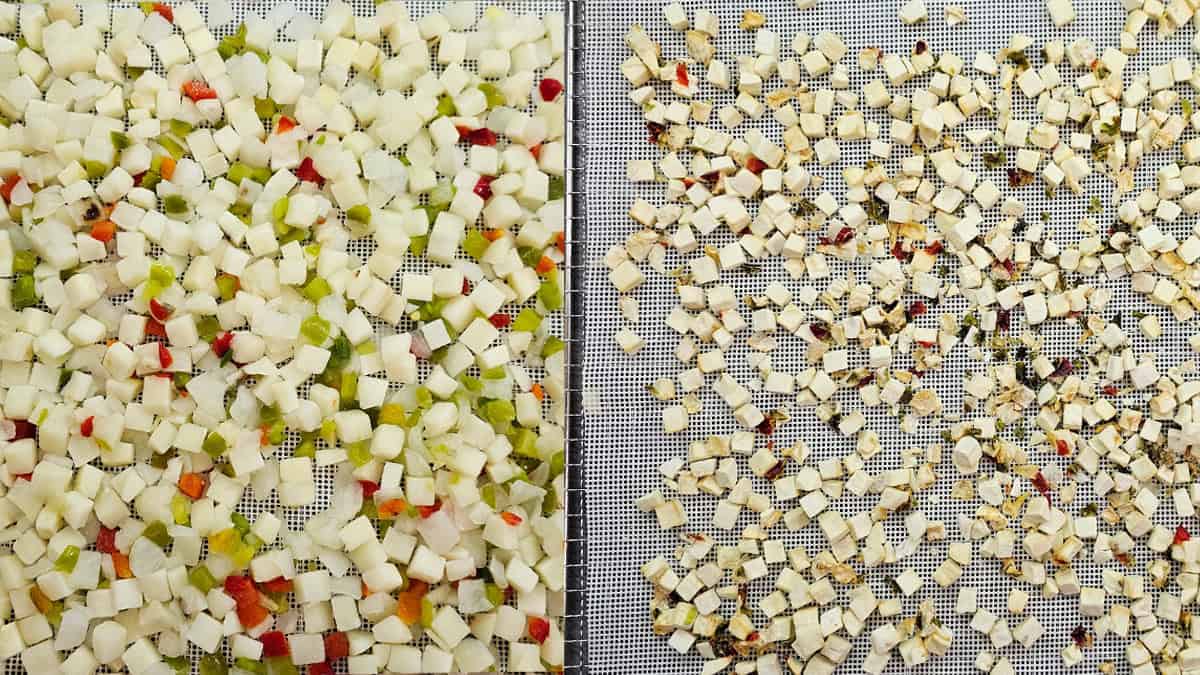
Unlike fresh produce, frozen potatoes do not require thawing. In fact, loading them onto dehydrator trays while still frozen prevents the pieces from sticking together and minimizes the risk of bacterial growth during the initial warming phase. The frozen blocks should be gently broken apart within the bag before being spread in a single, even layer across the dehydrator trays. It is essential to use mesh tray liners, as the potato dices will shrink significantly during the drying process and could otherwise fall through standard tray grates.
Step 2: Temperature Regulation
The standard temperature for dehydrating vegetables is 125°F (52°C). This temperature is high enough to facilitate moisture evaporation without "case hardening"—a phenomenon where the outside of the food dries too quickly, trapping moisture inside and leading to internal mold growth. Because frozen potatoes have already been blanched (partially cooked), the dehydration process primarily focuses on moisture removal rather than enzyme deactivation.
Step 3: Duration and Testing for Dryness
The time required for complete dehydration typically ranges from 6 to 12 hours, depending on the humidity of the environment and the specific brand of potato. The potatoes are considered fully dehydrated when they are "rock hard." If a piece is translucent and has no give when squeezed, or if it clinks like a pebble when dropped on a hard surface, it is ready for storage. Any remaining "squishiness" indicates residual moisture, which could lead to spoilage in the jar.
Nutritional Integrity and Supporting Data
Data from the USDA and various food science studies suggest that dehydration is one of the best methods for retaining the caloric density and mineral content of potatoes. While some water-soluble vitamins, such as Vitamin C and certain B vitamins, may diminish slightly during the drying process, the primary nutritional value—carbohydrates, potassium, and fiber—remains intact.
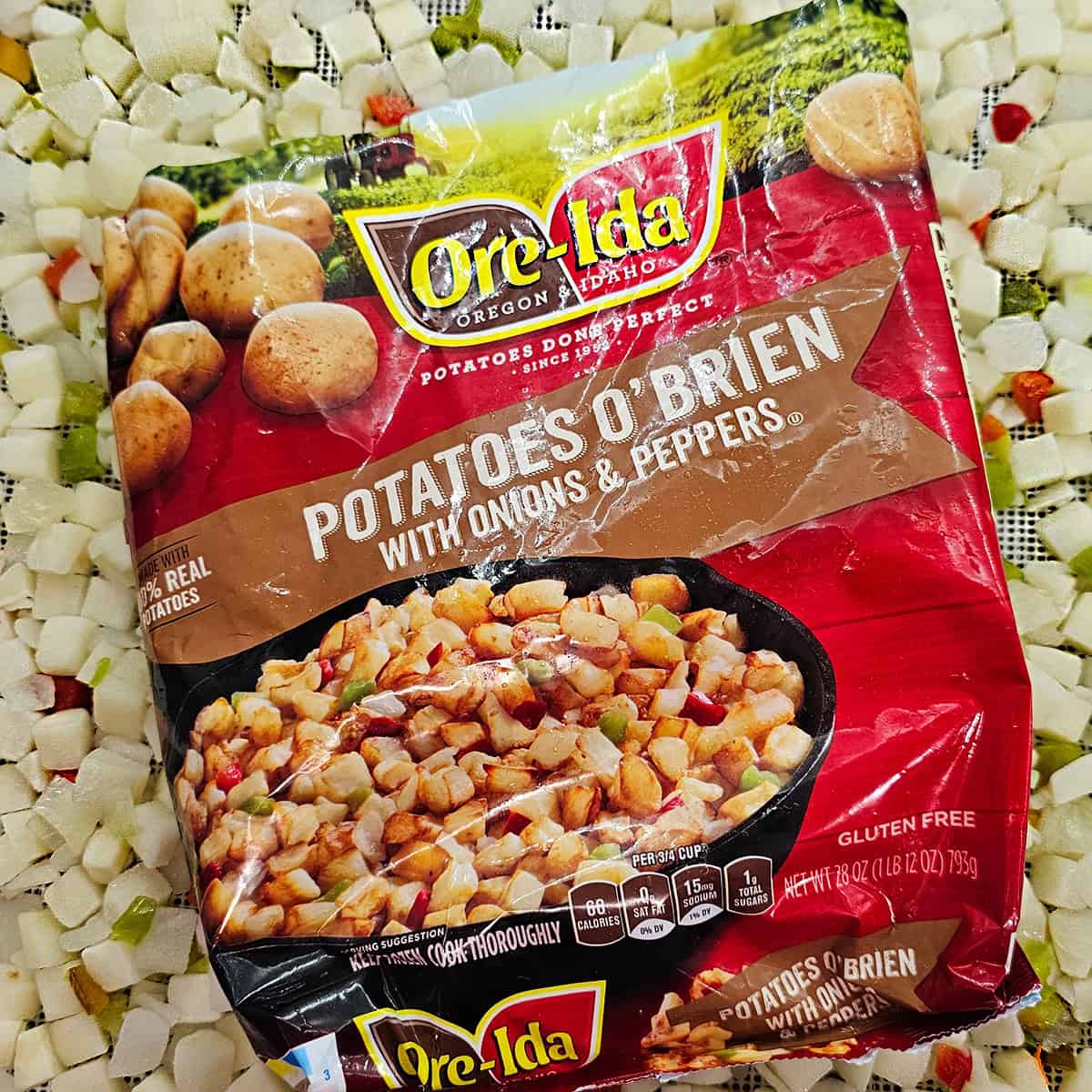
In a comparative analysis of storage methods, dehydrated potatoes offer a significantly higher "nutrient density per cubic inch" than frozen potatoes. A standard 28-ounce bag of frozen Potatoes O’Brien can be reduced to approximately 1.5 to 2 cups of dehydrated product. This reduction in volume makes it an exceptional choice for emergency kits, backpacking meals, and compact pantry storage.
Comparative Analysis: What to Dehydrate and What to Avoid
Not all frozen potato products are suitable for dehydration. Success depends heavily on the fat content and the physical structure of the product.
- Ideal Candidates: Diced potatoes, hash browns (shredded), and Potatoes O’Brien are excellent for dehydration. These products generally contain minimal added fats or oils, which can go rancid over time if stored at room temperature.
- Products to Avoid: Seasoned french fries, tater tots, and battered potato wedges should generally be avoided. These items are often pre-fried or coated in oils and starches. Residual fats do not dehydrate; they remain in the food and will eventually spoil, creating "off" odors and potentially toxic compounds in long-term storage.
Economic and Environmental Implications
The transition toward home dehydration has broader implications for the domestic economy and environmental sustainability. According to the Food and Agriculture Organization (FAO), roughly one-third of all food produced for human consumption is lost or wasted globally. In the United States, a significant portion of this waste occurs at the household level due to spoilage.
By dehydrating frozen goods that are nearing their "best by" date, consumers can effectively reset the clock on food expiration. This reduces the financial loss associated with discarded food. Additionally, reducing the reliance on large chest freezers can lead to a decrease in household energy consumption. A well-stocked pantry of dehydrated goods requires zero energy to maintain, whereas a freezer must run 24 hours a day, 365 days a year.
Rehydration and Culinary Applications
The utility of dehydrated Potatoes O’Brien lies in its ease of use. To return the potatoes to a state suitable for frying or baking, they must be rehydrated. This is achieved by soaking the dried pieces in boiling water for approximately 15 to 20 minutes. Once they have absorbed the water, they should be patted dry before being placed in a skillet with a small amount of oil to achieve a crispy exterior.
However, for liquid-based dishes, the rehydration step can be integrated into the cooking process. Dehydrated Potatoes O’Brien can be added directly to:
- Soups and Stews: The potatoes will rehydrate as the broth simmers, thickening the liquid slightly as they release a small amount of starch.
- Casseroles: When combined with other dehydrated or fresh vegetables in a dish like Shepherd’s Pie, the potatoes absorb the surrounding juices, enhancing the flavor profile.
- Breakfast Scrambles: The inclusion of dehydrated onions and peppers in the O’Brien mix provides an instant flavor base for eggs and breakfast meats.
Safety and Long-Term Storage Protocols
Proper storage is the final, critical step in the dehydration timeline. Once the potatoes have cooled to room temperature, they should be placed in glass canning jars or Mylar bags. To maximize shelf life, the use of an oxygen absorber is recommended. These small packets remove residual oxygen from the container, preventing oxidation and further extending the life of the product—often up to 5 to 10 years if stored in a cool, dark, and dry location.
Food safety experts emphasize the importance of "conditioning" dehydrated foods. This involves shaking the storage jars daily for about a week after the initial drying. If any condensation appears on the glass, the potatoes are not sufficiently dry and must be returned to the dehydrator to prevent mold growth.
Conclusion: A Proactive Approach to Food Security
The dehydration of frozen Potatoes O’Brien represents a sophisticated intersection of convenience and traditional preservation. It leverages the industrial efficiency of frozen food production—where vegetables are processed at the peak of freshness—and combines it with the ancient wisdom of drying. As global supply chains remain volatile and the cost of living continues to rise, the ability to convert a perishable freezer item into a multi-year pantry staple is more than just a kitchen hack; it is a vital component of a resilient and self-sufficient household. By following standardized dehydration protocols, consumers can ensure they have a nutritious, flavorful, and versatile food supply ready for any circumstance.


