
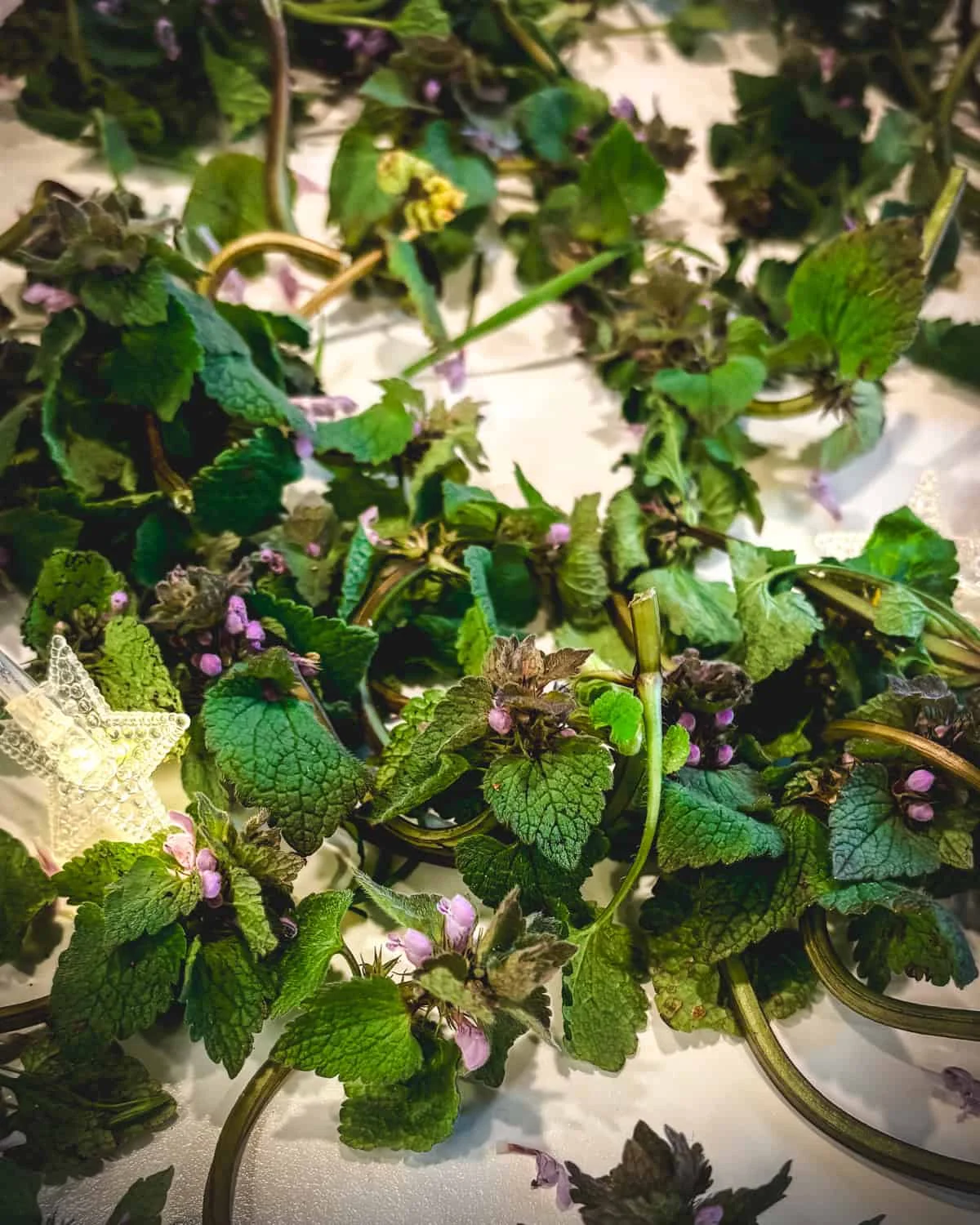
Botanical Profile and Chemical Composition
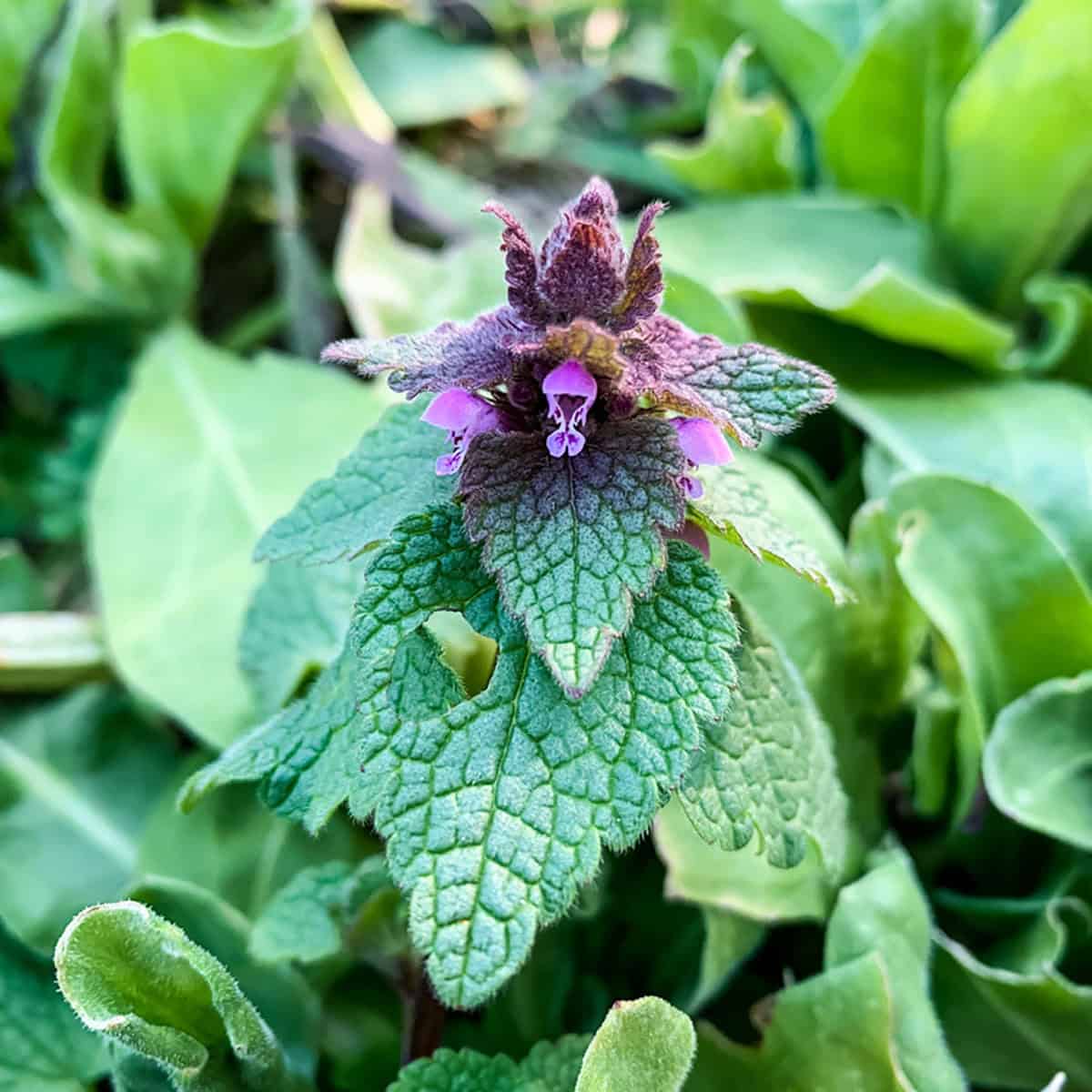
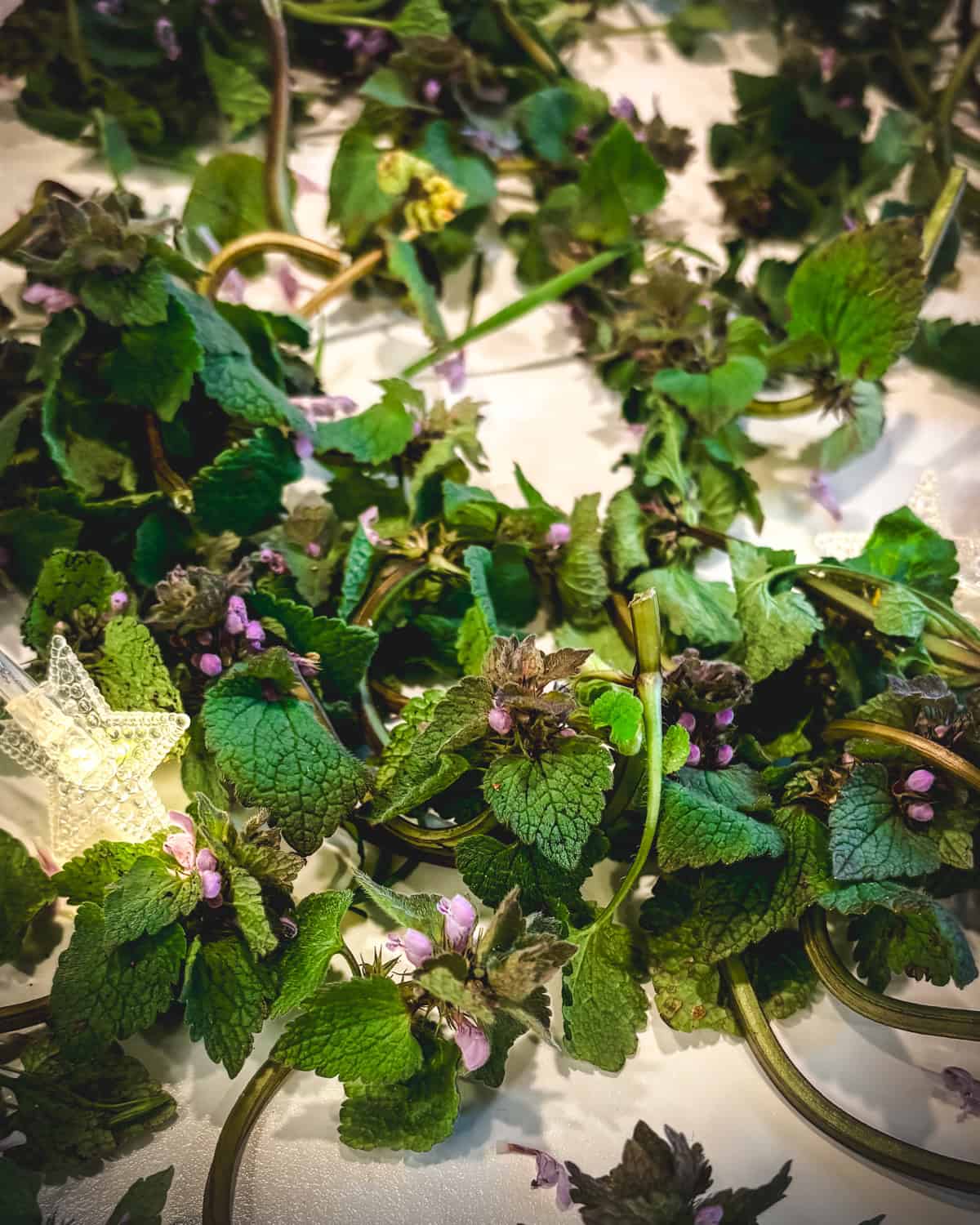
Purple dead nettle is an herbaceous annual plant native to Europe and Asia but has become naturalized throughout North America. It is characterized by its square stems—a hallmark of the mint family—and its fuzzy, spade-shaped leaves which transition from green to a distinct reddish-purple hue at the top of the plant. Unlike the stinging nettle (Urtica dioica), Lamium purpureum does not possess trichomes capable of injecting formic acid, hence the designation "dead" nettle, referring to its lack of a "sting."
From a phytochemical perspective, Lamium purpureum is a complex matrix of beneficial secondary metabolites. Research published in journals such as Molecules indicates that the genus Lamium contains significant concentrations of iridoids, flavonoids, and phenolic acids. Specifically, the presence of quercetin and kaempferol derivatives contributes to the plant’s documented antioxidant and anti-inflammatory activities. Furthermore, the essential oils found within the leaves contain germacrene D and other sesquiterpenes, which provide a mild antimicrobial barrier when applied to the skin. These chemical constituents form the scientific rationale for the plant’s use in treating minor abrasions, rashes, and insect bites.
Chronology of Harvest and Preparation
The window for optimal harvesting of purple dead nettle is relatively brief, typically spanning from late March through May, depending on the local climate. To ensure the highest concentration of medicinal compounds and the safety of the final product, herbalists follow a strict chronological protocol:
- Identification and Site Selection: Foragers must identify the plant by its square stem and hooded purple flowers. It is imperative to harvest from locations known to be free of synthetic pesticides, herbicides, and heavy metal contamination, such as private backyards or protected wildlands.
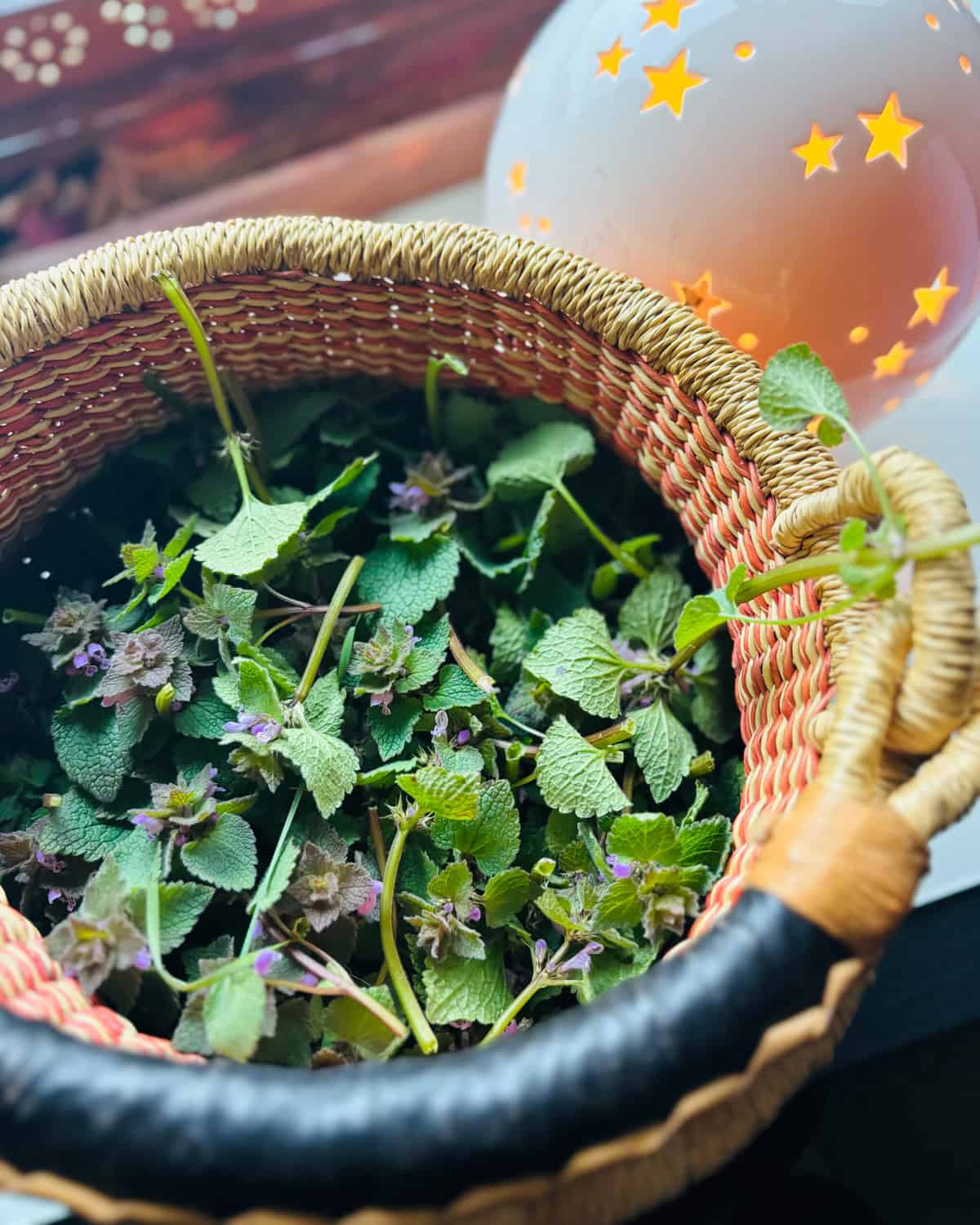
- The Harvest: The upper third of the plant, including the purple leaves and flowers, is collected. This is typically done during mid-morning after the dew has evaporated but before the heat of the day causes the volatile oils to dissipate.
- The Drying Phase: Fresh plant material contains high water content, which can introduce mold into oil-based infusions. The harvested nettle is spread in a single layer on drying racks in a well-ventilated area out of direct sunlight for 48 to 72 hours.
- Infusion Timing: Once the plant material is "crisp" to the touch, it is ready for infusion. This process can take anywhere from three hours (using the quick-heat method) to six weeks (using the traditional cold-infusion method).
Technical Specifications for Oil Infusion
The efficacy of a purple dead nettle salve is primarily dependent on the quality of the infused oil. The infusion serves as the vehicle for extracting fat-soluble compounds from the plant material. Professional practitioners often utilize a variety of carrier oils based on their specific dermatological benefits.
- Extra Virgin Olive Oil: Favored for its long shelf life and high oleic acid content, which helps penetrate the skin barrier.
- Coconut Oil: Utilized for its added antimicrobial properties and its ability to remain solid at lower temperatures.
- Sweet Almond Oil: Selected for its emollient properties and high Vitamin E content, making it suitable for sensitive skin.
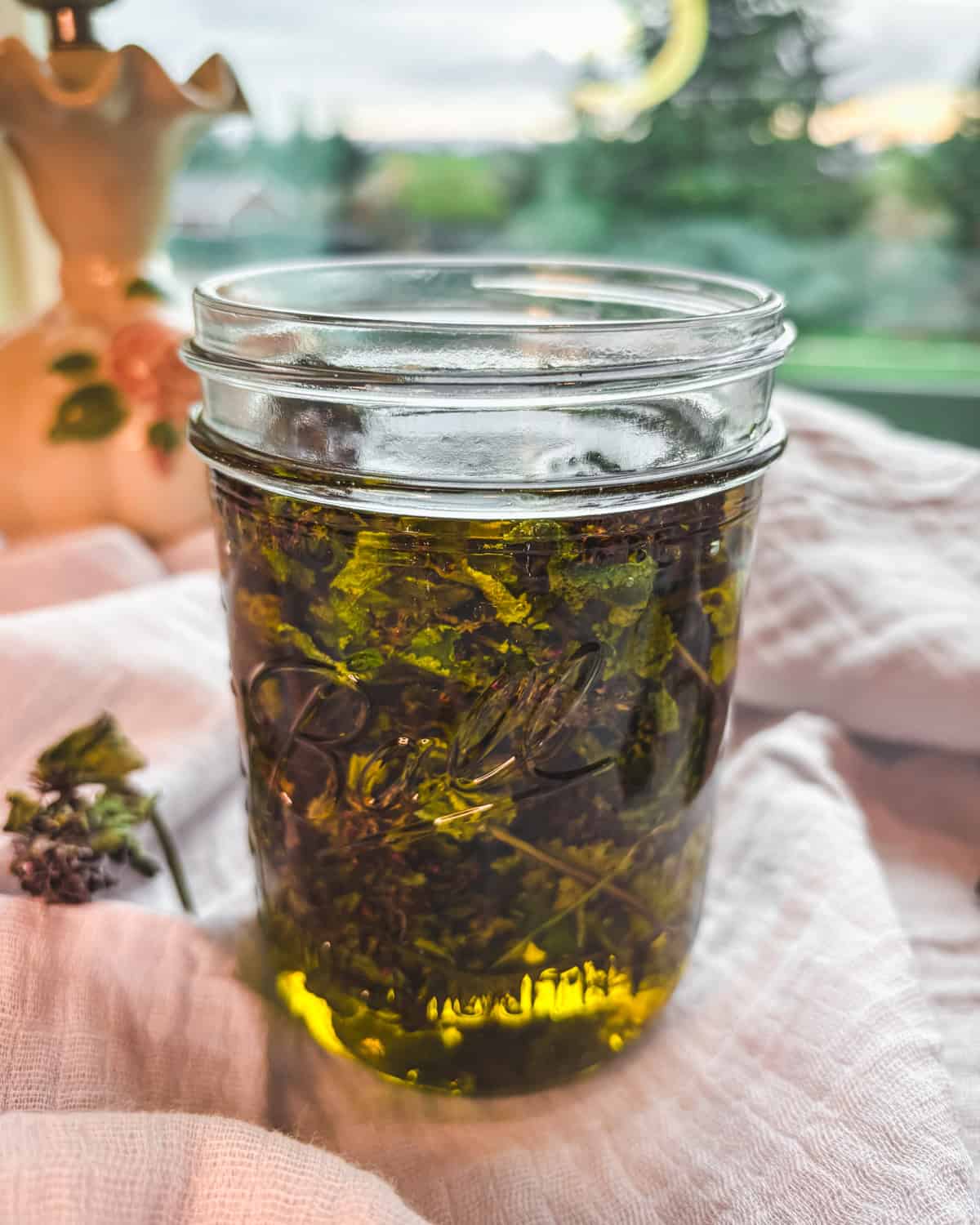
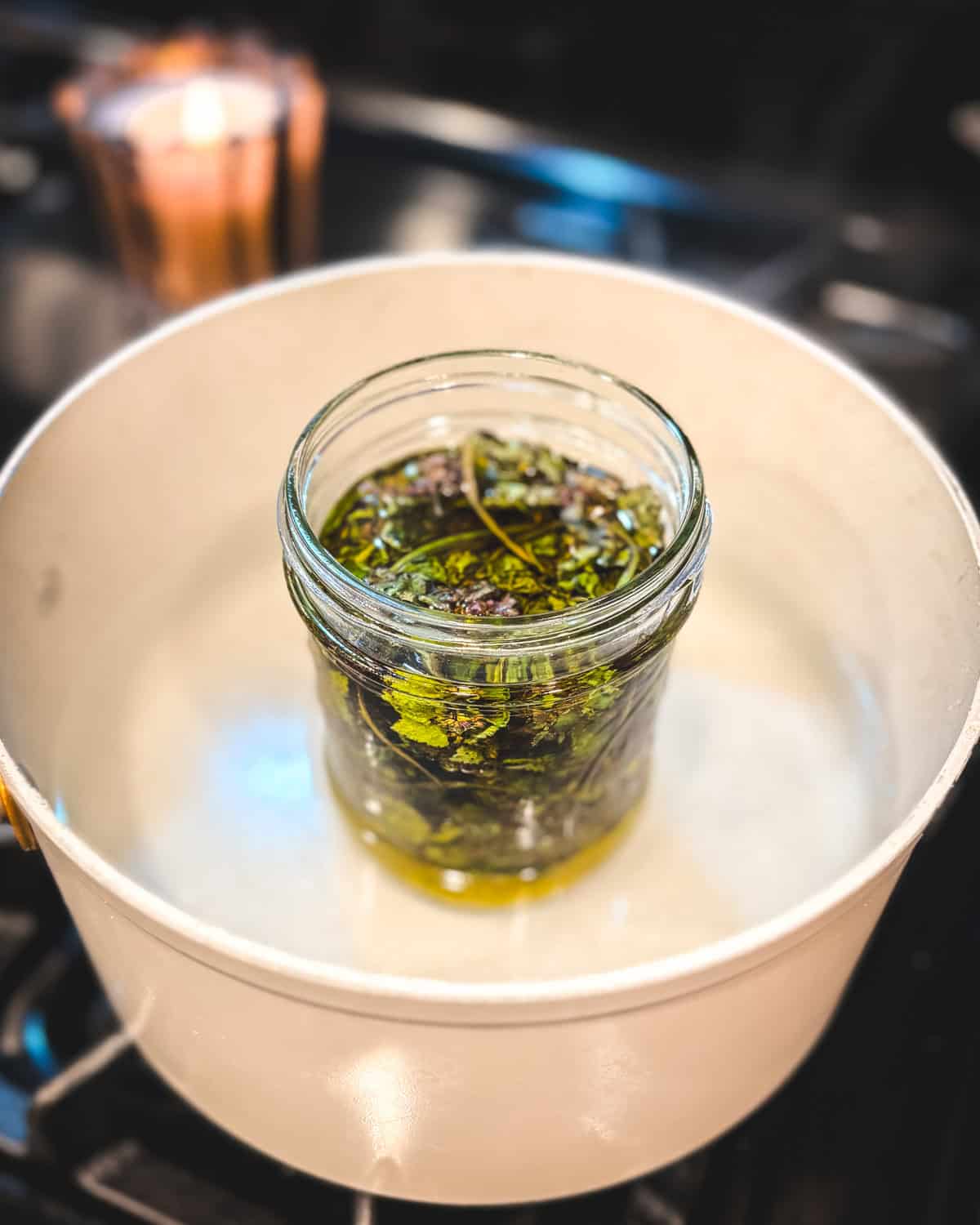
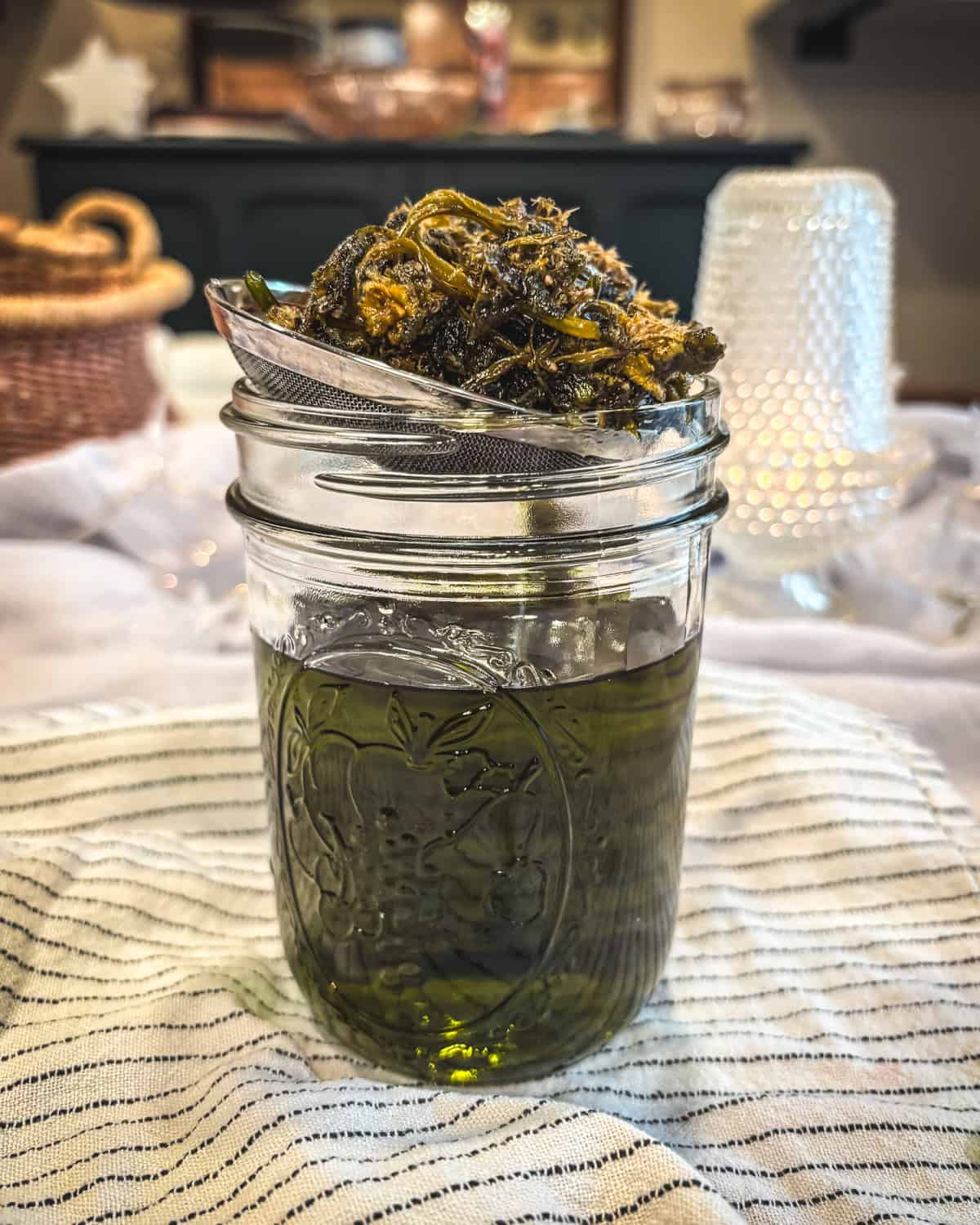
In a standardized preparation, one cup of dried Lamium purpureum is submerged in approximately 1.25 cups of carrier oil. For the quick-heat method, the mixture is placed in a double boiler and maintained at a temperature between 100°F and 110°F (38°C to 43°C) for several hours. This controlled heating facilitates the breakdown of plant cell walls without denaturing the sensitive phenolic compounds. Following the infusion, the oil is passed through a fine-mesh cheesecloth to remove all botanical debris, resulting in a clear, green-to-amber hued medicinal oil.

Emulsification and Salve Production
The transition from an infused oil to a shelf-stable salve requires the introduction of a hardening agent, most commonly beeswax (Cera alba). Beeswax not only provides the necessary consistency for topical application but also acts as a humectant, drawing moisture to the skin and creating a protective barrier against environmental irritants.

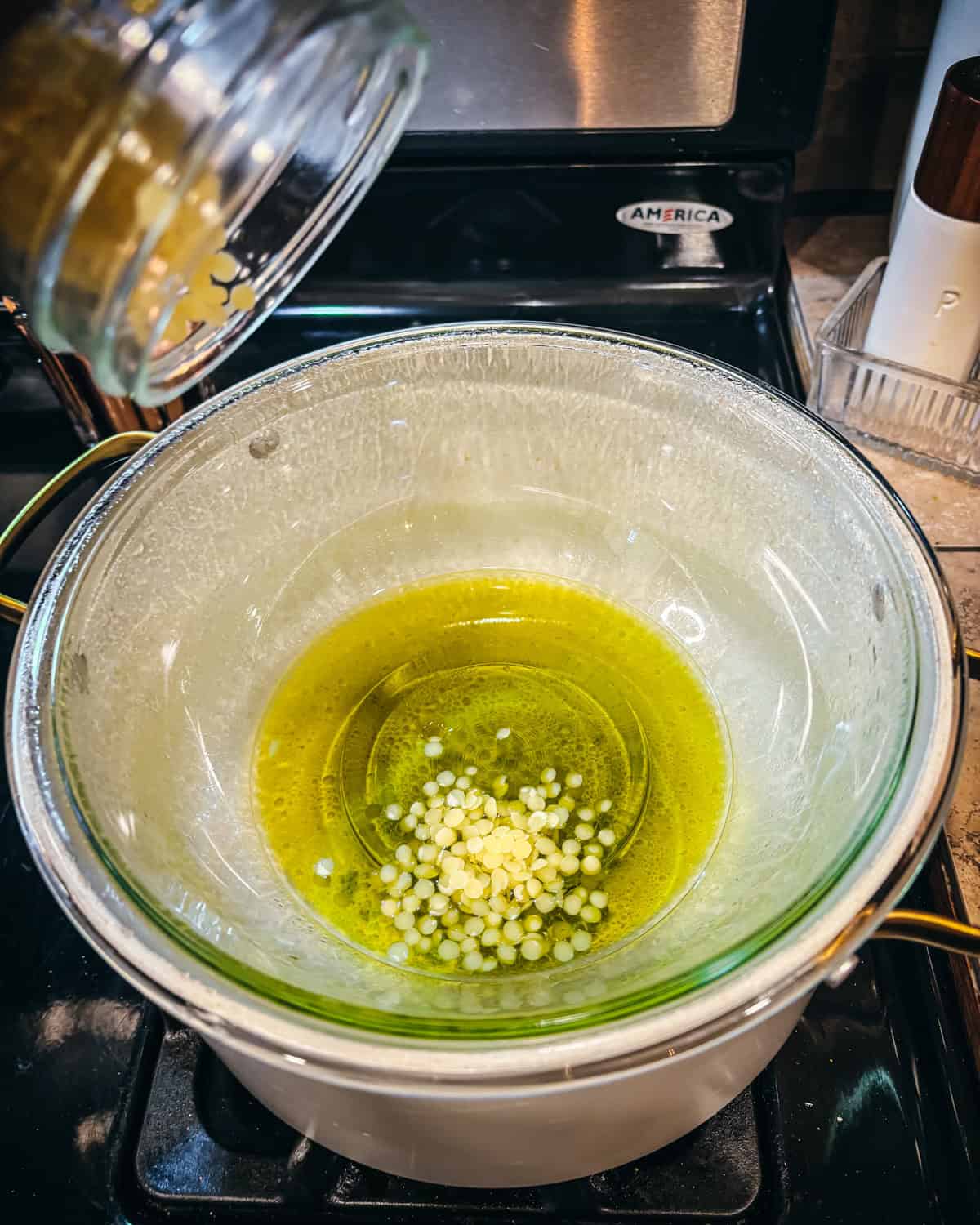
The standard ratio for a medium-firm salve is one ounce of beeswax per one cup of infused oil. The beeswax is melted into the oil using a double boiler to prevent scorching. Once the mixture is homogenous, optional essential oils—such as lavender (Lavandula angustifolia) for its sedative effects on the skin or peppermint (Mentha piperita) for its cooling sensation—are added at a concentration of approximately 1% of the total volume.
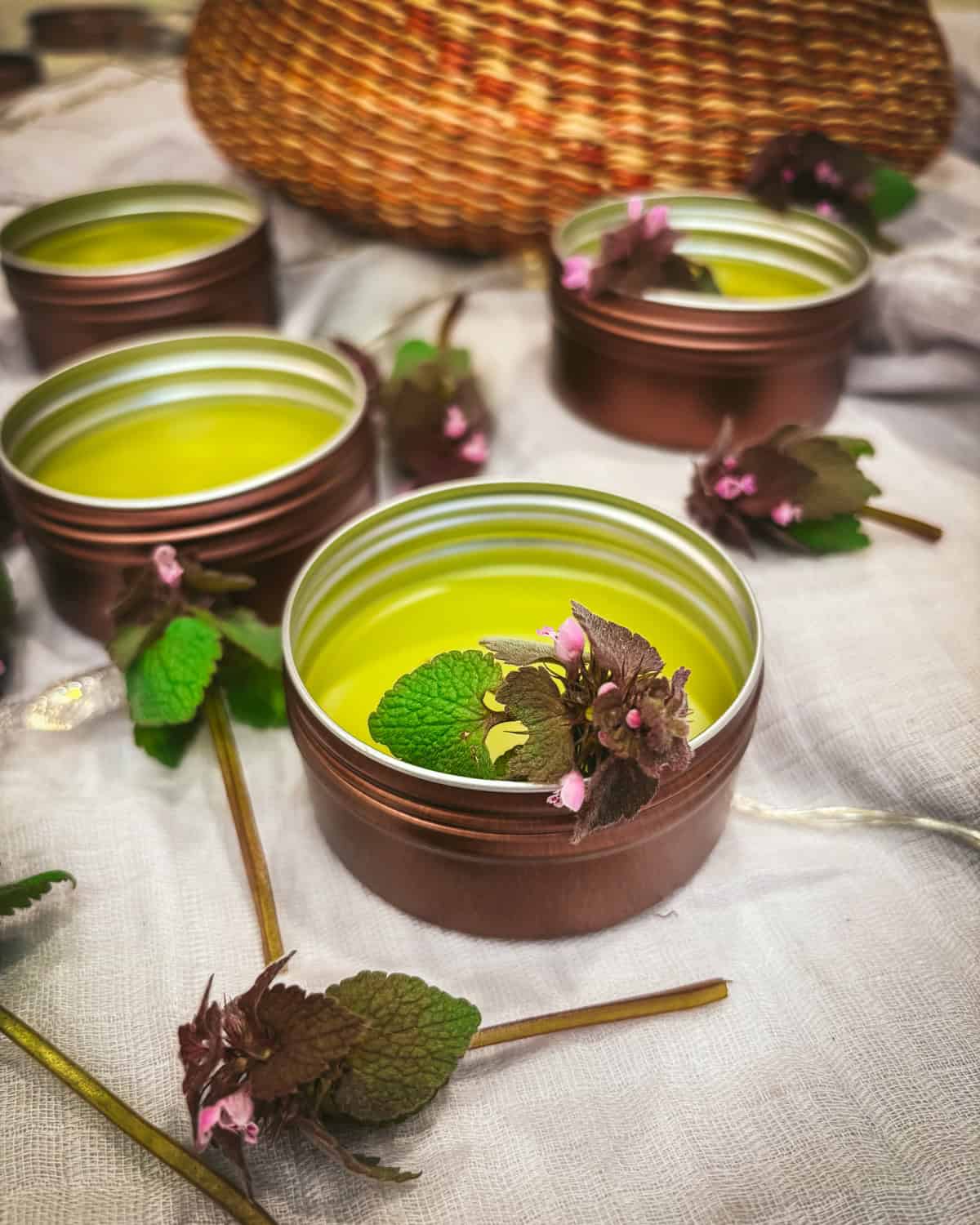
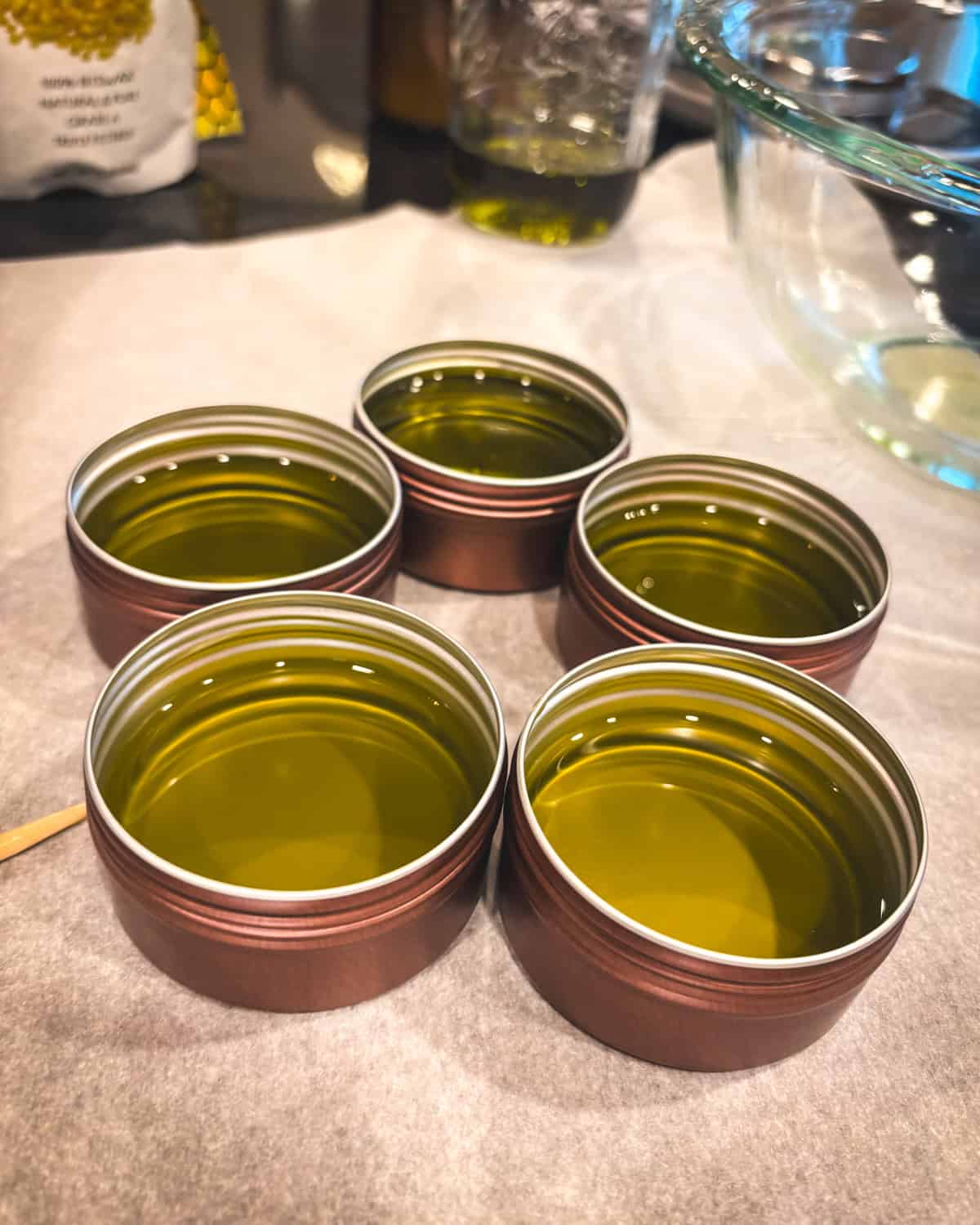
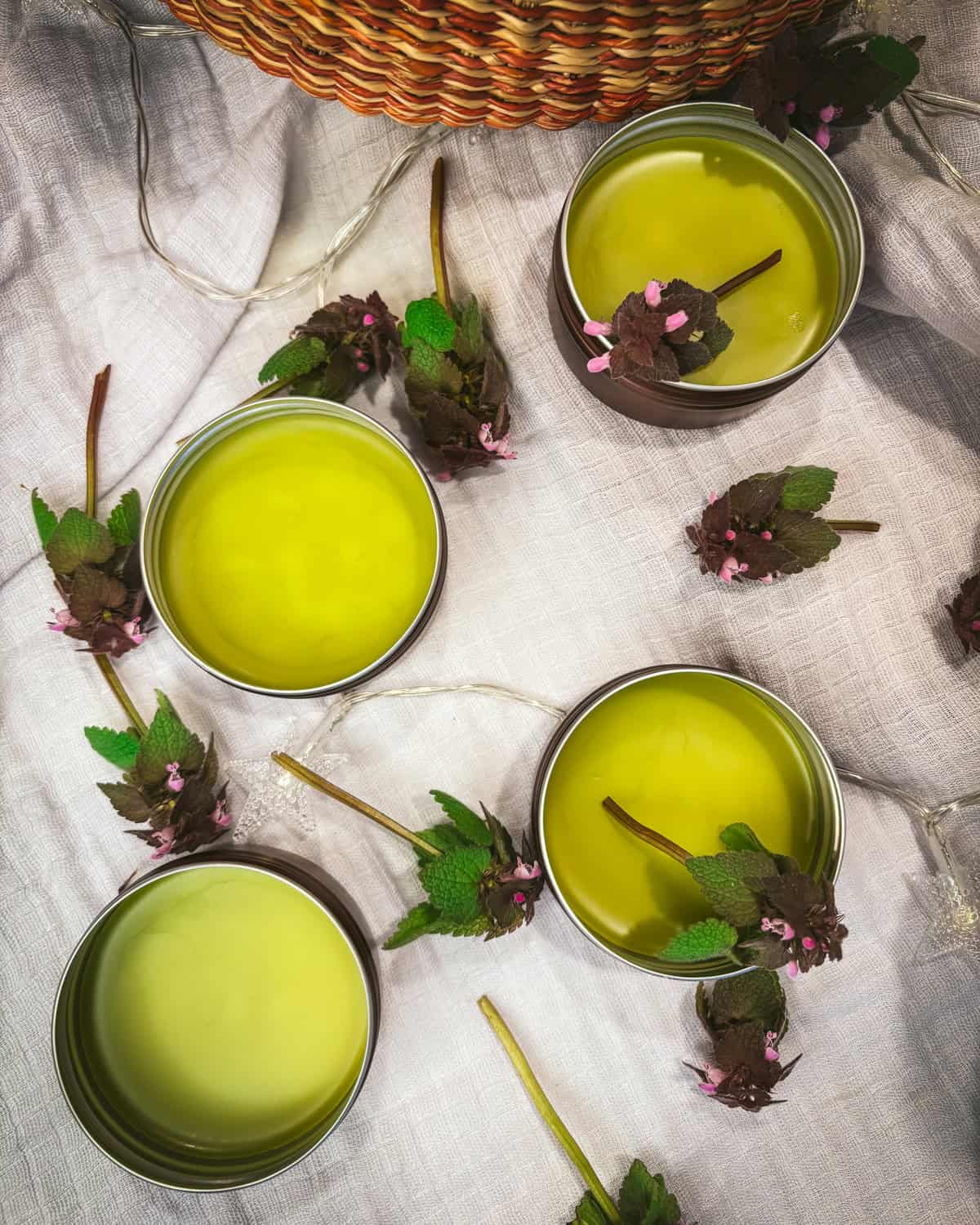
The final liquid is poured into sterilized tin or glass containers. The cooling process is a critical phase where the lipids and waxes crystallize; the containers must remain undisturbed for several hours to ensure a smooth, non-gritty texture. The resulting salve is a semi-solid topical treatment with a shelf life of approximately 12 to 18 months when stored in a cool, dark environment.
Therapeutic Applications and User Responses
The purple dead nettle salve is categorized as a multi-purpose topical agent. While not a replacement for professional medical intervention in the case of severe infections, its traditional and anecdotal success in treating minor ailments is supported by its chemical profile.
- Anti-Inflammatory Action: Users report significant reduction in redness and swelling associated with contact dermatitis and mild eczema.
- Antifungal Support: Due to the presence of certain iridoids, the salve is often applied to itchy, fungal-prone areas of the skin to provide relief and inhibit further growth.
- Wound Healing: Similar to plantain (Plantago major), purple dead nettle acts as a mild astringent, helping to tighten tissues and protect minor cuts from environmental contaminants.
Herbalists and proponents of "backyard medicine" argue that the use of Lamium purpureum represents a return to self-sufficiency. "The accessibility of purple dead nettle makes it a ‘gateway herb’ for those interested in foraging," notes the original content creator. This sentiment is echoed across the wellness industry, where there is a growing reaction against the complexity and synthetic nature of commercial skincare products.
Broader Implications and Economic Impact
The resurgence of interest in foraged salves like those made from purple dead nettle has broader implications for both the environment and the economy. From an ecological perspective, the utilization of common "weeds" encourages the preservation of local biodiversity and reduces the carbon footprint associated with the transport of commercially manufactured ointments. Because purple dead nettle is often considered invasive or a nuisance in manicured landscapes, harvesting it for medicinal use provides a productive outlet for garden maintenance.
Economically, the DIY production of herbal salves offers a cost-effective alternative for households. The raw materials for a 10-ounce batch of salve—including beeswax and carrier oil—typically cost less than $15, whereas a comparable volume of organic, artisanal topical treatments can retail for $50 to $100. This democratization of skincare allows individuals to manage minor dermatological issues with minimal financial burden.
Furthermore, the scientific community continues to investigate the genus Lamium for broader pharmaceutical applications. While the salve remains a staple of home-based care, the phenolic acids found in the plant are being studied for their potential roles in mitigating oxidative stress at a cellular level.
Conclusion
The production of purple dead nettle salve is more than a simple craft; it is a practical application of botanical science that utilizes an abundant, often overlooked natural resource. By following structured foraging protocols and precise infusion techniques, individuals can create a high-quality, therapeutic product that addresses a variety of skin irritations. As modern society continues to evaluate the sustainability of its supply chains, the humble purple dead nettle stands as a testament to the medicinal potential growing in the world’s own backyards. Through informed identification and careful preparation, this "weed" is transformed into a sophisticated tool for health and wellness.


