

The global personal care industry is currently undergoing a significant shift as consumers increasingly prioritize sustainability and biodegradability over convenience and low-cost synthetic materials. Central to this transition is the move away from the "everything shower" culture—a social media-driven trend advocating for the use of dozens of specialized products—toward a more minimalist, eco-conscious approach. Among the most notable changes is the replacement of synthetic plastic poufs, which are non-biodegradable and prone to bacterial accumulation, with natural alternatives such as the konjac sponge. Brands like Casamera have emerged as leaders in this niche, offering sponges derived from the konjac plant that serve as both facial cleansers and full-body scrubbers. This shift represents a broader movement within the beauty sector to address the environmental impact of plastic waste and microplastic pollution.
The Evolution of Bathing Accessories: From Natural to Synthetic and Back
The history of bathing tools has seen a full-circle evolution. For centuries, various cultures utilized natural materials, including loofahs (derived from the luffa gourd) and sea sponges, for skin exfoliation and cleansing. However, the mid-20th century saw a massive pivot toward synthetic polymers. The modern plastic shower pouf, typically made from polyethylene mesh, became a household staple due to its ability to produce a rich lather with minimal soap and its extremely low production cost.
Despite their utility, synthetic poufs have come under scrutiny for two primary reasons: environmental persistence and hygiene. Dermatologists have frequently warned that the intricate folds of plastic mesh trap dead skin cells and moisture, creating a breeding ground for bacteria, mold, and yeast. Furthermore, these items are designed for short-term use, with many manufacturers recommending replacement every two months. Given that polyethylene is not biodegradable, hundreds of millions of these poufs end up in landfills annually, where they can take up to 450 years to decompose.
The resurgence of the konjac sponge marks a return to botanical origins. Derived from the Amorphophallus konjac plant, a perennial tuber native to East and Southeast Asia, these sponges offer a biodegradable solution that aligns with the "zero-waste" philosophy currently gaining traction in Western markets.
Technical Composition and Manufacturing of Konjac Sponges
The production of a konjac sponge is a specialized process that transforms a root vegetable into a functional skincare tool. The primary component is glucomannan, a water-soluble dietary fiber extracted from the konjac corm. The manufacturing process generally involves several key stages:
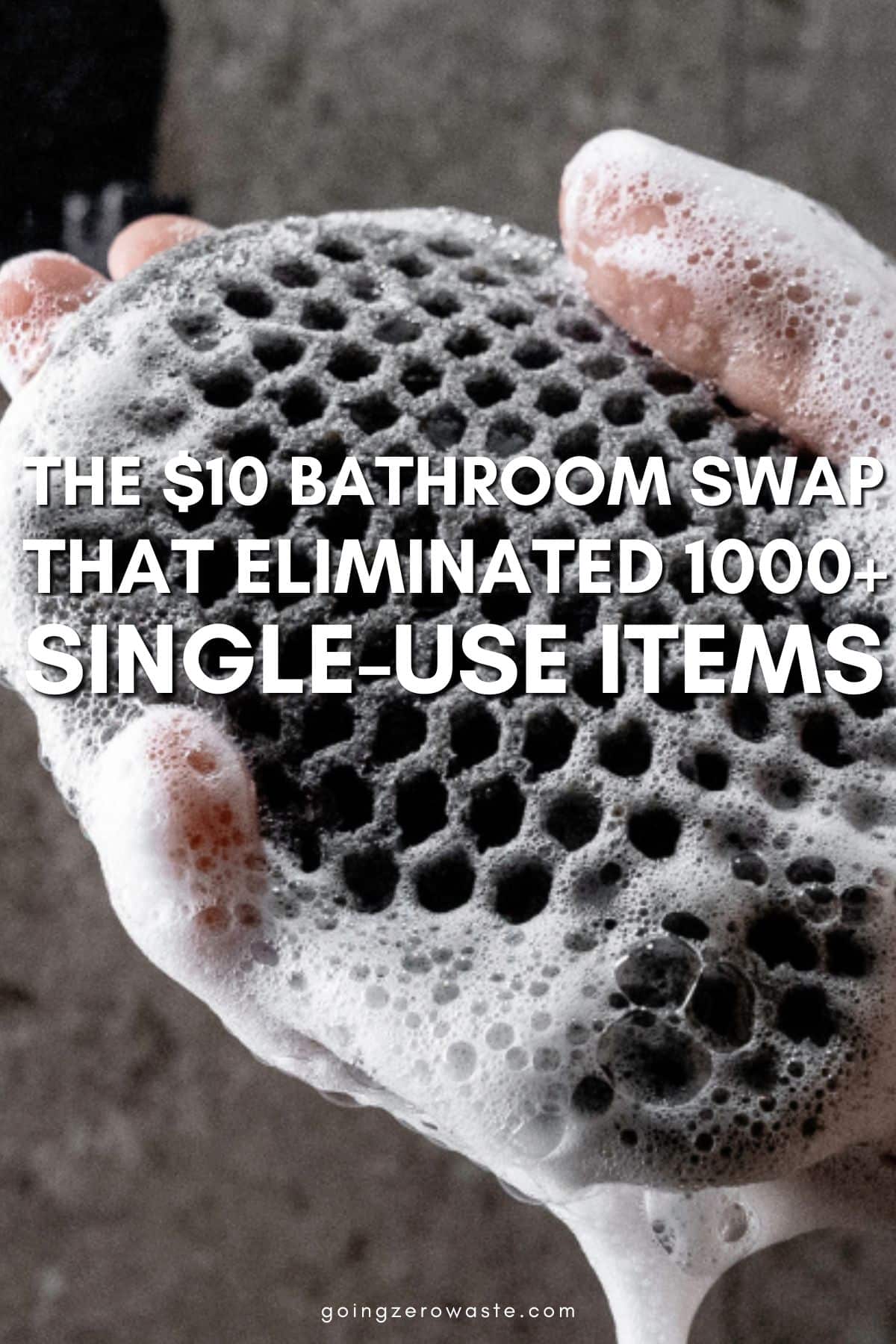
- Extraction and Mixing: The konjac flour is mixed with water to create a high-viscosity gel. During this stage, additional natural ingredients may be infused to target specific skin types. For example, activated charcoal is added for oily or acne-prone skin, while green tea (matcha) or volcanic mud may be used for antioxidant or deep-cleansing properties.
- Molding and Solidification: The mixture is poured into molds. While traditional konjac sponges are often small and hemispherical for facial use, modern iterations like those produced by Casamera include larger, ergonomic designs for the body.
- Steaming and Maturation: The molds are subjected to a steaming process that solidifies the glucomannan fibers into a stable, porous structure.
- Dehydration or Wet-Packing: The sponges are either freeze-dried for long-term shelf stability (requiring rehydration by the consumer) or packed in a moist environment with natural preservatives.
A significant innovation in this space is the dual-sided design. Traditional konjac sponges are uniformly soft, which is ideal for facial skin but sometimes insufficient for body exfoliation. To address this, some manufacturers have integrated natural abrasive elements, such as crushed walnut shells, on one side of the sponge to provide a more vigorous exfoliation experience without resorting to plastic microbeads.
Environmental Data and the Microplastic Crisis
The transition to natural sponges is supported by alarming data regarding plastic pollution in the personal care sector. According to environmental research, the beauty industry produces an estimated 120 billion units of packaging every year, a significant portion of which is non-recyclable. Furthermore, synthetic sponges contribute to the "silent" pollution of microplastics. As synthetic poufs degrade during use, microscopic plastic fibers are shed and washed down the drain. These fibers are often too small to be captured by standard wastewater treatment plants and eventually enter the marine ecosystem.
In contrast, konjac sponges are 100% compostable. When a konjac sponge reaches the end of its functional life—typically after two to three months—it can be placed in a backyard compost bin or a municipal green waste bin, where it breaks down into organic matter.

The environmental impact also extends to the "fatberg" phenomenon in urban sewer systems. Fatbergs are massive, subterranean blockages composed of congealed fats, oils, and non-biodegradable items like "flushable" wet wipes and synthetic fibers. By replacing single-use face wipes and synthetic sponges with biodegradable alternatives, consumers can reduce the volume of non-degradable solids entering the sewage infrastructure.
Dermatological Benefits and Hygiene Standards
From a clinical perspective, konjac sponges offer several advantages over both synthetic poufs and traditional washcloths. The natural fibers of the konjac plant are alkaline, which helps to balance the acidity of the skin while gently removing impurities.
Key dermatological benefits include:

- Gentle Exfoliation: The soft texture of the sponge is suitable for individuals with sensitive skin, rosacea, or eczema, providing physical exfoliation without causing micro-tears in the dermis.
- Antimicrobial Properties: While no sponge is entirely immune to bacteria, the structure of high-quality konjac sponges allows them to dry more quickly than synthetic mesh. Some sponges are also infused with charcoal or other natural agents that possess inherent antimicrobial properties.
- Pore Cleansing: The unique "honeycomb" structure of the sponge is effective at unclogging pores and removing sebum, which is particularly beneficial for acne-prone areas of the body, such as the back and chest.
To maintain hygiene, industry experts recommend a weekly sanitization routine. Submerging the sponge in boiling water for two to three minutes effectively kills most pathogens without damaging the organic fibers.
Market Analysis and Corporate Responsibility
The rise of brands like Casamera reflects a broader trend of "conscious capitalism" in the personal care market. Modern consumers are not only looking for effective products but are also investigating the corporate ethics of the brands they support. This has led to the adoption of several industry-standard practices among sustainable brands:
- Carbon Offsetting: Many companies in this space now calculate the carbon footprint of their manufacturing and shipping processes and invest in reforestation projects to achieve carbon neutrality.
- Plastic-Free Shipping: The commitment to sustainability often extends to the supply chain, with brands utilizing compostable mailers, paper-based tapes, and minimal packaging.
- Transparency in Sourcing: As the demand for konjac grows, transparency regarding the harvesting of the plant and the labor conditions in manufacturing facilities has become a competitive advantage.
Market analysts suggest that the "eco-beauty" segment will continue to grow at a Compound Annual Growth Rate (CAGR) of over 5% through 2030. This growth is driven by a demographic shift, as Millennial and Gen Z consumers increasingly view sustainability as a non-negotiable factor in their purchasing decisions.

Broader Implications for Waste Management
The move toward compostable personal care items has significant implications for municipal waste management systems. If a substantial portion of the population transitioned from synthetic to biodegradable bathroom accessories, the reduction in landfill volume would be measurable. Furthermore, the elimination of plastic-based products reduces the demand for petroleum-based polymers, indirectly impacting the global carbon economy.
However, the effectiveness of these products depends on consumer education. For the environmental benefits to be fully realized, users must understand how to properly dispose of the sponges. If a compostable sponge is thrown into a standard plastic trash bag and sent to a landfill, its decomposition process may be hindered by the anaerobic environment, although it still remains a superior alternative to permanent plastic.
Conclusion
The transition from plastic poufs to all-natural konjac sponges is more than a fleeting beauty trend; it is a practical response to a global plastic crisis. By utilizing the biological properties of the konjac plant, manufacturers have created a product that meets the high standards of modern skincare while addressing the urgent need for environmental stewardship. As data continues to highlight the dangers of microplastics and the inefficiency of synthetic waste, the adoption of biodegradable tools like the konjac sponge is expected to become the new standard in personal hygiene. Through a combination of ancient botanical knowledge and modern manufacturing innovations, the personal care industry is proving that it is possible to achieve superior results without compromising the health of the planet.


