
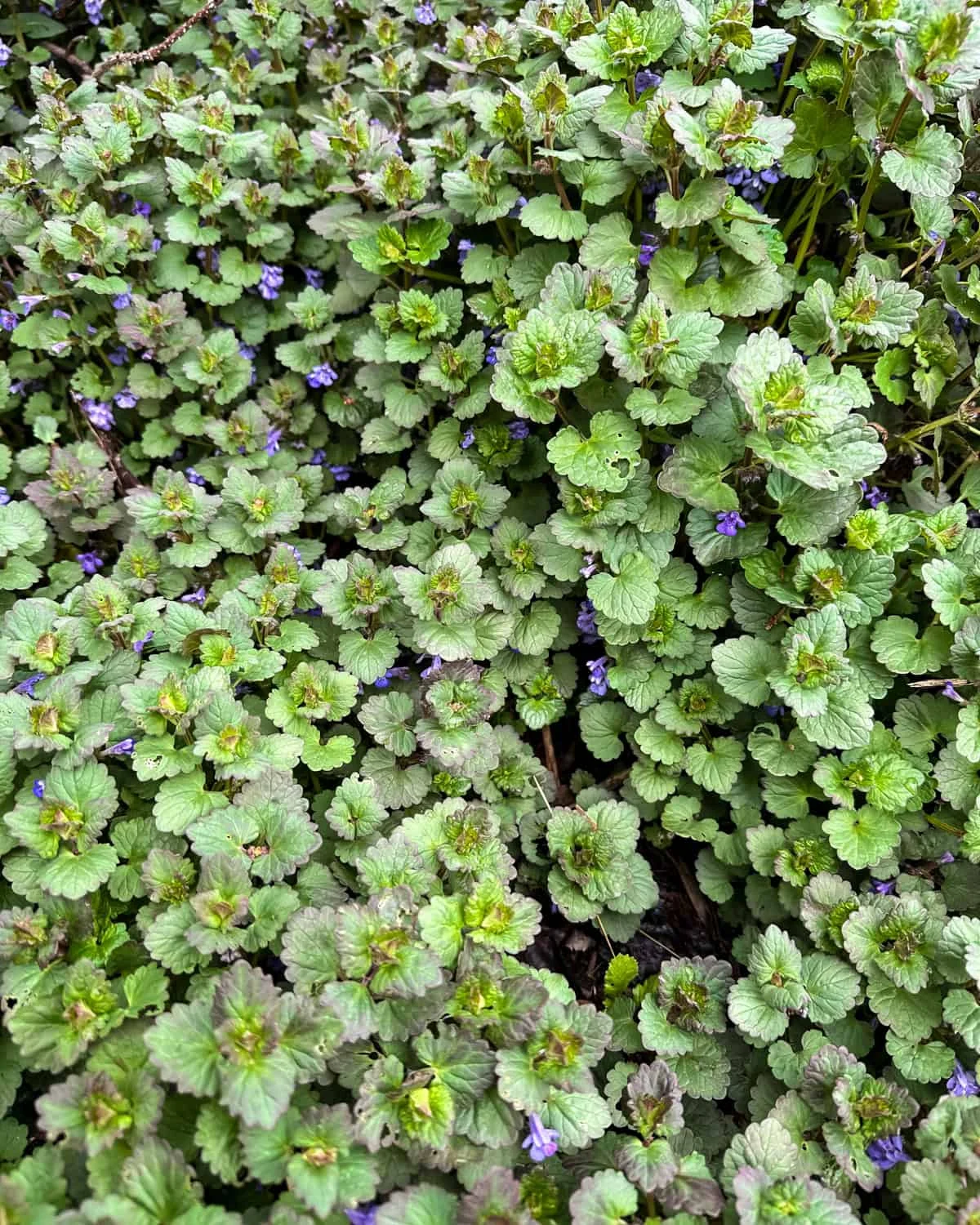
Glechoma hederacea, a perennial evergreen in the Lamiaceae family commonly known as ground ivy or creeping charlie, is undergoing a significant cultural re-evaluation as horticulturalists and foragers highlight its extensive utility as an edible and medicinal resource. Long dismissed by suburban homeowners as an aggressive lawn weed, this low-growing plant is increasingly recognized for its ecological resilience, nutritional density, and historical significance in European brewing and folk medicine. As the modern homesteading and wild-foraging movements gain momentum across North America and Europe, ground ivy has emerged as a primary example of "urban abundance"—a plant that thrives in disturbed soils and provides a high-yield, low-stakes entry point for novice foragers.
Botanical Profile and Taxonomic Classification
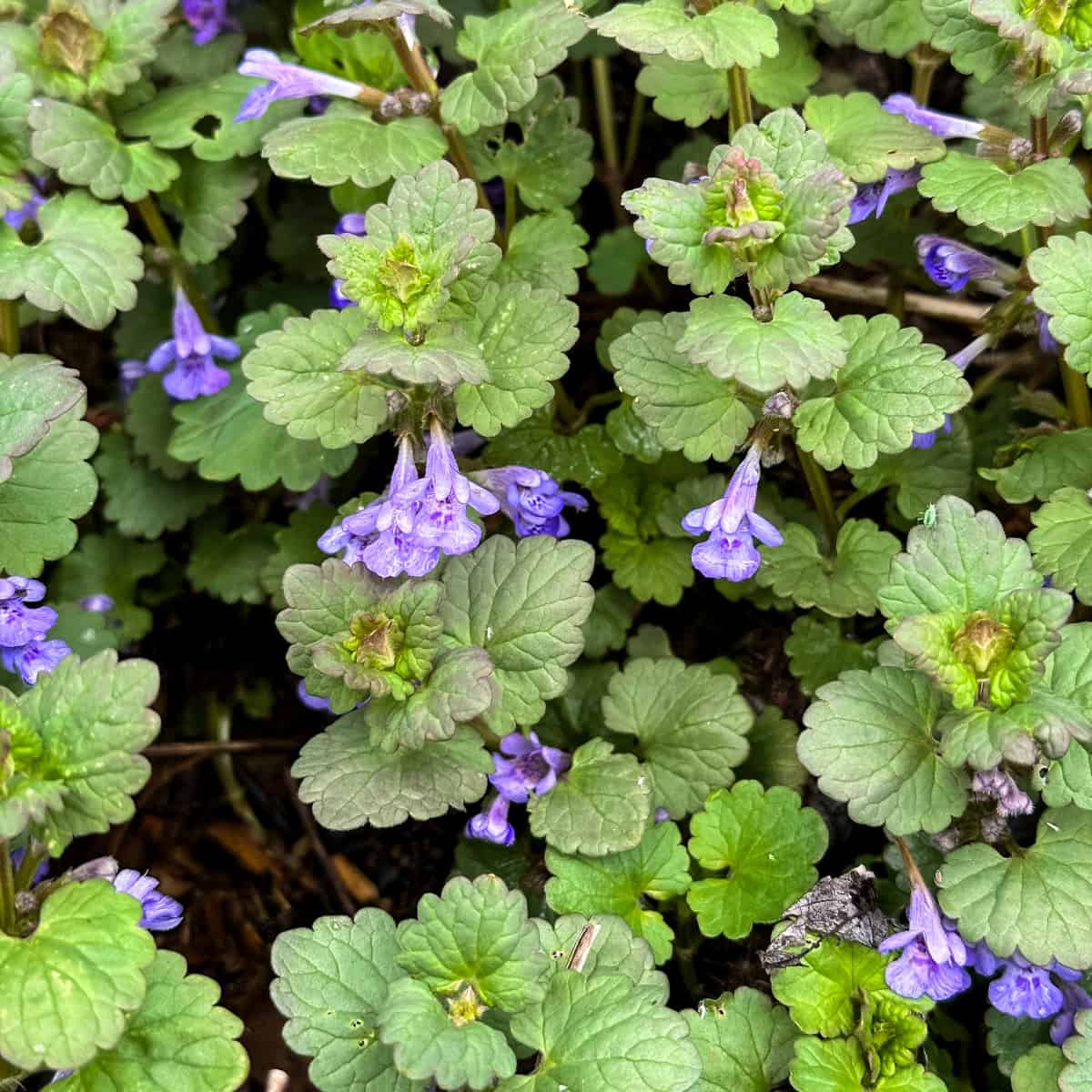
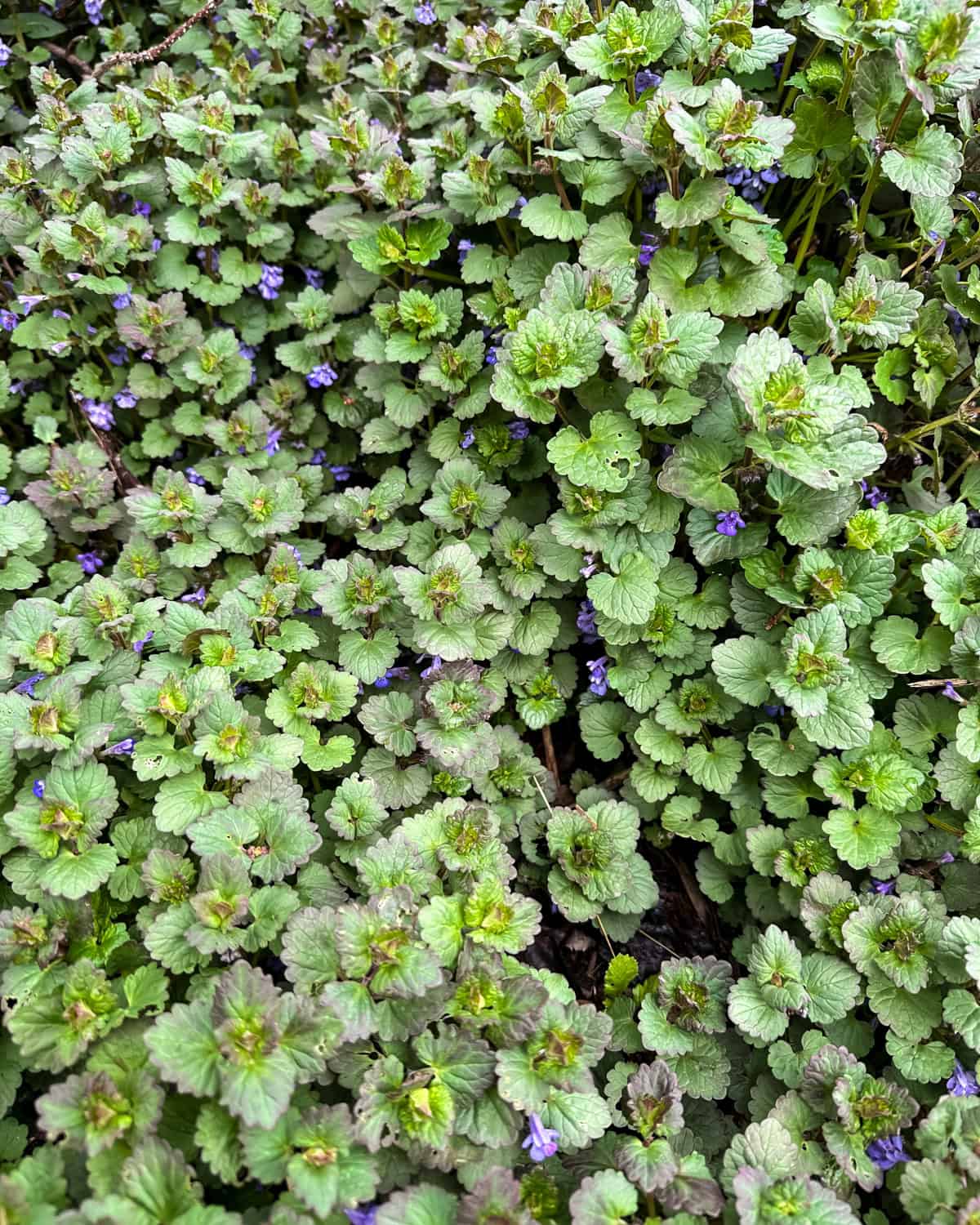
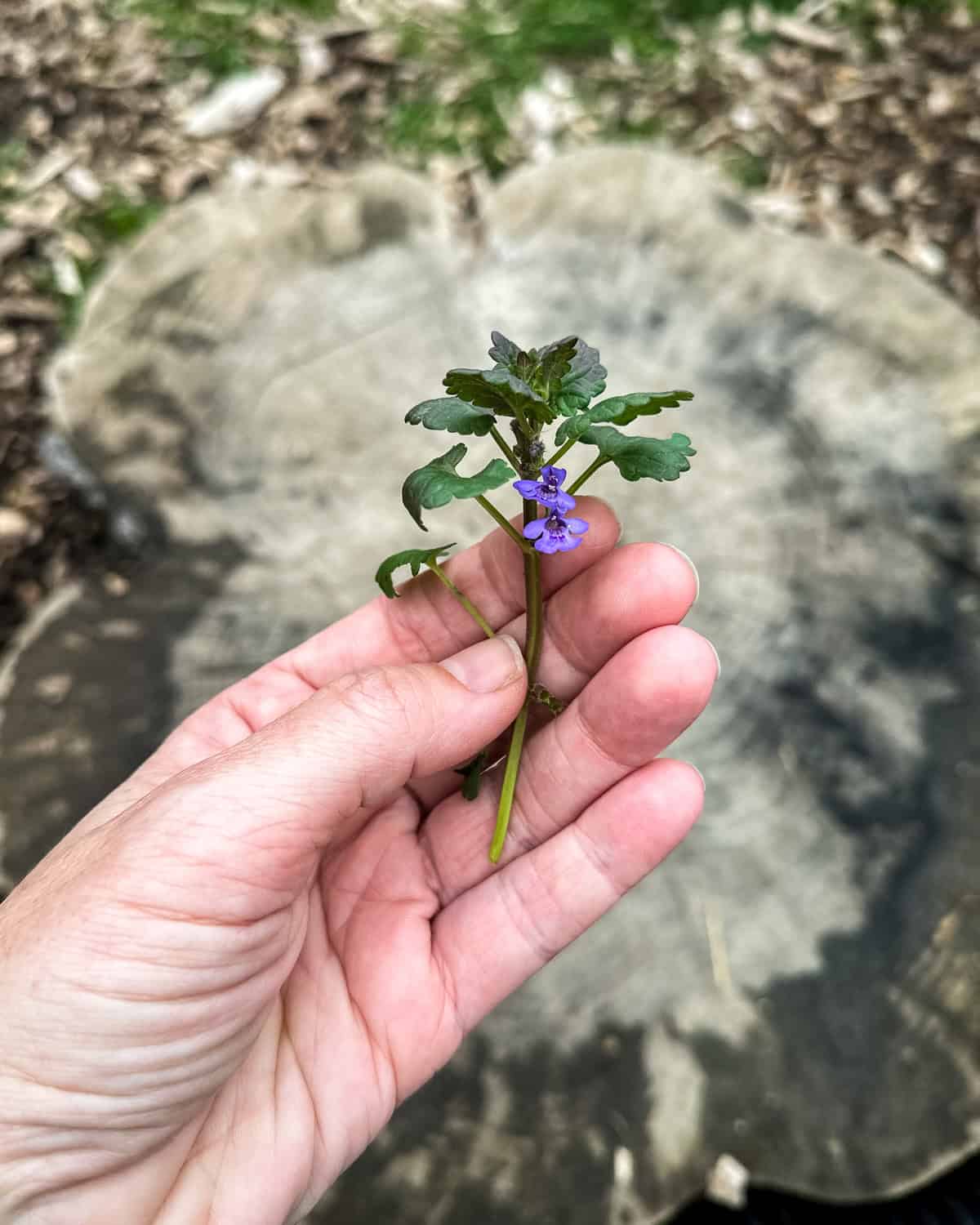
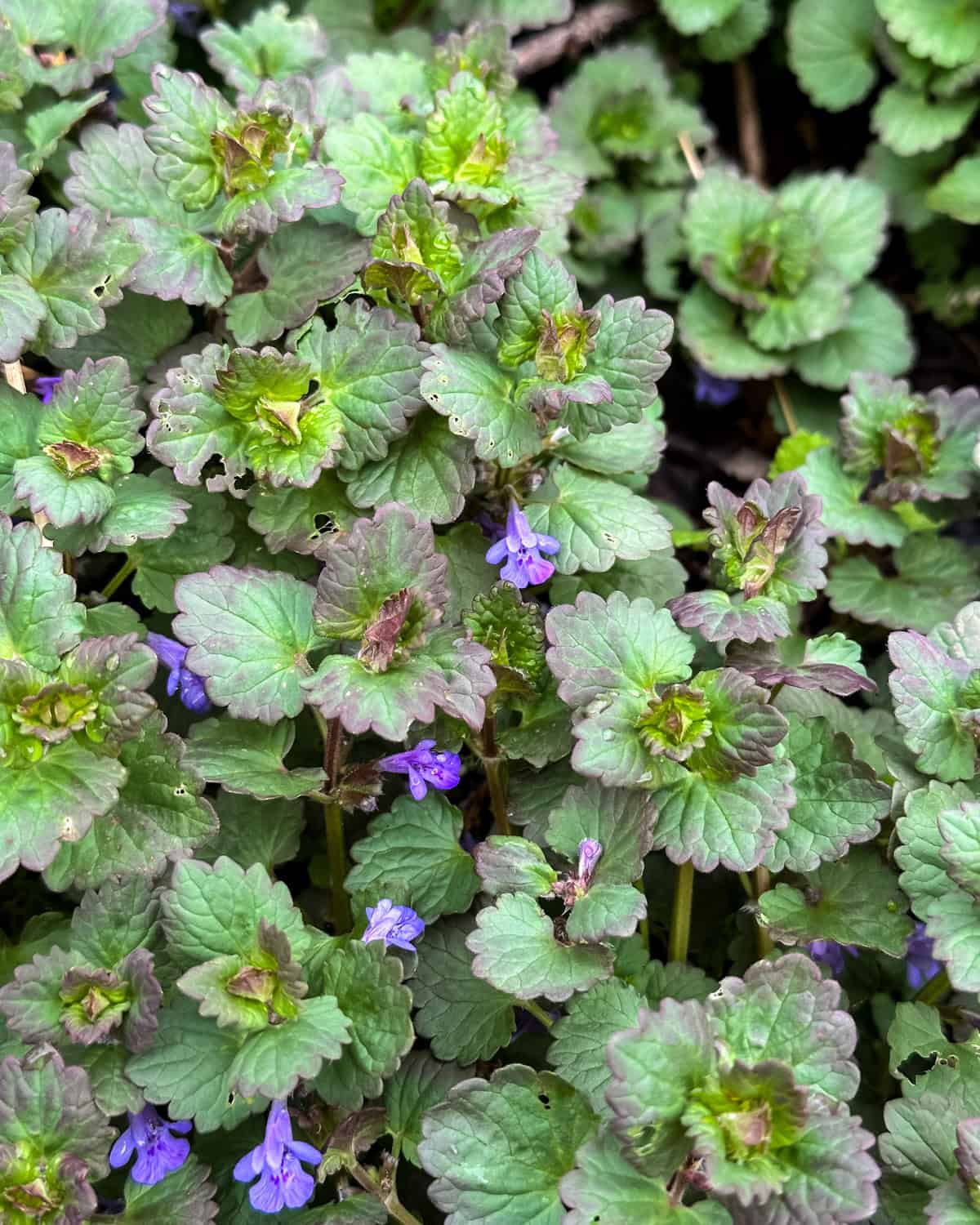
Ground ivy is characterized by its creeping growth habit, utilizing horizontal runners or stolons to establish dense mats that function as a natural ground cover. As a member of the mint family, it possesses the characteristic square stem and opposite leaf arrangement. The leaves are typically reniform (kidney-shaped) or cordate (heart-shaped) with prominent scalloped or crenate edges. During its primary flowering period in early to mid-spring, the plant produces small, funnel-shaped flowers ranging in color from lavender to deep blueish-purple. These flowers, which grow in clusters from the leaf axils, feature a notched upper lip and a three-lobed lower lip, often marked with darker spots to guide pollinators.
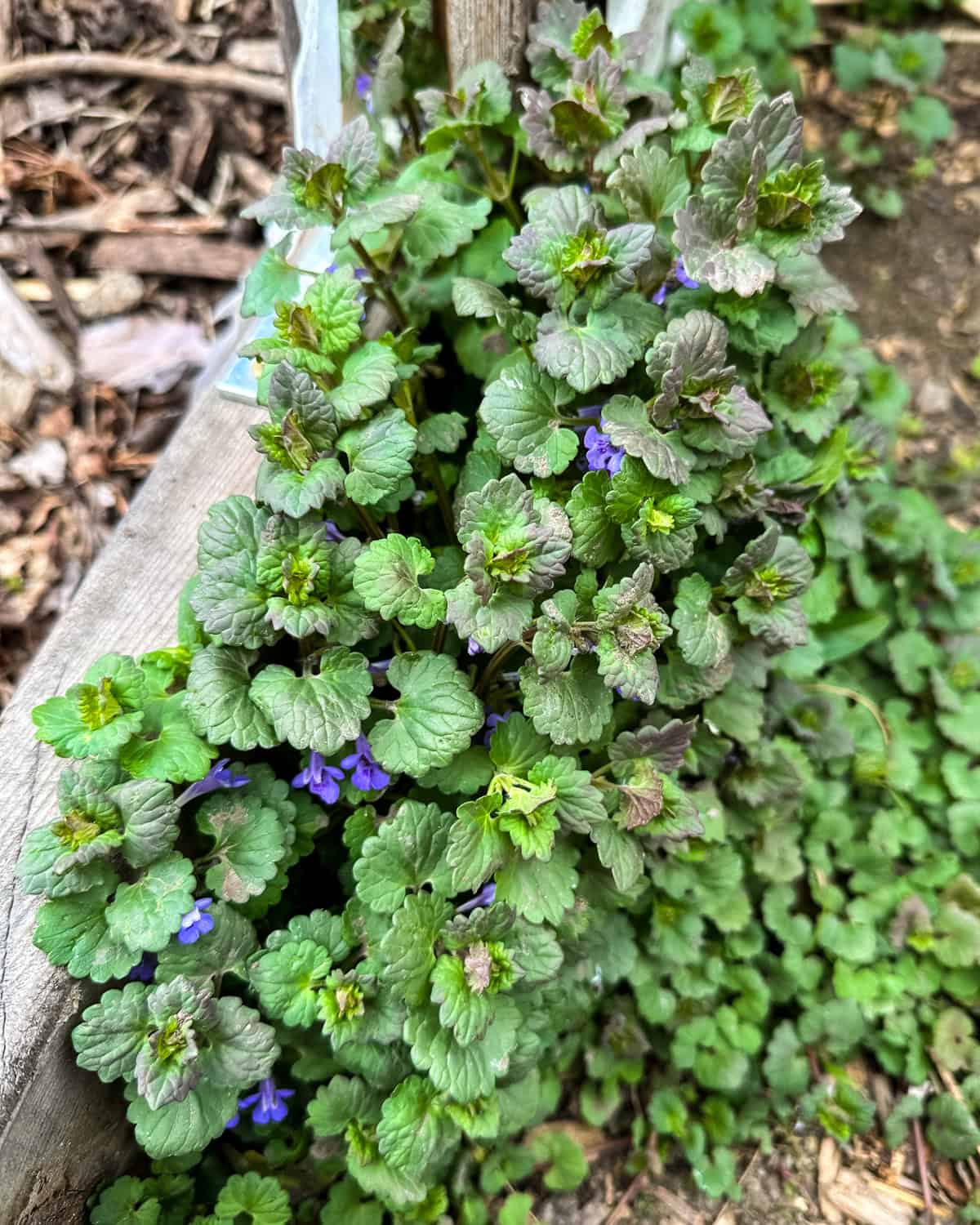
The plant’s resilience is attributed to its ability to root at every node along its stem, allowing it to bypass traditional competition and colonize both shaded woodlands and sun-drenched lawns. While it prefers moist, nitrogen-rich soils, its adaptability allows it to persist in various climates, ranging from the temperate regions of Europe and Asia to nearly every corner of North America, excluding the most arid desert environments.

Historical Context and Chronological Development
The human relationship with Glechoma hederacea spans centuries, transitioning from a cultivated staple to a maligned invasive and back to a celebrated wild green.
- Pre-16th Century: Ground ivy was a primary clarifying and flavoring agent in the production of ale in Europe. Known as "ale hoof" (from the Old English "tunhoof"), the plant was used to preserve beer and add a bitter, aromatic quality before the widespread adoption of hops.
- 17th and 18th Centuries: European settlers introduced ground ivy to North America, intentionally bringing the plant as a medicinal herb and a reliable source of early-spring greens. It was valued for its high Vitamin C content, which helped prevent scurvy during winter months.
- 19th and 20th Centuries: With the industrialization of agriculture and the rise of the "perfect lawn" aesthetic in the post-WWII era, ground ivy was reclassified as a noxious weed. The development of broadleaf herbicides focused heavily on eradicating the plant from manicured landscapes.
- 21st Century: The resurgence of interest in ethnobotany and sustainable living has led to a "foraging renaissance." Ground ivy is now frequently featured in wild-crafting literature as a sustainable alternative to store-bought herbs.
Nutritional and Phytochemical Data
Scientific analysis of Glechoma hederacea has validated many of its traditional uses. Recent studies, including research published in various pharmacological journals, have identified a complex array of bioactive compounds within the plant’s tissues. Ground ivy is a concentrated source of:
- Terpenoids and Flavonoids: These compounds contribute to the plant’s potent antioxidant and anti-inflammatory properties.
- Rosmarinic Acid: A polyphenol also found in rosemary and peppermint, known for its antimicrobial and antiviral effects.
- Essential Minerals: The plant is notably high in potassium, iron, and copper.
- Vitamin C: One of the earliest available sources of ascorbic acid in the temperate spring landscape.
In a 2023 study focusing on the antimicrobial activity of wild-growing Lamiaceae species, extracts of Glechoma hederacea demonstrated significant inhibitory effects against several strains of bacteria, supporting its traditional use in treating respiratory infections and topical wounds.
Comparative Analysis of Look-alikes
A critical component of the current foraging discourse involves the accurate identification of ground ivy versus its common spring look-alikes: Henbit (Lamium amplexicaule) and Purple Dead Nettle (Lamium purpureum). While all three are edible and belong to the mint family, their morphological differences are distinct under close inspection.

Henbit (Lamium amplexicaule):
Unlike the petiolate (stalked) leaves of ground ivy, henbit’s upper leaves are sessile, meaning they clasp the stem directly without a stalk. The leaves are more circular and deeply lobed. Henbit grows in more upright, sporadic clusters rather than the dense, creeping mats characteristic of ground ivy.
Purple Dead Nettle (Lamium purpureum):
This plant is easily distinguished by its coloration; the upper leaves often take on a distinct reddish-purple hue. The leaves are more triangular and tend to be crowded at the top of the stem, creating a "pagoda" effect. While ground ivy’s scent is described as earthy and minty, purple dead nettle has a more pungent, musky odor.

The primary benefit for the novice forager is that all major look-alikes for ground ivy are non-toxic, significantly reducing the risk of accidental poisoning—a factor that has contributed to the plant’s popularity in "beginner foraging" curricula.
Culinary and Medicinal Applications
The modern kitchen has found diverse uses for ground ivy, moving beyond the historical "ale hoof" beer. Chefs specializing in hyper-local cuisine utilize the plant’s leaves in wild-green pestos, compound butters, and as a savory garnish for roasted meats. Because the plant contains volatile oils, it provides an earthy, slightly bitter depth that complements rich fats.
Medicinally, contemporary herbalists utilize ground ivy as an expectorant. It is frequently prepared as a "succus" (fresh plant juice) or a standard infusion to address "glue ear" in children or chronic sinus congestion in adults. Its diuretic properties also make it a common ingredient in traditional spring "tonic" teas designed to stimulate kidney function after a sedentary winter.
Expert Statements and Ecological Impact
Botanists and environmental scientists offer a nuanced view of the plant’s spread. "While ground ivy can be aggressive in a garden setting, it provides essential early-season forage for pollinators," says Dr. Elena Rossi, an urban ecologist. "At a time when few other flowers are in bloom, Glechoma hederacea offers a vital nectar source for bees emerging from dormancy."
However, some agricultural experts warn of its impact on commercial turf. "Its ability to thrive in low-light and high-moisture conditions makes it a formidable competitor for Kentucky Bluegrass," notes a representative from the National Association of Landscape Professionals. "For those seeking a monoculture lawn, it remains a primary target for control."
The shift in perspective lies in the definition of a "weed." As climate change and supply chain instability prompt a closer look at local food security, the ability to harvest nutritious greens from one’s own backyard is increasingly viewed as an asset rather than a liability.
Broader Implications for Urban Foraging
The rise of ground ivy as a respected botanical resource reflects a broader shift in how society views "disturbed" landscapes. Roadsides, parks, and suburban yards are being reimagined as "edible landscapes." This movement carries significant implications for public health and environmental policy.
- Educational Outreach: There is an increased demand for foraging workshops and digital resources that teach safe identification and ethical harvesting.
- Policy Shifts: Some municipalities are facing pressure to reduce the use of herbicides in public parks to protect wild food sources and pollinators.
- Sustainability: Foraging for ground ivy represents a zero-carbon food source that requires no irrigation, fertilizer, or plastic packaging.
Conclusion and Future Outlook
Glechoma hederacea stands as a testament to the endurance of nature and the shifting tides of human utility. Once a vital preservative in the ale-houses of medieval England and later a "scourge" of the American lawn, it has reclaimed its status as a multifaceted resource. As research continues to uncover the plant’s phytochemical potential and as more individuals seek a connection to their local ecosystems, ground ivy is likely to remain a staple of the forager’s basket. The "creeping charlie" of yesterday is the superfood of tomorrow, proving that sometimes the most valuable resources are the ones we have spent the most effort trying to ignore. By integrating ground ivy into the culinary and medicinal mainstream, society takes a step toward a more resilient and ecologically integrated future.


