
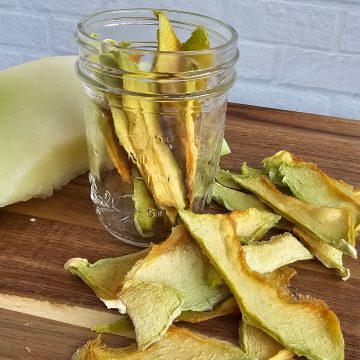
Home food preservation has seen a significant resurgence as consumers look for ways to reduce food waste, save money, and ensure a steady supply of nutritious snacks throughout the year. Among the various methods available, dehydration remains one of the most accessible and effective techniques for extending the shelf life of seasonal produce. While common fruits like apples and bananas are staples in the dehydrator, the dehydration of melons—specifically honeydew—has emerged as a sophisticated method for capturing the fruit’s peak sweetness and transforming it into a shelf-stable, nutrient-dense snack. This process not only preserves the fruit but concentrates its natural sugars, creating a leathery, candy-like treat that serves as an excellent alternative to processed confectionery.
The Evolution of Melon Preservation and Market Context
Historically, melons have been considered difficult to preserve due to their exceptionally high water content. Honeydew melons (Cucumis melo inodorus), composed of approximately 90% water, are traditionally consumed fresh. However, as global food supply chains face challenges and the "zero-waste" movement gains momentum, experts in food preservation, such as Darcy Baldwin of The Purposeful Pantry, have pioneered methods to successfully dry these high-moisture fruits. Baldwin, an author and specialist in food storage, notes that while watermelon and cantaloupe have been the primary subjects of melon dehydration in the past, honeydew offers a unique flavor profile that remains vibrant even after the moisture is removed.
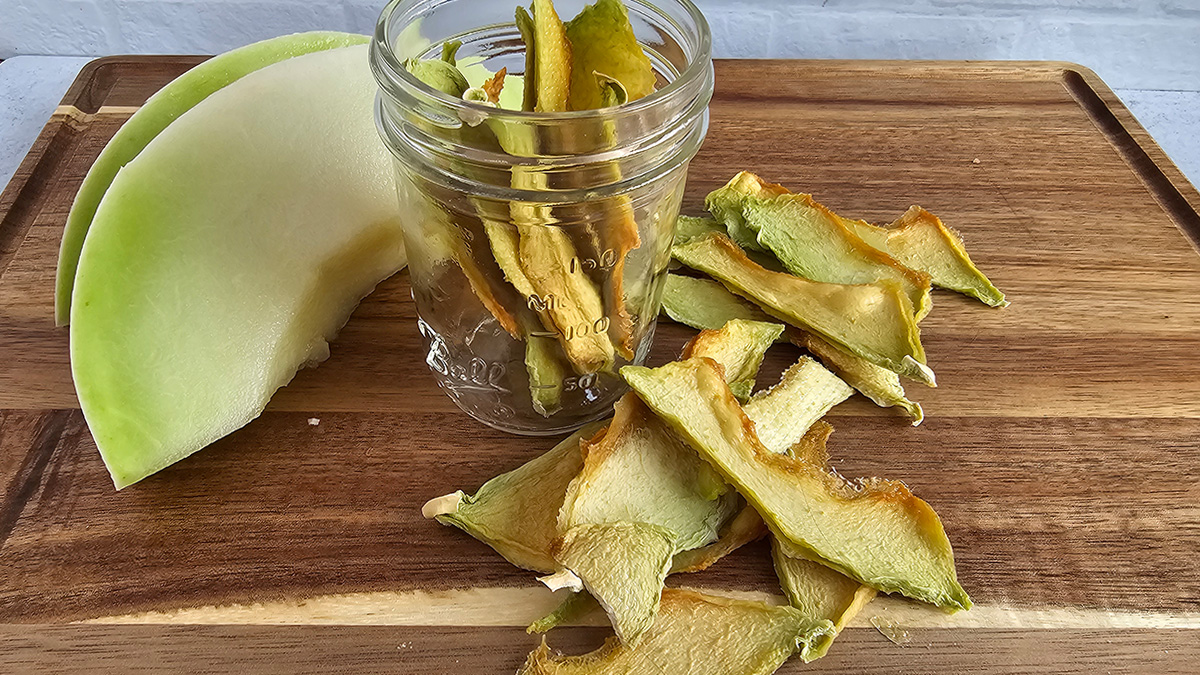
The practice of dehydrating honeydew is part of a broader trend in domestic food security. By removing the water required for microbial growth, enthusiasts can extend the life of a melon from a few days on the counter to over a year in an airtight container. This is particularly relevant for seasonal produce, allowing the summer harvest of melons to be enjoyed during the winter months when fresh fruit quality often declines and prices rise.
Technical Specifications and the Dehydration Process
The success of dehydrating honeydew melon relies on precision regarding temperature and thickness. To achieve a product that is both safe for long-term storage and pleasant to eat, a specific chronological workflow must be followed.
Phase 1: Selection and Preparation
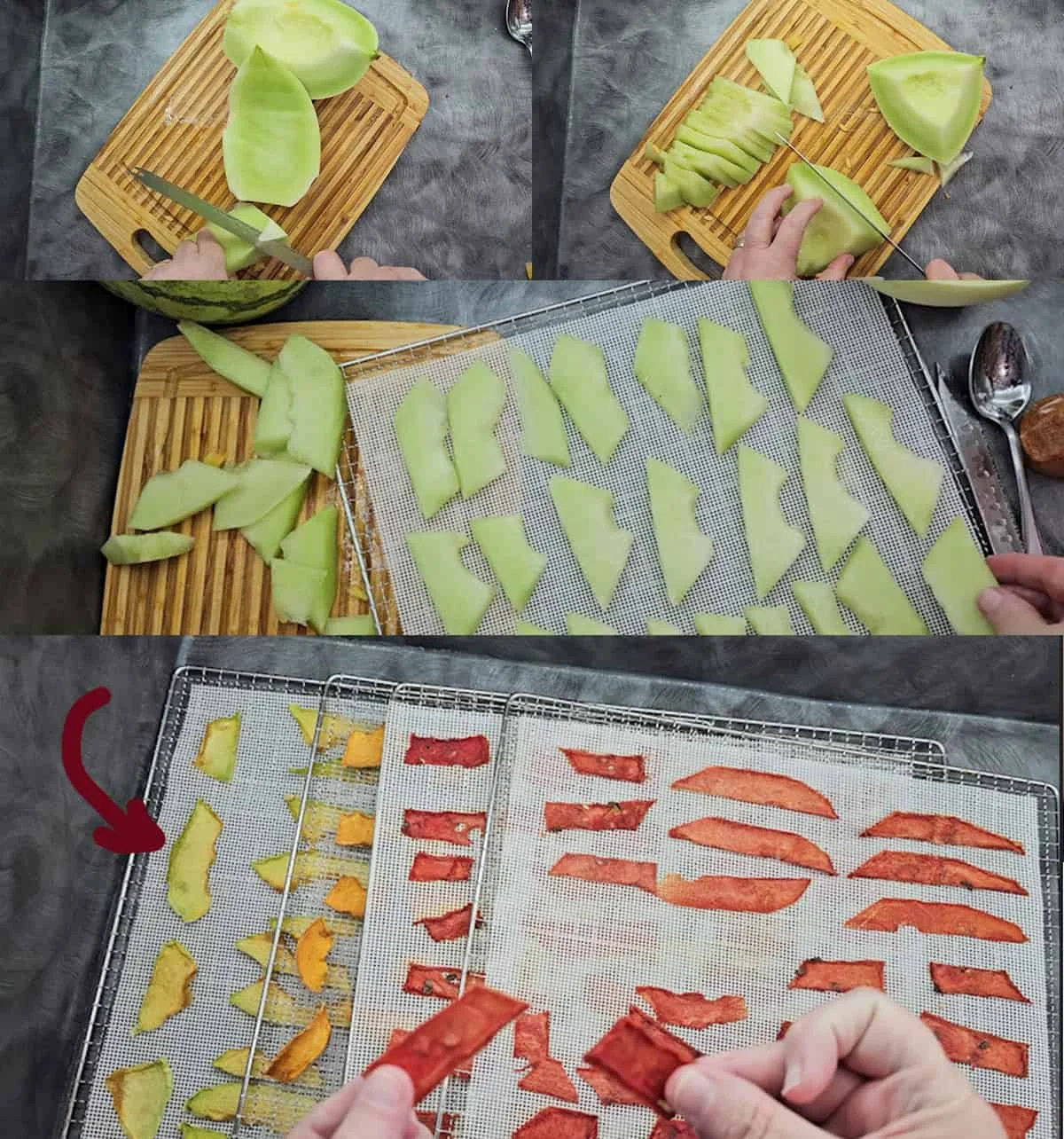
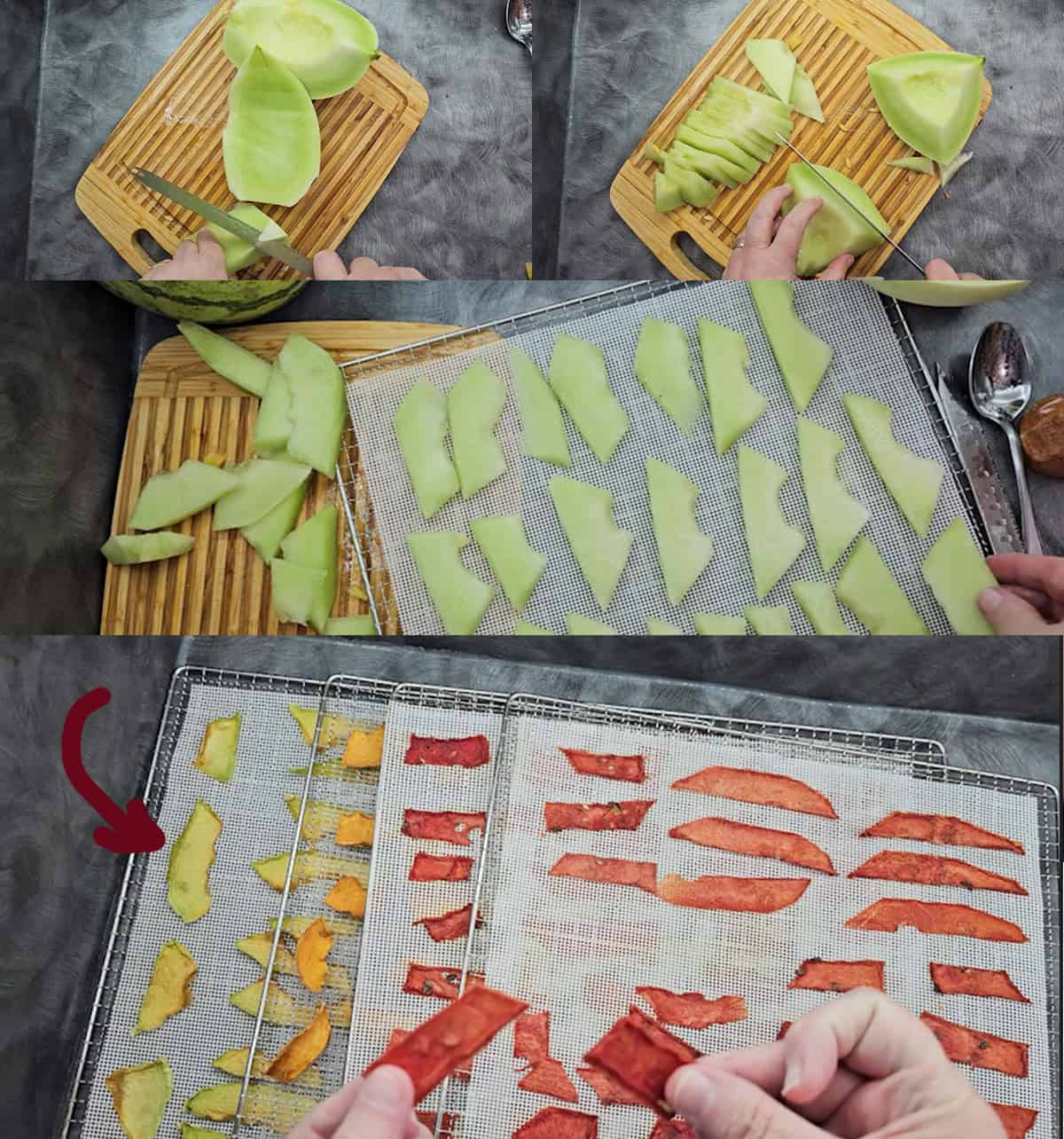
The quality of the final product is directly proportional to the ripeness of the fruit. A honeydew melon should be fully ripe—indicated by a slight softening at the blossom end and a sweet aroma—to ensure maximum sugar concentration. The fruit must be washed thoroughly to prevent the transfer of bacteria from the rind to the flesh during cutting. Once cleaned, the melon is halved, the seeds are removed, and the rind is sliced away.
Phase 2: Slicing for Uniformity
Uniformity is critical in dehydration to ensure that all pieces dry at the same rate. For honeydew, a thickness of 1/4 inch (approximately 0.6 cm) is recommended. Slicing the melon too thin may cause it to stick to the dehydrator trays or become brittle, while slices that are too thick will take an excessive amount of time to dry and may retain internal moisture, leading to mold during storage.
Phase 3: The Dehydration Cycle
The prepared slices are arranged in a single layer on dehydrator trays, ensuring adequate space between pieces for airflow. The optimal temperature for fruit dehydration is 135°F (57°C). This temperature is high enough to inhibit enzymatic activity and prevent spoilage but low enough to preserve the fruit’s vitamins and prevent "case hardening"—a condition where the outside of the food dries too quickly, trapping moisture inside.
The dehydration process typically lasts between 10 and 14 hours. The duration is influenced by several variables, including the ambient humidity of the room, the specific water content of the melon, and the efficiency of the dehydrator unit.
Nutritional Analysis and Dietary Impact
Dehydrated honeydew is a concentrated source of the nutrients found in the fresh fruit. According to nutritional data, a standard serving of approximately 0.25 cups of dried honeydew contains 14 calories, 3 grams of carbohydrates, and 3 grams of sugar. It also provides essential minerals, including 63 mg of potassium and 12 mg of sodium.
It is important for consumers to note that while the nutrient content remains largely intact, the sugars are concentrated. Therefore, one cup of fresh fruit contains the same amount of sugar as roughly one-quarter cup of the dried version. This makes dehydrated honeydew a high-energy snack suitable for hiking, school lunches, or as a post-workout recovery food, provided it is consumed in moderation.
Advanced Storage Protocols and Conditioning
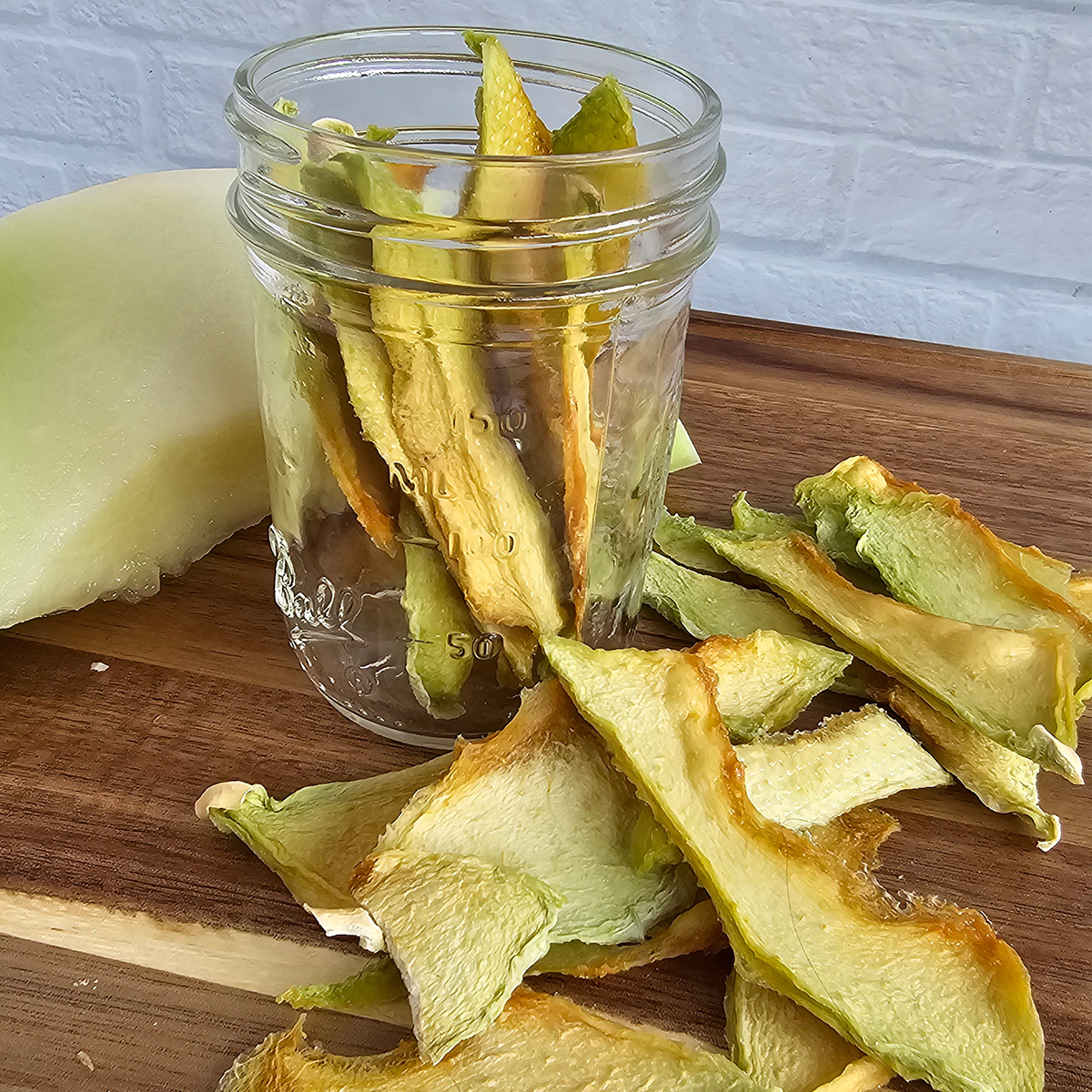
One of the most critical, yet often overlooked, steps in food dehydration is the "conditioning" of the fruit. Even after the dehydration cycle is complete, some pieces may retain slightly more moisture than others. To ensure the entire batch is shelf-stable, the dried fruit should be placed in a glass jar, filled about two-thirds full, and shaken daily for seven to ten days. If any condensation appears on the glass, the fruit must be returned to the dehydrator for further processing.

Long-Term Storage Solutions
Once conditioned, honeydew should be stored in an airtight container. Because the high sugar content of melons makes them hygroscopic—meaning they readily absorb moisture from the air—maintaining a vacuum seal or using moisture absorbers (silica gel packets) is highly recommended. For those living in high-humidity environments, wrapping individual pieces or batches in parchment paper before placing them in a jar can provide an additional barrier against stickiness.
Under optimal conditions—stored in a cool, dark, and dry location—dehydrated honeydew can maintain its quality for up to 12 months.
Alternative Methods: The Oven Dehydration Protocol
For individuals who do not own a dedicated dehydrator, the process can be replicated using a standard kitchen oven, though it requires more diligent monitoring. Most modern ovens have a minimum temperature setting of 170°F (77°C), which is slightly higher than the ideal 135°F. To compensate, the oven door should be propped open slightly with a heat-resistant utensil to allow moisture to escape and to lower the internal temperature.

The slices should be placed on parchment-lined baking sheets or wire cooling racks to facilitate airflow. Because of the higher temperature, the drying time in an oven is often shorter, but the risk of scorching the fruit is significantly higher. This method requires frequent checking to ensure the sugars do not caramelize and burn.
Broader Implications for Food Waste and Sustainability
The dehydration of melons represents a practical solution to a significant environmental problem. In the United States alone, it is estimated that nearly 40% of the food supply is wasted, with fruits and vegetables making up a substantial portion of that figure. Melons, which are often sold in large sizes, are frequently discarded when a household cannot consume the entire fruit before it spoils.
By adopting dehydration as a standard kitchen practice, consumers can effectively "stop the clock" on spoilage. This not only maximizes the value of the initial purchase but also reduces the carbon footprint associated with food waste in landfills, where decomposing organic matter produces methane, a potent greenhouse gas.
Expert Perspectives and Community Reception
The methodology promoted by practitioners like Darcy Baldwin emphasizes the empowerment of the individual in the food system. By mastering these preservation techniques, consumers move away from a reliance on store-bought, preservative-laden snacks and toward a self-sufficient pantry model.
"Drying honeydew is a thing!" Baldwin asserts, highlighting that while it may be less common than dried mango or pineapple, the results are "sweet, dry, leathery, and really yummy." This sentiment is echoed by a growing community of "preppers" and hobbyist gardeners who view dehydration as an essential skill for modern living.
Conclusion
The dehydration of honeydew melon is more than a culinary novelty; it is a scientifically-backed method of food preservation that aligns with modern goals of sustainability, health, and economic efficiency. By following rigorous standards for preparation, temperature control, and storage, individuals can transform a highly perishable summer fruit into a durable, year-round resource. As the interest in home-scale food preservation continues to grow, the honeydew melon stands as a testament to the versatility of dehydration technology in capturing the essence of nature’s bounty for the long term.


