
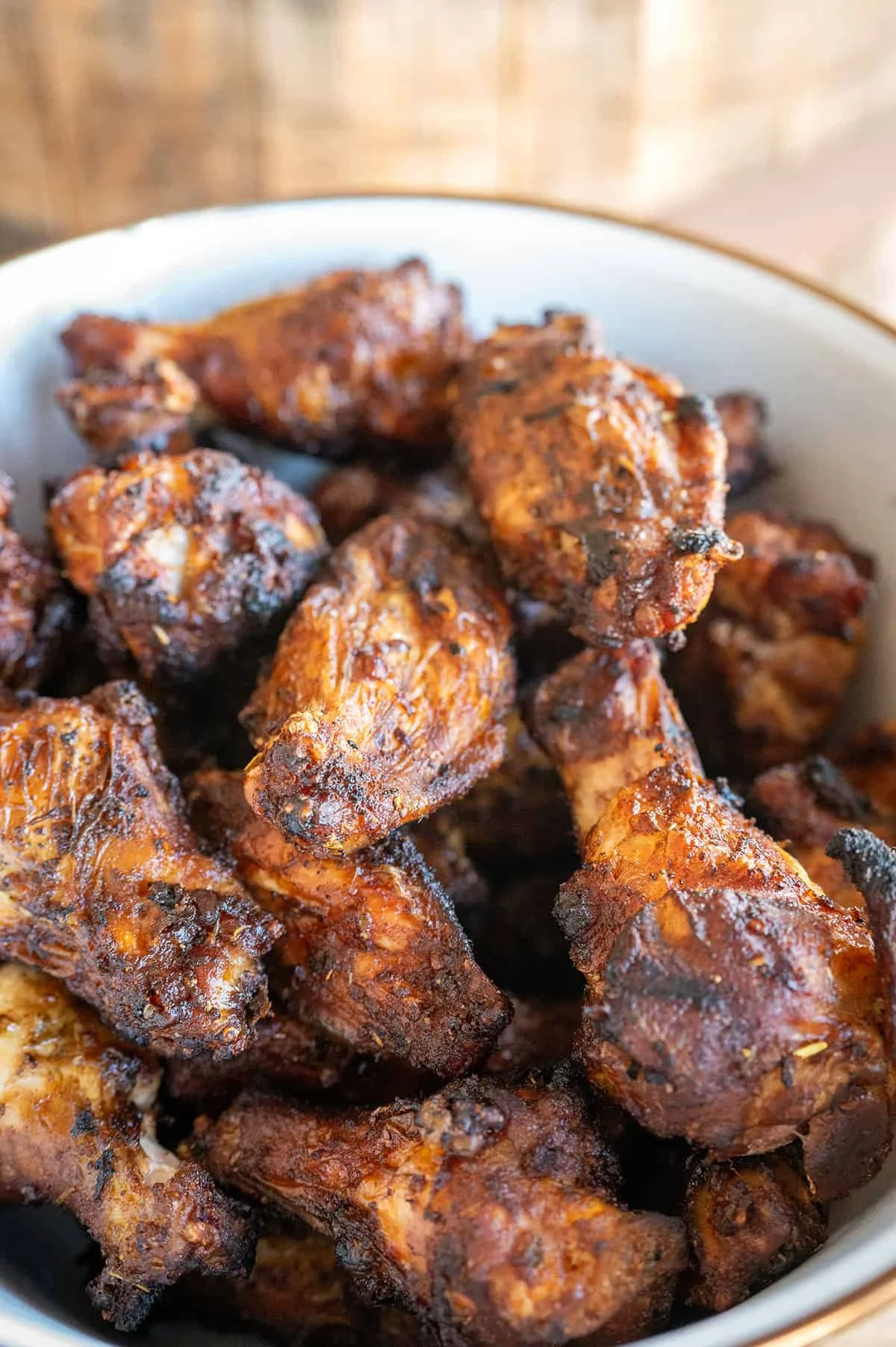
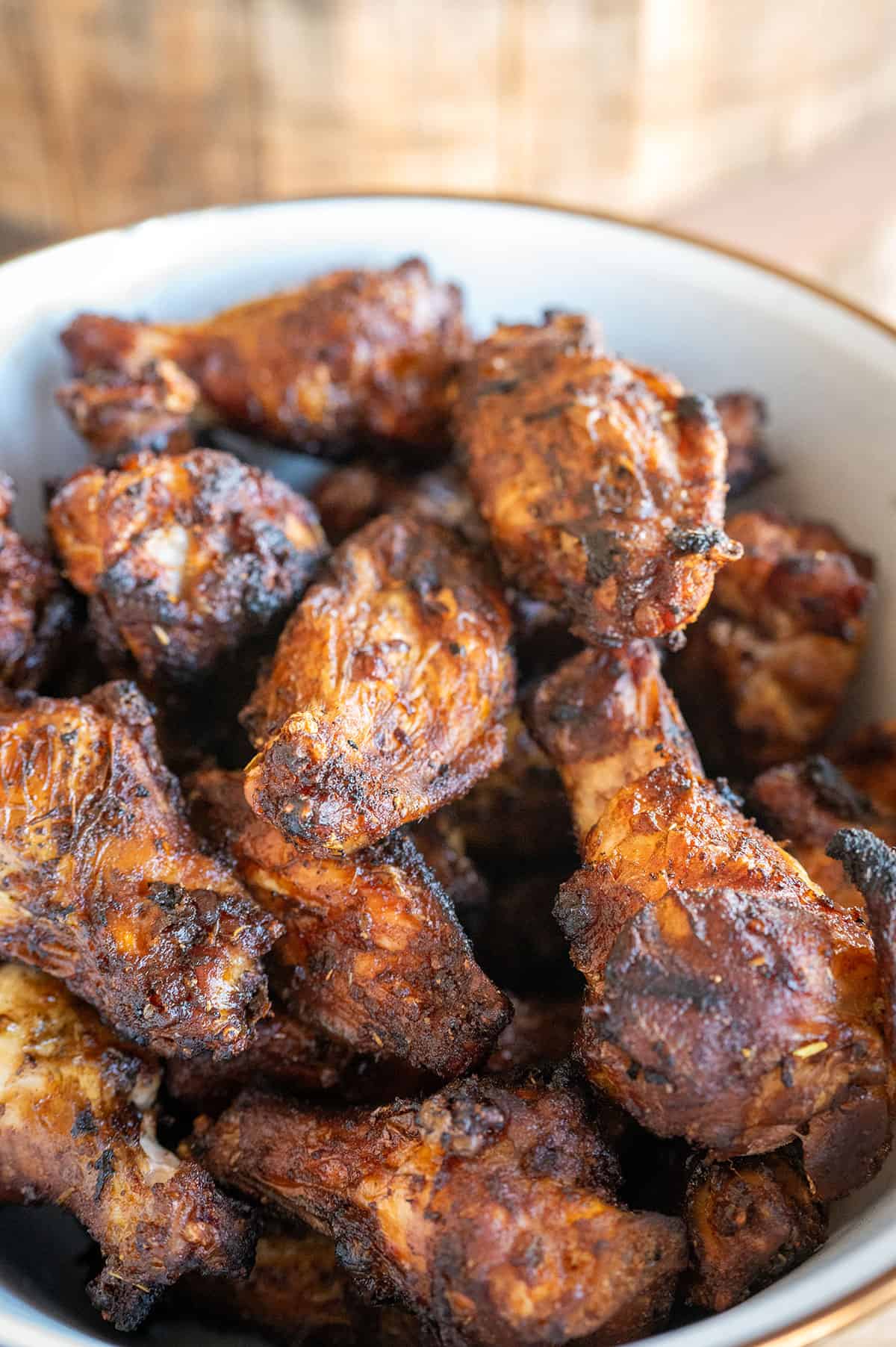
The quest for the perfect chicken wing often leads grill masters down a path of experimentation, seeking that ideal balance of crispy exterior, succulent interior, and a profound smoky essence. For enthusiasts utilizing drum smokers, a specific technique has emerged as a reliable method to achieve these coveted results: cooking wings hot and fast at temperatures between 375-400°F. This approach is particularly effective on specialized drum smokers like those manufactured by Hunsaker and Gateway, yielding wings that are exceptionally delicious whether served plain or coated in a signature sauce.
The science behind this method lies in the high heat’s ability to efficiently render the chicken skin, transforming it into a delightful crisp, while simultaneously ensuring the meat remains tender and juicy. This controlled high-heat environment is crucial for developing the characteristic smoky flavor that drum smokers are renowned for, infusing every bite with a depth that low-and-slow cooking might not always achieve for this specific cut.
Understanding the Drum Smoker Advantage
Drum smokers, often characterized by their vertical, cylindrical design, offer a unique cooking environment. Unlike kettle grills or offset smokers, their configuration can promote more even heat distribution and allow for precise temperature control, especially when equipped with advanced venting systems. Brands like Hunsaker and Gateway have further refined these designs, incorporating features that cater to serious pitmasters seeking consistency and superior results.
The high-temperature technique is not merely about speed; it’s about optimizing the Maillard reaction and fat rendering. When chicken skin is exposed to temperatures in the 375-400°F range, the fats within and beneath the skin begin to break down and crisp up rapidly. This process also contributes to the desirable golden-brown coloration. Simultaneously, the relatively short cooking time prevents the muscle fibers from drying out, preserving moisture.

A Culinary Journey: From Seasoning to Smoky Perfection
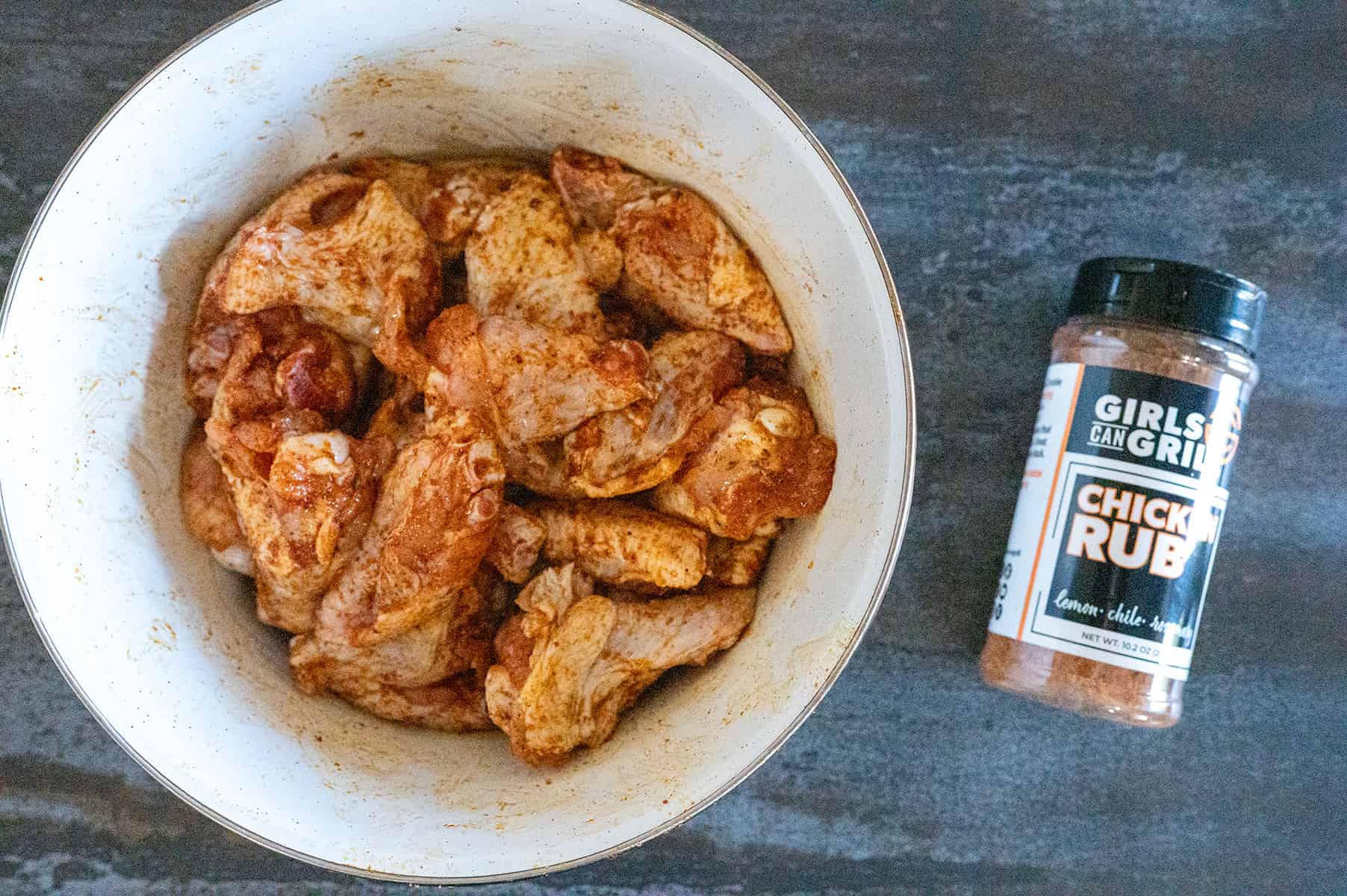
The process for achieving these exceptional drum smoker wings begins with proper preparation. A crucial first step involves seasoning the wings. Typically, this entails coating the chicken pieces with a light drizzle of oil, such as vegetable or canola oil, followed by a generous application of a favorite dry rub. The oil acts as a binder for the rub, ensuring it adheres evenly and creates a flavorful crust. A common guideline suggests using approximately two teaspoons of oil and one tablespoon of seasoning per pound of chicken wings. After seasoning, the wings are often refrigerated, allowing the flavors to meld and the skin to dry slightly, which further aids in achieving crispiness.
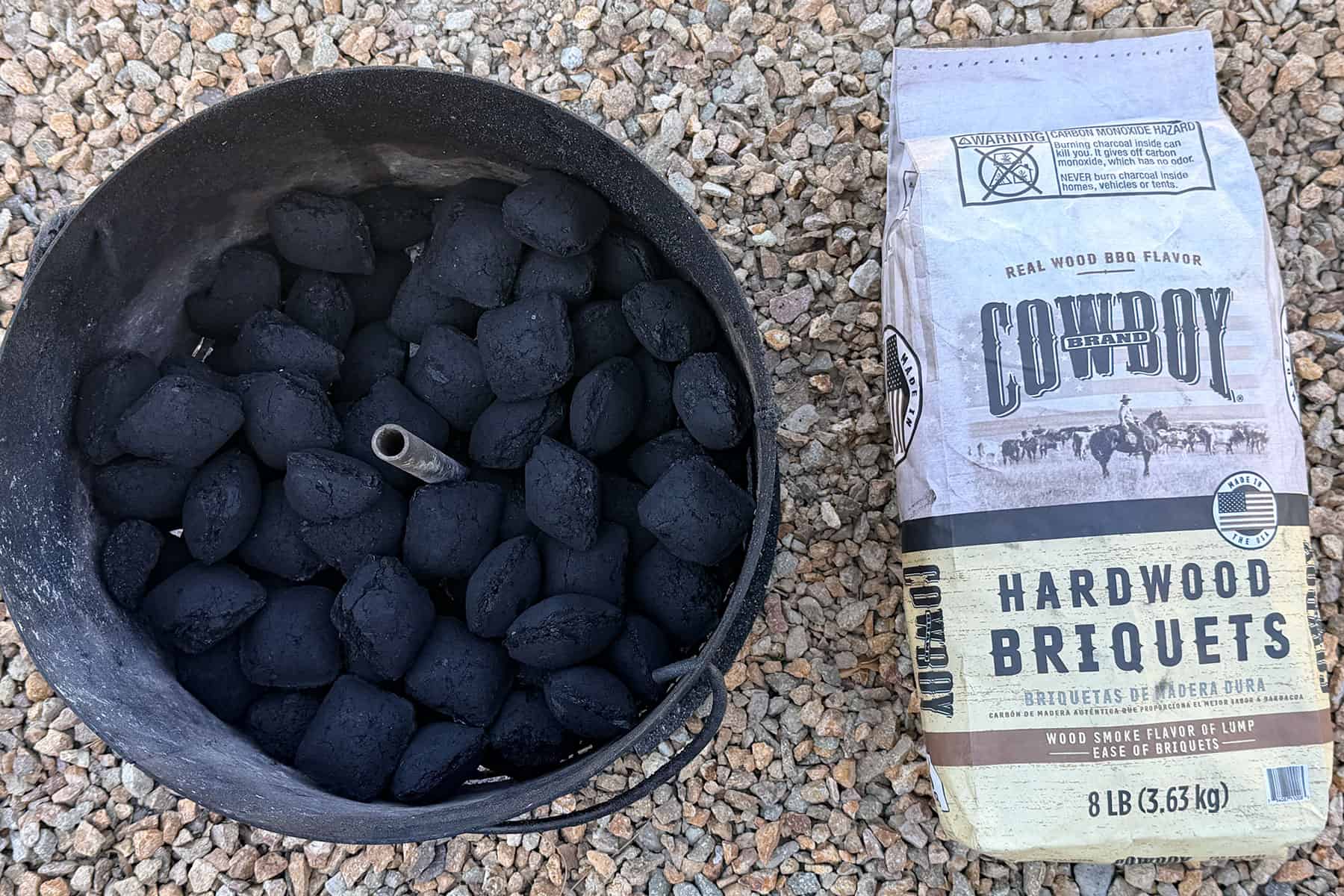
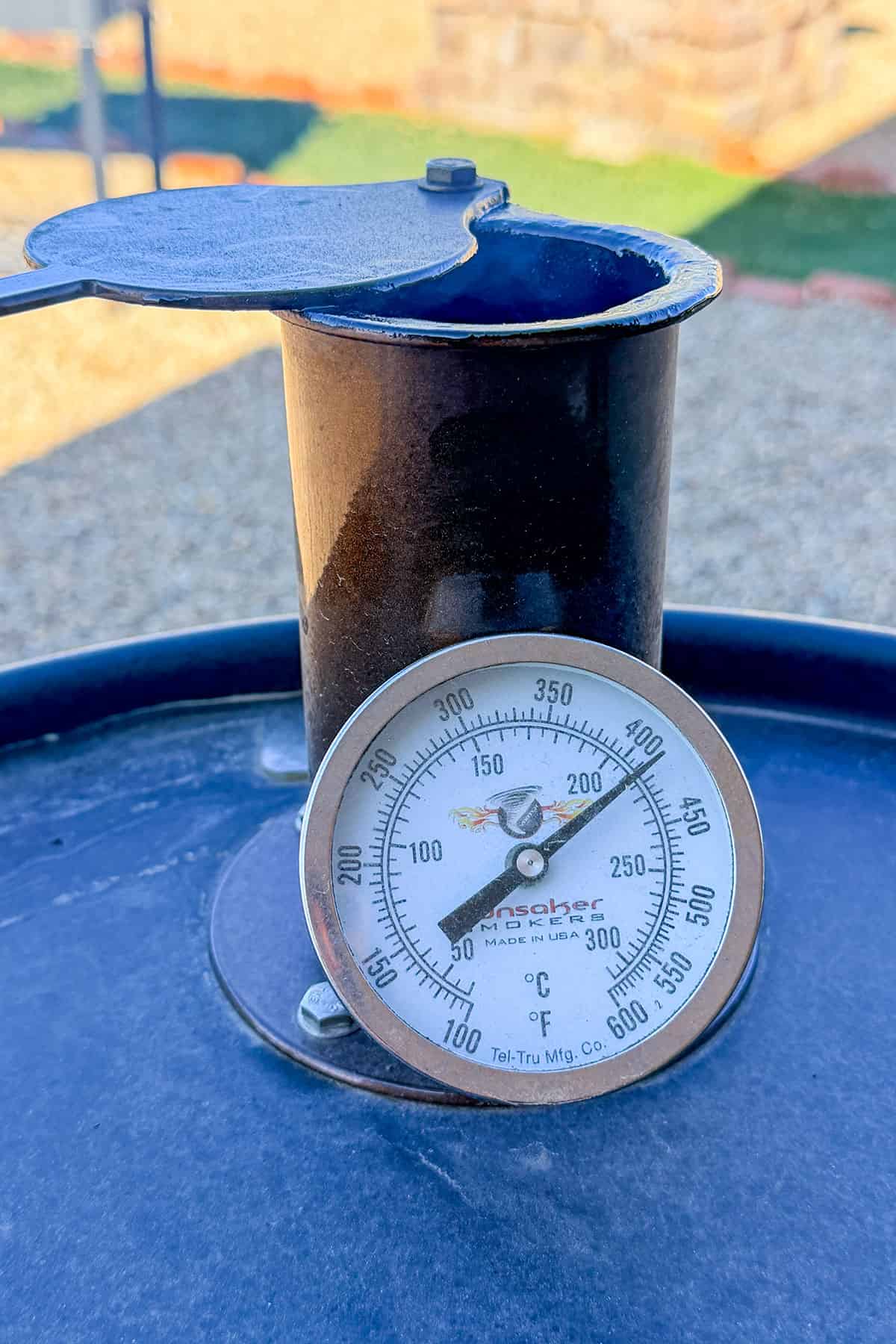
The next pivotal stage involves preheating the drum smoker. For this high-heat method, charcoal briquettes are a popular choice, with brands like Cowboy Hardwood Briquets often recommended for their consistent burn and flavor profile. An 8-pound bag is usually sufficient for a typical smoking session. The charcoal is loaded into the smoker’s basket, and fire starters are used to ignite the coals. It is essential to open all vents – both top and bottom – to allow for maximum airflow and rapid temperature increase. On Hunsaker smokers, specific adjustments to the bottom vent are made to ensure optimal heat. The goal is to reach and stabilize the temperature within the 375-400°F range.
A critical "Pro Tip" for those using Hunsaker smokers in this high-heat application is to forgo the use of the "Vortex" accessory. The Vortex is designed to create indirect heat zones, which is contrary to the objective of achieving direct, intense heat for crispy wings. The aim here is for the grill to be "ripping hot." As the smoker approaches the target temperature, the top exhaust vent is gradually closed to maintain a steady temperature, preventing overheating and ensuring a consistent cooking environment.
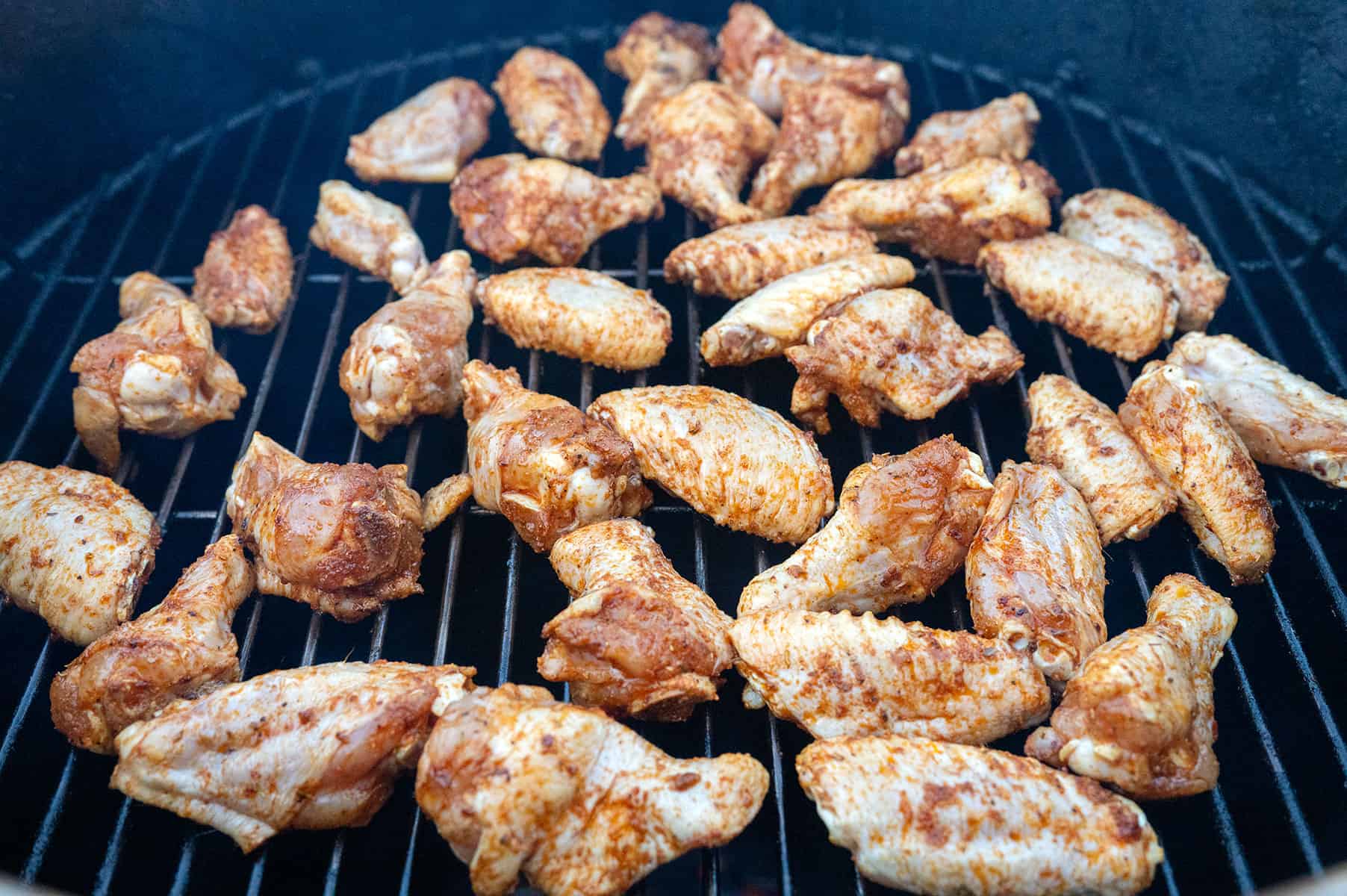
Once the smoker is preheated and producing clean, thin smoke (often described as "blue smoke"), the seasoned wings are ready to be introduced. They are spread in a single layer directly on the grill grate. This initial smoking phase typically lasts for about 20 minutes. During this period, the wings begin to take on the smoky flavor and start to develop a slight char.
A common observation during this phase is a slight drop in grill temperature once the cold wings are added. This is a normal occurrence and the temperature will typically rebound as the grill regains its heat. After the initial 20 minutes, the wings are flipped. This step is performed quickly to minimize heat loss. Leaving the lid open for extended periods can lead to temperature spikes, so efficiency is key.
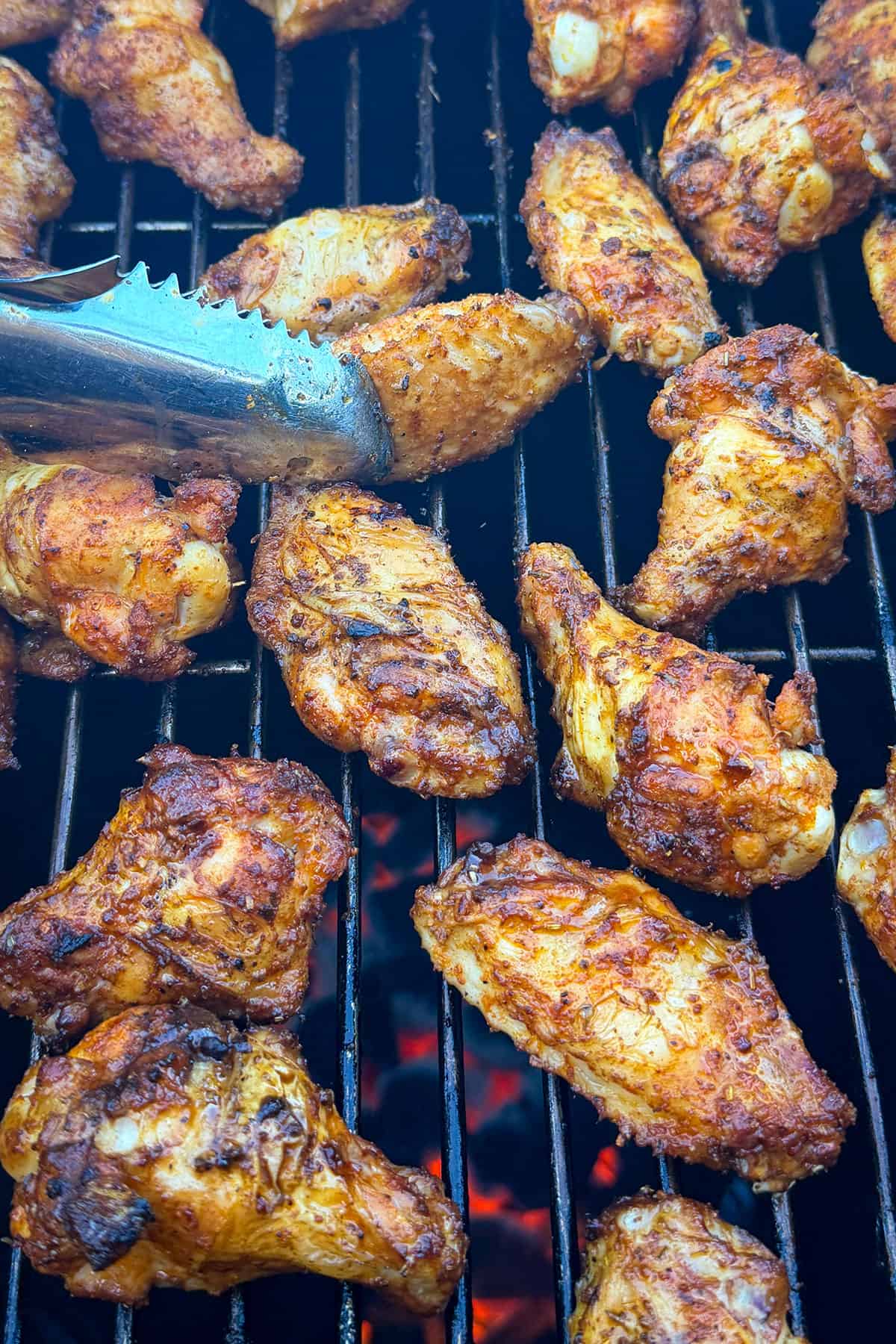
The finishing stage involves cooking the wings for an additional 10 to 20 minutes. Pitmasters often aim for an internal temperature of 195-205°F for the wings. This higher internal temperature ensures that the connective tissues within the wings have broken down sufficiently, contributing to their tender, fall-off-the-bone texture, while the high cooking heat ensures the skin remains crispy.
Serving and Storage: Preserving the Crisp
Upon removal from the smoker, the wings will continue to crisp as they cool slightly. This is the ideal moment for serving. They can be enjoyed in their naked, smoky glory, or tossed in a favorite sauce. Popular choices include classic buffalo sauce or a tangy barbecue sauce.
For an optimal presentation and a complete appetizer experience, the wings are often served on a platter accompanied by traditional accompaniments such as carrot sticks, celery stalks, and a selection of dipping sauces. Ranch dressing and blue cheese dressing are perennial favorites. If the wings have been sauced, offering an extra side of that sauce caters to those who prefer a more intense flavor.
While drum smoker wings are at their peak when fresh, proper storage is essential for any leftovers. They are best consumed immediately, as the skin’s crispiness can diminish over time. However, if necessary, cooked wings can be stored in an airtight container in the refrigerator for 3-4 days. Reheating is recommended using a microwave or, preferably, an air fryer to help restore some of the lost crispiness. Freezing cooked wings is an option for longer-term storage, up to 4 months, though the texture and flavor may be compromised upon reheating.
Nutritional Considerations

For a serving of approximately eight wings, the nutritional breakdown typically shows around 154 calories, 1 gram of carbohydrates, 11 grams of protein, and 12 grams of fat. This includes about 3 grams of saturated fat, 3 grams of polyunsaturated fat, and 5 grams of monounsaturated fat. Cholesterol content is around 47mg, with sodium at 45mg. These figures are approximations and can vary based on the specific cut of wing, seasoning, and any added sauces.
Broader Context and Industry Trends
The popularity of chicken wings as a culinary staple, whether for casual gatherings or competitive eating circuits, continues to grow. The development of specialized cooking equipment like drum smokers reflects a broader trend towards home cooks seeking professional-level results. The emphasis on high-heat, fast-cooking techniques for certain items like wings is a testament to the evolving understanding of how different heat profiles impact texture and flavor.
This method of cooking wings on a drum smoker aligns with the increasing interest in outdoor cooking and barbecue culture. The ability to achieve restaurant-quality wings in a backyard setting empowers enthusiasts to elevate their culinary skills and impress guests. The specific mention of Hunsaker and Gateway smokers highlights the market’s response to demand for reliable, high-performance grilling equipment.
Frequently Asked Questions Addressed
The process often prompts common questions from aspiring pitmasters. Regarding temperature, the consensus for drum smoker wings is firmly within the 375-400°F range. Cooking at lower temperatures can result in under-rendered skin that lacks crispiness and has a less desirable texture.
The cooking duration for achieving the perfect drum smoker wing is generally between 30 to 40 minutes. This timeframe, combined with the optimal temperature, ensures both juicy meat and crispy skin.
A common query revolves around cooking frozen wings. While it is possible to smoke frozen wings on a drum smoker, the recommended practice is to thaw them overnight in the refrigerator first. Patting the wings dry to remove excess moisture is crucial, and some pitmasters suggest a light sprinkle of baking powder to further aid in moisture removal and promote crispiness.
Conclusion
The technique of cooking chicken wings hot and fast on a drum smoker at 375-400°F offers a reliable pathway to achieving exceptionally crispy, juicy, and smoky results. By understanding the mechanics of the drum smoker and adhering to a structured preparation and cooking process, home cooks can master this beloved appetizer. The combination of precise temperature control, strategic seasoning, and efficient cooking times unlocks the full potential of this popular cut of chicken, solidifying its place as a go-to method for grill enthusiasts.


