Achieving the perfect, mouthwateringly juicy grilled burger is a culinary quest for many home cooks. While the simplicity of a burger might suggest an uncomplicated preparation, achieving that ideal balance of flavor, texture, and moisture requires a nuanced understanding of technique. This comprehensive guide, drawing on the expertise of seasoned pitmasters, delves into the essential steps and considerations for elevating your backyard burger game from ordinary to extraordinary. From selecting the right ingredients to mastering the charcoal grill, these insights will empower you to consistently produce patties that are the highlight of any cookout.
The Foundation of Flavor: Selecting Your Ground Beef
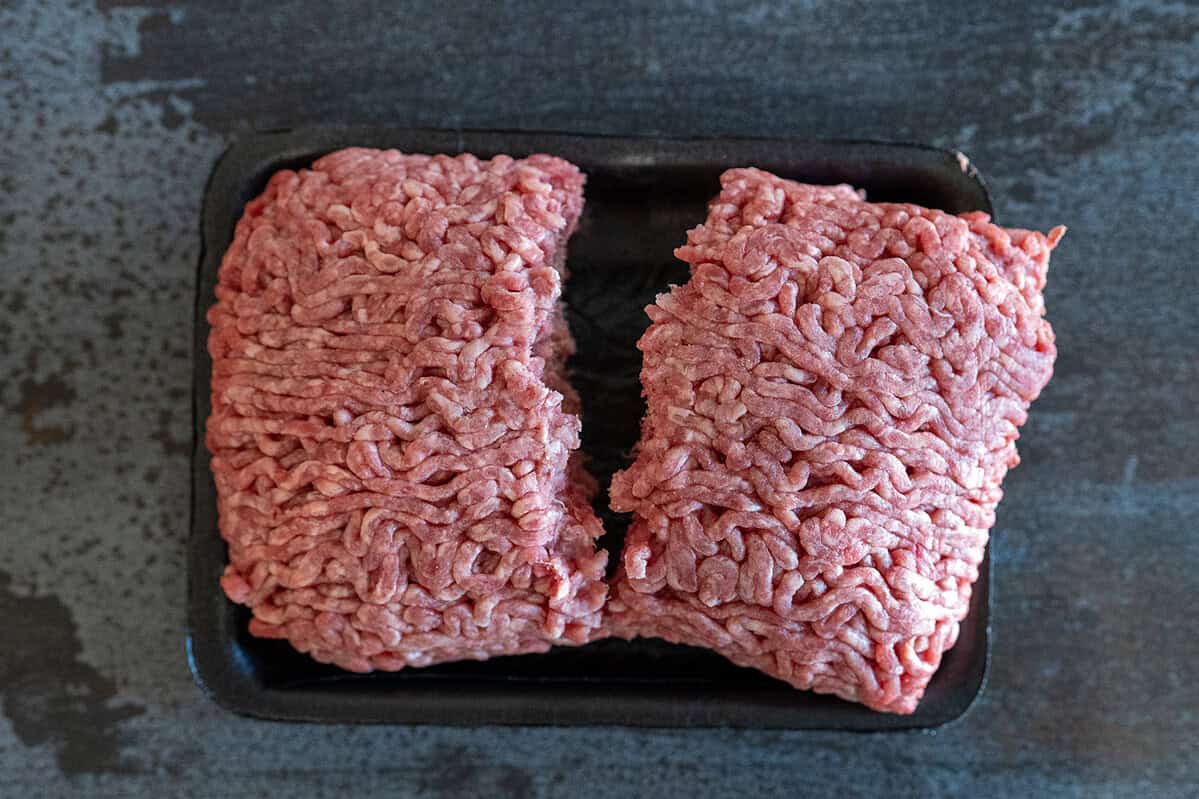
The journey to a superior grilled burger begins with the fundamental ingredient: ground beef. Pitmasters emphasize the importance of fat content, typically recommending an 80/20 lean-to-fat ratio. This higher fat content is crucial for several reasons. Firstly, it contributes significantly to the burger’s juiciness, as rendered fat bastes the meat from within during the cooking process. Secondly, fat is a key carrier of flavor, enhancing the overall taste profile of the burger. While leaner options might seem healthier, they often result in drier, less flavorful patties that are more prone to crumbling.
Beyond the ratio, the grind itself plays a role. A coarser grind can offer a more satisfying textural experience, while a finer grind might be preferred for a smoother consistency. Many experts advocate for grinding your own beef at home if possible, using chuck roast or a blend of cuts like brisket and short rib. This allows for greater control over the fat content and ensures the freshest possible product, free from added preservatives.

Crafting the Perfect Patty: Technique and Temperature Control
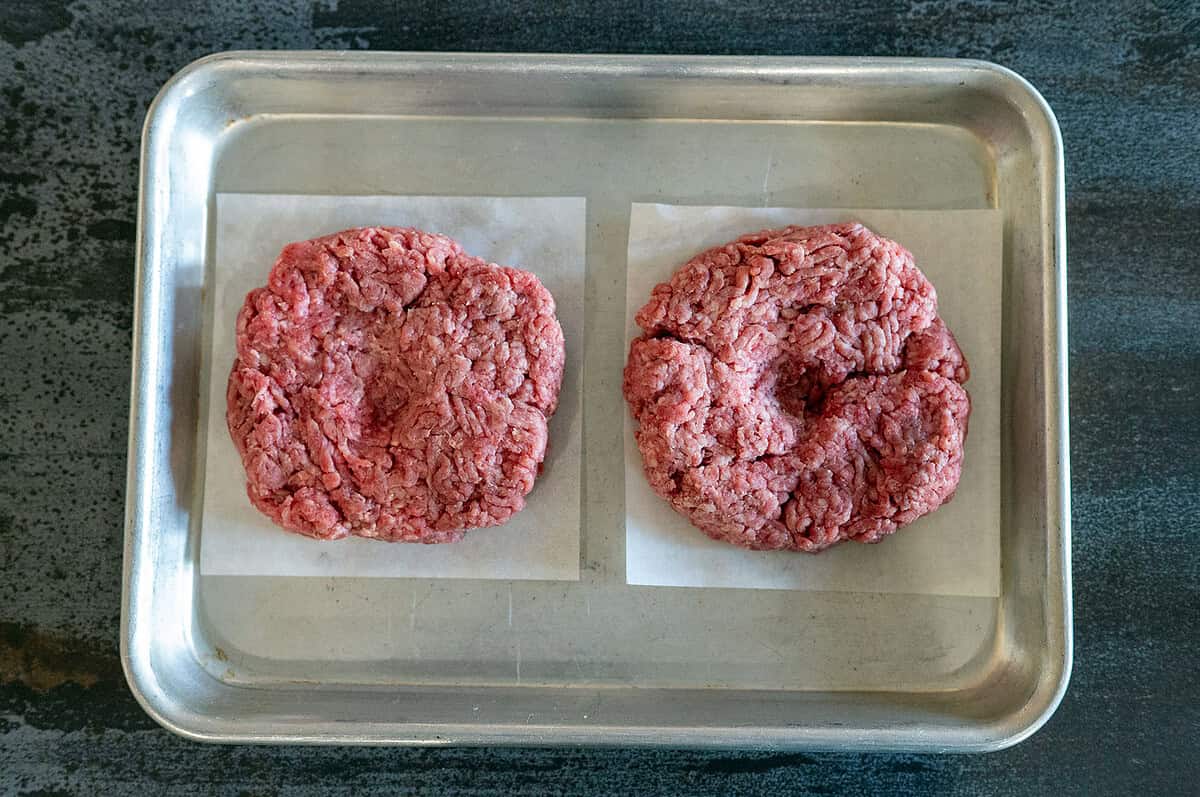
The way a burger patty is formed and handled directly impacts its final texture and juiciness. A common pitfall is overworking the ground beef, which can lead to tough burgers. Pitmasters advise a gentle approach: divide the meat into the desired portions (typically half-pound for a substantial burger) and loosely form them into patties. The key is to handle the meat as little as possible, just enough to shape it.
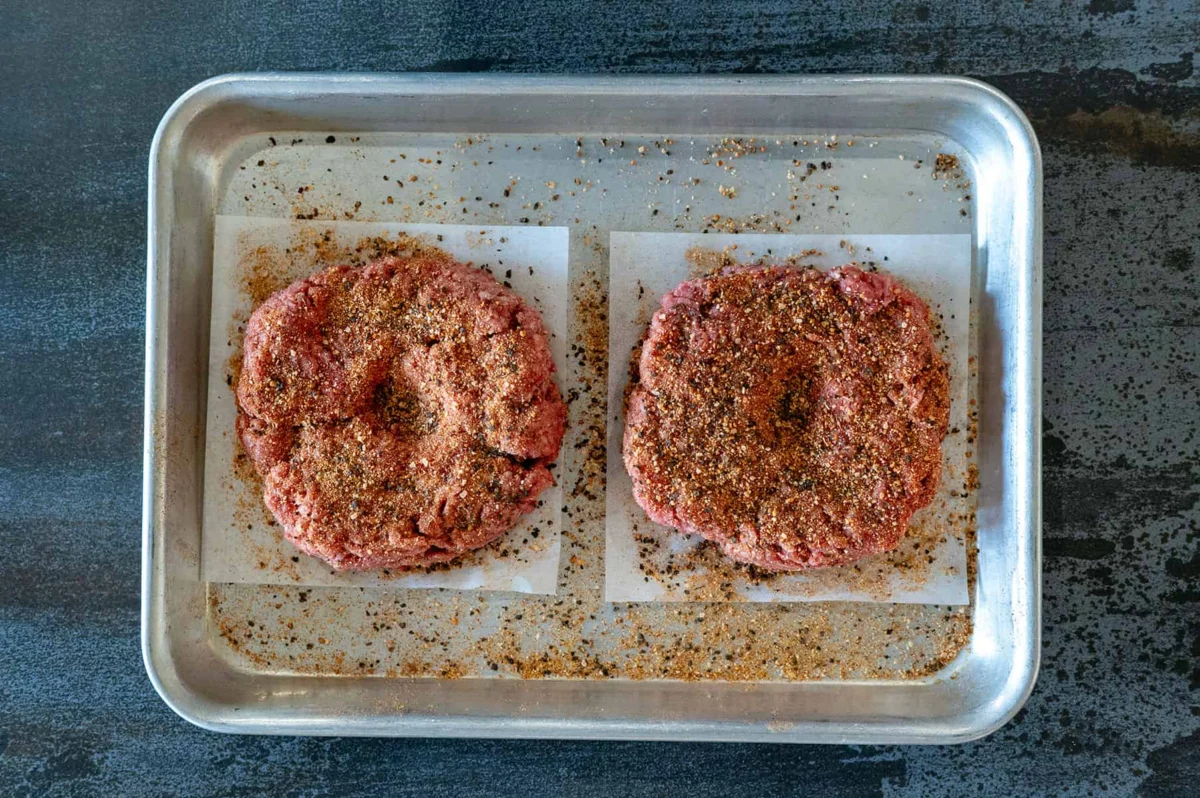
A crucial technique for preventing the dreaded "burger dome" – the tendency for patties to puff up in the center during cooking – is to create a slight indentation with your thumb in the middle of each patty. This dimple allows the burger to cook more evenly and remain flatter. Furthermore, keeping the beef cold throughout the shaping process is paramount. Warmer meat melts the fat more quickly, leading to a less succulent final product. If the meat becomes too soft, refrigerating the formed patties for 15-30 minutes before grilling can significantly improve their structure and ensure the fat remains intact.
The Art of Seasoning: Less is More, Outside is Key
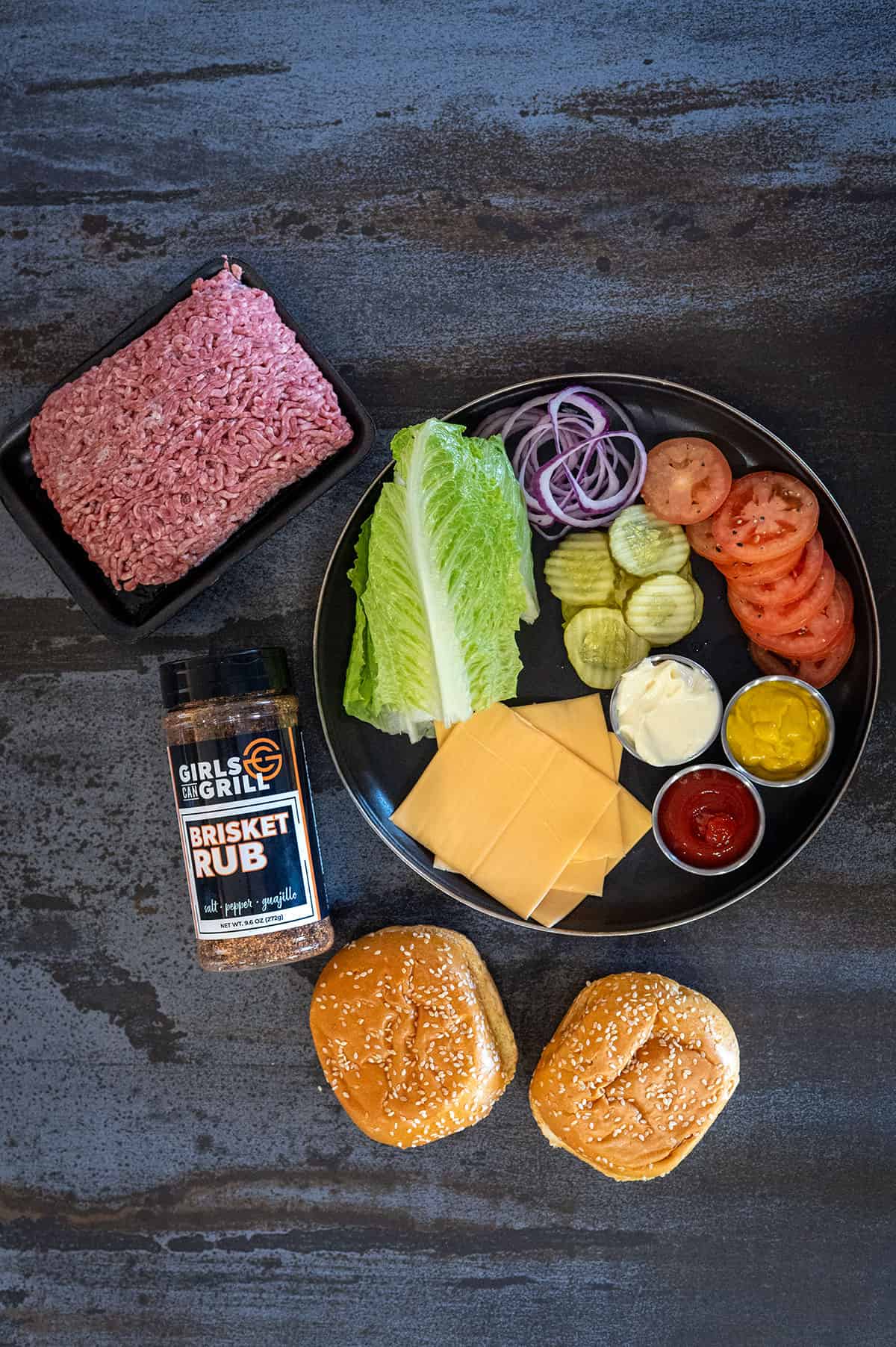
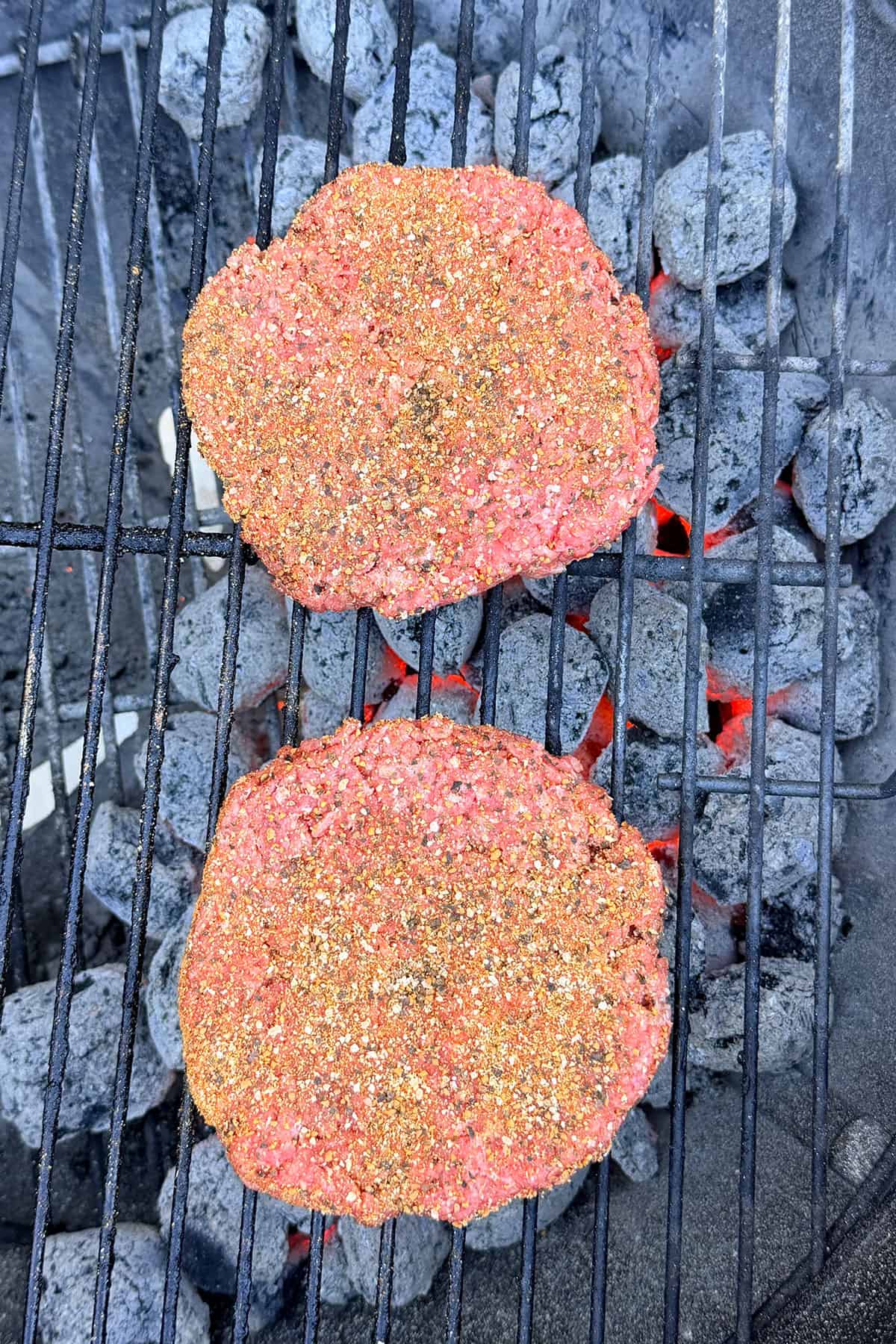
Contrary to what some might believe, the secret to a flavorful burger lies not in mixing seasonings into the ground beef, but in applying them to the exterior. Adding salt, pepper, or spice rubs directly into the meat mixture can disrupt the protein structure, leading to a tougher, denser patty. Instead, pitmasters advocate for a generous application of salt and pepper, or a specialized beef rub, on both sides of the patty just before it hits the grill. This creates a delectable crust that locks in juices and provides a burst of flavor with every bite. For those seeking an extra layer of complexity, a well-balanced brisket rub, like those offered by Girls Can Grill, can impart a smoky, savory depth.
The Charcoal Advantage: Harnessing the Power of Direct Heat
While burgers can be grilled on various equipment, including gas and pellet grills, the authentic flavor and char associated with a truly exceptional grilled burger are often best achieved over charcoal. The intense, radiant heat from charcoal imbues the meat with a distinct smoky essence and creates those desirable grill marks.
To achieve optimal results, a two-zone grilling setup is highly recommended. This involves arranging the hot coals on one side of the grill, creating a direct heat zone, and leaving the other side empty for an indirect heat zone. This setup provides flexibility, allowing you to sear the burgers over direct heat for char and then move them to the cooler indirect zone to finish cooking without burning.
The process typically begins with igniting charcoal using a chimney starter. Once the coals are covered in a fine layer of ash, they are spread across one half of the grill. The grill grates are then placed, and the lid is added, allowing the grill to preheat to a medium-high temperature, ideally between 350-400°F. This controlled heat is crucial for achieving a perfect sear and a juicy interior.

The Grilling Process: Timing, Flipping, and Cheese Integration
Once the grill is properly preheated, the seasoned patties are placed directly over the hot coals, dimple-side up. It’s essential to season the second side of the patty at this stage and create another dimple if needed. Allowing the burgers to sear undisturbed for approximately 4-5 minutes is key to developing a beautiful crust.
The flip is a critical moment. Resist the urge to constantly press down on the burgers with your spatula, as this squeezes out precious juices. A single, decisive flip is all that’s needed. After flipping, cook for another 3-4 minutes. This timeframe is a general guideline and will vary based on patty thickness, grill temperature, and desired doneness.

For cheeseburgers, the cheese is added during the final minutes of cooking. Placing cheese slices on top of the patties allows it to melt beautifully and meld with the meat. Covering the grill with the lid during this stage helps to create a steamy environment that accelerates the melting process.
Achieving Desired Doneness: Internal Temperatures and Safety
Determining when a burger is perfectly cooked is a matter of personal preference and food safety. The USDA recommends cooking ground meat to an internal temperature of 165°F (74°C) for safety. However, many enthusiasts enjoy their burgers cooked to medium-rare, which registers around 135°F (57°C). A medium burger typically falls between 140-145°F (60-63°C), and a well-done burger will reach 160°F (71°C) or higher.
A reliable digital meat thermometer is an invaluable tool for ensuring both safety and desired doneness. Insert the thermometer into the side of the burger, aiming for the center, to get an accurate reading. Understanding these temperature ranges allows for consistent results and caters to a variety of preferences.
The Grand Finale: Building Your Masterpiece
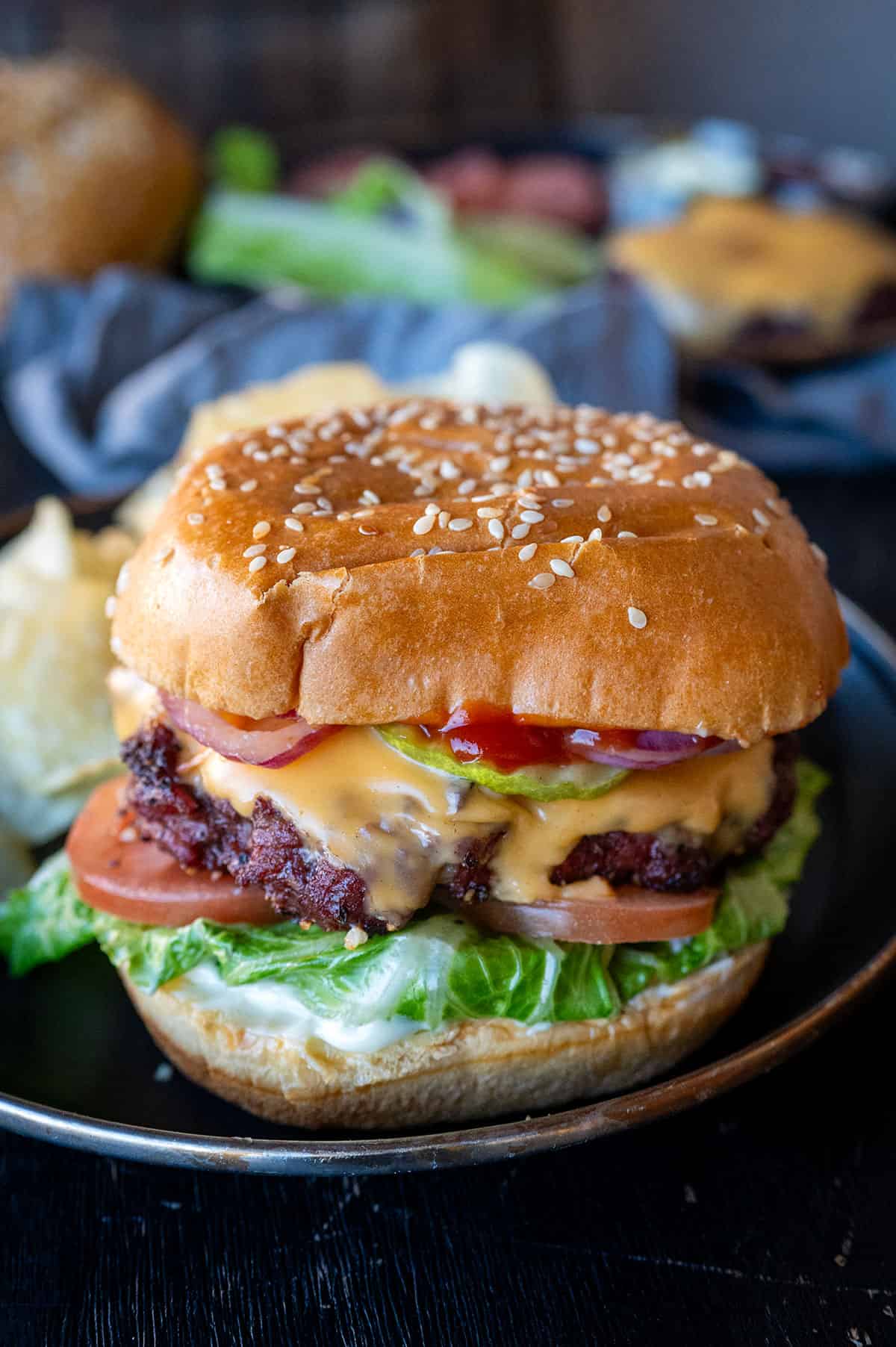
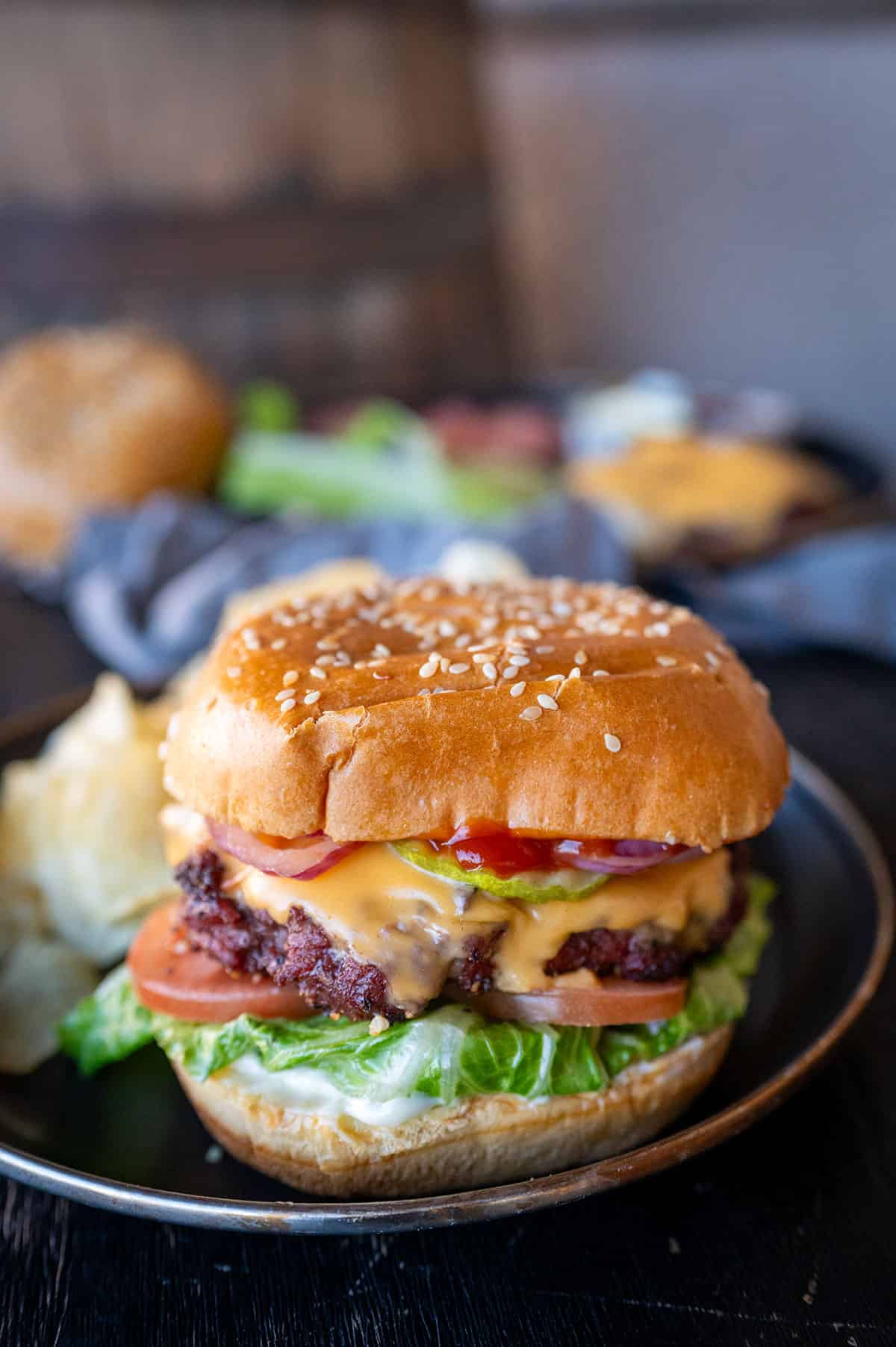
The beauty of a well-grilled burger lies in its versatility. Once cooked to perfection, the canvas is ready for your personal touch. While some prefer the minimalist approach of classic toppings like American cheese, mustard, and pickles on a traditional bun, others embrace a more elaborate construction. Brioche buns, a mix of mayonnaise, ketchup, lettuce, onions, pickles, and tomatoes, offer a richer, more complex flavor profile.
The concept of "gourmet burgers" thrives on these thick, juicy patties that can withstand a plethora of toppings. Inspiration can be drawn from restaurant menus, such as the diverse offerings at Red Robin, which showcase creative combinations like BBQ sauce, special burger sauces, artisanal cheeses, crispy bacon, and pickled onions. Some adventurous palates even venture into unexpected territory with additions like peanut butter. Ultimately, the "perfect" burger is a subjective creation, defined by the individual’s favorite buns, condiments, and fixings.
Storage and Preparation for Future Feasts
Leftover grilled burger patties can be stored in an airtight container in the refrigerator for 3-4 days. For longer storage, they can be frozen for several months. A strategic approach to burger preparation involves buying ground beef in bulk, shaping the patties, and freezing them before seasoning or cooking. This allows for quick and convenient burger nights by simply thawing the patties in the refrigerator, dimpling, seasoning, and grilling as needed. This forward-thinking strategy ensures that delicious, homemade burgers are always within reach.

Frequently Asked Questions
How do you know when grilled burgers are done?
Utilize a digital meat thermometer inserted into the side of the burger towards the center. The USDA recommends 165°F (74°C) for ground meat safety, while many prefer medium-rare around 135°F (57°C).
What should I put in my burger mixture?
It is generally not recommended to mix seasonings directly into the ground beef. Instead, liberally coat the exterior of the patty with coarse salt, pepper, or a beef rub to create a flavorful crust and maintain a tender texture.
What does a medium burger look like?
A medium burger will exhibit a touch of brown around the edges with minimal pinkness in the center. This corresponds to an internal temperature of approximately 140-145°F (60-63°C).
Conclusion
Mastering the art of the grilled burger is a rewarding endeavor that transforms simple ingredients into a culinary delight. By understanding the nuances of beef selection, patty formation, seasoning techniques, and grilling methods, any home cook can achieve consistently juicy and flavorful results. The charcoal grill, with its ability to impart smoky notes and create a perfect sear, remains a favored tool for pitmasters. The flexibility in serving and topping options ensures that every burger can be a personalized masterpiece. With these expert tips, your next backyard barbecue is sure to feature burgers that are truly unforgettable.