
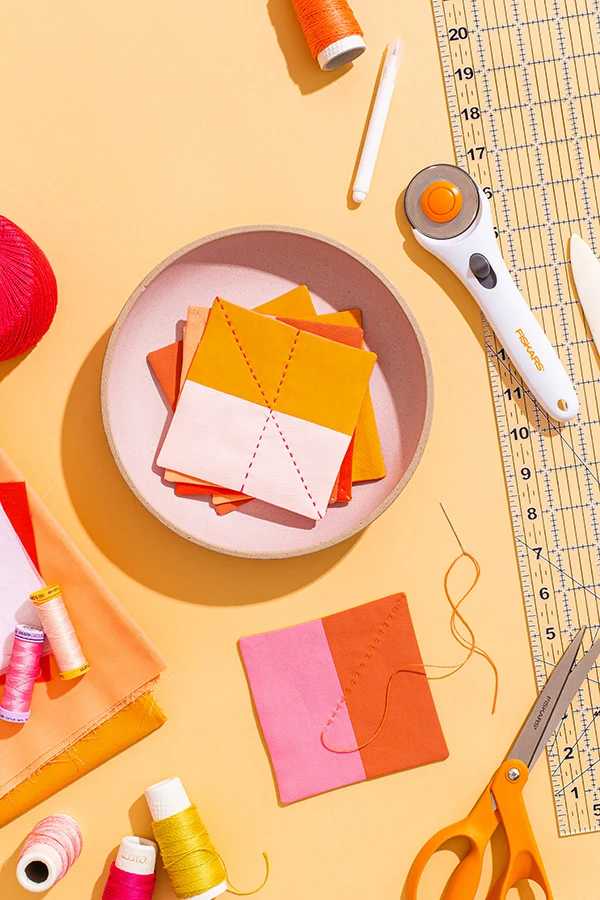
As the Northern Hemisphere transitions into the autumnal equinox, characterized by decreasing daylight hours and a notable shift in ambient temperature, the domestic lifestyle sector is witnessing a strategic resurgence in traditional textile arts. This movement, often categorized under the "Slow Living" or "Cottagecore" aesthetic, has prompted major industry players to align with creative influencers to foster consumer engagement. A primary example of this trend is the recent collaborative initiative between Fiskars, a global leader in home and garden tools, and design specialists to promote the creation of modern patchwork coasters. This project represents a convergence of traditional quilting techniques and contemporary minimalist design, aimed at both novice and intermediate crafters seeking to enhance their living spaces with functional, handmade artifacts.
The Intersection of Brand Strategy and Consumer Creativity
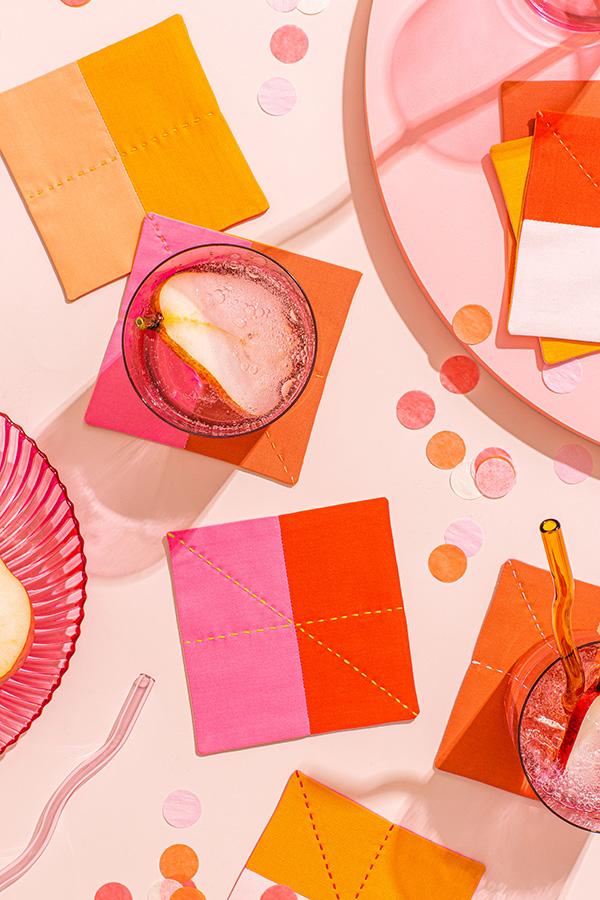
The partnership highlights a broader shift in the retail landscape, where manufacturers of specialized equipment provide educational content to drive product utility. By offering a structured, beginner-friendly guide to patchwork, Fiskars positions its suite of fabric cutting tools—including the 45mm Stick Rotary Cutter and the iconic orange-handled scissors—as essential components of the modern household. The initiative focuses on the production of textile coasters that utilize quilting cotton in a palette of seasonal hues: orange, terracotta, light pink, apricot, and deep pink. This color selection is not merely aesthetic; it is a calculated response to seasonal consumer psychology, which trends toward warm, "earth-toned" palettes during the fall months to create a sense of interior warmth and psychological comfort.
The technical requirements for this project underscore the precision necessary in textile engineering. Participants are encouraged to utilize a variety of specialized instruments, including an 18” x 24” cutting mat, a 6” x 24” acrylic ruler, and cotton organdy for interfacing. The inclusion of Sashiko thread—a traditional Japanese functional embroidery thread—points to a globalized influence on local crafting practices, blending Western machine sewing with Eastern hand-finishing techniques.

Chronological Methodology of Modern Patchwork Construction
The construction of these modern patchwork coasters follows a rigorous six-step protocol designed to ensure both structural integrity and aesthetic consistency. The process begins with the preparation of raw materials, where five-inch squares are excised from quilting cotton and interfacing. The use of a clear acrylic ruler and a rotary cutter is emphasized at this stage to maintain geometric precision, a factor that determines the success of subsequent seam alignments.
The second phase involves the primary assembly of the textile "face." Two squares of contrasting quilting cotton are stacked and joined via a straight machine stitch down the center. Professional tailors and hobbyists alike utilize fabric pens to mark these lines, ensuring the symmetry required for a modern, clean-lined look. Once the seam is established, the application of heat via an iron is critical to "press open" the seam, a step that reduces bulk and allows the coaster to sit flush against surfaces.
The third and fourth steps focus on the internal architecture of the coaster. An additional layer of quilting cotton is stacked with the previously joined pieces, followed by a layer of lightweight interfacing. This multi-layered "sandwich" is secured with pins before being stitched around the perimeter with a 1/8-inch seam allowance. A critical technical detail in this phase is the 1.5-inch gap left on one side, which serves as the portal for reversing the fabric. Following the perimeter stitch, the trimming of corners is necessary to prevent fabric bunching, a common defect in amateur textile projects.
The final stages involve the transition from machine-based construction to artisanal hand-finishing. After the coaster is flipped right-side out—often using a point turner or bamboo skewer to achieve "sharp" 90-degree angles—it is pressed flat once more. The sixth step introduces the hand-quilted detail, utilizing a running stitch with Sashiko thread. This final touch serves a dual purpose: it provides a tactile, "hand-made" quality that machine stitching cannot replicate, and it serves to quilt the layers together, preventing shifting during use. The process concludes with the closure of the turn-gap using invisible hand stitches or specialized fabric adhesives.
The Ergonomics and Engineering of Crafting Tools
A significant factor in the success of the "Maker Movement" is the evolution of tool ergonomics. Fiskars, a company founded in 1649 in the Finnish village of Fiskars, has long been at the forefront of this evolution. The orange-handled scissors, introduced in 1967, were the world’s first plastic-handled scissors and have since become a permanent fixture in the Museum of Modern Art (MoMA). The engineering behind these tools—specifically the tension of the blades and the contour of the handles—is designed to reduce repetitive strain injuries (RSI), making long-form crafting projects like quilting more accessible to a broader demographic.
In the context of the patchwork coaster project, the 45mm Stick Rotary Cutter represents a significant advancement over traditional shears. By utilizing a rolling blade, the tool allows for continuous pressure and straighter lines through multiple layers of fabric. This efficiency is a key selling point for modern consumers who balance professional careers with domestic hobbies, seeking high-quality results in limited timeframes.
Market Trends and the Economic Impact of DIY Culture
The resurgence of interest in projects like patchwork coasters is reflected in the robust growth of the global handicraft market. According to recent market analysis, the global handicrafts market reached a value of approximately USD 750 billion in 2022 and is projected to continue growing at a compound annual growth rate (CAGR) of nearly 10% through 2028. This growth is driven by an increasing consumer preference for personalized, eco-friendly, and unique home decor items over mass-produced alternatives.
Furthermore, the "homebody economy," which gained significant momentum during the global pandemic, has persisted as a structural shift in consumer behavior. Households are allocating more disposable income toward "nesting" activities. The collaboration between tool manufacturers and designers is a strategic response to this economic reality. By lowering the barrier to entry for complex tasks like quilting, companies can tap into a demographic that values the "process" of creation as much as the final product.
The Psychological and Social Implications of Hand-Quilting
Beyond the economic and technical aspects, the act of crafting—specifically the hand-quilting component mentioned in Step 6—has documented psychological benefits. Occupational therapists have long noted that the rhythmic, repetitive nature of hand-stitching can induce a flow state, reducing cortisol levels and alleviating symptoms of anxiety. The suggestion to complete these coasters while "curled up on the sofa with your favorite fall flick" aligns with the concept of hygge, a Danish and Norwegian word for a mood of coziness and comfortable conviviality with feelings of wellness and contentment.
Socially, the sharing of these projects on digital platforms like Instagram and Pinterest creates a "virtual quilting bee." This digital communalism allows crafters to showcase their work, exchange tips on fabric selection, and build communities around shared aesthetic values. The patchwork coaster, while a small object, serves as a social currency in these digital spaces, signaling a commitment to craftsmanship and domesticity.
Environmental Sustainability and the Future of Textiles
The use of "quilting cotton" and "scraps" for small-scale projects like coasters also touches upon the growing importance of sustainability in the textile industry. As awareness of the environmental impact of "fast fashion" and mass-produced home goods increases, many consumers are turning to "upcycling" and "slow textiles." Patchwork, by its very nature, is a technique born of necessity and the desire to minimize waste by joining small remnants of fabric into a larger, functional whole.
By encouraging the creation of durable, washable, and reusable coasters, this initiative indirectly promotes a reduction in the consumption of disposable household items. The longevity of a well-constructed, hand-quilted coaster far exceeds that of paper or low-quality plastic alternatives, aligning with the principles of a circular economy.

Conclusion: A Synthesis of Tradition and Modernity
The modern patchwork coaster project, supported by Fiskars, is more than a simple DIY activity; it is a microcosm of current trends in design, economics, and lifestyle. It represents a successful synthesis of 17th-century craftsmanship values and 21st-century ergonomic technology. As consumers continue to seek meaning in their domestic environments, the role of the "maker" will likely expand, supported by industry leaders who recognize that the future of home decor lies in the hands of those who create it.
The final product—a set of warm, earth-toned coasters—serves as a functional testament to the power of slow design. Whether used for a morning coffee or a seasonal gathering, these objects carry the narrative of their creation, bridging the gap between the industrial production of tools and the intimate, human touch of the needle and thread. As the season turns, these small additions to the home provide not just physical warmth, but a sense of accomplishment and a connection to the enduring heritage of textile art.


