
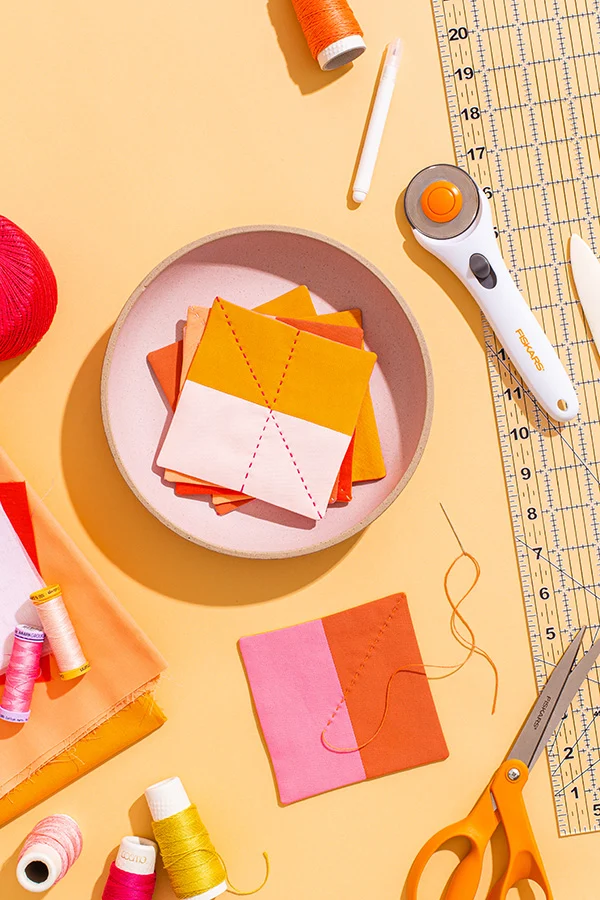
As the transition toward the autumn season prompts a shift in domestic aesthetics, the intersection of traditional textile arts and modern design has seen a significant resurgence in the home decor market. This movement, often characterized by a blend of utility and artisanal flair, is exemplified by the latest collaborative initiative between legacy tool manufacturer Fiskars and contemporary DIY designers. The project focuses on the creation of modern patchwork coasters, a task that integrates precision cutting technology with the "slow living" philosophy of hand-quilted finishing. This initiative arrives at a time when the global handicrafts market is experiencing robust growth, driven by a consumer base that increasingly values personalized, handmade alternatives to mass-produced household goods.
The Evolution of the Maker Economy and Seasonal Trends
The shift toward handmade home accessories is not merely a seasonal whim but a reflection of a broader economic trend known as the "maker economy." According to industry reports, the global craft and DIY market is projected to reach a valuation of over $50 billion by 2024. This growth is fueled by a demographic that prioritizes sustainability, mindfulness, and the psychological benefits of tactile engagement. As days shorten and temperatures drop, the demand for "hygge"—the Danish concept of coziness and comfortable conviviality—drives interest in textile-based projects that utilize warm color palettes and soft materials.
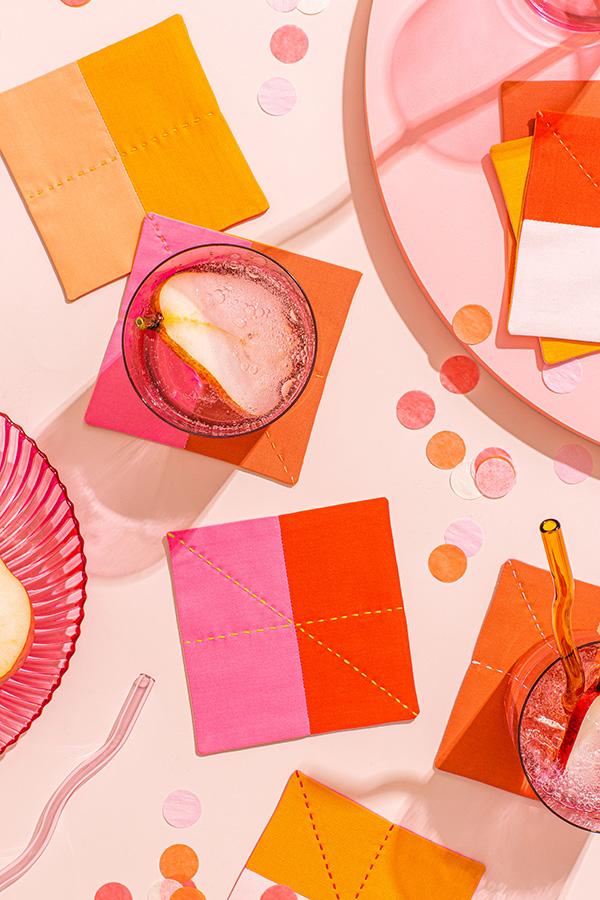
The modern patchwork coaster project utilizes a specific autumnal color story, featuring hues of orange, terracotta, light pink, apricot, and deep pink. This palette reflects current interior design trends that favor "New Neutrals"—earthy, saturated tones that provide warmth without the starkness of traditional primary colors. By utilizing quilting cotton, makers are able to achieve a professional finish that remains durable enough for daily use, bridging the gap between decorative art and functional housewares.

Strategic Brand Partnership: Fiskars and the Modern Crafter
Fiskars, a company with a history dating back to 1649, has maintained its market dominance by evolving alongside the needs of the creative community. The partnership highlighted in this project serves as a strategic bridge between high-precision industrial tools and the domestic hobbyist. The use of specialized equipment—such as the 45mm Stick Rotary Cutter and the Acrylic Ruler—underscores the industry’s move toward professional-grade tools for home use.
"Precision is the foundational element of any textile project," noted industry analysts during a recent review of the sewing and quilting sector. "When brands like Fiskars provide the infrastructure for creation, it lowers the barrier to entry for beginners while maintaining the standards required by seasoned quilters." This collaboration emphasizes that even "beginner-friendly" projects benefit from the accuracy provided by self-healing cutting mats and ergonomic cutting tools, which reduce physical strain and material waste.
Technical Specifications and Material Requirements
To execute the modern patchwork coaster, a specific inventory of materials is required, reflecting a sophisticated approach to simple domestic utility. The project demands high-quality quilting cotton in a variety of complementary shades to achieve the "patchwork" aesthetic. The structural integrity of the coaster is reinforced through the use of lightweight interfacing, such as cotton organdy, which provides the necessary stiffness to protect surfaces from heat and moisture without sacrificing the fabric’s natural drape.
The toolset identified for this project includes:
- Fiskars 45mm Stick Rotary Cutter: Designed for clean, multi-layer fabric cuts.
- Fiskars 18” x 24” Cutting Mat: A self-healing surface that preserves blade longevity.
- Fiskars 6” x 24” Acrylic Ruler: Essential for ensuring geometric accuracy in the 5-inch square foundations.
- Fiskars Orange Handle Scissors: The industry standard for detail trimming and thread management.
- Sashiko or Embroidery Thread: Utilized for the hand-quilted "running stitch" that defines the modern aesthetic.
A Chronological Methodology of Construction
The construction of the modern patchwork coaster follows a logical progression from raw material to finished artisanal product. The process is divided into two distinct phases: machine-assisted assembly and hand-finished detailing.
Phase I: Precision Preparation and Machine Assembly
The process begins with the calibration of materials. Using the rotary cutter and acrylic ruler, the maker must cut 5-inch squares from both the quilting cotton and the interfacing. For a single unit, the ratio is three cotton squares to one interfacing square. This phase is critical; any deviation in measurement at this stage will result in a misalignment of the final patchwork seam.
The second step involves the "joining" process. Two squares of different colors are stacked and joined with a straight machine-sewn line down the center. This creates the foundational patchwork look. Professional crafters often use a water-soluble fabric pen to mark the median line, ensuring the seam is perfectly centered. Once sewn, the seam is pressed open with an iron—a crucial step in quilting that ensures the final product lies flat and maintains a professional profile.
Phase II: Structural Integration and Finishing
The third and fourth steps focus on the internal structure. The third cotton square and the interfacing square are layered onto the previously quilted piece. The assembly is then stitched around the perimeter with a 1/8-inch seam allowance. A 1.5-inch gap is intentionally left on one side to allow the fabric to be "turned" or inverted.
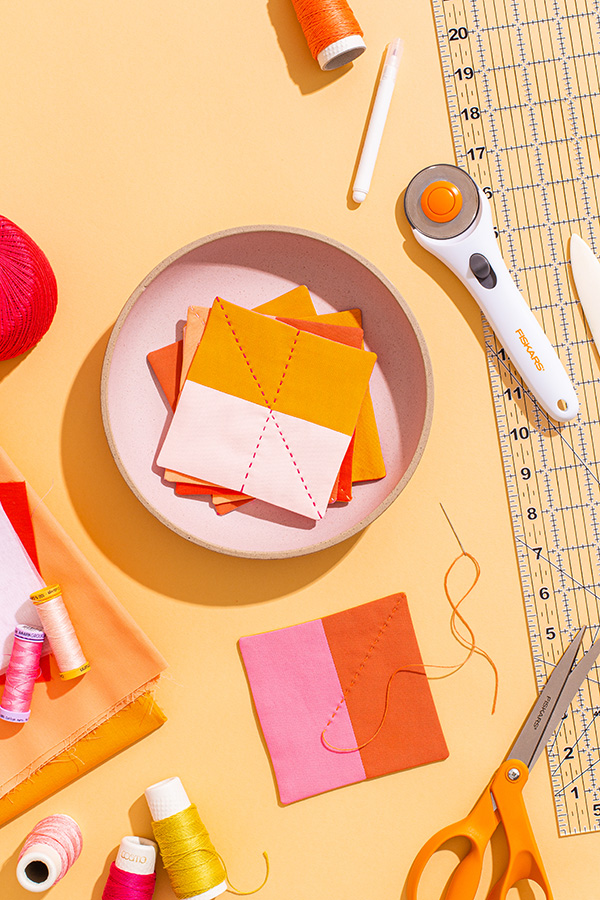
After trimming the corners to reduce bulk, the coaster is flipped right-side out. A point turner or bamboo skewer is utilized to ensure the corners are sharp and geometric. The final aesthetic touch involves the "Sashiko" style hand-quilting. Using a running stitch down the center, the maker adds a tactile, human element to the piece. This "slow stitching" technique is a hallmark of modern textile design, signaling a move away from the perfection of machine-only production toward a more "Wabi-sabi" or intentionally handcrafted look.
Economic and Cultural Impact of Textile Hobbies
The implications of such DIY projects extend beyond simple home decoration. The resurgence of quilting and sewing has significant implications for the textile industry. As more consumers engage in home-based manufacturing, there is a corresponding increase in the demand for high-quality, ethically sourced cotton and specialized notions.
Furthermore, the "hand-quilted" aspect of the project taps into a growing movement focused on mental health and wellness. Studies have shown that repetitive, tactile tasks like hand-sewing can lower cortisol levels and improve cognitive focus. This "craft therapy" has become a vital component of the modern lifestyle, particularly for urban dwellers seeking a disconnect from digital environments.
Sustainability and the "Zero Waste" Movement
From an environmental perspective, the patchwork style is inherently aligned with the "zero waste" movement. Patchwork, by its very nature, originated as a way to utilize fabric scraps that would otherwise be discarded. While this specific project suggests purchasing new quilting cotton, the techniques taught are easily transferable to upcycling old garments or linens.

The durability of the materials used—cotton and Sashiko thread—ensures that these coasters have a longer lifecycle than disposable or cheap plastic alternatives. As sustainability becomes a primary driver in consumer decision-making, projects that teach the skills of repair, reinforcement (through quilting), and creative reuse are seeing heightened engagement across social media platforms and educational workshops.
Analysis of the Broader Implications for the Retail Sector
For retailers like Fiskars, these collaborative tutorials are more than just marketing; they are an investment in the "skill-building" of their consumer base. By providing clear, achievable projects, brands foster a sense of competency in the user, which in turn leads to long-term brand loyalty and continued investment in the hobby.
The success of the "Modern Patchwork Coaster" initiative suggests that the future of the DIY industry lies in the fusion of high-end tools and accessible, trendy designs. As we move further into the decade, we can expect to see more "hybrid" projects that combine the efficiency of modern machinery (sewing machines, rotary cutters) with the prestige and mindfulness of traditional hand-finishing.
In conclusion, the partnership between Fiskars and the creative community to produce seasonal, modern patchwork decor represents a sophisticated response to the current cultural climate. It addresses the consumer’s desire for warmth, domesticity, and creative expression while reinforcing the importance of precision and quality in the tools used to achieve those ends. As the "maker" identity continues to evolve, projects like these serve as the blueprint for a more thoughtful, tactile, and aesthetically conscious home environment.


