
The landscape of Mother’s Day consumer behavior has undergone a significant transformation in recent years, pivoting from traditional external celebrations, such as brunch and formal gatherings, toward a more localized, wellness-centric approach. This shift is characterized by a growing demand for "everyday luxuries"—items and experiences that facilitate rest, recovery, and domestic comfort. Industry leaders in the sleep and home goods sectors, such as Purple, have identified this trend, increasingly positioning their products as essential components of a holistic gifting strategy that prioritizes maternal well-being. By integrating high-performance sleep technology with lifestyle-oriented personalization, retailers are redefining what it means to honor mothers in a post-pandemic economy where the home remains the primary sanctuary.
The Economic Scale and Evolution of Mother’s Day Spending
Mother’s Day represents one of the most significant commercial periods for the global retail sector. According to data from the National Retail Federation (NRF), annual spending on Mother’s Day in the United States consistently reaches record-breaking heights, often exceeding $30 billion. While jewelry and special outings remain top categories, there has been a measurable surge in "housewares" and "personal services." Market analysts suggest that consumers are increasingly looking for gifts that provide long-term utility rather than ephemeral satisfaction.

The average consumer spend per person has risen steadily, reflecting a deeper emotional and financial investment in the holiday. This economic trend is mirrored by a change in consumer sentiment. Surveys indicate that a significant portion of mothers prefer "time off" and "rest" over traditional material goods. Consequently, brands that can bridge the gap between a physical product and a restful experience—such as high-quality bedding, lounge wear, and home wellness technology—are capturing a larger share of the market.
The Rise of the Sleep Economy and Technical Innovation
At the center of this shift toward wellness is the "sleep economy," a multi-billion-dollar industry dedicated to improving the quality of human rest through scientific innovation. Brands like Purple have disrupted the traditional mattress and bedding market by introducing proprietary materials, such as the Hyper-Elastic Polymer used in their "Purple Grid." This focus on pressure relief and temperature regulation has elevated bedding from a commodity to a health-focused investment.
For Mother’s Day 2021 and beyond, the focus has expanded from the mattress itself to the peripheral elements of the sleep environment. This includes "Harmony" pillows, which utilize honeycomb-patterned materials to provide neck support, and "SoftStretch" sheets made from knit jersey fabrics. The technical objective of these products is to create a frictionless sleep environment. When marketed as Mother’s Day gifts, these items are framed as "restorative tools" that acknowledge the labor of motherhood by providing a tangible means of physical recovery.
Strategic Brand Collaborations: The Intersection of Fashion and Function
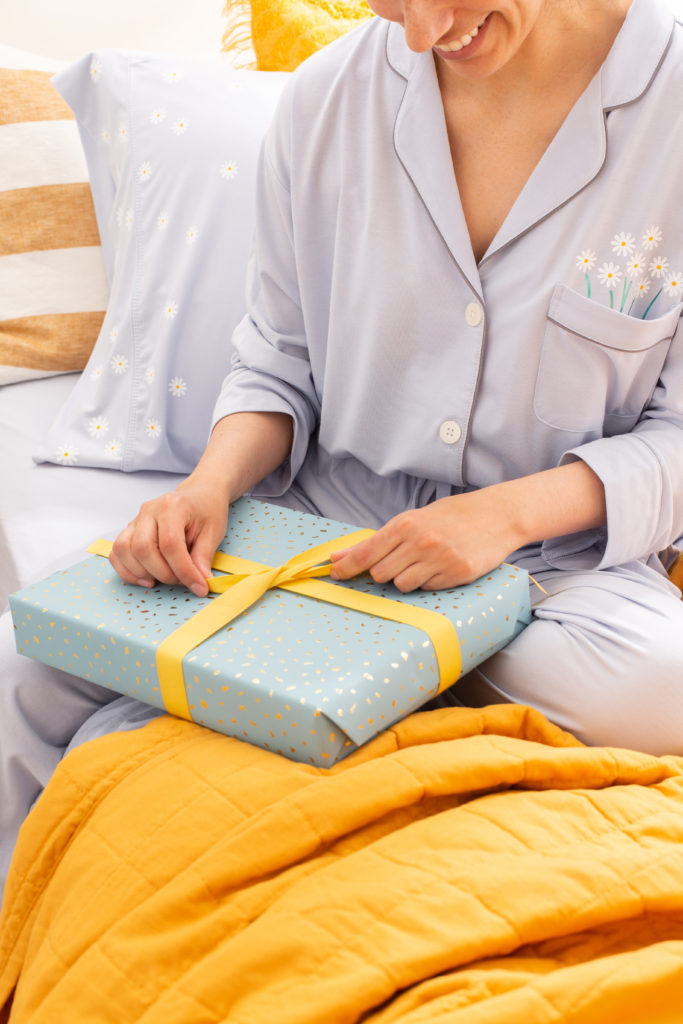
To further capitalize on the lifestyle aspect of maternal rest, technical brands are increasingly engaging in strategic collaborations with fashion-forward labels. A notable example is the partnership between Purple and Sleepy Jones, a company specializing in classic, high-end loungewear. By combining Purple’s focus on material science with Sleepy Jones’ aesthetic expertise, the collaboration produced a line of pajamas that emphasizes both style and tactile comfort.
These collaborations serve a dual purpose: they broaden the brand’s reach into the fashion demographic while reinforcing the idea that "lounging" is a valid and luxurious activity. From a journalistic perspective, this represents a move toward "lifestyle integration," where a brand is no longer just a mattress manufacturer but a curator of the entire home experience. This strategy is particularly effective for Mother’s Day, as it allows gift-givers to present a "complete package" of comfort—ranging from the clothes worn to bed to the sheets and pillows that support the body.
The Personalization Trend and the DIY Movement
A critical component of modern retail strategy is the inclusion of personalization. Data from consumer research firms like McKinsey & Company suggest that personalized gifts have a significantly higher perceived value and emotional resonance. In the context of Mother’s Day, this often manifests as "Do-It-Yourself" (DIY) enhancements to purchased goods.
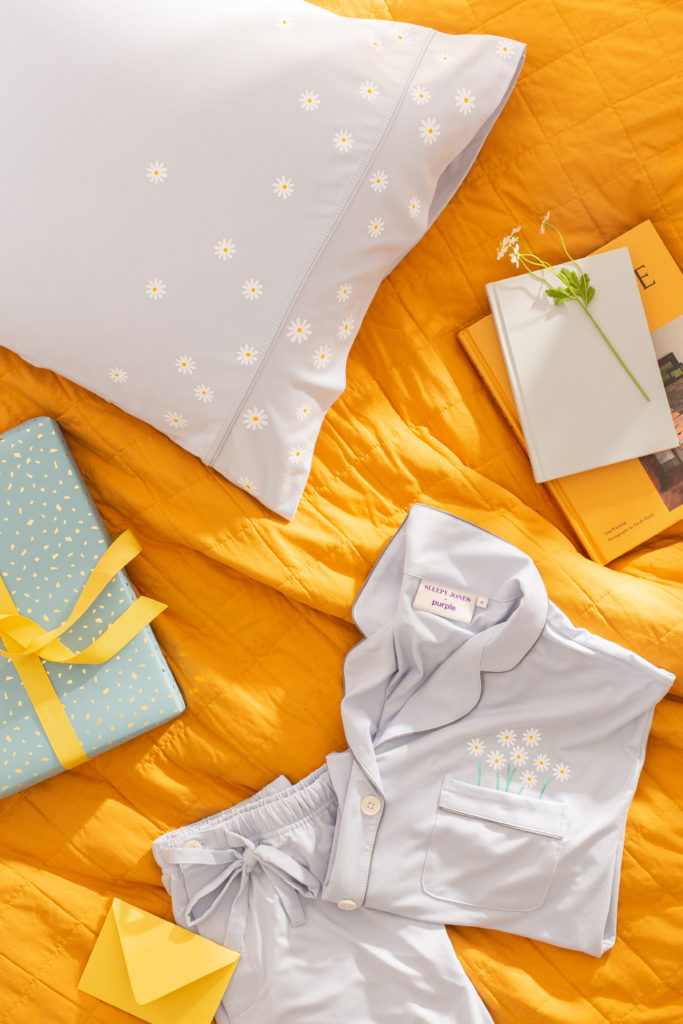
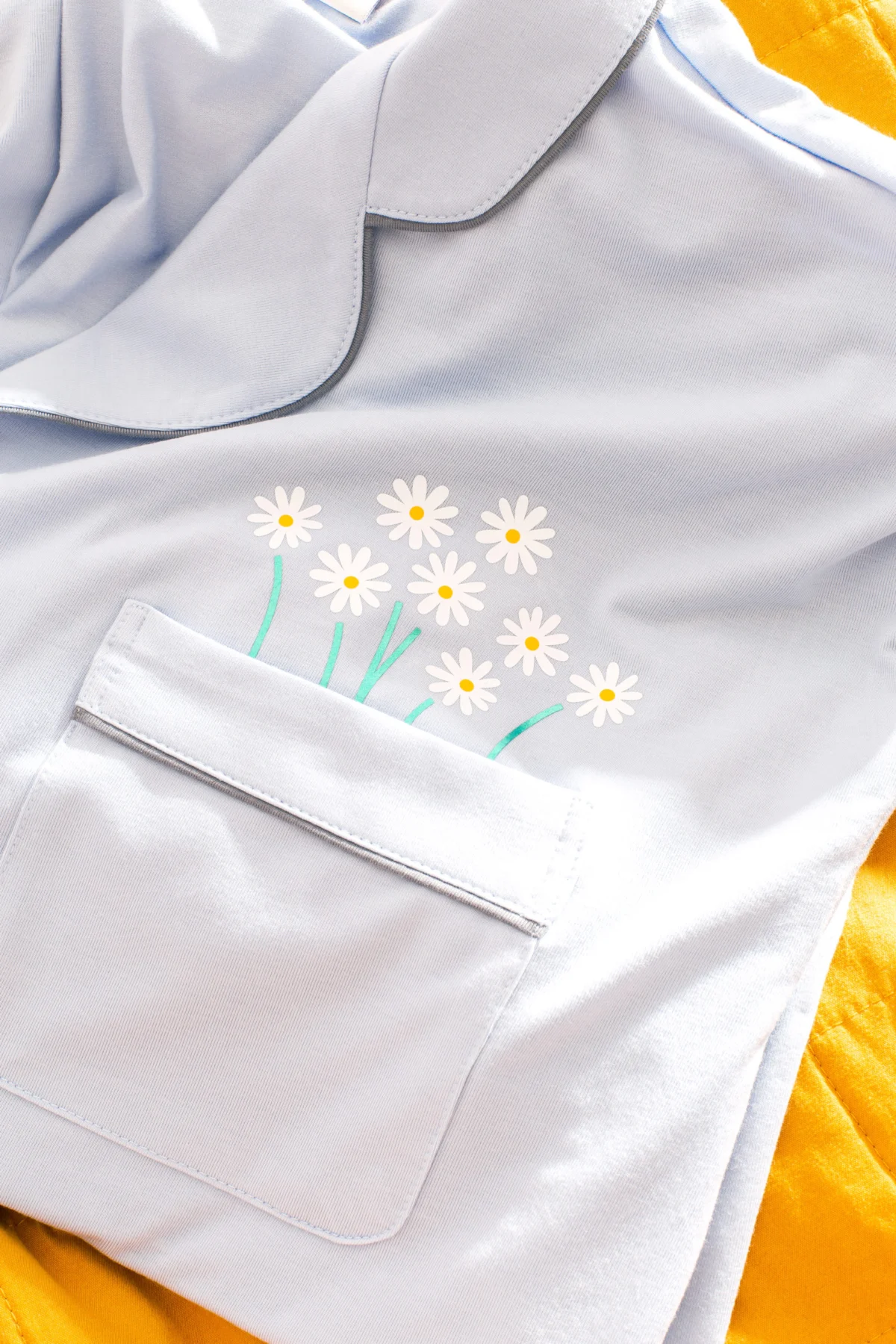
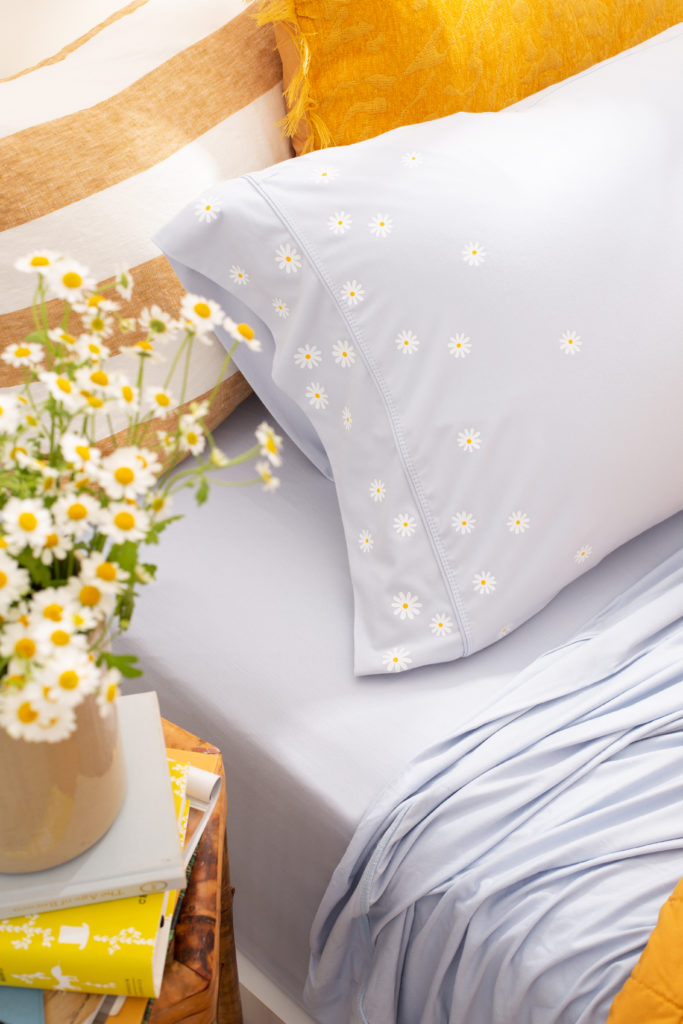
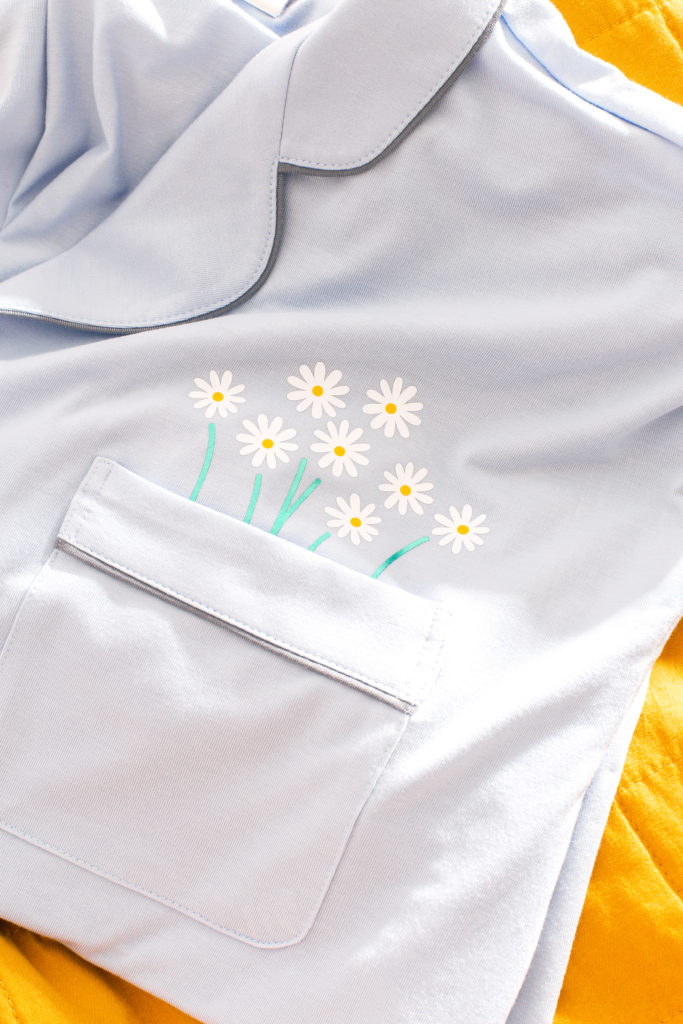
The resurgence of 1990s-inspired aesthetics, such as daisy prints and floral motifs, has provided a template for this personalization. Retailers and lifestyle influencers have encouraged consumers to use craft technology—such as vinyl cutters and heat-press tools—to customize basic items like pajama pockets or pillowcases. This "Daisy DIY" trend serves as a bridge between mass-produced luxury and the "thoughtful, handmade" sentiment traditionally associated with the holiday.
The Personalization Process: A Case Study in Customization
The process of transforming a standard garment into a personalized Mother’s Day gift involves several technical steps that reflect the broader "maker" culture currently influencing retail:
- Measurement and Design Scaling: Using software to size artwork—such as floral templates—to fit specific garment dimensions like pockets or borders.
- Material Selection: Utilizing multi-colored iron-on vinyl to create depth and visual interest.
- Thermal Application: Applying controlled heat to adhere the vinyl to knit fabrics, ensuring the bond is durable enough for regular laundering.
- Layering Techniques: Successive applications of different vinyl components (stems, petals, and centers) to create a professional-grade, multi-dimensional aesthetic.
This move toward customization allows brands to remain relevant in a market that increasingly values "unique" over "uniform."

The Psychology of Rest as a Gift
Beyond the physical products, there is a profound psychological shift in how "care" is communicated. For many families, the ultimate gift for a mother is the removal of domestic responsibilities and the provision of "quiet time." This includes simple gestures like "letting her catch a few extra Zs" or providing a freshly made bed.
Psychologists suggest that the "luxury of time" is one of the most sought-after commodities for parents. By gifting items that facilitate sleep—such as a new set of PJs or a high-tech pillow—the giver is effectively granting the recipient "permission" to rest. This internalizes the celebration of Mother’s Day as a private, restorative event rather than a public, performative one.
Historical Context: From Anna Jarvis to Modern Commercialization
To understand the current state of Mother’s Day, it is necessary to look at its historical trajectory. The holiday was officially established in the United States in the early 20th century by Anna Jarvis, who originally intended it to be a day of quiet reflection and a tribute to the sacrifices mothers make for their children. However, Jarvis herself eventually became a vocal critic of the holiday’s commercialization, lamenting that it had become a "lucrative gold mine" for florists and greeting card companies.
In the 21st century, the commercialization has not slowed, but it has evolved. We are seeing a return to Jarvis’s original concept of "quiet tribute," albeit through the lens of modern consumerism. The emphasis on "restful time at home" and "simple luxuries" can be seen as a modern synthesis of Jarvis’s sentimental vision and the realities of a globalized retail economy.
Broader Impact and Industry Implications
The shift toward home-centric Mother’s Day gifting has broader implications for the retail calendar. The second quarter of the fiscal year is now heavily anchored by Mother’s Day, Father’s Day, and graduation season, all of which are seeing a similar trend toward "wellness" and "utility" gifts.
For companies like Purple, the success of Mother’s Day campaigns—often bolstered by targeted discount codes and influencer partnerships—provides a blueprint for year-round engagement. The use of promotional incentives, such as the "OHD10" code offering a 10% discount, serves to lower the barrier to entry for high-ticket items like mattresses and premium pillows, effectively converting one-time holiday shoppers into long-term brand advocates.
Furthermore, the integration of fresh florals into home spaces—such as placing "bedroom blooms" on a nightstand—highlights a cross-industry synergy between the floral and home décor sectors. This suggests that future marketing efforts will likely continue to blur the lines between different product categories to create a unified "lifestyle" narrative.
Conclusion
Mother’s Day has evolved into a sophisticated intersection of material science, psychological wellness, and personalized sentiment. As consumers move away from the frantic pace of external celebrations, the focus has sharpened on the domestic sphere. Brands that prioritize the "luxury of rest" and provide tools for personalization are not merely selling products; they are participating in a broader cultural movement that redefines maternal appreciation through the lens of health and tranquility. In this new era, the most valued gift is no longer just a bouquet or a card, but the tangible opportunity for a mother to reclaim her time and her well-being within the comfort of her own home.


