

The preservation of dairy products has long been a challenge for food scientists and home preservation enthusiasts alike, primarily due to the high moisture and fat content inherent in milk-based goods. While liquid milk and soft cheeses require constant refrigeration to prevent microbial spoilage, the process of dehydration offers a viable pathway for extending the utility of hard cheeses. Among these, Parmesan cheese stands out as a primary candidate for home-based dehydration, providing a concentrated source of protein and flavor that is particularly suited for emergency preparedness, outdoor recreation, and specialized culinary applications.
The Evolution of Dairy Preservation and the Role of Dehydration
Food preservation is an ancient necessity that has evolved from rudimentary sun-drying and salt-curing to sophisticated mechanical dehydration and freeze-drying. In the context of dairy, the primary goal is the reduction of water activity ($a_w$). Water activity is a measure of the energy status of water in a system; by lowering this value, practitioners can inhibit the growth of bacteria, yeast, and mold.
Hard cheeses like Parmesan (traditionally Parmigiano-Reggiano) already possess a lower moisture content than their softer counterparts, such as Brie or Mozzarella. This lower baseline moisture is a result of the traditional aging process, which can last from 12 to 36 months. During this time, moisture naturally evaporates, and the cheese develops its characteristic granular texture. By further dehydrating this cheese in a controlled environment, the shelf life can be extended significantly beyond its refrigerated expiration date, provided the fat content is managed correctly.
The Technical Methodology of Dehydrating Parmesan Cheese
The process of dehydrating Parmesan cheese requires precision to ensure the product remains edible and safe. Unlike fruits or vegetables, cheese contains high levels of lipids (fats), which do not evaporate. Instead, these fats tend to "sweat" or liquefy when exposed to the heat of a dehydrator.
Preparation and Selection
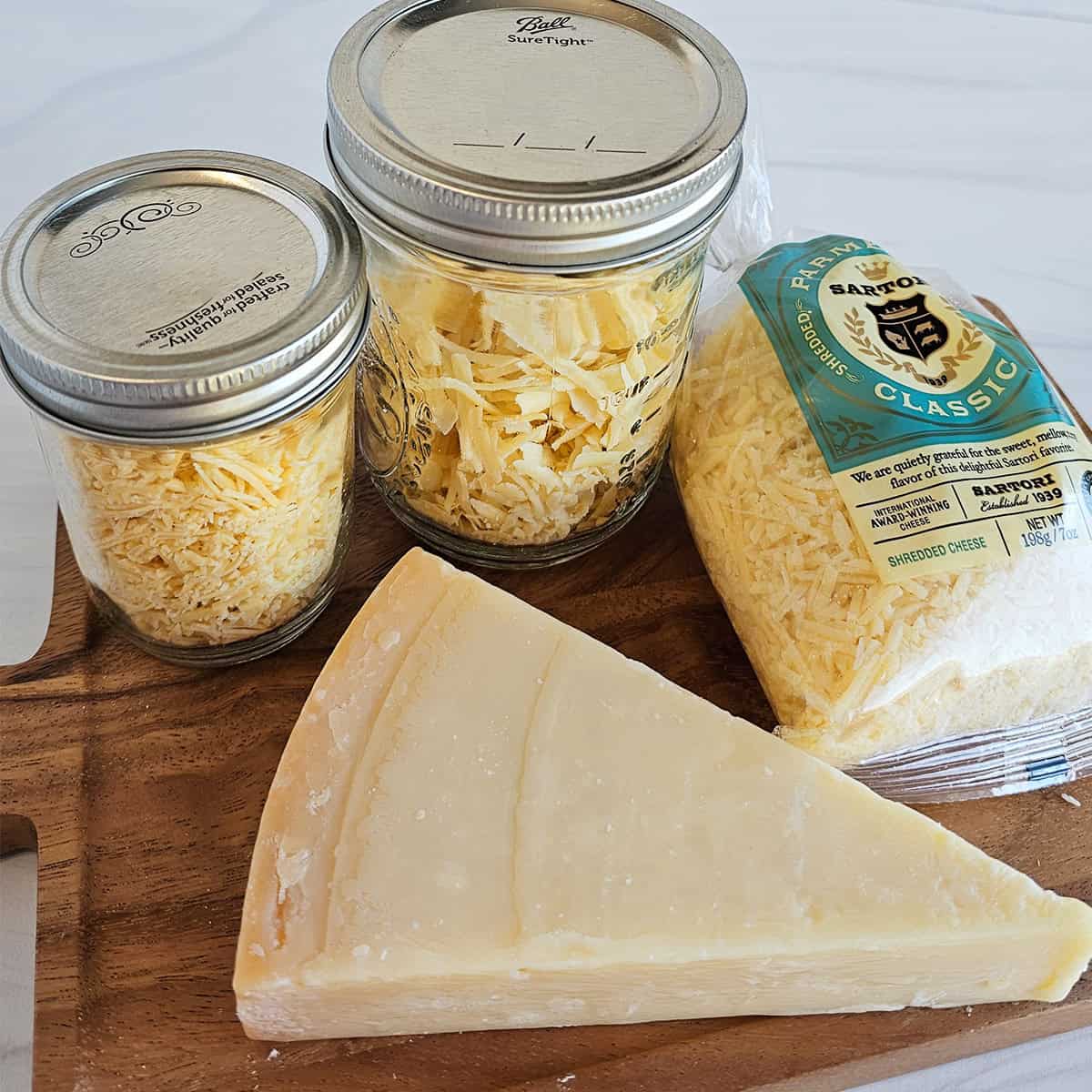
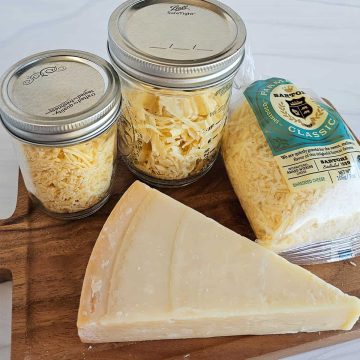
The quality of the final product is directly tethered to the quality of the starting material. Expert practitioners, such as Darcy Baldwin, author of Dehydrating Basics & Journal, emphasize the use of high-quality hard cheeses. While pre-shredded Parmesan is often used for convenience, it frequently contains anti-caking agents like cellulose. While these agents do not prevent dehydration, they can slightly alter the texture of the rehydrated product. Freshly grated wedges of Parmesan are often preferred for a purer result.
The Dehydration Cycle
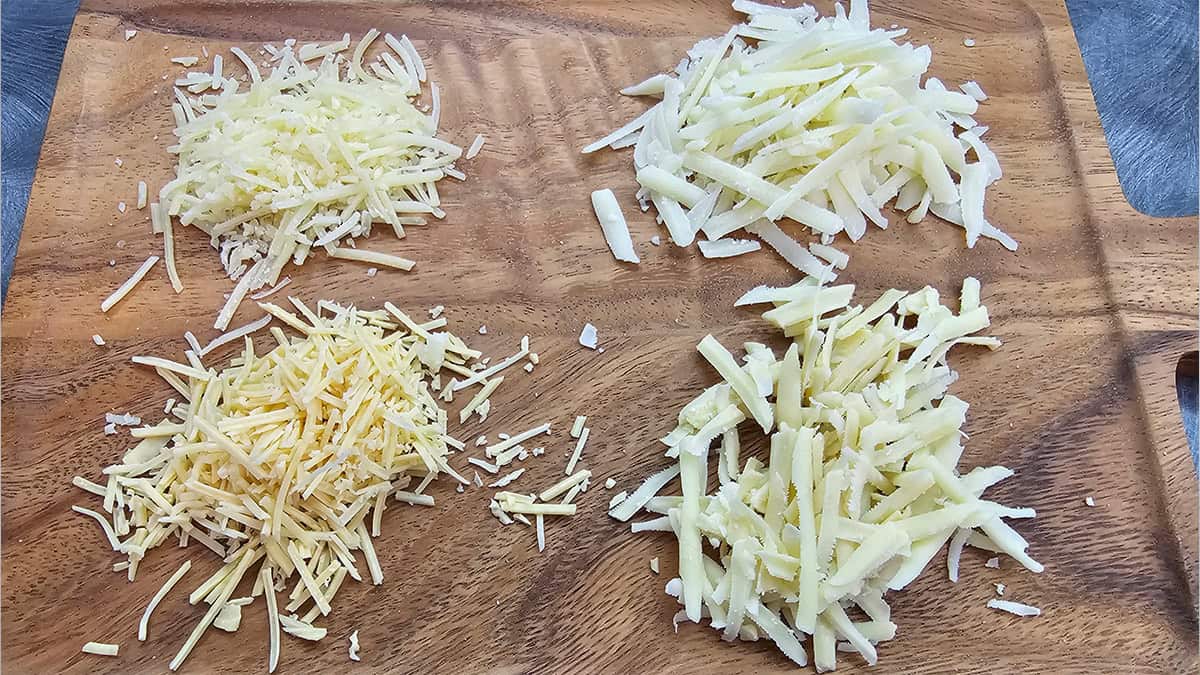
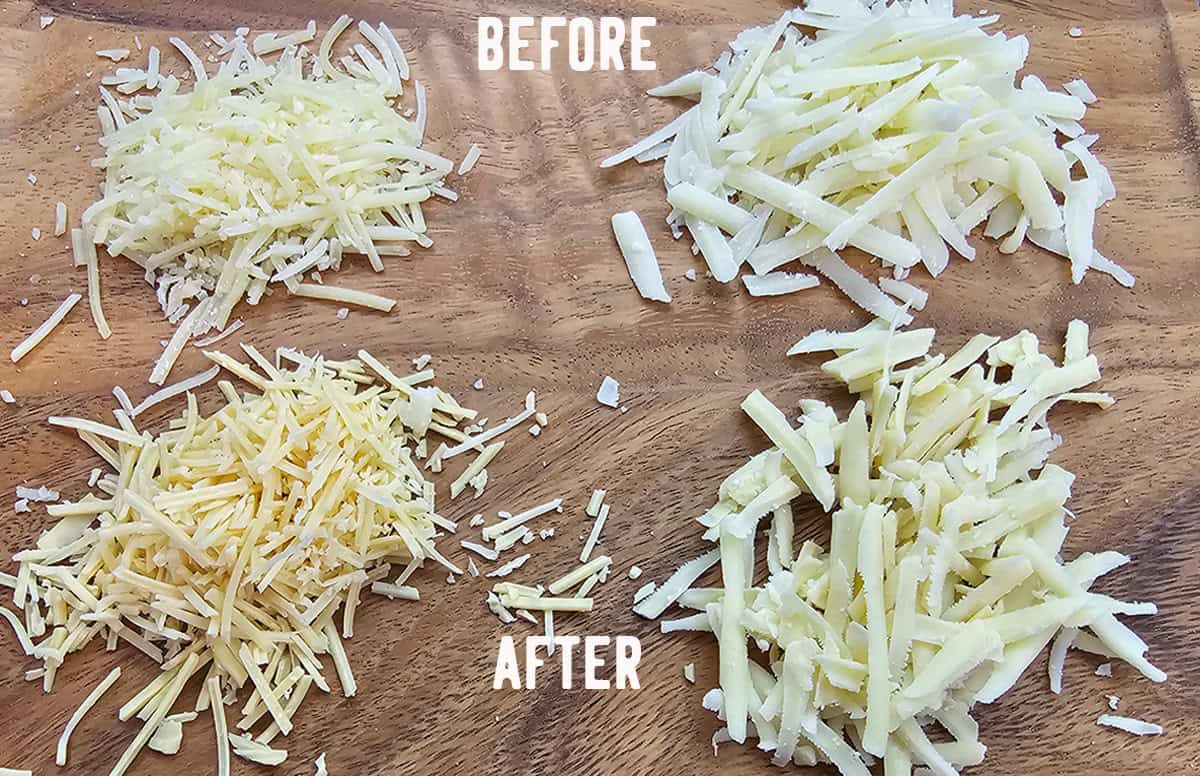
The standard procedure involves spreading shredded Parmesan in thin, uniform layers across dehydrator trays. Because cheese is susceptible to melting if temperatures are too high, a consistent temperature—typically between 125°F and 135°F (52°C to 57°C)—is recommended.
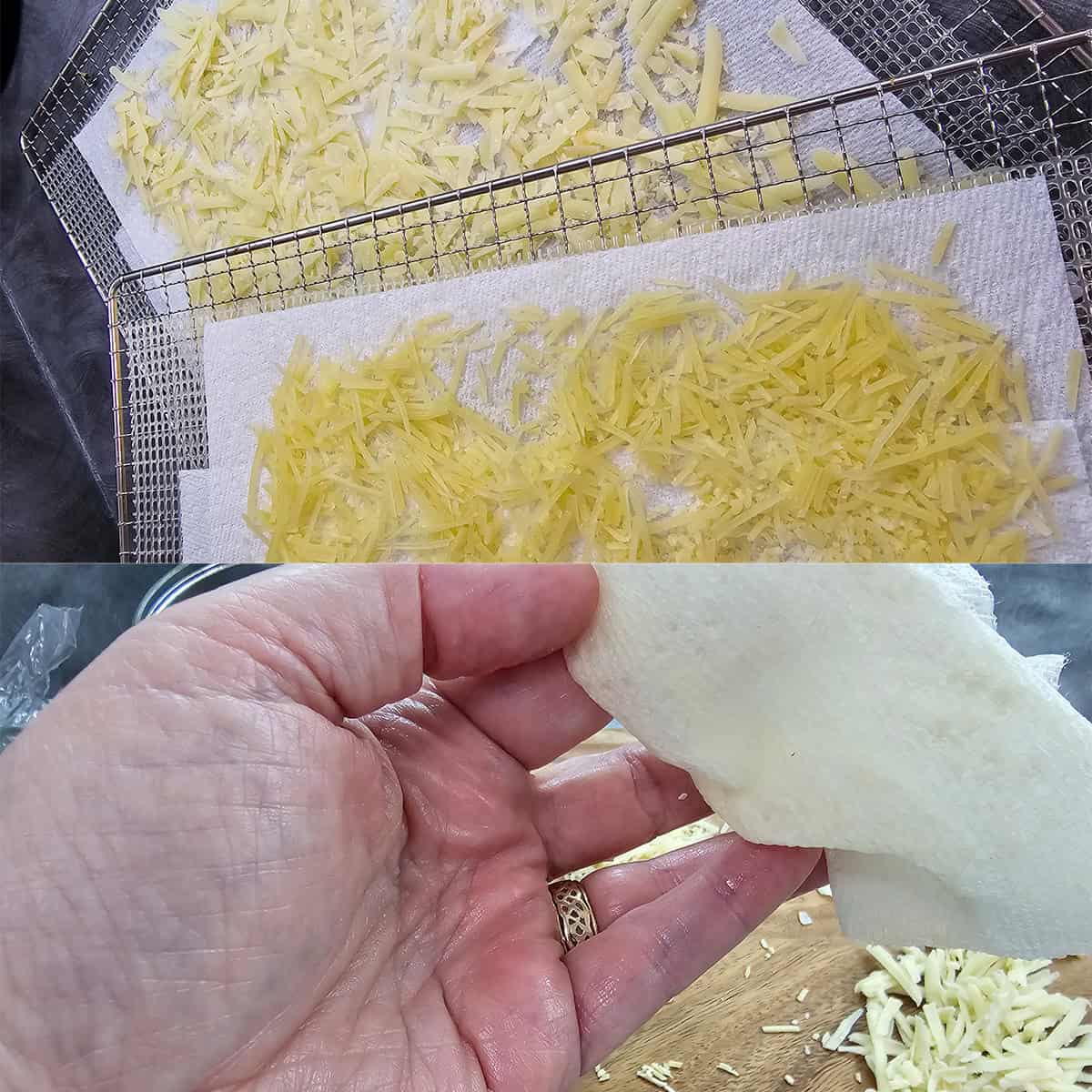
A critical step in this methodology is the "fat management phase." As the cheese warms, oil will rise to the surface. To mitigate the risk of rancidity, the cheese must be periodically blotted with clean, lint-free paper towels. This physical removal of surface lipids is essential, as the home dehydration process cannot remove internal fats. The cycle continues until the cheese is brittle and no longer feels oily to the touch, a process that typically spans 6 to 12 hours depending on humidity and the specific dehydrator model used.
Scientific Analysis of Fat Oxidation and Shelf-Stable Limitations
A common misconception in the food preservation community is that dehydrated cheese is indefinitely shelf-stable at room temperature. This is factually incorrect due to the chemical process of oxidation.
The Fat Factor
While dehydration effectively removes the water content required for microbial growth, it leaves the fat molecules intact. When fats are exposed to oxygen over time, they undergo a chemical breakdown known as oxidative rancidity. This process produces off-flavors and unpleasant odors, rendering the cheese unpalatable.
Storage Parameters
Because of the persistence of fats, dehydrated Parmesan is categorized as a "short-term" shelf-stable item. In a vacuum-sealed, airtight container kept in a cool, dark pantry, the product may remain viable for six to twelve months. However, to maximize longevity and prevent oxidation, storage in a refrigerator or freezer is recommended. Cold storage slows the kinetic energy of the molecules, significantly delaying the onset of rancidity.
Comparative Suitability: Hard vs. Soft Cheeses
Not all dairy products respond equally to the dehydration process. The distinction between hard and soft cheeses is vital for safety and quality control.
- Hard Cheeses (Parmesan, Romano, Asiago): These varieties have low moisture and high protein density. They maintain their structure well during dehydration and are less prone to complete melting, making them the gold standard for this preservation method.
- Semi-Hard Cheeses (Cheddar, Swiss): These can be dehydrated but require more frequent blotting of fats. They are more likely to clump and require lower temperatures to prevent a total loss of form.
- Soft Cheeses (Mozzarella, Brie, Cream Cheese): These are generally considered unsuitable for standard dehydration. Their high moisture and fat ratios often result in a melted mass rather than distinct, dried shreds. For these varieties, freeze-drying—a process involving sublimation—is the only effective preservation method.
Practical Applications in Modern Logistics and Nutrition
The utility of dehydrated Parmesan extends beyond simple storage. It has become a staple in several specific sectors:
Outdoor Recreation and Backpacking
For long-distance hikers and campers, weight is a primary concern. Dehydrated Parmesan provides a high-calorie, high-protein punch (approximately 7 grams of protein per ounce) without the weight of water or the need for heavy refrigeration equipment. It serves as a flavor enhancer for lightweight grains and pasta.
Emergency Preparedness and "Meals in a Jar"
The "prepper" community and advocates for food security utilize dehydrated cheese to create "meals in a jar." These are pre-assembled, dry ingredients that require only water and heat to prepare. By including a shelf-stable dairy component, these meals provide a more balanced nutritional profile and a sense of culinary normalcy during crisis situations.
Nutritional Concentration
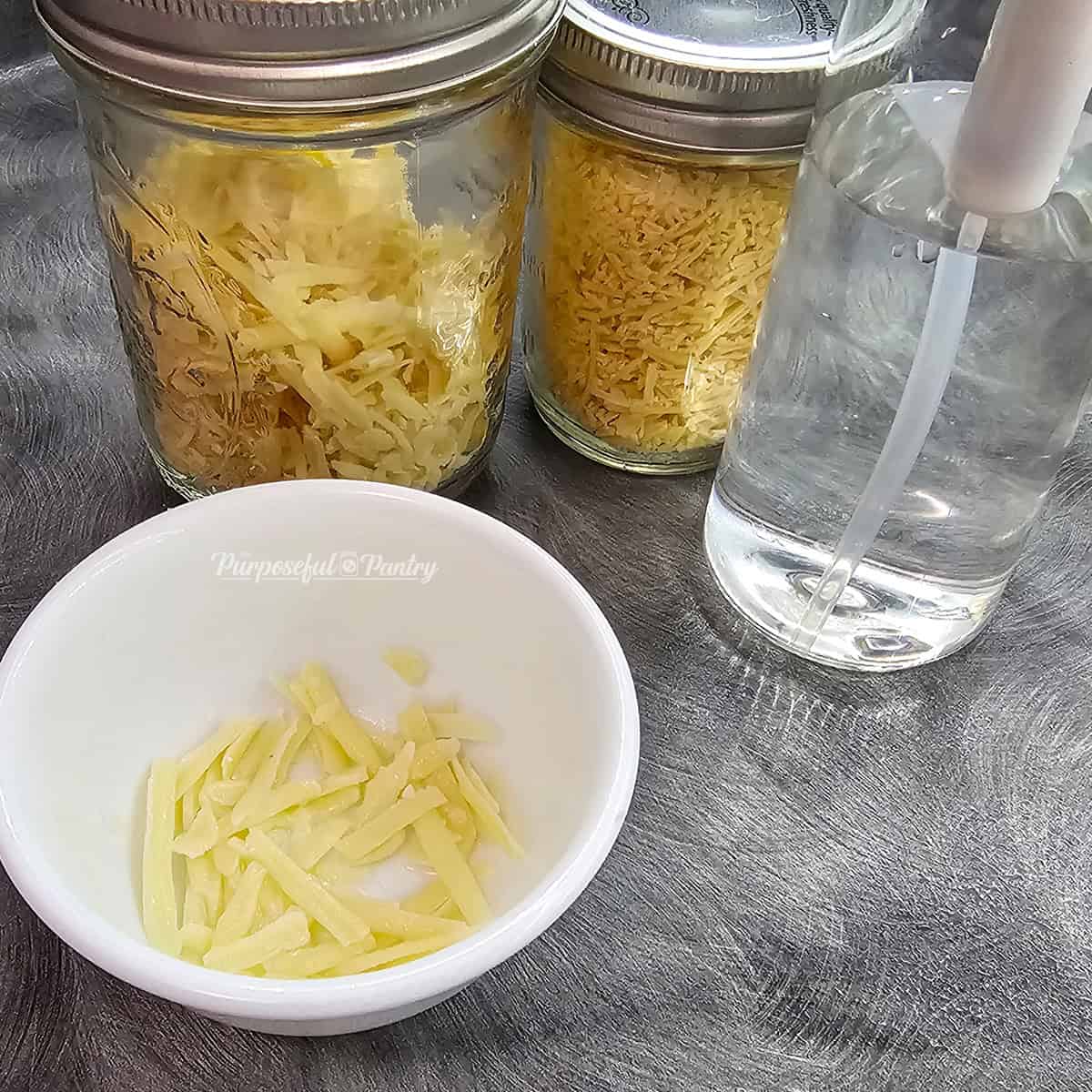
Nutritional data indicates that dehydration concentrates the components of the cheese. For instance, an ounce of fresh Parmesan contains roughly 105 calories and 438mg of sodium. When dehydrated, the volume shrinks, but the nutrient density remains. A general rule of thumb used by food preservationists is the 1:4 ratio: the nutrients found in one cup of fresh product are concentrated into approximately 1/4 cup of the dried equivalent.
Expert Perspectives and Community Impact
Darcy Baldwin, a prominent figure in the food preservation space and creator of The Purposeful Pantry, has been instrumental in educating the public on these methods. Baldwin’s approach emphasizes the intersection of traditional wisdom and modern safety standards. Her advocacy for "stocking pantries well" reflects a broader societal shift toward self-sufficiency and a reduction in food waste.
In a recent analysis of food trends, it was noted that home food preservation has seen a resurgence as a response to global supply chain instabilities. By mastering the dehydration of staples like Parmesan, consumers can buy in bulk when prices are low and preserve the surplus for future use, thereby insulating themselves from market volatility.
Implications for Food Waste Reduction
The environmental and economic implications of cheese dehydration are significant. According to various food waste studies, dairy products are among the most frequently discarded items in residential kitchens. Dehydration offers a "rescue" mechanism for cheese that is nearing its expiration date but has not yet developed spoilage. By converting a perishable wedge into a shelf-stable seasoning or snack, households can significantly reduce their carbon footprint and grocery expenditures.
Technical Summary of Rehydration and Culinary Use
For those intending to use dehydrated Parmesan in traditional cooking, the rehydration process is straightforward but requires patience.
- Direct Incorporation: In soups, stews, or sauces, the dried shreds can be added directly. The ambient moisture and heat of the dish will re-incorporate the cheese, though it may retain a slightly firmer "al dente" texture compared to fresh cheese.
- Water Bath Rehydration: For use in salads or as a topping, the cheese can be placed in a small bowl with a few teaspoons of warm water, allowing it to sit for 15 to 30 minutes until the desired texture is achieved.
- Dry Application: Many users prefer the "crunch" of the dehydrated product, using it as a high-protein snack or a textured topping for roasted vegetables and popcorn.
Conclusion
The dehydration of Parmesan cheese represents a sophisticated synergy between culinary art and food science. While it does not offer the multi-decade shelf life of commercially freeze-dried products, it provides a accessible, cost-effective, and nutritionally dense option for short-term preservation. By understanding the limitations of fat oxidation and adhering to rigorous temperature and hygiene standards, individuals can successfully expand their pantry’s capabilities, ensuring that high-quality dairy remains available regardless of refrigeration constraints. As the global interest in food security continues to grow, such methods will likely move from the niche "prepper" community into the mainstream of domestic kitchen management.


