
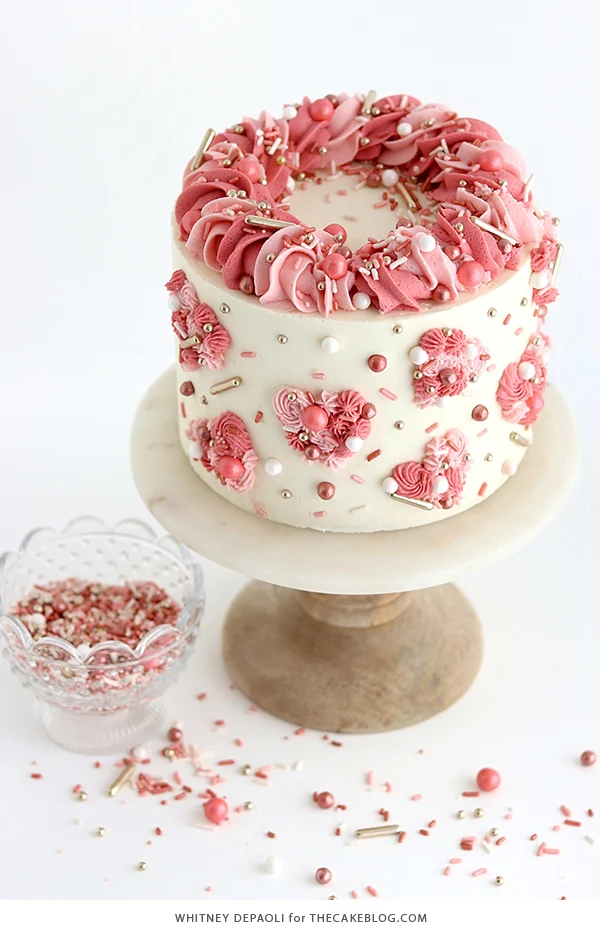
In the evolving landscape of celebratory confections, a new tutorial by contributor Whitney DePaoli offers a fresh perspective on traditional Valentine’s Day cake decorating. The technique, focusing on "piped hearts full of texture and color," reimagines classic heart motifs and pink color palettes with a modern flair. This innovative approach, inspired by the artistry of Instagram baker @frostedfujicakes, provides a visually striking and accessible method for creating custom Valentine’s Day cakes, suitable for romantic gestures or festive gatherings.
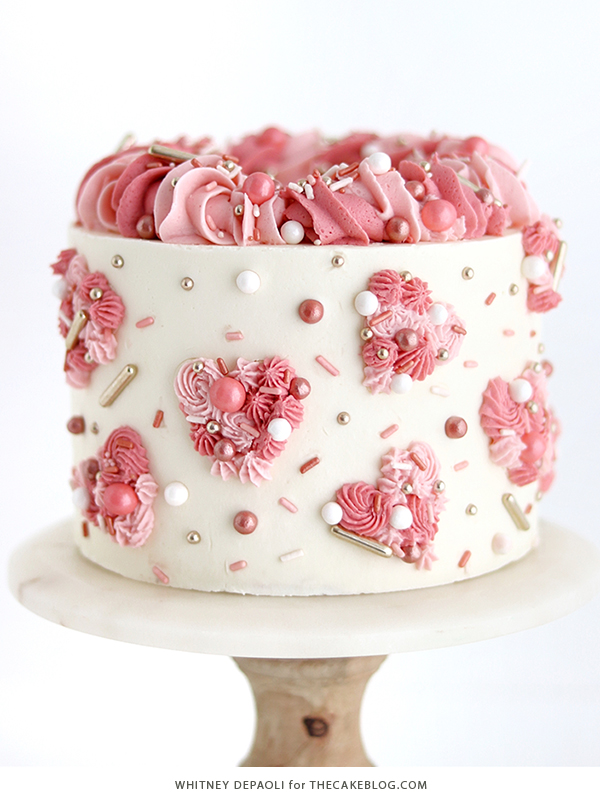
The Art of Textured Buttercream Hearts
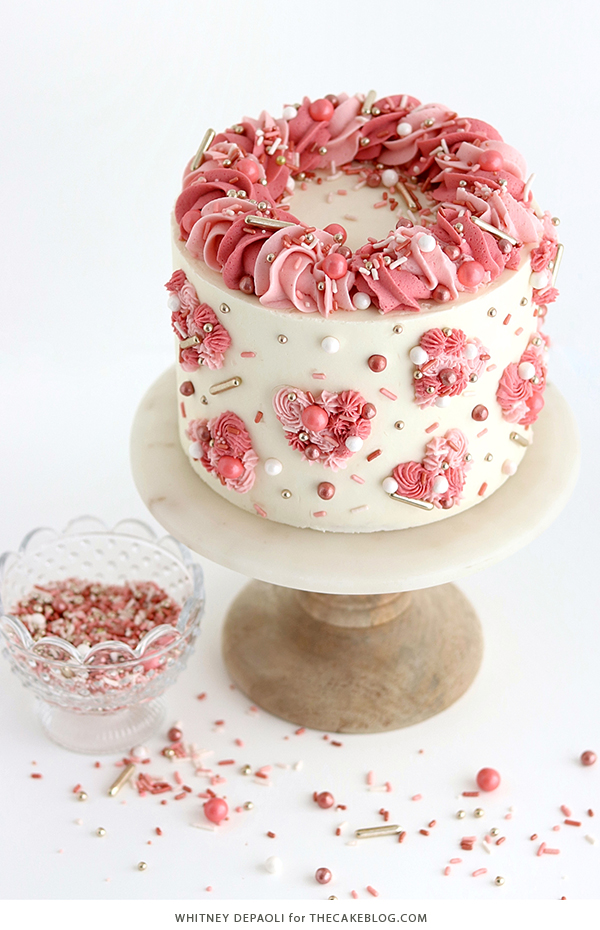
DePaoli’s method centers on imprinting heart shapes onto a frosted cake and then meticulously filling these impressions with piped buttercream. This is further enhanced by the strategic application of decorative sprinkles, adding layers of visual and textural interest. The tutorial showcases a rose gold color palette, demonstrating how to achieve sophisticated pink tones in both the buttercream and accompanying sprinkles. However, the underlying technique is remarkably adaptable, allowing for a wide spectrum of color choices beyond the conventional Valentine’s Day hues, encouraging bakers to explore their own creative visions.
The foundation of this technique lies in the buttercream itself. DePaoli specifies that any tintable and pipeable buttercream will suffice, with her personal preference leaning towards American buttercream. This versatility ensures that bakers can utilize their preferred frosting recipe while still achieving the desired aesthetic. The resulting cake design is positioned as an ideal centerpiece for Valentine’s Day celebrations, capable of impressing guests at parties or serving as a thoughtful, handcrafted gift.
A Step-by-Step Guide to Creating Textured Hearts
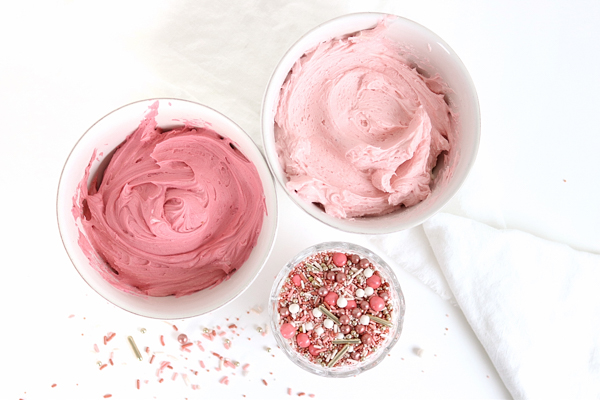
The tutorial breaks down the process into distinct, manageable steps, beginning with the preparation of the buttercream. Two separate bowls are used to divide the buttercream, which is then tinted with food coloring gels. DePaoli opts for Americolor Dusty Rose to achieve the desired pink shades, emphasizing the importance of achieving a color palette that complements the chosen sprinkle mix.
Color and Prep the Buttercream:
The initial step involves dividing the prepared buttercream into two portions. Each portion is then meticulously tinted using food coloring gels. For the featured rose gold theme, Americolor Dusty Rose is utilized to create nuanced pink tones. This stage highlights the importance of color selection in setting the overall mood and aesthetic of the cake.
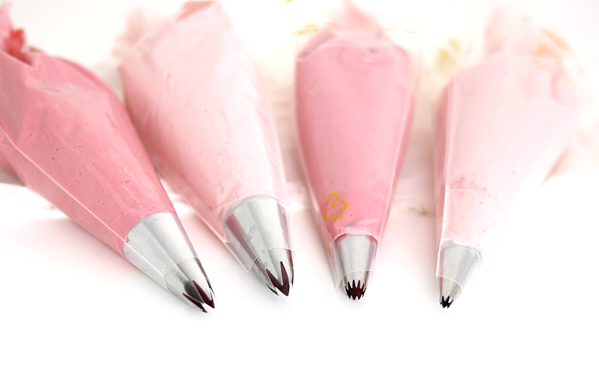
Following the tinting process, four piping bags are prepared. Two are fitted with piping tip 1M, one with tip 199, and one with tip 21. The tinted buttercream is then distributed: half of the first color is placed into a piping bag fitted with tip 1M, and the remaining half of that color goes into the bag with tip 199. The second color of buttercream is divided equally among the remaining two piping bags. This systematic distribution ensures a variety of textures and applications for the piped elements. DePaoli notes that for a monochromatic design, fewer piping bags fitted with tip 1M would be necessary, further underscoring the adaptability of the technique.
Imprint the Hearts:
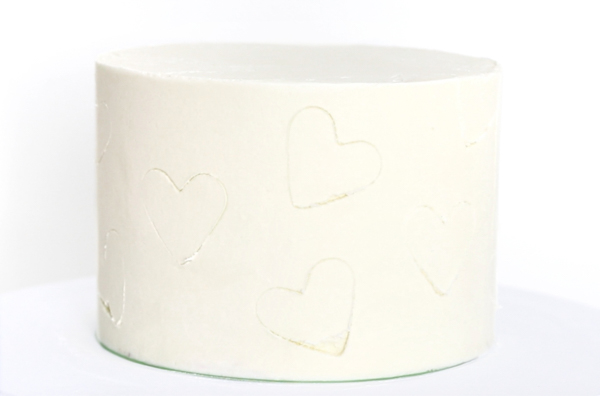
With the cake frosted and chilled, the next crucial step involves imprinting the heart shapes. A heart-shaped cookie cutter is used to create distinct impressions on the cake’s surface, arranged in a seemingly random pattern. The tutorial advises spacing these imprints at least two inches apart to avoid a cluttered appearance and to allow ample room for the subsequent piping and embellishments. This creates a subtle, yet defined, canvas for the decorative elements to come.
Fill Hearts with Piping:
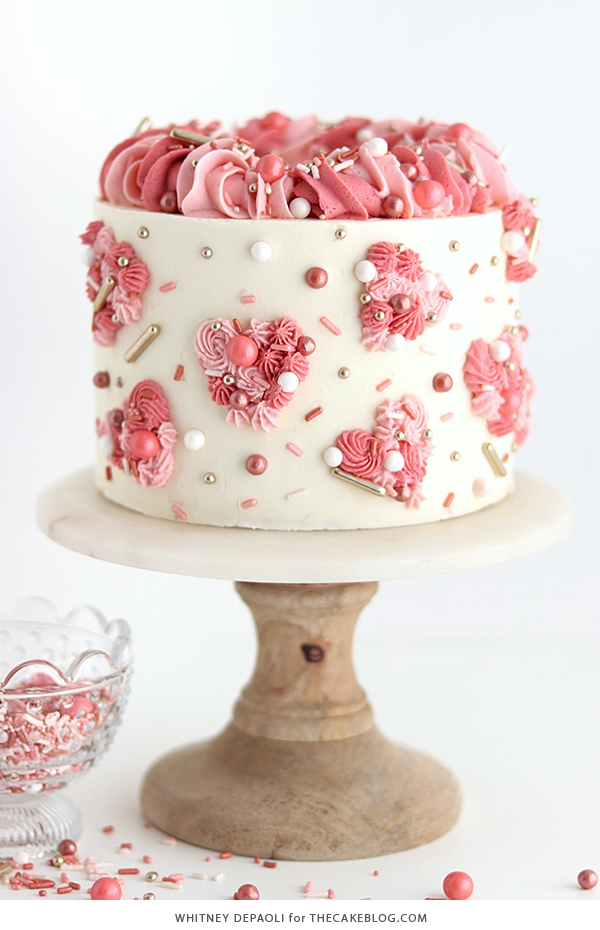
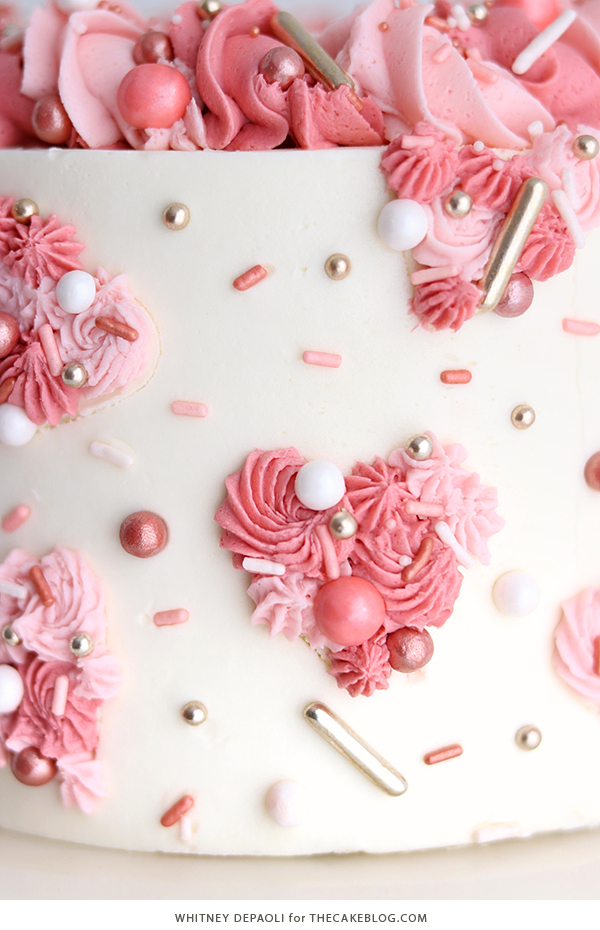
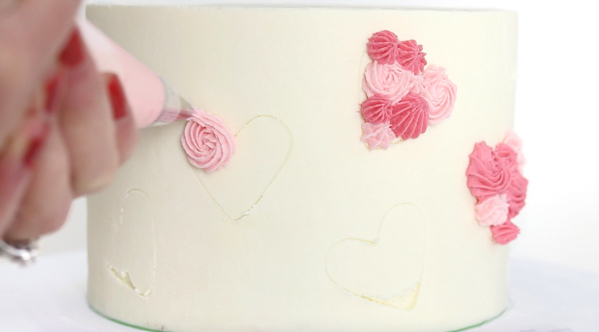
The imprints are then transformed through the artful application of piped buttercream. Using the prepared piping bags, bakers create small rosettes and stars within each imprinted heart. The goal is to fill as much of the heart’s area as possible with these piped elements. DePaoli reassures that initial imperfections in the heart shape are to be expected, as the subsequent addition of sprinkles will help to unify the design and enhance its overall appeal. The use of different piping tips allows for varied textures within each heart, contributing to the overall depth and visual richness of the design.
Add Sprinkles:
The textural complexity is further amplified by the addition of sprinkles. Each piped heart is meticulously filled with sprinkles, addressing any gaps in the buttercream and introducing another layer of visual interest. The tutorial emphasizes how the sprinkles not only enhance the color and texture of the buttercream but also contribute to the overall cohesion of the design.
A practical tip is offered for precise sprinkle placement: lightly touching a fingertip to a damp paper towel before picking up sprinkles can improve adherence, preventing them from falling off prematurely. Alternatively, tweezers can be employed for more intricate placement. While this step may require patience, the visual reward is deemed well worth the effort. The tutorial also includes a note regarding the use of gold and silver dragees, advising that while safe for decoration, they have not been FDA approved for consumption. Guests should be informed not to consume these specific embellishments.
Create the Rosette Rope Border:
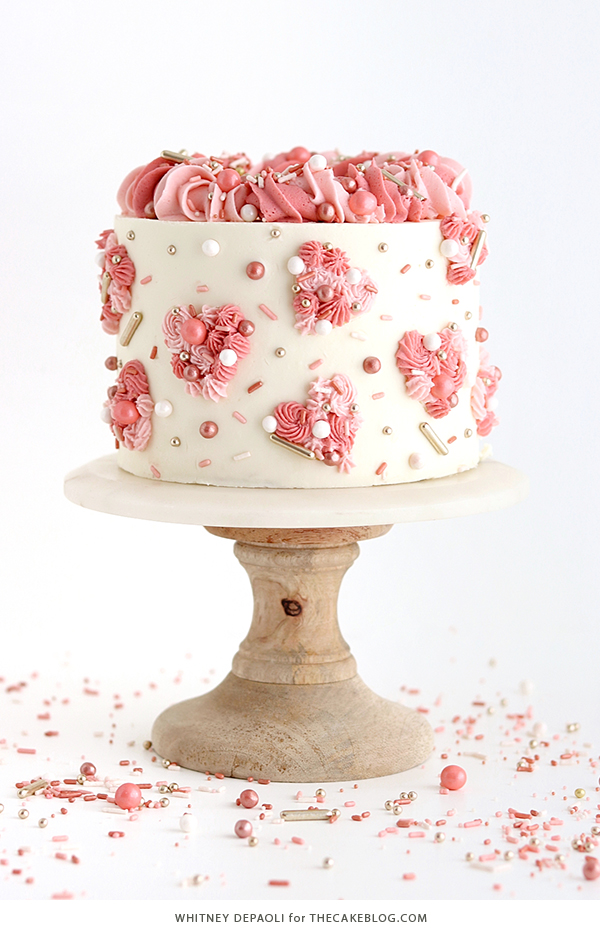
The final decorative touch involves creating a rosette rope border around the top edge of the cake. Using a piping bag fitted with tip 1M, the tip is positioned approximately one inch from the cake’s edge at a 45-degree angle. Rosettes are then piped counter-clockwise, alternating between the prepared buttercream colors. This technique creates a continuous, flowing border that elegantly frames the textured hearts. The process is repeated until a complete rosette border encircles the cake. To further integrate the design, additional sprinkles are applied to the rope border, tying the entire composition together.
Broader Context and Implications in Cake Decorating
The emergence of such detailed and visually appealing cake decorating tutorials reflects broader trends in the culinary arts, particularly within the home baking and professional patisserie sectors. The increasing popularity of platforms like Instagram has democratized access to sophisticated decorating techniques, allowing enthusiasts to learn from and be inspired by a global community of bakers. Whitney DePaoli’s tutorial on piped hearts is a prime example of this phenomenon, offering a technique that is both aesthetically sophisticated and achievable for a wide range of skill levels.
The emphasis on personalization and customization is another key aspect driving innovation in cake decorating. Consumers are increasingly seeking unique and tailor-made creations for their celebrations, moving away from generic designs. This tutorial directly addresses this demand by providing a framework that allows for endless variations in color, texture, and embellishment. The ability to adapt traditional motifs like hearts to contemporary styles ensures their continued relevance and appeal.
Furthermore, the timing of this tutorial, coinciding with Valentine’s Day, highlights the commercial and cultural significance of the holiday in driving demand for specialized decorative items and techniques. Valentine’s Day, with its associated themes of love and affection, provides a fertile ground for creative expression through food. The demand for themed cakes, whether for romantic partners, family members, or friends (as indicated by the mention of "Galentine!"), remains robust. Data from market research firms often indicates a significant uptick in spending on confectionery and baked goods during this period.
The technique itself, involving the imprinting of shapes and subsequent filling, is a testament to the ingenuity within the baking community. It demonstrates how established tools, like cookie cutters, can be repurposed in innovative ways. The incorporation of sprinkles, a common decorative element, is elevated here through deliberate application and color coordination, showcasing a refined approach to their use. This moves beyond simple scattering to a more intentional and integrated design element.
The mention of specific piping tips, such as 1M, 199, and 21, points to the technical knowledge required for such decorating. These tips, each with its unique nozzle shape, are instrumental in creating the varied textures of rosettes and stars. The precise use of these tools, as demonstrated in the tutorial, underscores the blend of artistry and technical skill inherent in advanced cake decorating.
The note regarding the non-consumable nature of certain embellishments like gold and silver dragees also brings to light important considerations for food safety and consumer awareness. While visually appealing, such decorative elements require careful handling and clear communication to consumers, especially in a context where the primary purpose of the cake is consumption. This reflects a growing awareness within the industry about ingredient sourcing, labeling, and potential allergens or non-edible components.
In conclusion, Whitney DePaoli’s "Piped Hearts Valentine’s Cake" tutorial is more than just a set of instructions; it is an encapsulation of current trends in cake decorating. It celebrates creativity, adaptability, and the fusion of traditional elements with modern aesthetics. The technique provides a valuable resource for bakers looking to elevate their Valentine’s Day offerings and demonstrates the enduring appeal of handcrafted confections in a market increasingly influenced by visual artistry and personalized expression. The success of such tutorials underscores the dynamic nature of the culinary world, where innovation and tradition often converge to create delightful and memorable experiences.


