
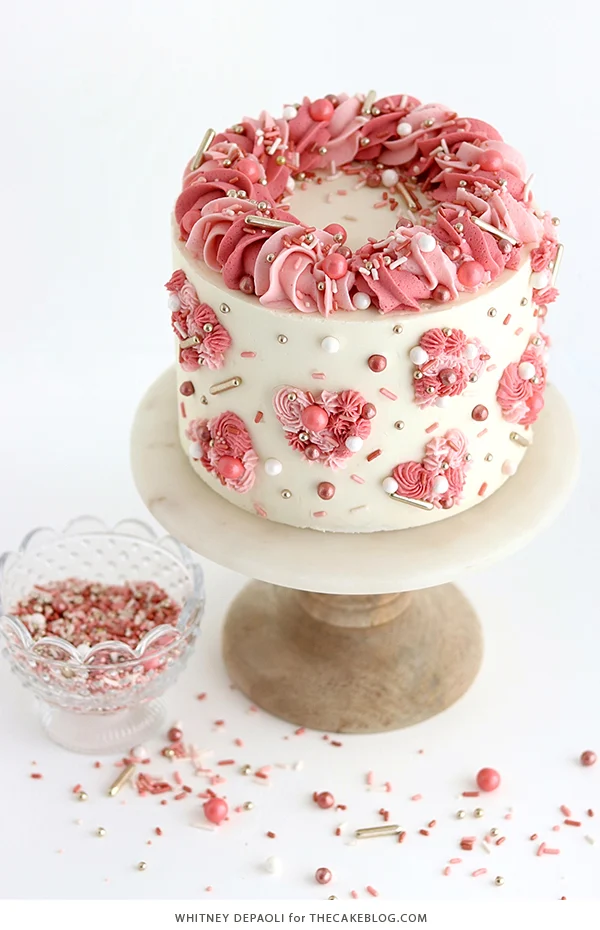
In the realm of celebratory confections, Valentine’s Day has long been a canvas for creative expression, often dominated by classic motifs and a predictable palette. However, a recent tutorial by acclaimed cake artist Whitney DePaoli, featured on TheCakeBlog.com, introduces a refreshing and contemporary approach to Valentine’s Day cake decorating. This detailed guide unveils a sophisticated piping technique that transforms traditional hearts and pink hues into a textured, visually dynamic masterpiece, offering a modern twist on a beloved holiday tradition.
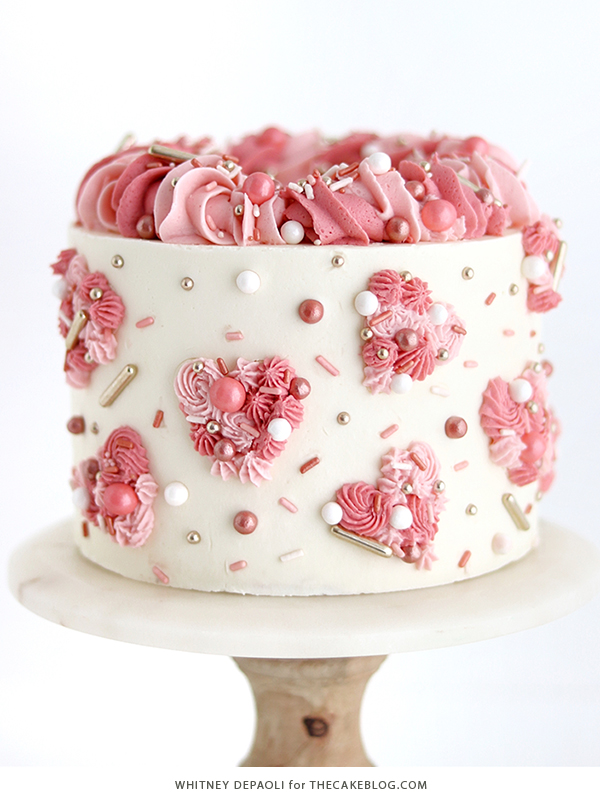
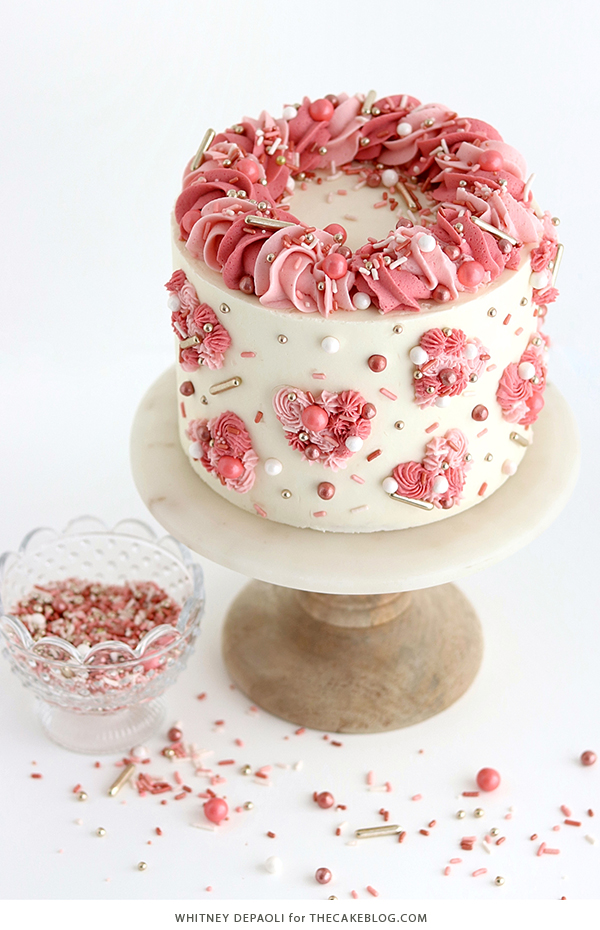
The technique, inspired by the innovative Instagram cake artist @frostedfujicakes, centers on imprinting shapes – specifically hearts – onto a frosted cake surface. These imprinted outlines then serve as guides for intricate buttercream piping, creating a dimensional effect. The addition of carefully selected sprinkles further enhances the texture and visual appeal, elevating the cake from a simple dessert to a stunning edible art piece. DePaoli’s own creation showcases a sophisticated rose gold color scheme, demonstrating how traditional Valentine’s Day elements can be reinterpreted with a contemporary aesthetic. This approach offers a versatile solution for anyone looking to craft a memorable dessert, whether for a romantic partner, a close friend, or simply to indulge in a creative endeavor.
The Evolution of Valentine’s Day Cake Decorating
Valentine’s Day, celebrated annually on February 14th, has a rich history rooted in romantic traditions. While its origins are debated, it has evolved into a global phenomenon marked by the exchange of gifts, cards, and elaborate gestures of affection. In the culinary world, cakes have consistently played a central role, symbolizing celebration and shared indulgence. Historically, Valentine’s Day cakes often featured straightforward heart shapes, deep red or vibrant pink frosting, and perhaps a simple inscription. The emergence of social media platforms like Instagram has significantly influenced the trajectory of cake decorating, fostering a community of artists who push creative boundaries and share their techniques globally. This digital exchange of inspiration has democratized access to advanced decorating skills, enabling home bakers and professionals alike to experiment with new styles and elevate their creations. DePaoli’s tutorial is a direct product of this evolving landscape, showcasing how inspiration can be drawn from online communities and translated into tangible, breathtaking designs.
A Symphony of Texture and Color: DePaoli’s Technique Unveiled
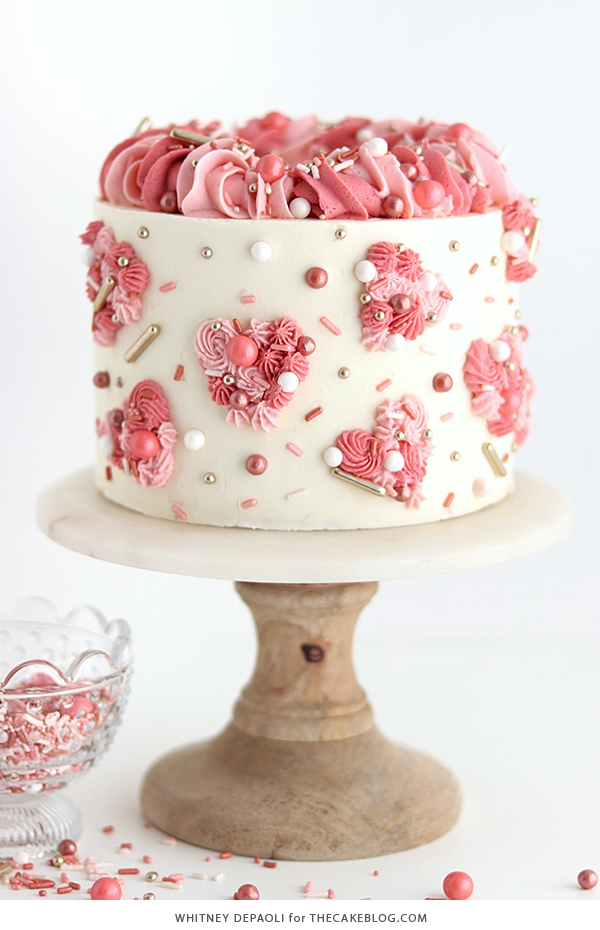
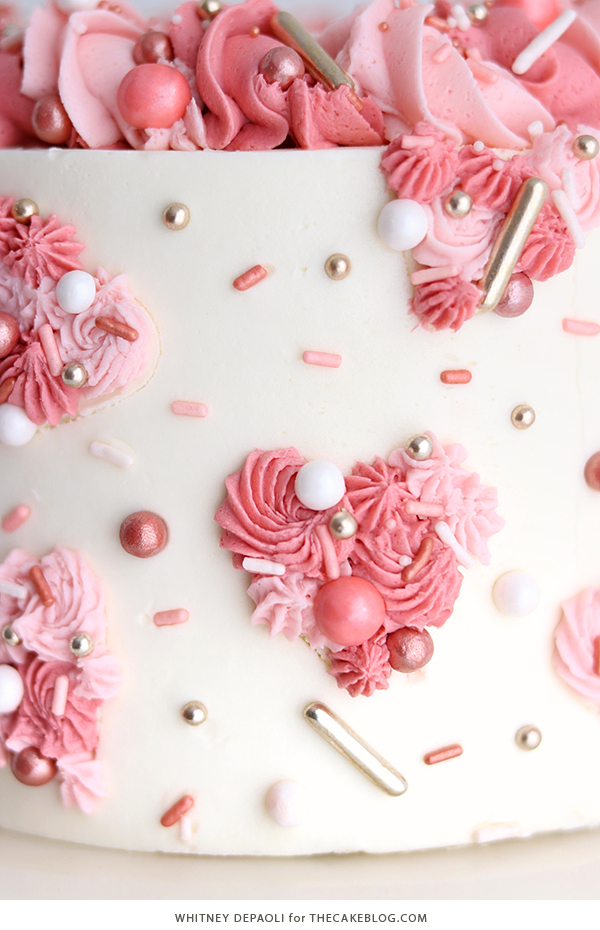
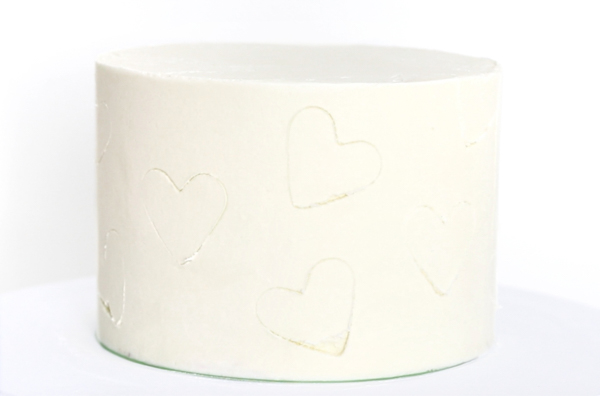
The core of DePaoli’s tutorial lies in its innovative method of combining imprinted shapes with meticulous buttercream piping and strategically placed sprinkles. This multi-layered approach ensures a cake that is not only visually captivating but also offers a delightful textural experience. The process begins with a chilled, frosted cake. A heart-shaped cookie cutter is used to gently imprint the desired shapes onto the cake’s surface. These imprints serve as a blueprint, guiding the subsequent application of buttercream.
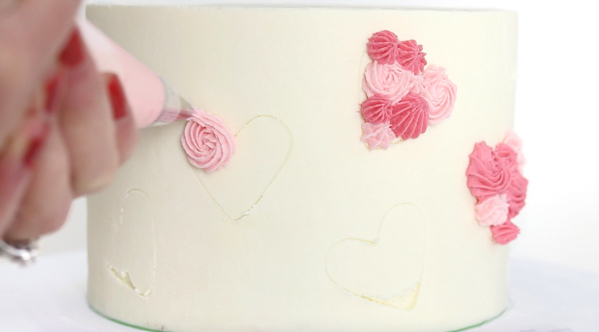
The artist then utilizes various piping tips to fill these imprinted hearts with an array of delicate rosettes and stars. This creates a raised, dimensional effect within the heart outlines. DePaoli emphasizes the importance of using a pipeable and tintable buttercream, such as American buttercream, which she favors. The choice of piping tips is crucial, with the tutorial specifically recommending tip 1M for creating rosettes and tips 199 and 21 for smaller decorative elements.
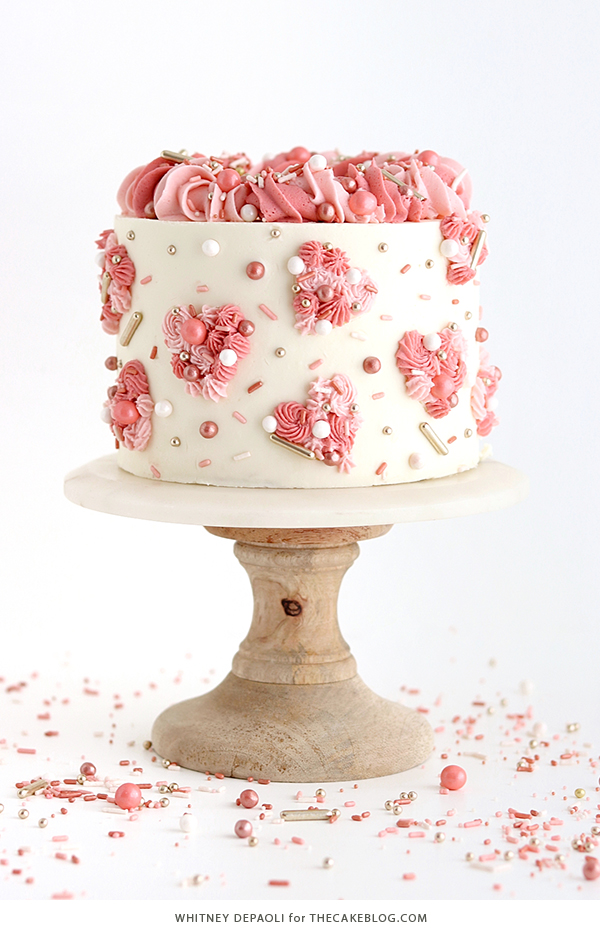
Following the piping stage, the cake is further embellished with an assortment of sprinkles. These are strategically placed to fill any remaining gaps within the piped hearts and to accentuate the areas between them. This step is critical in adding depth, shimmer, and an extra layer of visual interest. The rose gold color palette chosen for the featured cake exemplifies how a non-traditional, yet sophisticated, color scheme can achieve a festive and romantic aesthetic. DePaoli encourages experimentation, noting that any color palette can be employed, from classic Valentine’s Day reds and pinks to more unconventional hues, allowing for complete personalization of the design.
The Art of Buttercream: Preparation and Application
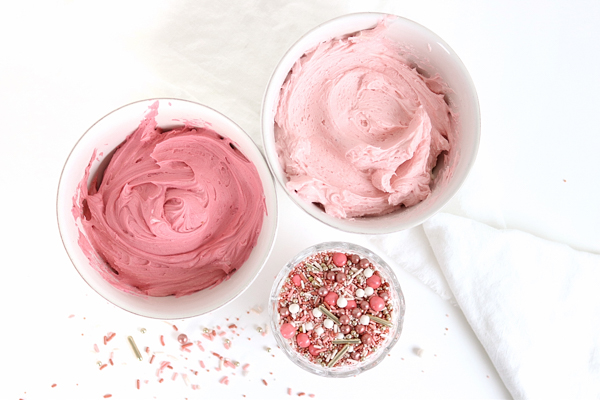
The success of this decorative technique hinges on the quality and preparation of the buttercream. DePaoli’s tutorial details a systematic approach to coloring and preparing the buttercream for piping. She advocates for dividing the buttercream into separate bowls, allowing for the creation of distinct color variations or a cohesive monochromatic scheme. For the rose gold theme, Americolor Dusty Rose food coloring gel was used to achieve the desired subtle pink tones.
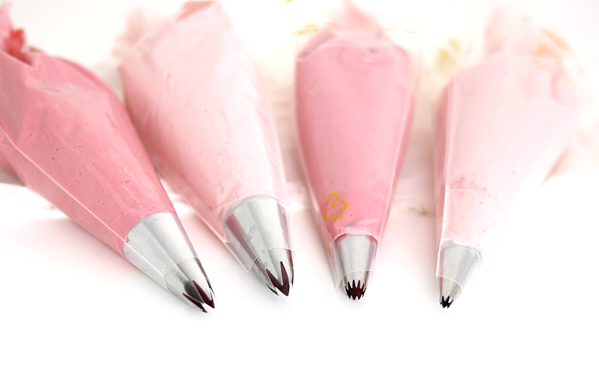
The next critical step involves preparing the piping bags. DePaoli outlines the use of specific piping tips: tip 1M for creating larger rosettes, and tips 199 and 21 for finer details. The buttercream is then distributed among these prepared bags. For instance, half of one color might go into a bag with tip 1M and the other half into a bag with tip 199, ensuring a consistent flow of both color and design elements. This meticulous preparation allows for a smooth and efficient decorating process.
The tutorial also addresses the possibility of a monochromatic design. In such cases, the number of piping bags required might be reduced, simplifying the process further. The emphasis remains on achieving visually appealing textures and color combinations that resonate with the celebratory spirit of Valentine’s Day.
Imprinting and Piping: Building the Foundation of Design
The imprinting of hearts onto the cake is a pivotal step that provides structure and definition to the overall design. DePaoli advises spacing these imprinted hearts at least two inches apart. This spacing ensures that each heart has ample room to be filled with buttercream and sprinkles without appearing cluttered. The imprints, though subtle, act as a visual guide, allowing the decorator to maintain a consistent pattern and aesthetic across the entire cake.
Once the hearts are imprinted, the focus shifts to filling them with buttercream. This stage involves the skillful application of small rosettes and stars. The goal is to fill the imprinted area as much as possible, creating a rich, textural surface. DePaoli acknowledges that the initial piped shapes might not perfectly resemble hearts, but reassures that the subsequent addition of sprinkles will unify the design and enhance the overall heart motif. This forward-thinking approach highlights the interconnectedness of each step in the decorating process.
The Sparkle of Sprinkles: Adding Depth and Dimension
The addition of sprinkles is a transformative element in this cake decorating technique. Sprinkles are meticulously placed within each piped heart, filling any voids and further enhancing the textural dimension. Beyond mere filling, the sprinkles act as a captivating accent, amplifying the vibrancy of the buttercream colors and the intricacy of the piped designs. DePaoli’s choice of rose gold sprinkles harmonizes perfectly with the buttercream, creating a cohesive and elegant look.
For those seeking to replicate this effect, DePaoli offers practical advice. She suggests keeping a damp paper towel readily available. Pressing a fingertip to the damp towel before touching sprinkles can aid in their precise placement, preventing them from falling off prematurely. Alternatively, tweezers can be employed for a more controlled application, especially for smaller or more intricate designs. While this stage can be time-consuming, the visual payoff is deemed well worth the effort.
A notable detail mentioned in the tutorial pertains to the use of gold and silver dragees. While these decorative elements are visually striking, the tutorial includes a disclaimer that they have not been FDA-approved for consumption. This cautionary note is essential for ensuring the safety of all guests, advising them to avoid consuming these specific decorative items.
The Grand Finale: A Rosette Rope Border
The crowning touch to this elaborate cake design is the creation of a rosette rope border. This decorative element not only frames the intricately decorated cake but also ties the entire composition together. To achieve this, a piping bag fitted with tip 1M is used. The tip is positioned approximately one inch from the cake’s edge at a 45-degree angle. Rosettes are then piped counter-clockwise, with alternating colors used to create a dynamic and visually appealing effect. This continuous piping of rosettes forms a textured rope-like border around the top of the cake.
The tutorial further suggests enhancing the rosette border with additional sprinkles, reinforcing the overall aesthetic and ensuring a cohesive design. This final embellishment elevates the cake from a beautifully decorated dessert to a true centerpiece, embodying the spirit of Valentine’s Day with its blend of artistry, texture, and festive charm.
Implications and Broader Impact
Whitney DePaoli’s "Piped Hearts Valentine’s Cake" tutorial represents more than just a guide to decorating a holiday cake. It exemplifies the current trends in the cake decorating industry, which increasingly emphasize texture, personalized aesthetics, and the sharing of sophisticated techniques through digital platforms. The tutorial’s success and the artistry it showcases highlight the growing demand for visually stunning and uniquely designed cakes for special occasions.
The technique itself is a testament to the ingenuity of modern cake artists. By combining established methods like buttercream piping with contemporary approaches like imprinted designs and strategic sprinkle placement, DePaoli offers a method that is both accessible and impressive. This approach has significant implications for home bakers who wish to elevate their skills and create professional-looking cakes for personal celebrations. It also speaks to the broader impact of social media in democratizing creative expression and fostering a global community of bakers and decorators.
The adaptability of the technique, allowing for diverse color palettes and design variations, ensures its relevance beyond Valentine’s Day. It can be readily applied to other holidays and celebrations, offering a versatile blueprint for intricate and beautiful cake designs. As the demand for personalized and artisanal baked goods continues to rise, tutorials like this one play a crucial role in inspiring and empowering individuals to explore their own creativity in the kitchen, turning simple ingredients into edible works of art. The ability to translate inspiration from online communities into tangible, celebratory confections underscores the dynamic and ever-evolving nature of the culinary arts in the digital age.


