
The Immediate Collapse of the REDcycle Framework
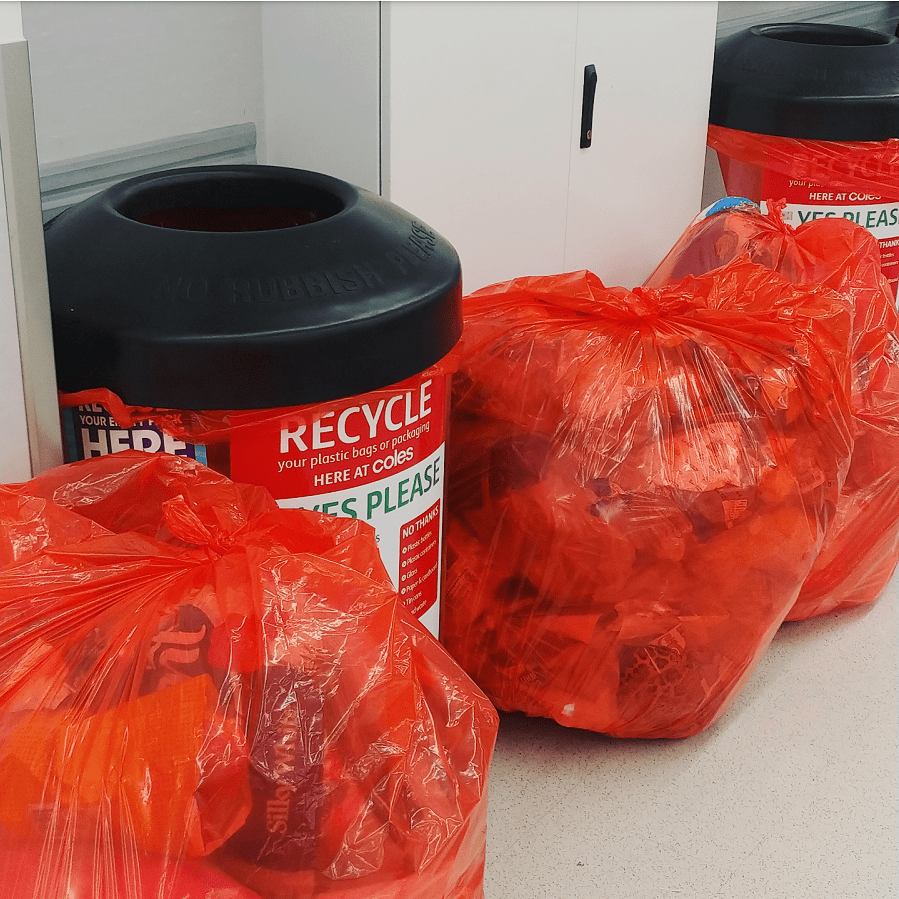
The REDcycle program, managed by the RED Group, operated more than 2,000 drop-off points across the Australian continent. At its peak, the organization estimated it was collecting up to five million individual pieces of soft plastic every day, amounting to approximately 7,000 tonnes of material annually. Despite these high volumes, the program’s success was entirely dependent on the ability of secondary manufacturers to purchase and repurpose the collected material. The suspension was triggered when these "offtake" partners—the companies that transform waste into new products—ceased operations or stopped accepting new materials.
The crisis reached a breaking point in late 2022 following a series of industrial setbacks. In June 2022, a major fire at the Close the Loop production facility in Melbourne destroyed a critical production line. Close the Loop was a primary partner for REDcycle, utilizing hundreds of tonnes of soft plastic to create a specialized binding agent for asphalt used in road construction. The loss of this facility meant that the only mass-scale application for recycled soft plastic in Australia was effectively offline until at least 2023. This followed an earlier blow in February 2021, when another partner, Plastic Forests, ceased its relationship with REDcycle due to changing business circumstances.

The final catalyst for the suspension occurred in November 2022, when Replas, a company that manufactured outdoor furniture and bollards from recycled plastic, informed REDcycle it could no longer accept material. Replas cited a significant oversupply of raw stock and a strategic shift away from the specific types of plastic provided by the program. With no remaining large-scale buyers, REDcycle was forced to admit that the material collected from supermarkets was being stockpiled in warehouses rather than recycled, leading to the eventual decision to pause all collections indefinitely.
A Chronology of Australia’s Soft Plastic Recycling Efforts
To understand the magnitude of the current failure, it is necessary to examine the timeline of soft plastic recycling in Australia. The REDcycle program was launched in 2011 as a grassroots initiative to address a gap in kerbside recycling services. While rigid plastics like milk bottles (PET) and detergent containers (HDPE) are easily sorted by machinery at Materials Recovery Facilities (MRFs), soft plastics—technically known as flexible films—tend to tangle in sorting equipment, leading most local councils to exclude them from yellow-top bins.
Between 2011 and 2018, REDcycle grew steadily, bolstered by increasing environmental awareness and corporate partnerships with major retailers. However, the landscape shifted dramatically in 2019. Following the implementation of various state-based bans on single-use plastic bags and a heightened public focus on the "war on waste," consumer participation in the REDcycle program surged. Demand for the service increased by 350% in just three years.
By 2020, the Australian Government and the Australian Packaging Covenant Organisation (APCO) set ambitious National Packaging Targets, aiming for 100% of packaging to be reusable, recyclable, or compostable by 2025. Specifically, the goal was to recycle 70% of plastic packaging. The reliance on a single, voluntary, industry-funded program like REDcycle to meet these national targets is now viewed by many analysts as a strategic oversight. When the mechanical failures and market contractions of 2021 and 2022 hit, there was no secondary infrastructure or government-backed "Plan B" to absorb the volume of waste being generated.
Data and Statistics: The Scale of the Plastic Challenge
The data surrounding Australia’s plastic consumption highlights the difficulty of the task REDcycle attempted to undertake. According to the Department of Climate Change, Energy, the Environment and Water, Australia generates approximately 2.5 million tonnes of plastic waste annually. Soft plastics account for a significant portion of this, yet historically, only about 13% of soft plastic has been successfully recycled.
Despite the high profile of the REDcycle bins, research indicates that only 22% of the Australian population was aware of the program or actively used it. If participation had been universal, the volume of waste would have reached an estimated 38 million items per day—a figure that would have overwhelmed the existing domestic processing capacity many times over.

Furthermore, the economics of soft plastic recycling remain challenging. Virgin plastic, derived from petrochemicals, is often cheaper to produce than high-quality recycled resins. Without legislative mandates requiring a minimum percentage of recycled content in new packaging, the market for "post-consumer" soft plastic remains volatile. The REDcycle model was also hindered by the fact that it resulted in "downcycling" rather than true circularity. Most of the plastic was turned into durable goods like park benches or road additives, which, while useful, cannot be recycled a second time. This creates a linear end-of-life scenario rather than a closed-loop system where a bread bag is turned back into a bread bag.
Responses from Industry and Government Stakeholders
The suspension has prompted a flurry of reactions from across the political and corporate spectrum. Coles and Woolworths, the primary retail partners, expressed disappointment at the suspension but noted that they remain committed to finding long-term solutions. In joint statements, the retailers acknowledged the frustration of customers who had diligently cleaned and sorted their plastics for years, only to find the system had stalled.
Federal Environment Minister Tanya Plibersek described the situation as a "huge setback" for Australia’s recycling goals. The federal government has since moved to establish a Soft Plastics Taskforce, comprised of representatives from the major supermarkets and industry bodies, to develop a roadmap for restoring collection services. The taskforce is exploring the potential for kerbside collection trials, which would integrate soft plastic recycling into existing council waste streams, thereby removing the burden on consumers to return the material to stores.
Environmental advocacy groups, such as the Boomerang Alliance and WWF-Australia, have been more critical, arguing that the REDcycle failure is symptomatic of a system that prioritizes corporate image over genuine environmental outcomes. These organizations are calling for "Extended Producer Responsibility" (EPR) legislation, which would legally require plastic producers to fund and manage the entire lifecycle of their packaging, rather than leaving the responsibility to small consulting firms and voluntary programs.
Broader Implications and the Path to a Circular Economy
The suspension of REDcycle serves as a critical case study in the limitations of voluntary recycling schemes. It highlights a fundamental disconnect in the global supply chain: the rate at which plastic is produced and consumed is vastly outstripping the rate at which infrastructure can be built to process it. For a circular economy to function, three pillars must be present: collection, processing, and a viable end-market. The REDcycle crisis demonstrated that without the latter two, the first pillar is unsustainable.
Looking forward, the focus of the Australian waste sector is shifting toward chemical recycling (also known as advanced recycling). Unlike mechanical recycling, which shreds and melts plastic, chemical recycling breaks polymers down into their original oil or gas components. This allows the material to be purified and turned back into food-grade plastic, theoretically allowing for infinite recycling loops. Several pilot plants are currently under development in New South Wales and Victoria, though they are not expected to reach commercial scale for several years.
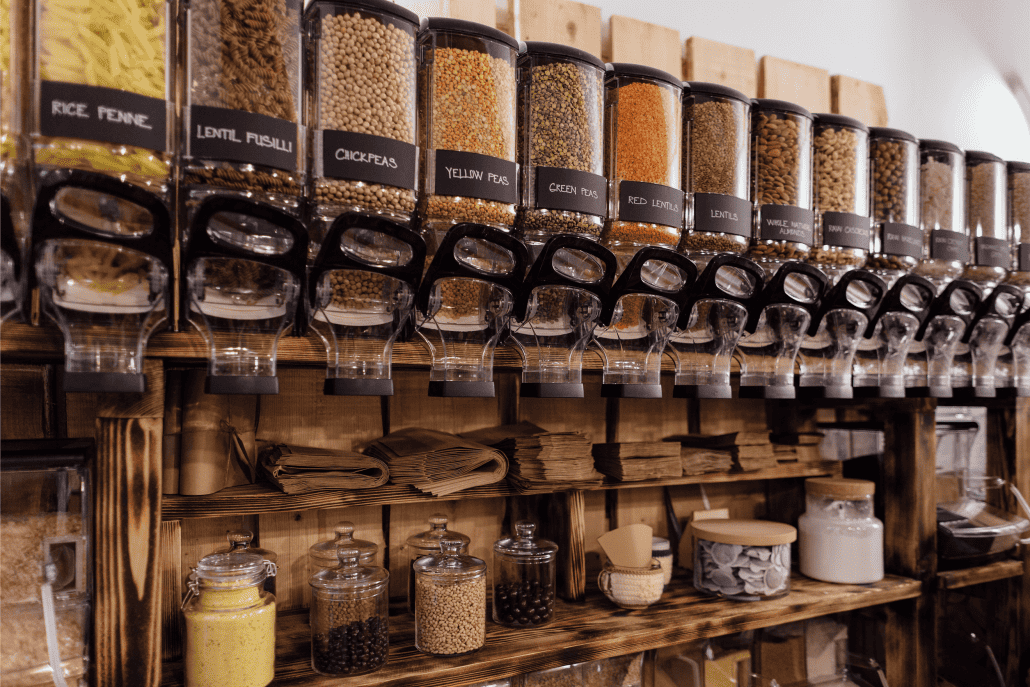
In the interim, the suspension serves as a "wake-up call" for the Australian public and policymakers. The narrative of recycling as a "magical" solution is being replaced by a more sober assessment of waste reduction and avoidance. Experts suggest that the focus must move up the waste hierarchy: prioritizing the "refusal" of unnecessary packaging and the implementation of "reuse" systems, such as bulk-buy stores and refillable containers.
The REDcycle incident has effectively ended the era of "set and forget" recycling in Australia. As National Recycling Week continues, the conversation has moved beyond the bin and toward the boardroom, where decisions regarding packaging design and material choices are made. The challenge for Australia now is to rebuild a system that is not only more resilient than REDcycle but one that addresses the root cause of the issue: an over-reliance on single-use materials in a world with finite processing capabilities. Until then, the majority of Australia’s soft plastics will continue to find their way to landfill, serving as a reminder of the fragility of the nation’s current environmental strategies.