A sophisticated new recipe for Scalded Buckwheat and Malt Sourdough Bread has been unveiled, presenting a remarkable fusion of ancient grains, aromatic spices, and advanced baking techniques. This multi-day preparation yields a deeply flavorful, spice-forward loaf characterized by its robust texture and extended freshness, designed to challenge and reward discerning bakers. The creation signals a notable development in the artisanal bread movement, emphasizing complex flavor profiles and the reintroduction of time-honored methods to contemporary kitchens.
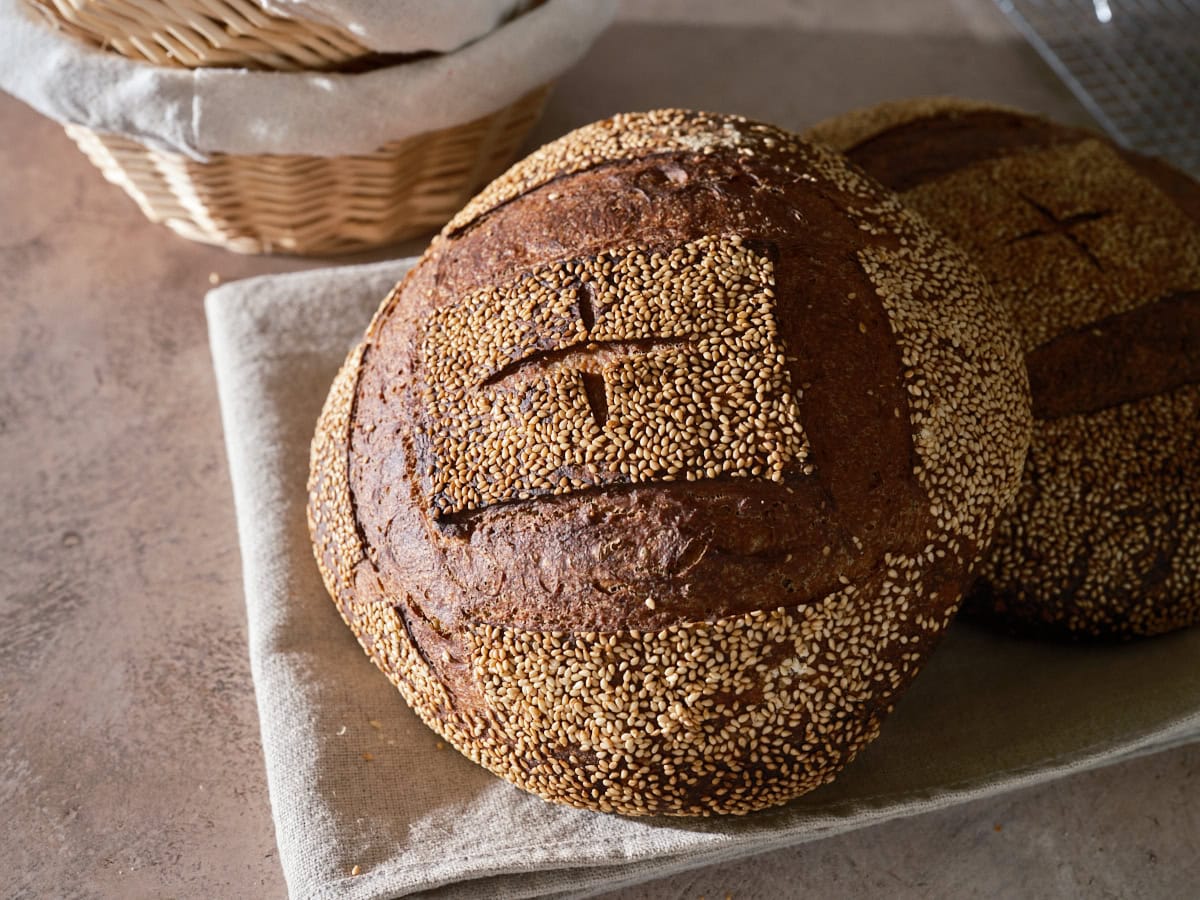
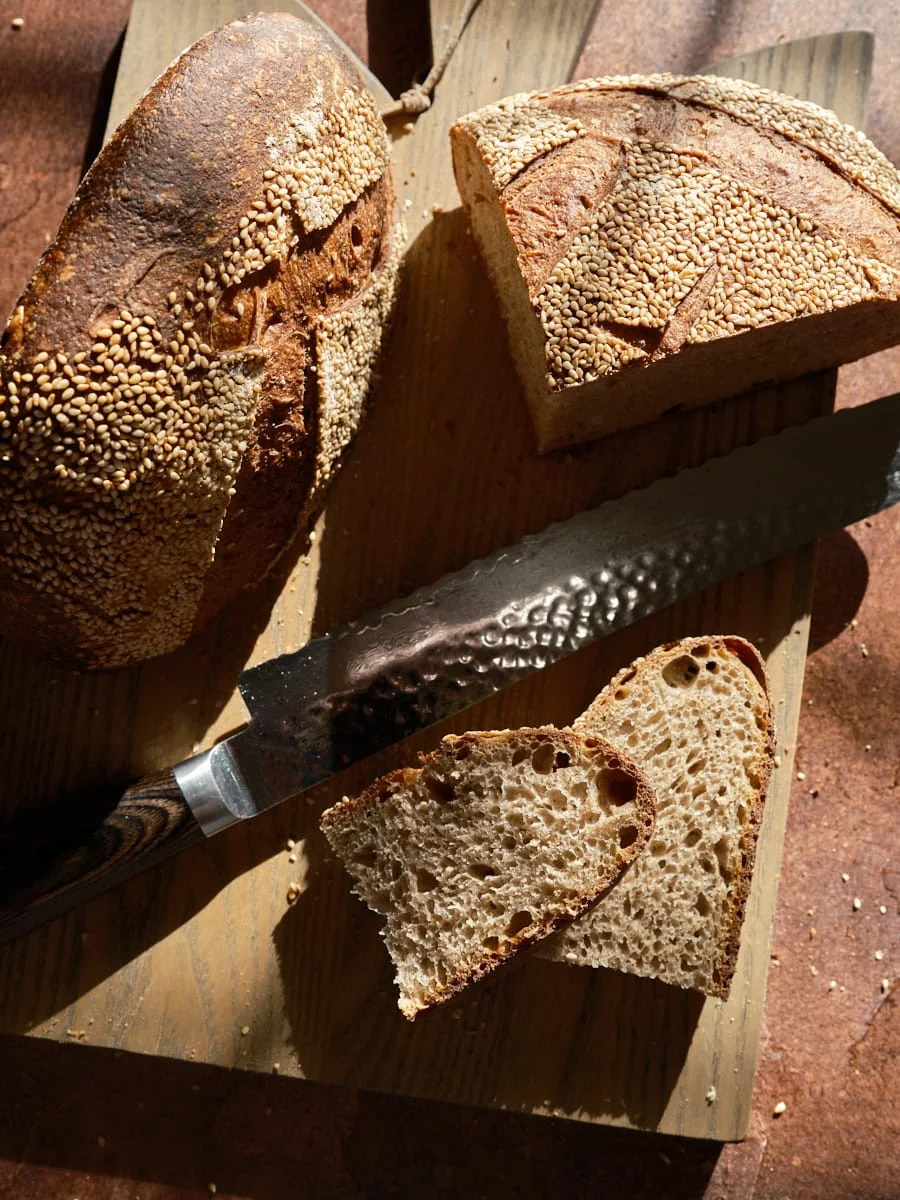
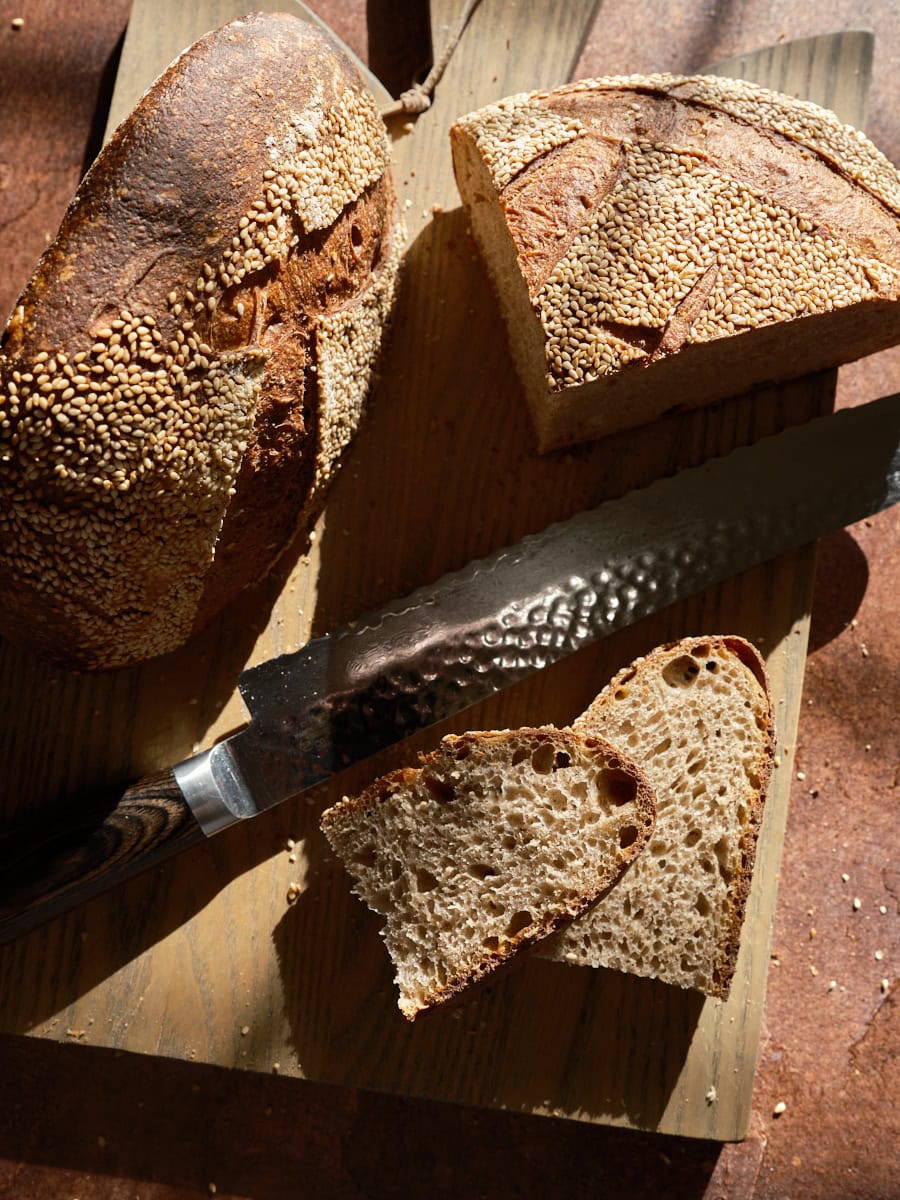
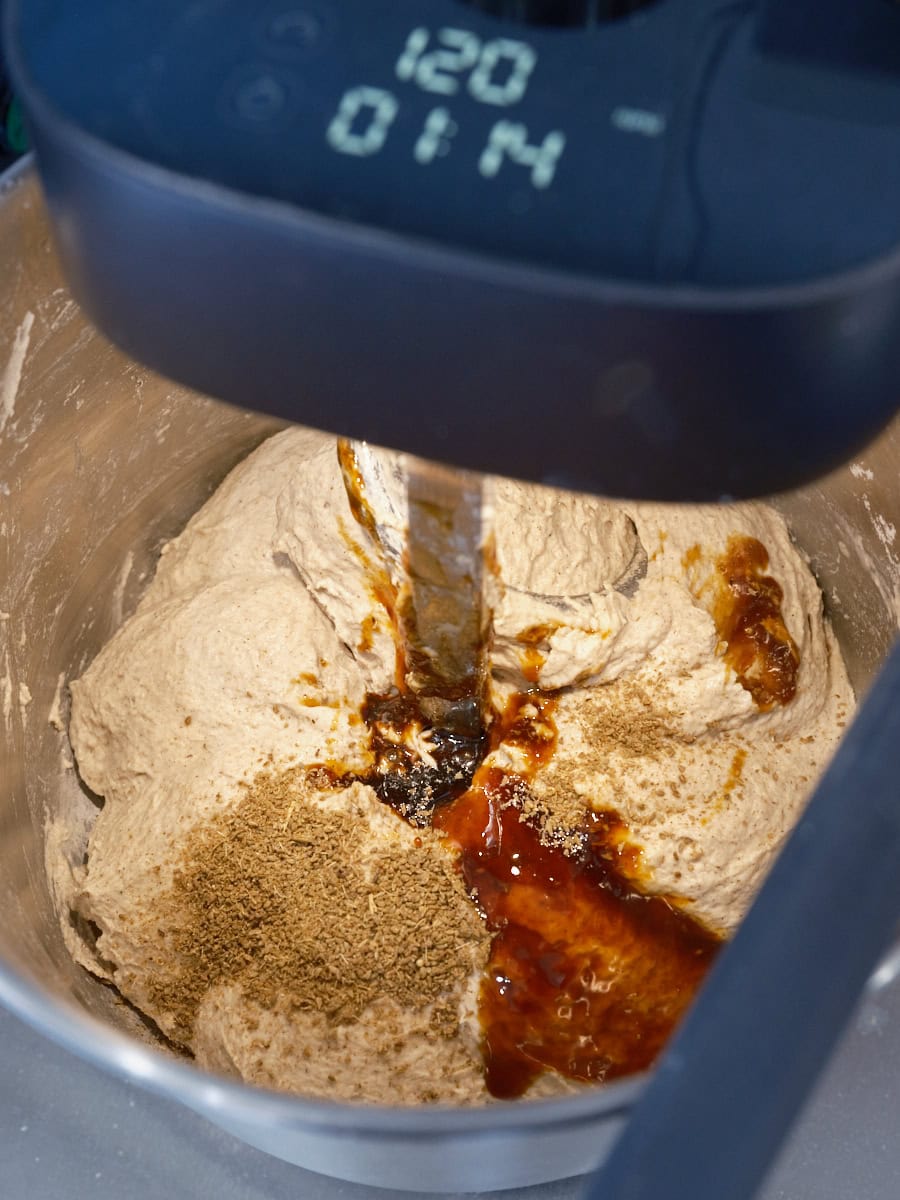
The bread’s distinctive character is primarily defined by the bold inclusion of ground aniseed, which imparts a potent, licorice-sweet aroma and flavor that permeates each slice. Anise, a spice with a rich history in global culinary traditions, is employed here not merely as an accent but as a foundational taste, anchoring the loaf with its pungent warmth. This is expertly balanced by the earthy, nutty, and subtly tannic notes of buckwheat, an ancient grain celebrated for its unique mineral undertones. The interplay between these two prominent flavors — the heady sweetness of anise and the grounded robustness of buckwheat — creates a harmonious and remarkably irresistible sourdough. Further depth is added by barley malt syrup, contributing a rich sweetness and a desirable golden hue to the crust. The loaf is elegantly finished with a scattering of white sesame seeds, which offer a complementary flavor and a striking visual contrast against the dark, whole-grain speckled crumb.
The Science of the Flour Scald: Elevating Texture and Longevity
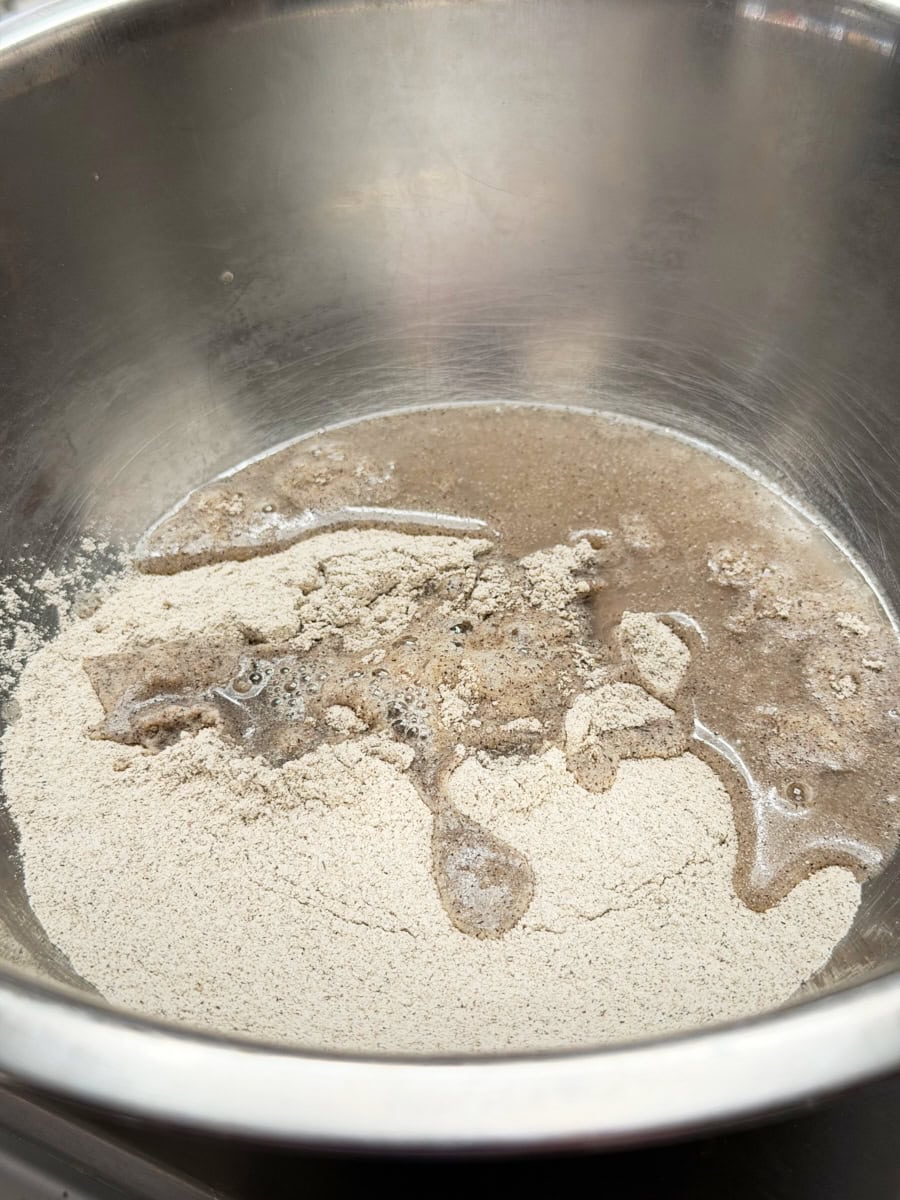
A pivotal technique employed in this recipe is the flour scald, a method analogous to the Japanese yudane or Chinese tangzhong processes. This involves covering a portion of the buckwheat flour with boiling water, transforming it into a thick, aromatic paste. The scientific principle behind this technique is gelatinization: the hot water causes the starch molecules in the flour to swell and absorb liquid, forming a stable gel. When this scald is incorporated into the main dough, it brings several critical benefits. Firstly, it significantly enhances the dough’s hydration capacity, allowing for a higher overall water content (up to 83% total hydration, including the scald water) without resulting in an unmanageable, slack dough. This increased moisture is then locked within the gelatinized starch, leading to a remarkably silky, tender crumb that resists staling for a longer period compared to traditionally prepared sourdoughs. Food scientists and master bakers have long recognized the scald’s ability to extend a loaf’s shelf life, often by several days, making it an invaluable technique for both commercial and home bakers seeking superior freshness and texture. The aromatic compounds released during the scalding process also contribute to the final bread’s complex flavor profile, adding subtle nuances that would otherwise be absent.
Strategic Flour Selection: A Foundation of Heartiness and Nutrition
The selection of flours for this particular sourdough is intentional, aligning with the objective of creating a hearty, nutritionally dense loaf suitable for various applications, including sandwiches. The base of the dough utilizes high-extraction wheat flour, specifically a Type 85 variety such as Cairnspring’s Trailblazer. High-extraction flour sits between white flour and whole wheat flour in terms of bran and germ content. It retains a greater portion of the wheat berry’s outer layers than standard white flour, imparting more flavor, aroma, and nutritional value, including increased fiber and micronutrients, while still offering a more manageable gluten structure than 100% whole wheat. This strategic choice contributes to the bread’s robust flavor and hearty texture without compromising on workability.
Buckwheat flour, though used in a smaller percentage, plays a crucial role. Despite being gluten-free, buckwheat is prized for its intense earthy flavor and its ability to lend a beautiful speckled appearance to the dough. While its lack of gluten can sometimes result in a tighter crumb structure in larger percentages, its judicious inclusion here enhances the bread’s complexity without unduly affecting the open texture characteristic of sourdough. Culinary researchers often highlight buckwheat’s status as a pseudo-cereal rich in essential amino acids, antioxidants, and minerals, making it a valuable addition for both its flavor and its health benefits.
A Meticulous Two-Day Process: Crafting Complexity Through Controlled Fermentation
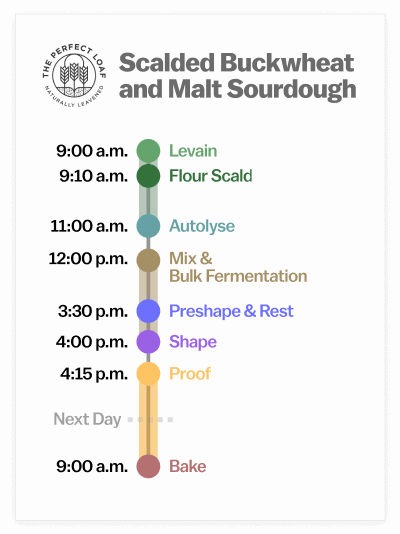
The creation of this Scalded Buckwheat and Malt Sourdough is structured as a two-day process, a common practice in artisanal sourdough baking that prioritizes flavor development, dough strength, and convenience for the baker. The timeline begins with the preparation of the levain and the flour scald, critical foundational steps that occur concurrently. The levain, a naturally fermented starter, is allowed three hours to ripen at a controlled temperature, ensuring optimal yeast and bacterial activity for the main dough. Simultaneously, the buckwheat flour scald is prepared, then covered and set aside to cool, allowing its aromatic compounds to mellow and its gelatinized starches to stabilize.

The first day’s afternoon is dedicated to the autolyse, where the main flours (high-extraction wheat and whole wheat), water, and the prepared scald are combined and allowed to rest for an hour. This initial hydration period allows the flour to fully absorb water, initiating gluten development without mechanical mixing, leading to a more extensible and less sticky dough later on. Following the autolyse, the levain, salt, and additional water are incorporated during the mixing phase. Given the dough’s high hydration, a bassinage technique is recommended, adding the final portion of water incrementally to ensure the dough can adequately absorb it without becoming overly slack. Mechanical mixers or hand-mixing techniques like slap-and-fold are then employed to develop the dough’s structure.
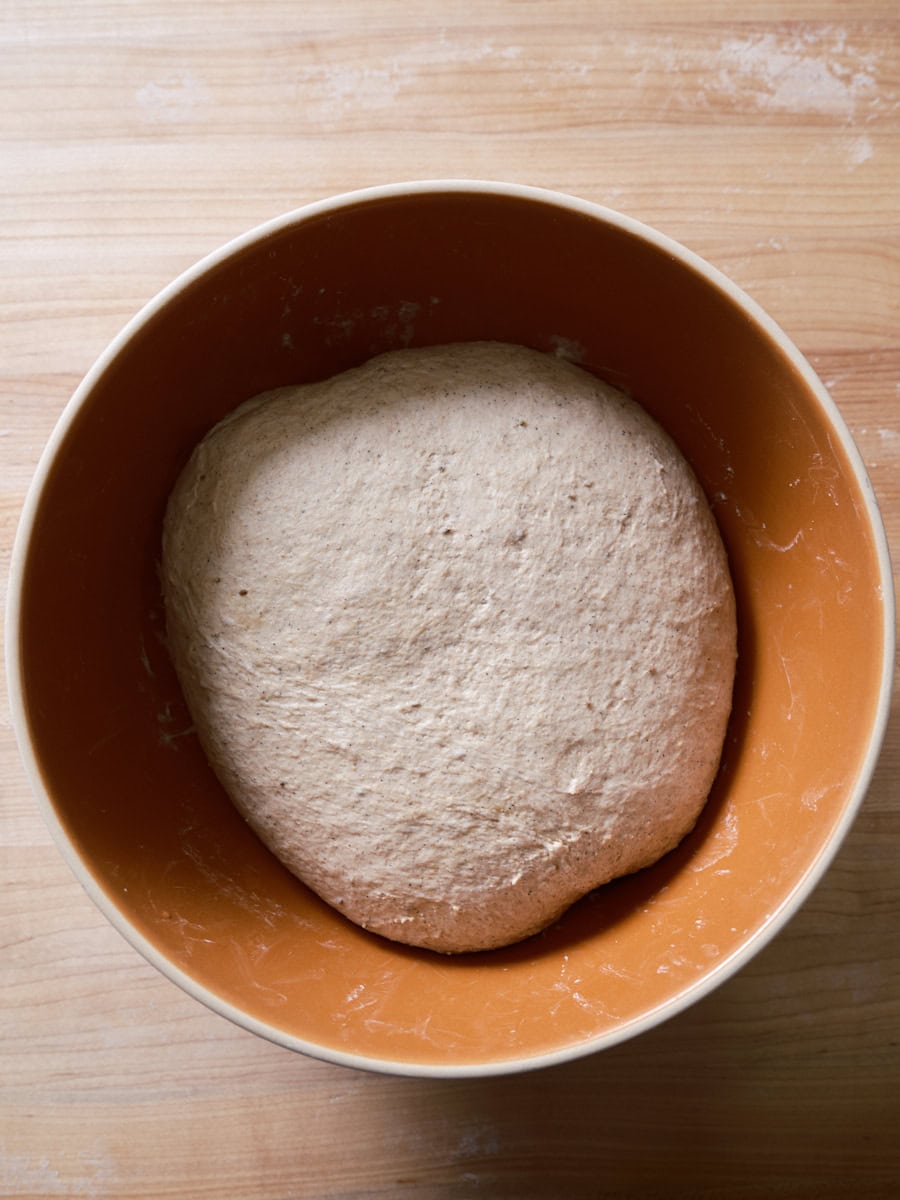
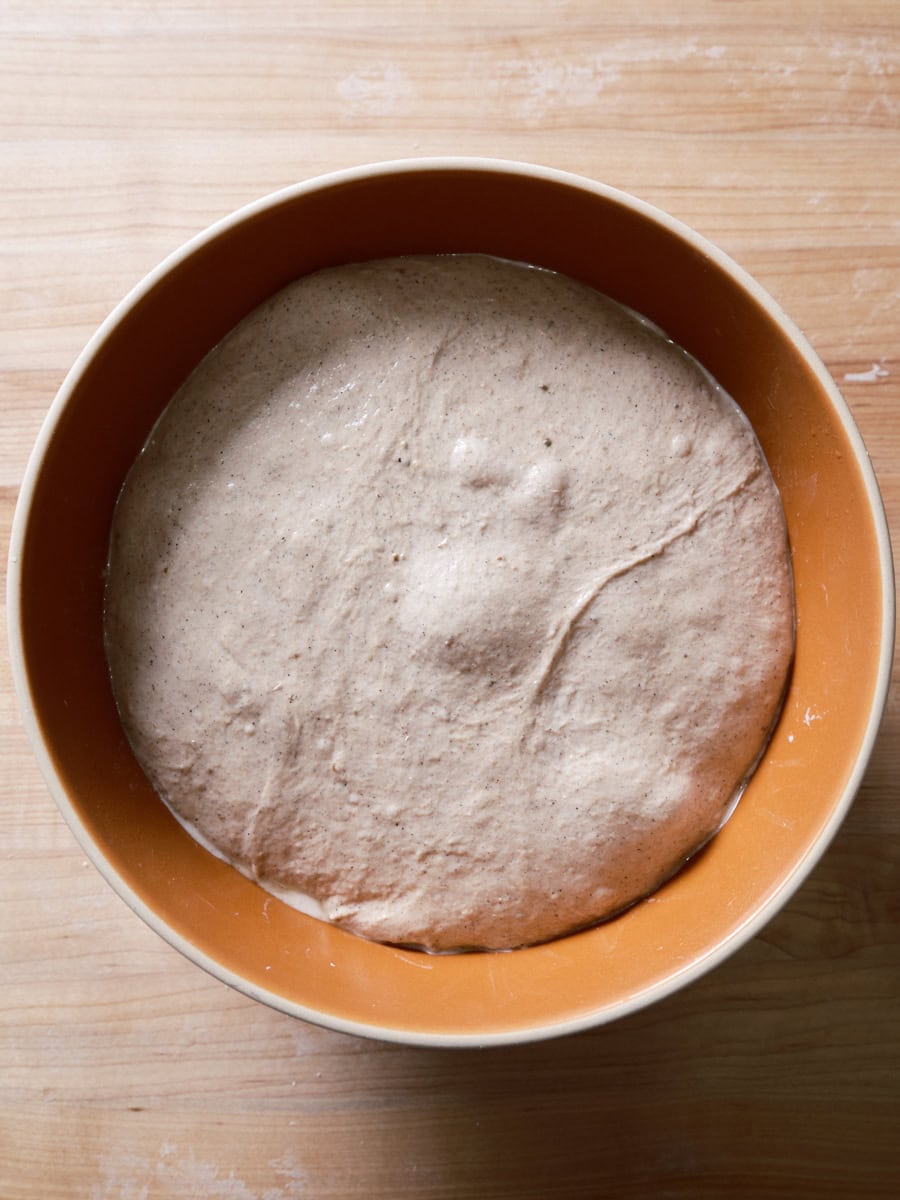
The bulk fermentation, a crucial three-hour period, takes place at a warm room temperature, during which the dough undergoes two sets of gentle stretches and folds at 30-minute intervals. This builds strength and evenness in the dough’s structure while the fermentation process begins to generate carbon dioxide and complex flavors. By the end of bulk fermentation, the dough is expected to have increased approximately 30% in volume, exhibiting a smooth, puffy consistency.
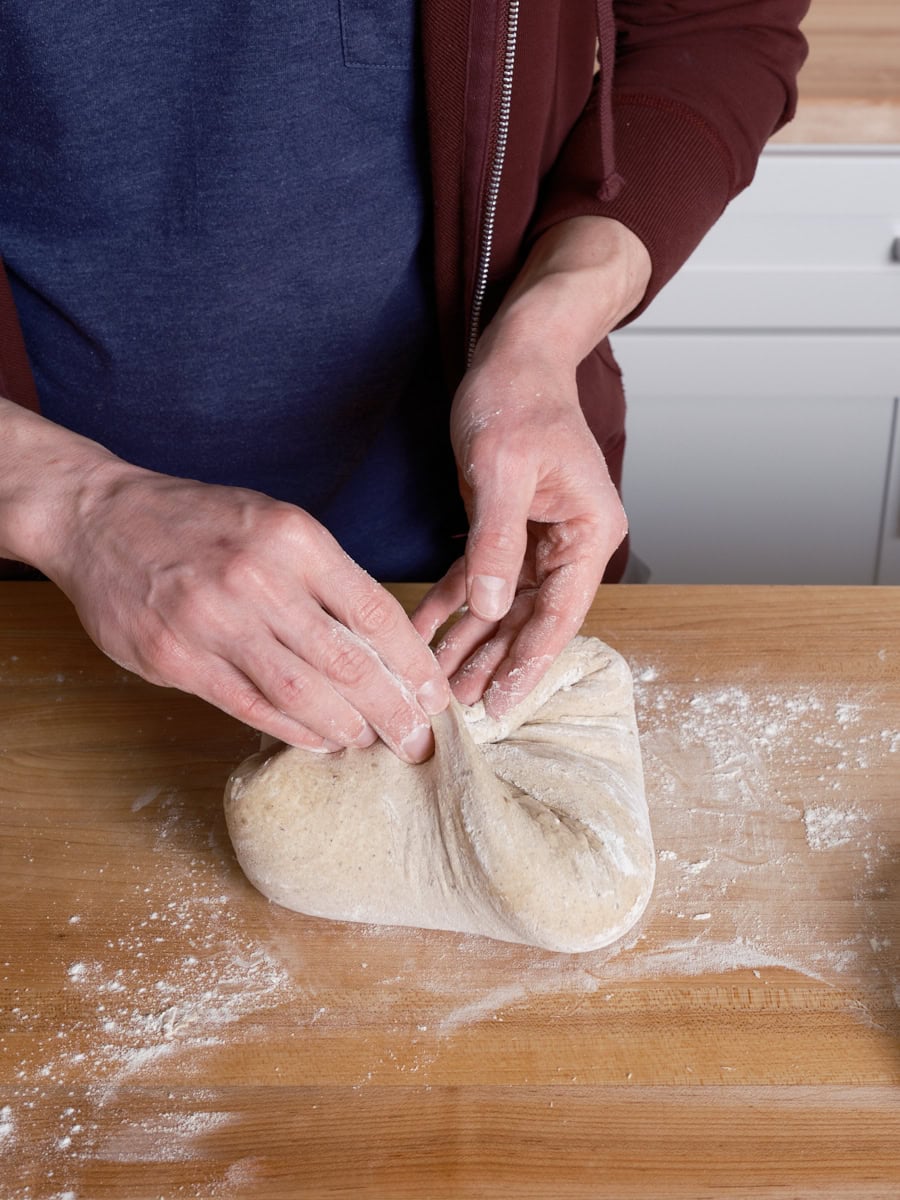
The evening of the first day involves preshaping the dough into loose rounds, allowing them to rest briefly, and then shaping them into their final form. The "gather up" shaping method is suggested, a technique designed to create surface tension for optimal oven spring. Prior to the final shaping, the dough is gently inverted onto a bed of white sesame seeds, ensuring an even coating that adheres during baking. The shaped loaves are then transferred, seam-side up, into proofing baskets, covered, and refrigerated overnight for a cold proof. This extended cold fermentation, lasting approximately 17 hours, serves multiple purposes: it slows down yeast activity, allowing for deeper flavor development, improves dough handling, and provides scheduling flexibility for the baker.
The second day culminates in the baking process. The oven is preheated to 450°F (230°C) with a Dutch oven or baking vessel inside to ensure maximum heat retention and steam generation. The cold-proofed dough is scored and then baked for an initial 20 minutes with steam (either by covering the vessel or by introducing ice to a preheated pan), which encourages optimal oven spring and crust development. Following this, the steam is vented, and the bread continues to bake for an additional 30 minutes, allowing the crust to crisp and deepen in color. The final internal temperature of 204°F (95°C) confirms doneness. A crucial cooling period of 1 to 2 hours on a wire rack allows the internal structure to set and the flavors to fully mature before slicing.
Expert Perspectives and Broader Implications for Artisanal Baking
Culinary experts and baking trend analysts note that this Scalded Buckwheat and Malt Sourdough Bread exemplifies several emerging trends in artisanal baking. The embrace of complex flavor profiles, moving beyond traditional wheat-only loaves, reflects a growing consumer demand for adventurous and globally inspired tastes. The integration of anise, a spice often found in Middle Eastern and European confections, into a staple bread format showcases a creative cross-pollination of culinary traditions. Similarly, the increasing use of ancient grains like buckwheat aligns with a broader movement towards nutritional diversity and the rediscovery of heritage ingredients.
Food scientists emphasize the importance of techniques like the flour scald, which, while historically prevalent in Asian baking, are gaining traction in Western artisanal bread-making for their tangible benefits in texture, moisture retention, and shelf life. This recipe serves as a practical demonstration of how such methods can be seamlessly integrated into a sourdough framework, offering home bakers the tools to achieve professional-grade results.
The meticulous, multi-day schedule, while seemingly demanding, is framed as an asset by experienced bakers. It allows for superior flavor development through slow fermentation and offers flexibility, enabling bakers to fit the process into busy schedules. This approach underscores the philosophy that exceptional bread requires patience and a deep understanding of ingredients and processes.
This recipe for Scalded Buckwheat and Malt Sourdough Bread represents more than just a new formula; it is a testament to the ongoing evolution of artisanal baking. It encourages experimentation with diverse ingredients and techniques, pushes the boundaries of flavor, and elevates the craft of home bread-making, ultimately contributing to a richer and more varied culinary landscape.