

The Scientific Context of Dermal Absorption and Ingredient Safety
The premise of non-toxic skincare is rooted in the understanding of how the integumentary system interacts with synthetic chemicals. Research indicates that certain low-molecular-weight compounds used in lotions can bypass the stratum corneum, the outermost layer of the skin, and enter systemic circulation. This has led to the identification of a "Red List" of ingredients that many health advocates suggest should be avoided to minimize potential risks.
Among the primary concerns are parabens, a class of synthetic preservatives including methylparaben and propylparaben. These chemicals are utilized to prevent microbial growth in water-based products, but they have been identified as xenoestrogens—substances that mimic the hormone estrogen. Scientific studies have linked paraben exposure to reproductive issues and potential developmental toxicity. Similarly, phthalates, often hidden under the generic label of "fragrance" or "parfum," are used to improve the longevity of scents and the flexibility of plastics. These are classified as known endocrine disruptors, which can interfere with the body’s hormonal signaling pathways.
Furthermore, the prevalence of mineral oil and other petroleum-derived ingredients in conventional lotions has come under fire. While mineral oil is an effective occlusive that traps moisture, it is a byproduct of the oil refining process and offers no nutritional value to the skin. Critics also point to the potential for contamination with polycyclic aromatic hydrocarbons (PAHs), which are linked to carcinogenic risks. In contrast, non-toxic alternatives prioritize bioavailable, plant-based lipids such as jojoba oil, aloe vera, and cocoa butter, which provide essential fatty acids and antioxidants that support the skin’s natural repair mechanisms.
The Role of Regulatory Gaps and Third-Party Certifications
The movement toward non-toxic lotion is exacerbated by a significant disparity in international cosmetic regulations. In the European Union, more than 1,300 chemicals are banned or restricted for use in personal care products. In the United States, the Food and Drug Administration (FDA) operates under the Federal Food, Drug, and Cosmetic Act, which provides the agency with less authority to recall products or mandate pre-market safety testing for cosmetic ingredients compared to pharmaceuticals.
To fill this regulatory void, independent organizations have established rigorous safety standards. The Environmental Working Group (EWG) maintains the "Skin Deep" database, which scores over 100,000 products based on their ingredient hazard profiles. An "EWG Verified" seal indicates that a product meets the organization’s strictest standards for health and transparency. Similarly, the "MADE SAFE" certification involves a comprehensive screening process to ensure products are free from over 6,500 known harmful chemicals, including carcinogens, behavioral toxins, and high-risk pesticides.

Environmental Implications: Packaging and Microplastics
The transition to non-toxic skincare is inextricably linked to environmental sustainability. Traditional lotion packaging relies heavily on single-use plastics, which contribute to the global plastic crisis. Beyond the physical waste, the chemical composition of plastic packaging often includes Endocrine Disrupting Chemicals (EDCs) like Bisphenol A (BPA), which can leach into the product itself.
The emergence of microplastics—tiny plastic particles less than five millimeters in length—has also become a critical concern. These particles have been detected in human blood, lung tissue, and even the placenta. Consequently, the industry’s leaders in the non-toxic space are increasingly adopting circular economy principles, utilizing refillable glass or aluminum containers and compostable shipping materials to mitigate their ecological footprint.
Analysis of Industry Leaders in Non-Toxic Hydration
The following eight brands represent the current vanguard of the non-toxic lotion market, selected for their adherence to clean ingredient lists, third-party validations, and sustainable business models.
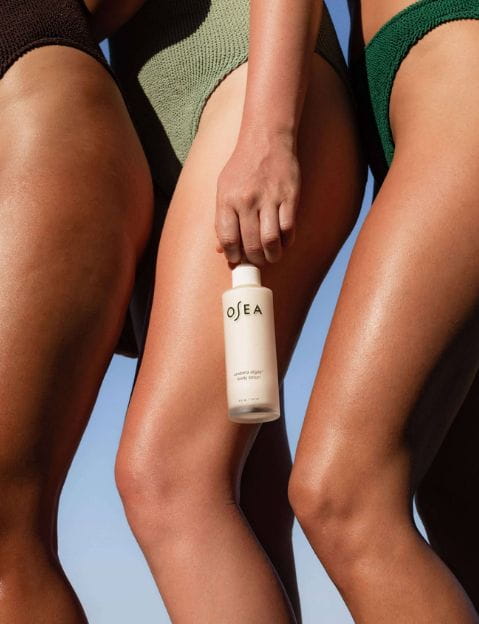
1. Osea
Based in Malibu, California, Osea has been a pioneer in vegan skincare since 1996. Their formulations are centered on bioavailable seaweed, which is hand-harvested and combined with cold-pressed essential oils. Osea was the first company to sign The Compact for Global Production of Safe Cosmetics, a pledge to ensure products are free of chemicals linked to cancer and birth defects. Their lotions are housed in recyclable glass bottles, emphasizing a luxury experience that does not compromise environmental values.
2. Attitude
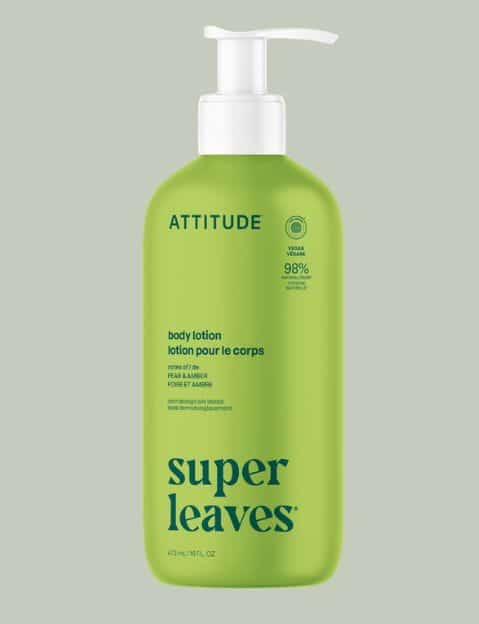
This Canadian-based brand focuses on "Living Consciously" through products that are EWG Verified and ECOLOGO Certified. Attitude’s lotions are notable for their use of hypoallergenic ingredients like oatmeal and blueberry leaf extract. The company has made significant strides in reducing plastic waste by offering bulk refill stations and "leaves bar" solid lotions that eliminate plastic packaging entirely.
3. Ecoroots
Ecoroots caters to the zero-waste demographic, offering body creams and lotions that are entirely plastic-free. Their products are typically packaged in glass jars with metal lids and shipped using compostable materials. By focusing on organic ingredients and small-batch production, Ecoroots ensures a high level of quality control while supporting reforestation through 1% for the Planet.

4. Public Goods
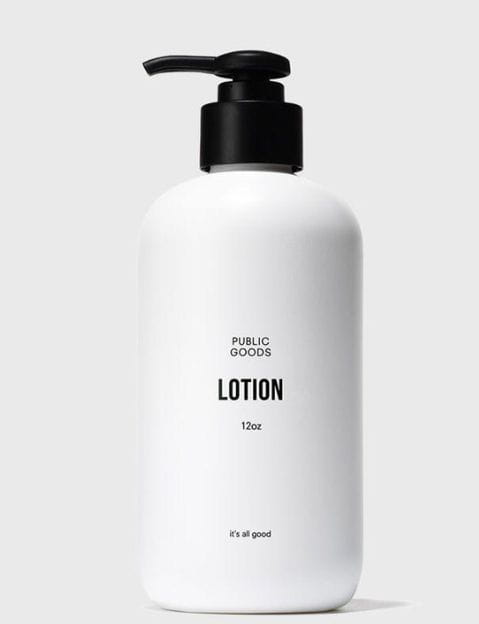
Operating on a membership model, Public Goods provides minimalist, high-quality personal care items at accessible price points. Their lotions are formulated without parabens, synthetic fragrances, or sodium lauryl sulfates. The brand emphasizes transparency and simplicity, using bottles made from sugarcane—a renewable resource that helps reduce carbon emissions during the manufacturing process.
5. Plaine Products
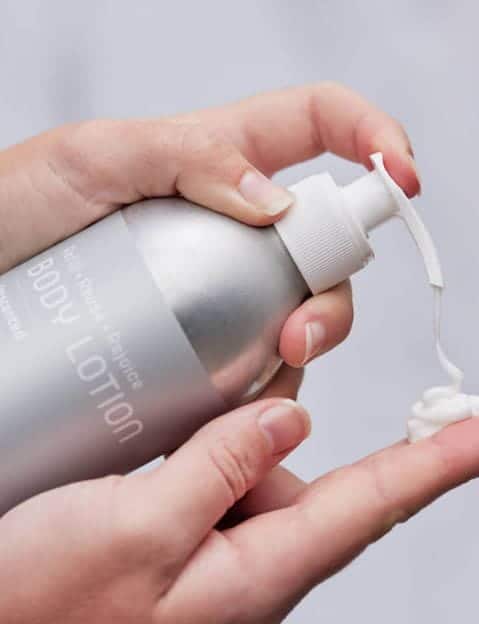
Plaine Products has revolutionized the personal care industry with a closed-loop refill system. Customers receive their lotion in aluminum bottles; once empty, the bottles are returned to the company to be cleaned, refilled, and sent back out. Their vegan, non-GMO formulations are free of synthetic chemicals, and the aluminum packaging is infinitely recyclable, making it one of the most sustainable options on the market.
6. The Good Fill
Headquartered in Nashville, The Good Fill serves as a resource for consumers looking to eliminate single-use plastics. Their unscented face and body lotions are designed for versatility and safety, utilizing plant-derived preservatives. The brand encourages customers to use refill pouches, which use significantly less plastic than traditional bottles and can be mailed back for recycling.
7. Meow Meow Tweet
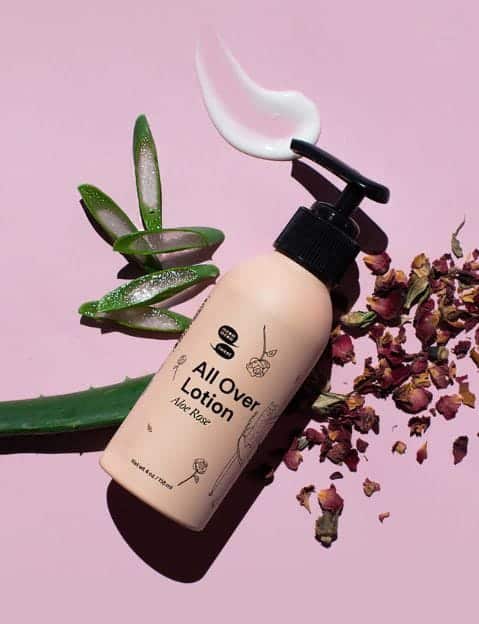
Recognized for its whimsical branding and ethical manufacturing, Meow Meow Tweet offers lotions that are certified organic and fair trade. The brand utilizes unique ingredients like aloe and rose, often packaged in compostable paper tubes or glass. As a certified B Corp, they meet high standards of social and environmental performance, accountability, and transparency.
8. Upcircle
Upcircle is a leader in the "upcycled beauty" movement. Their lotions often incorporate ingredients that would otherwise go to waste, such as residual water from organic fruit production or coffee grounds. This innovative approach addresses the issue of food waste while providing nutrient-dense skincare. Their products are housed in glass and metal packaging, further cementing their commitment to a waste-free future.
Market Trends and Economic Implications
The global "clean beauty" market was valued at approximately $7 billion in 2022 and is projected to reach nearly $15 billion by 2028, growing at a compound annual growth rate (CAGR) of over 12%. This economic shift indicates that non-toxic skincare is no longer a niche market but a mainstream demand.

Retailers are responding to this trend by implementing their own "clean" standards. For instance, Sephora’s "Clean at Sephora" and Target’s "Target Clean" icons help consumers identify products formulated without specific harmful ingredients. This retail-led transparency is forcing traditional legacy brands to reformulate their products to maintain market share.
Future Outlook and Broader Impact
The rise of non-toxic lotion options is symptomatic of a broader societal demand for corporate accountability and environmental stewardship. As scientific understanding of the "exposome"—the measure of all the exposures of an individual in a lifetime and how those exposures relate to health—deepens, the pressure on the personal care industry to eliminate hazardous chemicals will likely intensify.
Furthermore, the intersection of health and environmentalism suggests that the next generation of skincare will not only focus on "non-toxic" ingredients but also on "regenerative" sourcing. This involves ingredients grown using agricultural practices that restore soil health and biodiversity. As consumers continue to vote with their wallets, the 8 brands highlighted above serve as a blueprint for an industry that prioritizes the well-being of the individual and the planet in equal measure. In the coming years, the distinction between "conventional" and "non-toxic" may disappear entirely as safety and sustainability become the baseline requirements for all consumer goods.


