The global functional beverage market has witnessed a significant shift toward artisanal, home-brewed probiotics, with seasonal variations such as cranberry orange kombucha emerging as a focal point for health-conscious consumers during the winter months. As public interest in gut health and immune support intensifies, the practice of "second fermentation"—the process of flavoring and carbonating raw kombucha—has moved from a niche hobby to a mainstream wellness trend. By integrating the high vitamin C content and antioxidant properties of cranberries with the probiotic benefits of fermented tea, this specific beverage serves as a case study in how traditional preservation methods are being repurposed to address modern nutritional needs.
The Intersection of Nutrition and Fermentation Science
The development of cranberry orange kombucha is predicated on the synergy between the base fermented tea and the bioactive compounds found in winter fruits. Cranberries (Vaccinium macrocarpon) are widely recognized in clinical literature for their high concentration of proanthocyanidins (PACs). According to multiple human intervention trials, these compounds are effective in preventing urinary tract infections (UTIs) by inhibiting the adhesion of certain bacteria, such as E. coli, to the urinary tract wall. When these berries are introduced into a kombucha medium, the resulting beverage becomes a delivery system for both these protective phytonutrients and a diverse array of beneficial bacteria.
Furthermore, the inclusion of orange juice and zest provides a significant boost of ascorbic acid (vitamin C), which is essential for collagen synthesis and immune function, particularly during the colder seasons when viral transmission rates typically increase. The fermentation process itself, driven by a Symbiotic Culture of Bacteria and Yeast (SCOBY), transforms simple sugars into organic acids, including acetic, gluconic, and lactic acids. These acids not only act as natural preservatives but also contribute to the tart flavor profile that is increasingly favored by a consumer base moving away from high-fructose corn syrup and synthetic flavorings.

A Chronological Overview of the Second Fermentation Process
The production of cranberry orange kombucha follows a precise timeline that balances culinary preparation with biological activity. Unlike the initial fermentation of sweet tea, which can take anywhere from seven to 21 days, the second fermentation is a rapid phase focused on carbonation and flavor infusion.
Phase I: Syrup Extraction and Infusion
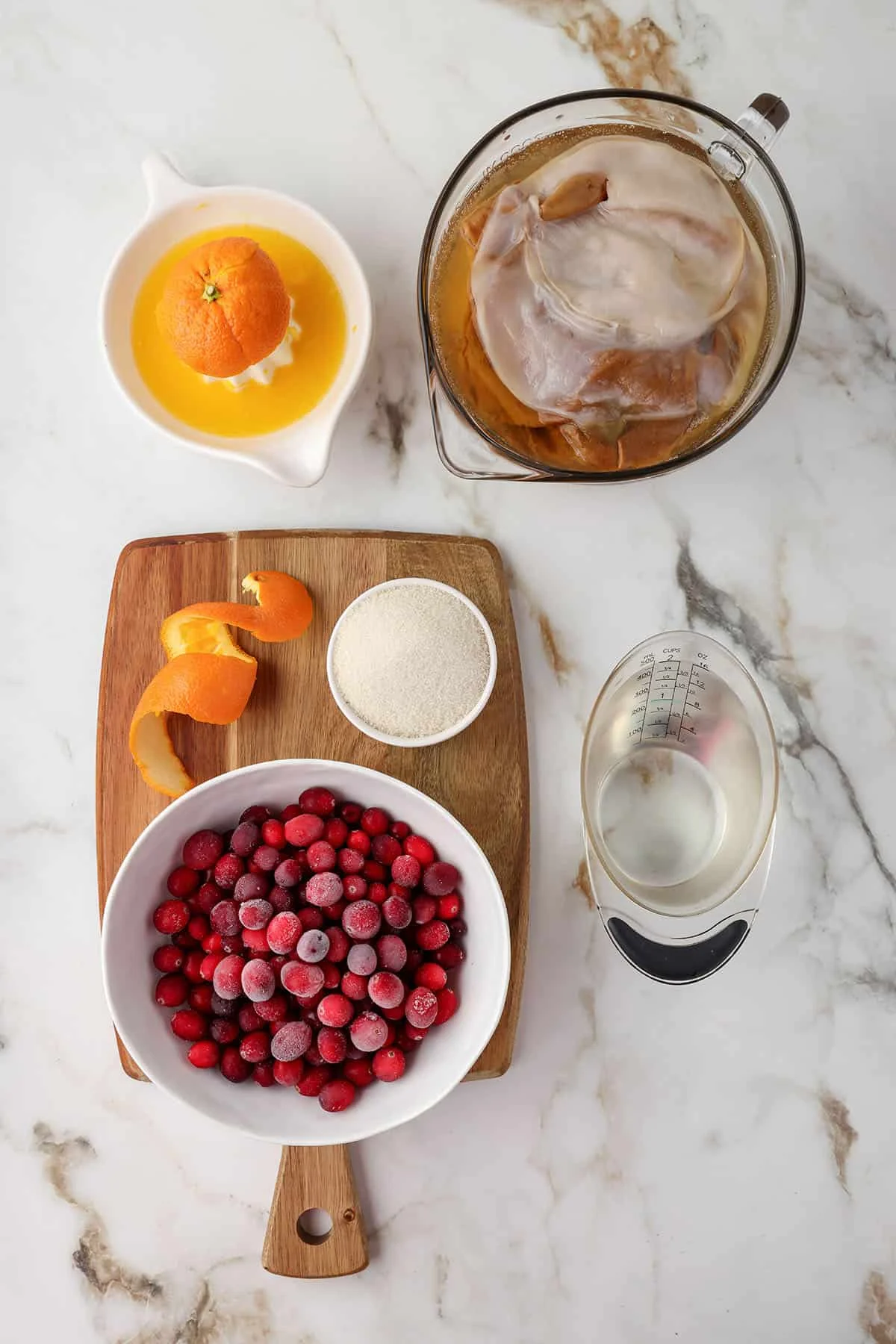
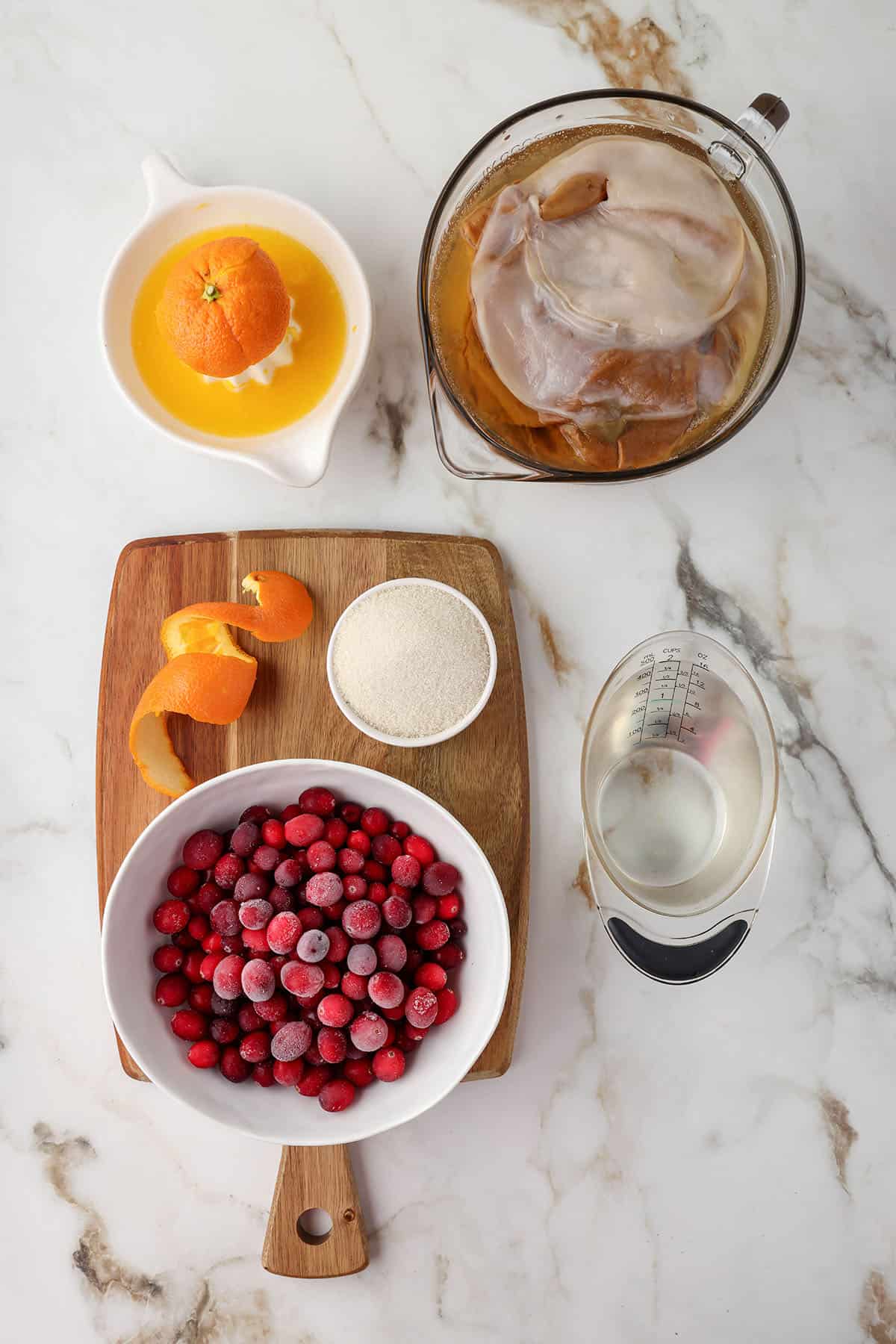
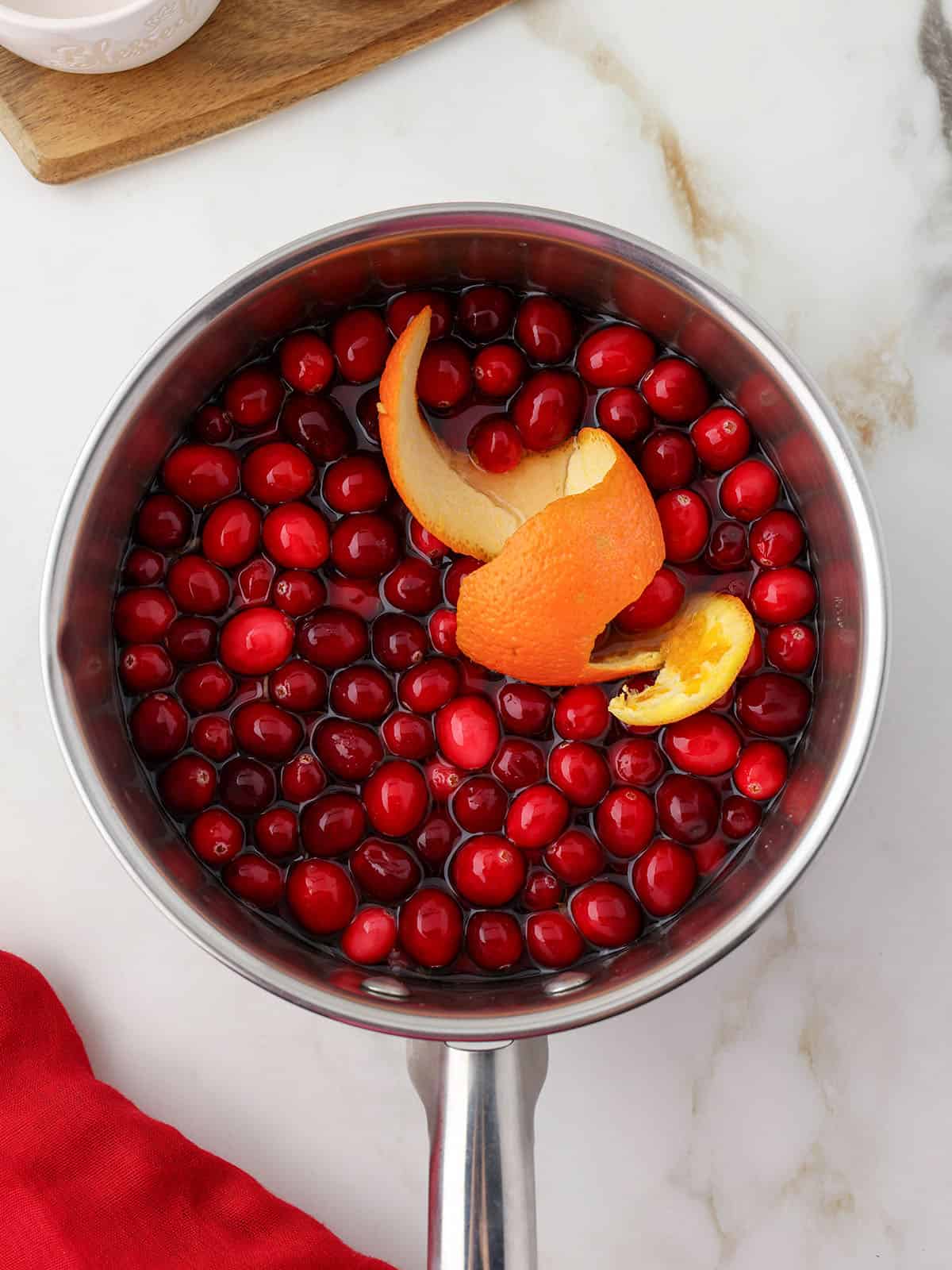
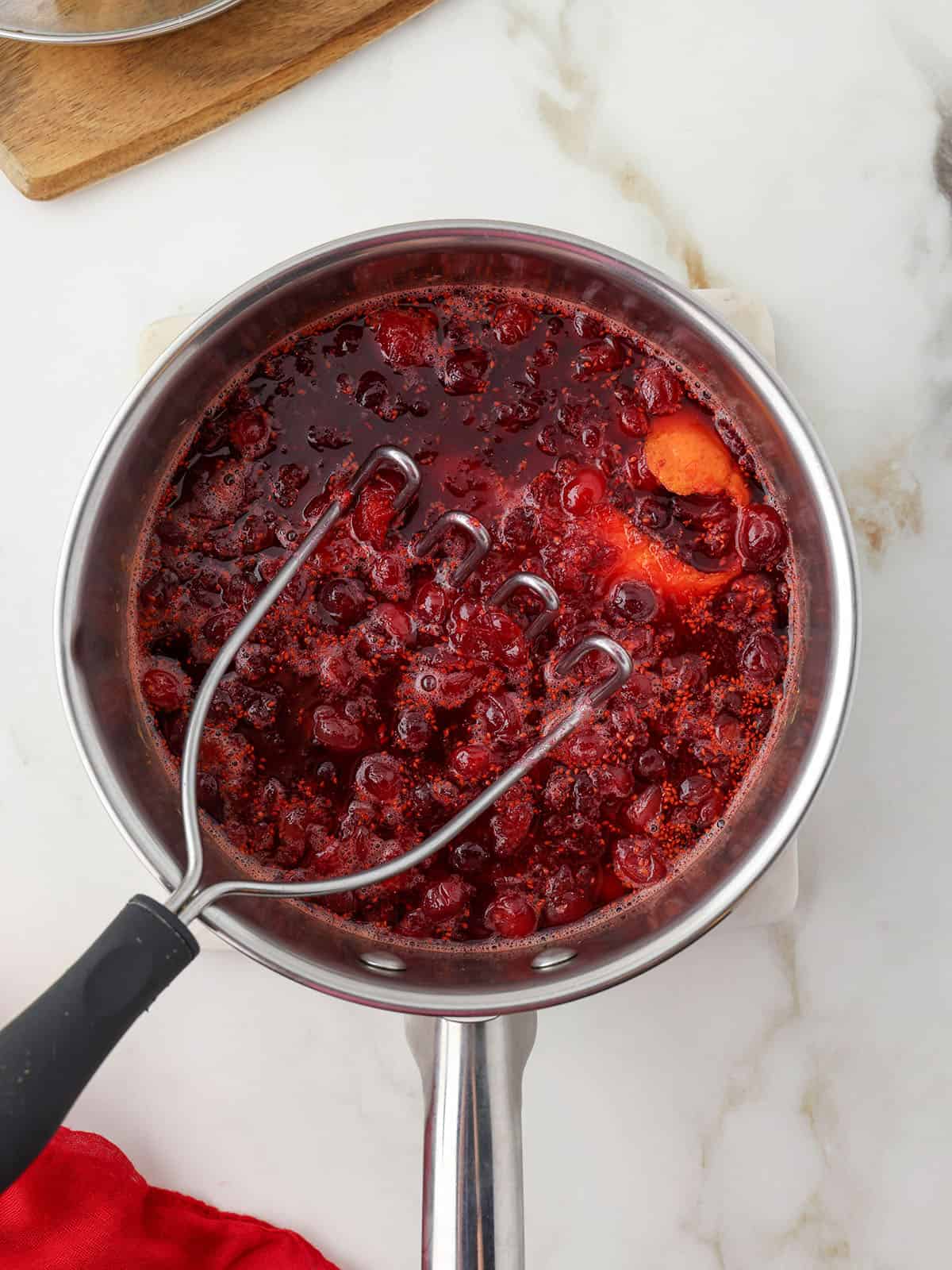
The process begins with the creation of a concentrated cranberry-orange syrup. This involves simmering fresh or frozen cranberries with organic cane sugar and water. The thermal application serves a dual purpose: it breaks down the tough cellular structure of the cranberries to release juice and pectin, and it dissolves the sugar to create a bioavailable fuel source for the yeast. The addition of orange peel during the cooling phase allows for the extraction of essential oils without introducing the bitterness often associated with boiled citrus pith.

Phase II: Integration and Bottling
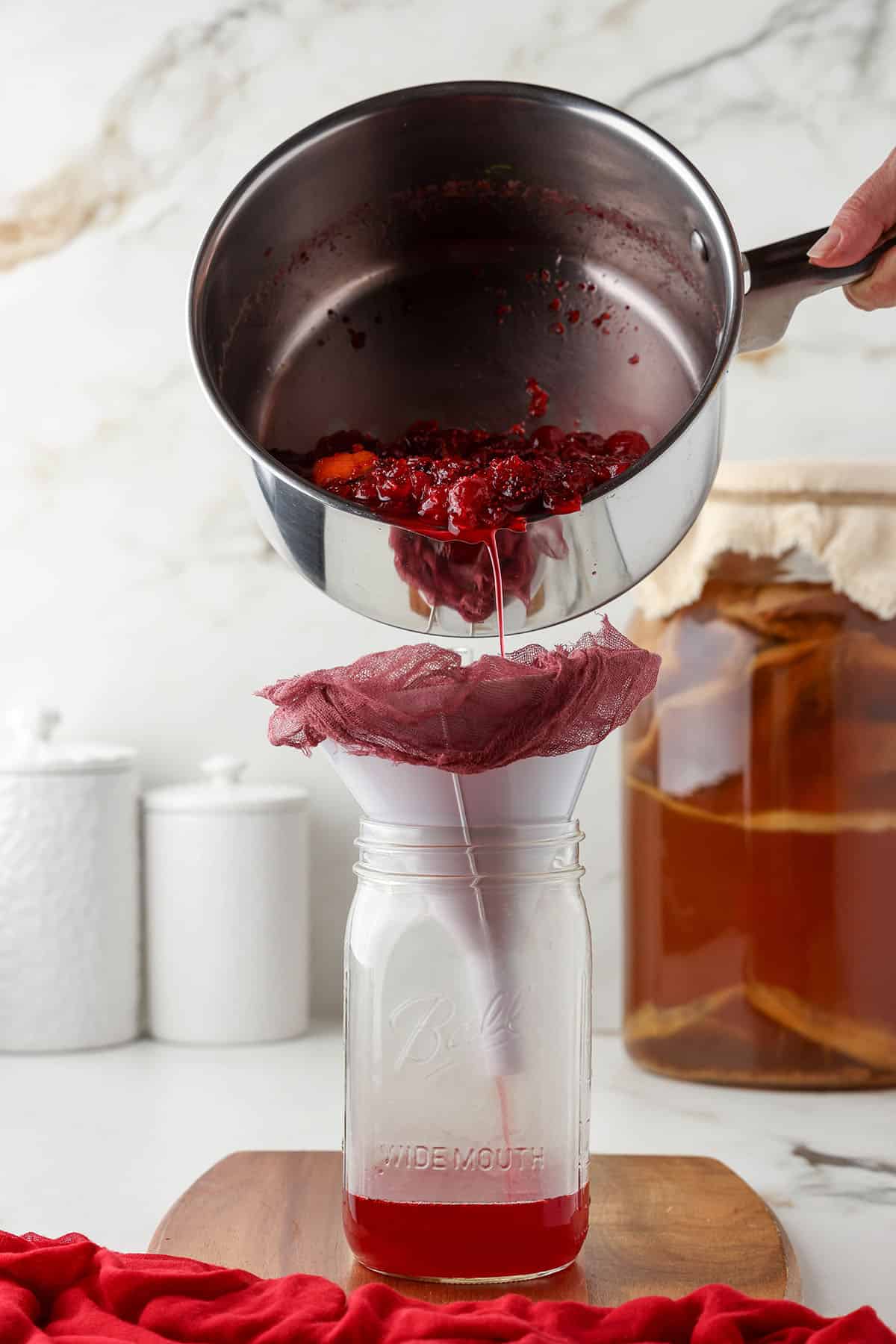
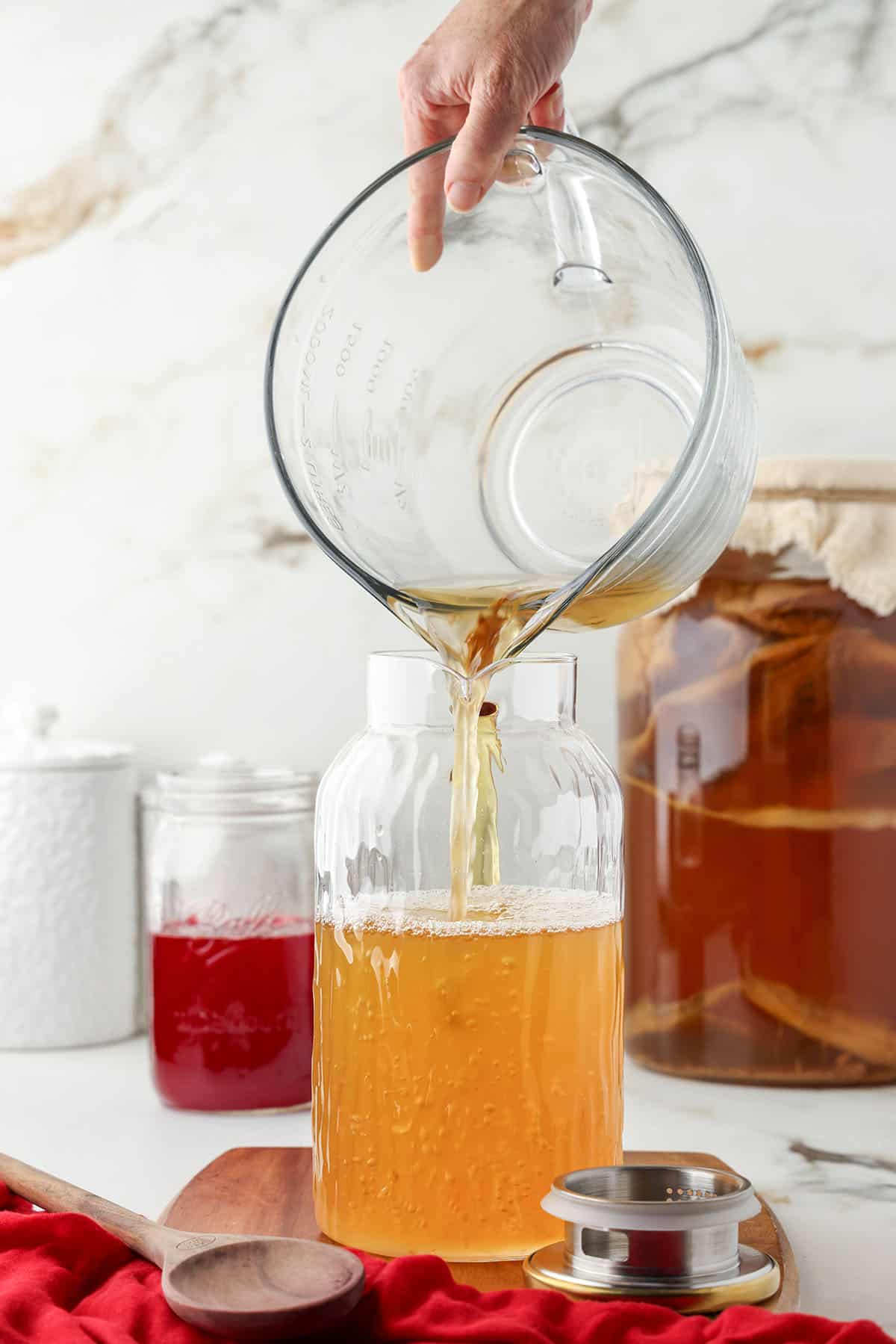
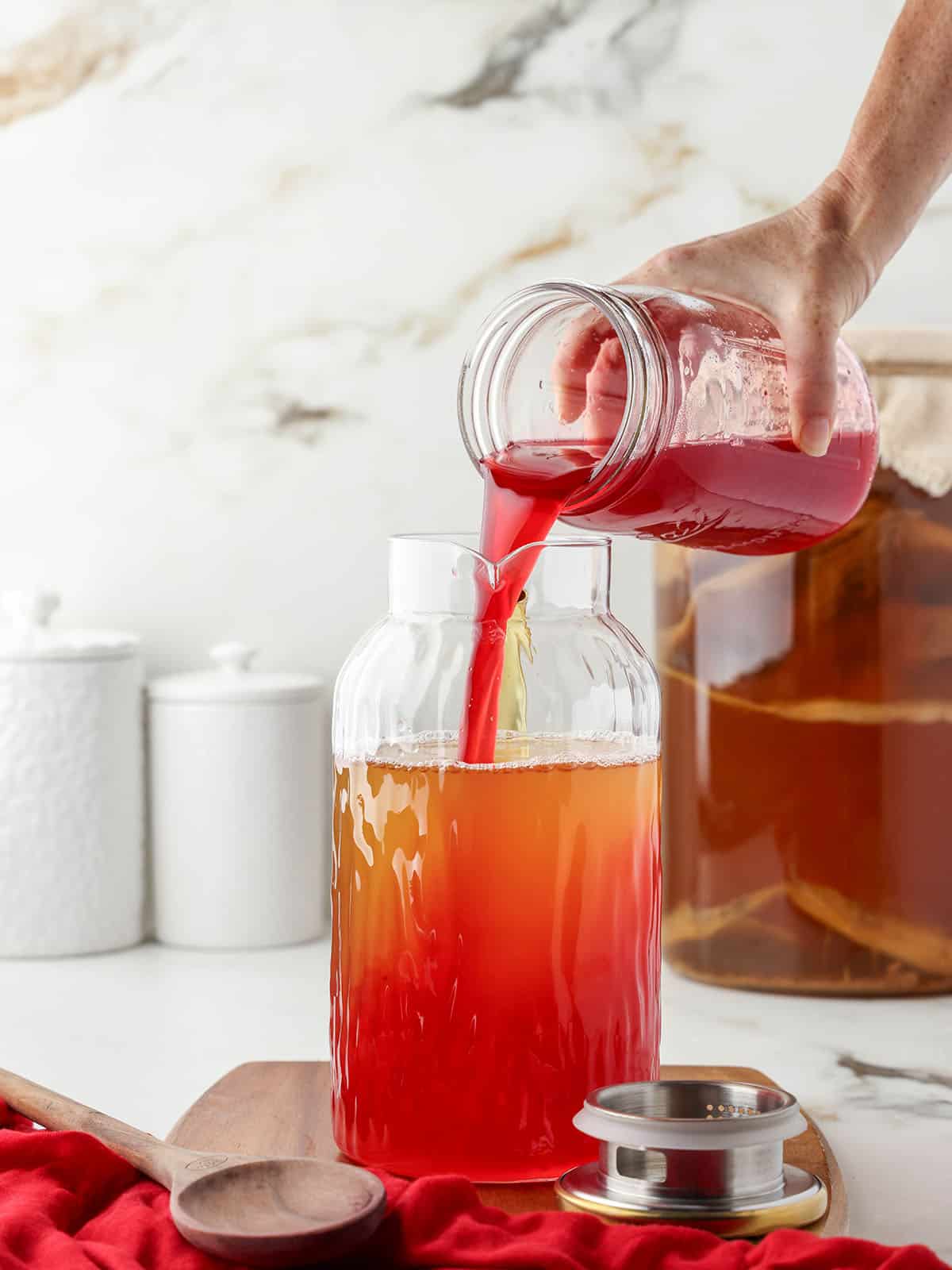
Once the syrup has been strained—a step that removes solid particulates to ensure a smooth final texture—it is blended with a primary ferment of black or green tea kombucha. Journalistic observations of home-brewing protocols suggest a ratio of approximately two cups of syrup to seven cups of raw kombucha. This mixture is then transferred into pressure-rated, swing-top glass bottles. The "headspace" left at the top of the bottle (approximately one to two inches) is critical, as it provides a reservoir for the carbon dioxide gas produced by the yeast as they consume the newly introduced sugars from the fruit syrup.

Phase III: Carbonation and Stabilization
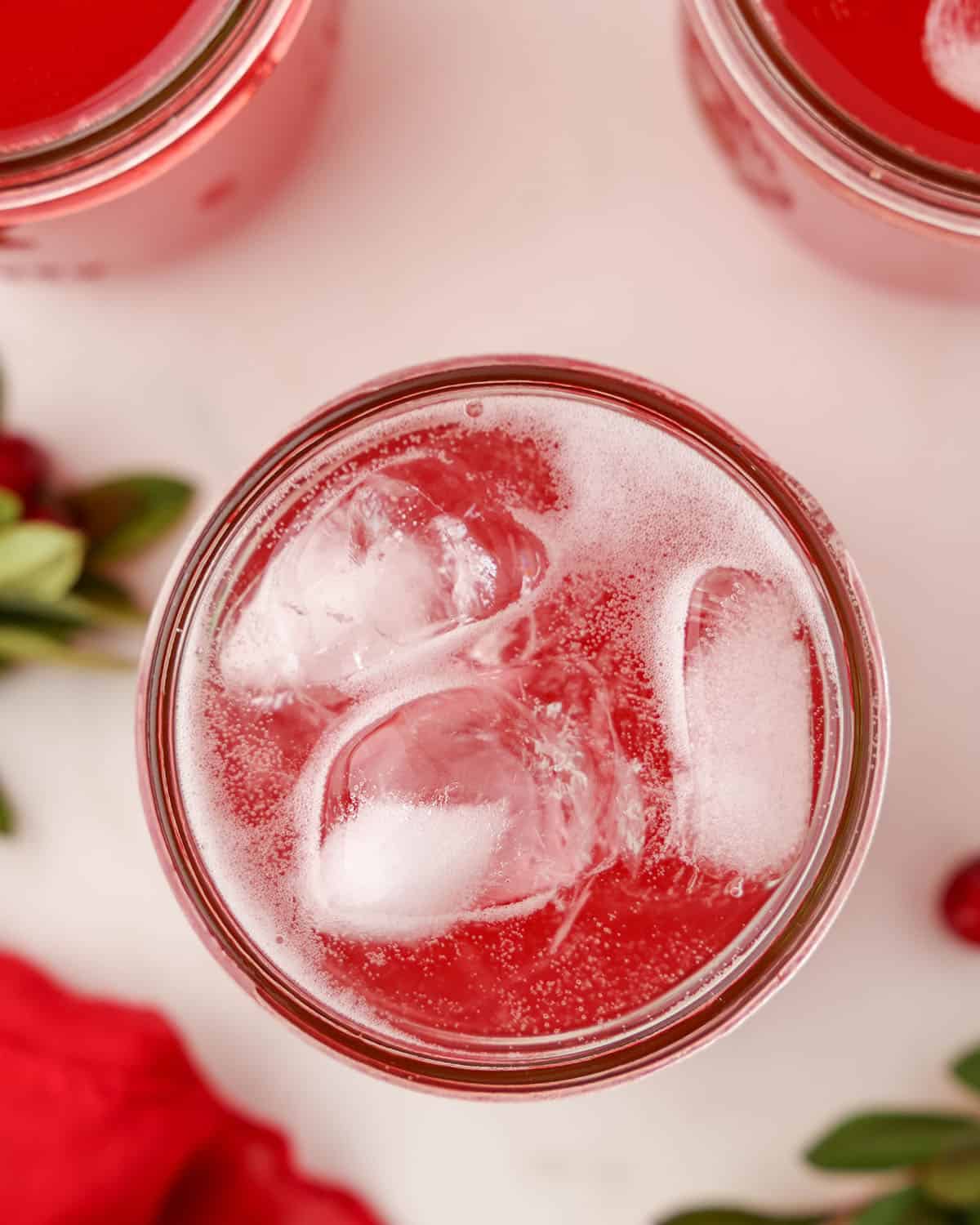
The sealed bottles are kept at room temperature, out of direct sunlight, for a period of two to three days. During this window, the metabolic activity of the yeast accelerates. Because the gas cannot escape the sealed environment, it dissolves into the liquid, creating the characteristic "fizz" associated with commercial sodas but without the chemical additives. To prevent "bottle bombs"—a term used in the fermentation community for glass failure due to excessive internal pressure—brewers are advised to "burp" the bottles or monitor them closely before moving them to refrigeration, which effectively halts the fermentation process.
Market Context and Consumer Trends
The rise of recipes such as cranberry orange kombucha reflects a broader movement in the food and beverage industry toward "tart and spiced" flavor profiles. Market analysts note that the "sweet tooth" of previous decades is being replaced by a preference for complexity and acidity. This is evidenced by the popularity of pickled and honey-fermented cranberries in high-end culinary settings.
According to data from Grand View Research, the global kombucha market size was valued at approximately USD 2.64 billion in 2021 and is expected to expand at a compound annual growth rate (CAGR) of 15.6% through 2030. A significant portion of this growth is attributed to the "home-brew" segment, where consumers seek to control the quality of ingredients, such as using organic cane sugar and seasonal, local produce. The ability to customize sugar levels—decreasing the syrup concentration for a drier, more acidic beverage—appeals to the growing demographic of keto and low-sugar diet adherents.
Broader Implications for Public Health and Waste Reduction
Beyond the immediate nutritional benefits, the production of cranberry kombucha highlights two significant societal trends: the prioritization of gut health during holiday periods and the move toward "zero-waste" kitchens.
During the winter holiday season, dietary patterns often shift toward high-calorie, high-sugar foods that can disrupt the gut microbiome. The introduction of a probiotic-rich beverage during this time is viewed by health practitioners as a corrective measure. The live cultures in the kombucha aid in the digestion of complex meals and help maintain a balanced microbial environment in the gastrointestinal tract.
Additionally, the artisanal approach to this beverage encourages the repurposing of food byproducts. The cranberry pulp remaining after the syrup-making process is rich in fiber and residual pectin. In keeping with sustainable kitchen practices, this pulp can be blended into a "refrigerator jam." Because cranberries are naturally high in pectin, this byproduct sets into a thick spread without the need for additional gelling agents, providing a secondary food source and reducing organic waste.
Technical Specifications and Procedural Standards
For those implementing this fermentation protocol, adherence to specific ingredient standards is recommended to ensure both safety and flavor consistency.

- Substrate Selection: While both black and green tea are suitable, black tea provides a more robust, tannic backbone that complements the tartness of the cranberries, whereas green tea offers a lighter, more floral profile.
- Sugar Requirements: Organic cane sugar is preferred for its lack of synthetic processing residues. While the sugar content can be reduced to 1/2 cup for the syrup, a minimum threshold is required to ensure sufficient carbonation.
- Environmental Factors: The rate of fermentation is highly dependent on ambient temperature. In standard kitchen conditions (approx. 68-75°F), the 48-to-72-hour window is standard. In warmer climates, this may be shortened to 24 hours to avoid over-acidification.
Conclusion: The Future of Seasonal Fermentation
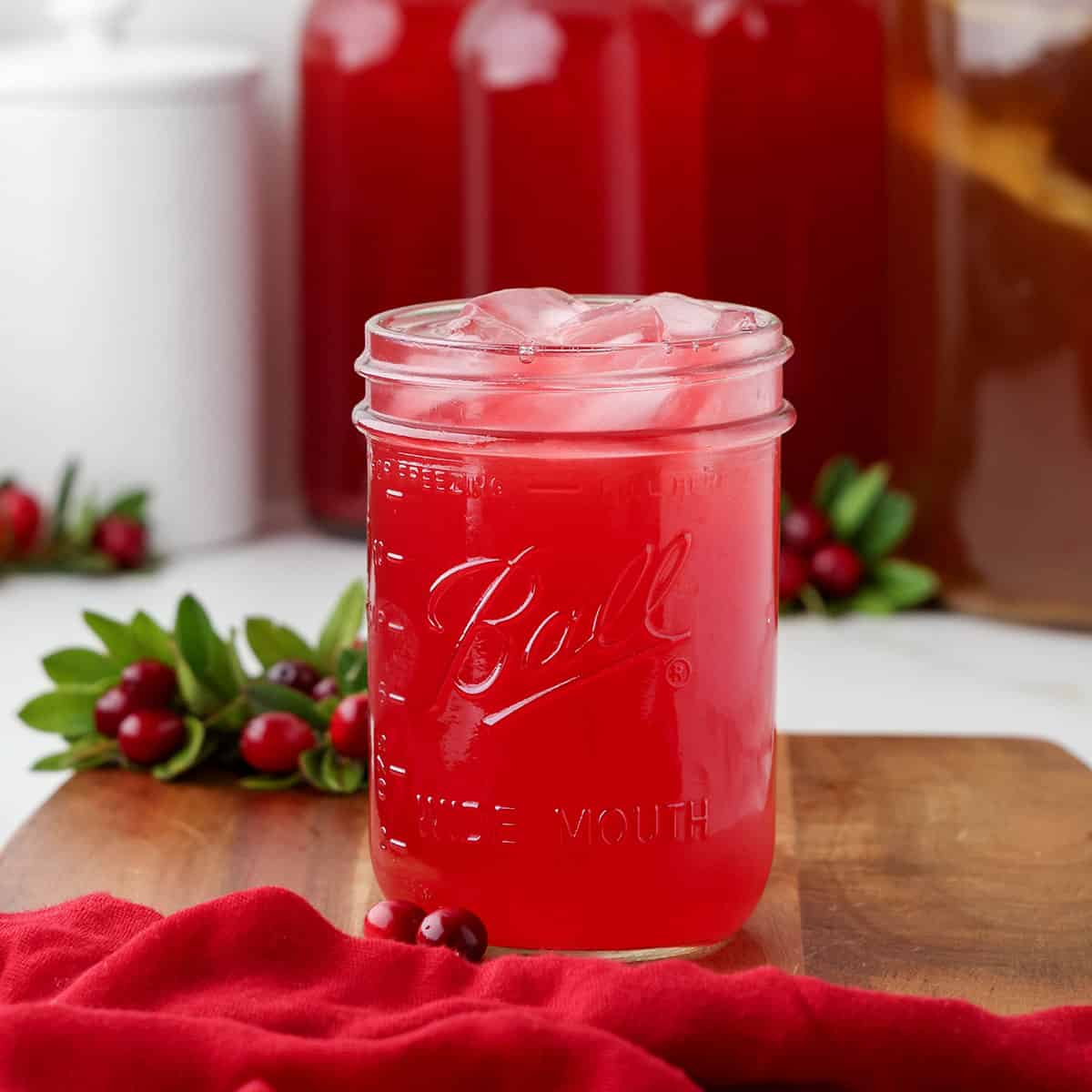
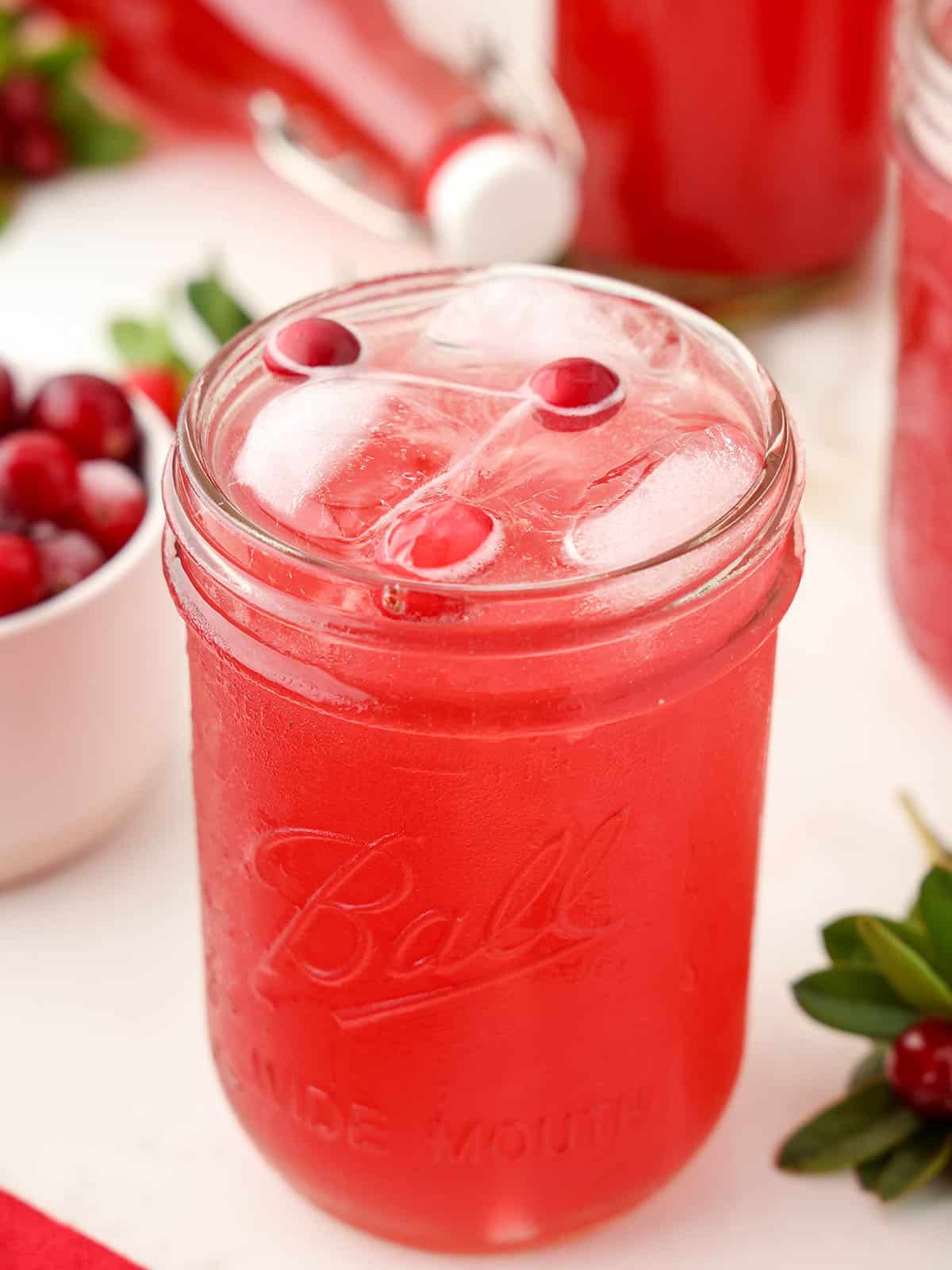
Cranberry orange kombucha represents more than a seasonal beverage; it is a manifestation of the "food as medicine" philosophy. By combining the ancient practice of tea fermentation with the specific nutritional profile of winter harvests, it offers a scientifically backed alternative to traditional soft drinks. As the beverage industry continues to evolve, the emphasis on functional, probiotic-rich, and seasonally aligned products is expected to remain a dominant force in both commercial manufacturing and domestic culinary arts. The success of such ferments lies in their ability to provide a sensory experience—bright, tart, and effervescent—while simultaneously addressing the physiological demands of the human body during the winter season.