
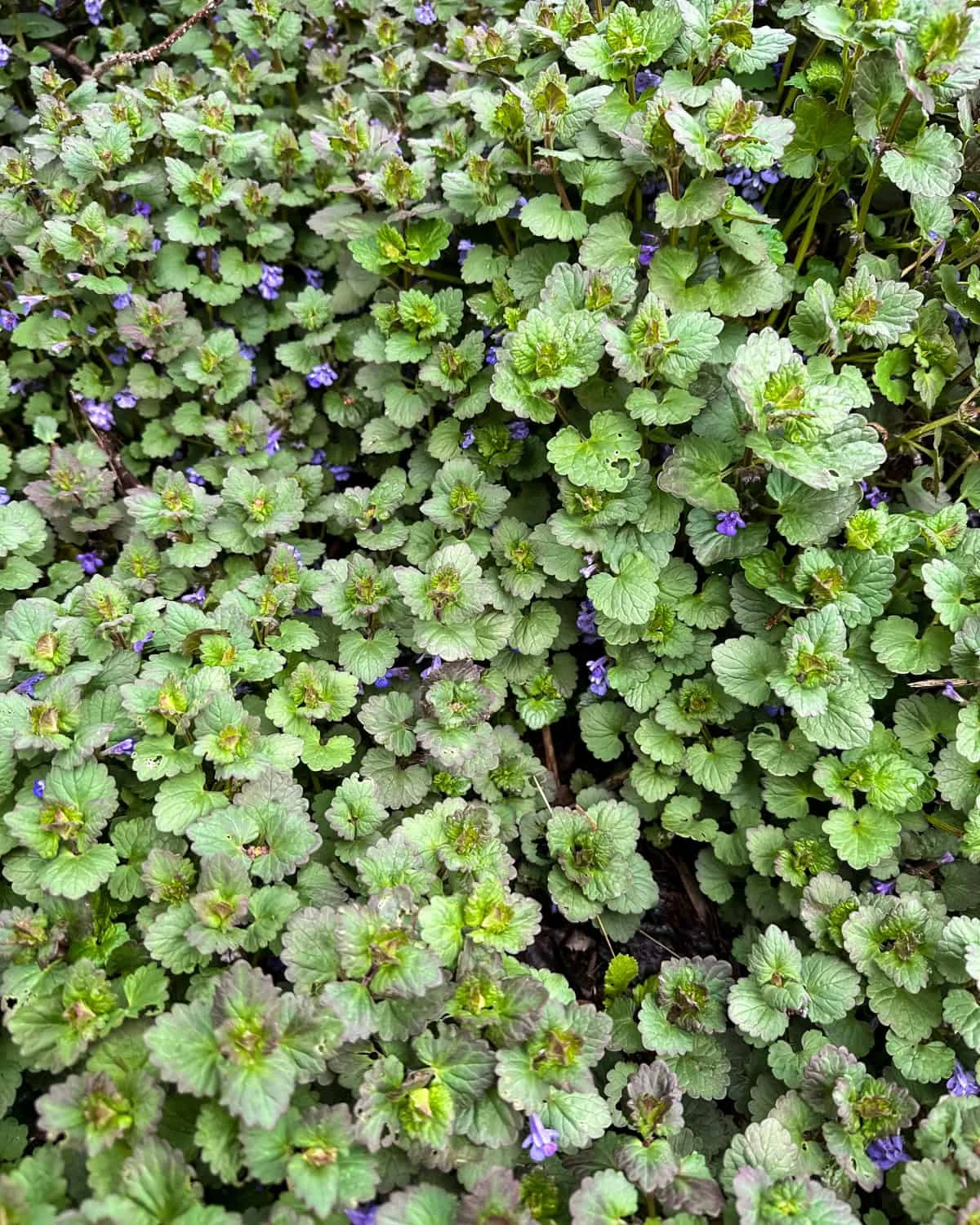
Glechoma hederacea, a perennial evergreen herb commonly referred to as ground ivy or creeping charlie, represents a significant point of intersection between horticultural management, traditional ethnobotany, and modern ecological foraging. As an early-season plant that emerges with the first thaws of spring, ground ivy is often categorized by modern homeowners as an invasive nuisance due to its aggressive growth patterns. However, a deeper analysis of the species reveals a complex history of medicinal use, nutritional density, and ecological utility. Belonging to the Lamiaceae, or mint family, this low-growing plant is characterized by its stoloniferous growth, dainty purple flowers, and distinctive aromatic profile. While often targeted by broadleaf herbicides in suburban landscapes, ground ivy is increasingly recognized by herbalists and sustainability advocates as a valuable resource for both human consumption and pollinator support.
Taxonomic Classification and Biological Characteristics
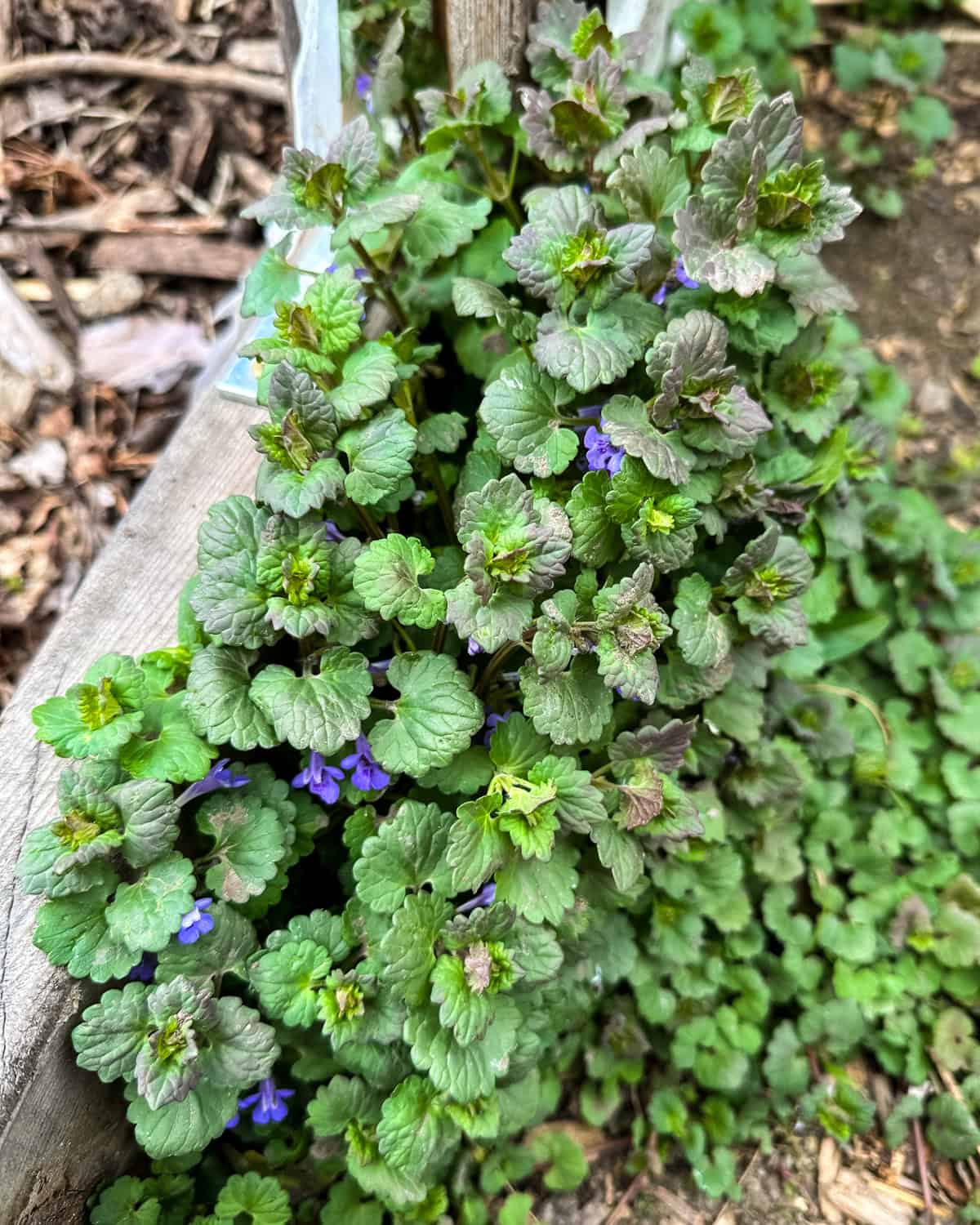
Ground ivy is a member of the mint family, a group of plants known for their square stems and aromatic volatile oils. The species is native to Europe and parts of Asia but has naturalized across much of North America, where it thrives in USDA hardiness zones 3 through 10. The plant’s biological success is attributed to its "creeping" habit; it utilizes horizontal stems known as stolons or runners that root at the nodes whenever they touch the soil. This allows a single plant to rapidly colonize large areas, forming dense, carpet-like mats that effectively suppress competing vegetation.
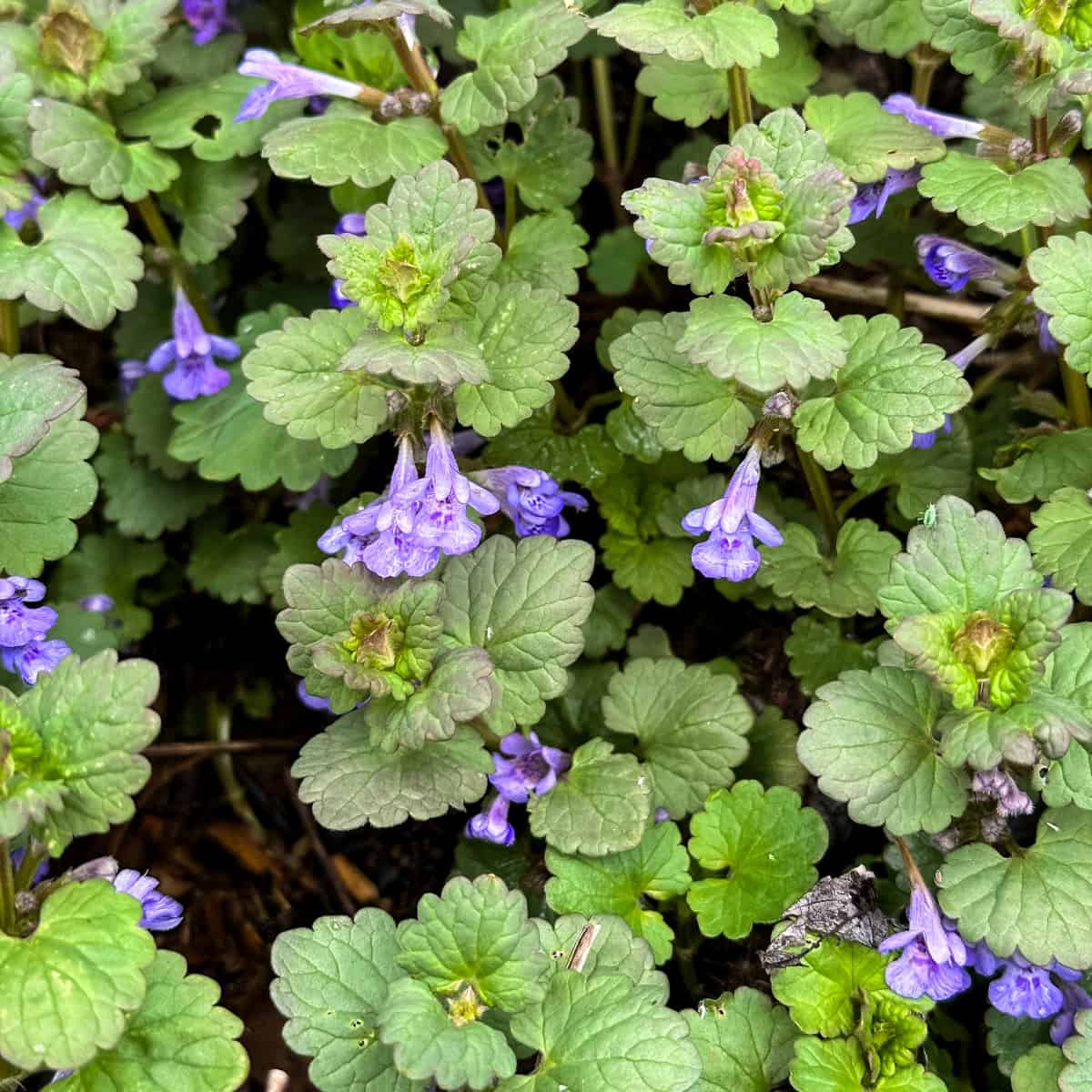
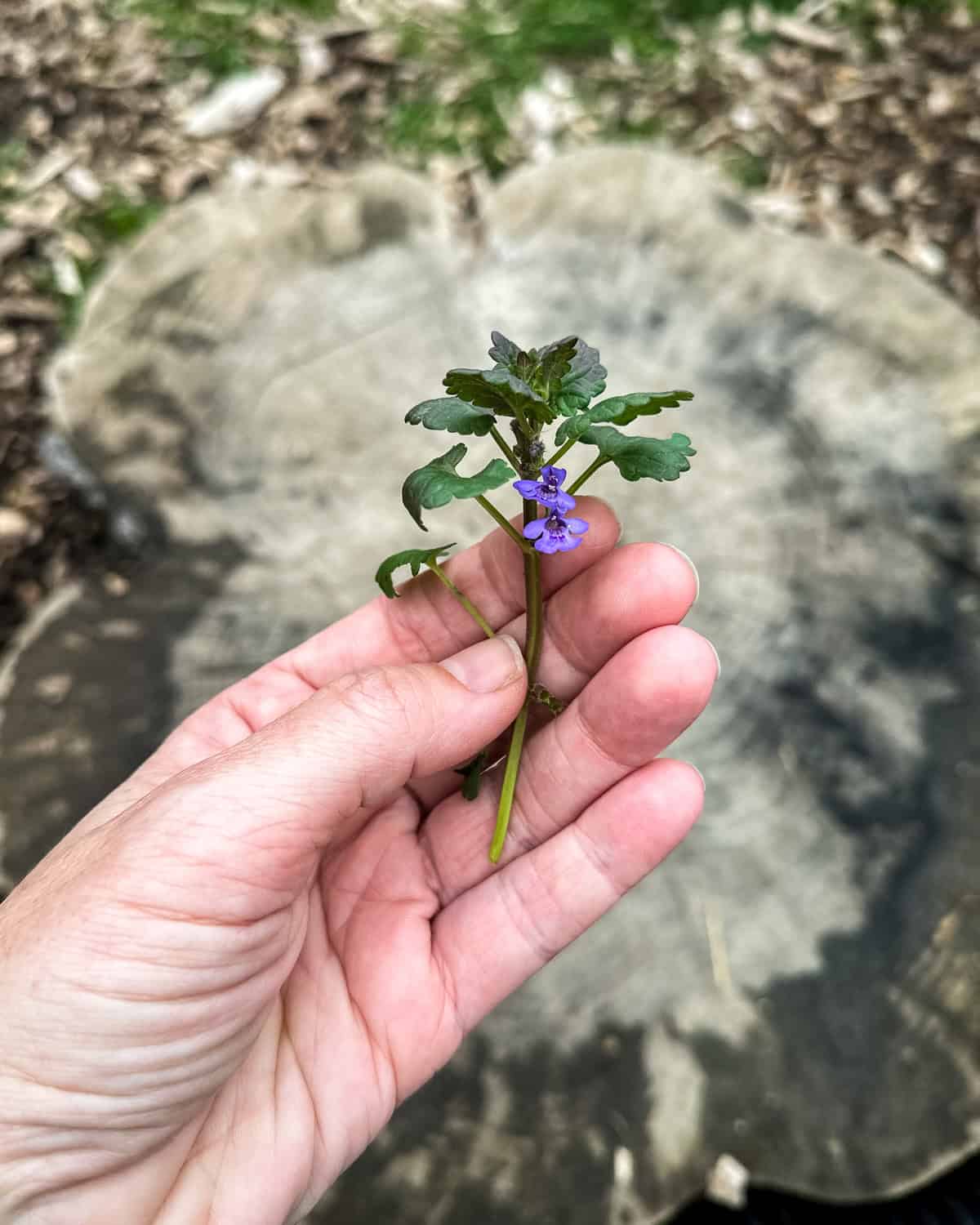
The leaves of Glechoma hederacea are petiolated, meaning they grow on small stalks, and are typically round or kidney-shaped with prominent scalloped (crenate) edges. These leaves are arranged oppositely along the square stem, a hallmark of the Lamiaceae family. In early to mid-spring, the plant produces funnel-shaped flowers that range in color from pale lavender to deep violet. These blossoms feature darker purple spots or streaks on the lower lip, which serve as "nectar guides" for visiting insects.
Historical Context and Global Dissemination
The history of ground ivy is intrinsically linked to human migration and the development of early agriculture and medicine. Before the widespread adoption of Humulus lupulus (hops) in the 16th century, ground ivy was a primary bittering agent and preservative used in the brewing of ale. This historical use earned the plant the nickname "alehoof." The plant contains tannins and essential oils that not only clarified the beer but also extended its shelf life and provided a unique flavor profile.
European settlers introduced ground ivy to North America in the 17th century, intentionally cultivating it for its medicinal properties and as a reliable ground cover for shaded areas where grass struggled to grow. Over the centuries, the plant escaped cultivation and became a permanent fixture in the North American landscape. Its transition from a valued medicinal herb to a "noxious weed" reflects broader shifts in 20th-century aesthetic standards for monoculture lawns, where any plant other than turfgrass is viewed as a biological interloper.

Morphological Distinctions and Identification Metrics
Accurate identification is the cornerstone of safe foraging. Ground ivy is frequently confused with other early-spring members of the mint family, such as henbit (Lamium amplexicaule) and purple dead nettle (Lamium purpureum). While these plants share similar habitats and flowering windows, specific morphological differences allow for clear differentiation.
Ground ivy is distinguished by its perennial nature and its prostrate, creeping growth habit. Unlike henbit and purple dead nettle, which tend to grow more upright as they mature, ground ivy remains low to the ground, rarely exceeding eight inches in height. The flowers of ground ivy are also distinct; they are borne in small clusters of two to four in the leaf axils. When the leaves are crushed, they emit a pungent, minty, and slightly earthy aroma, which is more intense than the relatively mild scent of its look-alikes.
Comparative Analysis: Differentiating Ground Ivy from Look-alikes
To assist foragers in field identification, it is necessary to compare ground ivy with its most common look-alikes. Henbit features leaves that are stalkless (sessile) and encircle the stem at the top of the plant, creating a "ruffled" appearance. Its flowers are typically a brighter pink or magenta and are much narrower than the funnel-shaped blooms of ground ivy.
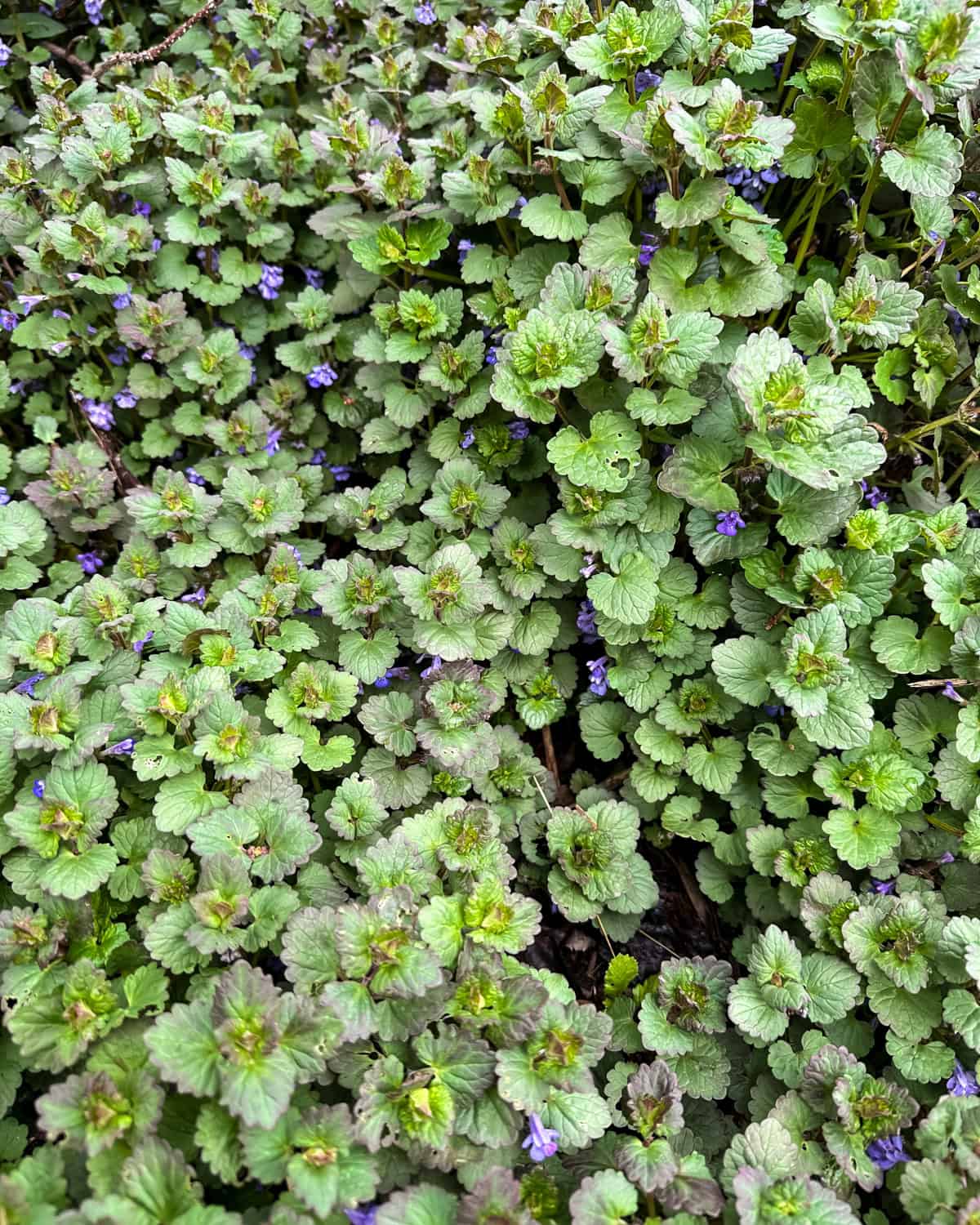
Purple dead nettle, conversely, is an annual plant that features triangular, fuzzy leaves. The upper leaves of purple dead nettle often take on a distinct reddish-purple hue, which is a key diagnostic feature. While ground ivy leaves may turn slightly reddish in cold weather or high sun, they lack the fuzzy texture and pointed tips of the dead nettle. Crucially, all three of these plants are non-toxic and edible, which provides a margin of safety for beginning foragers; however, for medicinal applications, the specific chemical properties of Glechoma hederacea are unique and cannot be substituted by Lamium species.
Phytochemical Composition and Nutritional Value
From a nutritional standpoint, ground ivy is a powerhouse of micronutrients. Analysis shows that the plant is a rich source of Vitamin C, often containing higher concentrations per gram than many cultivated greens. It also provides significant levels of iron, potassium, and copper. The presence of volatile oils, including pinocamphone and menthone, contributes to its aromatic properties and its historical use as a digestive aid.
Modern biochemical research has confirmed the presence of various bioactive compounds in ground ivy, including flavonoids, triterpenoids, and phenolic acids. These compounds are associated with antioxidant and antimicrobial activities. A study published in the International Journal of Molecular Sciences highlighted that Glechoma hederacea extracts exhibit potent radical scavenging capabilities, suggesting that the plant may play a role in mitigating oxidative stress when consumed as part of a balanced diet.

Ethnobotanical Applications and Traditional Medicine
The traditional use of ground ivy in folk medicine is extensive. It has long been classified as an "expectorant" and "vulnerary." In European herbalism, a tea made from the dried leaves was a standard treatment for chronic bronchial catarrh, asthma, and "painter’s colic" (lead poisoning). The high Vitamin C content also made it a historic remedy for scurvy.
Herbalists today continue to use ground ivy for its affinity for the upper respiratory system. It is often employed to dry up excess mucous in the sinuses and middle ear, a condition sometimes referred to as "glue ear." Additionally, its diuretic properties make it a candidate for supporting kidney function and reducing mild edema. When applied topically as a poultice or infused oil, ground ivy has been used to treat minor skin irritations and wounds, leveraging its antimicrobial properties to prevent infection and promote healing.
Ecological Impact and Horticultural Management
In the context of modern ecology, ground ivy plays a dual role. To the suburban gardener, it is a formidable opponent. Its ability to thrive in shade and moisture makes it a dominant force in areas where traditional lawn grasses fail. Because it spreads via stolons, hand-pulling is often ineffective, as any small segment of the root or stem left in the soil can regenerate into a new plant.

However, from a biodiversity perspective, ground ivy offers several benefits. It is one of the earliest nectar sources available to pollinators in the spring. Long-tongued bees, such as bumblebees and honeybees, are frequent visitors to its purple blossoms at a time when few other flowers are in bloom. Furthermore, ground ivy serves as a living mulch, protecting the soil from erosion and retaining moisture. In the "No Mow May" movement, which encourages homeowners to delay lawn maintenance to support insect populations, ground ivy is celebrated as a critical component of a healthy, biodiverse yard.
Ethical Foraging and Safety Protocols
For those interested in harvesting ground ivy for culinary or medicinal use, safety and ethics are paramount. Because ground ivy is often treated as a weed, it is frequently targeted with synthetic herbicides like 2,4-D or Dicamba. Foragers must ensure that their harvest site has not been chemically treated. Public parks, roadsides, and manicured golf courses are generally unsuitable for foraging due to the high likelihood of chemical runoff and heavy metal contamination.
Ethical harvesting involves taking only what is needed and ensuring that the local population of the plant remains viable. Given the prolific nature of ground ivy, over-harvesting is rarely a concern; however, foragers should be mindful of the surrounding ecosystem. It is also recommended to wash the harvested greens thoroughly to remove soil, insects, and potential animal waste.
Culinary Integration and the Craft Brewing Revival
In the kitchen, ground ivy offers a unique flavor profile that is simultaneously minty, bitter, and peppery. The young leaves and flowering tops are the most palatable, as older leaves can become excessively bitter and tough. They can be used raw in salads to provide a sharp accent or cooked as a potherb in soups and stews.
The craft brewing industry has recently seen a resurgence of interest in historical "gruit" ales—beers brewed without hops. Some artisanal brewers are experimenting with ground ivy to recreate the alehoof brews of the Middle Ages. Beyond beer, the plant can be used to infuse vinegar, honey, or spirits. A popular contemporary application is the creation of ground ivy-infused vodka, which provides a botanical base for savory cocktails like the Bloody Mary.
Broader Impact and Future Implications
The shift in perception regarding ground ivy from a "weed" to a "wild edible" reflects a larger cultural movement toward sustainability and self-sufficiency. As global food systems face challenges related to climate change and supply chain instability, the ability to identify and utilize local, wild-growing resources becomes increasingly valuable.
Furthermore, the reevaluation of "lawn weeds" like ground ivy is contributing to a change in urban and suburban land management. Landscape architects are beginning to incorporate ground ivy into "tapestry lawns"—low-maintenance, biodiverse alternatives to traditional grass. By embracing the "creeping" nature of this plant rather than fighting it, society can move toward a more harmonious relationship with the natural world, recognizing that even the most humble backyard weed has a story, a function, and a place at the table.
In conclusion, Glechoma hederacea is far more than a gardener’s frustration. It is a resilient survivor with a lineage that spans continents and centuries. Whether viewed as a historical brewing staple, a nutrient-dense superfood, or a vital nectar source for spring pollinators, ground ivy demands a level of respect and understanding that transcends its status as a common lawn weed. As we move forward into an era of increased ecological awareness, the dainty purple flowers of creeping charlie serve as a reminder of the abundance that exists right beneath our feet.


