
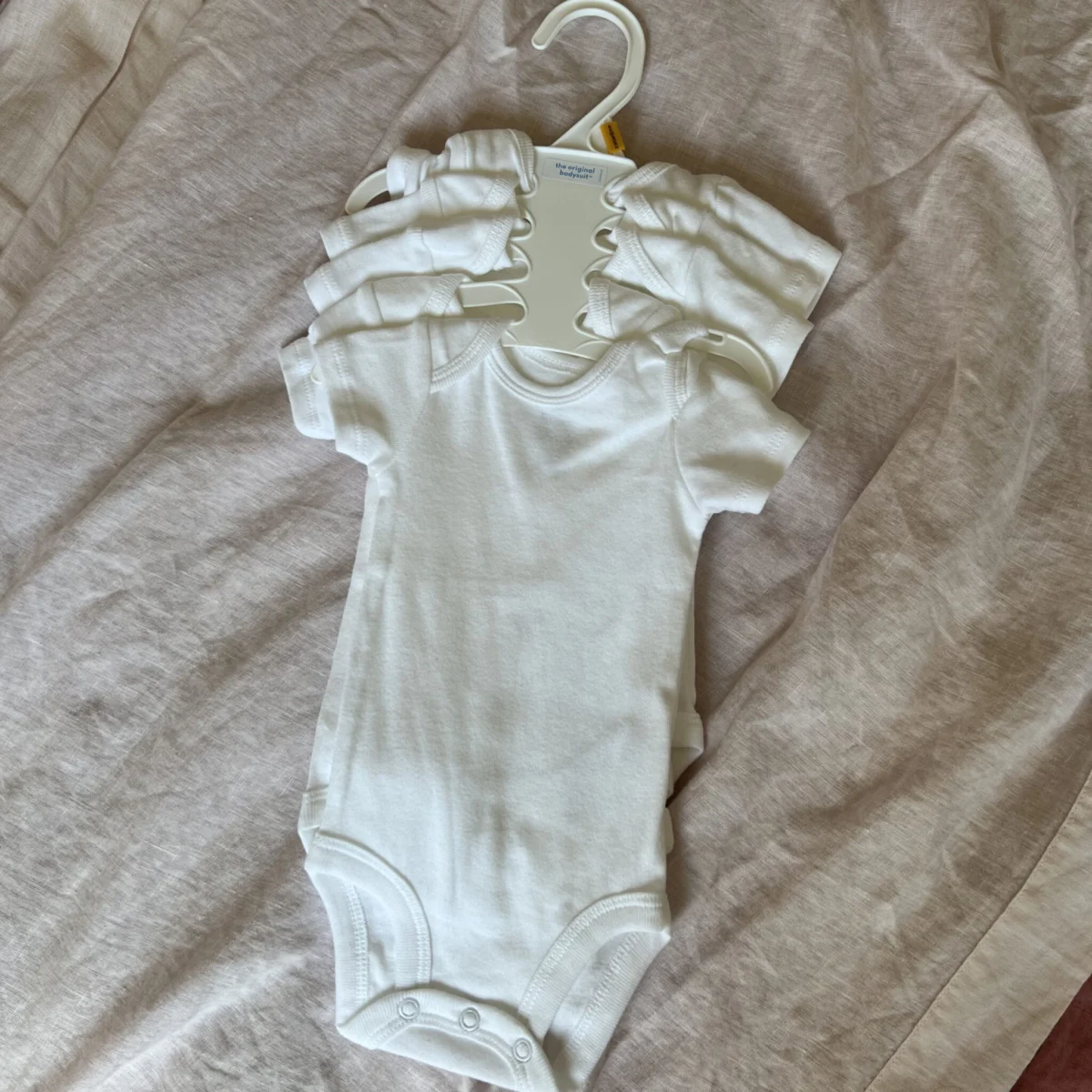
The modern nursery is increasingly characterized by an abundance of synthetic materials, ranging from polyurethane foam mattresses and polyester sleep sacks to an array of polyvinyl chloride (PVC) toys and polypropylene feeding bottles. While these materials offer convenience and durability, a growing body of scientific research suggests that the pervasive presence of plastics in infant environments may pose significant health risks due to chemical leaching and the shedding of microplastics. Central to these concerns is the prevalence of phthalates—a class of chemicals primarily used as plasticizers to increase the flexibility and longevity of plastics—which have been identified as potent endocrine disruptors capable of interfering with human hormonal systems.
The Biochemical Impact of Plastic Exposure in Early Development
The vulnerability of infants to chemical exposure is significantly higher than that of adults due to their rapid metabolic rates, developing organ systems, and behavioral patterns, such as frequent hand-to-mouth contact. Phthalates, which are not chemically bonded to the plastics they inhabit, can easily migrate into the air, dust, or directly into a child’s system through ingestion or dermal absorption.
A pivotal study published in the journal Healthcare in 2021 highlighted the adverse effects of phthalate exposure on pediatric health, specifically noting disturbances in reproductive hormone levels, thyroid function, and anogenital distance—a key marker of endocrine health. Furthermore, the American Academy of Pediatrics (AAP) has issued warnings regarding the use of plastics in food storage and processing, noting that chemicals like bisphenols and phthalates can interfere with natural development. Because a baby’s brain and body are in a state of constant flux, even low-level exposure during critical "windows of development" can have long-term physiological implications.
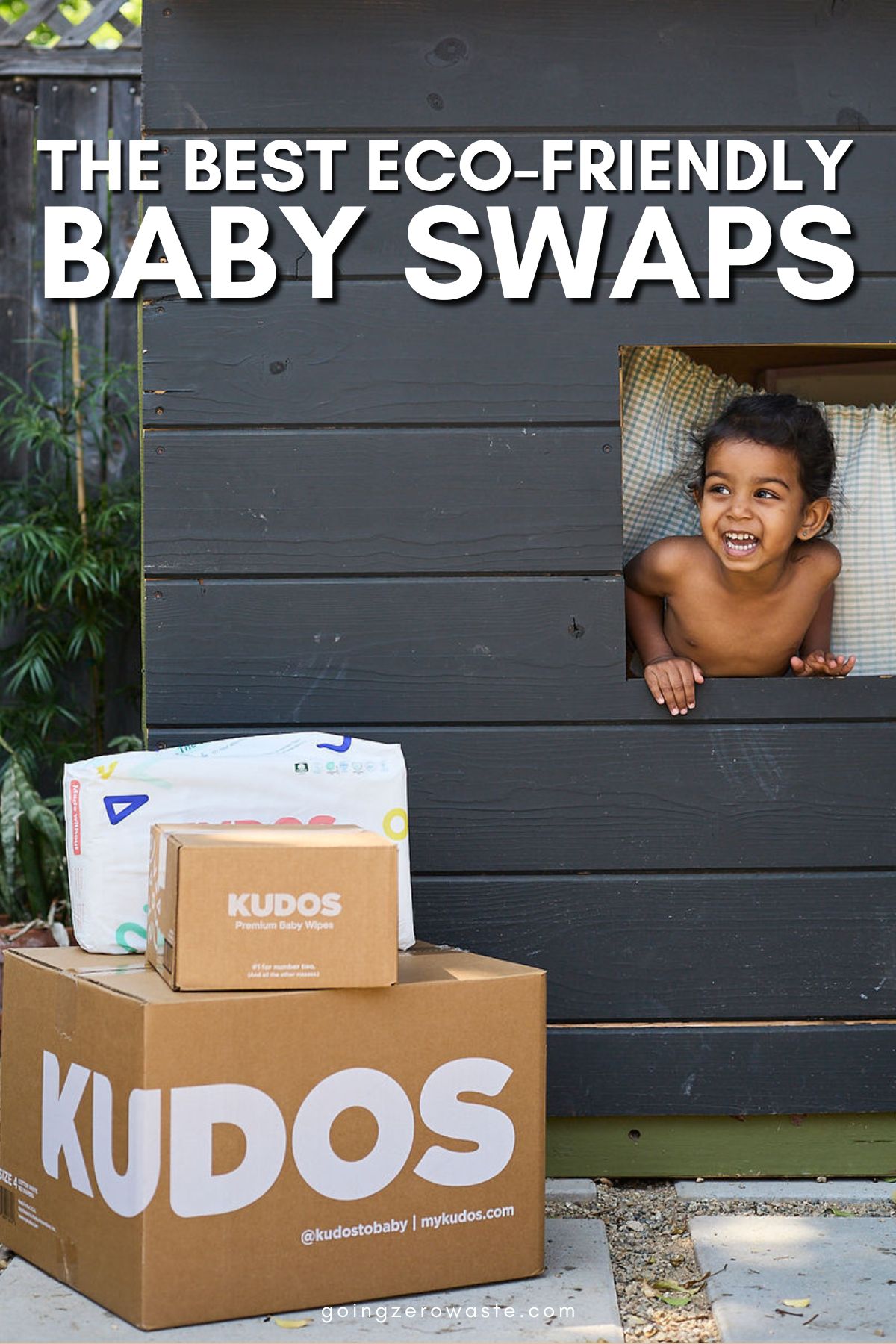
Chronology of Plastic Integration and the Rise of "Eco-Conscious" Alternatives
The history of infant care has seen a dramatic shift from natural materials to synthetics over the last 70 years. In the mid-20th century, the introduction of the first mass-produced disposable diapers and plastic bottles revolutionized parenting by prioritizing convenience. By the 1990s, the "plastic era" of the nursery was in full swing, with almost all rattles, teethers, and clothing containing some form of polymer.
However, the early 2010s marked a turning point as public awareness regarding Bisphenol A (BPA) grew, leading to a surge in demand for "BPA-free" products. This movement has evolved into a broader scrutiny of all plastic components in baby gear. Today, the market is witnessing a "natural-back" trend, where parents and engineers are looking toward traditional materials—cotton, wood, and natural rubber—augmented by modern manufacturing standards to create safer environments.
Redefining the Disposable Diaper: A Case Study in Material Innovation
One of the most significant sources of plastic contact for an infant is the disposable diaper, an item that remains in constant, direct contact with a baby’s skin for approximately 24 hours a day during the first years of life. While the waterproof outer layers of most disposables rely on plastic films to prevent leaks, the industry is seeing a shift toward reducing the plastic footprint of the "topsheet"—the layer that sits directly against the infant’s skin.
Kudos, a brand founded by a Massachusetts Institute of Technology (MIT) engineer, represents a significant shift in this sector. It is the first disposable diaper brand to implement a 100% cotton liner, replacing the traditional plastic-based topsheets found in most commercial brands. This innovation is critical because cotton is naturally hypoallergenic and breathable, reducing the risk of dermatitis and chemical absorption.
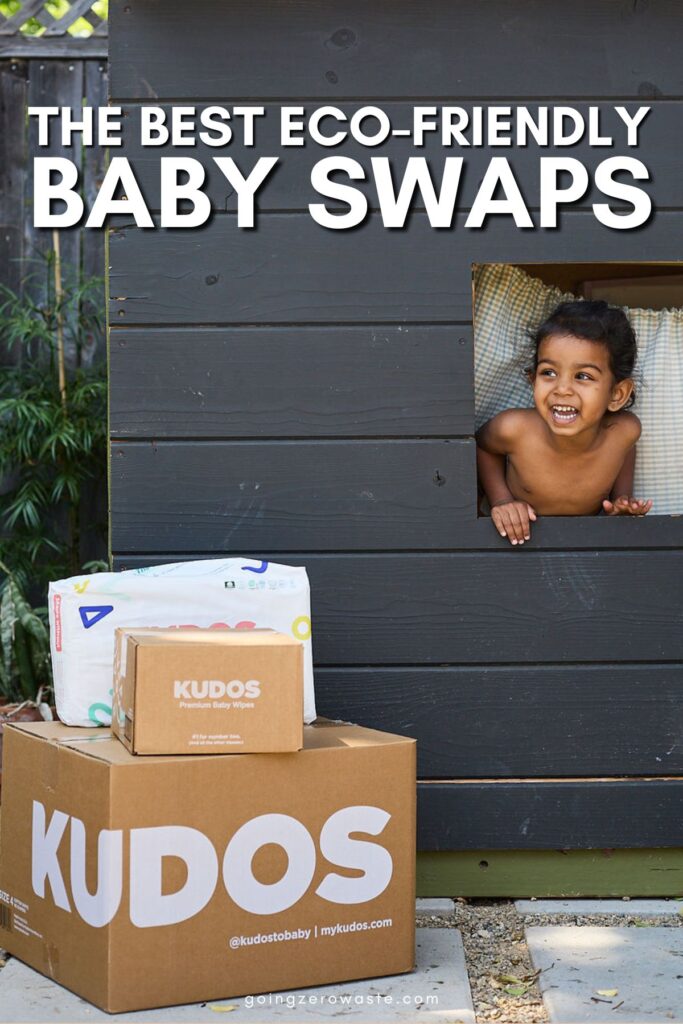
The engineering of such products often involves rigorous third-party certifications to verify safety claims. For instance, the OEKO-TEX Standard 100 certification ensures that every component of the product, from the thread to the fasteners, has been tested for harmful substances. Additionally, the use of Forest Stewardship Council (FSC) certified wood pulp in the absorbent core ensures that the materials are sourced from responsibly managed forests. The move toward "Totally Chlorine Free" (TCF) processing is another vital health standard, as it eliminates the production of dioxins—toxic byproducts of the bleaching process that can persist in the environment and human tissue.
The Microplastic Crisis in Infant Nutrition
The issue of plastic exposure extends beyond chemical leaching to the physical degradation of polymers into microplastics. A landmark 2020 study published in Nature Food revealed that plastic baby bottles made of polypropylene shed millions of microplastic particles when heated or shaken during the sterilization and formula preparation process. The researchers estimated that bottle-fed infants could be consuming an average of 1.5 million microplastic particles per day.
To mitigate this, pediatric health experts and environmental researchers suggest several procedural changes for caregivers:
- Transitioning to Glass: Glass bottles are chemically inert and do not shed microplastics when exposed to high temperatures.
- Alternative Preparation: If plastic bottles must be used, formula or breastmilk should be heated in a non-plastic container (such as glass or stainless steel) and allowed to cool before being transferred to the feeding bottle.
- Avoiding Microwaves: Microwaving plastic containers can create localized "hot spots" that accelerate the breakdown of the polymer matrix, leading to increased chemical migration.
Strategic Substitutions in Toys and Textiles
The "hand-to-mouth" phase of infant development makes the material composition of toys a primary concern. Many traditional soft toys and "bath books" are manufactured using PVC, which often requires high concentrations of phthalates to remain flexible.
Industry analysts suggest that the market for wooden and natural-fiber toys is expanding as parents seek to reduce these risks. Substitutions such as solid wood blocks (finished with food-grade oils), natural rubber teethers, and organic cotton plushies are becoming standard recommendations for reducing the "plastic load" in the home. Furthermore, the shift extends to art supplies; for older infants and toddlers, replacing paraffin-based crayons (a petroleum byproduct) with beeswax or soy-based alternatives reduces exposure to synthetic dyes and solvents.
In the realm of textiles, the prevalence of polyester and fleece in baby clothing has been linked to the release of microfibers. Organic cotton, hemp, and wool are preferred not only for their lack of synthetic chemicals but also for their breathability and superior thermoregulation. Caregivers are increasingly encouraged to look for the Global Organic Textile Standard (GOTS) label, which provides a transparent chain of custody and ensures that no toxic pesticides or synthetic finishes were used during production.
Regulatory Responses and Market Implications
The growing body of evidence regarding plastic toxicity has prompted various regulatory responses. In the European Union, the REACH (Registration, Evaluation, Authorisation and Restriction of Chemicals) regulation has placed strict limits on the use of several types of phthalates in toys and childcare articles. In the United States, the Consumer Product Safety Improvement Act (CPSIA) has similarly restricted certain phthalates, though advocates argue that these regulations often lag behind the latest scientific findings regarding "replacement" chemicals that may be equally harmful.
The economic impact of this shift is notable. The global market for organic and eco-friendly baby products is projected to grow significantly over the next decade. This trend is driven by a demographic of "informed parents" who prioritize ingredient transparency and long-term health outcomes over the immediate convenience of traditional plastic-heavy products.

Broader Implications and Future Outlook
The reduction of plastic exposure in infancy is not merely a matter of individual health but also one of environmental sustainability. Disposable diapers alone contribute millions of tons of waste to landfills annually, where plastic components can take centuries to decompose. By opting for products that utilize plant-based materials and sustainable sourcing—such as FSC-certified pulp and TCF bleaching—the industry reduces its overall carbon footprint and chemical output.
While it is virtually impossible to eliminate plastic entirely from a modern lifestyle, the cumulative effect of small, strategic changes can significantly lower a child’s "chemical body burden." From selecting diapers with natural liners to rethinking how infant formula is heated, these interventions represent a proactive approach to pediatric wellness.
As research continues to uncover the complexities of the human microbiome and the endocrine system, the demand for "precautionary principle" manufacturing—where products are proven safe before they are brought to market—is likely to become the new standard in infant care. For now, the responsibility lies with a combination of innovative manufacturers, vigilant regulators, and informed caregivers to create a safer, less plastic-dependent environment for the next generation.


