As the northern hemisphere transitions into the autumnal equinox, a growing movement of environmental advocates and social psychologists is sounding the alarm over the hyper-commercialization of the season. Traditionally defined by the natural phenomena of senescing foliage and harvest cycles, autumn has increasingly become a multi-billion-dollar marketing event, with retail "seasonal creep" pushing fall-themed merchandise and beverages into the marketplace as early as July. In response to this consumerist saturation, experts are identifying a shift toward "slow fall" practices—activities rooted in whimsy, sustainability, and digital detoxification.
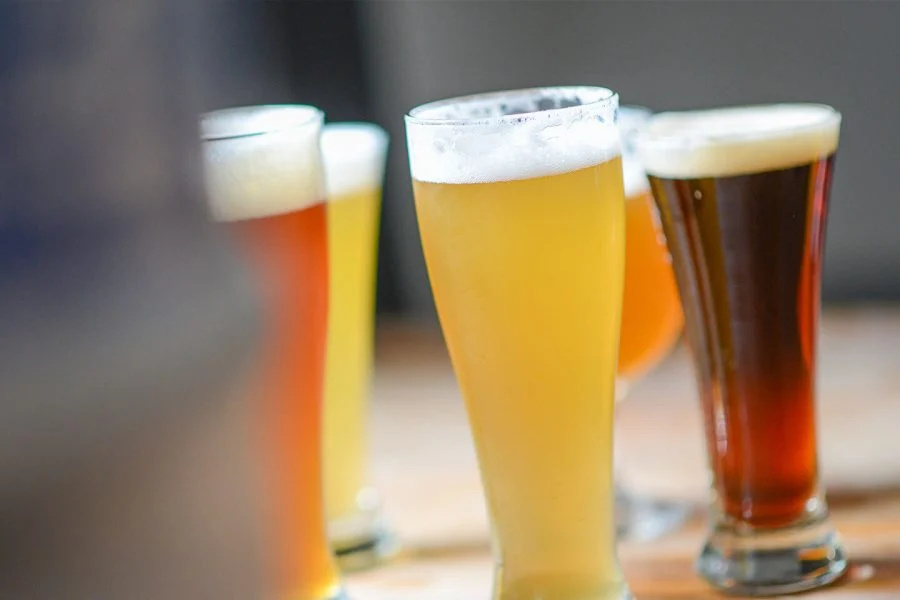
The phenomenon of "seasonal creep" is most visible in the food and beverage industry. Market data indicates that the "Pumpkin Spice" economy now exceeds $500 million annually in the United States alone. Major coffee chains have consistently moved up the release dates of their autumnal menus, often launching them while summer temperatures remain at their peak. This commercial pressure, observers argue, creates a performative version of the season that prioritizes consumption over genuine environmental connection.
The Redefinition of Whimsy in a Digital Economy
The concept of "whimsy" has recently emerged as a significant trend on social media platforms like TikTok and Instagram, yet critics note that even this abstract feeling is being commodified. While the dictionary defines whimsy as something "odd, off-beat, or fanciful," retail brands have attempted to package it through mass-produced aesthetic items. However, true whimsy is increasingly viewed by cultural analysts as a non-performative state of being—an imaginative engagement with the world that requires no financial transaction.
Psychologists suggest that the antidote to "digital fatigue" and "consumerist burnout" lies in activities that foster "flow states" and community interaction. By shifting the focus from "buying" the season to "experiencing" it, individuals can mitigate the psychological stress associated with constant screen time and social comparison.
A Chronology of Seasonal Observation
The historical timeline of autumn observation has shifted dramatically over the last century. In the pre-industrial era, the season was defined by labor and necessity—harvesting crops, preserving food, and preparing for the winter. With the rise of the middle class in the mid-20th century, it evolved into a period of leisure, characterized by "leaf-peeping" tourism and community festivals.
In the 21st century, the timeline has been further altered by the "Attention Economy." Retailers now utilize data analytics to predict the exact moment consumers begin to tire of summer, triggering an immediate influx of autumnal marketing. This has led to a "compressed" sense of time, where the actual natural changes of the season are often overshadowed by the anticipation of the next retail holiday.
Enhancing Biodiversity Awareness Through Intentional Observation
One of the primary pillars of a "whimsical" fall is the rejection of "plant blindness"—a term used by botanists to describe the human tendency to ignore the plant species in one’s own environment. Advocates suggest that the simple act of a nature walk can be transformed into a scientific and artistic endeavor by introducing specific challenges.
Data from environmental education groups suggests that identifying native versus invasive species can significantly increase an individual’s sense of stewardship over their local ecosystem. For example, in the Northeastern United States, the "Burning Bush" (Euonymus alatus) is a common ornamental plant that turns a brilliant red in the fall but is highly invasive, displacing native flora. By engaging in "scavenger hunts" or keeping a nature journal to sketch local asters and goldenrod, citizens move from being passive observers to active participants in their local ecology.
The Resurgence of Analog Correspondence
As digital communication becomes increasingly ephemeral, the practice of "snail mail" is experiencing a sociocultural revival. Writing physical gratitude letters is cited by mental health professionals as a high-impact activity for improving emotional well-being. Unlike an email or a text message, a physical letter requires a "slow" cognitive process—selecting paper, reflecting on the recipient, and physically manifesting thoughts through ink.
This practice can be further enriched by incorporating natural elements, such as pressed flowers or bird feathers found during nature walks. From a sustainability perspective, this activity promotes the upcycling of materials. Using scrap paper or decorating old envelopes with colored pencils provides a low-impact alternative to purchasing expensive, mass-produced stationery, which often involves significant carbon footprints related to manufacturing and shipping.
Fiber Arts and the Slow Fashion Movement
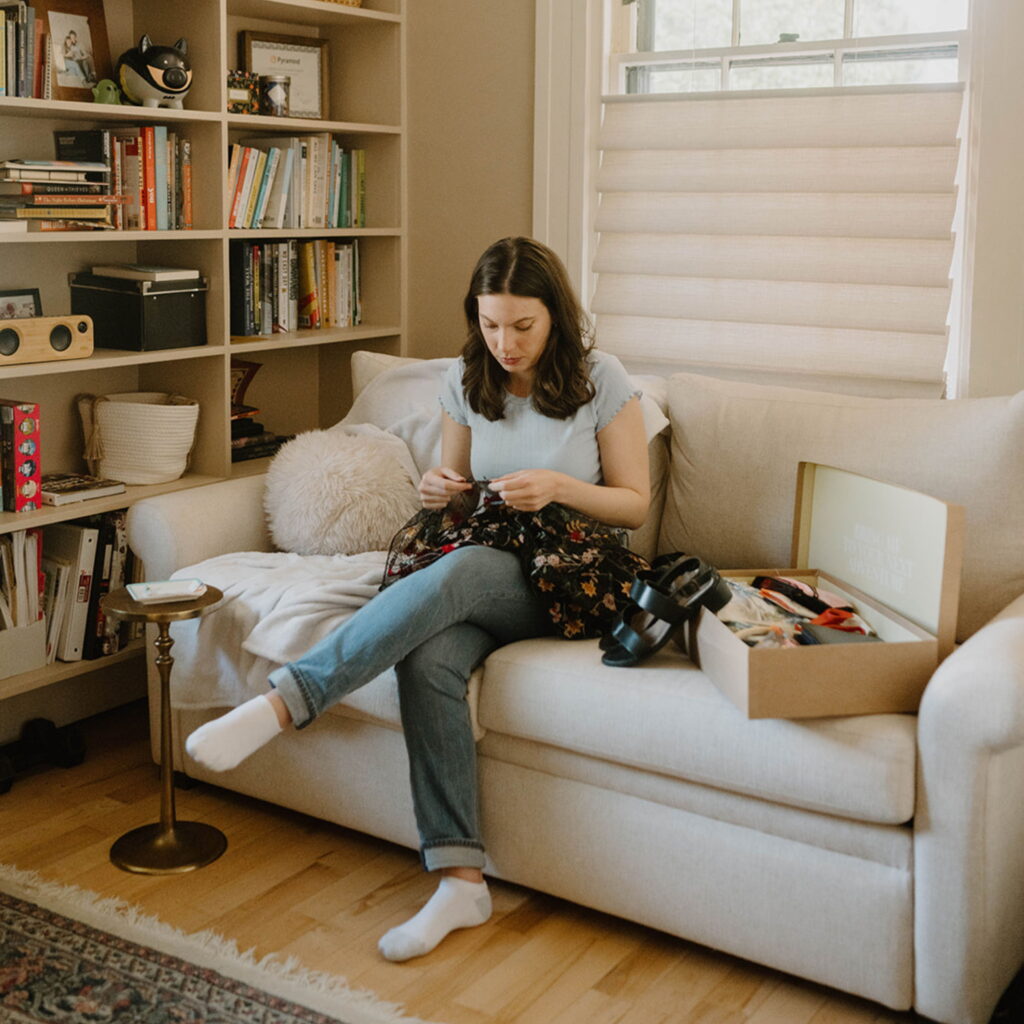
The "fast fashion" industry is a major contributor to global waste, with the production of seasonal clothing—such as "fall sweaters"—often involving synthetic materials that shed microplastics. In response, there has been a significant uptick in the popularity of knitting and crocheting circles.

These communities serve a dual purpose: they provide a social infrastructure for skill-sharing and promote the creation of durable, sustainable garments. Historical data shows that "knitting circles" were essential social hubs during previous centuries; their modern iteration often involves "yarn swaps," where participants exchange surplus supplies rather than purchasing new ones. This circular economy model reduces the demand for virgin resources and provides a community-based alternative to the traditional retail experience.
The Home Cafe: A Strategy for Sustainable Socializing
The "cafe culture" of autumn is a significant driver of single-use plastic waste, from disposable cups to plastic stirrers. Hosting a "fall-themed cafe" at home allows for the same social benefits with a fraction of the environmental impact. This shift encourages the development of culinary skills, such as baking with seasonal ingredients like apples and pumpkins sourced from local farmers’ markets.
Economic analysts point out that "home-based entertaining" can significantly reduce household expenditures during the holiday season. Furthermore, the practice of sharing leftovers with neighbors or the broader community fosters social cohesion. In an era of increasing urban isolation, the simple act of sharing a homemade cinnamon roll can serve as a catalyst for community building.
Tactile Crafting and Environmental Impact
The seasonal decor industry is heavily reliant on plastic-based products, many of which end up in landfills after a single use. Transitioning to craft nights that utilize foraged or thrifted materials represents a significant move toward a zero-waste lifestyle.
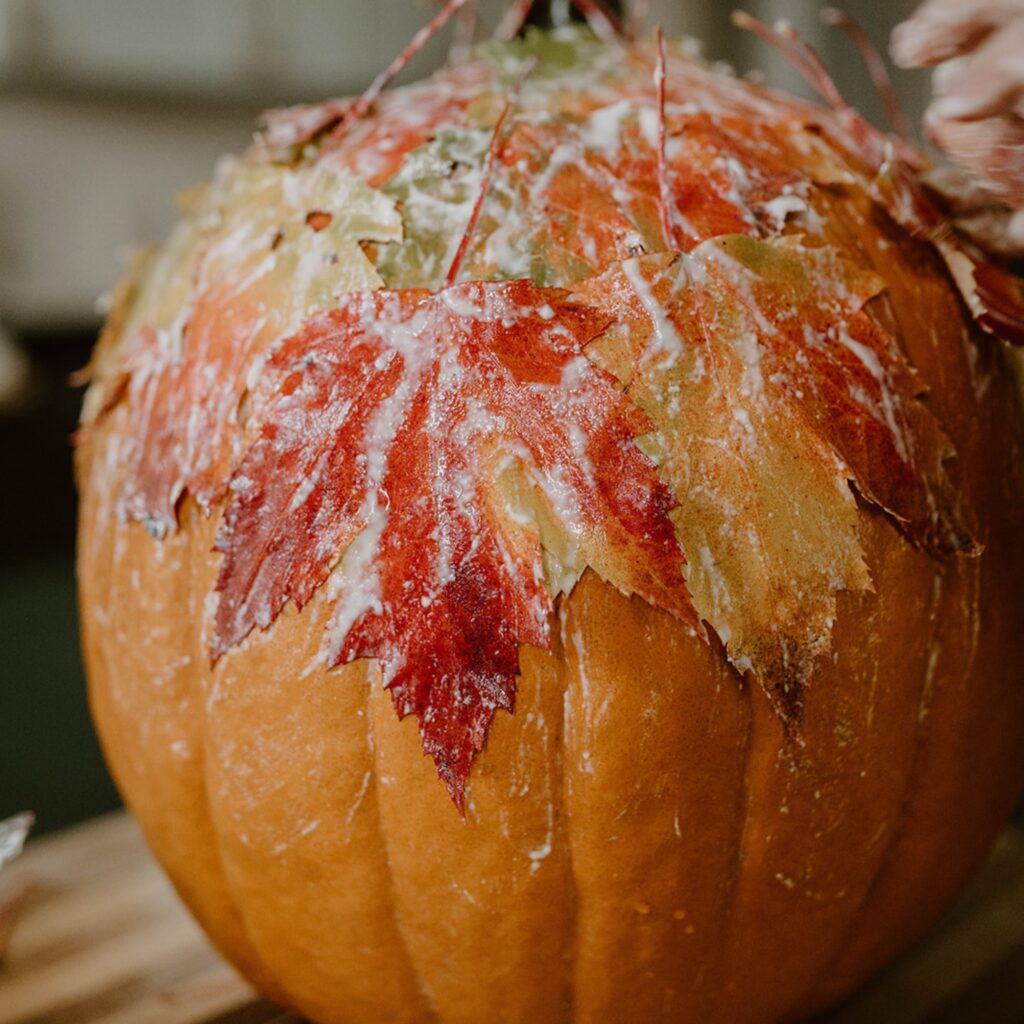
Activities such as creating leaf garlands, carving locally grown pumpkins, or constructing "fairy homes" from fallen twigs allow for creative expression without contributing to the plastic waste stream. Experts in sustainable design suggest that the "imperfections" of handmade decor—such as glue that doesn’t dry clear or asymmetrical carvings—are essential to the concept of whimsy, as they represent a departure from the sterile perfection of factory-made goods.
The Economic Implications of Spontaneous Local Adventure
While the travel industry often promotes expensive "destination" trips for fall foliage, there is a growing trend toward spontaneous, local adventures. Walking, biking, or taking short day trips to nearby family farms and bookstores supports the local economy and reduces the carbon emissions associated with long-distance travel.
Data from small business associations indicates that local "spontaneous" tourism is vital for rural economies during the shoulder season. By visiting an apple orchard or a locally owned bookstore, consumers ensure that their seasonal spending directly benefits their own communities rather than multinational corporations.
Conclusion: The Broader Impact of a Slow Autumn
The shift toward whimsical, screen-free fall activities is more than a lifestyle trend; it is a fundamental critique of the current consumerist paradigm. By choosing to engage in low-cost, high-connection activities, individuals are reclaiming the "seasonal narrative" from retail marketers.
The implications of this movement are three-fold:
- Environmental: A reduction in seasonal waste and a greater awareness of local biodiversity.
- Psychological: Improved mental health outcomes through digital detoxification and social connection.
- Economic: A shift in capital from global retail giants to local artisans, farmers, and community-based organizations.
As the climate continues to change and the digital world becomes increasingly intrusive, the "whimsical fall" provides a framework for a more resilient and meaningful way of living. It suggests that the true magic of the season is not found in a store-bought latte or a new sweater, but in the deliberate choice to slow down and notice the world as it is.