
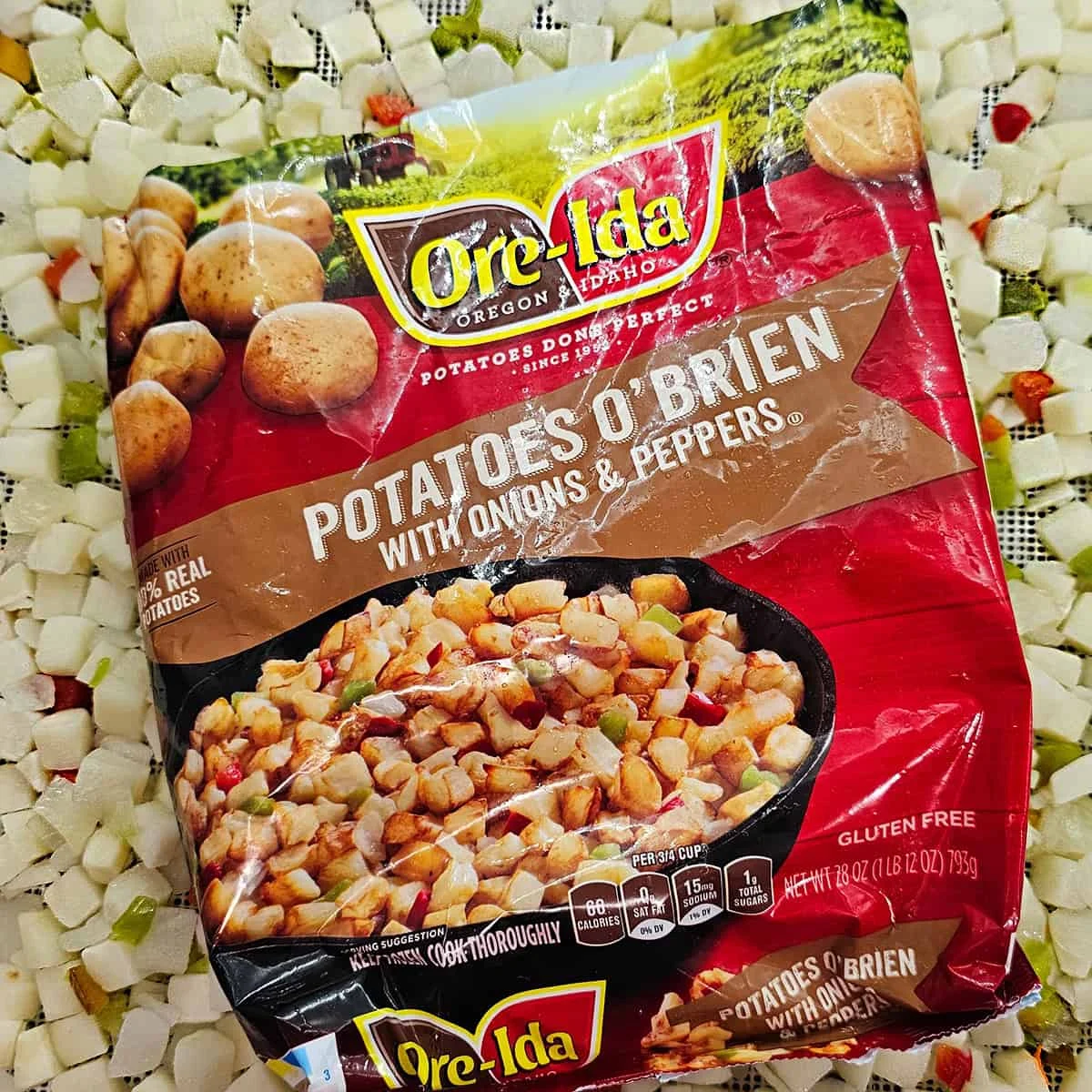
As global supply chains face periodic volatility and the cost of living continues to fluctuate, domestic food preservation has evolved from a niche hobby into a strategic household management practice. Among the various methods available to the modern consumer, the dehydration of pre-processed frozen vegetables—specifically frozen potato blends like Potatoes O’Brien—has emerged as a highly efficient way to maximize storage capacity and ensure long-term food security. By converting frozen assets into shelf-stable staples, households can significantly reduce their reliance on continuous electrical refrigeration while optimizing their available freezer volume for perishable items that cannot be easily dried.
The Mechanics of Modern Dehydration and Freezer Management
The primary motivation for dehydrating frozen potatoes is the optimization of "freezer real estate." In a standard American household, freezer space is often occupied by bulky bags of frozen vegetables that require constant energy consumption to maintain their integrity. According to data from the U.S. Department of Energy, a standard freezer consumes significant kilowatt-hours annually, and its efficiency is often dictated by air circulation and the thermal mass of its contents. By moving frozen potato products to the pantry, consumers effectively lower the "storage cost" of their food.
Potatoes O’Brien—a blend typically consisting of diced potatoes, onions, and bell peppers—presents a unique opportunity for dehydration because the industrial processing required for freezing has already completed the most labor-intensive steps of preservation. These potatoes have been washed, peeled, diced, and, crucially, blanched. Blanching is a thermal process that inactivates enzymes responsible for browning and texture degradation. For the home preservationist, this means the risk of "blackening" or enzymatic spoilage during the drying process is virtually eliminated, a common hurdle when working with raw potatoes.
Technical Chronology of the Dehydration Process
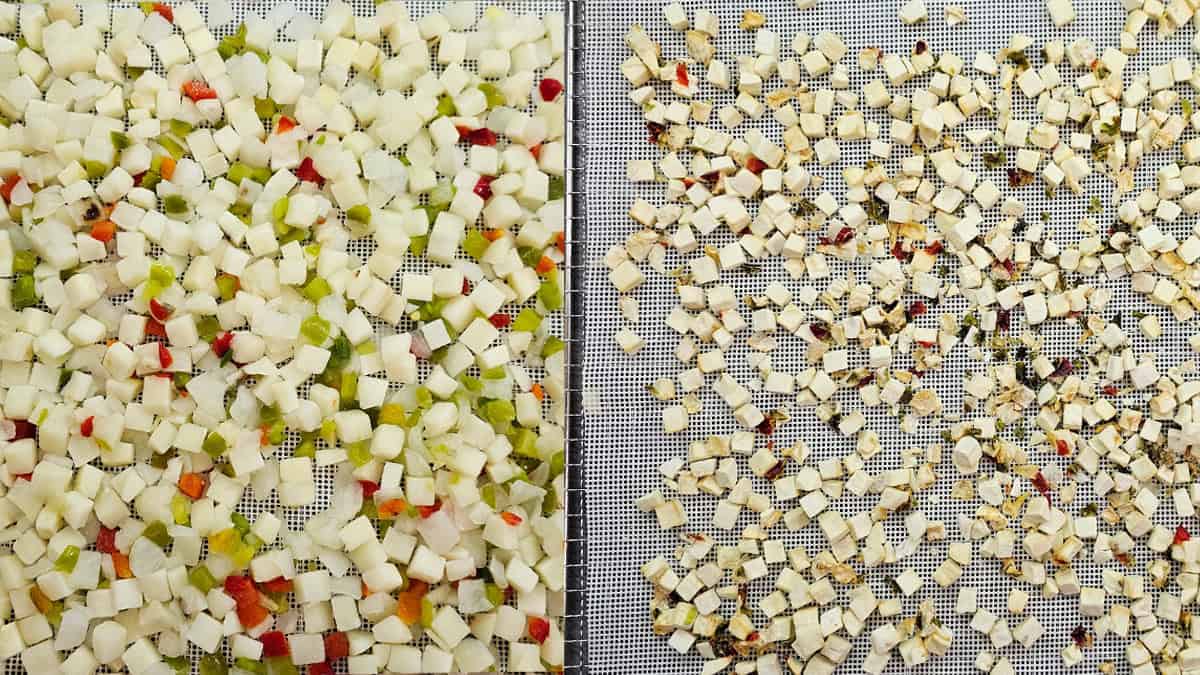
The transition from a frozen state to a shelf-stable state follows a specific technical timeline. Unlike many other food preservation tasks, the dehydration of frozen potatoes does not require a thawing phase, which minimizes the window for bacterial growth and maintains the structural integrity of the vegetable cell walls.
- Preparation and Loading: The process begins with the immediate distribution of frozen Potatoes O’Brien onto dehydrator trays. Experts in food science suggest using mesh screen liners to prevent the smaller diced pieces from falling through the trays as they shrink. Because the product is frozen, it can be handled easily without the stickiness associated with fresh starch.
- Thermal Regulation: The dehydrator is typically set to 125°F (52°C). This temperature is high enough to facilitate rapid moisture evaporation but low enough to prevent "case hardening"—a condition where the exterior of the food dries too quickly, trapping moisture inside and leading to internal mold.
- Evaporation Phase: The duration of the drying cycle generally spans between 8 and 12 hours, depending on the ambient humidity of the room and the specific moisture content of the brand of potatoes used. During this phase, the potatoes lose approximately 80% to 90% of their weight and volume.
- The "Click" Test for Dryness: The process is concluded when the potatoes reach a state of total desiccation. In a professional assessment, the pieces should be translucent and hard. When dropped onto a hard surface, they should produce a "click" sound rather than a dull thud, indicating that the internal moisture content has dropped below the threshold required for microbial life.
- Conditioning and Hermetic Storage: Once removed from the heat, the potatoes must be "conditioned"—placed in a sealed jar for several days and shaken to ensure no residual moisture creates condensation. If no moisture appears, the product is moved to long-term storage in airtight containers, often with oxygen absorbers to further extend shelf life.
Comparative Data: Frozen vs. Dehydrated Storage
The logistical advantages of this conversion are quantifiable. A standard 28-ounce bag of frozen Potatoes O’Brien occupies approximately 120 cubic inches of freezer space. Once dehydrated, that same volume of food reduces to roughly 25 cubic inches, fitting comfortably into a small glass jar.
Furthermore, the shelf life of frozen potatoes is generally limited to 12 months before freezer burn compromises the quality and nutritional value. In contrast, properly dehydrated and vacuum-sealed potatoes can maintain their nutritional profile and caloric density for 5 to 10 years when stored in a cool, dark environment. This longevity makes them a superior asset for emergency preparedness and reduces the financial loss associated with food waste.
Analysis of Product Suitability and Limitations
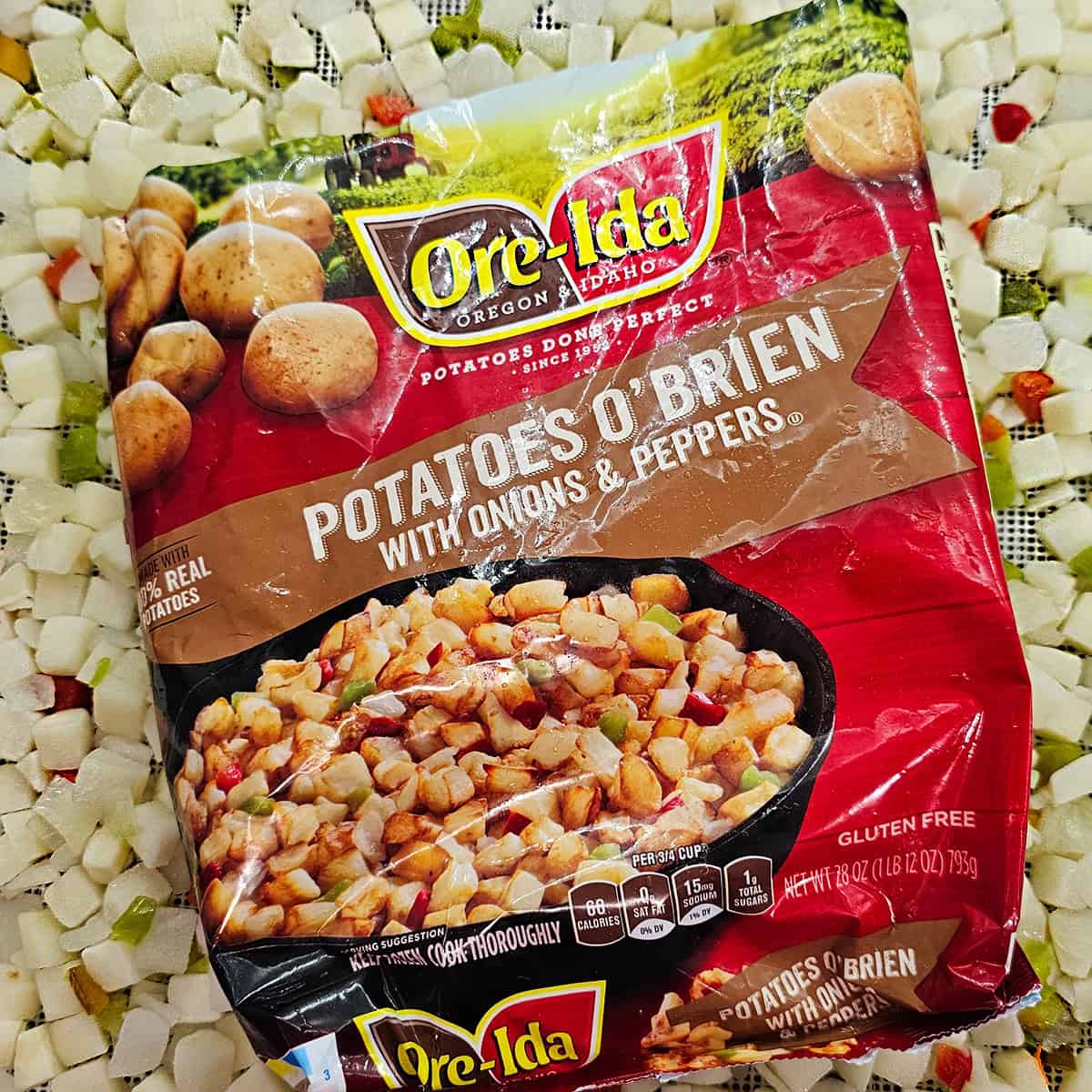
Not all frozen potato products are suitable for home dehydration, and a factual analysis of food chemistry explains why. The success of the Potatoes O’Brien dehydration process is largely due to its low-fat content. Most commercial "O’Brien" blends consist strictly of vegetables.
However, products such as tater tots, french fries, or seasoned hash brown patties often contain added oils, fats, or chemical binders used to achieve a specific texture when fried. Fats do not dehydrate; instead, they undergo a process of oxidative rancidity when exposed to air at room temperature. Even if the moisture is removed from these products, the residual fats will eventually spoil, creating off-flavors and potential health risks. Consequently, journalists and food safety experts emphasize that only "plain" frozen vegetables—those without sauces, butter, or frying oils—should be subjected to long-term dehydration.
Culinary Applications and Rehydration Dynamics
The utility of a dehydrated pantry staple is measured by its ability to be reintegrated into a meal. The rehydration of Potatoes O’Brien is a straightforward process of osmosis. By soaking the dried dice in boiling water for 15 to 20 minutes, the cell walls absorb moisture, returning the vegetable to a state nearly identical to its pre-frozen form.
In a journalistic survey of culinary uses, several key applications emerge:
- Direct Integration: The dried potatoes can be added directly to liquid-based dishes such as soups, stews, and chowders. In these instances, the potatoes rehydrate using the ambient moisture of the dish as it simmers, acting as both a bulk ingredient and a slight thickening agent as they release a small amount of starch.
- Breakfast Hash: For use in skillet dishes, the potatoes must be pre-soaked and then thoroughly patted dry. This removes surface moisture, allowing for the Maillard reaction (browning) to occur when the potatoes hit a hot, oiled pan.
- Casseroles and Baked Dishes: Dehydrated potatoes are increasingly used in "shelf-stable cooking," where they are layered with other dried vegetables and proteins to create meals like Shepherd’s Pie or au gratin dishes without the need for fresh produce.
Economic and Environmental Implications
The move toward dehydrating frozen goods also reflects broader economic shifts. By purchasing frozen vegetables in bulk during sales cycles and then dehydrating them, consumers can lock in lower price points and hedge against future inflation. This "pantry-loading" strategy is a recognized method of household financial management that reduces the frequency of grocery store visits and minimizes impulse spending.
From an environmental perspective, the reduction in energy dependency is significant. A pantry full of dehydrated food requires zero energy to maintain. In the event of a prolonged power outage—a concern increasingly cited by emergency management agencies due to aging infrastructure and extreme weather—frozen food assets are often the first to be lost. By converting these assets into shelf-stable forms, households build a layer of "passive resilience" into their food supply.
Expert Perspectives on Food Security
Darcy Baldwin, a prominent figure in the food preservation community and author of Dehydrating Basics & Journal, has long advocated for the "frozen-to-dry" pipeline. Her methodology emphasizes that the "work has already been done for you" by industrial processors, making this an ideal entry point for individuals who may be intimidated by the complexities of pressure canning or the preparation of raw root vegetables.
The consensus among preservation experts is that the modern pantry should be viewed as a "living bank account." In this analogy, dehydrated goods represent long-term savings, while the freezer and refrigerator represent checking accounts for immediate use. By moving Potatoes O’Brien from the "checking" category to the "savings" category, consumers are engaging in a form of logistical optimization that is likely to become more prevalent as the "homesteading" and "prepping" movements continue to merge with mainstream domestic science.
In conclusion, the dehydration of frozen Potatoes O’Brien is more than a simple kitchen hack; it is a scientifically sound method of resource management. It addresses the practical needs of space optimization, energy conservation, and long-term food stability. As households seek to become more self-reliant and economically efficient, the transformation of the freezer’s contents into the pantry’s staples represents a logical and highly effective evolution in the way we store and consume food.


