
The United States currently faces a systemic challenge regarding food management, with approximately 40 percent of the national food supply going to waste annually. This inefficiency carries significant financial consequences for the average American household, which loses an estimated $2,913 per year to discarded food, according to data from the Environmental Protection Agency (EPA). Beyond the economic impact, food waste is a primary contributor to environmental degradation; when organic matter decomposes in landfills, it releases methane, a greenhouse gas significantly more potent than carbon dioxide in its heat-trapping capabilities. Recent analysis suggests that a primary driver of this waste is improper storage at the consumer level, often exacerbated by a reliance on plastic packaging that can accelerate decomposition and introduce chemical risks.
The Economic and Environmental Context of Modern Food Waste
The scale of food waste in the 21st century is a departure from historical norms of preservation and thrift. Data from ReFED, a national nonprofit dedicated to ending food loss, indicates that nearly 35 percent of all food in the U.S. went unsold or uneaten in 2022, totaling 92 billion pounds. This waste represents not only a loss of nutrition but also a massive squandering of the resources used to produce it, including 21 percent of all fresh water and 18 percent of cropland.
From a public health perspective, the ubiquity of plastic in food storage has raised concerns regarding endocrine disruption. Research indicates that certain chemicals used in plastic production, such as bisphenols and phthalates, can leach into food items, particularly when exposed to heat or long-term storage. Consequently, the shift toward sustainable, plastic-free storage methods is increasingly viewed as both an environmental necessity and a health-conscious choice.
A Chronology of Food Preservation and the Rise of Plastic
Historically, food preservation relied on methods such as fermentation, salting, drying, and the use of root cellars. The introduction of the domestic refrigerator in the 1920s and 1930s revolutionized household management, allowing for the preservation of perishables over several days. However, the post-World War II era saw the rapid rise of single-use plastics and polyethylene bags, which became the industry standard for grocery transport and storage.
While plastic offered convenience, it also introduced a "closed system" that traps moisture and ethylene gas—a natural ripening agent emitted by many fruits. This environment often leads to premature rot, particularly in leafy greens and berries. In the last decade, a resurgence of interest in traditional materials, combined with modern material science, has led to a "zero-waste" movement that prioritizes breathability and non-toxic barriers in food storage.
The Science of Spoilage: Ethylene and Moisture Control
Understanding the biological processes behind food decay is essential for effective storage. Many fruits, such as bananas, apples, and tomatoes, produce ethylene gas as they ripen. When stored in confined spaces with ethylene-sensitive items like leafy greens or carrots, the gas triggers rapid senescence, leading to yellowing and wilting.
Furthermore, moisture management is a critical variable. While high humidity is necessary for some vegetables, excess surface moisture on items like strawberries or spinach encourages the growth of mold and bacteria. Proper storage strategies involve balancing these factors through the use of specific containers and micro-climates within the refrigerator.
Strategic Guidelines for Produce Longevity
To mitigate the rate of spoilage, food scientists and sustainability experts recommend specific protocols for different categories of produce. These methods prioritize the removal of plastic packaging and the implementation of airflow.
Leafy Greens and Herbs
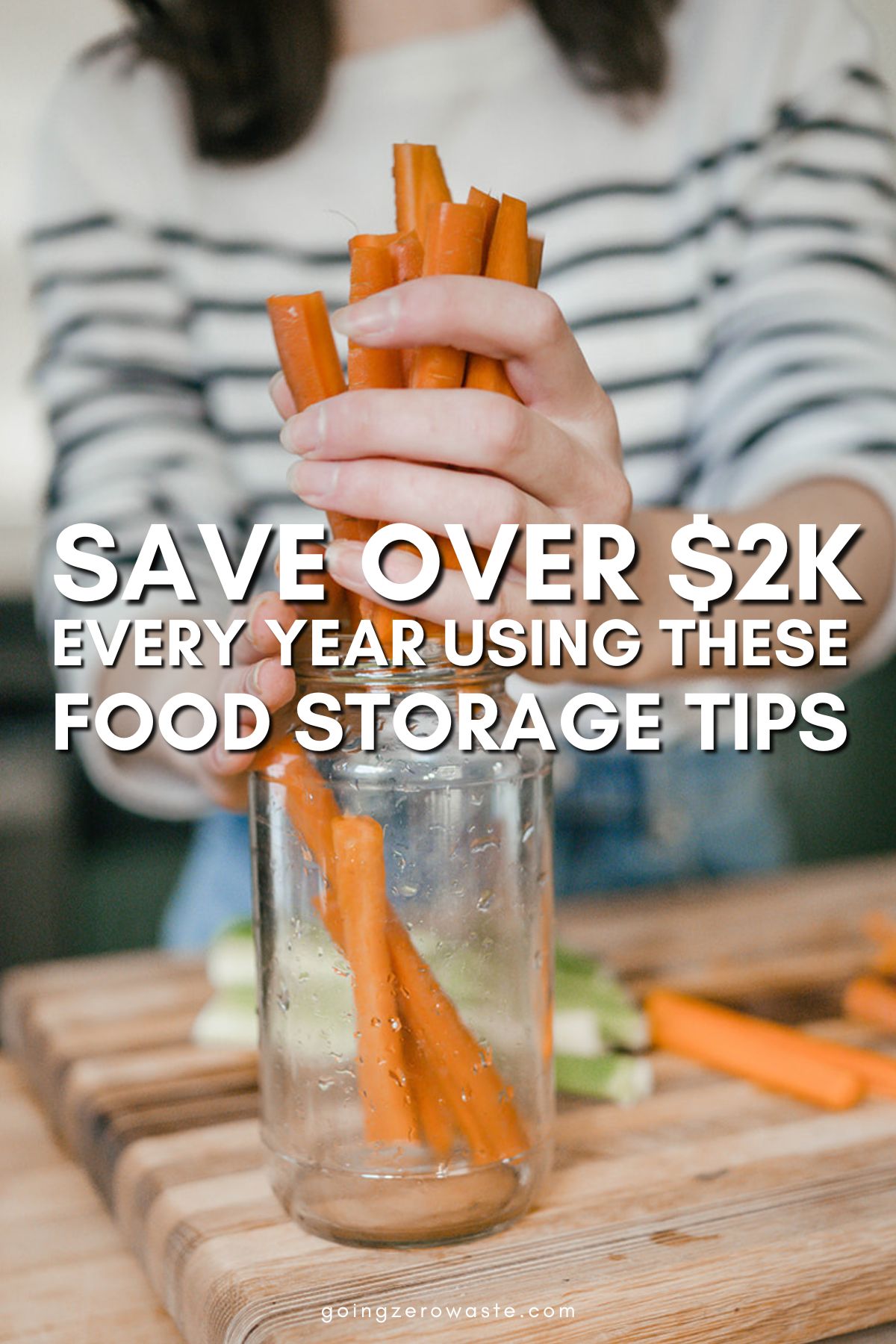
Greens are highly susceptible to moisture loss and bacterial sliminess. The recommended protocol involves washing and thoroughly drying greens before wrapping them in a damp cloth towel. This method maintains a high-humidity environment without allowing water to pool on the leaves. For herbs, treating them as a "bouquet"—placing the stems in a jar of water and covering the tops with a reusable wrap—can extend their freshness from days to weeks.
Root Vegetables and Bulbs
Potatoes and onions require dark, dry, and cool environments. Critically, these two items should never be stored together, as onions emit gases that cause potatoes to sprout prematurely. Garlic and shallots also benefit from dry, aerated storage, such as baskets or mesh bags, rather than being confined in plastic.
Berries and Soft Fruits
Berries are among the most frequently wasted items due to their short shelf life. A vinegar-wash solution (one part vinegar to three parts water) can kill mold spores on the surface of the fruit. After the wash, berries must be dried completely before being stored in a breathable container.
Material Science in Sustainable Storage
The transition away from plastic has spurred the adoption of alternative materials that offer superior preservation qualities. These solutions are often designed with the "circular economy" in mind, focusing on durability and compostability.
Textile-Based Solutions
Products like unbleached cotton "swag bags" utilize a multi-layered fabric system. These bags allow the produce to "breathe" while maintaining a damp environment that prevents dehydration. This mimics the conditions of a root cellar, scientifically proven to keep vegetables fresh for significantly longer periods than standard plastic drawers.
Silicone Technology
Food-grade silicone, while often confused with plastic, is a non-toxic polymer derived from silica. It is stable at high and low temperatures, making it a viable alternative for freezing and marinating. Silicone bags provide an airtight seal that prevents freezer burn, a common cause of meat and vegetable waste.
Borosilicate Glass and Stainless Steel
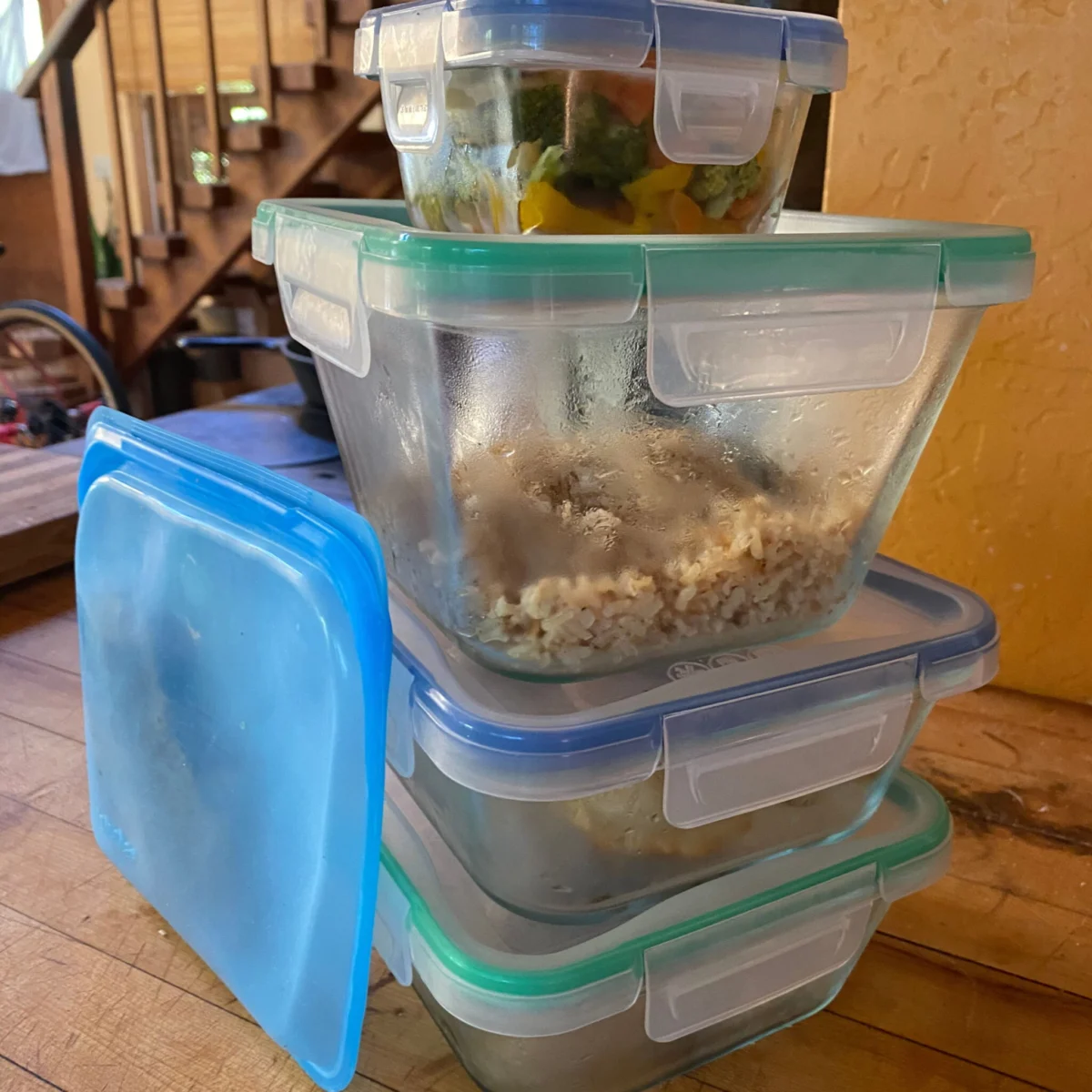
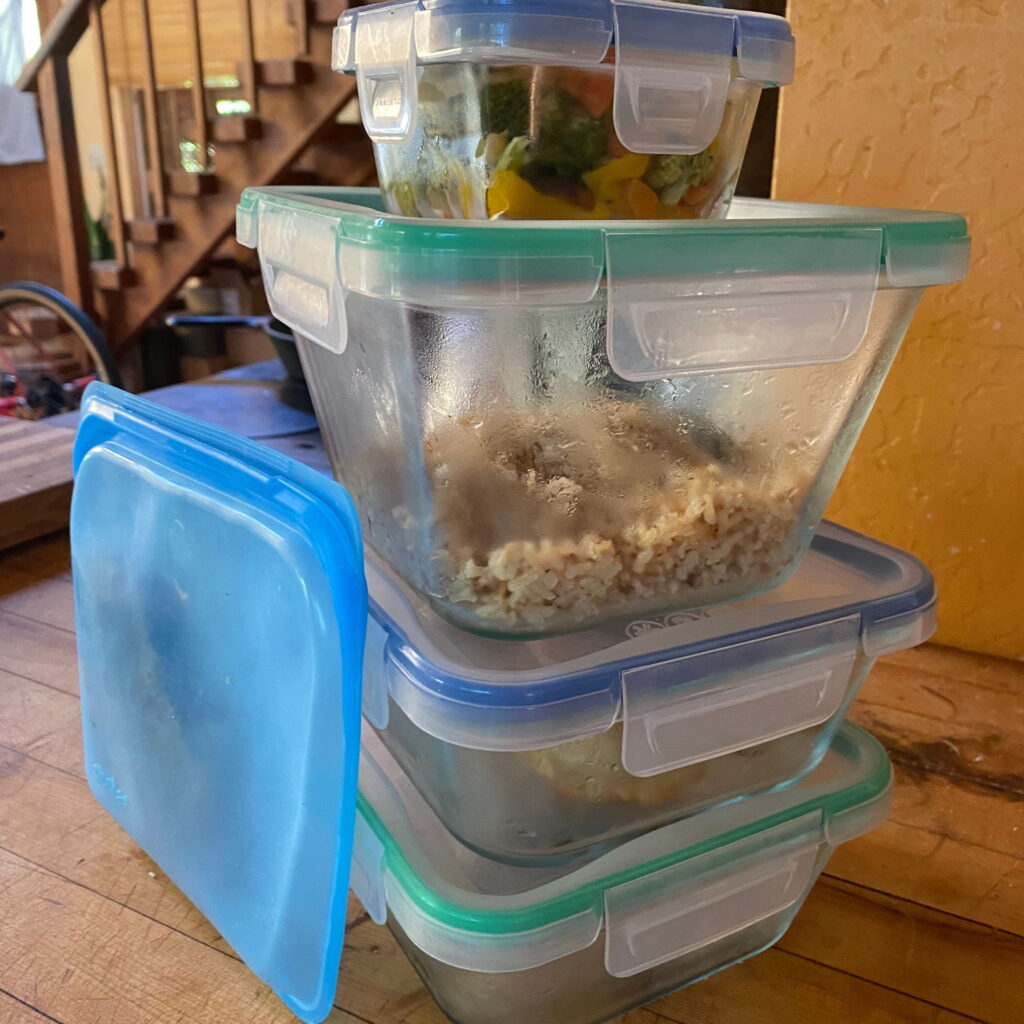
Glass remains the gold standard for non-reactive storage. Borosilicate glass, specifically, can withstand rapid temperature changes, allowing users to move containers from the freezer to the oven. Similarly, stainless steel "tiffins" or bento boxes offer a durable, leak-proof solution for food transport, drawing on traditional designs used for centuries in South Asia.
Apiculture-Based Wraps
Beeswax wraps—composed of organic cotton infused with beeswax, resin, and plant oils—serve as a compostable alternative to plastic cling wrap. The antibacterial properties of beeswax help protect food while allowing a small amount of airflow, which is ideal for cheeses and crusty breads.
Refrigerator Organization and Zoning
Efficient food management extends beyond the container to the layout of the refrigerator itself. Modern appliances are designed with temperature zones that are frequently underutilized by consumers.
- The Fridge Door: As the warmest area due to frequent opening, it should be reserved for stable items like condiments, pasteurized juices, and sodas. Perishables like milk or eggs should never be stored here.
- Upper Shelves: These areas maintain the most consistent temperature and are best suited for "ready-to-eat" items, such as leftovers and pre-prepared snacks.
- Lower Shelves: This is the coldest part of the unit, ideal for raw proteins and dairy. Storing meat on the bottom shelf also prevents potential cross-contamination from leaks.
- Crisper Drawers: Effective management requires utilizing the humidity controls. High-humidity settings are designed for thin-skinned vegetables and greens, while low-humidity settings are for ethylene-emitting fruits. Experts recommend lining these drawers with cloth towels to absorb excess moisture.
Institutional Responses and Global Goals
The push for better food storage is aligned with international sustainability targets. The United Nations Sustainable Development Goal 12.3 aims to halve per capita global food waste at the retail and consumer levels by 2030. In the United States, the USDA and EPA have joined forces to meet this goal through public education campaigns and support for food recovery programs.
Retailers are also responding by experimenting with "naked" produce sections that eliminate plastic bags and stickers. Farmers’ markets and local refilleries have become central to this infrastructure, allowing consumers to bring their own containers and purchase only what they need, thereby reducing the volume of food that goes unused.
Broader Socio-Economic Implications
The implications of improved food storage extend beyond individual household savings. Reducing food waste is a critical component of global food security. As the global population is projected to reach 9.7 billion by 2050, maximizing the utility of the existing food supply is as important as increasing production.
Furthermore, the shift toward plastic-free, long-term storage solutions supports local economies and reduces the burden on municipal waste management systems. By viewing food storage as a technical and strategic discipline rather than a matter of convenience, society can significantly reduce the environmental footprint of the agricultural sector while enhancing the financial resilience of the average consumer. The integration of traditional preservation wisdom with modern material science offers a clear path toward a more efficient and sustainable food system.


