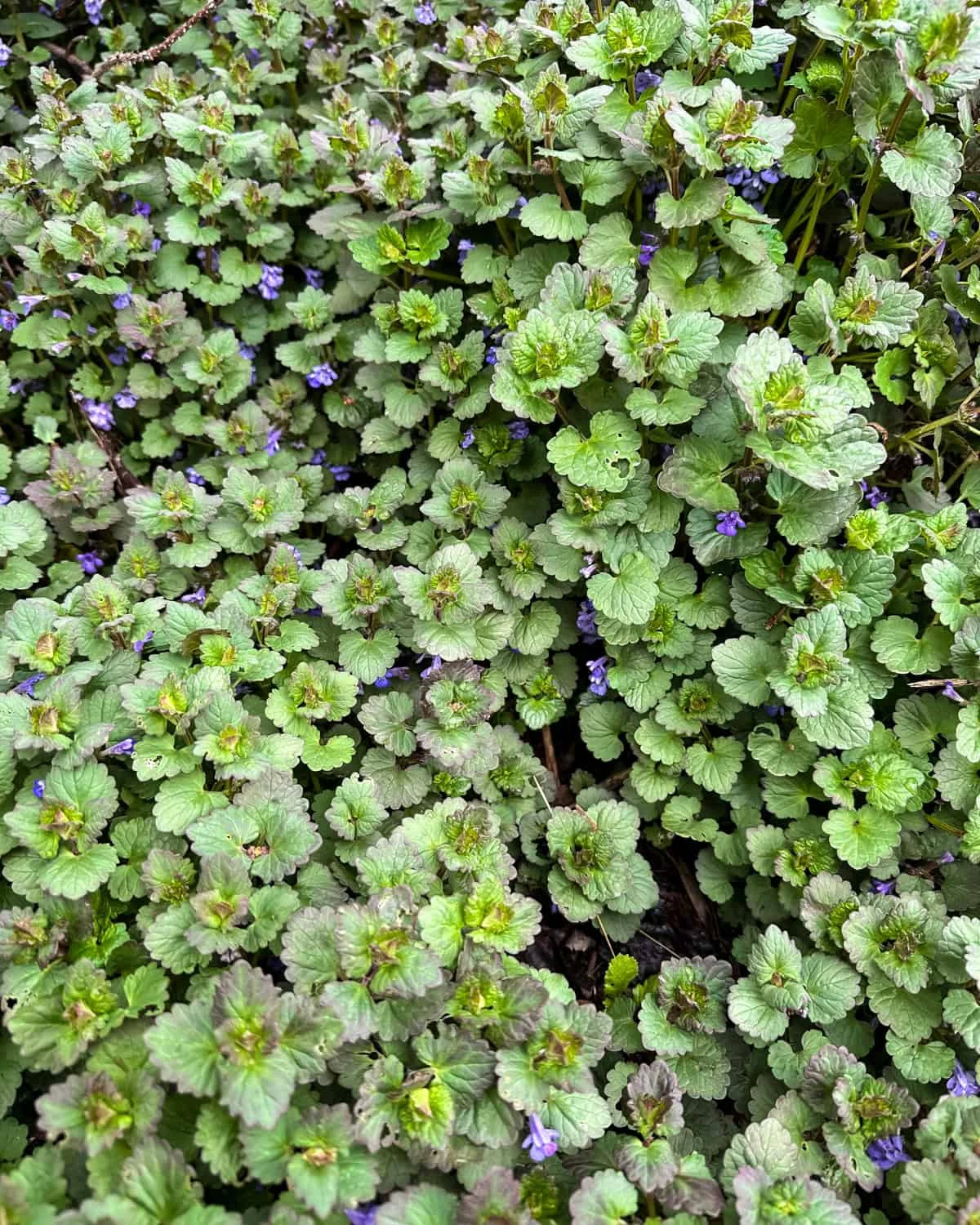
Glechoma hederacea, a perennial evergreen mat-forming herb commonly known as creeping charlie or ground ivy, has long occupied a dual role in the North American landscape as both a persistent garden weed and a potent medicinal resource. Belonging to the Lamiaceae, or mint family, this species is characterized by its aggressive growth patterns, dainty purple flowers, and scalloped, kidney-shaped leaves. While modern suburban land management often prioritizes the eradication of this species to maintain monoculture lawns, a growing movement of ethnobotanists, foragers, and herbalists is advocating for a reassessment of its value. Recent botanical analyses and historical records indicate that creeping charlie is not merely an invasive nuisance but a nutrient-dense edible plant with a significant history in European brewing and folk medicine.
Botanical Characteristics and Taxonomic Identification
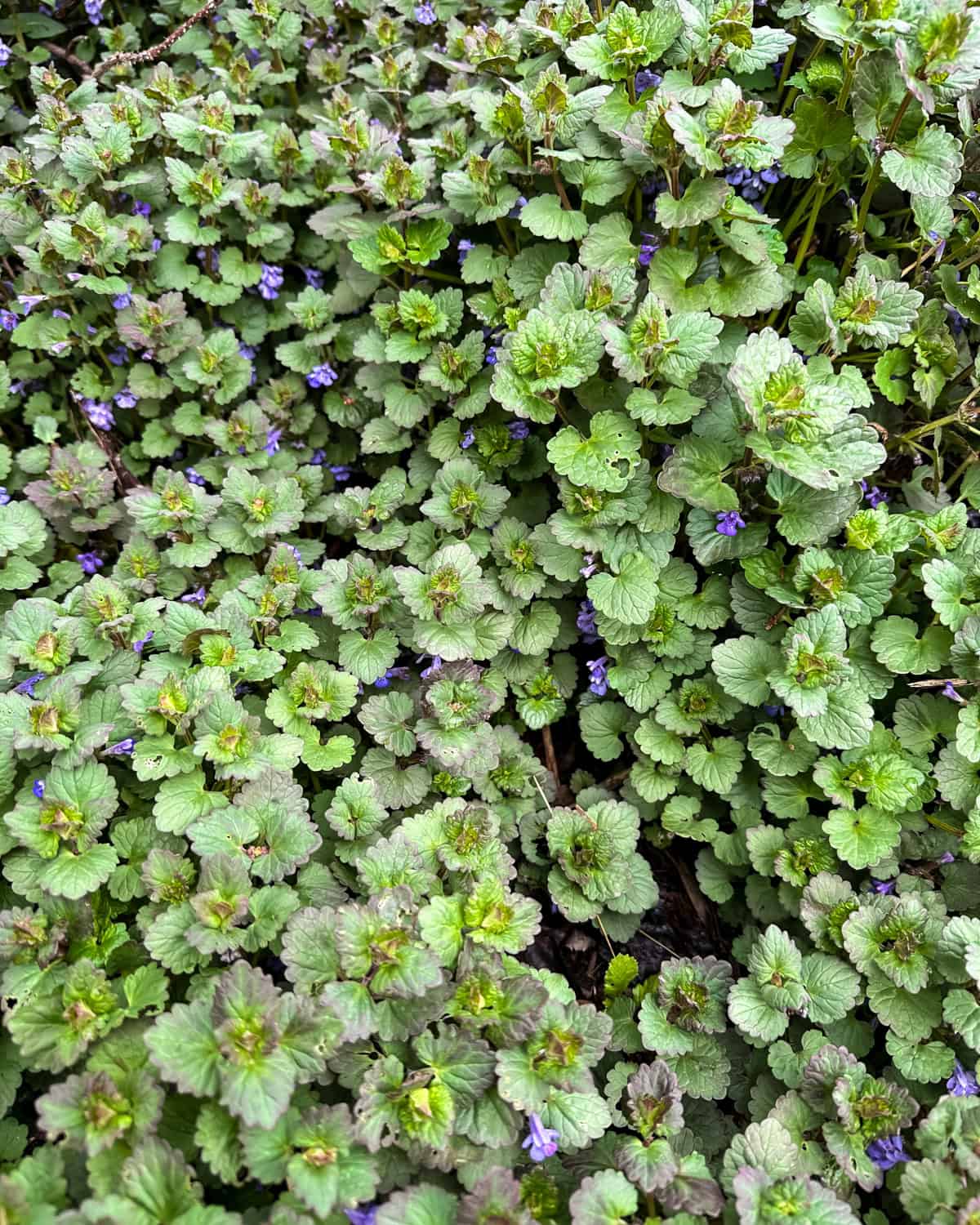
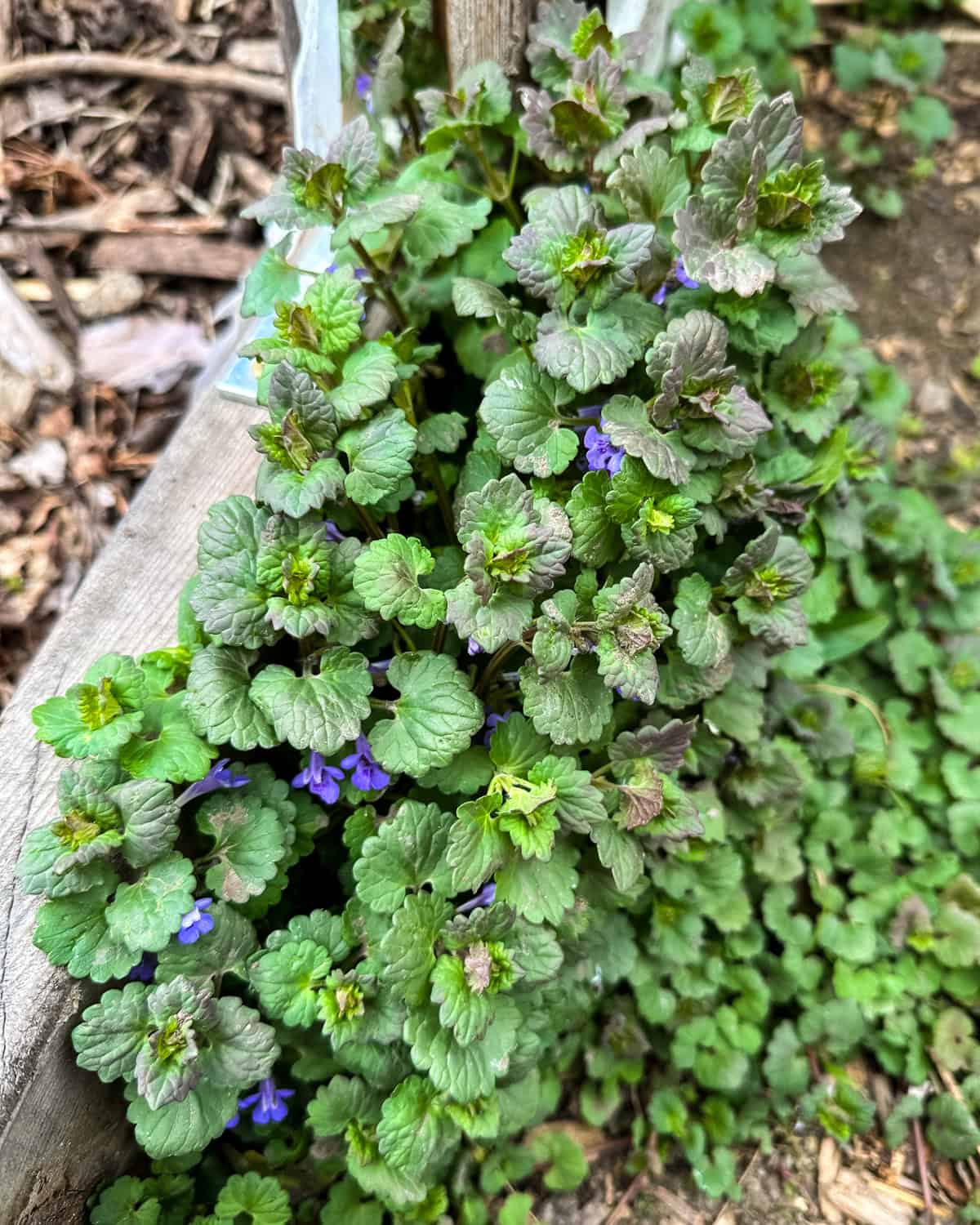
Identifying Glechoma hederacea requires an understanding of its specific morphological traits, which distinguish it from other members of the mint family that emerge during the early spring. The plant is a low-growing perennial that spreads via stolons—horizontal stems or "runners" that root at the nodes. These runners can extend up to seven feet in length, allowing the plant to form dense, interconnected mats that effectively suppress competing vegetation.
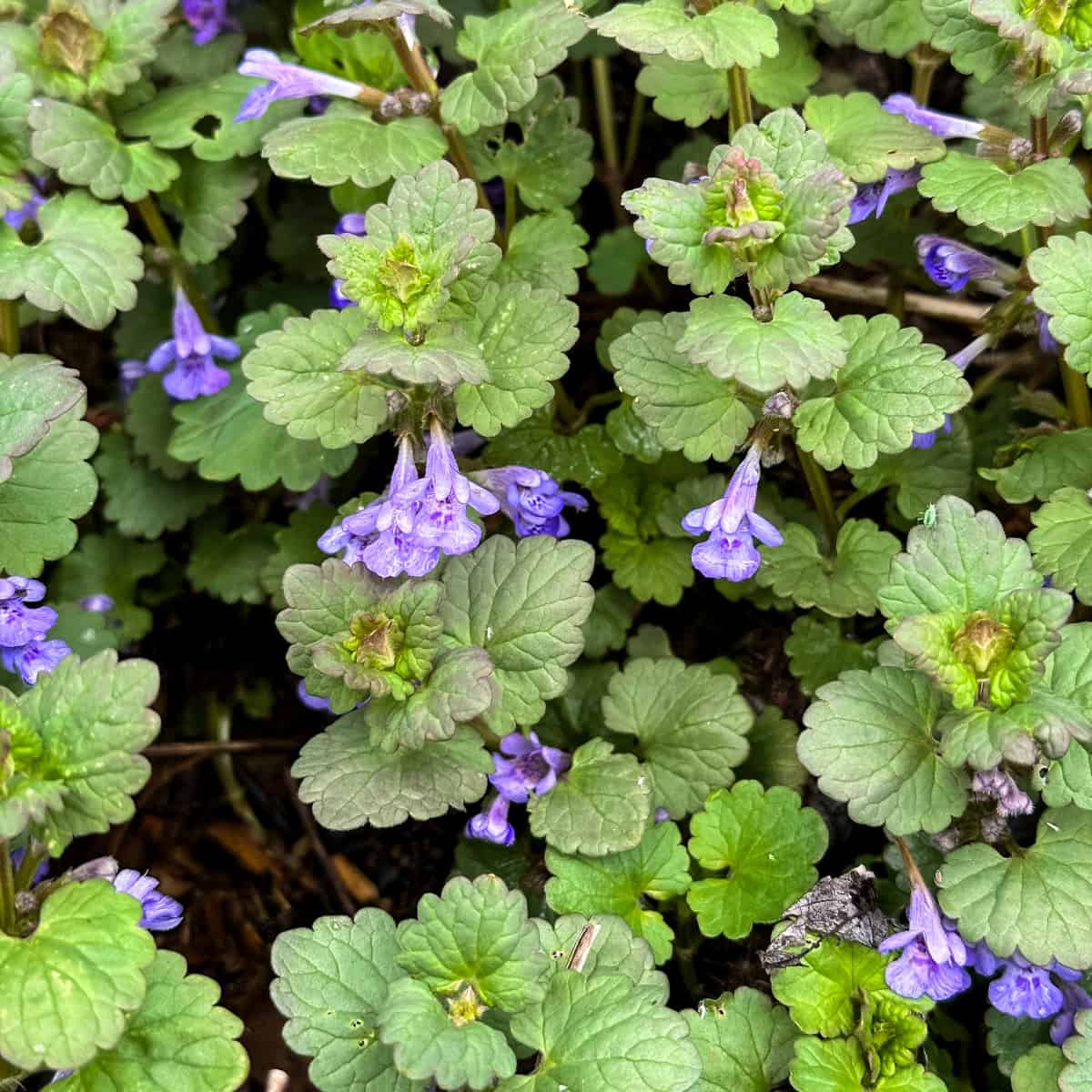
The leaves of the ground ivy are typically round or kidney-shaped (reniform) with distinctively scalloped or crenate edges. They are positioned oppositely along a square stem, a hallmark of the Lamiaceae family. When crushed, the foliage emits a pungent, balsamic aroma that is frequently described as a mixture of mint and sage with earthy undertones.
During its flowering period, which occurs from early spring through the onset of summer, the plant produces funnel-shaped, bluish-purple flowers. These blossoms, typically 1/2 to 3/4 of an inch long, appear in clusters of three to seven in the leaf axils. A closer examination reveals darker purple spots or streaks on the lower petals, which serve as nectar guides for early-season pollinators such as bees and syrphid flies.
Historical Chronology: From European Ale-Houses to American Lawns
The presence of creeping charlie in North America is a direct result of intentional human migration rather than accidental introduction. The chronology of the plant’s spread reveals its historical importance to human survival and industry.

- Pre-16th Century: In Europe and Asia, Glechoma hederacea was a staple in monastic gardens and rural households. It was known as "Alehoof" because its bitter leaves were the primary clarifying and flavoring agent in beer production before the widespread adoption of hops (Humulus lupulus).
- 17th and 18th Centuries: European settlers transported the plant to the New World. It was valued as a "backyard pharmacy" and a reliable ground cover that could thrive in the shaded, damp soils of the Northeast and Midwest.
- 19th Century: The plant became naturalized across much of North America. During this era, it was frequently used as a vitamin-rich spring tonic to combat scurvy and respiratory ailments following long winters.
- 20th Century to Present: With the rise of the "industrial lawn" aesthetic in the post-WWII era, creeping charlie was reclassified as a "noxious weed." Chemical herbicides, such as Dicamba and Triclopyr, were developed specifically to target its resilient root systems.
Scientific Data and Nutritional Composition
Modern biochemical analysis supports the traditional uses of ground ivy, revealing a complex profile of volatile oils, flavonoids, and essential nutrients. Data from various pharmacological studies indicate that the plant is a significant source of Vitamin C, iron, and potassium.
The medicinal efficacy of the plant is attributed to its high concentration of terpenoids and phenolic acids. Research published in the International Journal of Molecular Sciences highlights its potent antioxidant and antimicrobial properties. Specifically, the presence of rosmarinic acid—a polyphenol also found in rosemary and lemon balm—contributes to its anti-inflammatory effects.
Furthermore, studies have confirmed that Glechoma hederacea contains 1,8-cineole (eucalyptol), which explains its historical use as an expectorant. This compound helps to thin mucus and reduce inflammation in the respiratory tract, providing a scientific basis for its application in treating bronchitis and sinusitis.
Comparative Analysis: Distinguishing Look-Alikes
Foragers must be adept at distinguishing creeping charlie from several morphologically similar "look-alikes" that occupy the same ecological niche in early spring. While the most common look-alikes are non-toxic, precise identification is essential for those utilizing the plant for specific herbal preparations.
Henbit (Lamium amplexicaule): Unlike the creeping runners of ground ivy, henbit grows in a more upright fashion. Its leaves are heart-shaped with deeper lobes and are sessile (clasping the stem) at the top of the plant. The flowers are typically a brighter pink or magenta rather than the bluish-purple of ground ivy.
Purple Dead Nettle (Lamium purpureum): This species is easily identified by the distinct reddish-purple coloration of its top leaves. The leaves are more triangular and pointed than the rounded leaves of creeping charlie. Additionally, the leaves of the dead nettle are fuzzy or hirsute, whereas ground ivy leaves are relatively smooth or only slightly pubescent.

Common Mallow (Malva neglecta): While mallow leaves are similarly round and scalloped, the plant lacks the square stem of the mint family and does not produce the characteristic minty aroma when crushed. Mallow flowers are white or pale pink and possess a distinct "cheese-wheel" shaped seed pod.
Perspectives from the Scientific and Agricultural Communities
The management of Glechoma hederacea remains a point of contention between different professional sectors. Agricultural extensions and turfgrass managers often view the plant through the lens of economic impact and aesthetics. According to reports from Midwestern university extension programs, creeping charlie is one of the most difficult lawn weeds to control due to its shade tolerance and ability to regenerate from small fragments of rhizomes left in the soil.
Conversely, ethnobotanists and conservationists point to the ecological benefits of the plant. As one of the first species to bloom in the spring, it provides a vital nectar source for bees at a time when other floral resources are scarce. The "No Mow May" movement, which encourages homeowners to delay lawn mowing to support pollinators, has significantly elevated the status of creeping charlie as a beneficial component of a biodiverse backyard ecosystem.

In the realm of alternative medicine, practitioners emphasize the plant’s role as a "lymphatic alterative." This term refers to the plant’s purported ability to improve the circulation of lymph fluid and aid in the detoxification of the body. While the FDA does not regulate herbal supplements for efficacy, the historical safety record of ground ivy when consumed in moderate culinary amounts is well-documented.
Culinary and Industrial Applications
Beyond its medicinal profile, creeping charlie offers a unique flavor profile for modern gastronomy. The young leaves, harvested before the plant flowers in mid-spring, are the most palatable. As the season progresses, the concentration of tannins increases, leading to a more pronounced bitterness.
Culinary Uses:
- Fresh Greens: Finely chopped leaves can be added to salads to provide a peppery, minty accent.
- Infusions: The dried leaves are frequently used to create "Gill Tea," a traditional beverage favored for its high Vitamin C content.
- Flavoring Agents: In a culinary context, it can serve as a substitute for sage or thyme in savory dishes, particularly when paired with fatty meats or root vegetables.
- Spirits: Modern mixologists have begun experimenting with ground ivy-infused vodkas and bitters, utilizing the plant’s earthy astringency to balance sweet or citrus-heavy cocktails.
Broader Impact and Future Implications
The shifting perception of Glechoma hederacea reflects a broader societal trend toward "rewilding" and sustainable foraging. As the global community faces challenges related to food security and biodiversity loss, the ability to identify and utilize "weeds" as local food sources becomes increasingly relevant.
The resilience of creeping charlie—its ability to thrive in disturbed soils and resist traditional herbicides—makes it a candidate for study in the context of climate change adaptation. Plants that can maintain ground cover and provide pollinator support in varying moisture conditions are essential for soil health and erosion control.
In conclusion, Glechoma hederacea is a plant of significant complexity. While it will likely remain a challenge for those seeking the aesthetic of a pristine, uniform lawn, its value as a nutrient-dense edible, a historical industrial ingredient, and a medicinal powerhouse is undeniable. For the modern forager, the "creeping" nature of this ivy is not a flaw to be corrected, but a generous harvest to be embraced. As we move toward a more integrated understanding of our local ecosystems, the humble creeping charlie stands as a testament to the hidden utility of the natural world.