
Masa, a properly processed corn flour, stands as a cornerstone of Mexican cuisine, forming the very foundation for iconic dishes ranging from delicate tortillas to hearty tamales. Its recent "discovery" and embrace by home cooks and culinary enthusiasts reflect a growing appreciation for traditional food preparation methods and their profound nutritional benefits. This resurgence highlights the ancient process of nixtamalization, a sophisticated technique that transforms humble corn kernels into a more nutritious and versatile ingredient, bridging millennia of culinary wisdom with contemporary gastronomic trends.
The Science Behind the Staple: Understanding Nixtamalization
At the heart of masa’s unique properties lies nixtamalization, a transformative process deeply rooted in Mesoamerican history. This method involves cooking dried corn in an alkaline solution, traditionally limewater (calcium hydroxide), followed by steeping. This seemingly simple treatment triggers a cascade of chemical and physical changes, making the corn not only more palatable but also significantly more nutritious.
During the cooking and soaking phases, the corn kernels undergo several critical transformations. The starches swell and gelatinize, contributing to the masa’s characteristic pliable texture. The pericarp, or hull, of the kernel loosens, making the corn easier to grind into a fine dough, known as masa dough. This physical alteration is crucial for creating the smooth, consistent texture required for tortillas that are less prone to tearing and breaking.
Beyond texture, nixtamalization profoundly impacts the corn’s nutritional profile. The kernels absorb calcium or potassium from the cooking liquid, enriching the final product with these essential minerals. More importantly, the process alters the corn’s protein matrix, releasing niacin (Vitamin B3) from its bound form. In untreated corn, niacin is largely unavailable for human absorption, a deficiency historically linked to pellagra, a debilitating disease characterized by dermatitis, diarrhea, and dementia. By making niacin readily assimilated, nixtamalization effectively eliminated pellagra as a widespread issue in populations where corn was a dietary staple. Furthermore, the process improves the balance of certain amino acids and enhances the overall digestibility of corn, making it a more complete and accessible food source. The resulting product, after cooking and steeping, is called nixtamal, which is then dried and ground into masa harina – the corn flour used by consumers.
A Journey Through Time: The Historical Roots of Nixtamalization
The practice of nixtamalization is not a modern innovation but an ancient culinary technology developed by indigenous peoples in Mesoamerica thousands of years ago. Archaeological evidence suggests that the Olmec, Maya, and Aztec civilizations were all proficient in this technique, with its origins potentially dating back as far as 1500-1200 BCE in Guatemala and southern Mexico. This groundbreaking discovery transformed corn, which originated in Mexico around 9,000 years ago, from a simple grain into a dietary cornerstone capable of sustaining vast civilizations.
For these ancient cultures, nixtamalization was a matter of survival. Corn was their primary caloric source, and without nixtamalization, populations relying heavily on corn would have suffered widespread malnutrition dueence to niacin deficiency. The intricate knowledge required to identify suitable alkaline agents (such as wood ash or naturally occurring lime) and to manage the cooking and steeping times speaks to a profound understanding of food science, long before the advent of modern laboratories. The technique spread across Mesoamerica, becoming an indispensable part of indigenous diets and cultural practices. Even after the arrival of Europeans, who often introduced corn to other parts of the world without the nixtamalization process, its importance remained paramount in its native lands. It stands as a testament to the ingenuity and scientific acumen of ancient civilizations, whose contributions continue to shape global food systems and nutritional understanding.
Masa’s Cultural Tapestry: More Than Just Food
Masa’s significance extends far beyond its nutritional benefits; it is inextricably woven into the cultural fabric of Mexico and Central America. As the foundational ingredient, it defines a vast array of dishes that are central to daily life and celebration. Tortillas, often described as the "bread" of Mexico, are perhaps the most iconic example, served with almost every meal. Tamales, steamed bundles of masa filled with various ingredients, are traditional festive foods, particularly during holidays. Other popular masa-based foods include sopes, pupusas, gorditas, and atole (a warm, masa-thickened beverage).
For indigenous communities, masa often carries symbolic and spiritual meaning. Corn itself is frequently revered as a sacred plant, a gift from the gods, and the act of preparing masa and tortillas is a ritualistic connection to ancestors and the earth. This deep cultural resonance underscores that masa is not merely an ingredient but a carrier of identity, history, and communal tradition. The global recognition of Mexican cuisine, exemplified by its designation as an Intangible Cultural Heritage of Humanity by UNESCO, owes much to the versatility and ubiquity of masa. Its preparation, from the grinding of nixtamal to the rhythmic patting of tortillas, is an art form passed down through generations, embodying family heritage and community bonds.
The Modern Masa Movement: A Renaissance in Home and Professional Kitchens
In recent years, masa has experienced a significant renaissance, captivating both professional chefs and home cooks worldwide. This renewed interest is driven by several factors: a growing global appreciation for authentic ethnic cuisines, a desire for healthier and less processed foods, and a burgeoning DIY culinary movement. Consumers are increasingly seeking out traditional ingredients and methods, recognizing the superior flavor and nutritional value that often accompanies them.
The availability of high-quality masa harina, often organically sourced and milled, has made it easier for individuals outside traditional Mexican communities to experiment with making their own tortillas and other masa-based dishes. Companies like Azure Standard, for instance, highlight the importance of sourcing properly processed organic corn masa flour, catering to a market segment that values both quality and ethical production. This accessibility has democratized the process, allowing more people to experience the fresh, vibrant taste that is distinct from mass-produced alternatives.
A crucial tool in this modern masa movement is the tortilla press. While simple in concept, this device is indispensable for achieving the uniformly thin and round tortillas that are a hallmark of Mexican cuisine. Tortilla presses are commonly made from various materials, each with its own characteristics. Traditional presses, often passed down through families (like the robust, solid wood press mentioned by the author, belonging to a housemate’s abuela), are frequently crafted from wood. These wooden presses are celebrated for their heft, durability, and the patina they develop over years of use. Cast iron presses are another popular choice, known for their exceptional durability and ability to apply even pressure, though they require careful maintenance to prevent rust. Aluminum presses, while lightweight and affordable, are often viewed with caution by purists due to concerns about their longevity and potential for uneven pressure distribution. The preference for sturdy, well-built presses, particularly those made of wood or cast iron, underscores a commitment to quality and tradition in the craft of tortilla making.
From Dough to Delicacy: Crafting Masa-Based Foods
The process of transforming masa harina into fresh tortillas or crispy chips is a testament to the transformative power of simple ingredients and thoughtful preparation. A basic masa dough recipe typically involves just masa harina, water, and a pinch of salt. The hydration level is critical, requiring careful attention to achieve a dough that is neither too dry nor too sticky, ensuring pliability and ease of pressing. The tactile experience of kneading the dough, forming small balls, and then pressing them into thin disks is an engaging culinary craft that connects the cook to ancient traditions.
Once pressed, the tortillas are quickly cooked on a hot comal or griddle. The high heat causes the masa to puff, indicating a perfectly cooked tortilla with a soft, yielding texture and an earthy, fresh-corn flavor. These freshly made tortillas are vastly superior to their store-bought counterparts, offering a depth of flavor and a tender chewiness that elevates any dish they accompany. They can be enjoyed immediately, wrapped around fillings, or served as a side.
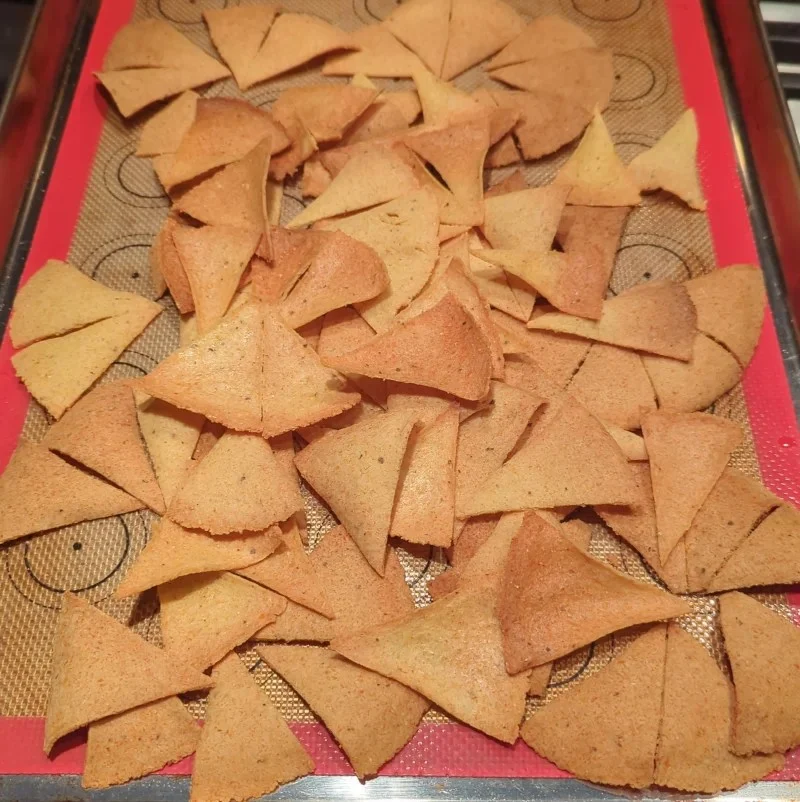
The versatility of masa dough also allows for its transformation into tortilla chips. After pressing and cooking, tortillas can be cut into wedges and then baked or fried until crisp. Homemade tortilla chips offer a distinct advantage over commercial varieties, allowing for control over ingredients, oil quality, and seasoning. The resulting chips boast a pure, intense corn flavor and a satisfying crunch, making them ideal for dipping into salsas or guacamole. Many culinary enthusiasts, recognizing this dual utility, often prepare a single batch of masa dough, dedicating a portion to fresh tortillas and another to homemade chips, maximizing the effort and enjoying both fresh and crispy variations.
Nutritional and Health Implications: Reassessing Corn’s Value
The re-evaluation of masa and nixtamalization in modern culinary discourse extends to its significant nutritional and health implications. As previously noted, the most profound impact is the liberation of niacin, which prevents pellagra, a disease that once plagued populations relying on un-nixtamalized corn. This historical context highlights nixtamalization not just as a culinary technique but as a public health intervention.
Beyond niacin, nixtamalization enhances the bioavailability of calcium, which is absorbed from the alkaline cooking solution. This added calcium contributes to bone health and other physiological functions. The process also improves the digestibility of corn proteins and starches, making it easier for the human body to extract nutrients. Unlike highly processed corn products that strip away beneficial components, masa harina, particularly when prepared traditionally, retains more of corn’s inherent goodness, offering a whole-food benefit. Nutritionists and food scientists increasingly advocate for the reincorporation of such traditional food preparation methods into contemporary diets, recognizing their potential to address micronutrient deficiencies and promote overall well-being. The emphasis on whole, minimally processed ingredients aligns with growing consumer demand for foods that are both nourishing and culturally authentic.
Economic and Environmental Footprint: Masa in the 21st Century
The growing interest in masa also has tangible economic and environmental implications. The market for masa harina, particularly organic and traditionally processed varieties, has seen steady growth. This creates opportunities for small-scale producers and farmers who cultivate heirloom corn varieties, supporting biodiversity and traditional agricultural practices. However, it also presents challenges, as large industrial producers seek to capitalize on the trend, potentially impacting the livelihoods of smaller, more traditional operations.
The connection to permaculture gardening, as hinted by the author’s personal interests, underscores a broader movement towards sustainable food systems. Growing corn using ecological principles, then processing it through nixtamalization, represents a closed-loop system that respects both the land and traditional knowledge. This approach minimizes waste, reduces reliance on industrial agriculture, and promotes food sovereignty. Preserving indigenous corn varieties is crucial, as they often possess unique flavors and adaptive qualities, representing a rich genetic heritage that could be lost without continued cultivation and traditional processing. The economic viability of these heritage grains is often tied to the demand for products like nixtamalized masa.
Expert Perspectives and Future Outlook
Food scientists have long lauded nixtamalization as a prime example of ancient wisdom validated by modern science. Its ability to unlock vital nutrients and improve digestibility makes it a subject of ongoing research and appreciation. Cultural anthropologists and culinary historians emphasize the critical role of masa in preserving indigenous identities and culinary heritage, seeing its resurgence as a victory for cultural continuity. Nutritionists, similarly, champion traditional preparation methods as a pathway to more wholesome and nutrient-dense diets, often contrasting them with the nutritional shortcomings of highly refined modern foods.
Looking ahead, the future of masa appears robust. Educational initiatives, culinary schools, and online communities continue to demystify the process of nixtamalization and masa preparation, making it accessible to a wider audience. As global culinary trends lean towards authenticity, health, and sustainability, masa stands poised to maintain its status not just as a staple of Mexican cuisine but as a celebrated ingredient in kitchens worldwide. Its enduring appeal lies in its profound historical roots, its undeniable nutritional benefits, and the simple, yet deeply satisfying, experience of crafting delicious, wholesome food from scratch.
In conclusion, the journey of masa from ancient Mesoamerican staple to a modern culinary darling is a compelling narrative of scientific ingenuity, cultural resilience, and gastronomic delight. The ancient art of nixtamalization transforms humble corn into a powerful ingredient, rich in history, nutrition, and flavor. As more people "discover" masa, they are not just encountering a new flour but connecting with a timeless tradition that continues to nourish and inspire across generations and continents.


