The recent spotlight cast on masa, the meticulously processed corn flour fundamental to Mexican cuisine, highlights a growing appreciation for traditional food preparation methods and their profound nutritional implications. This renewed interest, exemplified by figures such as Austin Durant, founder of Fermenters Club, underscores the critical process of nixtamalization, a technique dating back millennia that transforms humble corn kernels into a more nutritious and versatile staple. This ancient method is not merely a culinary step but a pivotal development in human nutrition, making corn’s full potential bioavailable.
The Foundational Role of Nixtamalization
Nixtamalization is a complex, labor-intensive process that fundamentally alters corn. As detailed by agricultural and food science experts, dried corn kernels are first cooked in an alkaline solution, typically made with food-grade slaked lime (calcium hydroxide) or wood ash. Following cooking, the corn is steeped in the same alkaline liquid for an extended period. This crucial cooking and soaking phase initiates a series of chemical and physical transformations. The kernels hydrate significantly, absorbing essential minerals like calcium and potassium from the cooking liquid. Internally, the starches swell and gelatinize, while the corn’s protein matrix undergoes structural changes. Critically, these changes release certain nutrients, particularly niacin (Vitamin B3), which is otherwise largely bound and indigestible in raw corn. This enhanced bioavailability of niacin is paramount, historically preventing deficiency diseases like pellagra in populations reliant on corn as a primary food source. The resulting prepared corn, now termed nixtamal, is then dried and ground into masa harina, the distinctive corn flour used for everything from tortillas to tamales.
The historical timeline of nixtamalization traces its origins to Mesoamerica, with archaeological evidence suggesting its practice as early as 1500–1200 BCE by the Olmec civilization. This sophisticated food processing technique was independently developed and perfected by indigenous peoples across what is now Mexico and Central America. Its discovery was not accidental but a gradual evolution of agricultural and culinary wisdom, driven by the necessity to maximize the nutritional yield of corn, which formed the bedrock of their diet. Without nixtamalization, corn-based diets led to widespread niacin deficiency, manifesting as pellagra, a disease characterized by dermatitis, diarrhea, dementia, and ultimately, death. The adoption of nixtamalization was therefore a monumental public health achievement, ensuring the sustained health and growth of entire civilizations.
Nutritional and Health Implications
The nutritional advantages conferred by nixtamalization are substantial and multifaceted. Beyond liberating niacin, the process significantly increases the calcium content of the corn, a vital mineral for bone health and numerous physiological functions. Studies published in journals like the Journal of Agricultural and Food Chemistry have quantified these increases, showing calcium levels can rise by several hundred percent. Furthermore, nixtamalization improves the digestibility of corn proteins and starches, making the energy and nutrients more accessible to the human digestive system. It also impacts the corn’s phenolic compounds, some of which possess antioxidant properties.
Nutrition experts and public health officials widely acknowledge the importance of nixtamalization, especially in regions where corn remains a dietary staple. Dr. Maria Rodriguez, a food scientist specializing in traditional diets, states, "Nixtamalization is a brilliant example of how indigenous knowledge can provide sophisticated solutions to nutritional challenges. It’s not just about making a better tortilla; it’s about making corn a complete and healthy food." This process transforms corn from a potentially problematic staple into a cornerstone of a balanced diet, a fact often overlooked in modern industrial food production where nixtamalization is sometimes bypassed or simplified for efficiency, potentially compromising nutritional value.
The Culinary Renaissance: From Ancient Tradition to Modern Kitchens
The resurgence of interest in masa and nixtamalization in contemporary culinary circles, particularly within the growing "real food" and fermentation movements, signals a desire for authenticity, superior flavor, and enhanced nutrition. Home cooks and culinary enthusiasts are increasingly seeking out high-quality masa harina and even embarking on the nixtamalization process themselves. Austin Durant’s personal "discovery" of masa reflects this broader trend, where individuals are delving deeper into the origins and preparation of their food.
The practical application of masa in the kitchen typically involves shaping it into tortillas, a process greatly aided by specialized equipment. A tortilla press, a simple yet effective device, is crucial for achieving the uniformly flat and thin discs essential for proper cooking. These presses are traditionally crafted from materials known for their durability and weight distribution. Wooden presses, often passed down through generations, are highly prized for their heft and even pressure application. Cast iron presses also offer excellent performance, providing the necessary weight and sturdiness. Conversely, culinary experts generally advise avoiding aluminum presses, as they tend to be lighter and may not distribute pressure as evenly, leading to inconsistent tortilla thickness. The preference for robust, well-built presses, like the solid wooden heirloom piece mentioned by Durant, underscores the value placed on tools that facilitate traditional craftsmanship.
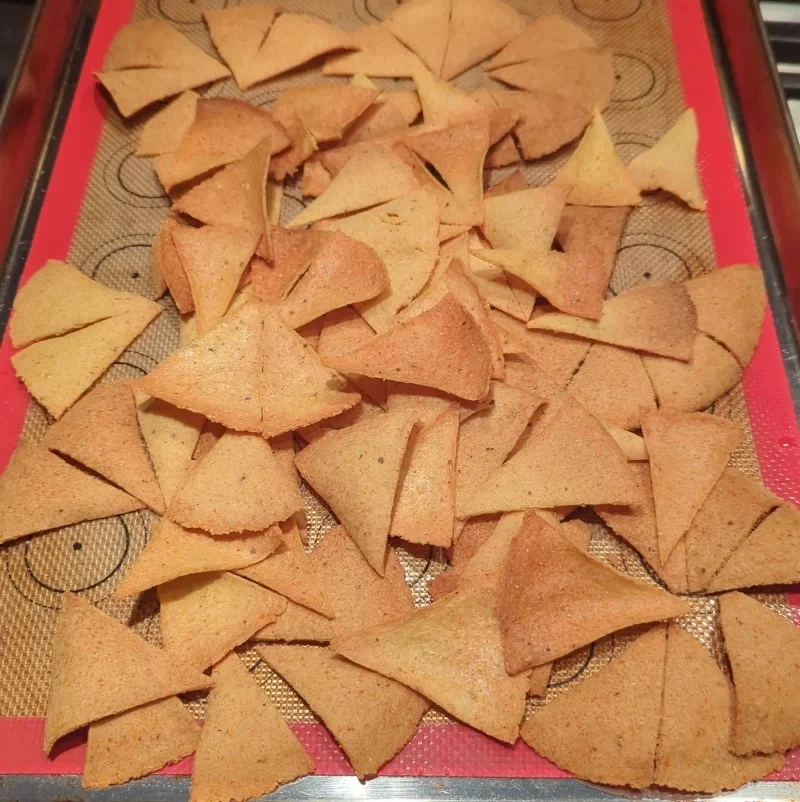
The versatility of masa dough extends beyond fresh tortillas. A single batch can yield both warm, pliable tortillas perfect for tacos or enchiladas, and crisp, golden tortilla chips. This duality highlights the adaptability of masa, allowing home cooks to create a range of corn-based products with a distinct, fresh corn flavor that surpasses commercially produced alternatives. The act of making these items from scratch also offers a deeper connection to the food, an experience that many in the home cooking movement cherish.
Broader Impact and Implications
The renewed focus on nixtamalization carries significant implications across several domains:
- Cultural Preservation: By embracing nixtamalization, modern consumers and chefs contribute to the preservation of indigenous culinary traditions and knowledge. It fosters an appreciation for the cultural heritage of corn, which transcends its role as a mere commodity. Culinary institutes and cultural organizations are increasingly incorporating traditional nixtamalization into their curricula and outreach programs to ensure these practices endure.
- Sustainable Food Systems: Promoting the use of traditionally processed masa encourages interest in diverse corn varieties and local agricultural practices. It can also support smaller-scale producers who specialize in high-quality, nixtamalized corn products, fostering more resilient and equitable food systems.
- Health and Wellness: The educational aspect of nixtamalization empowers consumers to make informed choices about their food. Understanding how food processing impacts nutritional value can lead to healthier dietary patterns and a reduction in reliance on ultra-processed foods. The DIY food movement, of which fermentation is a key component, naturally aligns with this pursuit of wholesome, nutrient-dense ingredients.
- Culinary Innovation: While deeply traditional, masa also offers a canvas for culinary innovation. Chefs are exploring new applications for nixtamalized corn, incorporating its unique flavor and texture into contemporary dishes, bridging ancient techniques with modern gastronomy.
The journey from a dried corn kernel to a delicious, nutritious tortilla via nixtamalization is a testament to human ingenuity and a reminder of the deep connections between food, culture, and health. As awareness of this ancient process grows, it promises to enrich not only our plates but also our understanding of food history and nutritional science. The "discovery" of masa by individuals like Austin Durant is less about finding something new and more about rediscovering and celebrating a timeless culinary and nutritional marvel that continues to shape our food landscape.