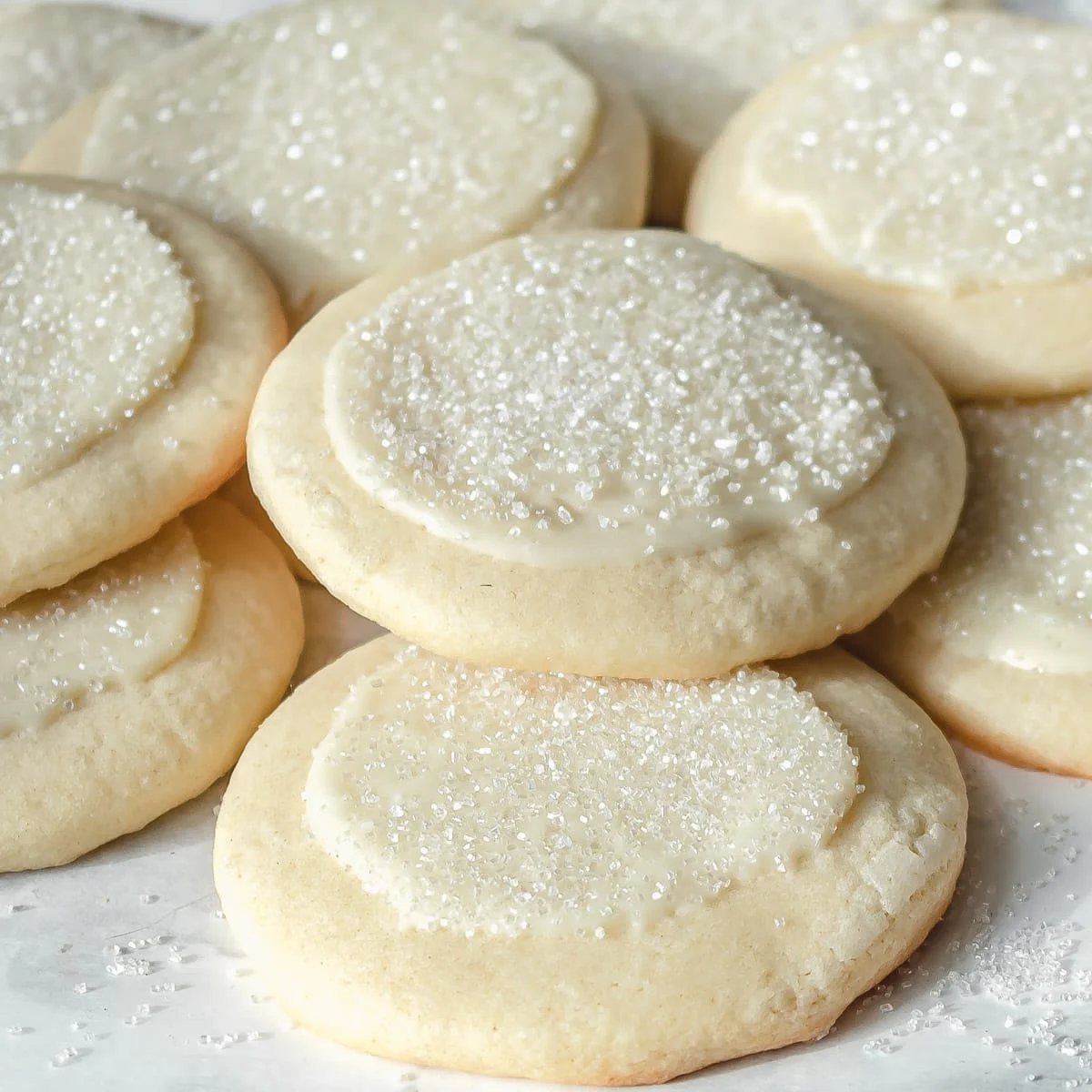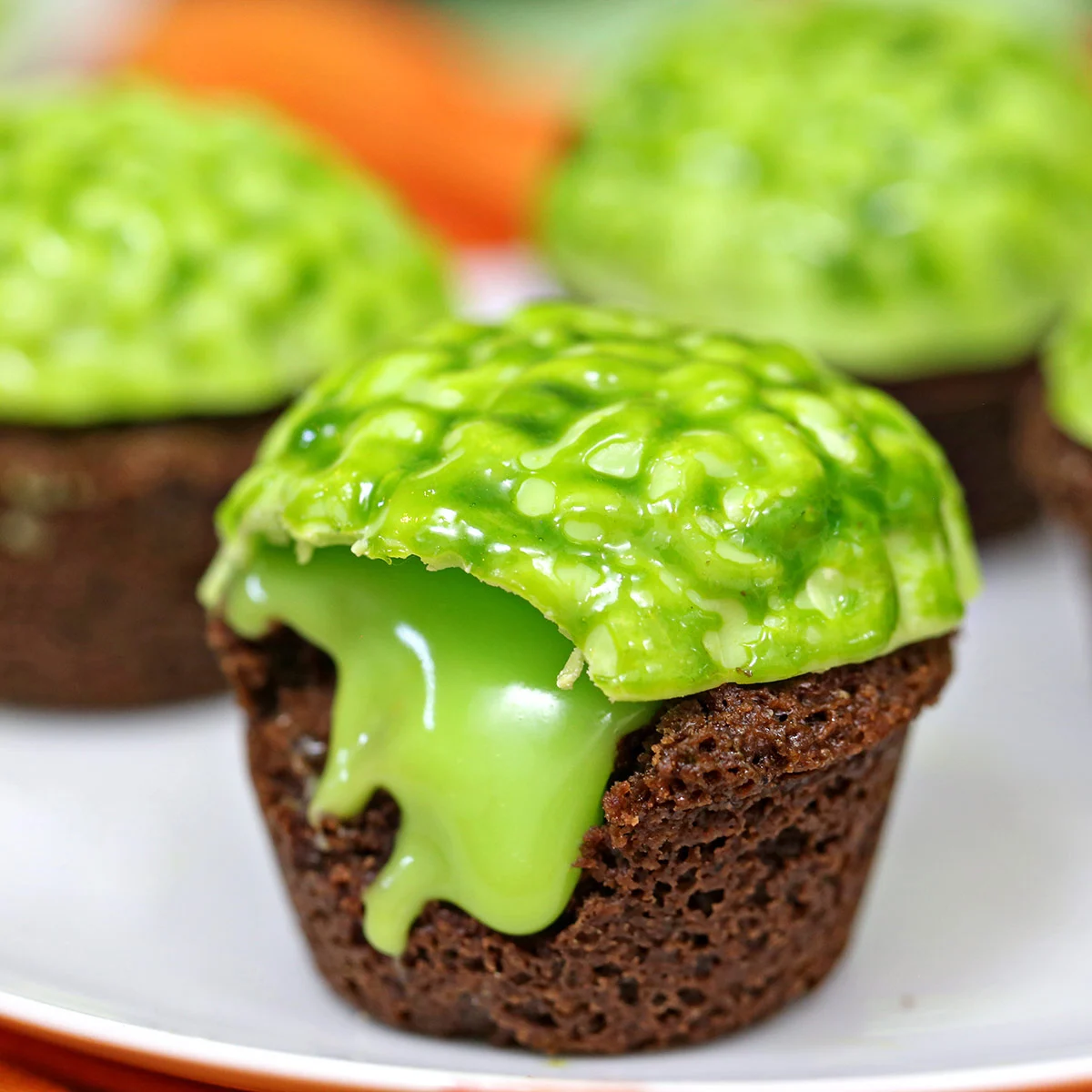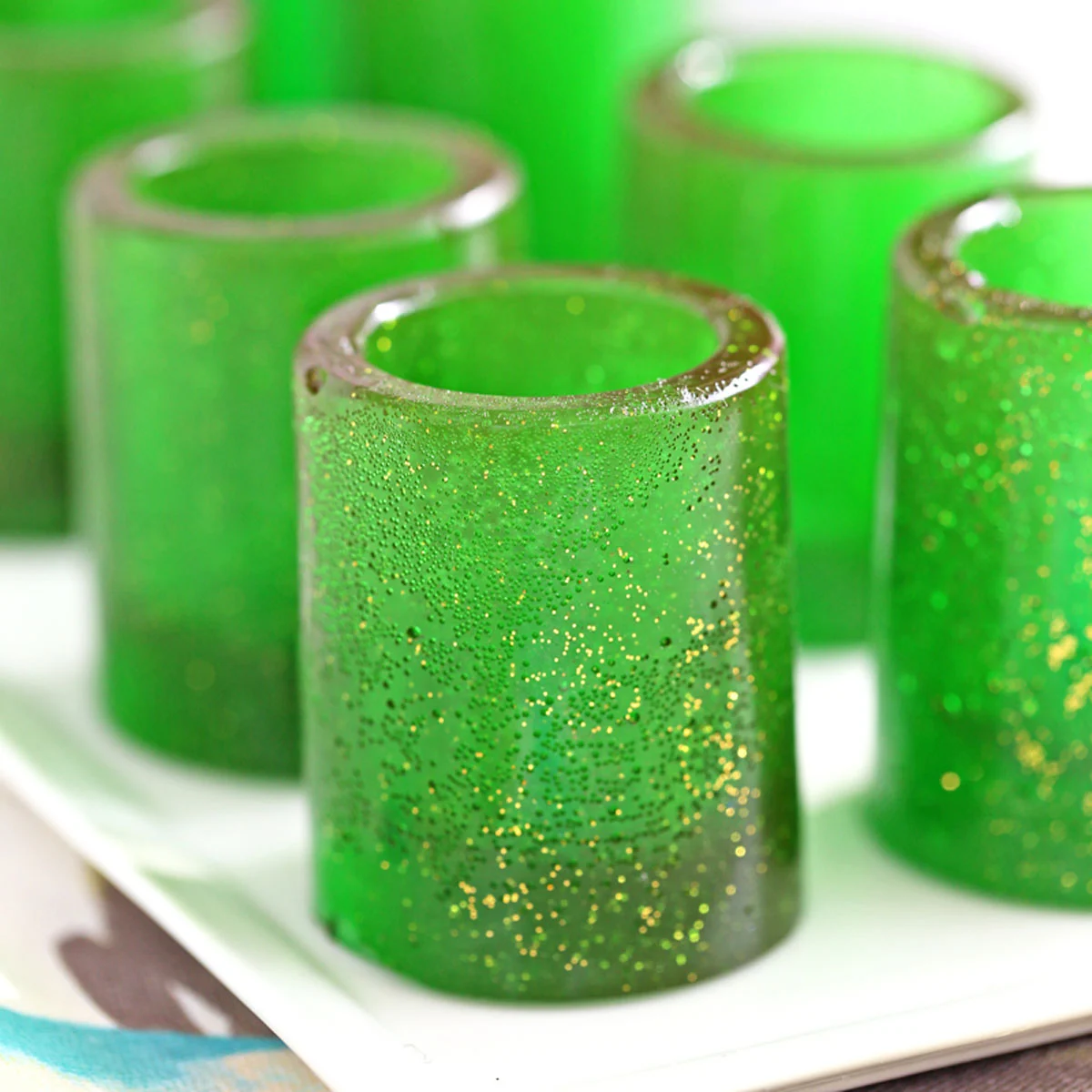
The culinary world constantly seeks innovative ways to elevate desserts from mere confections to edible works of art. Among the most captivating techniques is the creation of "sugar glass," a transparent, hard candy that mimics the appearance of glass. This versatile ingredient offers bakers and pastry chefs a dazzling array of possibilities, from crafting intricate windows for gingerbread houses to adding dramatic, shard-like accents to cakes and pastries. Mastering the art of sugar glass not only enhances visual appeal but also introduces delightful textural contrast to sweet creations.
Unveiling the Versatility of Sugar Glass
The appeal of sugar glass lies in its adaptability. This seemingly simple confection can be transformed into a spectrum of colors and flavors, opening up a universe of creative potential. Whether aiming for the delicate translucence of stained glass or the sharp, edgy aesthetic of broken shards, sugar glass serves as a powerful decorative tool. Its applications are extensive, ranging from whimsical creations like windows for gingerbread structures to more thematic designs such as the "broken glass" effect for Halloween-themed cupcakes. Furthermore, its crystal-like appearance has even inspired more avant-garde culinary art, reminiscent of the visually striking rock candy featured in popular culture.
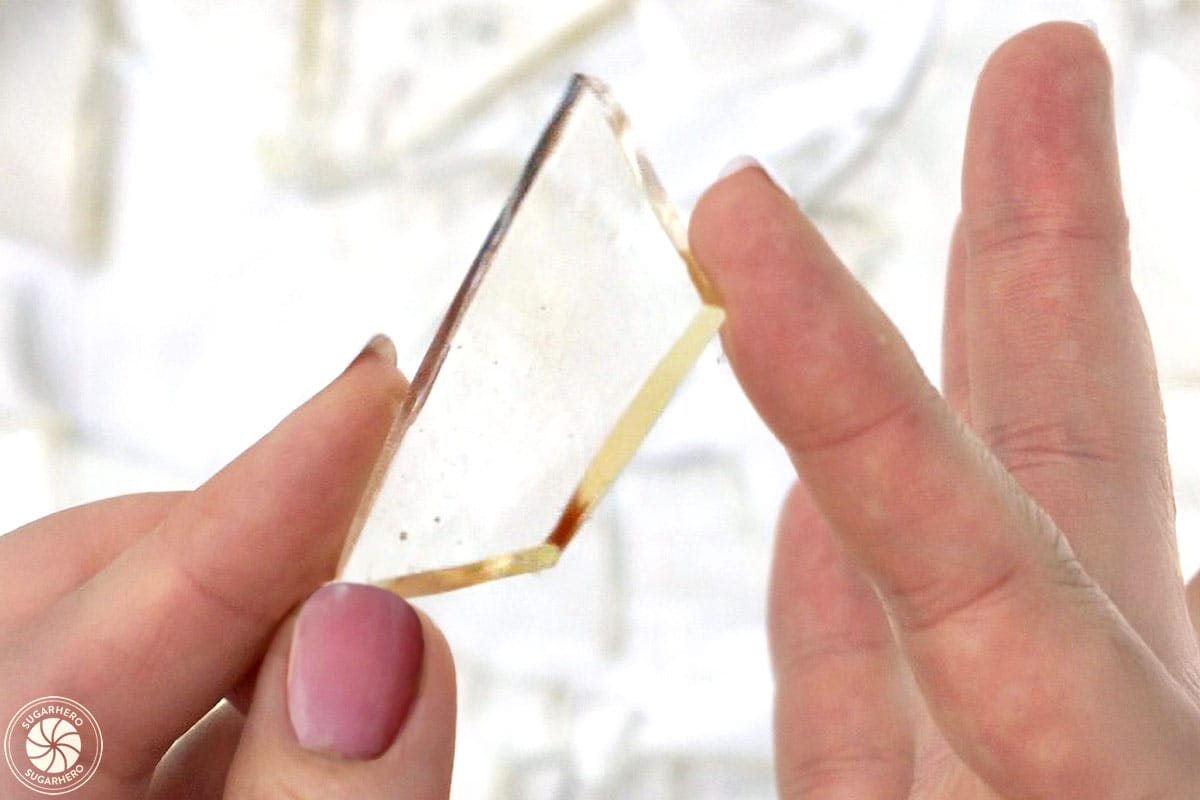
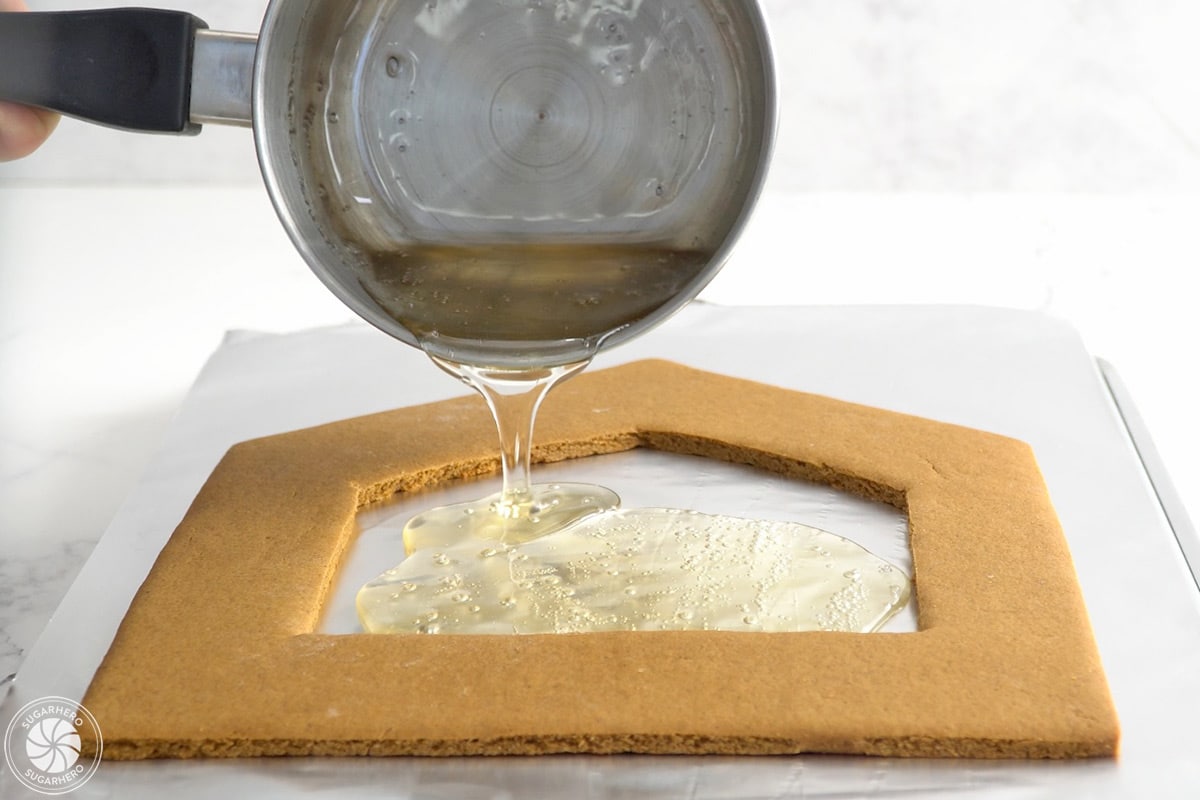
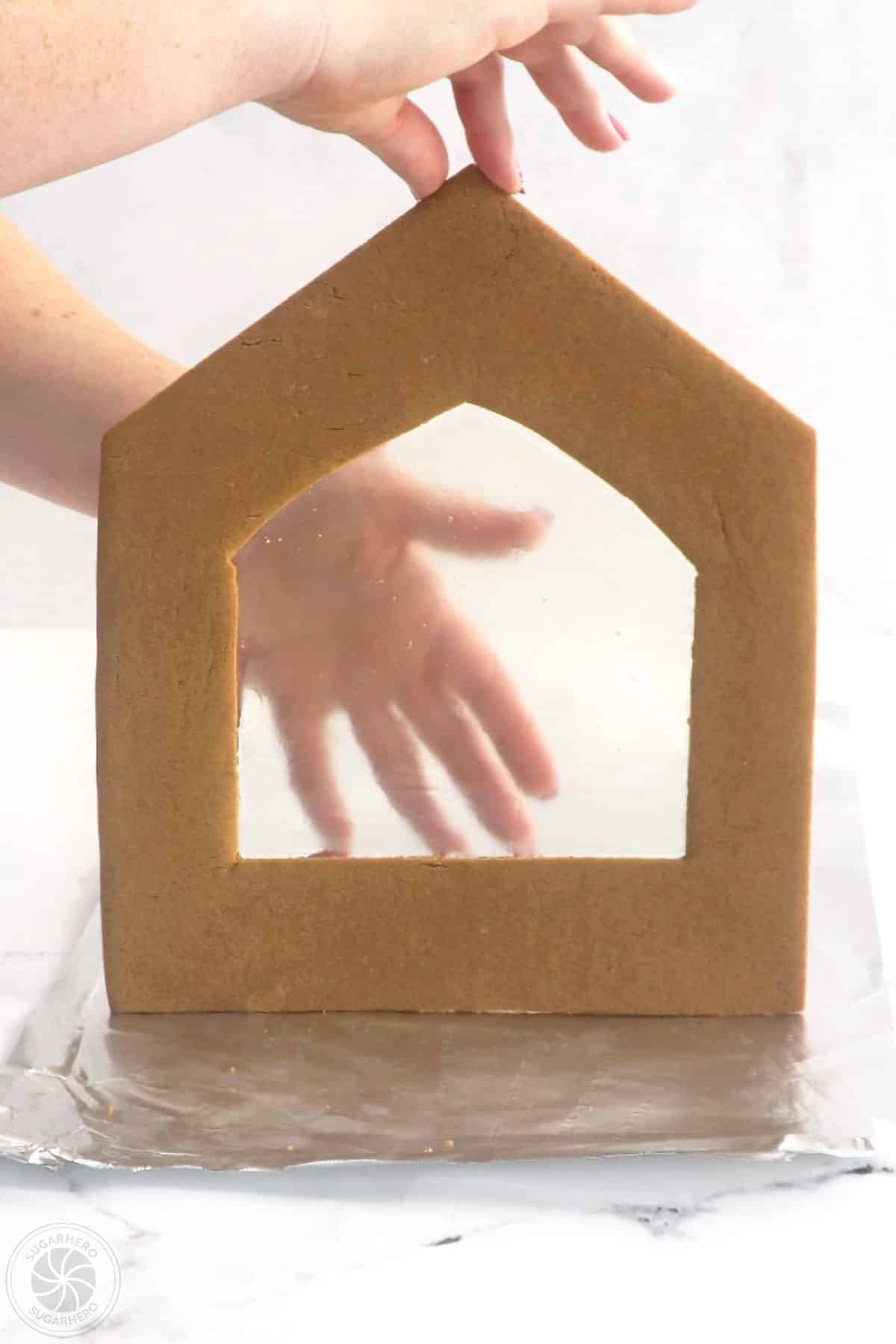
The shaping capabilities of sugar glass are equally impressive. Once cooled to a pliable state, it can be poured onto flat surfaces and broken into irregular pieces, creating a natural, shattered effect. Alternatively, it can be molded into specific shapes or directly poured into pre-cut openings in baked goods, such as gingerbread panels or cookie cutouts, to form realistic windows. This inherent malleability allows for precise integration into diverse dessert designs, making it a favored ingredient for those looking to push the boundaries of dessert artistry.
The Science Behind Flawless Sugar Glass Creation
Creating perfect edible sugar glass is an endeavor that combines culinary artistry with a fundamental understanding of sugar chemistry. While the process may appear intricate, it is remarkably accessible, even for novice candy makers, with proper guidance. The key to success lies in precise ingredient ratios, controlled heating, and careful handling.
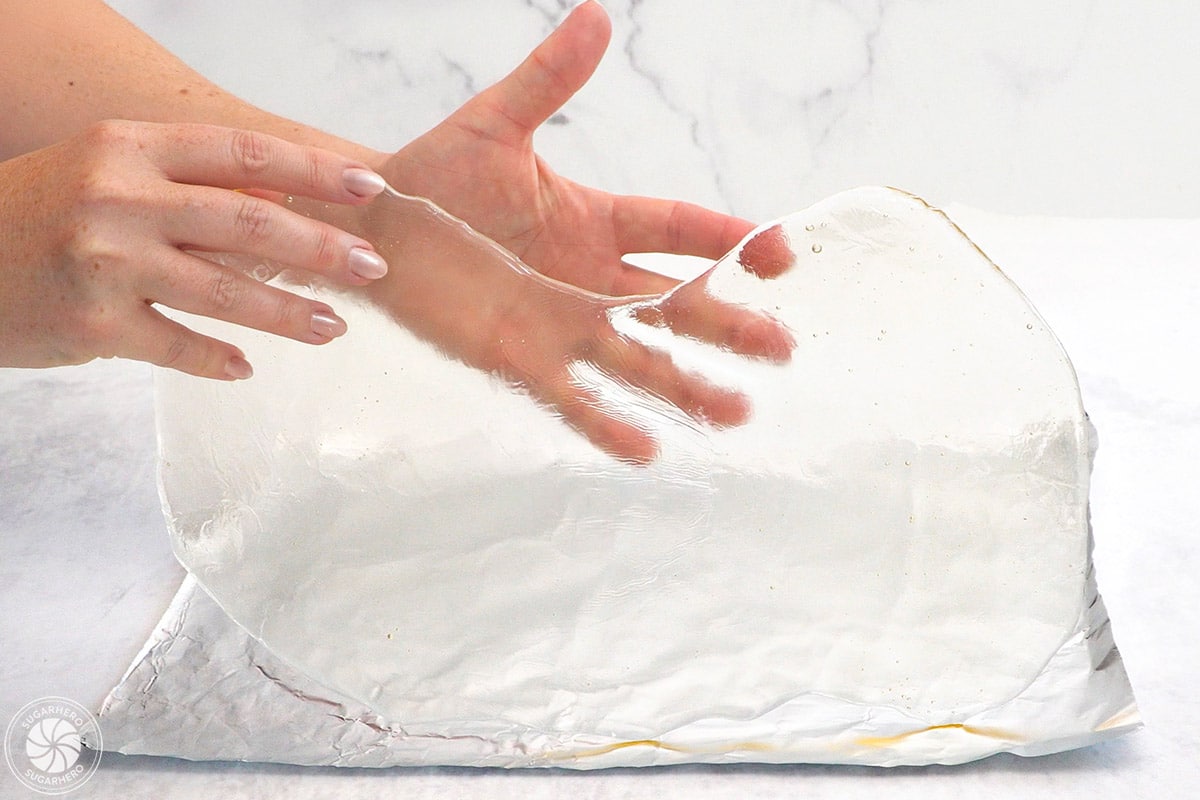
At its core, sugar glass is a supersaturated solution of sugar that, when cooled correctly, solidifies into an amorphous solid – meaning its molecules are arranged randomly, unlike the crystalline structure of regular sugar. This amorphous state is what gives it its glass-like transparency and hardness. The inclusion of corn syrup or glucose syrup is crucial in this process. These invert sugars interfere with the natural tendency of sucrose molecules to align and form crystals. Without them, the sugar would readily crystallize, resulting in an opaque and crumbly texture rather than clear, smooth glass.
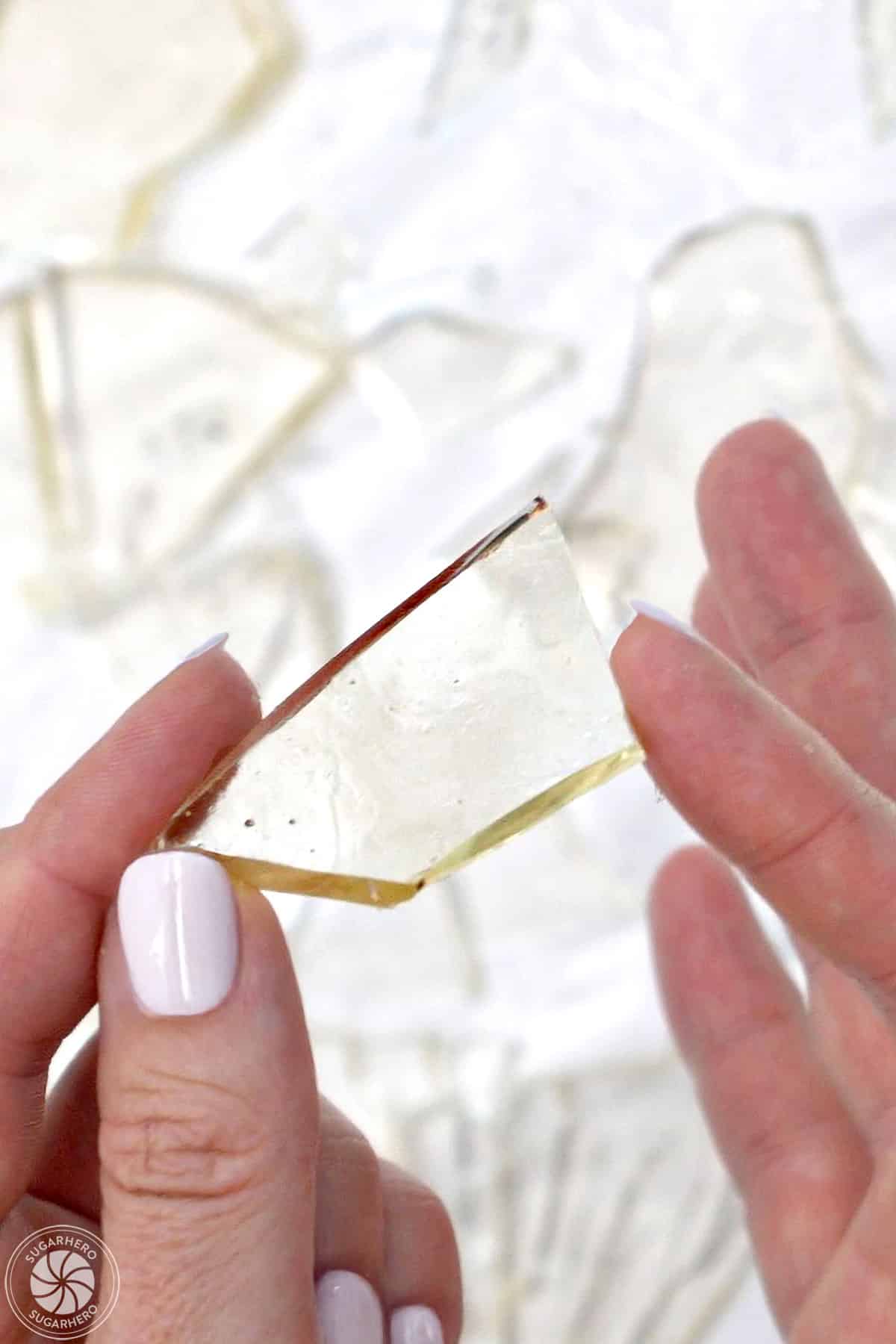
The critical stage in sugar glass production is reaching the "hard crack" stage, typically around 300-310°F (149-154°C) on a candy thermometer. At this temperature, most of the water content has evaporated, leaving a concentrated sugar syrup that will harden into a brittle, glass-like state upon cooling. Accurate temperature monitoring is paramount; deviations can lead to either a candy that remains sticky or one that crystallizes prematurely.
Essential Ingredients and Equipment for Sugar Glass Production
The creation of high-quality sugar glass relies on a judicious selection of ingredients and the use of appropriate kitchen tools. Fortunately, most of the necessary components are readily available in a standard home kitchen.
Key Ingredients:
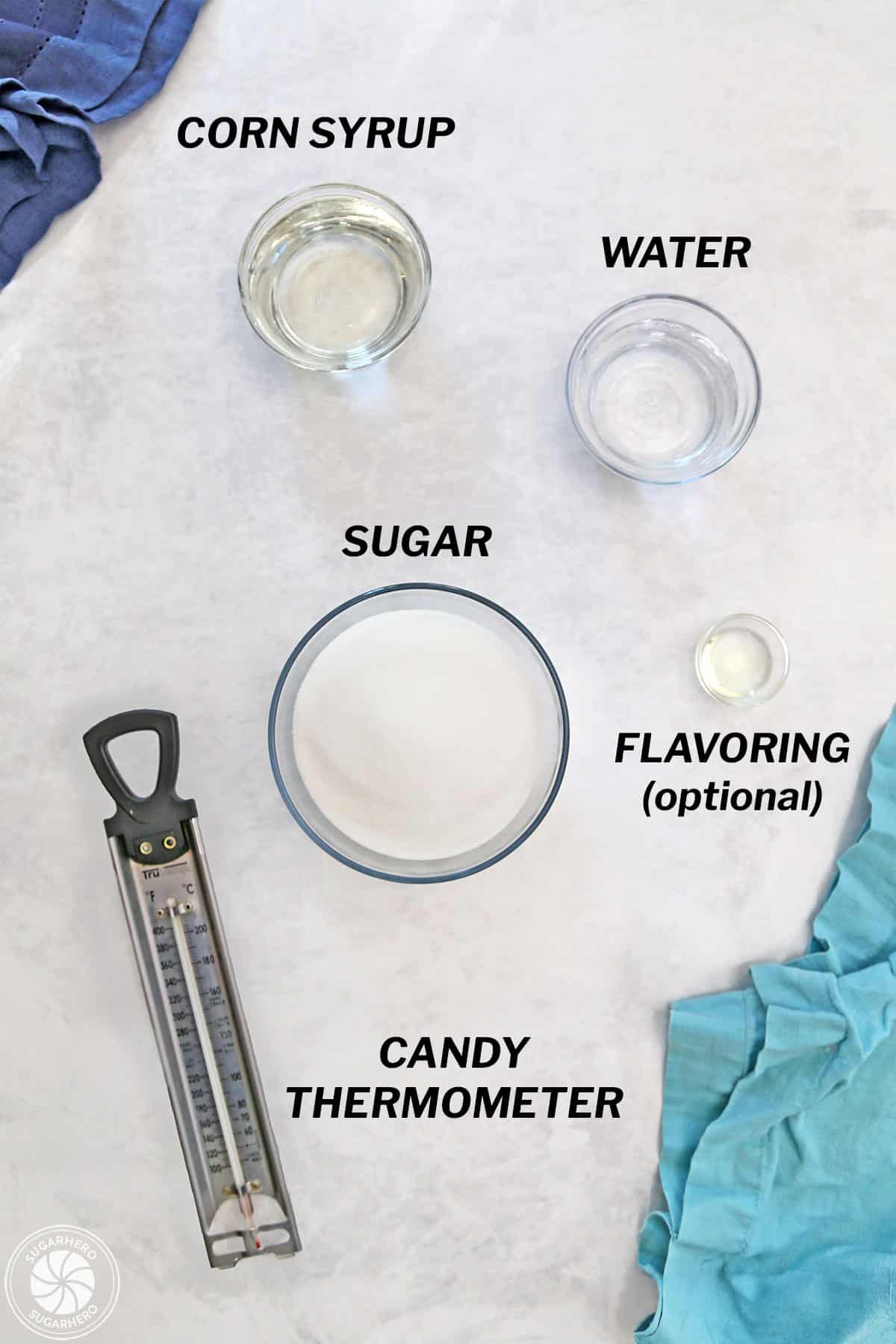
- Granulated Sugar: The primary building block of sugar glass. Using standard granulated sugar is essential for achieving the desired clarity.
- Corn Syrup or Glucose Syrup: Crucial for preventing crystallization and ensuring a smooth, translucent texture. This invert sugar acts as an anti-caking agent in the candy-making process.
- Water: Used to dissolve the sugars and initiate the boiling process.
- Optional Flavorings and Colorings: Food-grade extracts, oils, and gel or liquid food colorings can be added to customize the sugar glass, allowing for a wide range of sensory experiences.
Essential Equipment:
- Heavy-Bottomed Saucepan: A thick-bottomed pot distributes heat evenly, preventing scorching and ensuring consistent cooking of the sugar syrup.
- Candy Thermometer: An indispensable tool for accurately measuring the syrup’s temperature, crucial for reaching the hard crack stage. Digital thermometers offer enhanced precision.
- Heat-Resistant Spatula or Wooden Spoon: For stirring the initial mixture before it reaches boiling point.
- Baking Sheet: To pour the hot sugar mixture onto for cooling and hardening.
- Parchment Paper or Silicone Baking Mat: Essential for lining the baking sheet, preventing the hot sugar from sticking and facilitating easy removal once cooled.
- Pastry Brush and Water: Used to wash down the sides of the saucepan, preventing sugar crystals from forming and falling into the syrup, which can trigger crystallization.
Pro Tips for Accurate Temperature Measurement
Precise temperature measurement is non-negotiable when crafting sugar glass. A candy thermometer is the most critical tool in this regard. It’s vital to ensure the thermometer is calibrated correctly. A simple method for calibration involves placing the thermometer in boiling water (212°F or 100°C at sea level) to verify its accuracy. If there is a discrepancy, adjustments can be made or the thermometer replaced.
For those employing digital thermometers, it’s important to note that some models may require a brief acclimation period to reach an accurate reading. When inserting the thermometer into the sugar syrup, ensure that the bulb is fully submerged but not touching the bottom of the pan, as this could yield an inaccurate temperature reading from the heated pan itself. The thermometer should be securely clipped to the side of the pan, allowing for easy monitoring without obstruction.
A Step-by-Step Guide to Crafting Edible Sugar Glass
The process of creating edible sugar glass, while requiring attention to detail, is straightforward when following a structured approach.
Preparation:
- Gather Ingredients and Equipment: Ensure all necessary items are measured and readily accessible. This includes preparing the baking sheet by lining it with parchment paper or a silicone mat.
- Combine Initial Ingredients: In a heavy-bottomed saucepan, combine the granulated sugar, corn syrup, and water. Stir these ingredients over medium heat until the sugar is completely dissolved. It is crucial to ensure all sugar crystals are dissolved before proceeding.
Cooking the Syrup:
- Boil the Mixture: Once the sugar is dissolved, increase the heat to medium-high and bring the mixture to a boil. At this point, stop stirring.
- Prevent Crystallization: As the syrup boils, use a pastry brush dipped in water to gently wash down any sugar crystals that may form on the sides of the saucepan. This step is critical for maintaining the clarity of the sugar glass.
- Monitor Temperature: Insert the candy thermometer and continue to cook the syrup without stirring until it reaches the hard crack stage, typically between 300°F and 310°F (149°C and 154°C). The exact temperature can vary slightly based on altitude and humidity.
Cooling and Shaping:
- Remove from Heat: Once the target temperature is reached, immediately remove the saucepan from the heat. Carefully remove the candy thermometer.
- Add Flavoring and Coloring (Optional): If desired, quickly stir in any food colorings or flavorings at this stage. Work swiftly, as the syrup will begin to cool and thicken.
- Pour the Syrup: Carefully and slowly pour the hot sugar syrup onto the prepared baking sheet. Avoid spreading it too thinly, as this can lead to brittle or burnt edges.
- Cool and Harden: Allow the sugar glass to cool completely at room temperature. This can take anywhere from 30 minutes to several hours, depending on the thickness of the pour and ambient temperature. Do not attempt to move or break the sugar glass while it is still warm, as it will be pliable and may deform.
Breaking and Using:
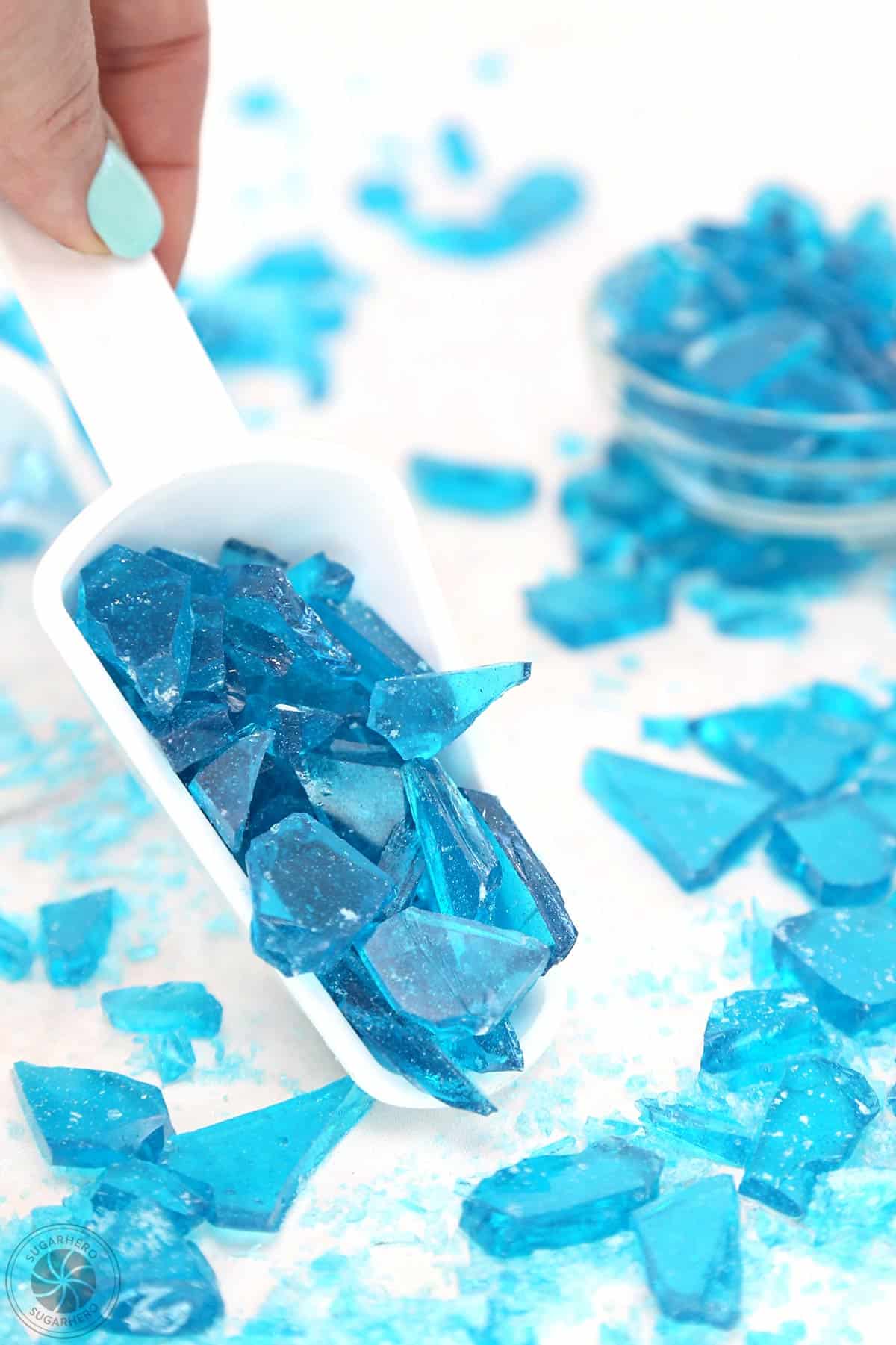
- Break into Pieces: Once fully hardened, the sugar glass can be broken into desired shapes and sizes. This can be done by hand (wearing protective gloves is recommended due to sharp edges) or by gently tapping it with a rolling pin.
- Incorporate into Desserts: Use the broken sugar glass pieces immediately as decorative elements on cakes, cookies, or other desserts.
Frequently Asked Questions About Sugar Glass Production
Addressing common challenges can significantly improve the success rate of sugar glass creation.
Why is my candy sticky?
Stickiness in sugar glass is almost invariably a result of humidity. Sugar is hygroscopic, meaning it readily absorbs moisture from the air. High humidity levels can cause the sugar glass to become tacky and lose its crispness. It is advisable to make sugar glass on dry days and store it in an airtight container at room temperature. Including silica gel packets in the storage container can further help absorb excess moisture.
Why is my candy not hardening?
If the candy remains soft or does not set properly, it indicates that it has not been cooked to a high enough temperature. This often means it hasn’t reached the hard crack stage. If a candy thermometer was used, it’s prudent to verify its accuracy. Ensuring precise ingredient measurements and consistent cooking times are also critical factors.
Why is my glass candy opaque or crumbly?
An opaque or crumbly texture signifies that the sugar has crystallized during the cooking process. This can happen if the sugar syrup is stirred excessively after it begins to boil, if sugar crystals are not diligently wiped from the sides of the pan, or if stray sugar crystals contaminate the mixture. The corn syrup in the recipe is designed to inhibit crystallization, so using alternative sweeteners might increase the likelihood of this issue.
Storage Information for Sugar Glass
Proper storage is key to maintaining the integrity of sugar glass. It should be stored at room temperature in an airtight container for up to seven days. Refrigeration or freezing is not recommended, as condensation can cause the candy to become sticky and lose its structure. In very humid climates, even room temperature storage may lead to stickiness within a few days, necessitating a shorter shelf life or the use of moisture-absorbing packets.
Broader Implications and Culinary Innovation
The ability to create visually stunning and texturally interesting elements like sugar glass contributes significantly to the evolving landscape of dessert presentation. As consumers increasingly seek unique and Instagrammable food experiences, the demand for sophisticated decorative techniques continues to grow. Sugar glass, with its inherent versatility and dramatic visual impact, empowers culinary professionals and home bakers alike to transform ordinary desserts into extraordinary creations. Its accessibility and the relatively low cost of its ingredients make it a practical yet impactful tool for elevating any sweet offering, fostering a culture of creativity and artistry within the realm of baking and pastry.