The burgeoning global market for natural and organic personal care products, which reached a valuation of approximately $18.5 billion in 2022, has sparked a renewed interest in traditional botanical preparation techniques. Central to this movement is the practice of herbal oil infusion, a foundational process that serves as the prerequisite for creating a vast array of all-natural body care formulations, including salves, body butters, and medicinal creams. For the modern herbalist and the conscious consumer alike, mastering the infusion of plant properties into carrier oils represents the critical transition from raw foraging to sophisticated skincare manufacturing.
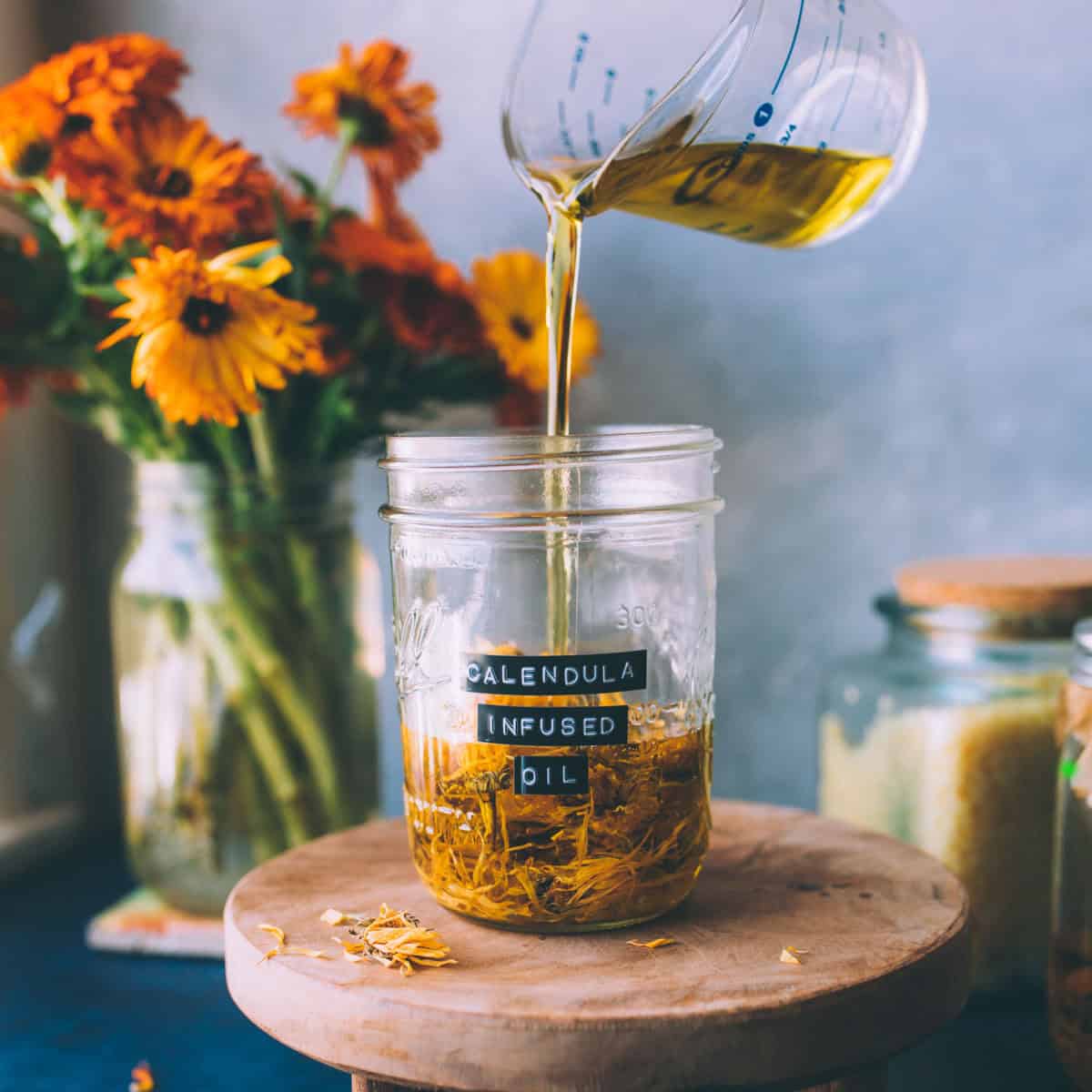
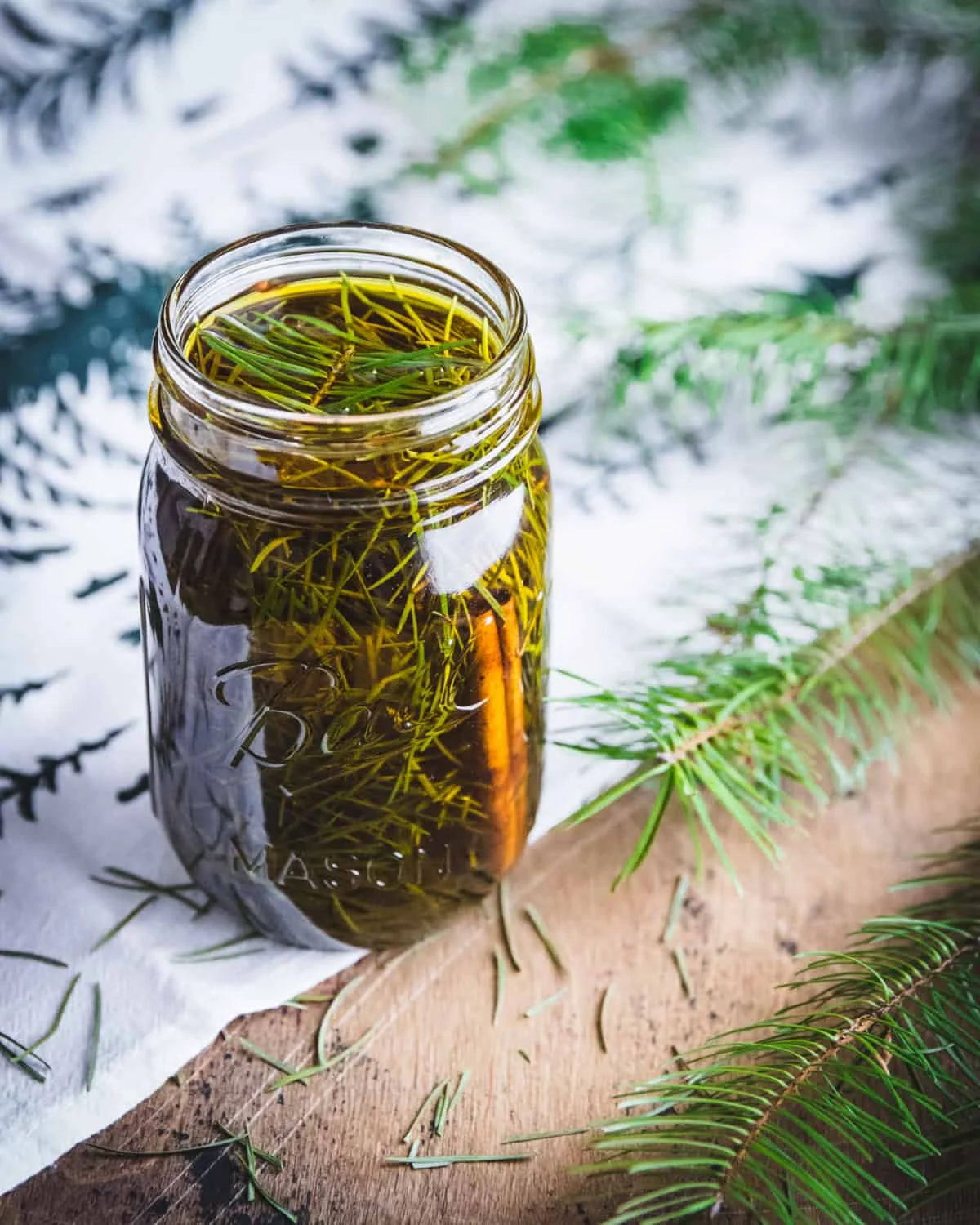
Infused oils, technically known as macerated oils, are produced by extracting the lipophilic (fat-soluble) constituents of a plant into a solvent, typically a vegetable-based carrier oil. This process allows for the capture of volatile oils, resins, and fat-soluble vitamins, creating a potent base for topical applications. As the demand for transparency in ingredient lists grows, the ability to control the quality of the base oil and the potency of the botanical additives has become a valuable skill in the artisanal skincare industry.
A Chronology of the Infusion Cycle
The production of herbal oils is rarely a singular event; rather, it is a seasonal cycle that aligns with the phenology of local flora. Journalistic observation of the herbalist’s calendar reveals a systematic approach to production that spans the entire year.
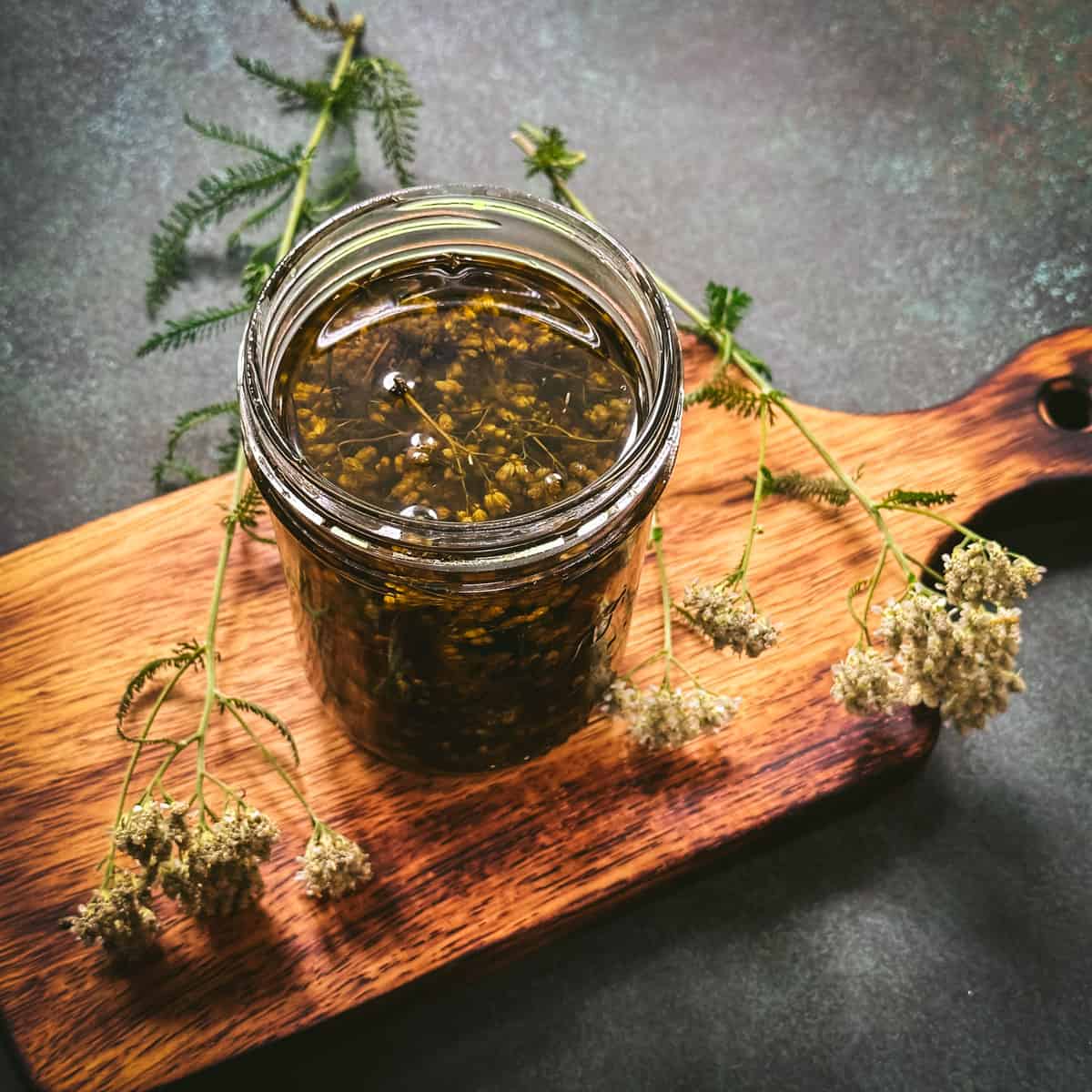
In the spring and early summer, the process begins with the identification and harvesting of fresh botanical specimens. This period is characterized by the emergence of nutrient-dense growth and vibrant blooms. Foragers prioritize plants such as chickweed and dandelion during the early thaw, moving toward calendula and yarrow as the temperatures rise.
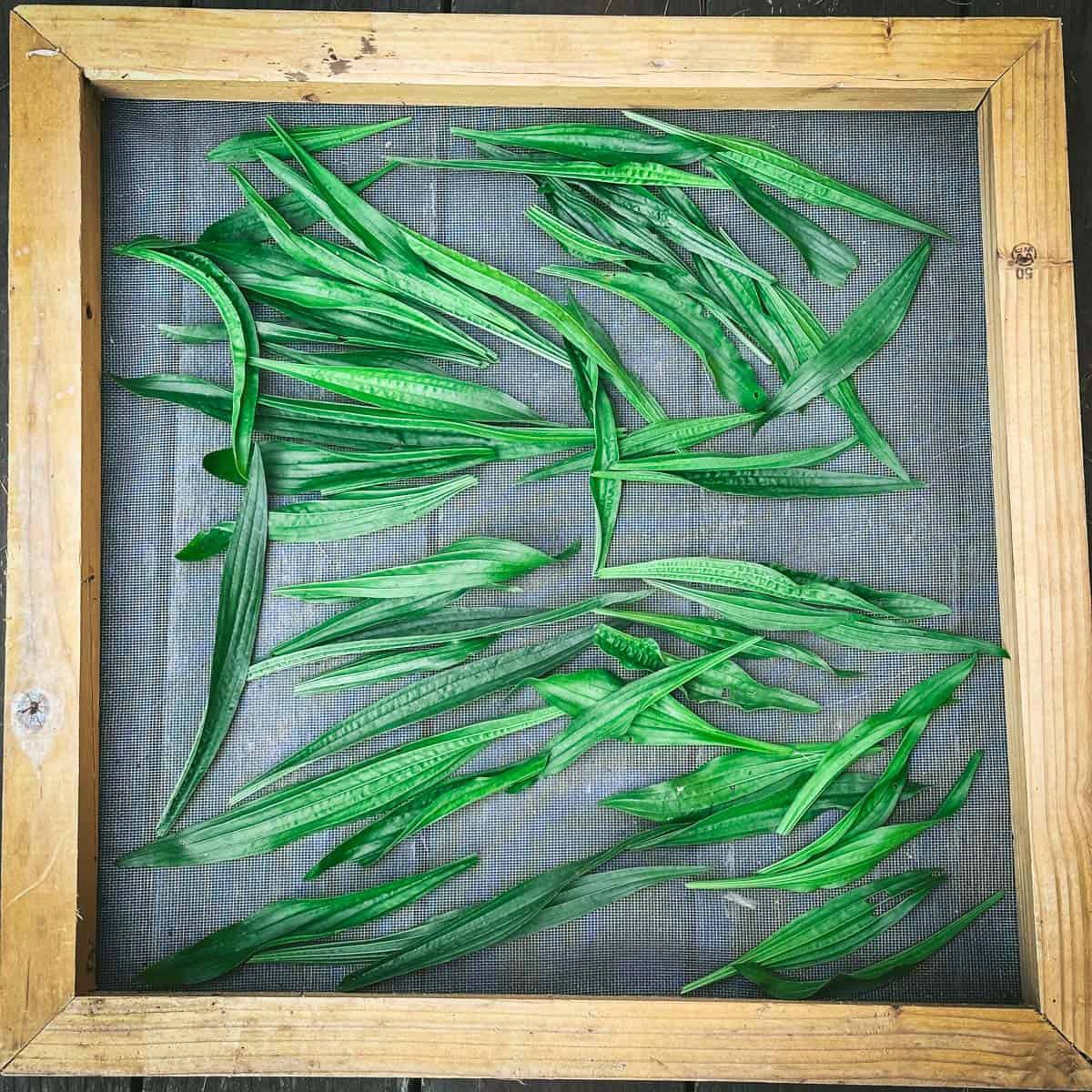
The summer months are dedicated to the critical phase of dehydration. Because moisture is the primary catalyst for microbial growth and rancidity in oil-based products, herbalists utilize drying screens or controlled-environment dehydrators to remove all water content from the harvested plants. This stage is non-negotiable for the "cold infusion" method, which relies on long-term stability.
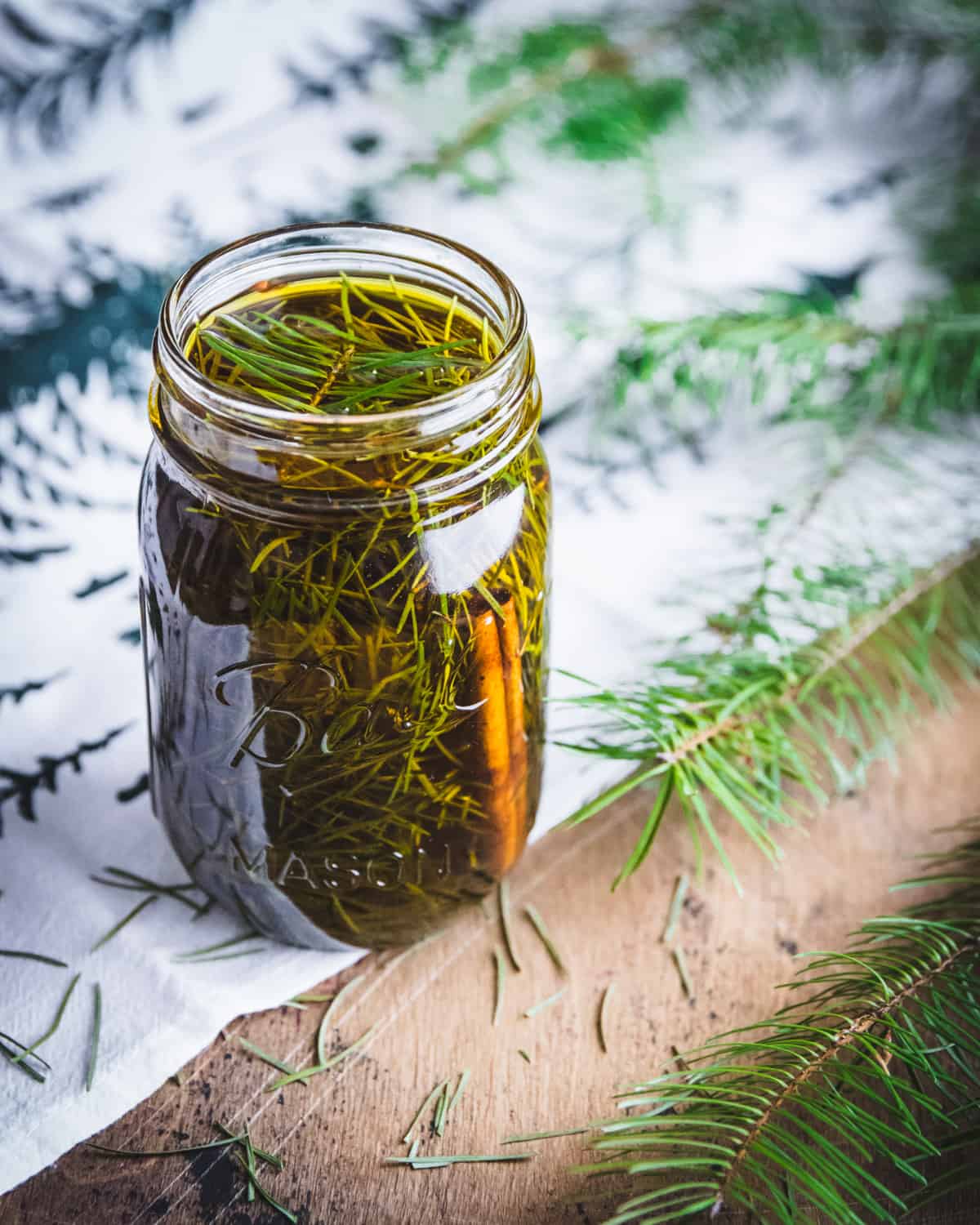
By autumn and winter, the focus shifts to the infusion process itself. With a stockpile of dried herbs, producers can begin the four-to-six-week maceration period required for cold infusions or utilize controlled heat methods to create "quick" oils. This timeline ensures that by the peak of the winter season, when skin-moisturizing products are in highest demand, the infused bases are ready for final formulation into salves and balms.
Technical Analysis of Carrier Oils and Botanicals
The efficacy of an infused oil is determined by the synergy between the botanical material and the chosen carrier oil. Industry standards suggest that while light olive oil remains the most versatile and stable choice for beginners, professional formulations often employ a strategic blend of oils to achieve specific skin-penetration rates and shelf-life requirements.
Commonly utilized carrier oils include:
- Olive Oil: Favored for its high oleic acid content and natural antioxidants, providing a stable shelf life and excellent emollient properties.
- Sweet Almond Oil: Known for its high vitamin E content and light texture, making it ideal for facial applications.
- Coconut Oil: Utilized primarily in heat-based infusions or for products requiring a solid state at room temperature; however, its comedogenic rating must be considered for facial use.
- Jojoba Oil: Technically a liquid wax, jojoba mimics human sebum and is highly resistant to oxidative rancidity, making it a premium choice for long-term infusions.
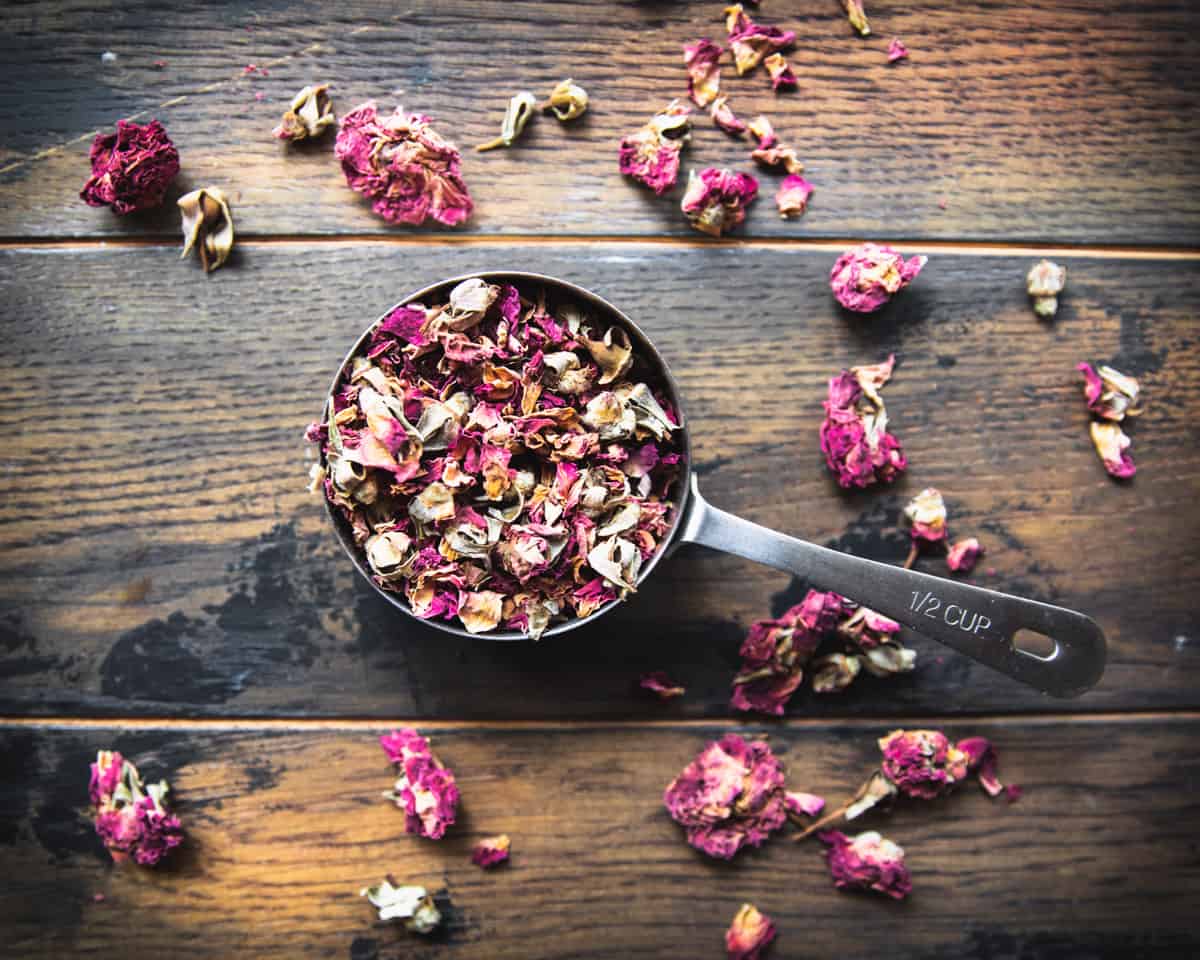
The selection of herbs is equally rigorous. Data from botanical research indicates that certain plants are more suited to specific extraction methods. Lavender (Lavandula angustifolia) and Rosemary (Salvia rosmarinus) are prized for their antimicrobial and anti-inflammatory volatile oils. Calendula (Calendula officinalis) is perhaps the most widely cited botanical in dermatological literature for its ability to promote epithelialization and soothe dermal irritation. Other critical plants include plantain (Plantago major) for its "nature’s bandage" properties and yarrow (Achillea millefolium) for its astringent and styptic qualities.
Methodologies of Extraction: Cold vs. Heat
There are three primary methodologies utilized in the industry to facilitate the transfer of phytochemicals from plant to oil. Each carries specific risks and benefits that impact the final product’s stability and potency.
1. The Cold Infusion Method
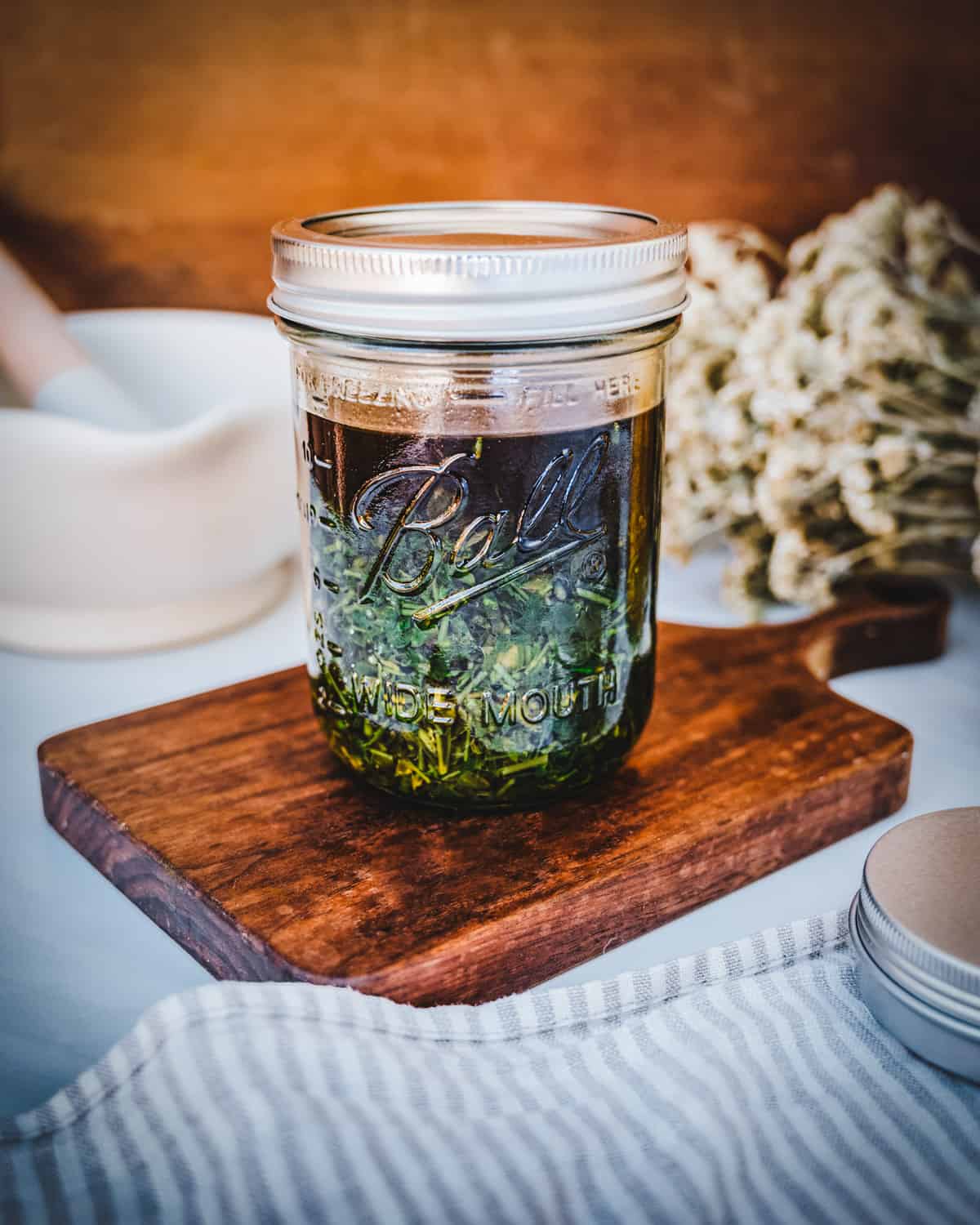
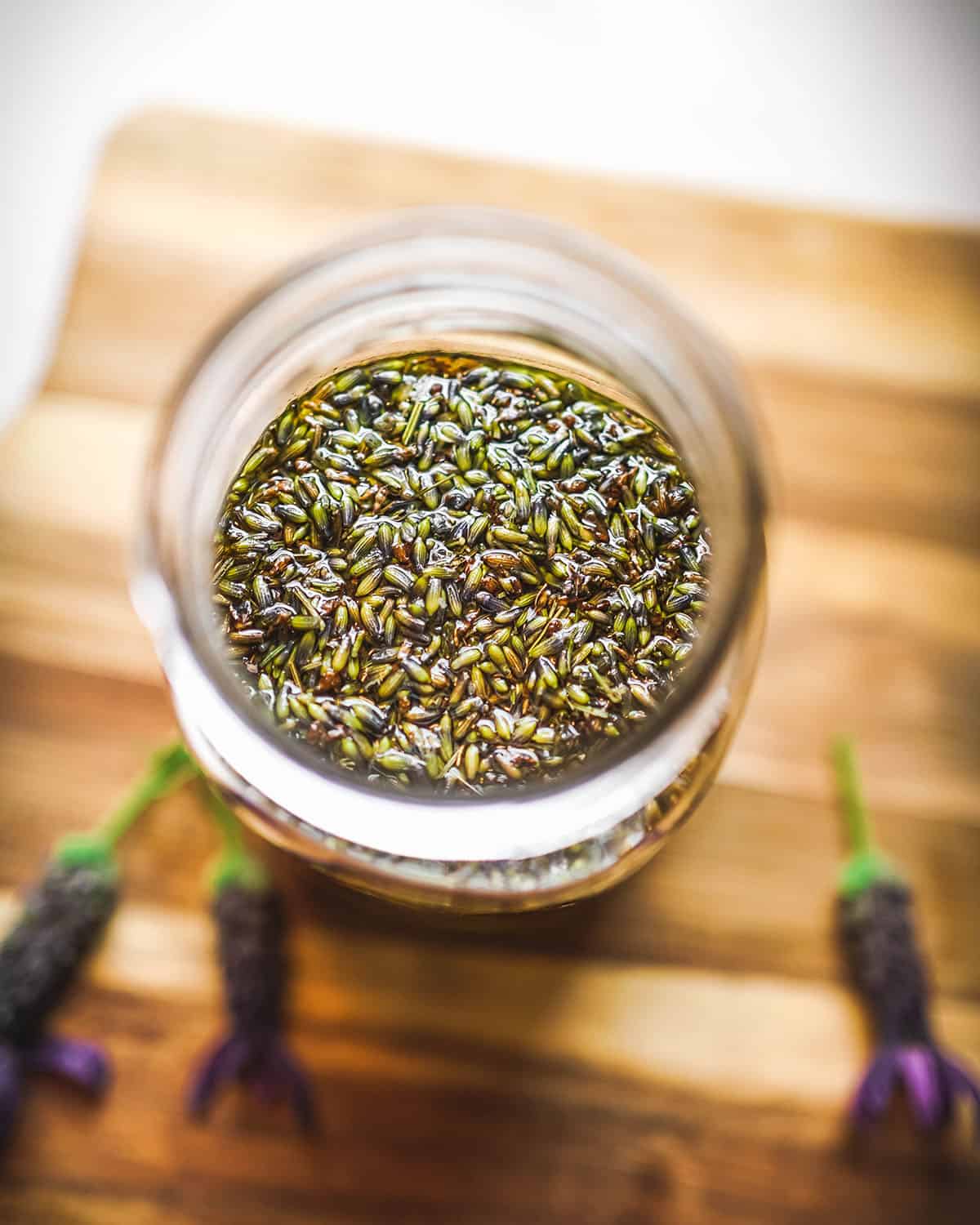
Considered the "gold standard" for delicate dried botanicals, the cold infusion method involves submerging dried herbs in oil and storing them in a cool, dark environment for 42 to 45 days. This slow extraction prevents the thermal degradation of sensitive compounds. Journalistic inquiry into small-batch production reveals that this method is preferred for its safety and the superior aromatic profile of the resulting oil. The primary risk associated with this method is the introduction of moisture; if the herbs are not 100% desiccated, the oil can develop anaerobic mold or botulinum toxins.
2. The Quick Heat Method
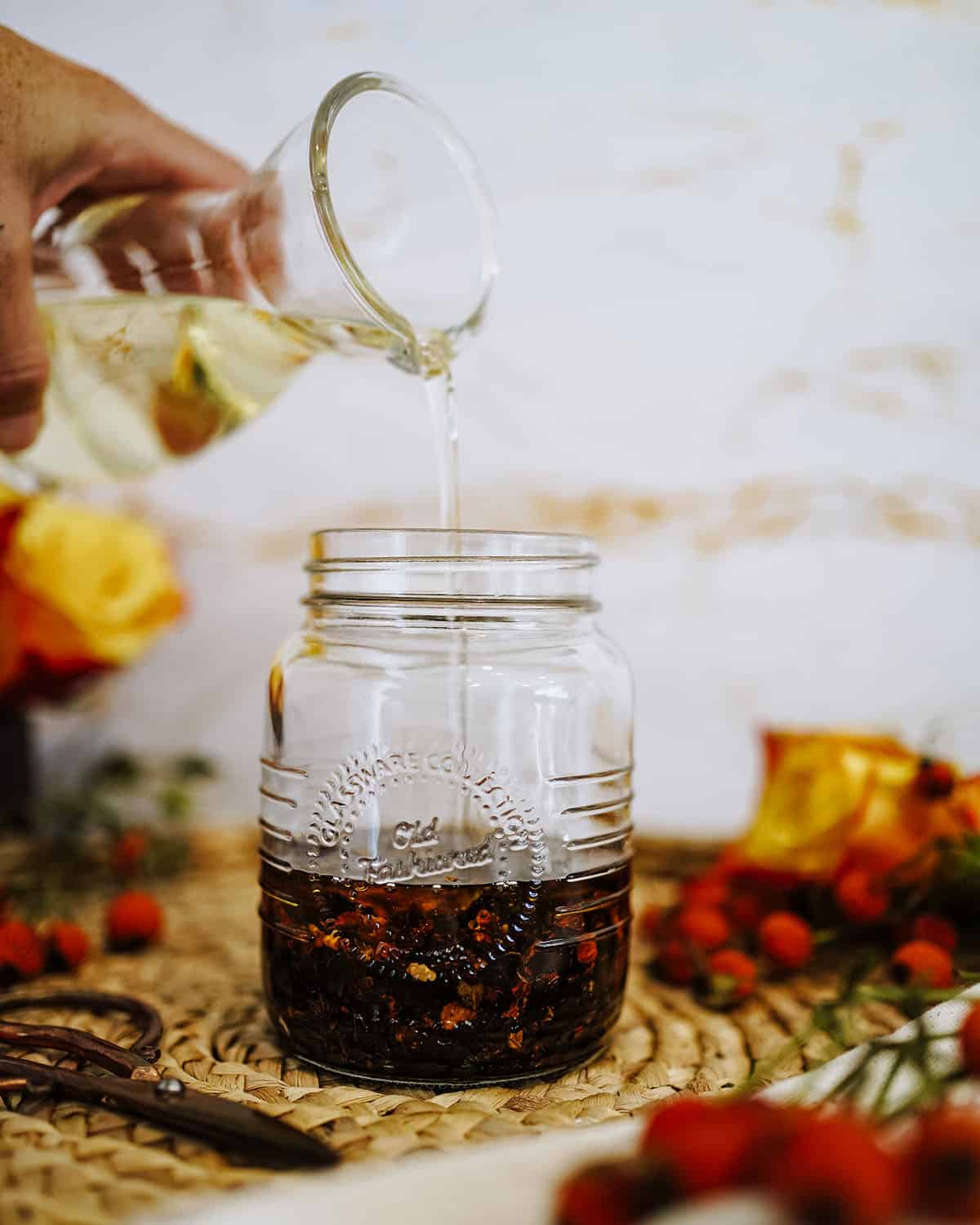
For fresh or wilted herbs that lose potency when fully dried—such as St. John’s Wort or Dandelion—the heat method is employed. This process involves warming the oil and herbs in a double boiler or slow cooker at a strictly controlled temperature, ideally not exceeding 110 degrees Fahrenheit (43 degrees Celsius). The heat facilitates rapid extraction and helps evaporate any residual moisture from the fresh plant material. While efficient, excessive heat can cause the carrier oil to oxidize, leading to a "cooked" odor and reduced shelf life.
3. The Solar Infusion Method
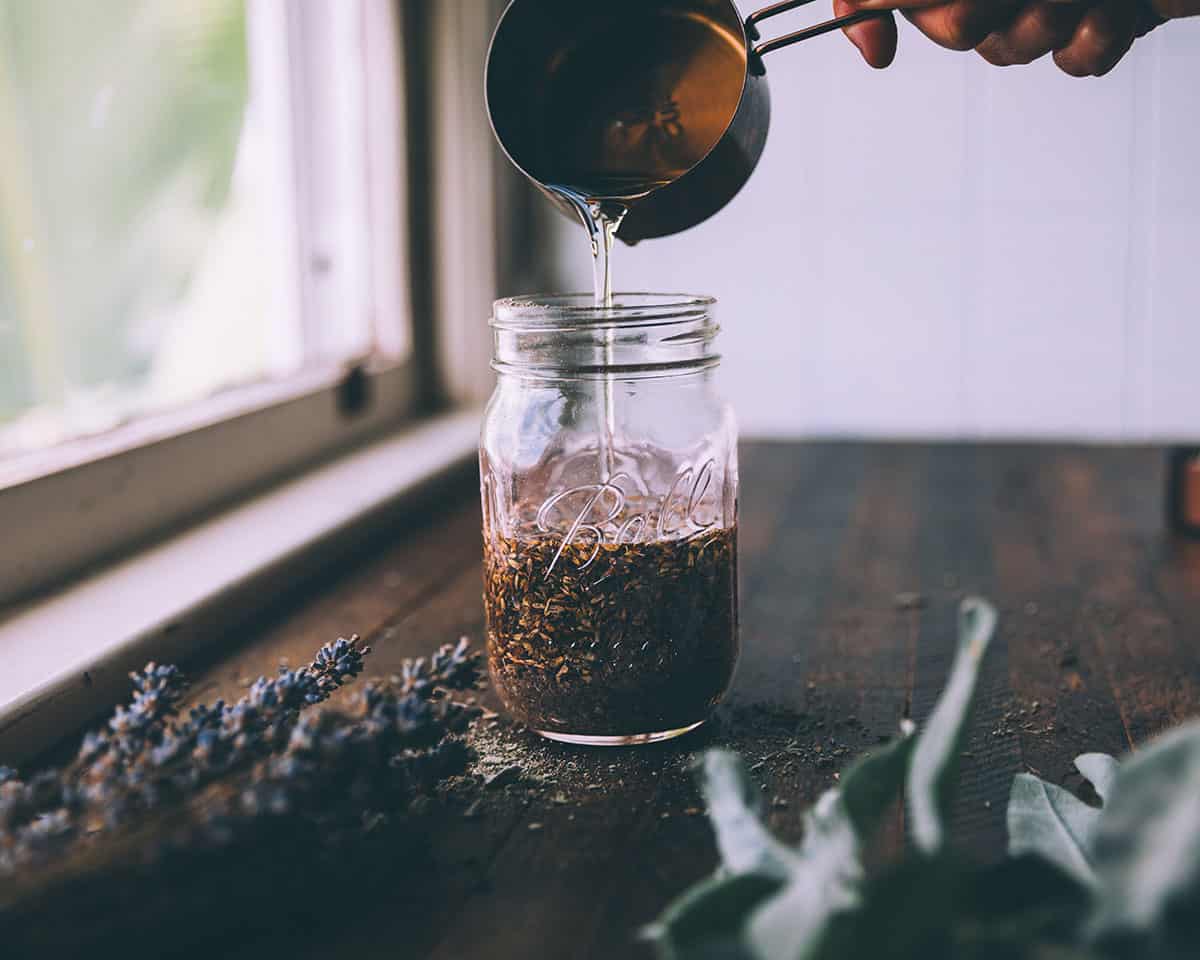
A traditional but controversial technique involves placing the infusion jars on a sunny windowsill. While the gentle warmth of the sun can assist in the extraction of certain resins, the exposure to ultraviolet (UV) radiation is known to accelerate the degradation of both the carrier oil and the herbal constituents. Most modern professional herbalists advise against this method in favor of the more stable cold-dark infusion.
Quality Control and Safety Standards
The primary challenge in herbal oil production is the prevention of rancidity and microbial contamination. According to safety protocols used in natural manufacturing, there are three variables that must be strictly managed: light, heat, and water.
- Moisture Management: Water is the enemy of oil infusions. Even a single drop of water trapped in a jar can create an environment for mold. This is why professional guides emphasize the use of dried herbs and the importance of allowing fresh-herb infusions to remain uncovered during the heating process to permit evaporation.
- Oxidation Prevention: Exposure to oxygen and light causes oils to break down. Finished infusions should be stored in amber or cobalt glass bottles and kept in a temperature-controlled environment.
- Shelf Life Realities: Unlike essential oils, which are highly concentrated and can last for years, infused vegetable oils have a limited lifespan. Most experts recommend using infused oils within six to twelve months, or even sooner if the base oil has a high polyunsaturated fat content.
Broader Impact and Market Implications
The shift toward DIY and small-batch herbal oil production has significant economic and environmental implications. By moving away from synthetic mineral oils and petroleum-based products, consumers are driving a demand for sustainable agriculture and wild-harvesting ethics.
Small-scale producers and "beginner herbalists" are increasingly seen as part of a decentralized supply chain for natural wellness. This movement empowers individuals to manage minor dermatological issues—such as dry skin, minor abrasions, and muscle soreness—with locally sourced, biodegradable ingredients. Furthermore, the practice encourages the preservation of botanical knowledge, a cultural asset that has seen a resurgence in the digital age.
From a commercial perspective, the "infused oil" is the gateway product. Once a producer masters the infusion, they can easily pivot to high-value items like whipped body butters or specialized facial serums. This low barrier to entry has allowed thousands of micro-businesses to enter the skincare market, emphasizing the "maker" economy over mass-produced alternatives.
Conclusion
The process of making an infused herbal oil is far more than a simple craft project; it is an exercise in botanical chemistry and seasonal awareness. By understanding the rigorous requirements for drying herbs, selecting stable carrier oils, and choosing the appropriate extraction method, practitioners can create high-quality bases for a myriad of therapeutic applications. As the natural skincare industry continues to evolve, these foundational techniques remain the essential link between the healing properties of the natural world and the modern desire for clean, effective body care. Whether through the slow patience of a six-week cold infusion or the precision of a temperature-controlled heat extraction, the art of the infusion remains a cornerstone of holistic health and artisanal craftsmanship.