
The practice of home food preservation has seen a significant resurgence as consumers seek to mitigate rising grocery costs and reduce domestic food waste. Among the various techniques available, the dehydration of cantaloupe (Cucumis melo var. cantalupensis) has emerged as a highly effective method for extending the shelf life of seasonal melons, which are notoriously prone to rapid spoilage. By removing the high water content—which typically constitutes approximately 90% of the fruit’s weight—preservationists can transform a perishable commodity into a shelf-stable, nutrient-dense snack that retains its flavor profile for up to twelve months.
The Evolution and Context of Modern Food Dehydration
Historically, dehydration is one of the oldest known methods of food preservation, utilized by ancient civilizations to store harvests for periods of scarcity. In the modern context, the focus has shifted toward efficiency and the retention of organoleptic properties—flavor, aroma, and texture. Cantaloupe, a member of the Cucurbitaceae family, is particularly well-suited for this process due to its high natural sugar content and fibrous structure.
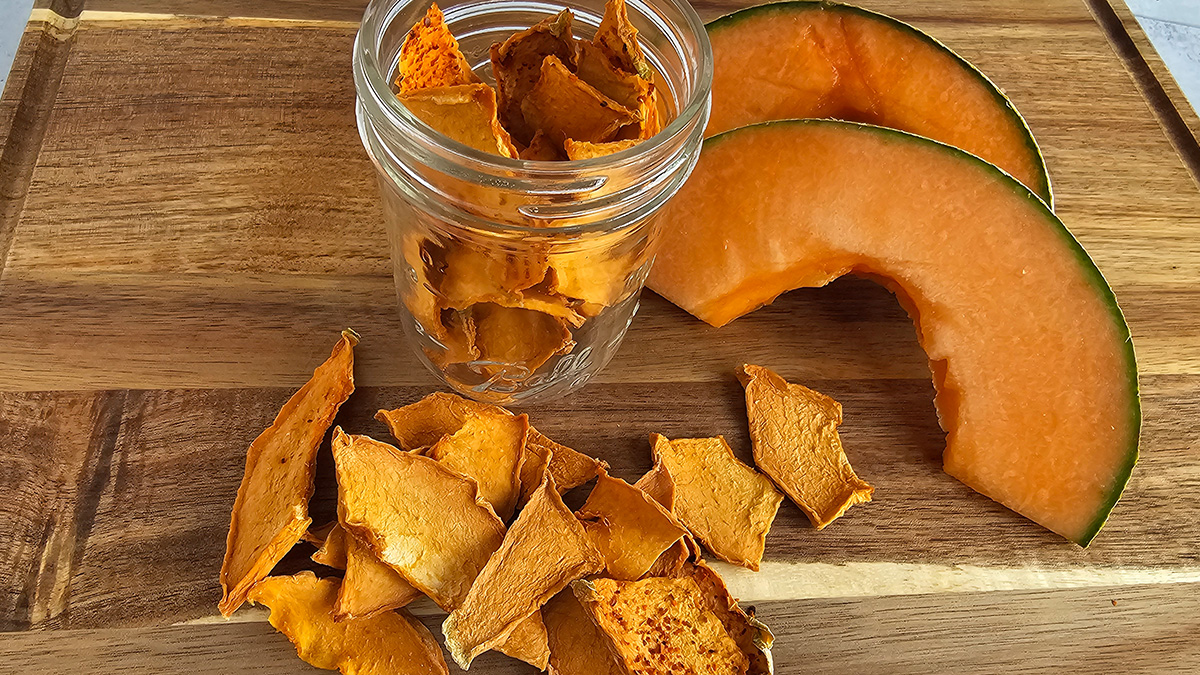
Agricultural data suggests that a significant percentage of retail produce is discarded at the consumer level due to over-ripening. For a large fruit like cantaloupe, which often matures faster than a single household can consume it, dehydration offers a strategic alternative to composting. This method not only stabilizes the fruit but also concentrates its natural sugars, often improving the palatability of melons that may have lacked intense flavor in their fresh state.
Technical Methodology: The Chronology of Preservation
The process of successfully dehydrating cantaloupe requires adherence to specific technical parameters to ensure safety and quality. The following chronology outlines the standardized procedure utilized by food preservation experts.
Phase 1: Selection and Preparation
The quality of the final product is directly proportional to the quality of the raw material. Experts recommend selecting cantaloupes that are at the peak of ripeness, characterized by a sweet aroma at the stem end and a slight "give" to the touch.
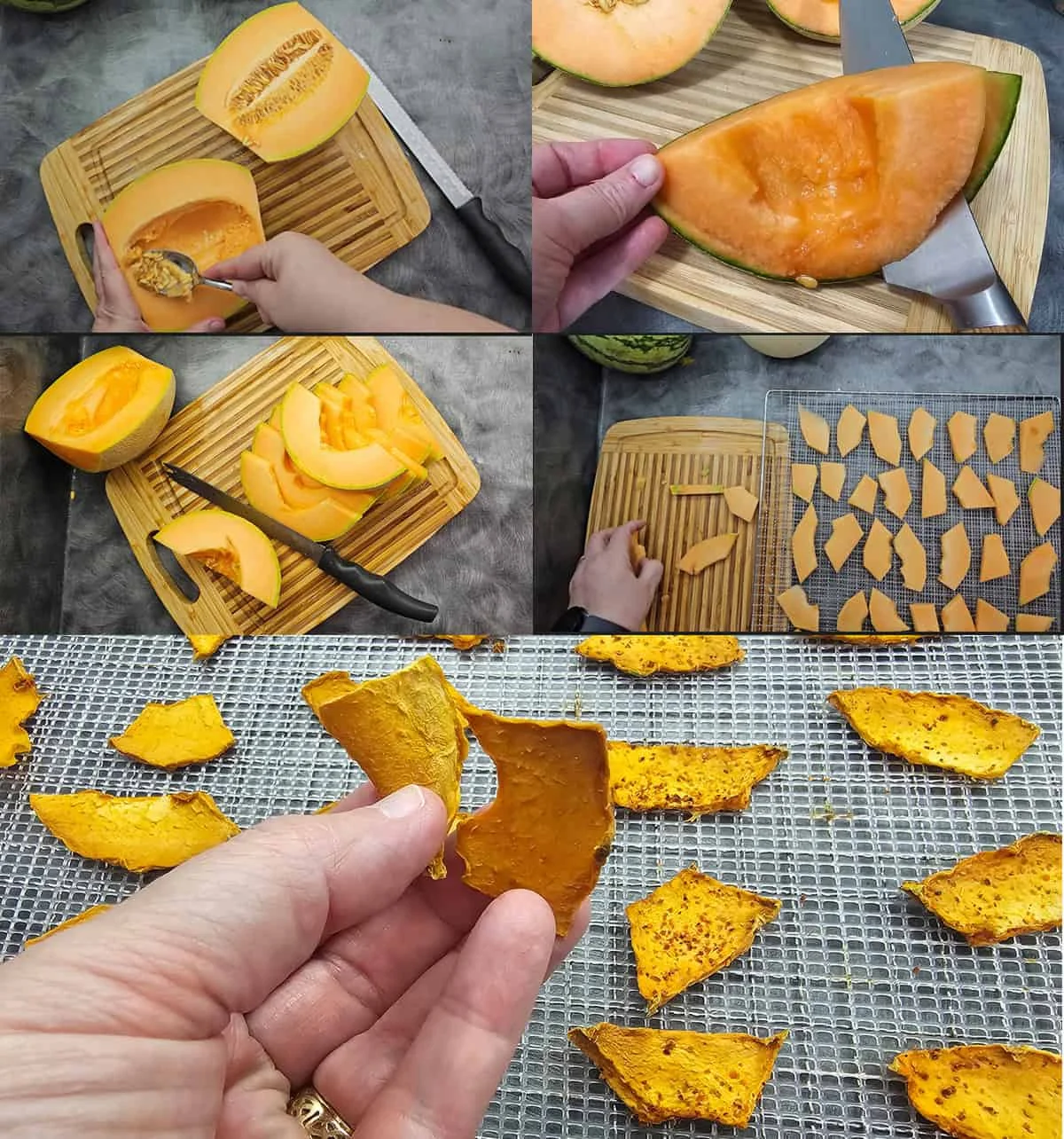
- Sanitization: The exterior rind must be thoroughly scrubbed. Because the knife passes through the rind into the flesh, any surface pathogens (such as Salmonella, which has historically been associated with melons) must be removed.
- Slicing: After removing the seeds and rind, the melon is sliced into uniform pieces. The industry standard for optimal drying is a thickness of 1/4 inch (approximately 6 millimeters). Uniformity is critical; inconsistent thickness leads to uneven drying, where some pieces may remain dangerously moist while others become brittle.
Phase 2: The Dehydration Cycle
Once prepared, the slices are arranged on dehydrator trays with sufficient spacing to allow for laminar airflow.
- Temperature Regulation: The dehydrator is set to 135°F (57°C). This specific temperature is high enough to inhibit enzymatic activity and prevent spoilage during the drying process, yet low enough to prevent "case hardening"—a condition where the outside of the fruit dries too quickly, trapping moisture inside and leading to eventual mold growth.
- Duration: The cycle typically lasts between 10 and 14 hours. The duration is influenced by ambient humidity, the specific water content of the melon, and the efficiency of the dehydrator unit.
- The Texture Goal: The process is complete when the fruit achieves a "leathery" or "pliable" texture. It should not be sticky to the touch, nor should it snap like a cracker, though some prefer a crispier "chip" texture achieved through longer drying times.
Nutritional Profile and Comparative Analysis
Dehydrated cantaloupe is a concentrated source of essential vitamins and minerals. According to nutritional data, while the volume of the fruit decreases during dehydration, the caloric and sugar density increases per gram.
A standard serving of approximately 1/4 cup of dried cantaloupe provides roughly the same nutritional value as one full cup of fresh fruit. This includes significant levels of Vitamin A (as beta-carotene), Vitamin C, and Potassium. Analysis shows that while some heat-sensitive vitamins (like Vitamin C) may see a slight reduction during the 135°F drying process, the majority of the mineral content remains intact.
For consumers monitoring glycemic intake, it is important to note that the dehydration process concentrates the natural fructose. This results in a higher "flavor punch," making it a viable substitute for processed candies in pediatric nutrition, particularly for school lunches and after-school snacks.
Equipment and Alternative Methods
While specialized electric dehydrators with adjustable thermostats and rear-mounted fans are the preferred tools for consistent results, alternative methods exist for those without dedicated equipment.
Oven Dehydration
Conventional ovens can be utilized, provided they can maintain low temperatures. Most modern ovens have a minimum setting of 170°F (77°C). To compensate for this higher-than-ideal heat, users are advised to:
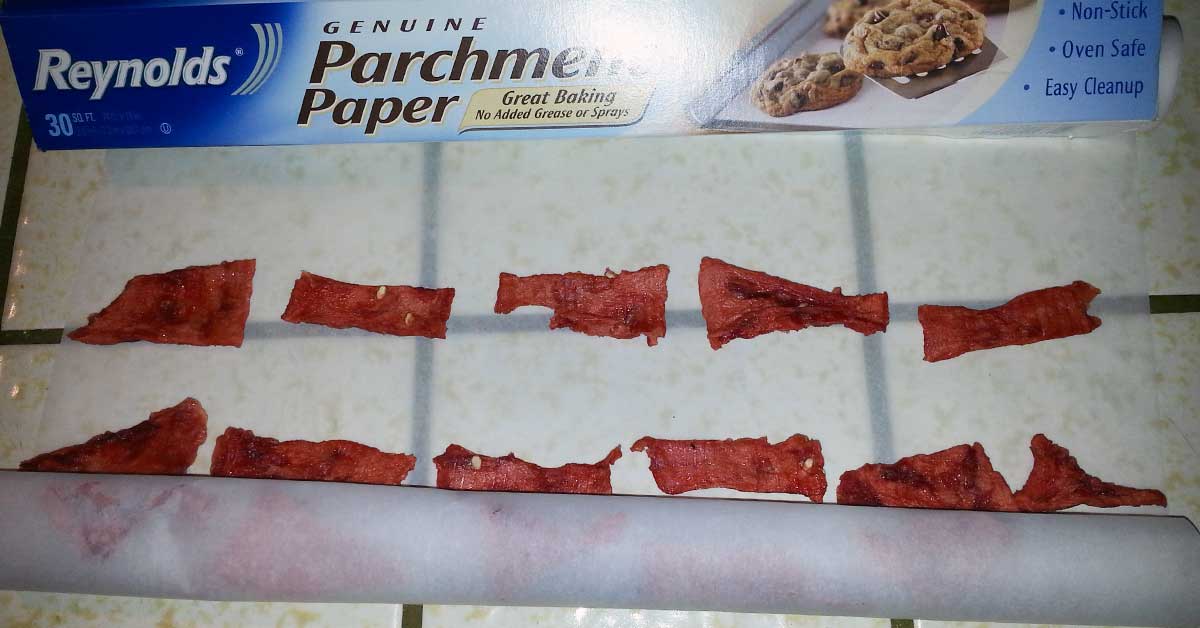
- Set the oven to its lowest possible temperature.
- Prop the oven door open slightly to facilitate moisture escape and lower the internal temperature.
- Monitor the fruit closely, as the higher heat can lead to scorching or caramelization rather than true dehydration.
Technical Specifications for Storage
Post-dehydration, the fruit remains susceptible to "hygroscopy"—the tendency to absorb moisture from the air. To prevent spoilage, the following storage protocols are recommended:
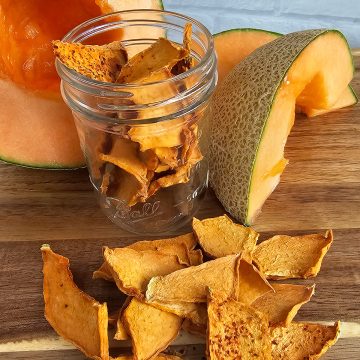
- Conditioning: After drying, the fruit should be placed in a glass jar for 7–10 days. The jar is shaken daily. If any condensation appears on the glass, the fruit is insufficiently dry and must be returned to the dehydrator.
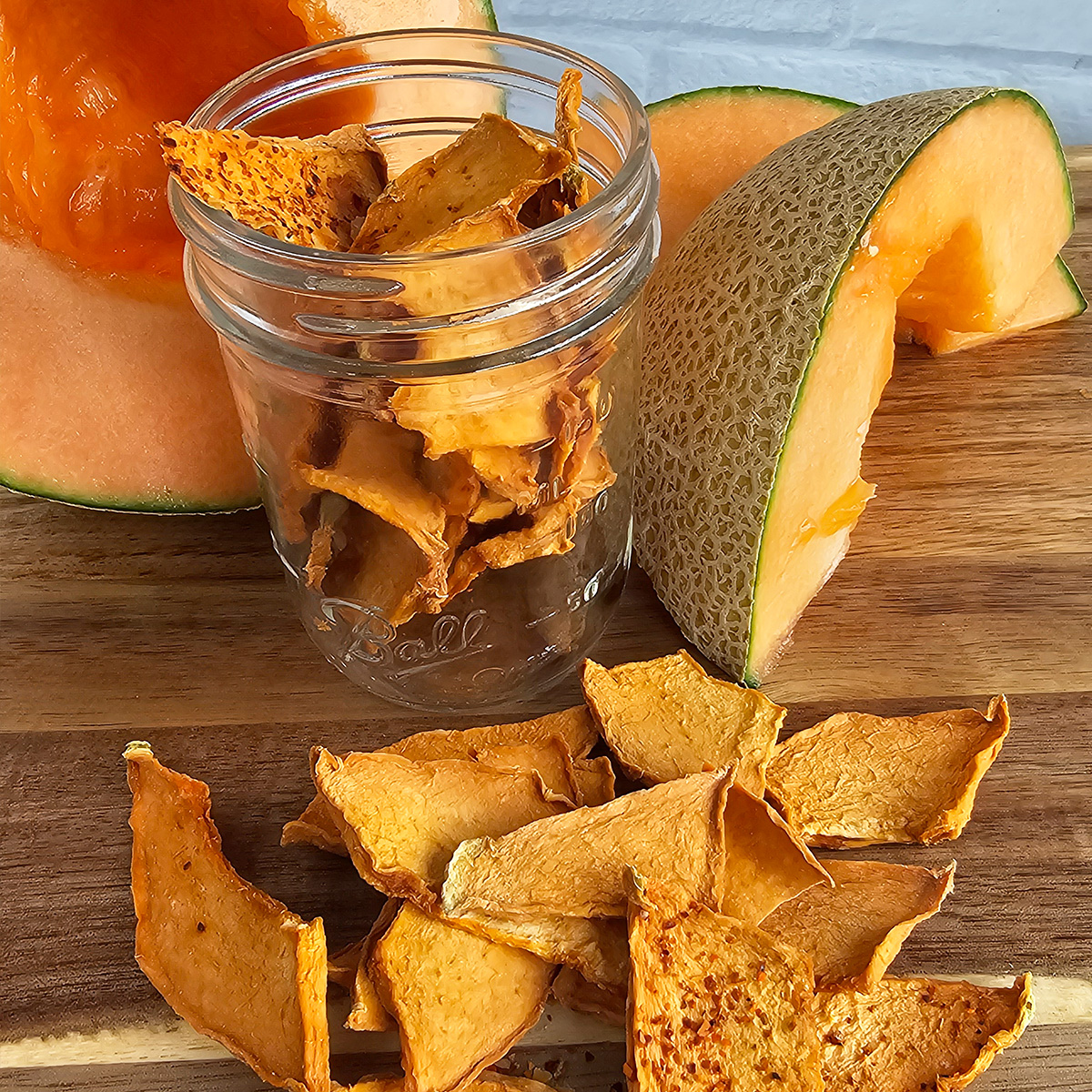
- Airtight Containment: Once conditioned, the fruit should be stored in airtight containers, such as Mason jars or vacuum-sealed bags.
- Environmental Control: Storage in a cool, dark, and dry location is essential. In high-humidity environments, the use of desiccant packets (moisture absorbers) is highly recommended to maintain the fruit’s integrity for its full one-year shelf life.
Seasoning and Culinary Applications
While the natural sweetness of cantaloupe is often sufficient, the culinary application of dried melon can be enhanced through various additives. Journalistic observation of consumer trends highlights several popular flavor profiles:
- Acidic Contrast: The application of lime juice or Tajin (a chili-lime seasoning) provides a savory-sweet balance.
- Spiced Profiles: Cinnamon, ginger, or nutmeg can be lightly dusted over the slices prior to dehydration to create a "warm" flavor profile suitable for winter consumption.
- Textural Variations: By cutting the melon into thin strips, users can create "cantaloupe jerky," a popular vegan alternative to traditional meat-based snacks.
Beyond standalone snacking, dehydrated cantaloupe is increasingly used as a component in homemade trail mixes, rehydrated for use in compotes, or finely diced as a topping for yogurt and oatmeal.

Economic and Environmental Implications
The broader impact of home dehydration extends into the realms of sustainability and household economics. By purchasing cantaloupe in bulk during the peak summer harvest—when prices are at their lowest—and preserving it for winter, consumers can realize a significant reduction in their annual food expenditure.
Furthermore, the reduction in food waste has a direct environmental benefit. Decomposing organic matter in landfills is a significant source of methane emissions. By converting potential waste into a shelf-stable resource, the home preservationist contributes to a more circular and efficient food system.
Industry analysts note that the global food dehydrator market is projected to grow as more households adopt these practices. This shift is driven by a combination of health-consciousness (the desire to avoid preservatives and added sugars found in commercial dried fruits) and a logistical need for lightweight, portable nutrition for outdoor activities such as hiking and camping.
Conclusion and Future Outlook
The dehydration of cantaloupe represents a synthesis of traditional wisdom and modern nutritional science. As the "Purposeful Pantry" movement and similar initiatives continue to educate the public on the ease and benefits of food preservation, the reliance on commercially processed snacks is expected to fluctuate.
In summary, the transition from fresh cantaloupe to its dehydrated form is a process governed by temperature precision, hygrometric awareness, and proper storage. The result is a product that is not only economically prudent but also a superior alternative to many conventional snack foods. As climate variability continues to affect crop yields and food prices, the ability to "stock the pantry" through methods like dehydration will remain a vital skill for the modern consumer.


