
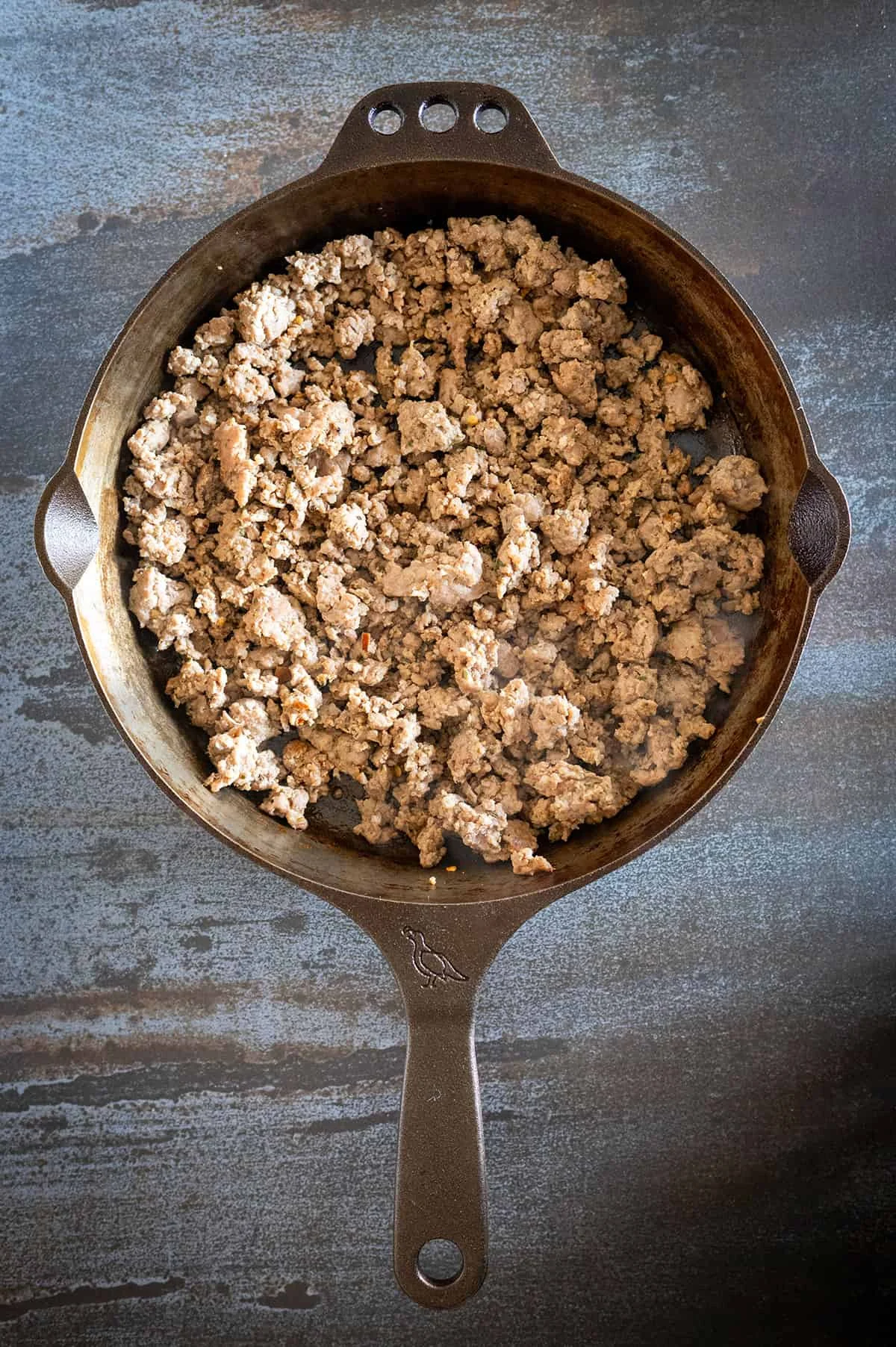
Italian sausage, a cornerstone of Italian-American cuisine, is far more than just seasoned pork. It’s a culinary tradition, a versatile ingredient, and a testament to the power of simple, high-quality components. At its heart, authentic Italian sausage is defined by the harmonious marriage of ground pork, robust fennel seeds, pungent garlic, and a carefully selected blend of aromatic herbs. While readily available in both sweet (mild) and hot varieties at most grocery stores, the true magic lies in the ability to recreate this beloved staple in one’s own kitchen. This empowers home cooks to precisely control the heat, the fat content, and the specific herbaceous notes, ensuring a superior flavor profile that elevates a myriad of dishes, from hearty pasta sauces and comforting soups to artisanal pizzas and flavorful stuffing.
The fundamental essence of Italian sausage is its seasoning. The characteristic aroma and taste are predominantly derived from fennel seeds, which, contrary to popular belief in the "sweet" variety, do not impart sweetness through sugar but rather through their subtly sweet and licorice-like fragrance. Garlic provides a pungent depth, while a combination of herbs like oregano, basil, thyme, rosemary, and marjoram contribute layers of complexity. The inclusion of red pepper flakes, or chili flakes, is the decisive factor in differentiating between a mild and a hot Italian sausage.
Understanding the Nuances of Italian Sausage
Historically, sausage making dates back to ancient times, serving as a practical method of preserving meat. The Italian tradition of sausage making, in particular, evolved over centuries, influenced by regional ingredients and culinary practices. The incorporation of specific spices and herbs became a hallmark of different regions within Italy, eventually finding their way to the United States through waves of immigration. Today, the "Italian sausage" we commonly recognize is largely an American interpretation, refined and popularized in Italian-American communities.
The distinction between "sweet" and "hot" Italian sausage is a crucial one for consumers. Sweet Italian sausage, despite its name, contains no added sugar. Its perceived sweetness comes from the natural flavor of the fennel and the balance of other spices. Hot Italian sausage, on the other hand, features the addition of red pepper flakes, providing a noticeable kick of heat. The amount of these flakes can be adjusted to individual preference, allowing for a spectrum of spiciness from mildly warm to intensely fiery.
The quality of the pork used is paramount. Traditionally, pork shoulder, also known as pork butt, is the preferred cut. This is due to its ideal meat-to-fat ratio, typically around 70-80% lean meat to 20-30% fat. This fat content is essential for moisture, flavor, and a tender texture in the finished sausage. Too lean, and the sausage can become dry and crumbly; too fatty, and it can be greasy and overwhelming. Achieving this balance is a key element of successful homemade sausage.

The Home Advantage: Control and Customization
The primary allure of making Italian sausage at home lies in the unparalleled control it offers. Store-bought sausages, while convenient, often contain fillers, preservatives, and a standardized spice blend that may not align with personal taste. By crafting sausage from scratch, individuals can:
- Select the Meat Quality: Choose the specific cut of pork and ensure its freshness.
- Tailor the Fat Content: Adjust the fat-to-lean ratio for desired texture and juiciness.
- Master the Spice Blend: Precisely measure and combine herbs and spices to achieve a unique flavor profile.
- Control the Heat Level: Determine the exact amount of red pepper flakes for the perfect level of spice, or omit them entirely for a sweet version.
- Avoid Additives: Eliminate preservatives, artificial flavors, and excessive sodium often found in commercial products.
This level of customization transforms sausage making from a mere cooking task into a creative culinary endeavor. It allows for the development of signature sausage blends that can become family favorites.
Essential Ingredients for Authentic Italian Sausage
To embark on the journey of crafting homemade Italian sausage, a few key ingredients are indispensable. While the exact quantities will vary based on the recipe, the core components remain consistent:
- Ground Pork: As mentioned, pork shoulder (butt) is ideal, offering the perfect balance of meat and fat. Ensure it is freshly ground for the best flavor and texture.
- Fennel Seeds: These are the backbone of Italian sausage flavor. Whole fennel seeds, toasted lightly if desired, provide a more intense aroma and taste than pre-ground fennel.
- Garlic: Fresh garlic, minced or grated, is crucial for its pungent and aromatic contribution.
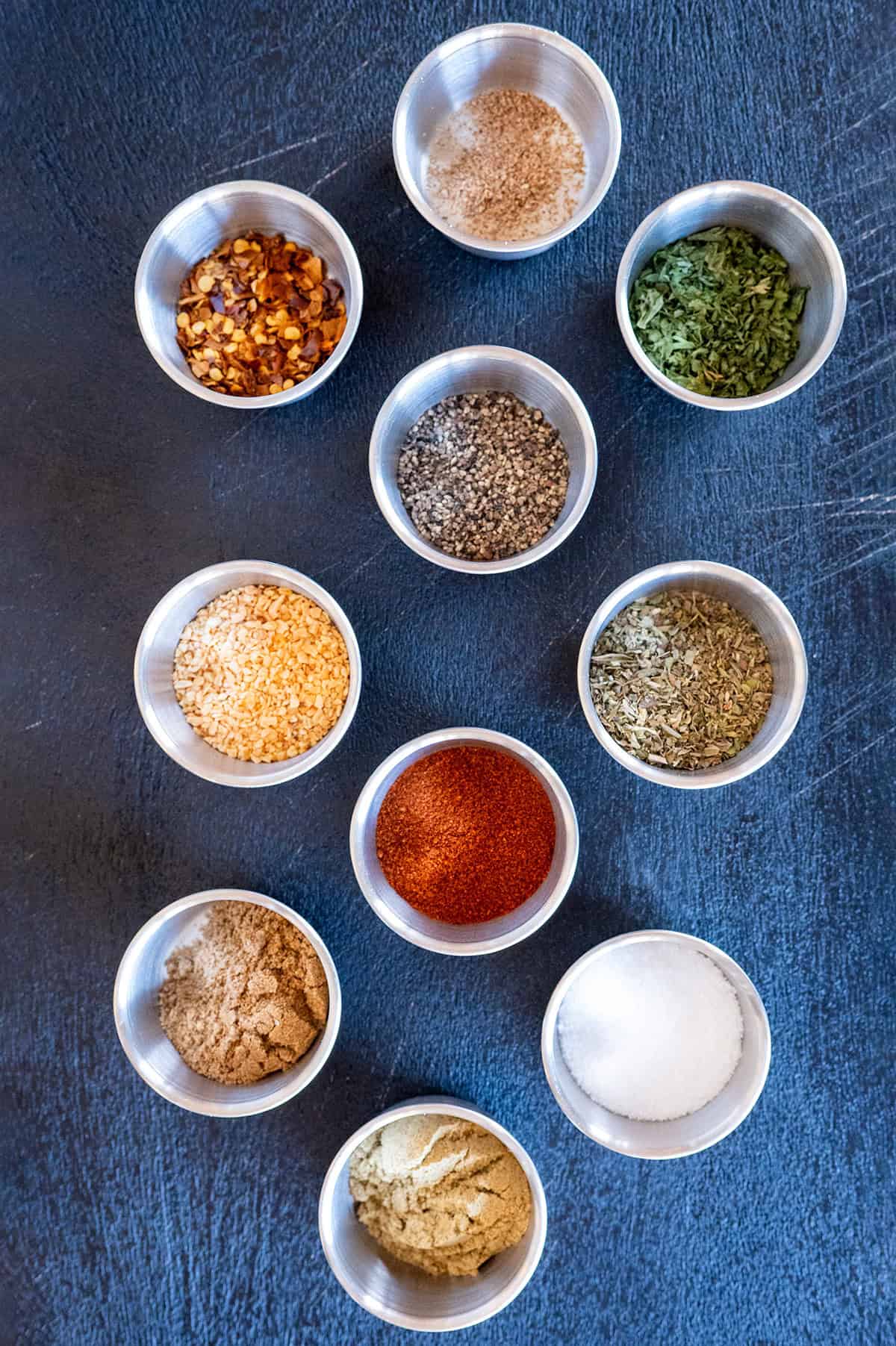
- Herbs: A blend of dried herbs is commonly used. Classic choices include:
- Dried Oregano: Provides a robust, slightly bitter, and peppery note.
- Dried Basil: Offers a sweet, slightly minty, and peppery flavor.
- Dried Thyme: Contributes an earthy, slightly floral, and minty aroma.
- Dried Rosemary: Imparts a strong, pine-like, and slightly camphorous scent.
- Dried Marjoram: Offers a milder, sweeter, and more floral flavor than oregano.
- Italian Seasoning Blend: A convenient shortcut, though it’s often beneficial to adjust its components to personal preference.
- Salt: Essential for flavor enhancement and the preservation process (even in short-term storage). Kosher salt or sea salt is preferred over iodized table salt.
- Black Pepper: Freshly ground black pepper adds a subtle warmth and complexity.
- Red Pepper Flakes (Optional): For those who desire a "hot" Italian sausage, red pepper flakes are the key ingredient. The quantity can be adjusted from a pinch to a generous amount.
While these are the foundational elements, some recipes may also include a touch of sugar (to balance acidity in sauces, not for sweetness in the sausage itself), a splash of wine, or other complementary spices like nutmeg or paprika for added depth.
The Crafting Process: From Mix to Storage
Creating homemade Italian sausage is a relatively straightforward process, divided into several key stages:
1. Preparing the Seasoning Blend
The first step involves combining all the dry seasonings, including fennel seeds, herbs, salt, pepper, and red pepper flakes (if using). It’s often beneficial to lightly toast the fennel seeds in a dry skillet over medium heat for a minute or two until fragrant. This awakens their essential oils and intensifies their flavor. Allow them to cool completely before proceeding. Grinding the toasted fennel seeds, either in a spice grinder or with a mortar and pestle, will release their full aromatic potential.
2. Mixing the Sausage
In a large bowl, combine the ground pork with the prepared seasoning blend. The key here is to mix thoroughly but without overworking the meat. Overmixing can develop the proteins too much, leading to a tougher sausage texture. Use your hands or a sturdy spoon to gently but evenly distribute the spices throughout the ground pork. The goal is to ensure every piece of meat is coated with the seasoning.
3. Forming and Storing the Sausage
Once the meat is well-seasoned, there are two primary paths: immediate cooking or storage for later use.
-
Option 1: Storage for Later Use:
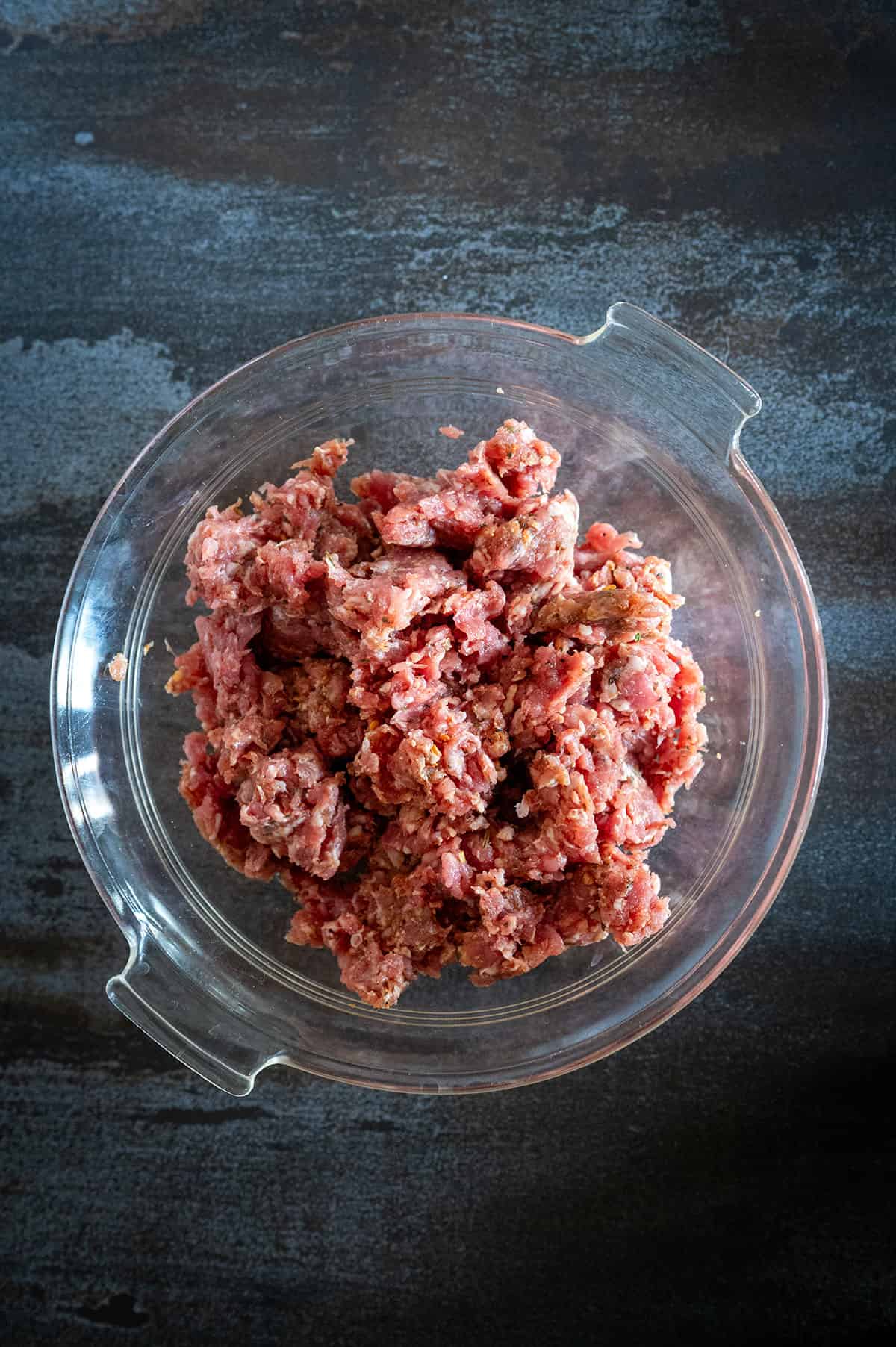
- Refrigeration: For short-term storage (2-3 days), transfer the seasoned sausage mixture into an airtight container. Ensure it is well-sealed to prevent spoilage and the absorption of other odors.
- Freezing: For longer-term storage, portion the sausage into desired amounts. Freezer bags, vacuum-sealed bags, or heavy-duty plastic wrap are excellent options. Removing as much air as possible is crucial to prevent freezer burn. Label each package with the date and contents. Properly frozen homemade Italian sausage can maintain its quality for up to 6-12 months.
-
Option 2: Cooking Immediately:
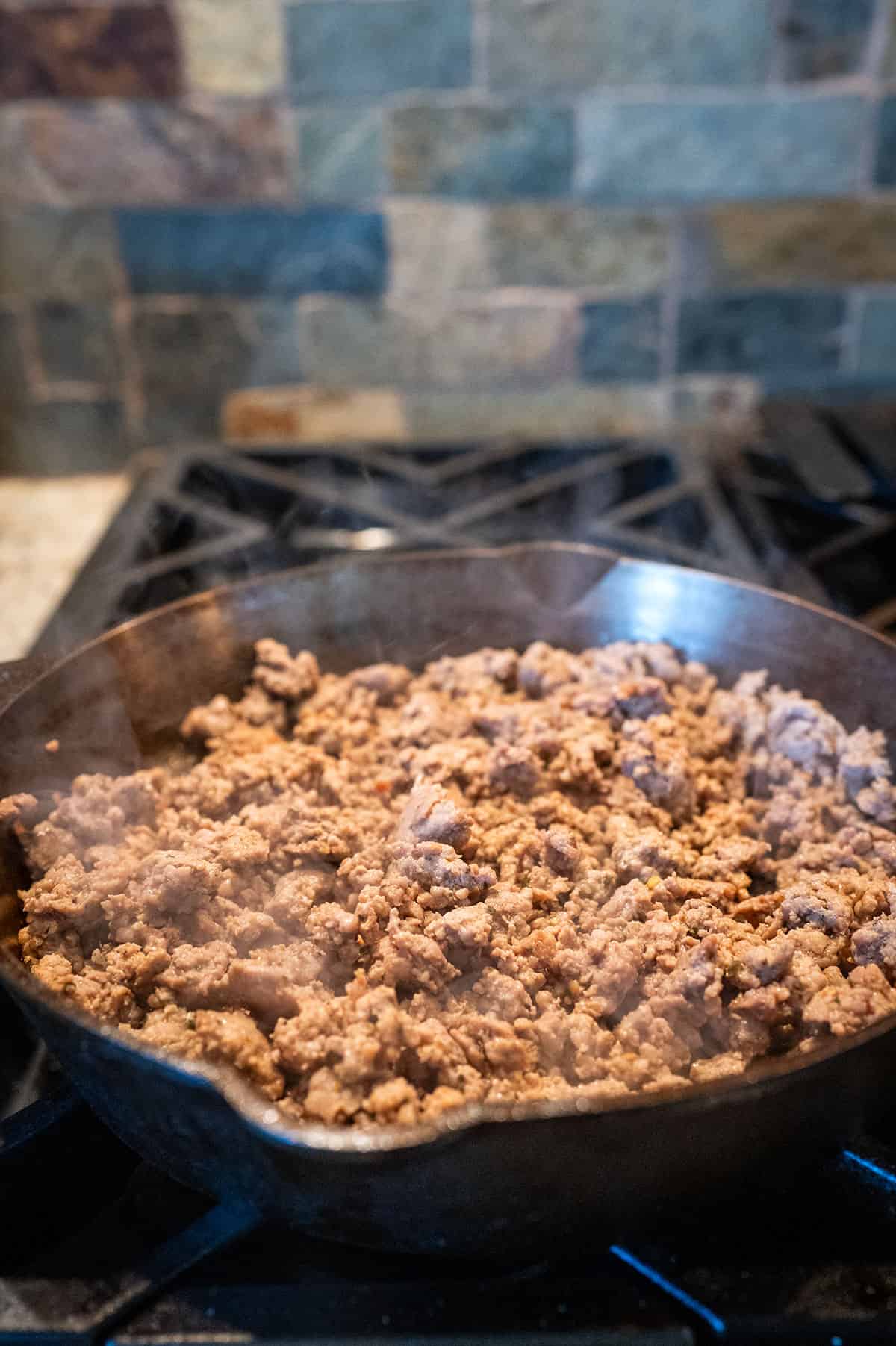
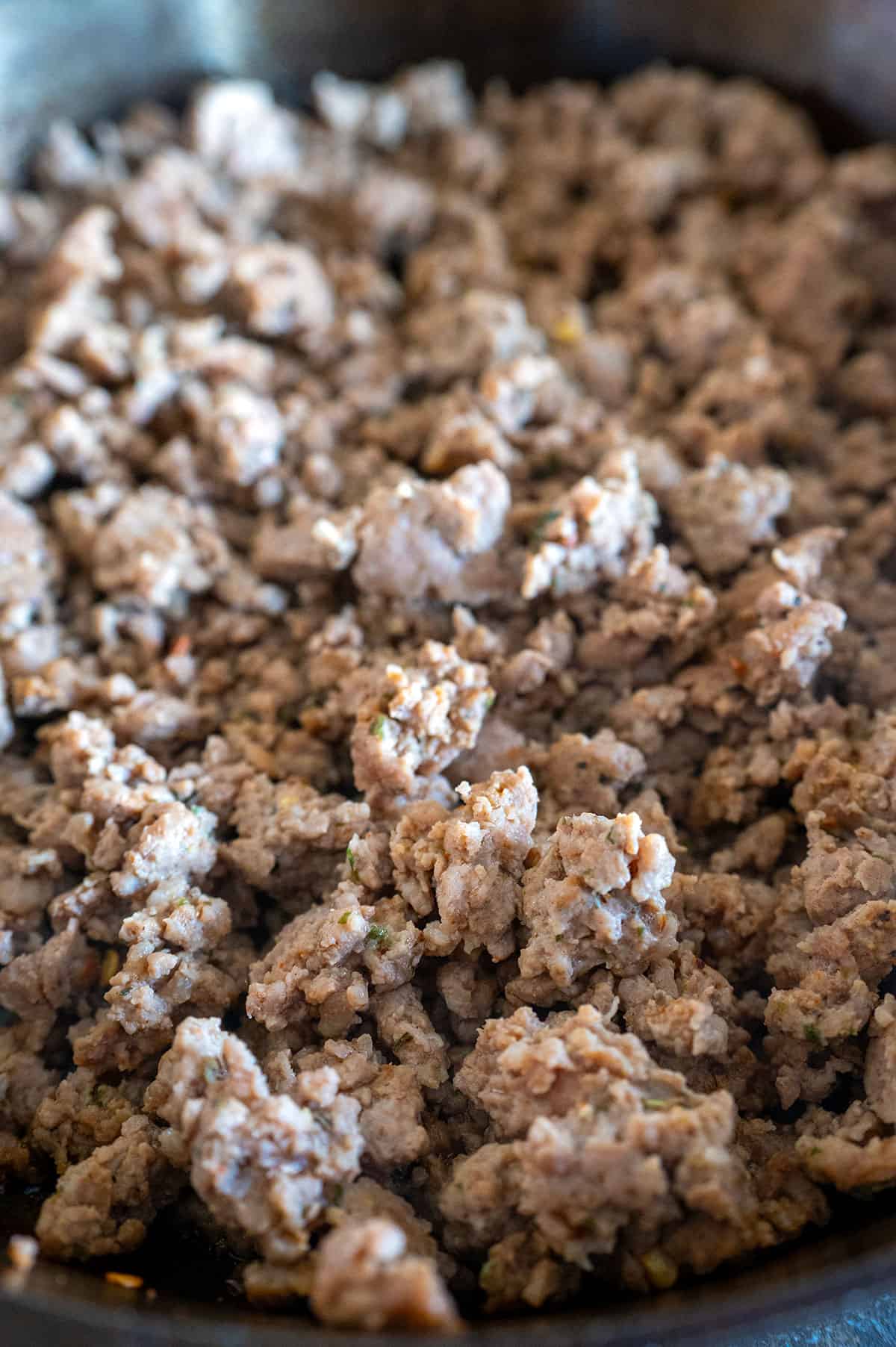
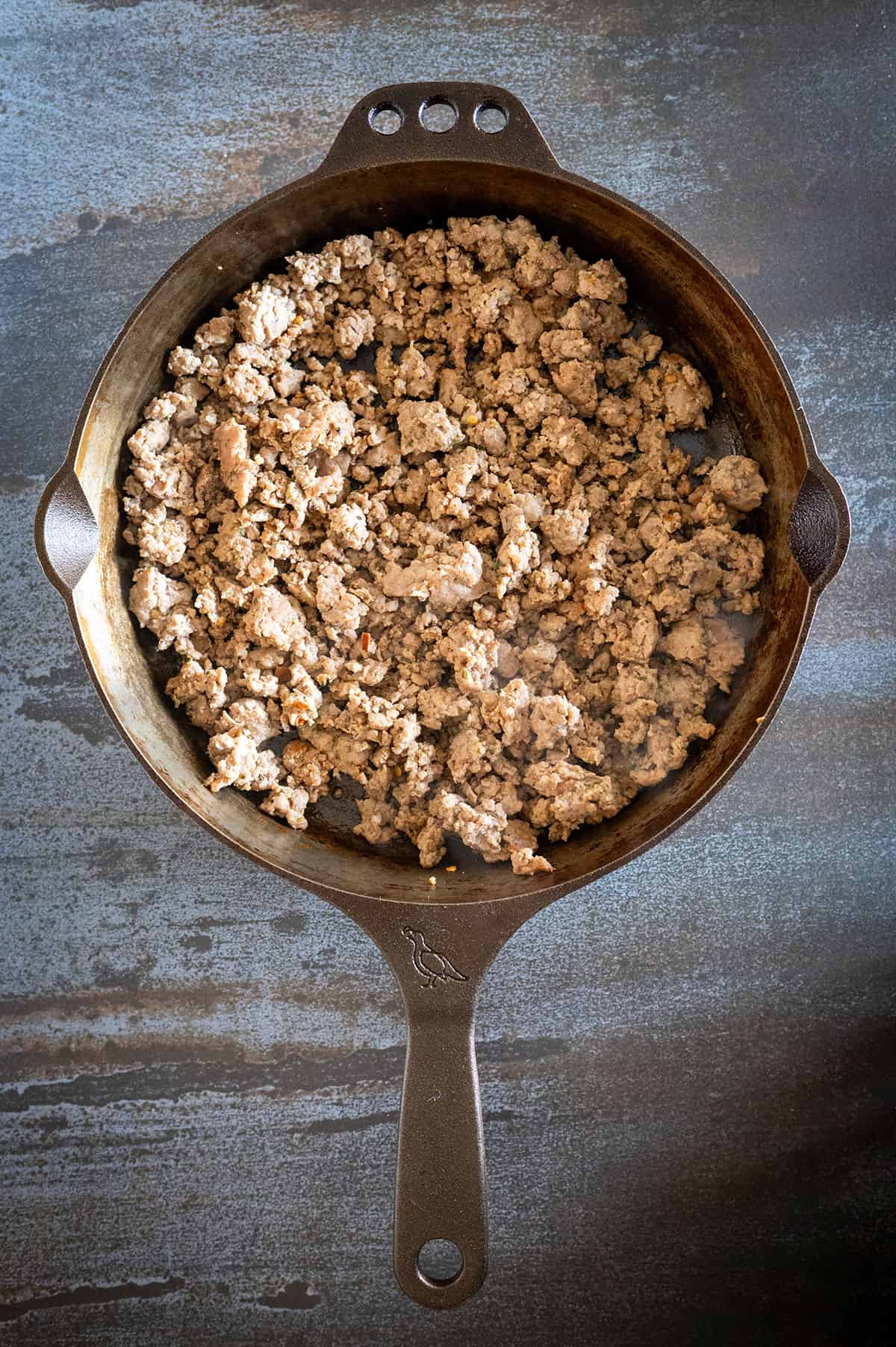
- Skillet Cooking: Heat a large skillet over medium heat. Add a small amount of cooking oil (such as olive oil or vegetable oil) to prevent sticking. Add the seasoned sausage mixture to the hot skillet. Break it up with a spoon or spatula as it cooks. Continue to cook, stirring frequently, until the sausage is evenly browned and cooked through. The internal temperature should reach 160°F (71°C) as confirmed by a meat thermometer.
- Draining Excess Fat: Depending on the fat content of the pork, you may end up with excess grease in the skillet. Carefully drain this grease from the pan, leaving the cooked sausage behind. This step helps to achieve a more palatable texture and reduce greasiness in the final dish.
Culinary Applications: Unleashing the Flavor
The versatility of homemade Italian sausage is one of its greatest assets. Once cooked, it can be incorporated into a vast array of dishes, transforming ordinary meals into extraordinary culinary experiences.
- Pasta Dishes: Crumbled Italian sausage is a classic addition to spaghetti sauce, bolognese, lasagna, baked ziti, and manicotti. It adds a rich, savory depth that complements the tomato-based sauces beautifully.
- Pizza Toppings: A popular choice for pizza, its savory notes and slight spice (if hot) create a delightful contrast with the cheese and sauce.
- Soups and Stews: From hearty Zuppa Toscana to classic Italian Wedding Soup, sausage adds a robust flavor and satisfying texture.
- Stuffed Vegetables: Bell peppers, zucchini, or mushrooms can be stuffed with a mixture of cooked Italian sausage, rice, herbs, and cheese for a flavorful main course.
- Sandwiches and Hoagies: Sliced and sautéed Italian sausage makes for a delicious filling in sandwiches and hoagies, often paired with peppers and onions.
- Breakfast Dishes: Sausage patties or crumbles are a staple in breakfast scrambles, omelets, and breakfast burritos.
- Appetizers: Small sausage meatballs or sausage-stuffed mushrooms are excellent appetizers for gatherings.
Storage and Food Safety Considerations
Proper storage and adherence to food safety guidelines are paramount when working with raw and cooked sausage.
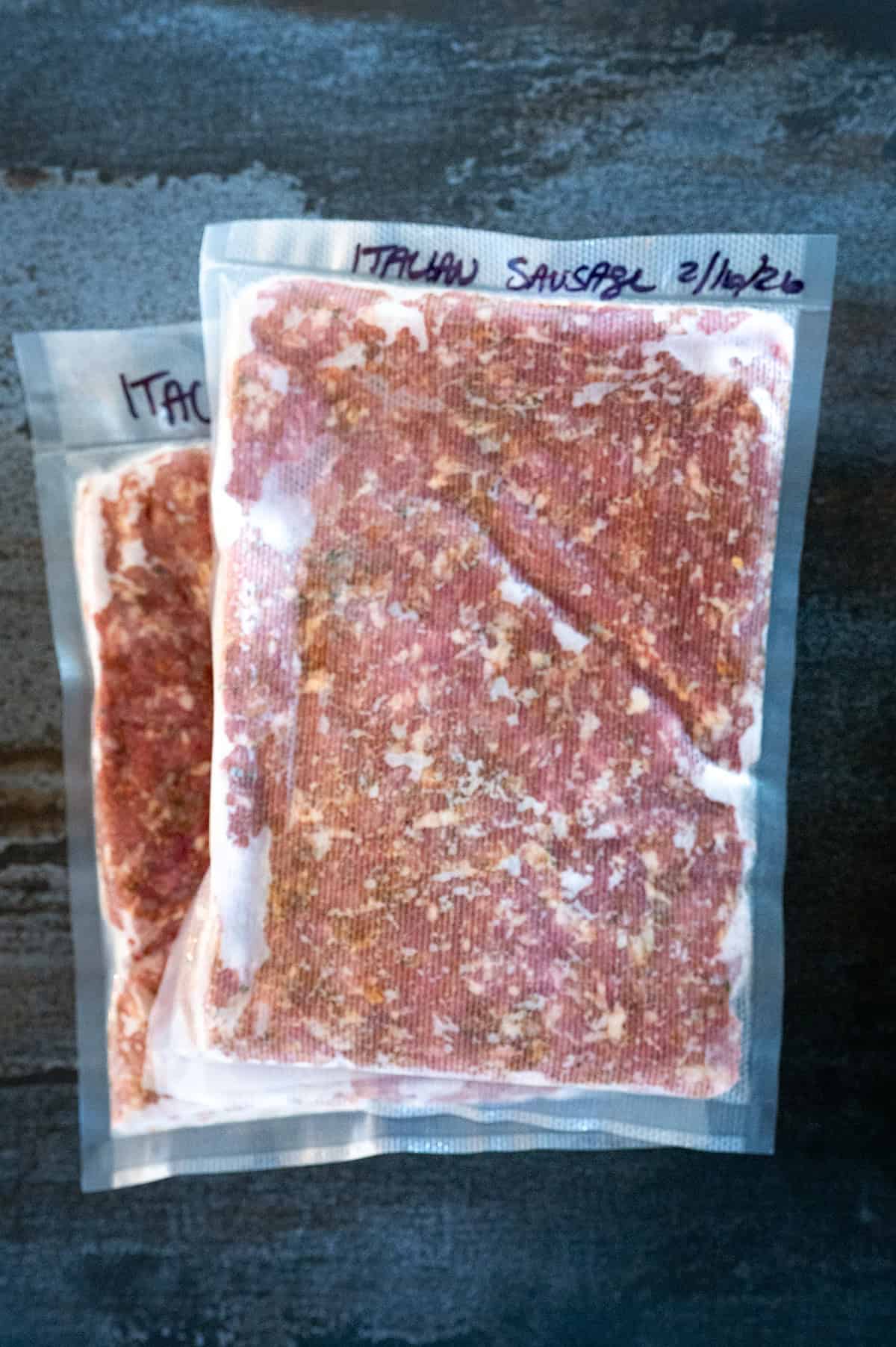
- Raw Sausage: Uncooked homemade Italian sausage should be refrigerated at 40°F (4°C) or below and consumed within 2-3 days. If freezing, ensure it is properly packaged to prevent freezer burn and labeled clearly. Thaw frozen sausage in the refrigerator, never at room temperature.
- Cooked Sausage: Cooked sausage should be refrigerated within two hours of cooking. It can be stored in an airtight container in the refrigerator for 3-4 days. Reheat thoroughly to an internal temperature of 165°F (74°C) before serving.
Frequently Asked Questions About Italian Sausage
Q: What is the primary spice that defines Italian sausage?
A: Fennel seeds are the quintessential spice that gives Italian sausage its distinctive aroma and flavor.
Q: What cut of pork is best for making Italian sausage?
A: Pork shoulder, also known as pork butt, is the preferred cut due to its ideal balance of meat and fat, contributing to a moist and flavorful sausage.
Q: Is all Italian sausage spicy?
A: No, Italian sausage comes in two main varieties: sweet (mild) and hot. The "hot" version contains red pepper flakes, while the "sweet" version does not.
Q: Can I make Italian sausage without a meat grinder?
A: Yes, while a meat grinder provides the best texture, you can achieve a passable sausage by purchasing coarsely ground pork from your butcher or by finely chopping pork shoulder by hand. However, the texture will differ from traditionally ground sausage.
Q: How long can I store homemade Italian sausage?
A: Uncooked sausage can be refrigerated for 2-3 days or frozen for up to 6-12 months. Cooked sausage can be refrigerated for 3-4 days.
Conclusion: A Rewarding Culinary Endeavor
The creation of homemade Italian sausage is a rewarding culinary journey that offers a superior taste experience and a deeper connection to the food we eat. By understanding the fundamental ingredients, mastering the simple preparation techniques, and embracing the flexibility of customization, home cooks can elevate their cooking and impress family and friends with this versatile and beloved Italian staple. The ability to control the quality of ingredients, the spice levels, and the overall flavor profile makes the effort of crafting Italian sausage from scratch undeniably worthwhile, opening up a world of delicious possibilities in the kitchen.


