Creating visually stunning and architecturally impressive desserts has long been a hallmark of culinary artistry. Among the myriad of techniques available to bakers and pastry chefs, the creation of edible sugar glass stands out for its versatility, visual appeal, and the surprising accessibility of its preparation. This article delves into the science and artistry behind crafting this crystalline confection, exploring its applications, the essential elements for success, and its growing significance in the world of professional and home baking.
A Glimpse into the Crystalline World of Edible Sugar Glass
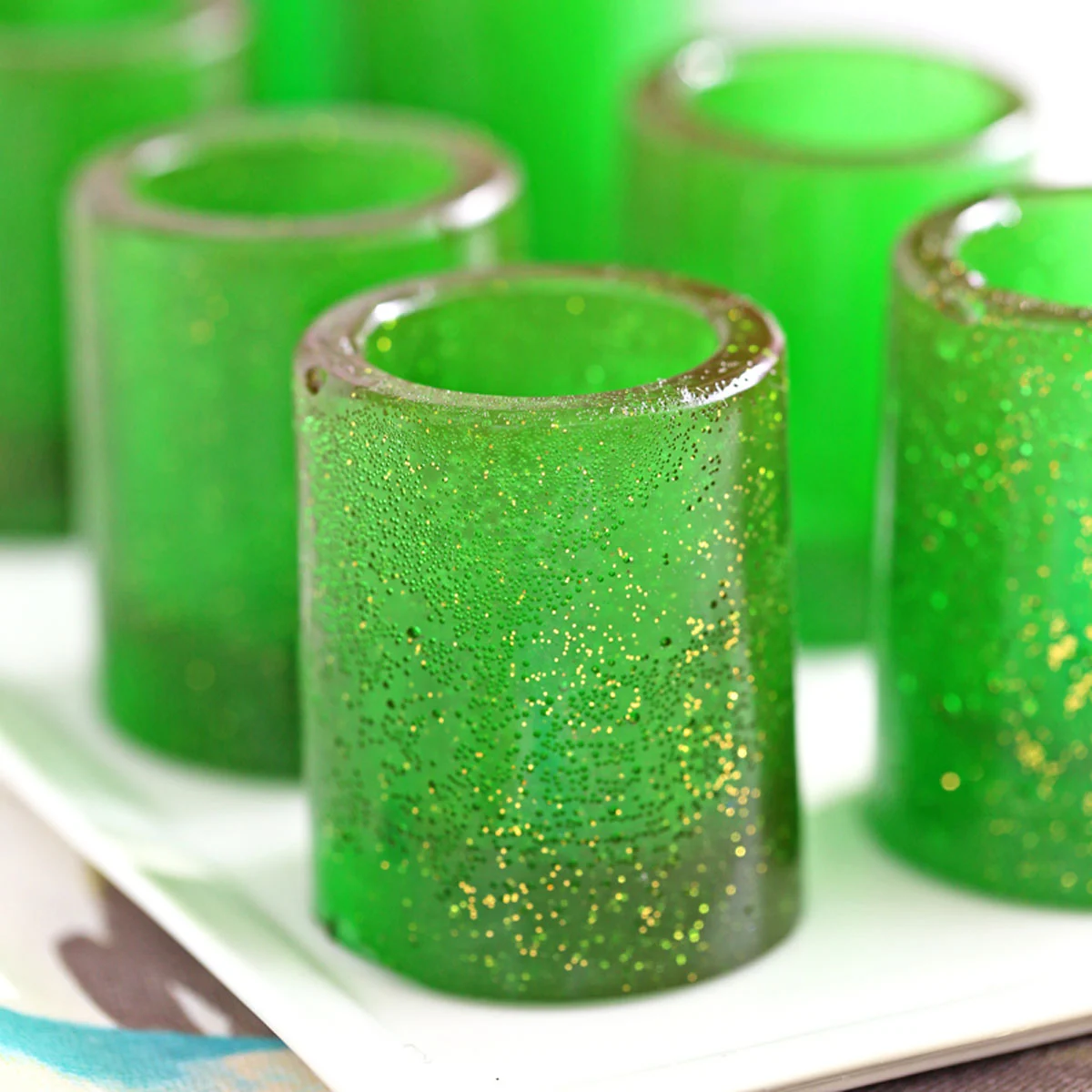
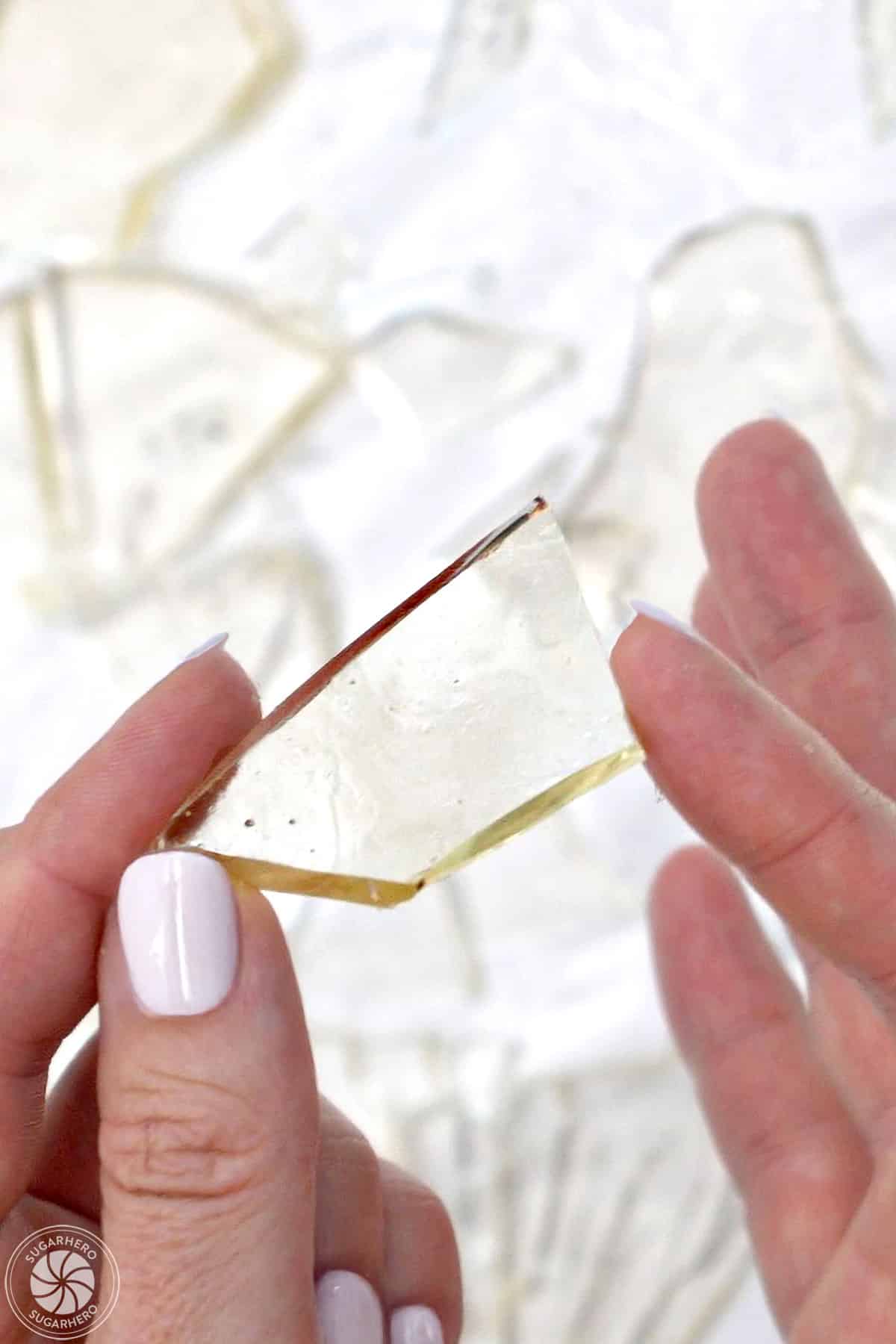
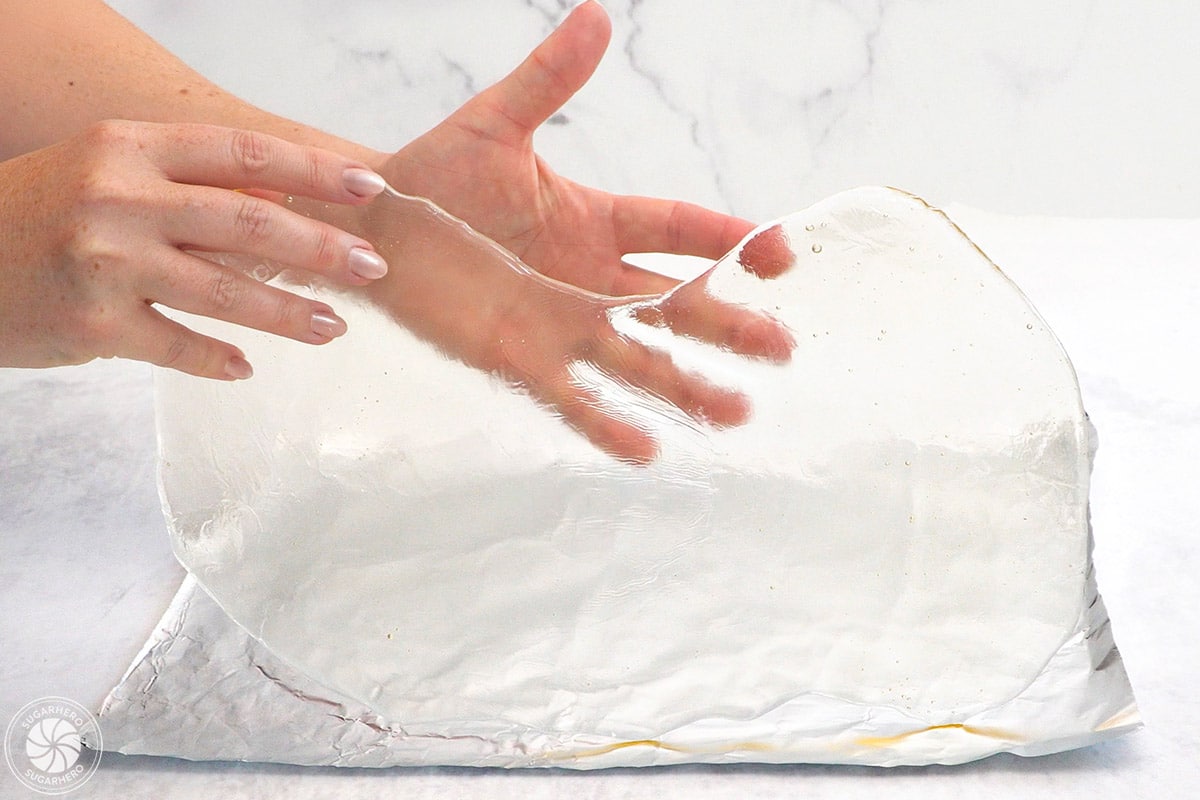
Edible sugar glass, often referred to as pulled sugar or isomalt sugar glass, is a clear, hard candy that mimics the appearance of real glass. Its ability to be molded, shattered, and colored makes it an invaluable tool for decorators seeking to elevate their creations. From intricate gingerbread house windows that allow light to filter through, to dramatic shards adorning cakes for themed events, or even as standalone decorative elements, the potential for sugar glass is limited only by imagination. The allure lies not just in its aesthetic appeal but also in its ability to transform a dessert from a mere treat into a captivating edible sculpture.
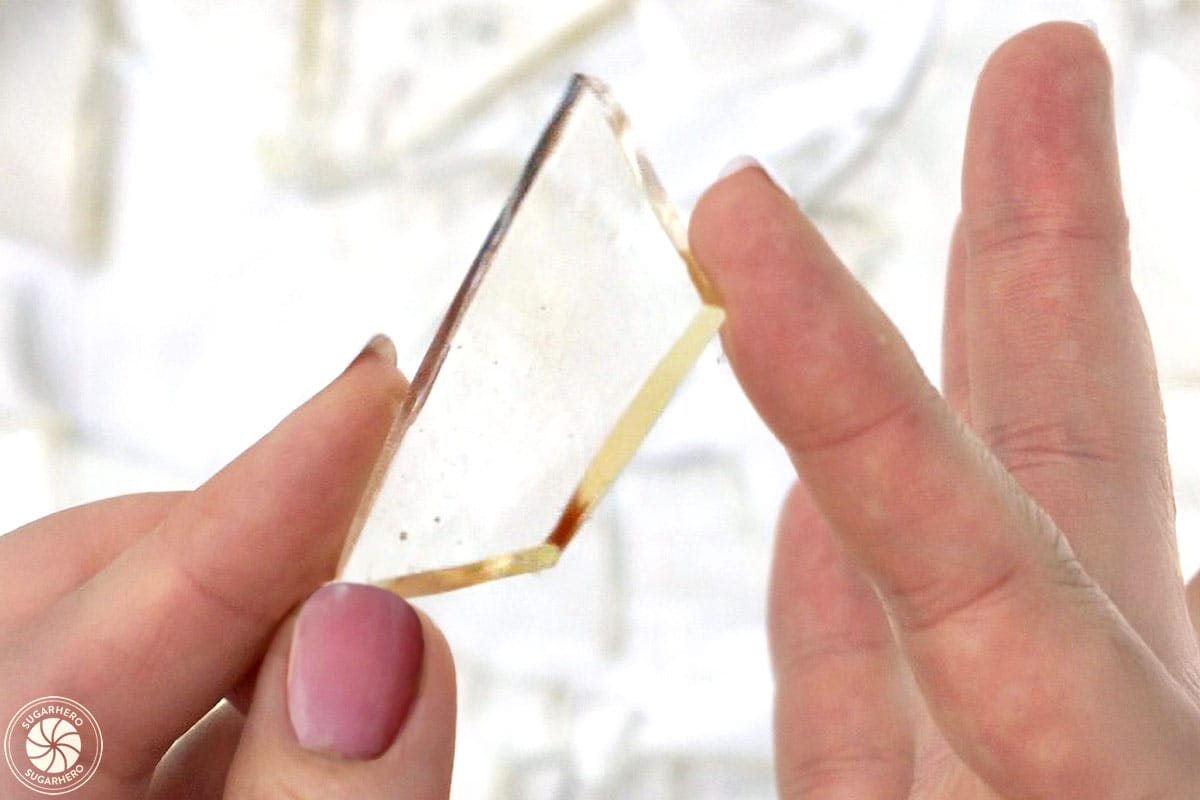
The technique, while seemingly complex, is rooted in fundamental candy-making principles. The process involves carefully heating a sugar solution to a specific temperature, typically the hard crack stage (around 300-310°F or 149-154°C), which causes the water to evaporate and the sugar to form a glass-like structure upon cooling. The inclusion of corn syrup is crucial, as it acts as an invert sugar, interfering with the natural tendency of sucrose to recrystallize, thus maintaining the smooth, transparent quality of the "glass."
Historical Context and Culinary Evolution
The art of sugar work, including the creation of pulled sugar, has a rich history dating back centuries. Early forms of sugar confectionery were often reserved for the elite, showcasing elaborate sugar sculptures and molded figures at banquets and royal gatherings. The development of more refined sugar processing techniques and the introduction of ingredients like corn syrup in the 20th century democratized these skills, making them accessible to a wider range of culinary professionals and enthusiasts. The evolution of sugar glass from a purely decorative element to a functional component within edible structures marks a significant advancement in dessert design, blurring the lines between art and gastronomy.
The rise of social media platforms has further amplified the popularity and visibility of intricate dessert creations, including those featuring sugar glass. Platforms like Instagram and Pinterest are awash with visually arresting examples, inspiring a new generation of bakers to experiment with advanced techniques. This widespread exposure has not only increased demand for sugar glass as a decorative medium but has also fostered a community of shared knowledge and innovation among culinary artists.
The Science Behind the Shine: Key Ingredients and Equipment
Achieving the perfect sugar glass relies on a precise combination of ingredients and the correct use of equipment. The core components are typically sugar, corn syrup, and water. The ratio of these ingredients is critical, influencing the final texture and stability of the sugar glass. For instance, a higher proportion of corn syrup can help prevent crystallization and improve the candy’s resistance to humidity.
Essential Ingredients:
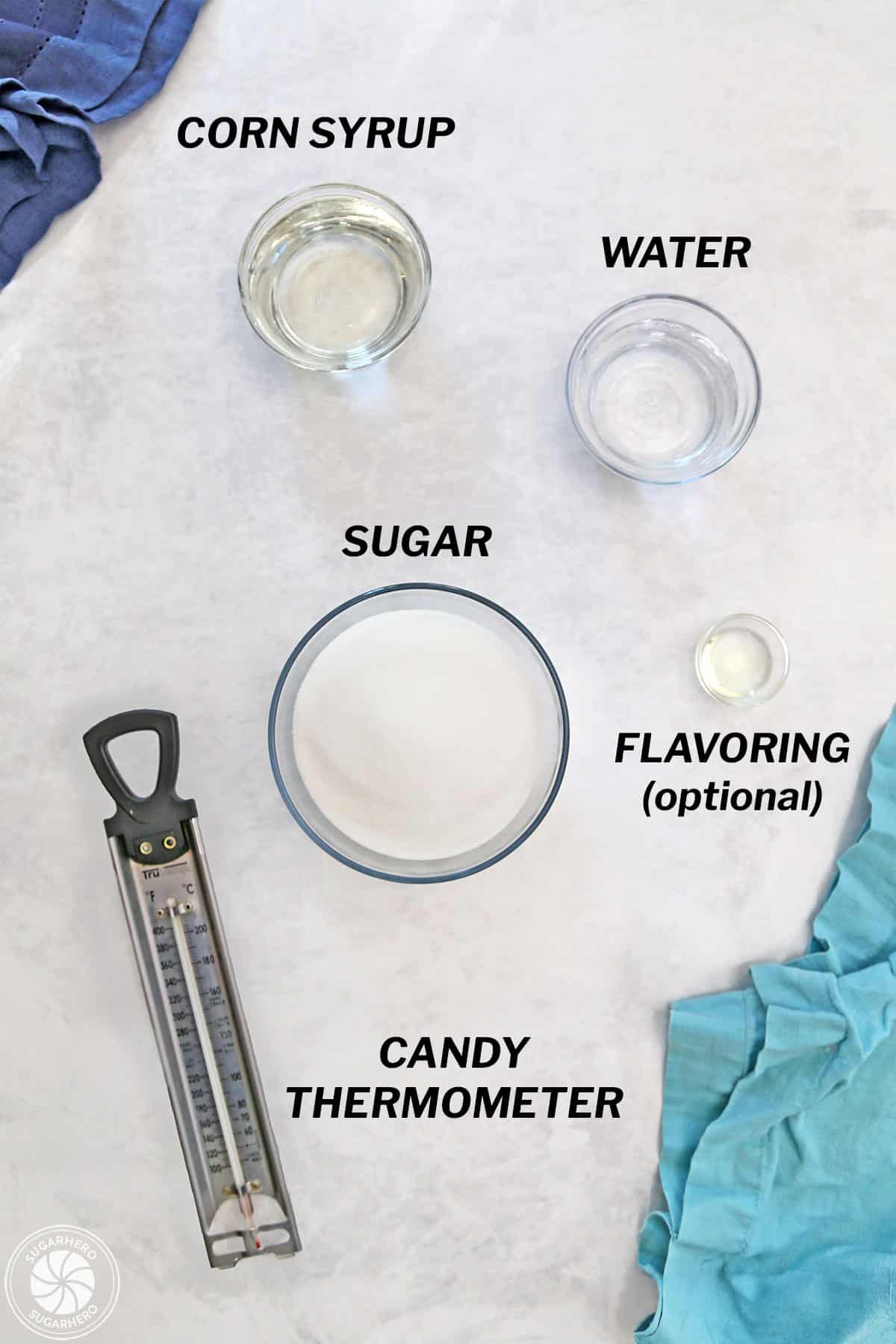
- Granulated Sugar: The primary building block of the candy, providing sweetness and structure.
- Corn Syrup: A liquid sweetener that acts as an invert sugar, preventing large sugar crystals from forming and contributing to the glass-like clarity and chewiness. Light corn syrup is generally preferred for its neutral flavor and color.
- Water: Dissolves the sugar and corn syrup, creating the base solution for heating.
- Flavorings (Optional): Extracts like vanilla, peppermint, or fruit essences can be added for taste.
- Food Coloring (Optional): Gel or liquid food colorings can be incorporated to achieve vibrant hues. It’s important to note that some colorings may affect the clarity or cooking process.
Crucial Equipment:
- Heavy-Bottomed Saucepan: Essential for even heat distribution, preventing scorching. Stainless steel is often recommended.
- Candy Thermometer: Non-negotiable for accurately measuring the temperature. A digital candy thermometer is often preferred for its precision.
- Heat-Resistant Spatula or Spoon: For stirring the initial mixture.
- Baking Sheet or Silpat Mat: A heat-resistant surface, preferably silicone, is needed for pouring and cooling the sugar. Parchment paper can also be used, but silicone mats offer better heat distribution and prevent sticking.
- Pastry Brush and Water: Used to wash down the sides of the saucepan, preventing sugar crystals from forming and affecting the candy’s texture.
- Heat-Resistant Gloves: Crucial for handling hot sugar mixtures and protecting against burns.
Pro Candy Thermometer Tips:
The accuracy of a candy thermometer is paramount. It’s advisable to calibrate your thermometer before use by placing it in boiling water (which should read 212°F or 100°C at sea level) or ice water (which should read 32°F or 0°C). Deviations can significantly impact the cooking temperature and, consequently, the final product. When cooking, ensure the thermometer is submerged in the syrup without touching the bottom of the pan, which can give a false high reading.
The Method: A Step-by-Step Guide to Flawless Sugar Glass
The process of creating edible sugar glass, while requiring attention to detail, is remarkably straightforward once the principles are understood. Success hinges on precise temperature control and minimizing the introduction of air bubbles or stray sugar crystals.
- Preparation is Key: Before beginning, gather all ingredients and equipment. Line a baking sheet with a silicone mat or parchment paper. Have any desired food colorings or flavorings measured and ready.
- Combining the Base: In a heavy-bottomed saucepan, combine the granulated sugar, corn syrup, and water. Stir over medium heat until the sugar is completely dissolved.
- Washing Down the Sides: Once the sugar is dissolved, increase the heat to medium-high. As the mixture begins to boil, use a pastry brush dipped in water to wash down any sugar crystals that may have formed on the sides of the pan. This step is critical to prevent crystallization.
- Reaching the Hard Crack Stage: Insert the candy thermometer. Allow the mixture to boil undisturbed until it reaches the hard crack stage, typically between 300°F and 310°F (149°C – 154°C). Avoid stirring the mixture once it reaches a boil, as this can encourage crystallization.
- Adding Color and Flavor (Optional): Once the target temperature is reached, immediately remove the pan from the heat. Carefully stir in any desired food coloring and flavorings. Work quickly, as the mixture will begin to cool and thicken.
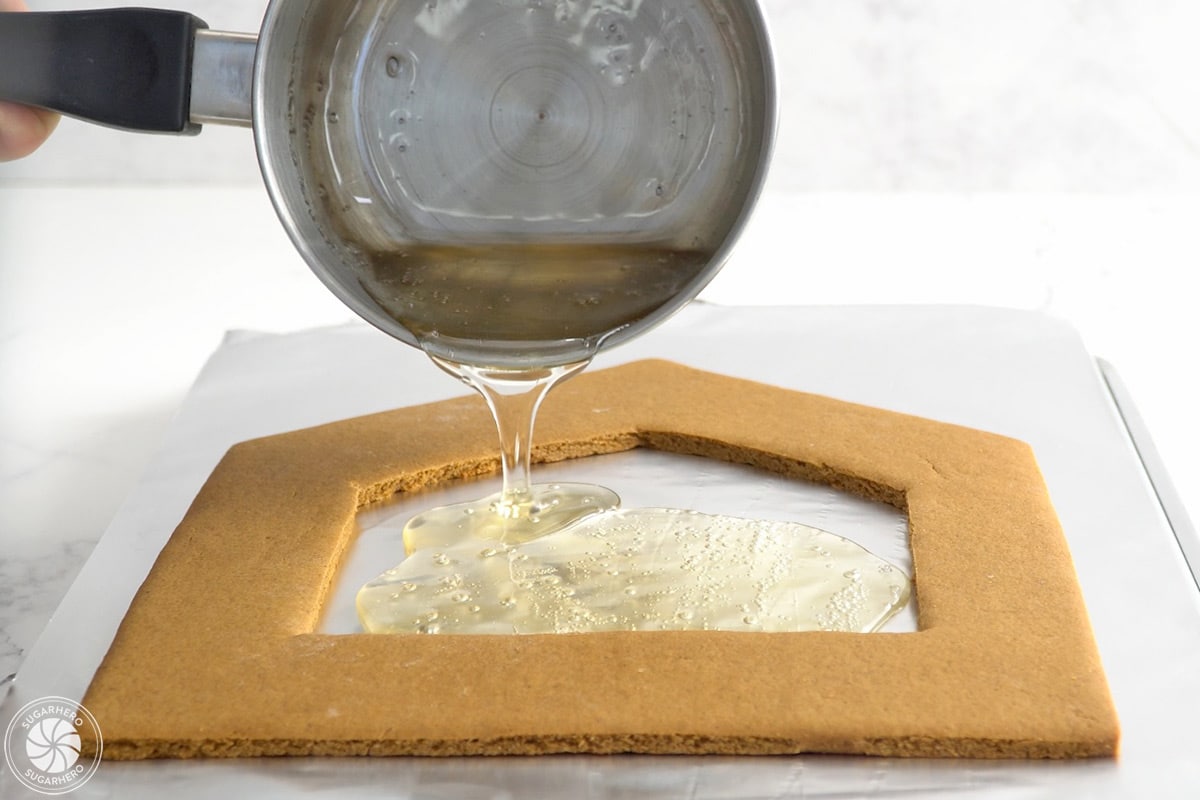
- Pouring and Cooling: Carefully and slowly pour the hot sugar mixture onto the prepared baking sheet. Tilt the sheet to spread the sugar into a thin, even layer.
- Shaping and Breaking: Allow the sugar to cool completely until it is hard and brittle. Once cooled, the sugar glass can be broken into shards by gently tapping it with a rolling pin or the back of a heavy spoon. For more controlled shapes, it can be poured into molds or directly into pre-baked cookie cutouts.
Troubleshooting Common Issues: Navigating the Challenges of Candy Making
Even with meticulous preparation, candy making can present challenges. Understanding common issues and their solutions is vital for consistent success.
-
Sticky Candy: The most frequent culprit for sticky sugar glass is humidity. Sugar is hygroscopic, meaning it readily absorbs moisture from the air.
- Analysis: High humidity levels interfere with the candy’s ability to maintain its brittle structure, causing it to become tacky and eventually gooey.
- Implications: This limits the optimal times for making sugar glass, often necessitating production on dry days.
- Solution: Avoid making sugar glass on humid or rainy days. Store finished sugar glass in an airtight container at room temperature. For very humid environments, consider including silica gel packets within the storage container to absorb excess moisture.
-
Candy Not Hardening: If the sugar glass remains soft or pliable, it likely hasn’t reached the correct temperature.
- Analysis: The hard crack stage is essential for the water to evaporate sufficiently, creating the rigid, glass-like structure. Insufficient cooking time leaves too much moisture.
- Solution: Ensure the candy mixture is cooked to the precise temperature indicated. If using a candy thermometer, verify its accuracy. Double-check ingredient measurements to ensure the correct ratios.
-
Opaque or Crumbly Texture: This indicates crystallization, where sugar crystals form during the cooking process, marring the desired transparency and texture.
- Analysis: Crystallization can occur from stirring the syrup after it boils, failing to wash down the sides of the pan to remove stray crystals, or introducing sugar crystals from utensils or the thermometer. Corn syrup significantly helps to inhibit this, so using substitutes may increase the likelihood of crystallization.
- Solution: Adhere strictly to the "no stirring" rule once the syrup boils. Thoroughly wash down the sides of the pan with a wet pastry brush. Ensure all equipment is clean and free of any residual sugar crystals.
Applications and Innovations in Dessert Design
The versatility of edible sugar glass extends to a vast array of culinary applications:
- Architectural Elements: As mentioned, gingerbread houses and sculpted cakes benefit immensely from transparent candy windows. This technique allows for intricate designs and plays with light, adding depth and realism.
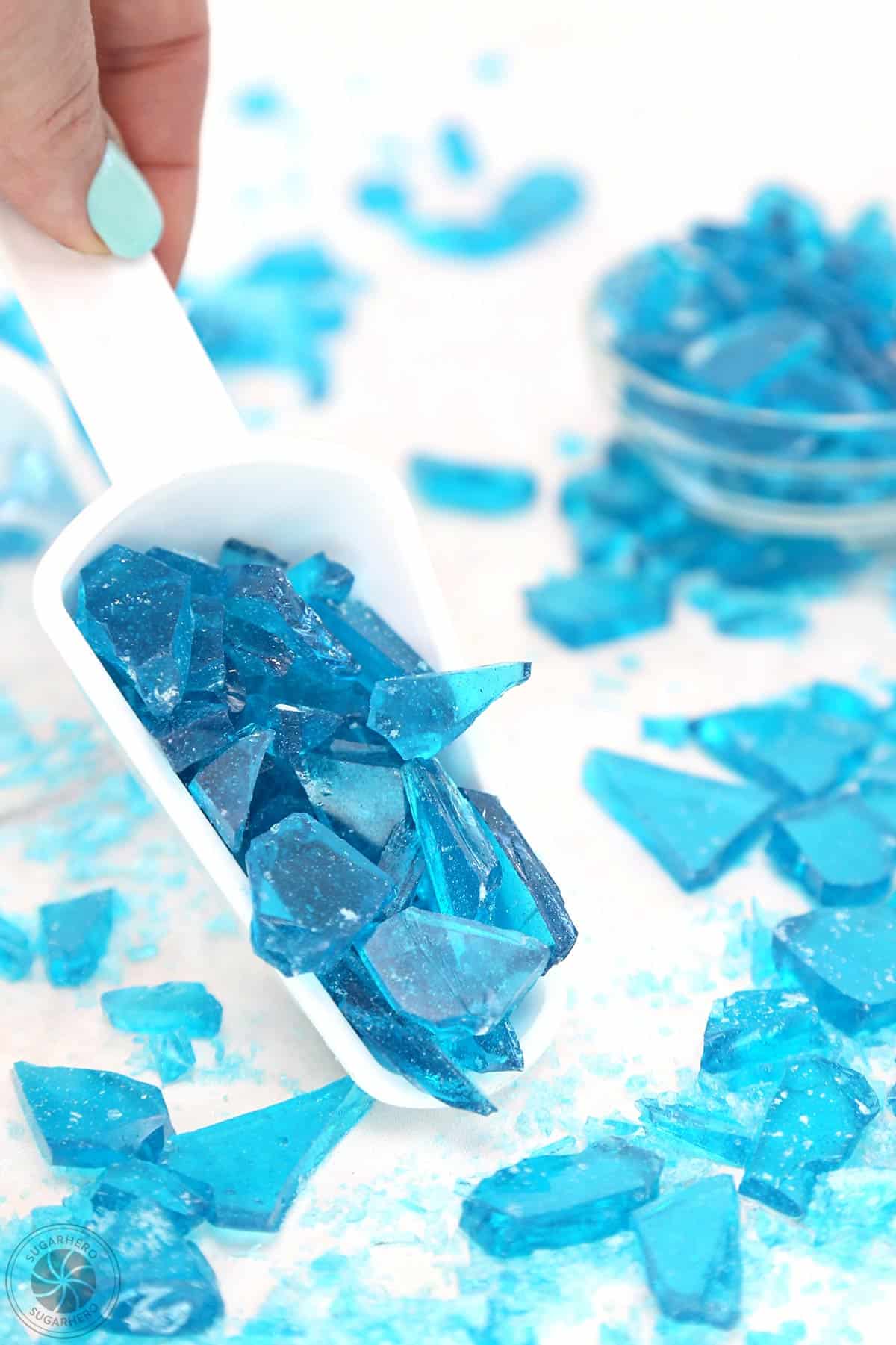
- Themed Decorations: For holidays like Halloween, shattered sugar glass can create a dramatic "broken glass" effect on cupcakes or cakes. In a different context, vibrant blue sugar glass can mimic the appearance of rock candy for themed desserts inspired by popular culture.
- Edible Jewelry and Embellishments: Small, intricately shaped pieces of sugar glass can serve as delicate and edible adornments for pastries, cocktails, and desserts.
- Molded Creations: Using silicone molds, bakers can create custom shapes like gems, shields, or abstract forms that add a unique dimension to any dessert.
- Functional Components: Sugar glass can be poured directly into cut-out shapes in baked goods, such as cookies or cake layers, creating integrated window effects.
The ongoing innovation in sugar work sees chefs experimenting with advanced techniques like "pulling" the sugar to create iridescent effects or incorporating edible glitter and metallic dusts for added visual impact. The development of specialized tools and even heated pouring surfaces allows for greater control and more elaborate designs.
Storage and Longevity
Proper storage is crucial for maintaining the integrity of edible sugar glass. It should be stored at room temperature in an airtight container. Refrigeration or freezing is generally not recommended, as condensation can form on the candy’s surface, leading to stickiness and a loss of clarity. In very humid climates, the candy may become sticky even at room temperature within a few days. In such cases, incorporating silica gel packets into the storage container can help absorb ambient moisture and extend the candy’s lifespan. Under ideal dry conditions, sugar glass can remain crisp and clear for up to seven days.
Conclusion: A Sweet Success Story
The creation of edible sugar glass represents a fascinating intersection of culinary science and artistic expression. Its accessibility, coupled with its dramatic visual impact, has cemented its place as a staple technique for bakers and decorators worldwide. From enhancing the structural integrity of elaborate dessert constructions to providing simple yet striking decorative accents, sugar glass offers a brilliant way to add a touch of magic to any sweet creation. As culinary artistry continues to evolve, the humble sugar crystal, transformed through heat and technique, will undoubtedly remain a key ingredient in the palette of innovative dessert designers.