Creating visually stunning and structurally impressive desserts often involves mastering specialized techniques. Among these, the creation of edible sugar glass stands out as a method that allows bakers and confectioners to add a unique architectural element and dazzling visual appeal to their creations. This transparent, hard candy, when executed correctly, can transform ordinary cakes, cookies, and pastries into extraordinary edible art. The process, while seemingly complex, is accessible even to novice candy makers with a clear understanding of the fundamental principles of sugar work.
The Allure of Edible Sugar Glass
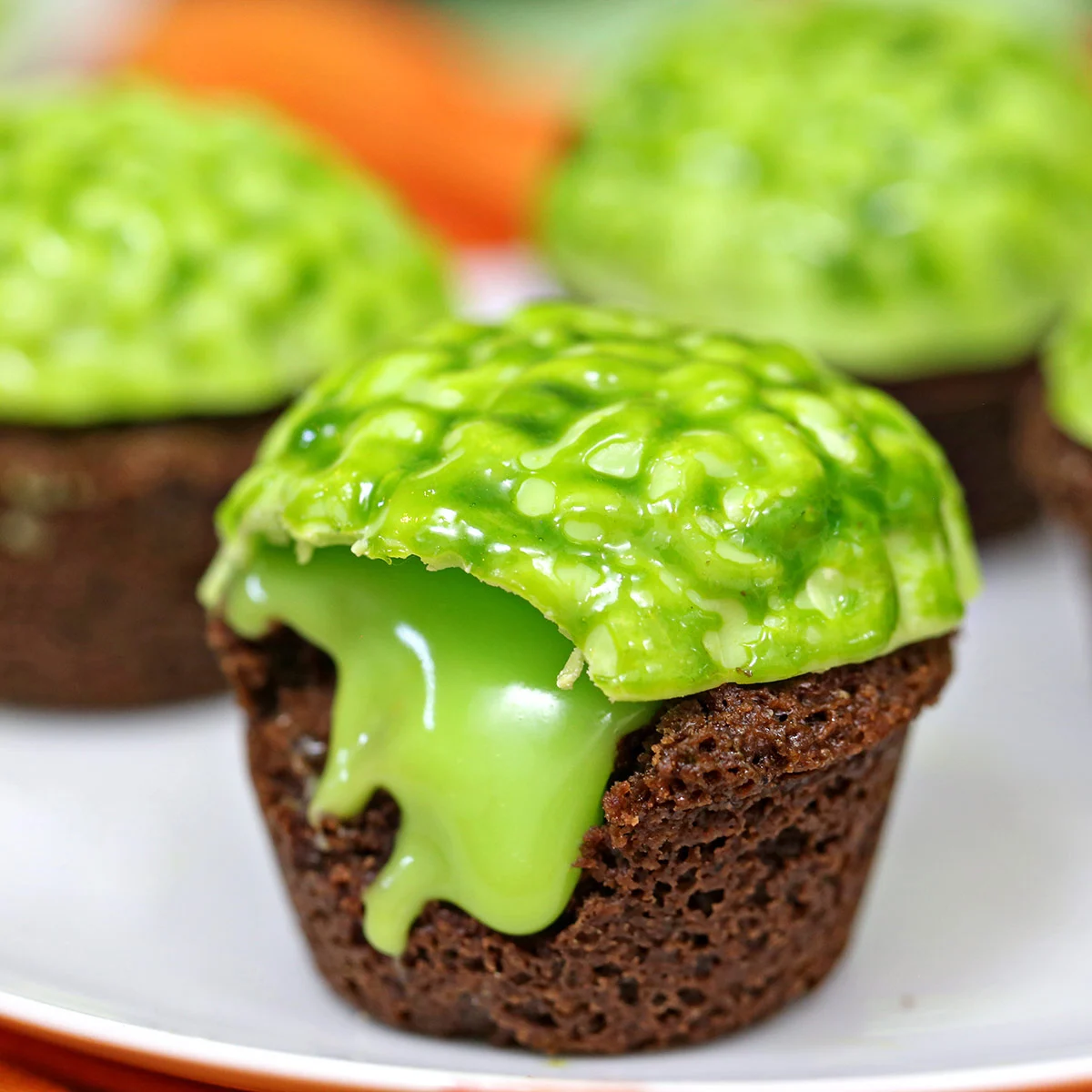
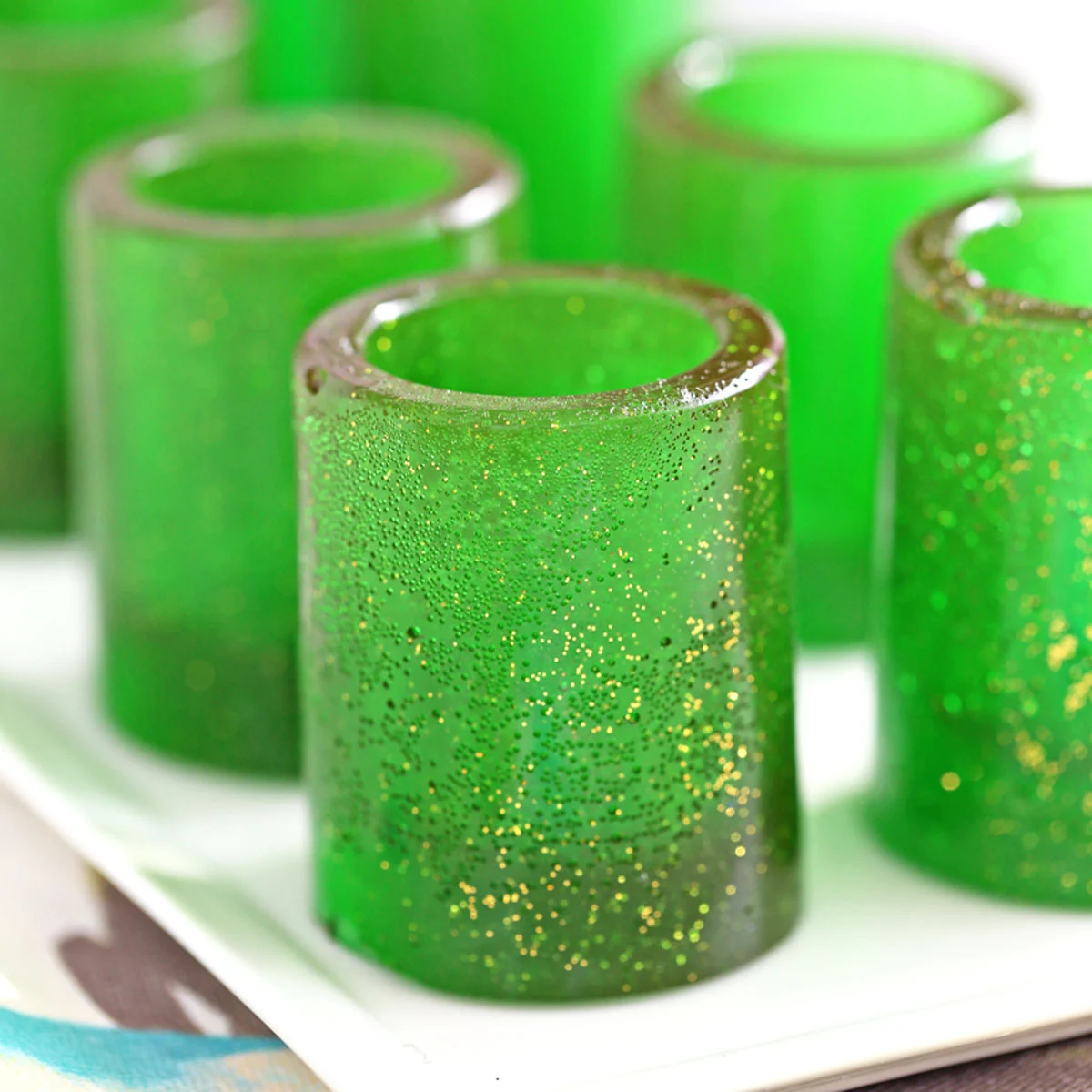
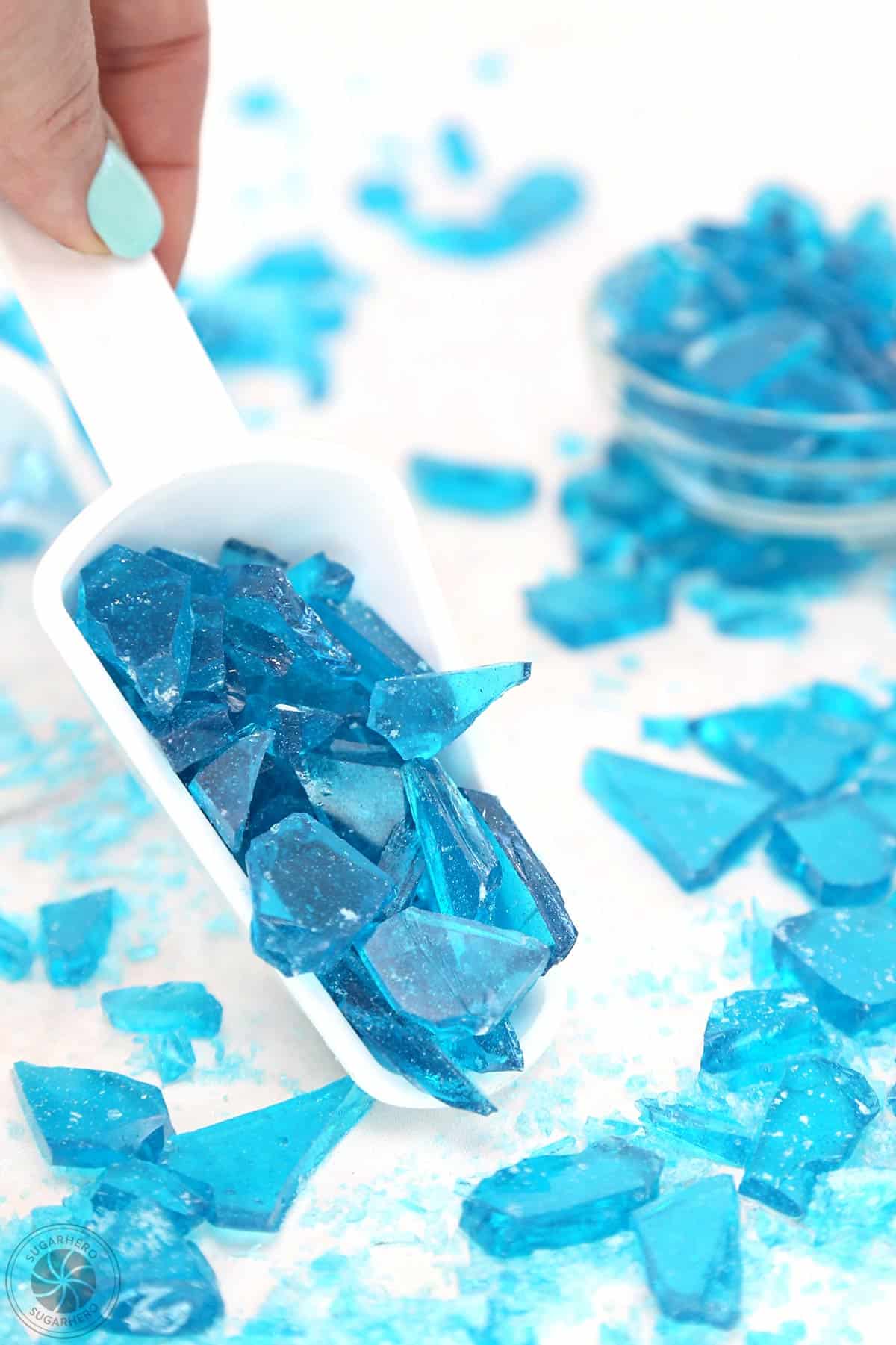
Edible sugar glass, also known as isinglass or pulled sugar, is a confectionary marvel that mimics the appearance of real glass but is entirely safe for consumption. Its versatility is its most compelling attribute. Bakers commonly employ it to craft realistic windows for gingerbread houses, to simulate shattered glass for thematic cupcakes, particularly for Halloween, or even as a base for creating vibrant rock candy formations. The ability to color and flavor this sugar glass opens up a vast spectrum of creative possibilities, allowing for an array of aesthetically pleasing and palatable combinations.
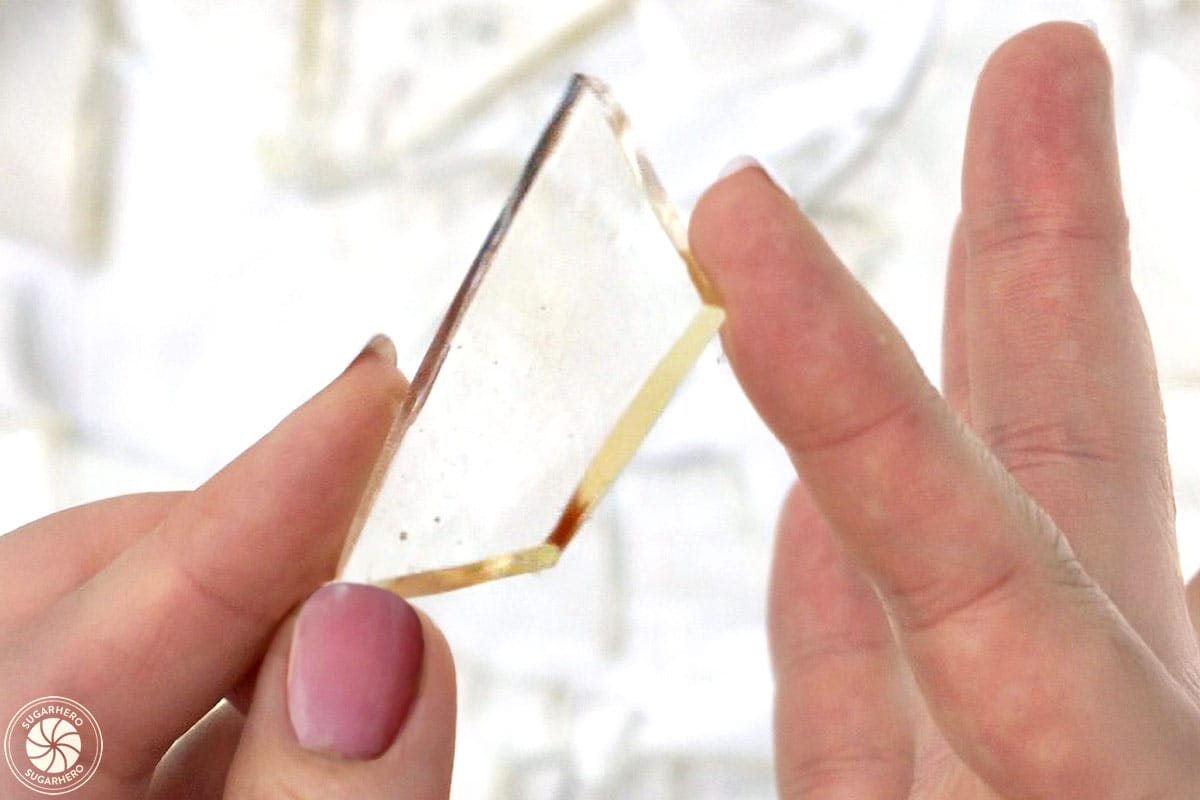
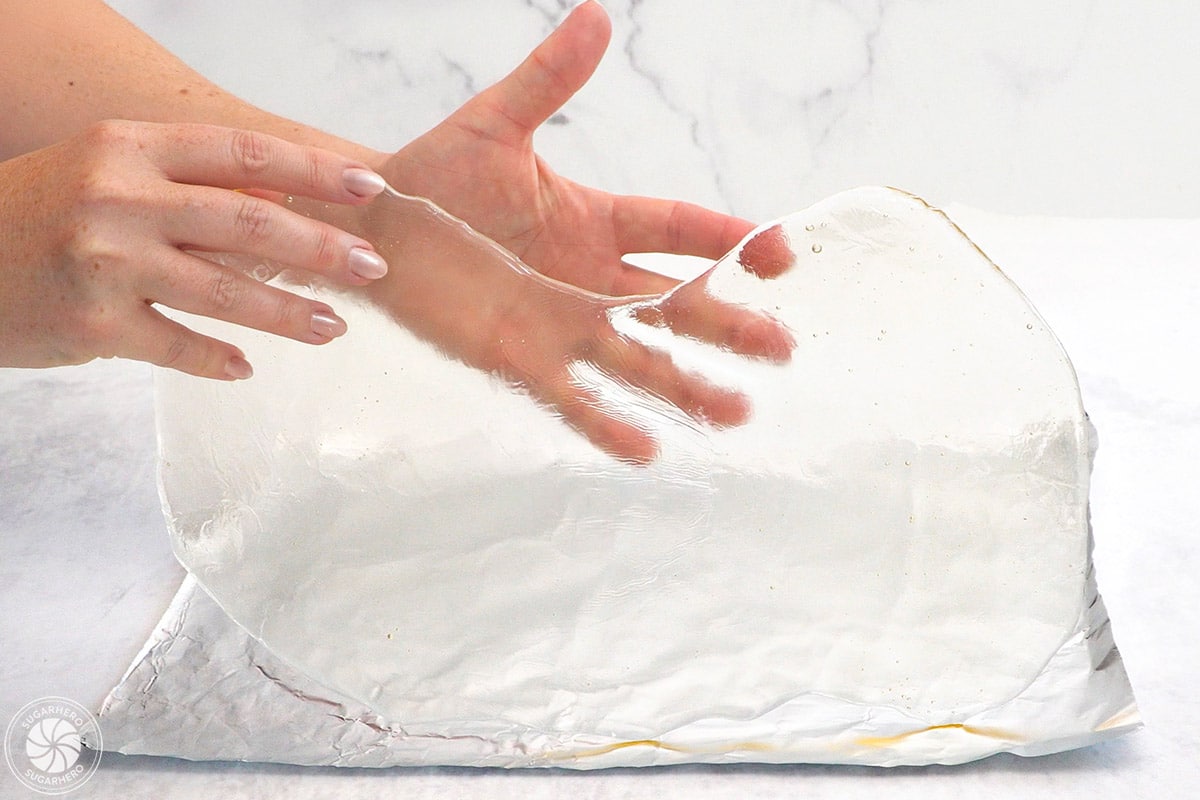
Furthermore, its formability makes it adaptable to various design requirements. It can be poured onto a flat surface and broken into irregular shards, molded into specific shapes, or even poured directly into pre-cut openings in cookies or gingerbread panels to serve as functional and decorative windows. This adaptability underscores its value as a tool in the modern baker’s arsenal, enabling the realization of intricate dessert concepts.
Mastering the Technique: A Foolproof Approach
The creation of flawless edible sugar glass is achievable with precise guidance and attention to detail. The process, though requiring a degree of technical proficiency, is not beyond the reach of those new to the art of candy making. Success hinges on several key elements, primarily related to temperature control and ingredient management.
A critical component of sugar glass creation is the accurate measurement of ingredients. The fundamental recipe typically involves sugar, corn syrup, and water. The ratio of these ingredients, along with the precise cooking temperature, dictates the final texture and clarity of the sugar glass. Corn syrup plays a crucial role in inhibiting crystallization, a common pitfall that can lead to an opaque or crumbly final product.
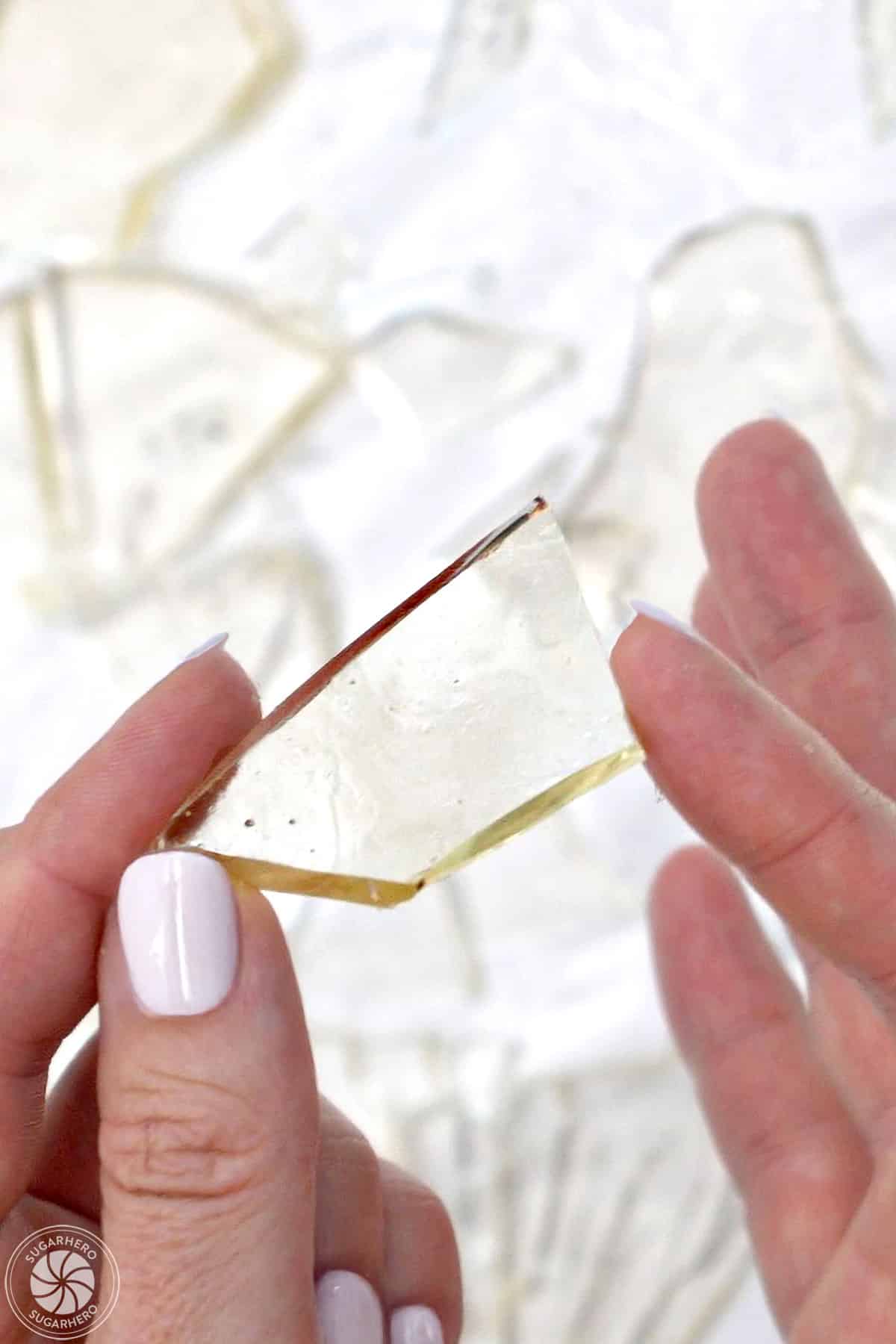
The cooking process itself is paramount. Sugar mixtures must reach a specific temperature, known as the "hard crack stage," which typically falls between 300-310°F (149-154°C). This temperature ensures that the sugar syrup solidifies into a hard, brittle candy. A reliable candy thermometer is indispensable for achieving this critical temperature accurately.
Essential Ingredients and Equipment
To embark on the journey of creating edible sugar glass, a few key ingredients and pieces of equipment are necessary. These are generally found in most well-equipped kitchens, making the endeavor relatively accessible.
Key Ingredients:
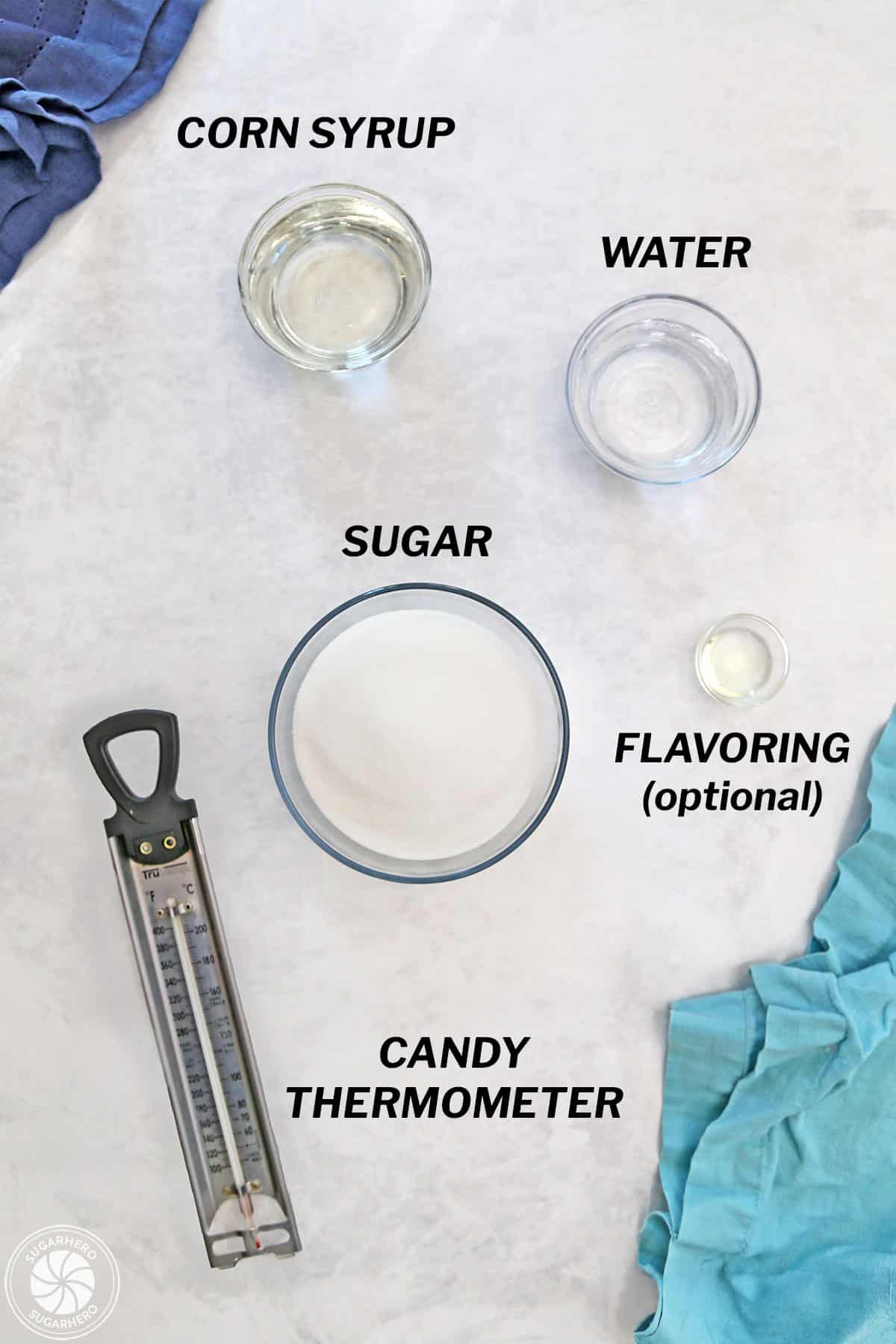
- Granulated Sugar: The primary structural component of the candy. Purity and consistency are important for predictable results.
- Corn Syrup: Crucial for preventing crystallization and ensuring a smooth, clear finish. Light corn syrup is typically preferred for its neutral flavor and color.
- Water: Acts as the solvent to dissolve the sugar and initiate the cooking process.
- Optional: Food Coloring: Liquid or gel food coloring can be used to tint the sugar glass, allowing for a spectrum of vibrant hues.
- Optional: Flavoring Extracts: Concentrated flavorings can be added to impart specific tastes, further enhancing the sensory experience of the candy.
Essential Equipment:
- Heavy-Bottomed Saucepan: A thick-bottomed pan distributes heat evenly, preventing scorching and promoting consistent cooking.
- Candy Thermometer: An accurate candy thermometer is non-negotiable for precisely measuring the syrup’s temperature. Clip-on dial thermometers or digital probes are commonly used.
- Heat-Resistant Spatula or Wooden Spoon: For stirring the initial mixture before it reaches boiling point.
- Baking Sheet or Silpat Mat: A silicone baking mat (Silpat) or a parchment-lined baking sheet provides a non-stick surface for pouring and cooling the sugar syrup. A greased metal baking sheet can also be used, but may be more prone to sticking.
- Heat-Resistant Gloves: Essential for safely handling hot pans and poured sugar syrup.
- Optional: Small Bowls: For holding pre-measured ingredients or for preparing different colors of sugar glass.
Pro Tips for Candy Thermometer Usage
The accurate use of a candy thermometer is fundamental to achieving the desired consistency in sugar work. For edible sugar glass, the target is the hard crack stage.
- Calibration: Before use, it is advisable to calibrate your candy thermometer to ensure accuracy. This can be done by placing the thermometer in boiling water (which should register 212°F or 100°C at sea level) or ice water (which should register 32°F or 0°C). Adjustments can often be made to the thermometer itself, or you can factor in any known deviation.
- Placement: Ensure the thermometer bulb is fully submerged in the sugar syrup but not touching the bottom of the pan, as the pan’s direct heat can skew the reading.
- Monitoring: Keep a close eye on the temperature as the syrup approaches the target. The temperature can rise rapidly in the final stages.
- Removal: Once the desired temperature is reached, remove the pan from the heat immediately to prevent overcooking.
The Process: A Step-by-Step Guide
- Preparation: Line a baking sheet with a Silpat mat or parchment paper. If using parchment, lightly grease it with a neutral oil or cooking spray to further prevent sticking. Have all your ingredients measured and ready. If you plan to color or flavor the sugar glass, have your food coloring and extracts at hand.
- Combining Ingredients: In the heavy-bottomed saucepan, combine the granulated sugar, corn syrup, and water. Stir gently over medium heat until the sugar is completely dissolved. This initial stirring is crucial to ensure all sugar crystals are incorporated into the liquid.
- Cooking the Syrup: Once the sugar is dissolved, increase the heat to medium-high. Bring the mixture to a boil. Crucially, once the syrup begins to boil, do not stir it. Stirring at this stage can introduce sugar crystals, leading to crystallization and an opaque product. If crystals form on the sides of the pan, gently wipe them away with a damp pastry brush.
- Reaching the Hard Crack Stage: Continue to boil the syrup, monitoring the temperature with the candy thermometer. The syrup will gradually thicken and change color. Aim to reach the hard crack stage, between 300-310°F (149-154°C). The exact temperature within this range can affect the final brittleness of the glass.
- Adding Color and Flavor (Optional): Once the syrup reaches the target temperature, immediately remove the pan from the heat. If you are adding color or flavor, do so now. Stir gently and quickly to incorporate them. Be cautious, as the syrup is extremely hot and may bubble up.
- Pouring the Sugar Glass: Carefully and steadily pour the hot sugar syrup onto the prepared baking sheet. You can pour it in a thin, even layer for a sheet of glass, or in more controlled patterns to create specific shapes. Work quickly, as the sugar will begin to harden as it cools.
- Cooling and Setting: Allow the poured sugar to cool completely and harden. This can take anywhere from 15 minutes to an hour, depending on the thickness of the pour and the ambient temperature. Avoid moving the sugar glass while it is still warm, as it can warp or break unevenly.
- Breaking and Shaping: Once fully hardened, the sugar glass can be broken into desired pieces. Gently tap larger sheets with a rolling pin or a heavy object to create shards. For precise shapes, you may need to use kitchen shears or score the glass while it’s still slightly pliable (though this is more advanced).
Troubleshooting Common Issues: FAQs for Success
Candy making, while rewarding, can present challenges. Understanding common problems and their solutions can significantly improve your success rate.
Why is my candy sticky?
Stickiness in sugar glass is almost invariably due to humidity. Sugar is hygroscopic, meaning it readily absorbs moisture from the air. If your candy becomes sticky after cooling, it has likely been exposed to high humidity. Avoid making sugar glass on humid or rainy days. Store the finished product in an airtight container at room temperature. For exceptionally humid environments, consider using silica gel packets to absorb excess moisture.
Why is my candy not hardening?
If the candy remains soft or does not set properly, it indicates that it has not reached the correct cooking temperature. Ensure your candy thermometer is accurate and calibrated. Double-check that you have used the precise ingredient quantities and followed the cooking time as instructed. Insufficient cooking time is the most common reason for soft candy.
Why is my glass candy opaque or crumbly?
This issue arises from crystallization, where sugar crystals form during the cooking process. This can be caused by stirring the syrup after it has boiled, failing to wipe down the sides of the pan to remove stray crystals, or introducing accidental sugar crystals from utensils or the thermometer. The corn syrup in the recipe is designed to minimize this, so substituting it can increase the likelihood of crystallization.
Storage Information
Proper storage is key to maintaining the integrity of edible sugar glass. It should be stored at room temperature in an airtight container for up to approximately seven days. Refrigeration or freezing is not recommended, as condensation can cause the candy to become sticky and lose its crisp texture. In very humid climates, the shelf life may be shorter, and the candy may become sticky even at room temperature.
The Broader Impact on Culinary Arts
The mastery of techniques like edible sugar glass creation elevates a baker’s skill set beyond simple recipe execution. It allows for a deeper engagement with the artistic and structural aspects of dessert design. This trend is evident in the increasing sophistication of patisserie presentations in high-end restaurants and the growing popularity of elaborate cake decorating for special events. The ability to produce visually striking, structurally sound, and deliciously flavored sugar glass components contributes to the overall gastronomic experience, blurring the lines between food and art. As culinary education continues to emphasize both flavor and form, techniques like these will remain vital for professionals and enthusiastic home bakers alike, pushing the boundaries of what is possible in edible creations.