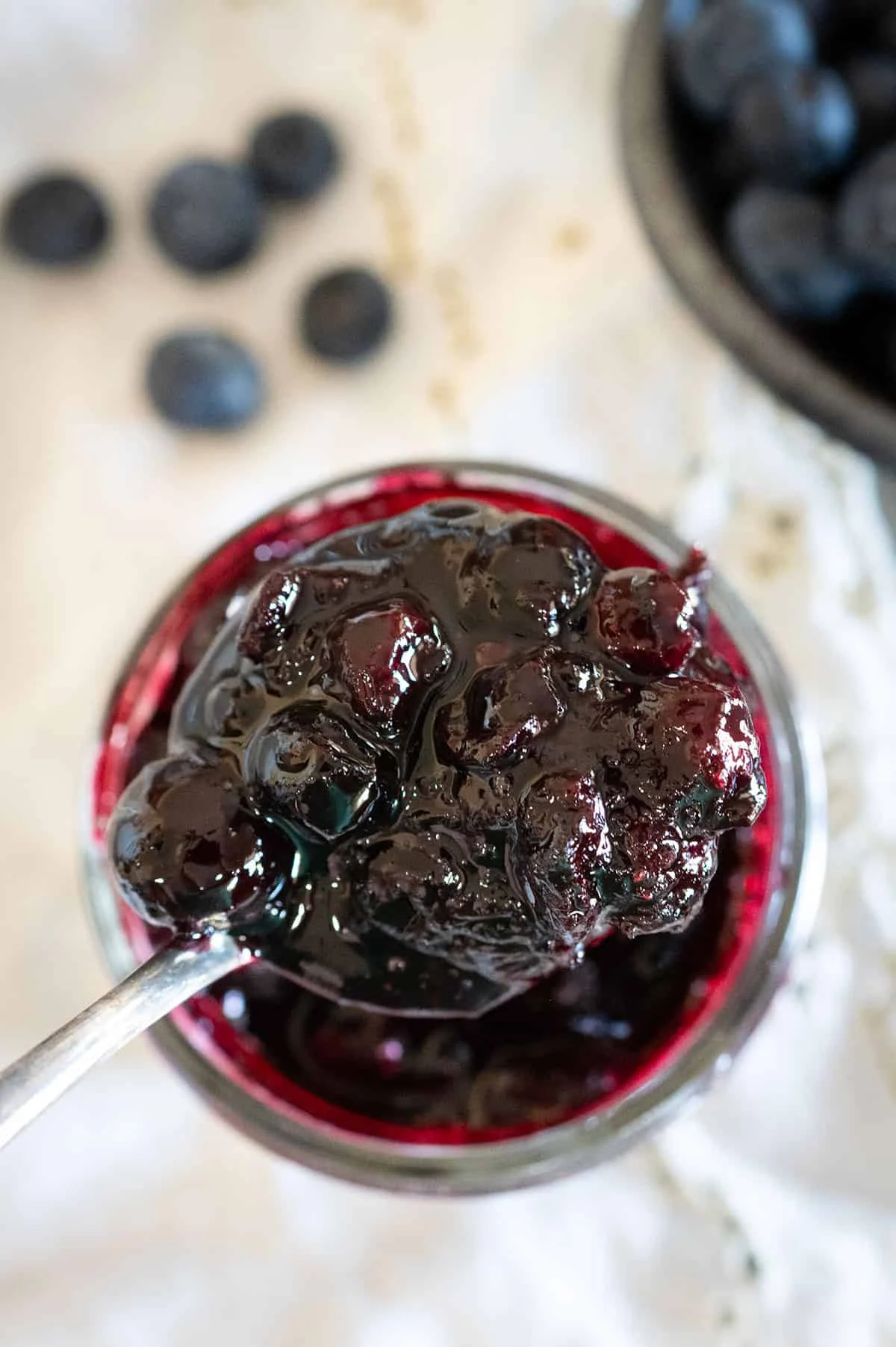
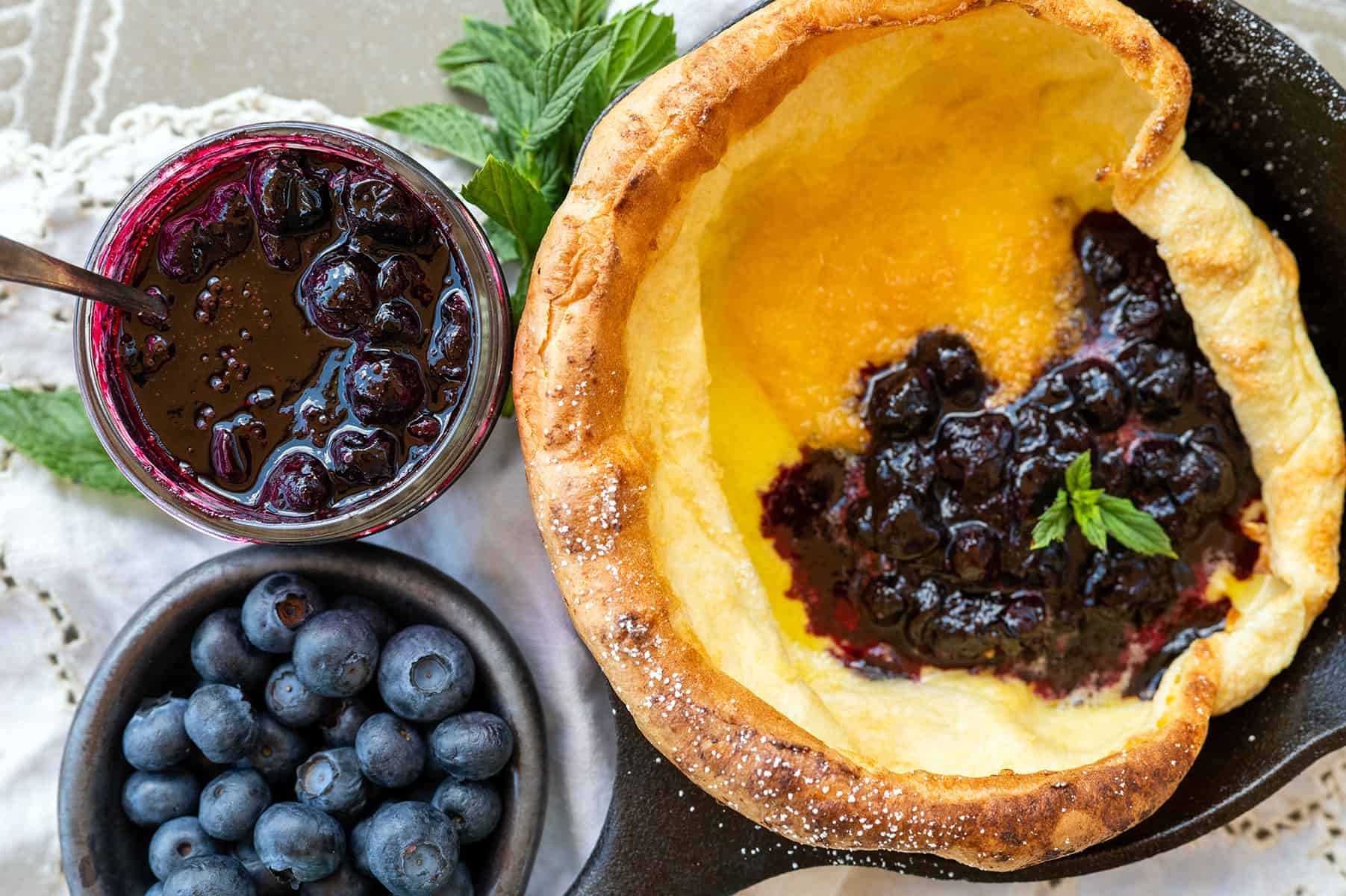
Transforming a simple bottle of maple syrup into a culinary masterpiece is now within reach, thanks to the creation of a delectable maple blueberry syrup. This innovative recipe, which comes together in a single pot in approximately ten minutes, promises to infuse kitchens with the comforting aroma of a leisurely Sunday morning. The magic lies in the transformation of juicy blueberries, which break down into a jammy, glossy syrup, beautifully complemented by the rich sweetness of real maple syrup. A delicate pinch of salt is the secret ingredient that prevents the flavor profile from becoming monotonous, ensuring a balanced and sophisticated taste. This exquisite syrup is the perfect accompaniment to a stack of fluffy pancakes or a golden-brown Dutch baby, disappearing from the breakfast table with remarkable speed.
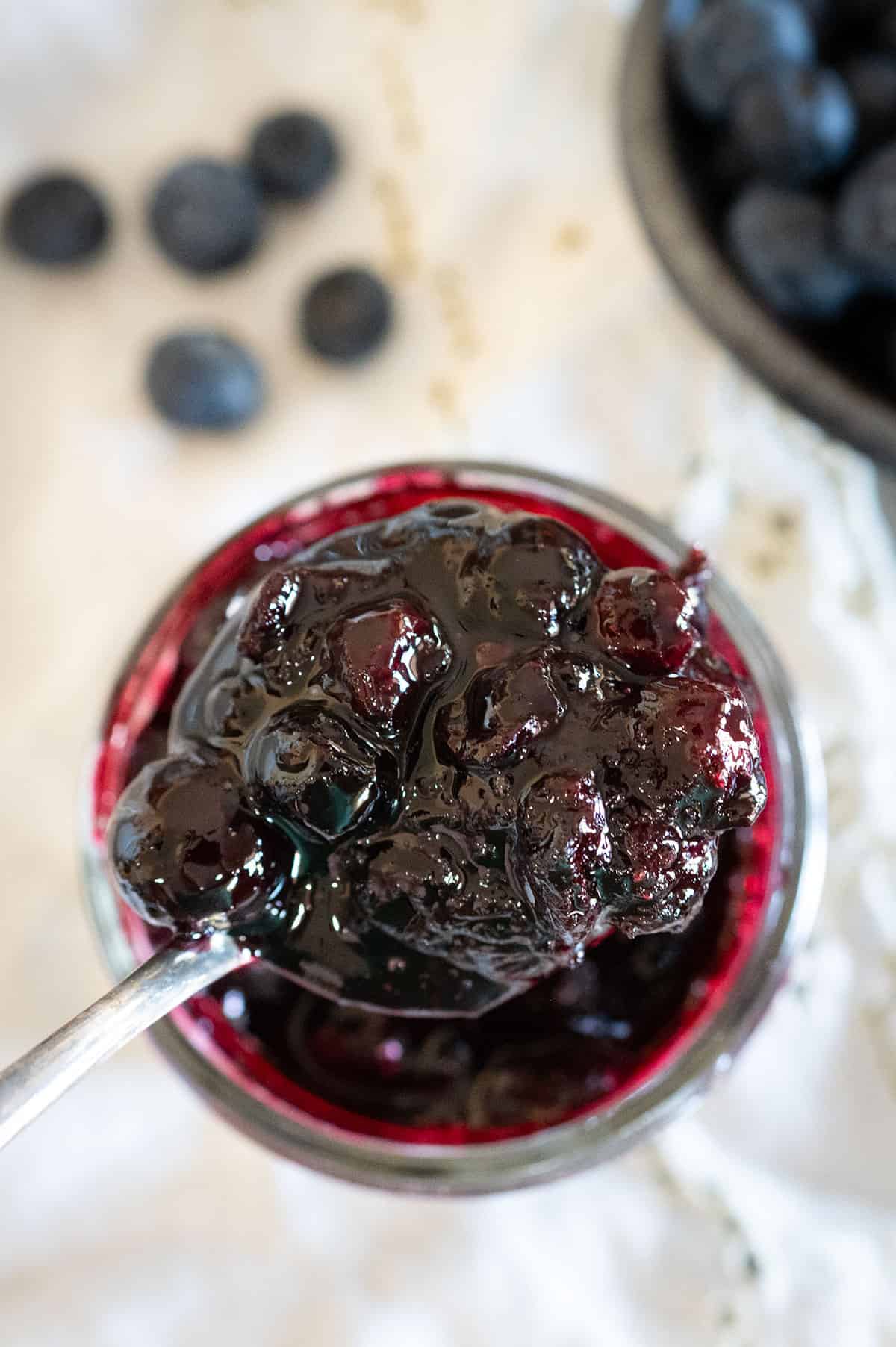
The genesis of this recipe stems from a desire to elevate everyday breakfast staples, offering a quick yet impactful upgrade to traditional maple syrup. Unlike a straightforward compote, this maple blueberry syrup achieves a desirable pourable consistency that beautifully coats pancakes and other breakfast favorites. Its creation requires minimal effort, making it an accessible recipe for home cooks of all skill levels. The simplicity belies the depth of flavor, a testament to the power of combining high-quality ingredients.
The Science Behind the Sweetness: Blueberry Transformation
The culinary process hinges on the natural properties of blueberries. When subjected to heat, their cell walls rupture, releasing their vibrant juices and natural sugars. This breakdown process, combined with a touch of added sugar, creates a concentrated fruit essence. The subsequent addition of maple syrup introduces a more complex sweetness, with its characteristic caramel and woody notes. This duality of flavors, the bright tartness of the blueberries and the deep sweetness of the maple, is what makes this syrup so captivating. The inclusion of salt, a seemingly minor addition, plays a crucial role in enhancing and balancing these flavors, preventing the syrup from tasting overly sweet or one-dimensional.

The texture of the finished syrup is another key element. It’s not merely a liquid; the partially broken-down blueberries provide delightful little bursts of fruitiness and a pleasing, slightly thicker consistency than plain syrup. This textural contrast adds another layer of enjoyment to each bite.
A Brief History of Breakfast Syrups and Their Evolution
Syrups have been a staple of breakfast tables for centuries. Traditionally, maple syrup, derived from the sap of maple trees, has been a cherished sweetener, particularly in North America. Its distinct flavor profile has made it a beloved accompaniment to pancakes, waffles, and French toast. Early forms of fruit-based sweeteners often involved slow simmering and preservation methods. The development of modern cooking techniques and ingredient accessibility has allowed for more rapid and nuanced creations.
The maple blueberry syrup represents a modern interpretation, blending the natural sweetness of fruit with the established elegance of maple. It acknowledges the heritage of traditional syrups while introducing a contemporary twist that appeals to evolving palates and the demand for quick, flavorful homemade options. The recipe’s efficiency also reflects a broader trend in home cooking, where busy lifestyles necessitate recipes that deliver maximum flavor with minimal time commitment.
Ingredients: The Foundation of Flavor
The beauty of this maple blueberry syrup lies in its short and accessible ingredient list. At its core are:
- Blueberries: Fresh or frozen, these provide the fruity base and vibrant color. Approximately 1 cup is typically used.
- Sugar: A small amount, usually around 1-2 tablespoons, helps to initiate the breakdown of the blueberries and enhances their natural sweetness.
- Water: A small quantity, often 2 tablespoons, aids in the initial cooking and release of blueberry juices.
- Real Maple Syrup: The star ingredient, contributing its signature flavor and liquid base. About 2 tablespoons are incorporated.
- Salt: A pinch is essential for balancing sweetness and enhancing all the other flavors.
These core ingredients can be further enhanced. For instance, some recipes might include a squeeze of lemon juice to brighten the blueberry flavor, or a touch of vanilla extract for added warmth. The original recipe, however, prioritizes simplicity and the pure interplay of blueberry and maple.
The Method: A Ten-Minute Culinary Marvel
The process is elegantly straightforward, designed for efficiency and ease:
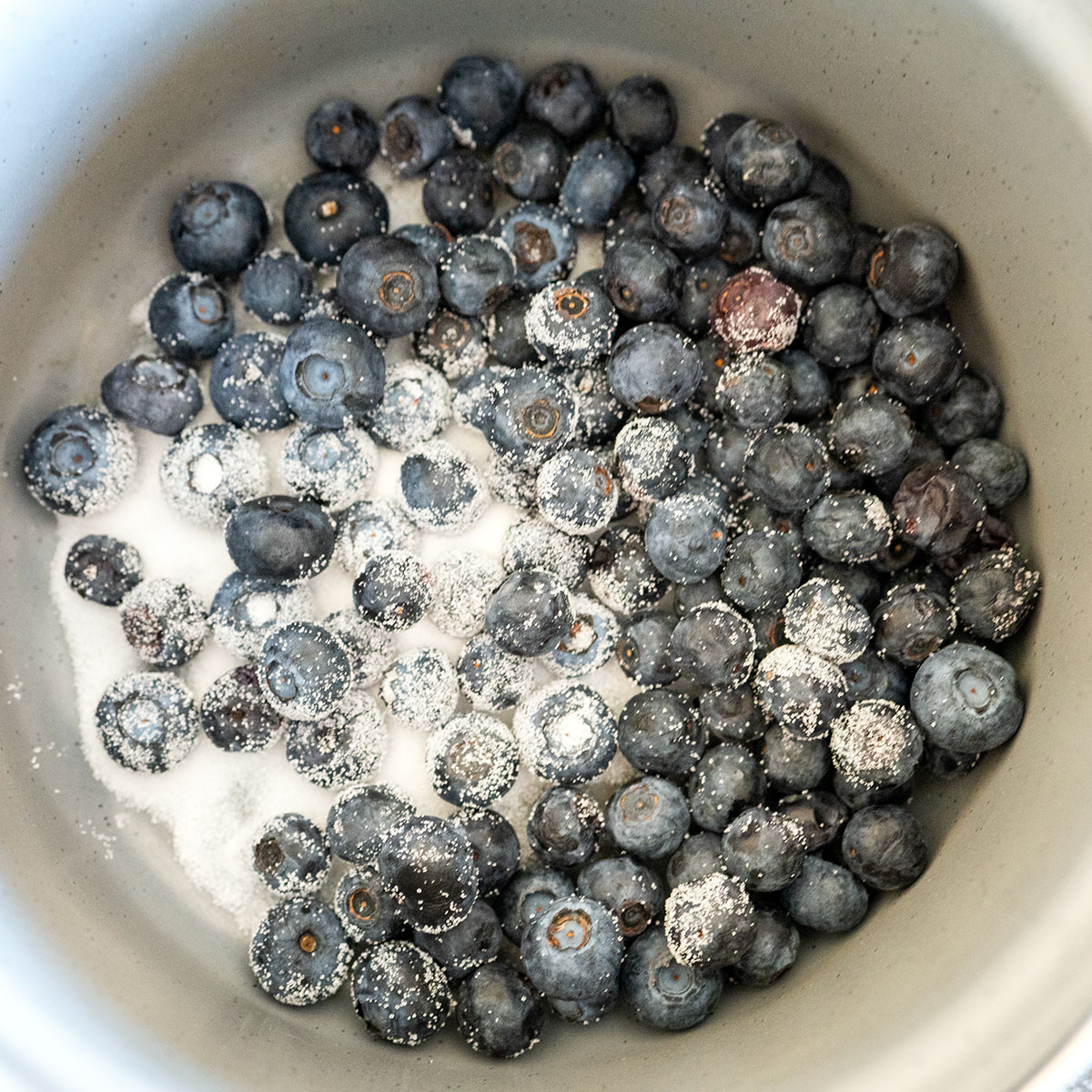
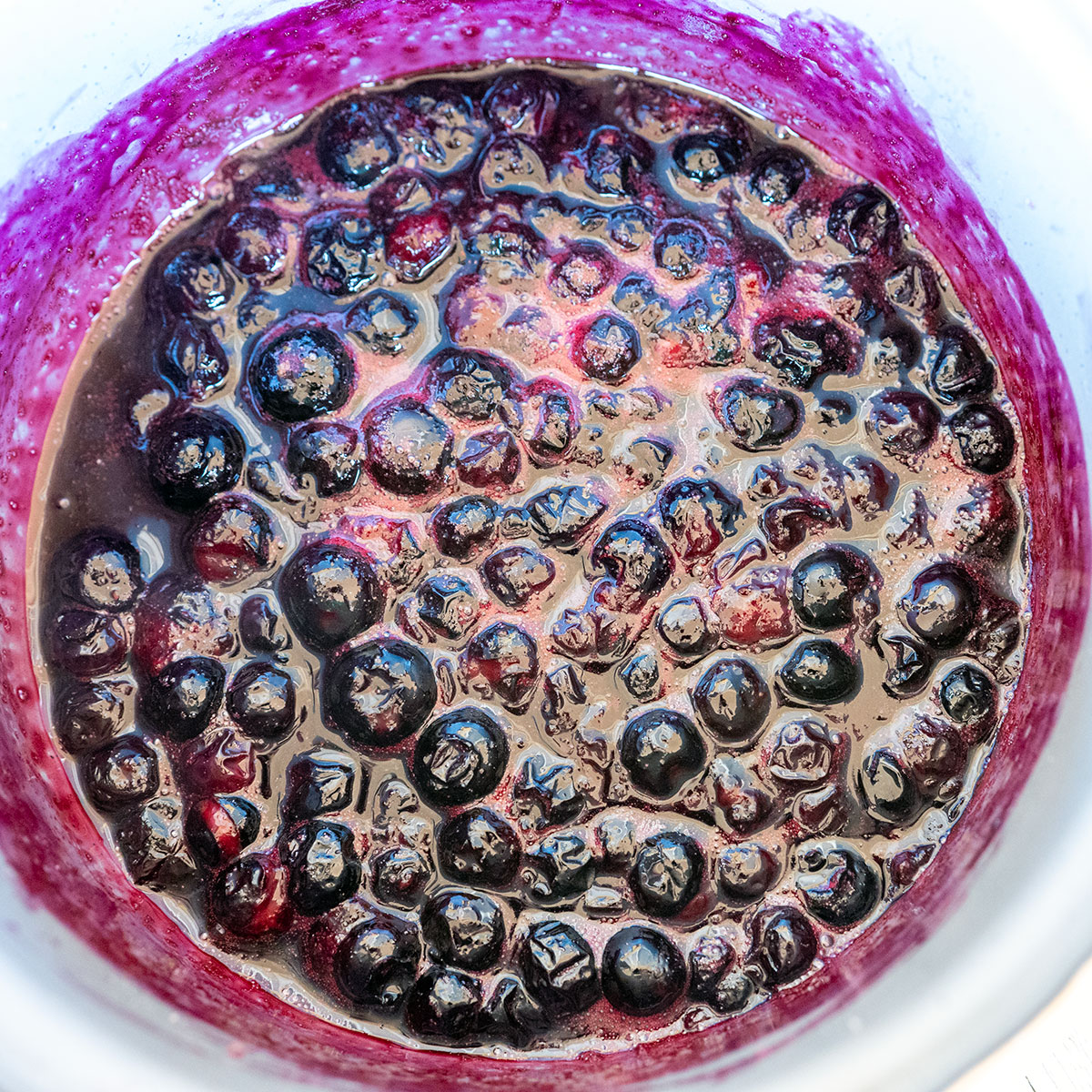
- Combine and Simmer: In a small saucepan, combine the blueberries, water, and sugar. Heat over medium heat, stirring occasionally. As the mixture heats, the blueberries will begin to soften and release their juices. This initial stage typically lasts about 5 minutes, culminating in a gentle boil.
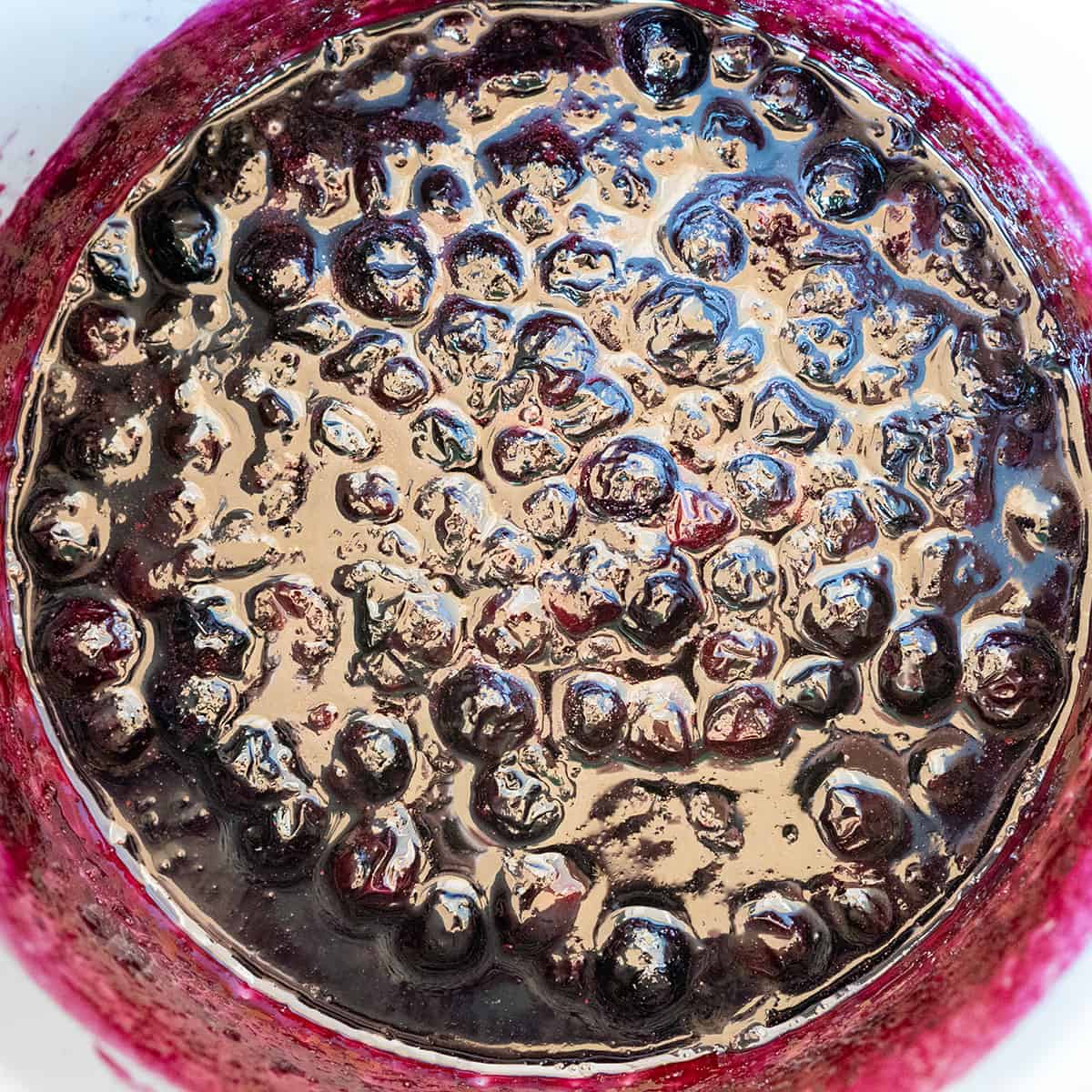
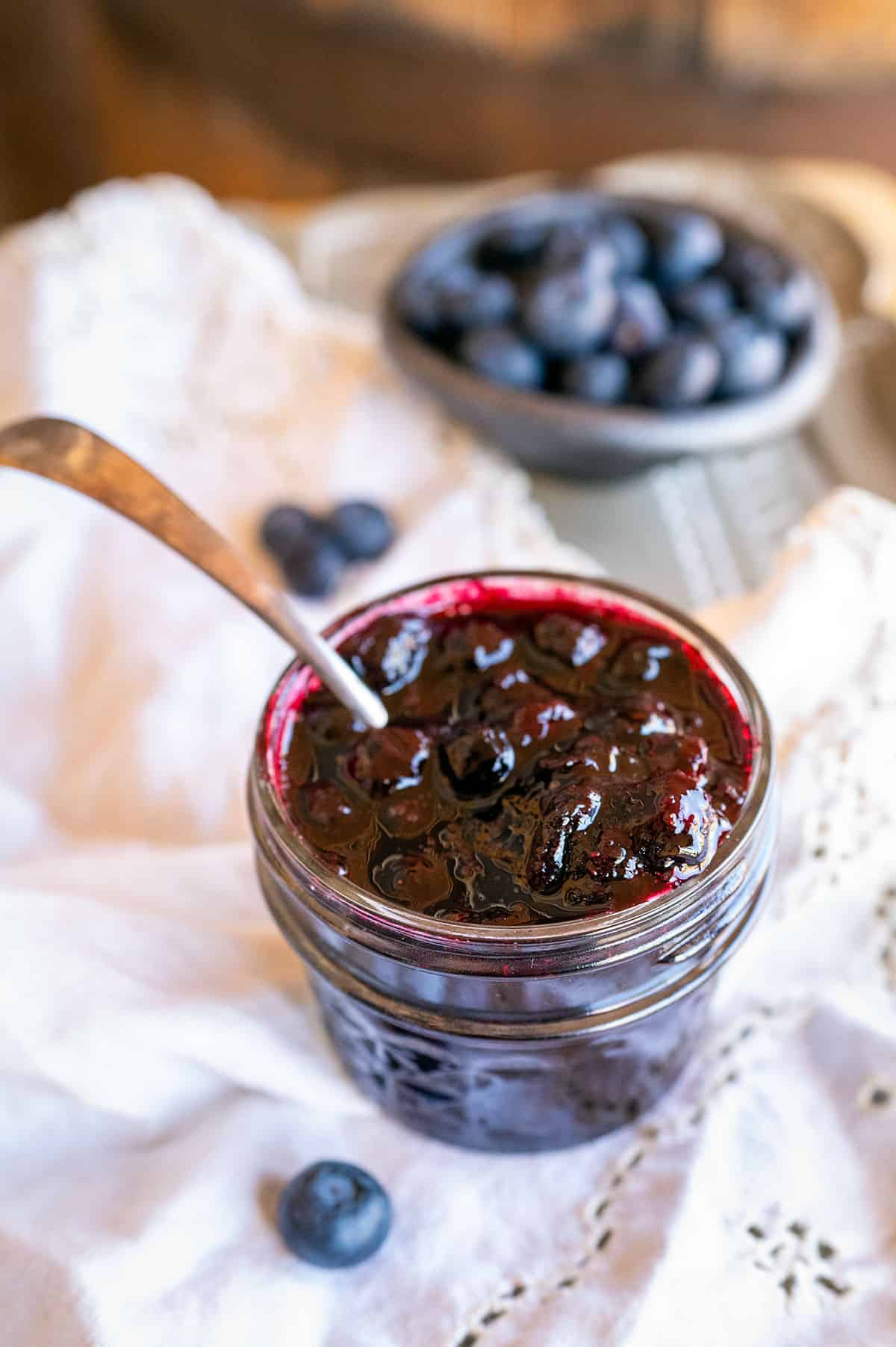
- Introduce the Maple and Salt: Once the blueberries have started to break down, stir in the maple syrup and a pinch of salt. Continue to cook for another 5 minutes, allowing the syrup to reduce and thicken to the desired consistency. The mixture will transform into a glossy, jam-like syrup with visible, softened blueberry pieces.
- Cool and Serve: Remove the saucepan from the heat. The syrup will continue to thicken slightly as it cools. It is best served warm, allowing its full aroma and flavor to be appreciated.
Nutritional Snapshot: A Sweet Indulgence
While this syrup is a delightful treat, understanding its nutritional profile provides context for its consumption. A typical serving (approximately 0.75 of the recipe’s yield) contains around 318 calories. The macronutrient breakdown shows approximately 80g of carbohydrates, with a significant portion being natural and added sugars (around 68g). Protein and fat content are minimal, around 1g each.
Micronutrient analysis reveals that the syrup offers some beneficial components, including dietary fiber (around 5g) and notable amounts of Vitamin A (107 IU) and Vitamin C (19mg) from the blueberries. It also provides essential minerals like potassium (272mg) and calcium (71mg), along with a small amount of iron (1mg). It is important to note that these figures are approximations and can vary based on the specific ingredients and quantities used.
Versatility Beyond Breakfast: Culinary Applications
While its primary role is as a breakfast enhancer, the applications for maple blueberry syrup extend far beyond. Its sweet and tangy profile makes it an excellent topping for:
- Desserts: Drizzled over ice cream, cheesecake, yogurt parfaits, or pound cake, it adds a burst of fruity flavor.
- Baked Goods: Incorporated into muffin batter, cake frosting, or as a glaze for pastries.
- Savory Dishes: Surprisingly, the syrup can complement certain savory items. A small amount can be used to glaze grilled pork chops or chicken breasts, adding a touch of sweetness and fruitiness that balances the savory notes. Some chefs even suggest incorporating a hint of garlic powder or fresh thyme when using it with proteins for a more complex flavor profile.
Storage and Preservation: Extending the Sweetness
Proper storage ensures the longevity and quality of the homemade maple blueberry syrup. Once cooled to room temperature, it should be transferred to an airtight container or a clean glass jar. Refrigeration is key, and the syrup will remain fresh for up to one week.
When ready to use, the syrup can be gently reheated. This can be done either in a small saucepan over low heat, stirring constantly, or in short intervals in a microwave. Reheating helps to loosen the syrup, as it tends to thicken considerably when chilled. This ensures a smooth, pourable consistency for optimal enjoyment.
Adaptations and Variations: A World of Flavor Possibilities
The beauty of this recipe lies in its adaptability. Those seeking to explore different flavor profiles can easily make substitutions:

- Berry Variations: Blackberries or raspberries can be used in place of blueberries, offering a different spectrum of tartness and flavor. Each berry will bring its unique characteristics to the syrup.
- Sweetener Alternatives: While maple syrup provides a distinct flavor, honey or agave nectar can be used as substitutes for those seeking a different depth of sweetness. These alternatives will alter the overall flavor profile but will still result in a delicious fruit syrup.
- Spice Infusions: For those who enjoy a more complex flavor, a small amount of cinnamon, nutmeg, or even a touch of ginger can be added during the simmering process.
These variations allow for personalization, enabling home cooks to tailor the syrup to their specific preferences and culinary needs.
Conclusion: A Simple Recipe, Extraordinary Results
The maple blueberry syrup stands as a testament to the power of simple ingredients and efficient techniques. In just ten minutes, one can create a versatile and delicious topping that elevates breakfast and dessert to new heights. Its appeal lies not only in its ease of preparation but also in the delightful balance of flavors and textures it offers. This recipe is more than just a way to use up blueberries; it’s an invitation to savor the everyday, transforming ordinary ingredients into something truly special. It encourages a thoughtful approach to cooking, demonstrating that culinary excellence doesn’t always require extensive time or complex procedures. The promise of a kitchen filled with the scent of Sunday mornings and the joy of a perfectly drizzled pancake is now a readily achievable reality.