
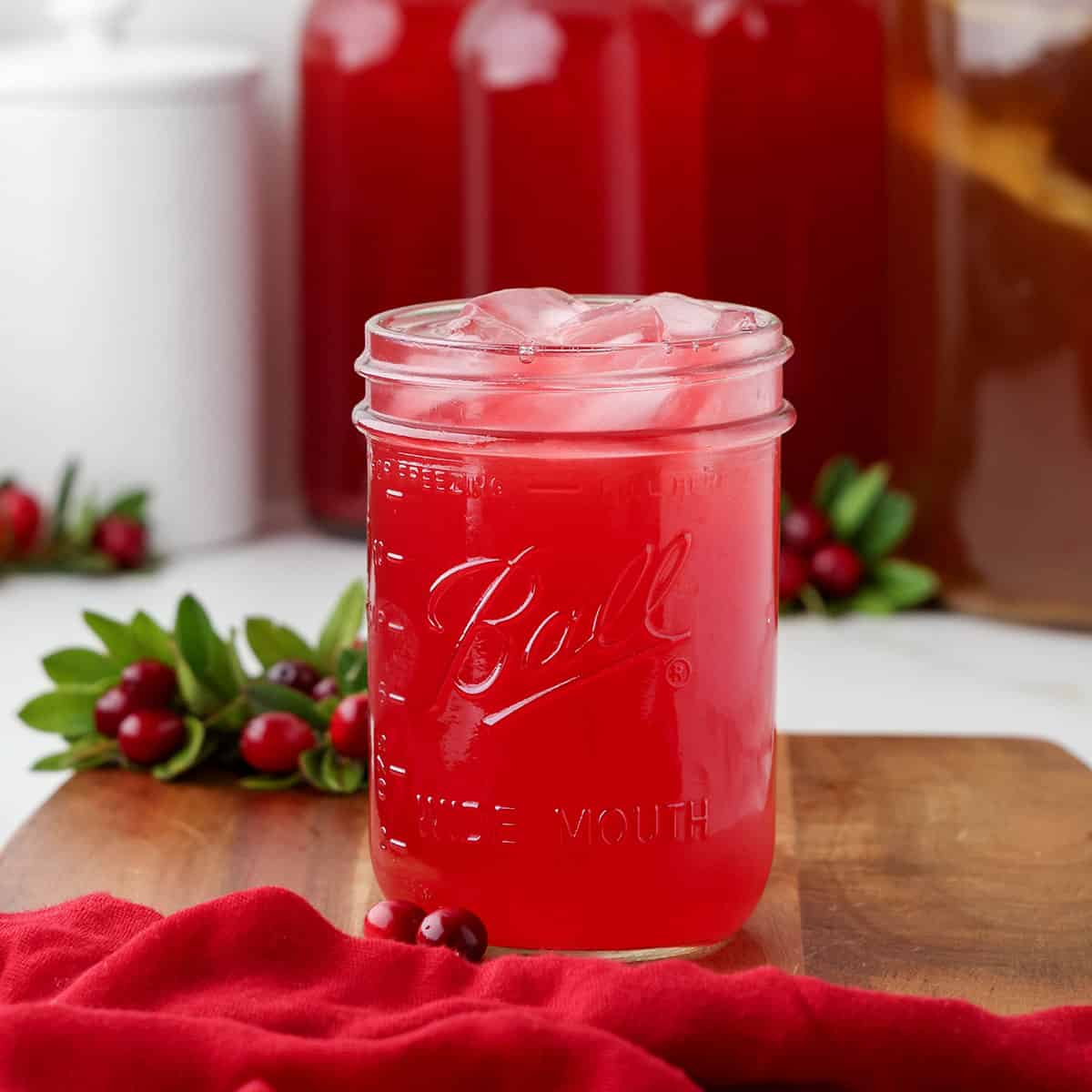
The artisanal beverage industry has witnessed a significant pivot toward functional, fermented drinks, with seasonal variations like cranberry orange kombucha emerging as a focal point for both home brewers and commercial producers. As consumers increasingly prioritize gut health and immune support, particularly during the winter months, the integration of North American cranberries and citrus into the secondary fermentation of kombucha represents a strategic intersection of traditional preservation and modern nutritional science. This beverage, characterized by its tart profile and effervescent finish, utilizes a complex biochemical process to transform simple tea and fruit sugars into a probiotic-rich tonic.
The Evolution of Kombucha: From Ancient Remedy to Global Commodity
Kombucha, a fermented tea believed to have originated in Northeast China or Manchuria around 220 B.C., has transitioned from a niche folk remedy to a multi-billion-dollar global industry. Market analysis indicates that the global kombucha market was valued at approximately USD 2.64 billion in 2021 and is projected to expand at a compound annual growth rate (CAGR) of 15.6% through 2030. This growth is driven largely by the "functional beverage" movement, where consumers seek drinks that offer health benefits beyond basic hydration.
The introduction of seasonal flavors, such as cranberry and orange, serves to maintain consumer engagement throughout the fiscal year. Cranberries, primarily harvested in the United States and Canada between September and November, provide a natural acidic profile that complements the acetic acid produced during kombucha’s primary fermentation. When paired with orange—a staple of winter citrus harvests—the resulting beverage aligns with seasonal consumer psychology, emphasizing "winter wellness" and festive flavor profiles.
The Biochemistry of the Second Fermentation
The production of cranberry orange kombucha is a two-stage process. The primary fermentation involves the use of a SCOBY (Symbiotic Culture of Bacteria and Yeast) to ferment sweetened black or green tea. During this phase, yeasts convert sucrose into ethanol and carbon dioxide, while acetic acid bacteria (AAB) convert the ethanol into organic acids, including acetic, gluconic, and glucuronic acids.
The secondary fermentation, or "flavoring stage," is where the cranberry orange profile is established. Unlike the primary stage, which requires oxygen (aerobic), the second fermentation is typically conducted in airtight, pressurized vessels (anaerobic).
- Sugar Metabolism: The introduction of cranberry syrup—a concentrated mixture of cranberry juice, zest, and organic cane sugar—provides a fresh fuel source for the remaining yeast.
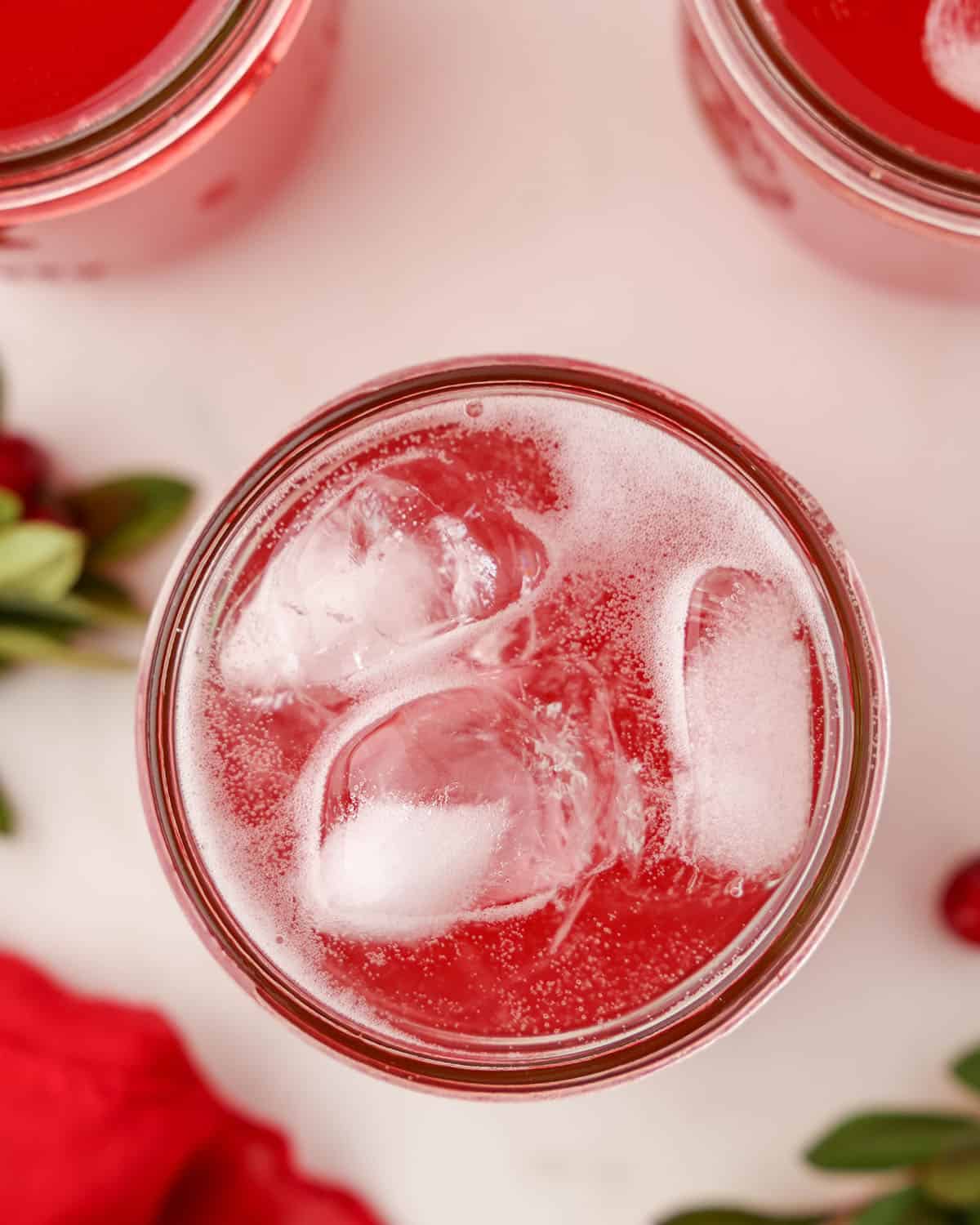
- Carbonation Development: As the yeast metabolizes the fructose and glucose in the syrup, it produces additional carbon dioxide. Because the vessel is sealed, the CO2 is forced into the liquid, creating the characteristic "fizz" or natural carbonation.
- Flavor Infusion: The low pH of the kombucha (typically between 2.5 and 3.5) facilitates the extraction of essential oils from the orange peel and polyphenols from the cranberries, integrating the flavors at a molecular level.
Nutritional Synergy: The Role of Cranberries and Vitamin C
The health implications of cranberry orange kombucha extend beyond the presence of probiotics like Lactobacillus and Saccharomyces. Cranberries (Vaccinium macrocarpon) are recognized in clinical literature for their high concentration of proanthocyanidins (PACs). These compounds are specifically noted for their ability to inhibit the adhesion of P-fimbriated Escherichia coli to the uroepithelial cells, thereby serving as a preventative measure against urinary tract infections (UTIs).
Furthermore, the addition of fresh orange juice and zest significantly increases the beverage’s Vitamin C (ascorbic acid) content. In a standard 16-ounce serving of cranberry-infused kombucha, the antioxidant capacity is heightened by the presence of quercetin and anthocyanins. These phytochemicals work synergistically with the organic acids produced during fermentation to support metabolic health and reduce oxidative stress. Nutritionists point out that while the fermentation process consumes much of the added sugar, the bioavailability of the fruit’s nutrients often increases, making the vitamins easier for the body to assimilate.

Standardized Production Protocol: A Chronological Framework
To achieve a shelf-stable and organoleptically pleasing product, producers follow a rigorous timeline. The following chronology outlines the transition from raw ingredients to a finished cranberry orange ferment.
Phase I: The Syrup Reduction (Days 1)
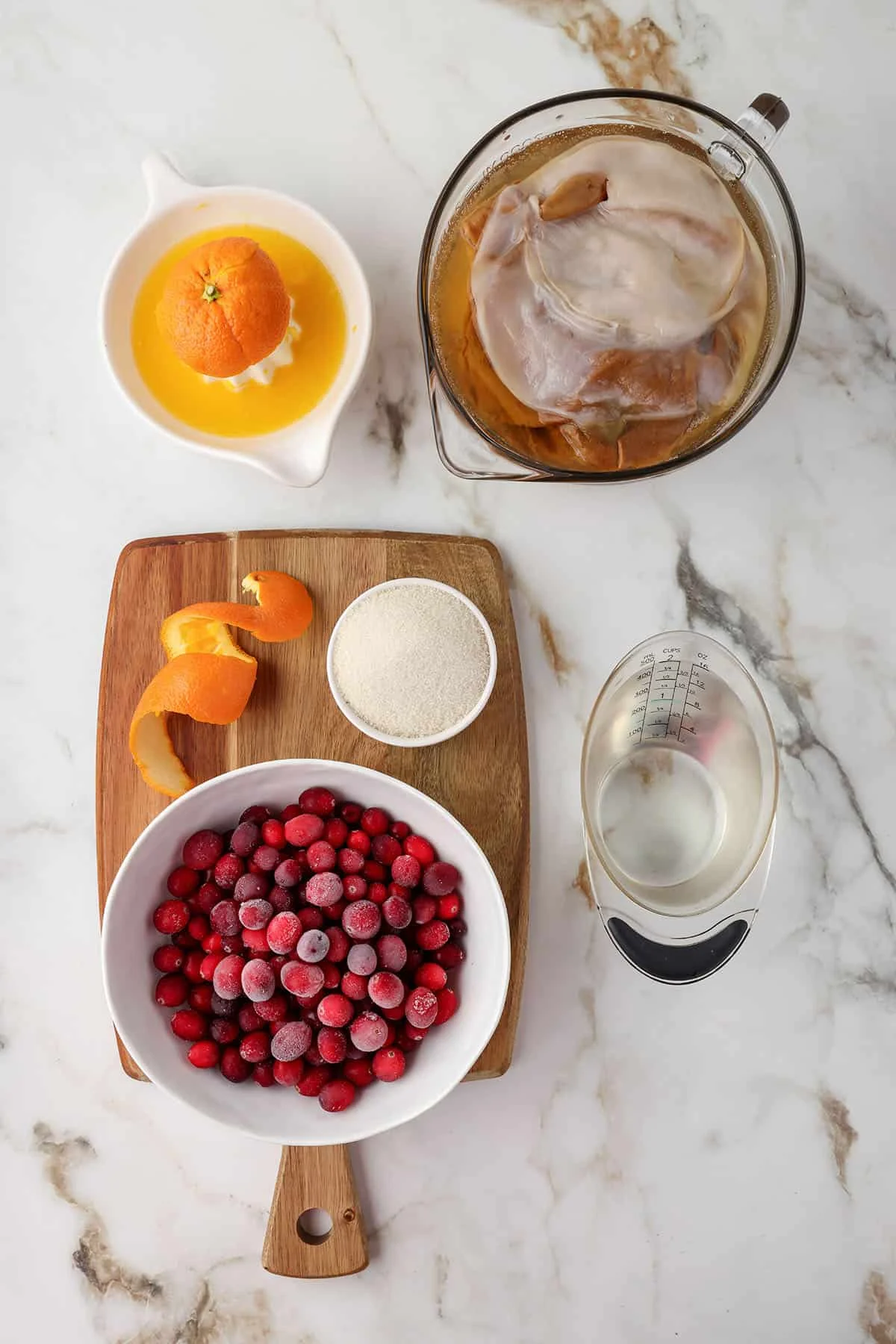
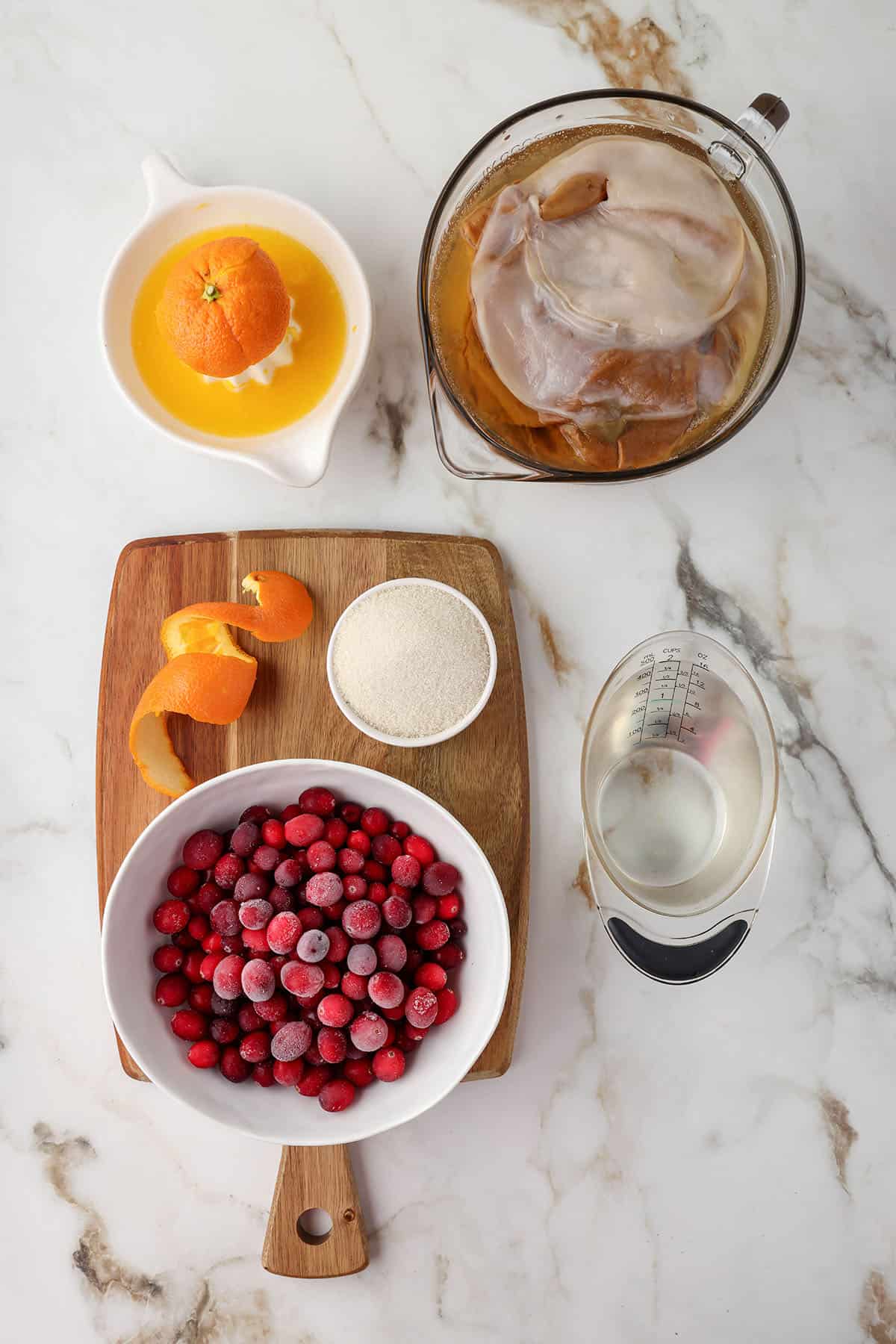
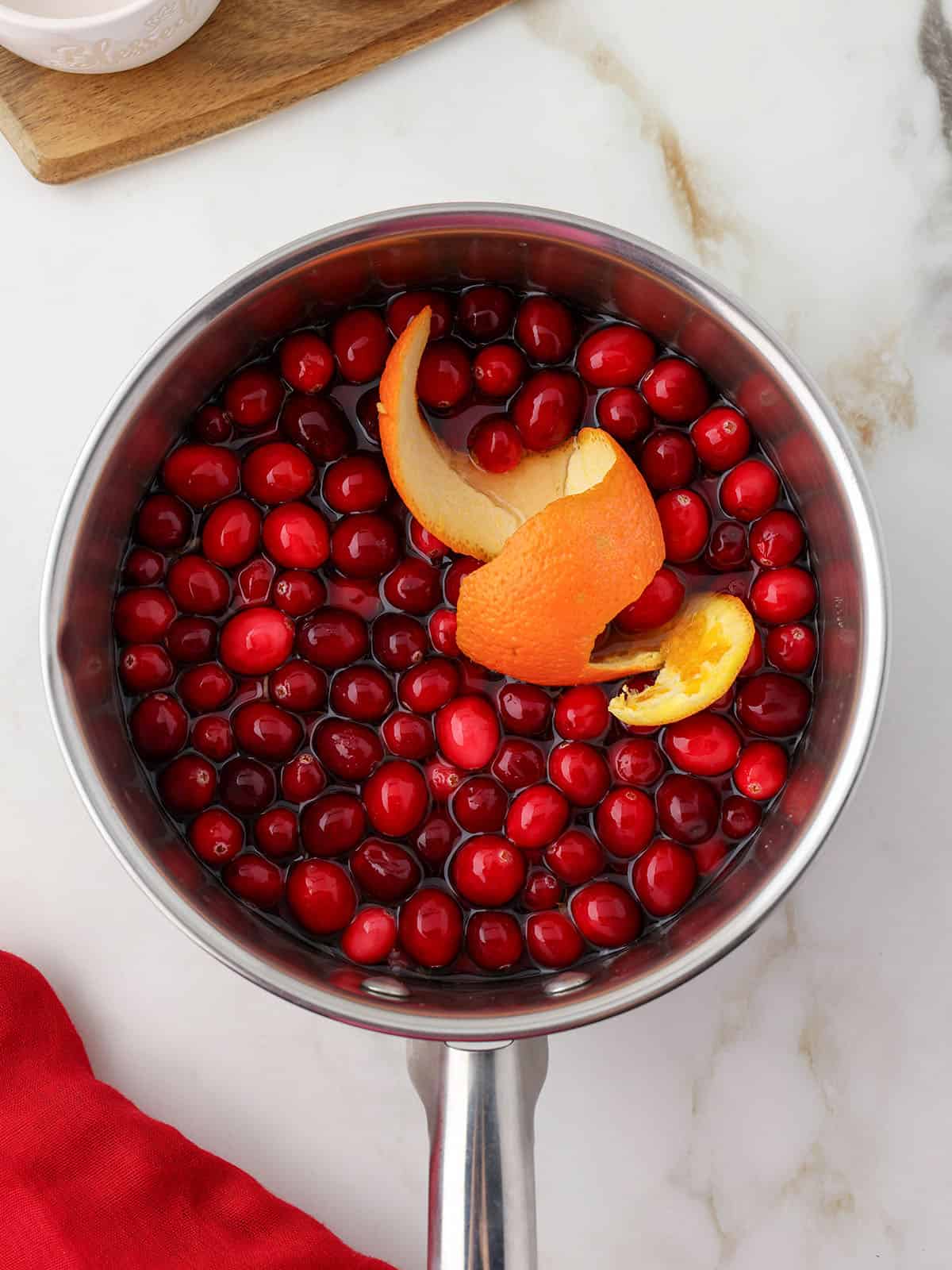
The process begins with the creation of a stable flavor base. One cup of fresh or frozen cranberries is combined with one cup of organic cane sugar, the juice of one orange, and its zest. This mixture is simmered for approximately 5 to 7 minutes. This thermal processing serves two purposes: it breaks down the tough cellular structure of the cranberry to release juice and pectin, and it ensures the syrup is sterile before being introduced to the live kombucha culture. The mixture is سپس mashed and infused for 15 minutes before being strained through a fine-mesh sieve to remove solids.
Phase II: Integration and Bottling (Day 1, Post-Cooling)
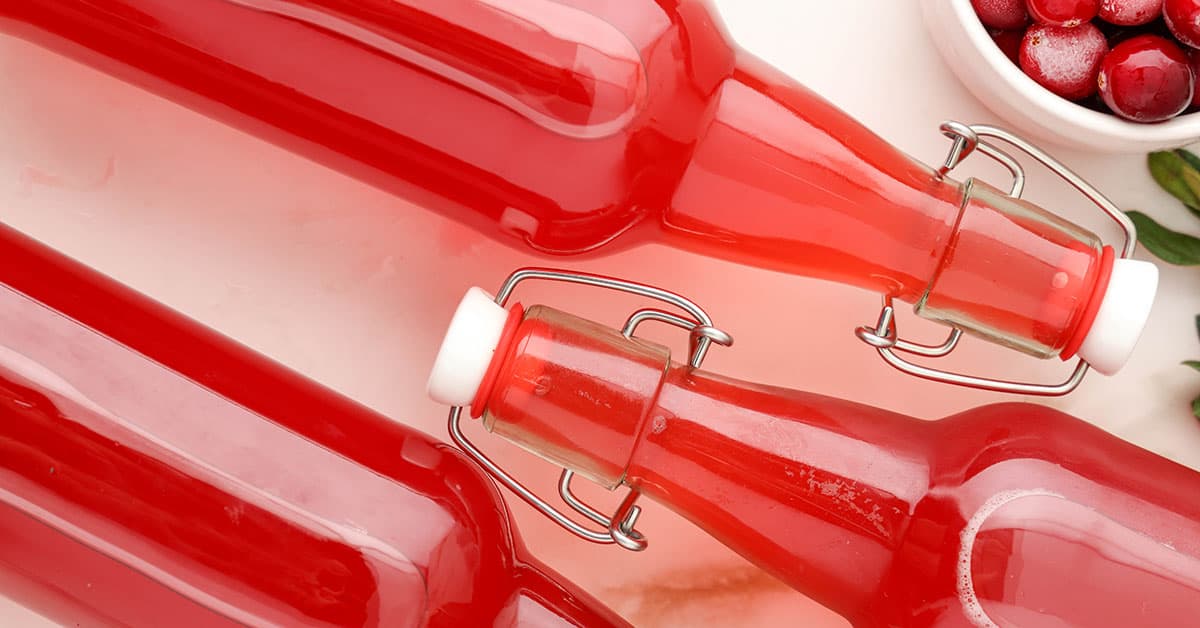
Once the syrup has reached room temperature, it is blended with active kombucha—usually at a ratio of approximately 2 cups of syrup to 7 cups of tea. The mixture is transferred into pressure-rated, swing-top bottles. Precision in "headspace" (the gap between the liquid and the cap) is critical; leaving 1 to 2 inches allows for safe gas expansion.
Phase III: Secondary Fermentation (Days 2–4)
The bottles are stored in a dark environment at temperatures between 68°F and 78°F. During this 48-to-72-hour window, the "fizz" develops. Producers often perform a "burp" test—momentarily opening a bottle to gauge pressure levels—to prevent "bottle bombs," a common risk in home fermentation where excessive CO2 leads to glass failure.

Phase IV: Refrigeration and Stabilization (Day 4 and Beyond)
Once the desired carbonation level is achieved, the bottles are moved to cold storage (34°F to 40°F). This temperature drop effectively puts the yeast into a dormant state, slowing further sugar consumption and stabilizing the flavor profile for consumption.
Safety Parameters and Risk Mitigation in Home Brewing
While the DIY fermentation movement has empowered consumers, it has also raised concerns regarding food safety and physical hazards. Microbiologists emphasize the importance of maintaining a low pH to prevent the growth of pathogens such as Clostridium botulinum. The inherent acidity of kombucha, bolstered by the citric acid in oranges and the quinic acid in cranberries, generally creates a self-sterilizing environment.

However, the primary risk remains physical. The use of decorative, non-pressure-rated glass bottles is a frequent cause of injury in home brewing. Journalistic investigations into home fermentation accidents highlight the necessity of using fermentation-grade borosilicate glass or reinforced flip-top bottles designed to withstand internal pressures exceeding 100 PSI.
Market Implications and Consumer Trends
The rise of cranberry orange kombucha reflects a broader shift in the "sober curious" movement. As more individuals reduce alcohol consumption, complex, fermented beverages are filling the void of traditional cocktails. The tartness of the cranberry and the aromatic complexity of the orange peel provide a sophisticated palate experience that mimics the acidity and "bite" of alcoholic drinks without the intoxicant.
Retailers have noted that seasonal rotations of kombucha can increase category sales by up to 20% during the fourth quarter. This suggests that the "limited time offering" (LTO) model, long used by fast-food chains and coffee giants, is equally effective in the health food sector. By positioning cranberry kombucha as a holiday digestive aid, brands tap into the consumer need for "guilt-free" indulgence during a season characterized by high-sugar diets.
Broader Impact and Conclusion
The production of cranberry orange kombucha is more than a culinary trend; it is a manifestation of the convergence between traditional agriculture and functional biology. By utilizing seasonal surpluses of cranberries and citrus, the fermentation industry supports agricultural stability while providing consumers with a nutrient-dense alternative to processed sodas.
As research continues into the human microbiome, the role of fermented liquids as a delivery system for antioxidants and probiotics will likely expand. Cranberry orange kombucha stands as a prime example of how specific ingredient pairings can maximize both health utility and sensory appeal. Whether produced in a commercial facility or a home kitchen, the beverage represents a commitment to the slow, biological process of transformation—a sharp contrast to the instant-gratification nature of modern food production. In the broader context of public health, the shift toward such beverages may contribute to a long-term reduction in sugar-related metabolic disorders, proving that traditional fermentation remains a vital tool in the modern nutritional arsenal.


