
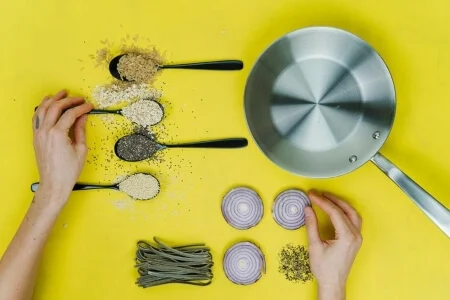
The pervasive allure of televised cooking competitions has irrevocably reshaped the United Kingdom’s culinary landscape, transforming ordinary home cooks into celebrated figures whose passion and skill now rival, and often influence, established gastronomy. It is a testament to the power of popular media that programmes like MasterChef UK and Britain’s Best Home Cook have not merely entertained millions but have also served as formidable launchpads for a new generation of chefs. These individuals, initially driven by an inherent love for food rather than formal training, have demonstrated that culinary excellence is not solely confined to professional kitchens or Michelin-starred establishments, but can flourish with dedication and innate talent. Their journey from amateur status to prominent culinary roles underscores a broader cultural shift towards appreciating accessible, relatable, and innovative home cooking.
The phenomenon of the amateur chef transitioning into a professional culinary career is a relatively modern one, largely catalyzed by the advent and widespread popularity of reality cooking television. Before the early 2000s, the path to becoming a recognized chef was predominantly through apprenticeships, culinary schools, and years of arduous work in restaurant brigades. While this traditional route remains vital, cooking shows have democratized the entry points, offering a rapid, high-visibility platform for individuals with exceptional skill and unique culinary voices. These programmes resonate deeply with audiences because they showcase relatable figures overcoming challenges, learning new techniques, and, crucially, making complex dishes seem achievable. This accessibility has inspired countless home cooks to experiment in their own kitchens, fostering a nationwide enthusiasm for food preparation and culinary exploration.
The Television Catalyst: MasterChef and Beyond
The impact of shows like MasterChef UK, which first aired in its modern format in 2005, cannot be overstated. With peak viewership often exceeding five million, these competitions provide an unparalleled audience for aspiring chefs. Contestants are put through rigorous challenges that test not only their technical ability but also their creativity, palate, and resilience under pressure. Success on such a platform instantly confers a degree of credibility and recognition that would traditionally take decades to achieve. For many, participation is not just about winning; it is about the invaluable experience, the mentorship from celebrity judges, and the exposure to industry opportunities that follow. The narrative of an ‘everyday person’ achieving culinary stardom resonates deeply, creating a powerful aspirational effect that fuels the cycle of amateur talent discovery.
Tony Rodd: From Financial Markets to Fine Dining Finalist
Tony Rodd’s journey exemplifies the transformative power of these culinary contests. Prior to his appearance on MasterChef UK in 2015, where he remarkably reached the final, Rodd had a career far removed from the kitchen, working in financial services. His foray into the culinary spotlight was initially unplanned, spurred by the encouragement of friends who recognized his latent talent and passion for cooking. Rodd’s narrative challenges the conventional career trajectory, demonstrating that a deep-seated love for food can ignite a radical professional shift later in life.
During his time on the show, Rodd quickly became known for his meticulous approach to ingredients and his flair for combining classic techniques with modern presentation. His culinary philosophy centres on utilizing the best seasonal produce, believing that the quality of ingredients is paramount to a dish’s success. While adept at crafting all courses, Rodd harbours a particular affinity for meat, often expressing an interest in butchery and understanding the anatomical aspects that contribute to flavour and texture. However, it was his desserts that often stole the show and garnered significant acclaim. His caramel frappuccino, though seemingly a common beverage, was elevated into a signature dessert through an intricate deconstruction and reassembly. This complex creation typically involved a delicate mousse-filled chocolate tube, crunchy biscotti, a flavourful crumb, a luxurious ice cream, a complementary gel, a light chantilly cream, and intricate sugar work, transforming a simple drink into a multi-textured, visually stunning culinary experience. Following his MasterChef success, Rodd embraced his newfound culinary vocation, establishing a private catering business where he crafts bespoke menus and specialty dishes for clients, cementing his reputation as a versatile and imaginative chef.
Pippa Middlehurst: The Scientist with a Pan-Asian Palate
Pippa Middlehurst represents another compelling trajectory, illustrating how a scientific mind can find its ultimate expression in the culinary arts. Before captivating audiences on Britain’s Best Home Cook, Middlehurst worked as an Oncology research biobank technician, a profession demanding precision and analytical thinking. Her entry into professional cooking was remarkable given her lack of formal kitchen training; she attributes her entire culinary knowledge and skill set to her grandmother, a testament to the enduring power of familial traditions and home learning.
Middlehurst’s culinary focus gravitated towards Asian cuisine, particularly Chinese dishes, a preference nurtured by her childhood experiences. Her deep dive into the nuances of Asian flavours and techniques, from crafting intricate dumplings to perfecting noodle dishes, distinguished her on the show. Beyond the competition, Middlehurst continued to cultivate her passion, maintaining a popular cookery blog while also working as a culinary assistant. Her story reflects a growing trend where food enthusiasts leverage digital platforms to share their culinary explorations, often while balancing existing careers, before potentially pursuing food full-time. This dual-track approach allows for organic growth and community building around their unique culinary specialities, proving that a passion project can indeed evolve into a professional calling.
Mark Stinchcombe: MasterChef Champion’s Farm-to-Fork Vision

Mark Stinchcombe, the victor of MasterChef: The Professionals in 2015, offers a narrative that bridges the gap between amateur inspiration and professional execution. Stinchcombe’s initial spark for cooking was ignited by an enthusiastic Home Economics teacher, underscoring the vital role of early education in fostering vocational interests. In interviews, including one with AmateurChef UK, he shared that his continuous development stems from a consistent practice of eating out and immersing himself in cookbooks, a common recommendation for aspiring chefs to broaden their palate and develop their own unique style.
Stinchcombe’s culinary approach emphasizes seasonal and locally sourced ingredients, a philosophy deeply ingrained in his personal and professional life. He particularly champions Jerusalem artichokes for their versatility and earthy flavour, incorporating them into a myriad of dishes. His signature dish, a braised prime cut beef, exemplifies his commitment to rich, profound flavours, often enhanced by a charcoal emulsion that adds depth and a subtle smokiness. This emphasis on quality meat is further supported by his family’s farm, which directly supplies their restaurant, Eckington Manor. Following his triumph on MasterChef, the demand for his cuisine soared, necessitating the opening of Eckington Manor even on Sundays to accommodate the influx of diners eager to experience his award-winning food. His success story highlights how televised exposure can significantly boost a culinary business, transforming a local establishment into a regional destination and showcasing their commitment to a farm-to-table ethos.
Matt Tebbutt: The Honorary Welshman’s Culinary Evolution
Matt Tebbutt, a figure widely recognized from British food television, presents a career path that began with an unexpected pivot. Born in High Wycombe, Tebbutt eventually made his home in Wales, a region he affectionately refers to as his adopted home. His early academic pursuits at Oxford Brookes University included Geography, where he was also a member of the university air squadron. However, a decision not to join the RAF led him to pursue his burgeoning passion for food. His culinary awakening was significantly influenced by extensive family travels through France and Italy, where he developed a profound appreciation for fresh, regional ingredients and diverse culinary traditions.
Tebbutt honed his skills through stints in various reputable restaurants before establishing his own acclaimed restaurant in Wales. His cooking style is characterized by a blend of classic techniques with a comforting, approachable sensibility. One of his celebrated dishes, Fried Chicken with Macaroni Cheese, perfectly encapsulates this philosophy. The chicken is typically marinated for an extensive eight hours to maximize flavour and tenderness, then coated in a meticulously balanced seasoning mixture before being deep-fried to a golden crisp. The accompanying Macaroni Cheese is far from ordinary; it’s a rich, decadent concoction featuring a blend of Gruyère and Parmesan cheeses, enriched with robust chicken stock, double cream, a velvety béchamel sauce, a hint of Dijon mustard for sharpness, and fragrant thyme leaves. This elevated take on two beloved comfort food classics showcases Tebbutt’s ability to transform familiar dishes into sophisticated yet immensely satisfying culinary experiences, appealing to a broad audience who appreciate both tradition and refined execution.
Andi Oliver: A Multifaceted Culinary and Media Maven
Andi Oliver stands out as a true polymath in the British creative and culinary scene. Beyond her celebrated role as a chef, she is a distinguished food presenter, astute businesswoman, prominent television and radio broadcaster, and even has a background as a musician. This remarkable versatility underscores a career driven by an insatiable curiosity and boundless energy. Her obsession with food began at an early age, famously hosting her first dinner parties at just 12 years old, foreshadowing a lifelong dedication to the art of entertaining and feeding people.
Oliver’s vibrant personality and deep culinary knowledge have made her a natural fit for television, including her respected tenure as a judge on the prestigious Great British Menu. Her approach to cooking is often characterized by bold flavours and a generous spirit, making her dishes both comforting and exciting. A prime example is her Slow-cooked Five-Spice Pork Belly with Three-Cheese Polenta. The polenta itself is a rich affair, cooked with savoury chicken stock, quick-cook cornmeal, and a luxurious blend of three distinct cheeses: robust cheddar, piquant blue cheese, and nutty Emmental, all finished with unsalted butter for creaminess. The pork belly is rubbed with a fragrant five-spice blend—typically comprising bay leaves, cloves, star anise, cinnamon, and coriander—before being slow-roasted to achieve tender meat and crispy skin. Served alongside braised fennel, this dish is a masterclass in balancing rich textures and aromatic spices, offering a sophisticated yet comforting meal ideal for family gatherings or entertaining friends. Oliver’s influence extends beyond her recipes; through her various media platforms, she champions diverse culinary traditions and encourages home cooks to embrace creativity and flavour.
The Enduring Appeal and Future of Amateur Cuisine
The stories of these chefs—Tony Rodd, Pippa Middlehurst, Mark Stinchcombe, Matt Tebbutt, and Andi Oliver—collectively paint a vivid picture of the modern culinary landscape in the UK. They demonstrate that the journey to culinary recognition is no longer singular but multifaceted, accessible through various avenues from reality television to digital platforms. Their success has profound implications for the industry, fostering greater diversity in cooking styles, ingredients, and the very definition of a "chef."
A recurring theme, subtly woven through many of their signature dishes, is the versatile and beloved ingredient: cheese. From Matt Tebbutt’s indulgent Gruyère and Parmesan macaroni cheese to Andi Oliver’s three-cheese polenta featuring cheddar, blue cheese, and Emmental, cheese consistently features as a star component. It’s an ingredient that speaks to both comfort and sophistication, capable of transforming simple dishes into rich, flavourful experiences, making it a perennial favourite for amateur and professional chefs alike. Its ability to add depth, creaminess, and a distinct savoury profile ensures its prominent place in a wide array of culinary creations, from everyday meals to gourmet delights.
The rise of the amateur chef phenomenon has undeniably inspired countless individuals to follow their culinary passions, regardless of their age or prior professional background. It underscores a fundamental truth: cooking, at its heart, is a craft born of passion, curiosity, and experience. These chefs, by demonstrating that exceptional food can be created without necessarily adhering to traditional career paths, have democratized the culinary world. They serve as powerful reminders that if one possesses a genuine love for good food and the dedication to master its preparation, the potential to create, innovate, and even lead in the culinary arena is within reach, blurring the lines between amateur and professional and enriching the gastronomic tapestry of the nation.


