
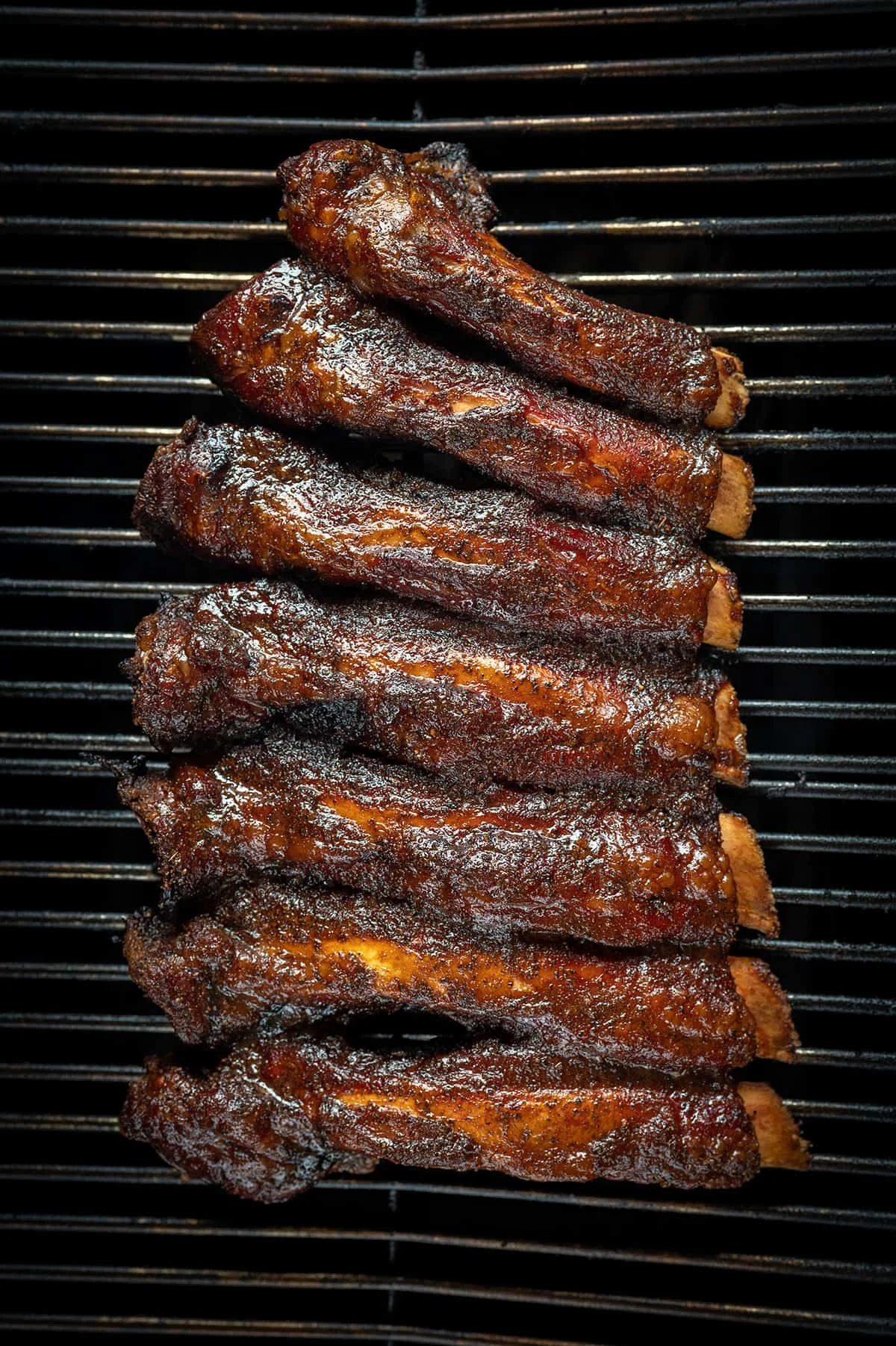
Smoked beef back ribs stand out as a remarkably cost-effective option for enthusiasts looking to elevate their barbecue game without breaking the bank. While they may carry a smaller price tag compared to their more heavily meated counterparts like short ribs or plate ribs, these back ribs offer a concentrated burst of rich, beefy flavor that, with the right approach to seasoning, smoking, and saucing, rivals more expensive cuts. Their more modest size belies the intense flavor packed between the bones, making them a strategic choice for both casual backyard cooks and competitive barbecue participants alike.
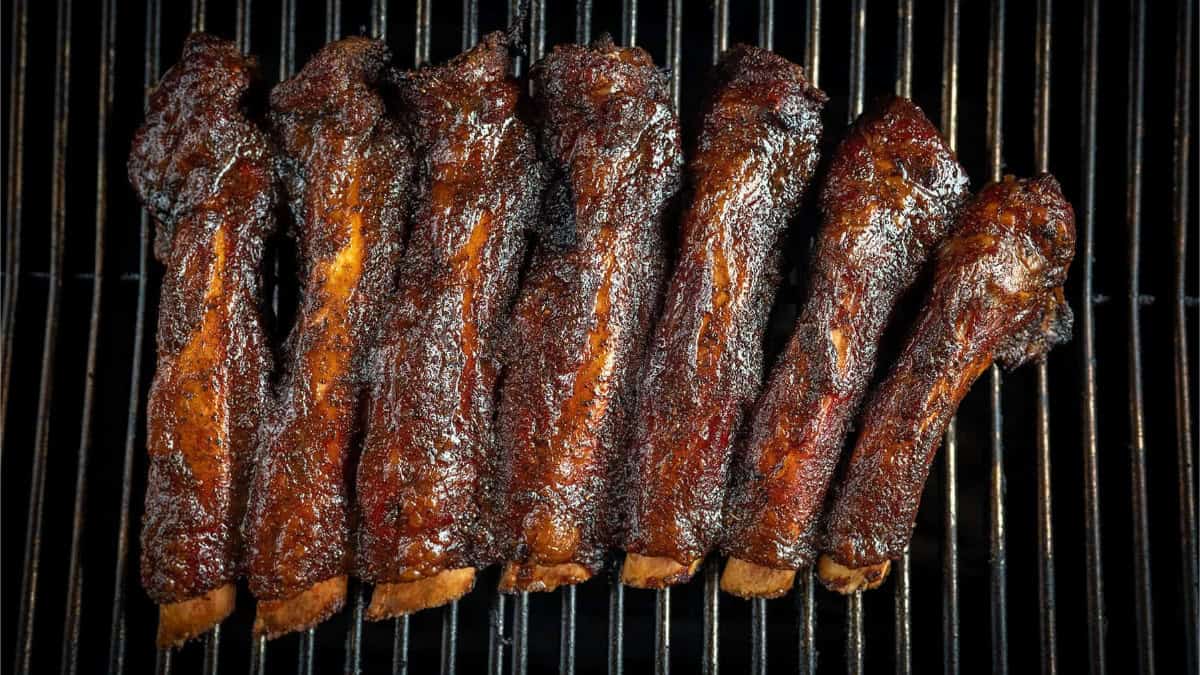
The versatility of this cut has been thoroughly tested by grilling experts, demonstrating its adaptability across various smoking apparatuses. From traditional charcoal grills to modern pellet grills and innovative electric smokers like the Ninja Woodfire Grill, the fundamental method for achieving delicious smoked beef back ribs remains consistent. This reliability is crucial for pitmasters who understand the value of extracting maximum flavor from economical ingredients efficiently, especially during busy grilling seasons or for large gatherings.
When planning a barbecue spread, particularly for events like football season or weekend cookouts, a single rack of beef back ribs is typically estimated to serve approximately two people. This estimation accounts for the inherent meat distribution of the cut, which is leaner than other beef ribs. Nevertheless, their affordability and robust flavor profile make them a go-to selection for many seeking a satisfying beef rib experience.

Understanding Beef Back Ribs: A Culinary Anatomy
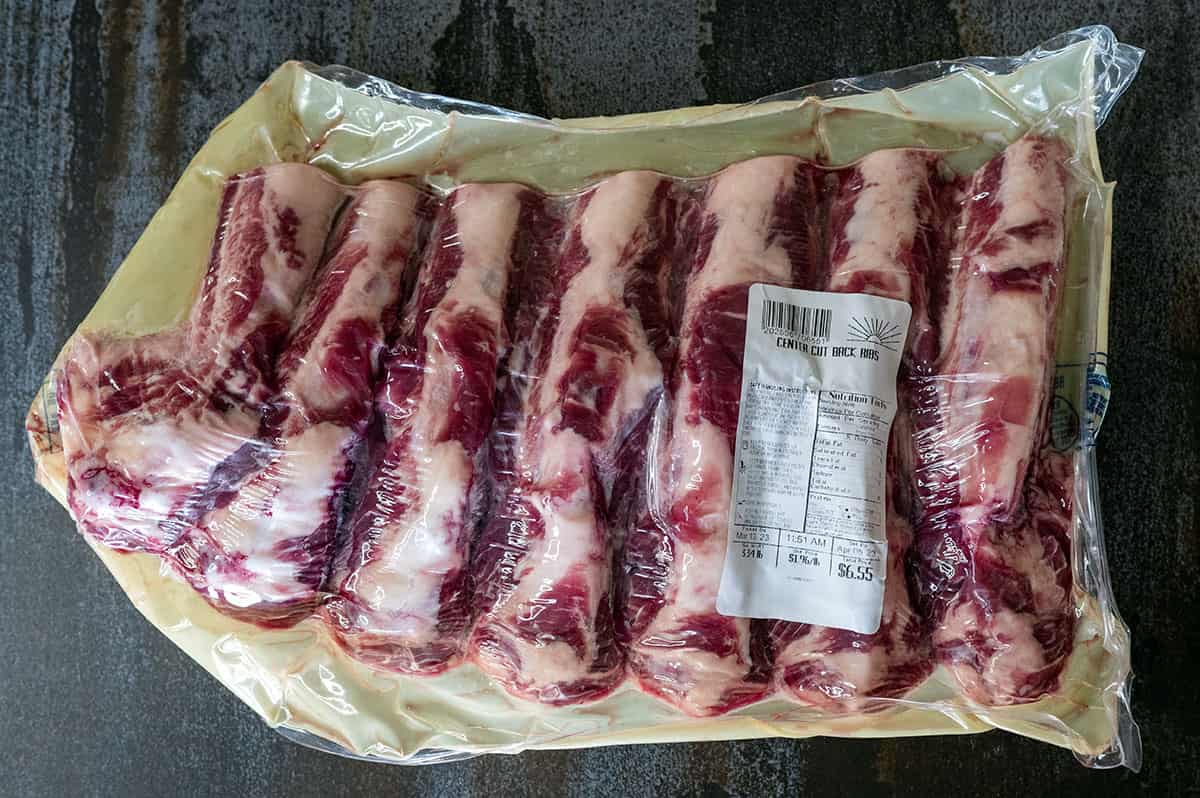
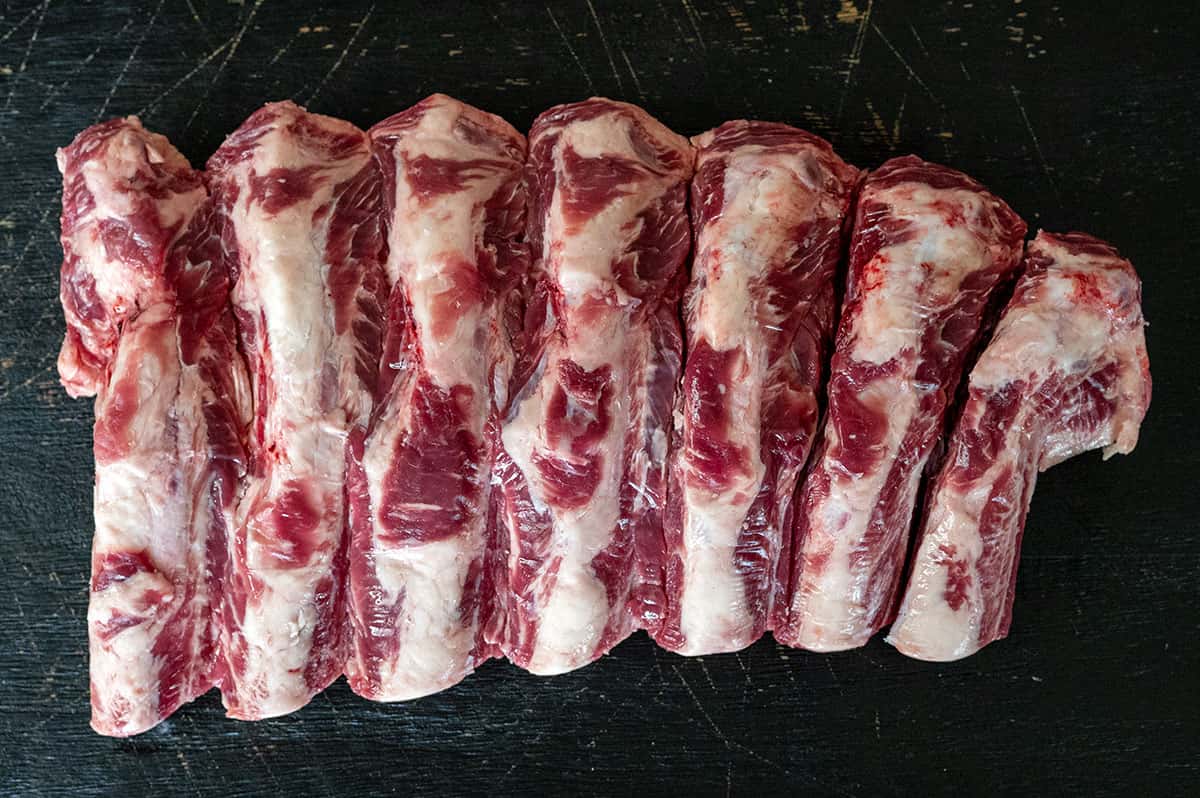
Beef back ribs are derived from the rib primal section of a cow, situated in proximity to the coveted ribeye steaks. Unlike the substantial, meat-laden short ribs or the impressive "dino ribs" (plate ribs), beef back ribs are characterized by a more compact size and a meat content that is predominantly intercostal – meaning it lies between the bones. An average rack of beef back ribs typically weighs between three to five pounds.
The primary appeal of beef back ribs lies in their economic advantage. Historically, these ribs have been available at a significantly lower price point per pound than other beef rib varieties. For instance, in early 2023, this particular cut was often found for less than $2 per pound, offering exceptional value for the intense beefy flavor it delivers. For a comprehensive understanding of the various beef rib cuts available to consumers, a detailed guide on different types of beef ribs is essential.
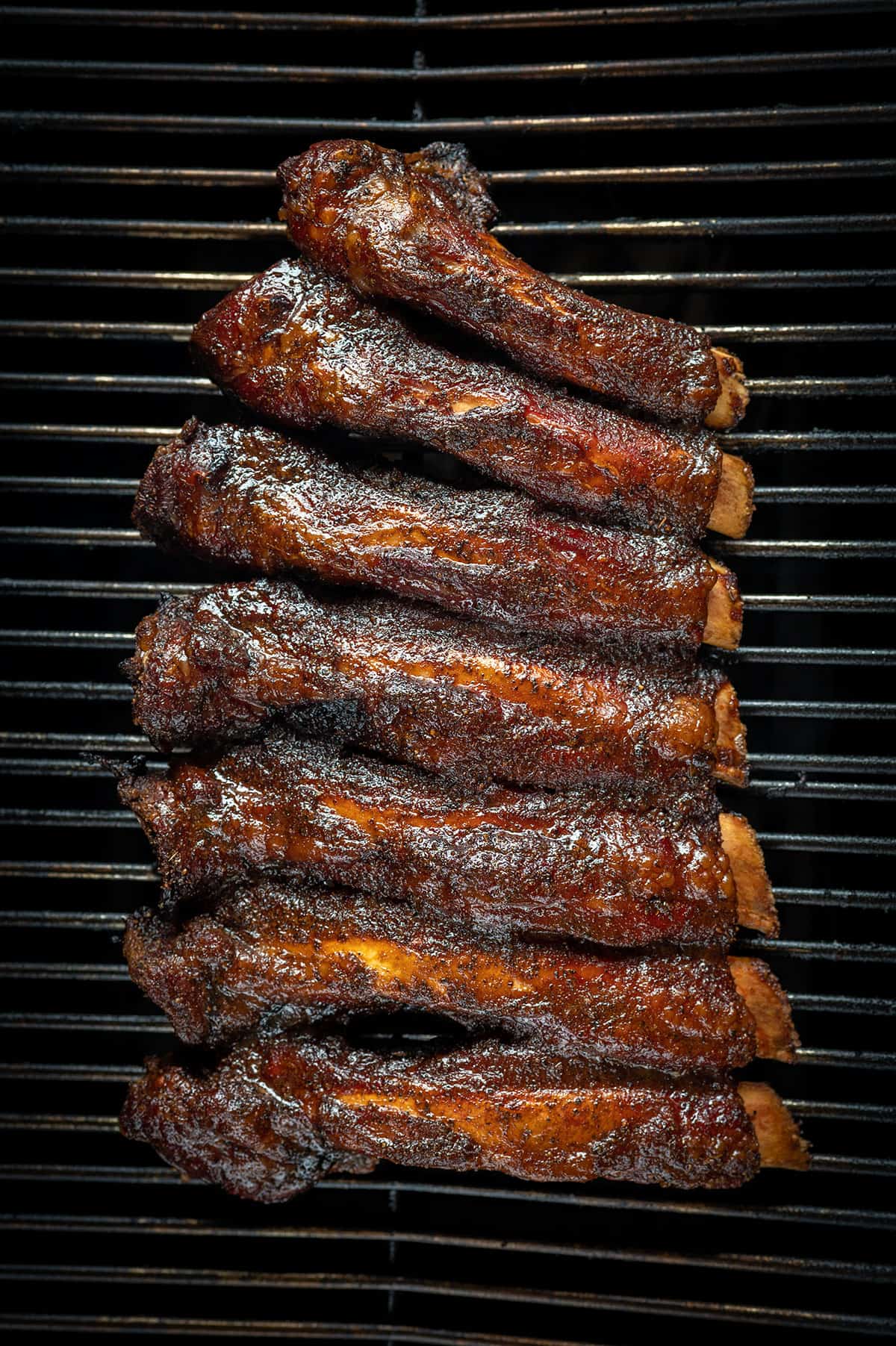
The Smoking Process: From Preparation to Perfection
The journey to perfectly smoked beef back ribs involves several key stages, each contributing to the final flavor and texture. The process begins with preparing the grill and the ribs themselves, followed by the smoking duration, optional saucing, and finally, the crucial resting period.
Preparing the Smoking Environment
The foundational step in smoking beef back ribs is to preheat the smoker to a consistent temperature of 275°F (135°C), ensuring an indirect heat zone is established. The method for achieving this varies based on the type of grill being used:
- Charcoal Grill: For a classic kettle charcoal grill, lit coals are strategically pushed to one side of the grill. The ribs are then placed on the grate directly above the area without coals, facilitating indirect heat cooking.
- Gas Grill: On a gas grill, one burner is ignited and adjusted to maintain the target temperature of 275°F. The ribs are positioned on the side of the grill where the burners are turned off. To introduce smoke, wood chips can be placed in a foil pouch and positioned over the active burner.
- Pellet Grill: Pellet grills offer a straightforward approach. The temperature is simply set to 275°F, and the grill manages the heat and smoke production automatically.
- Ninja Woodfire Grill: For users of the Ninja Woodfire Grill, pellets are added to the smoke box, the "smoke" function is selected, and the temperature is set to 275°F.
Rib Preparation: The Foundation of Flavor
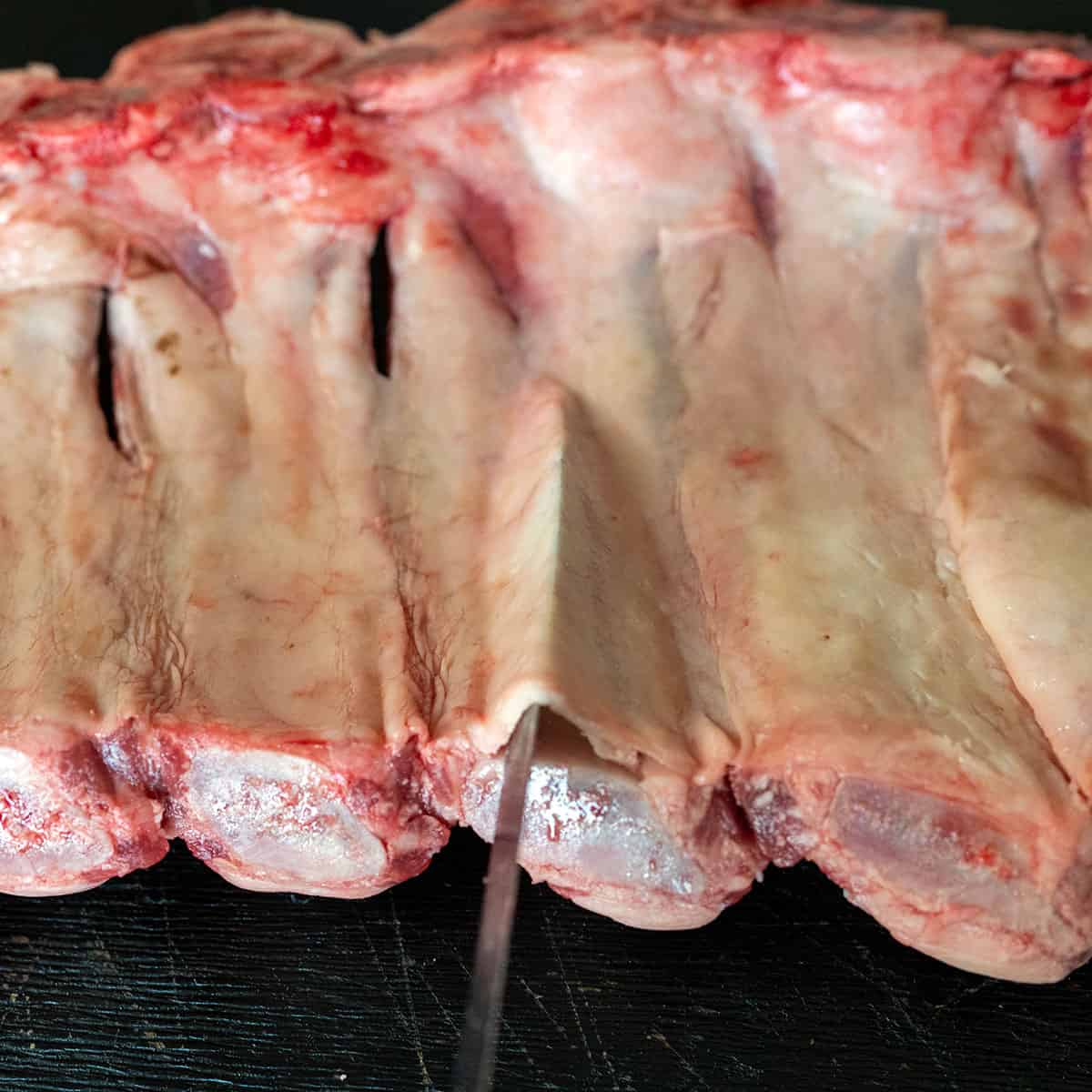
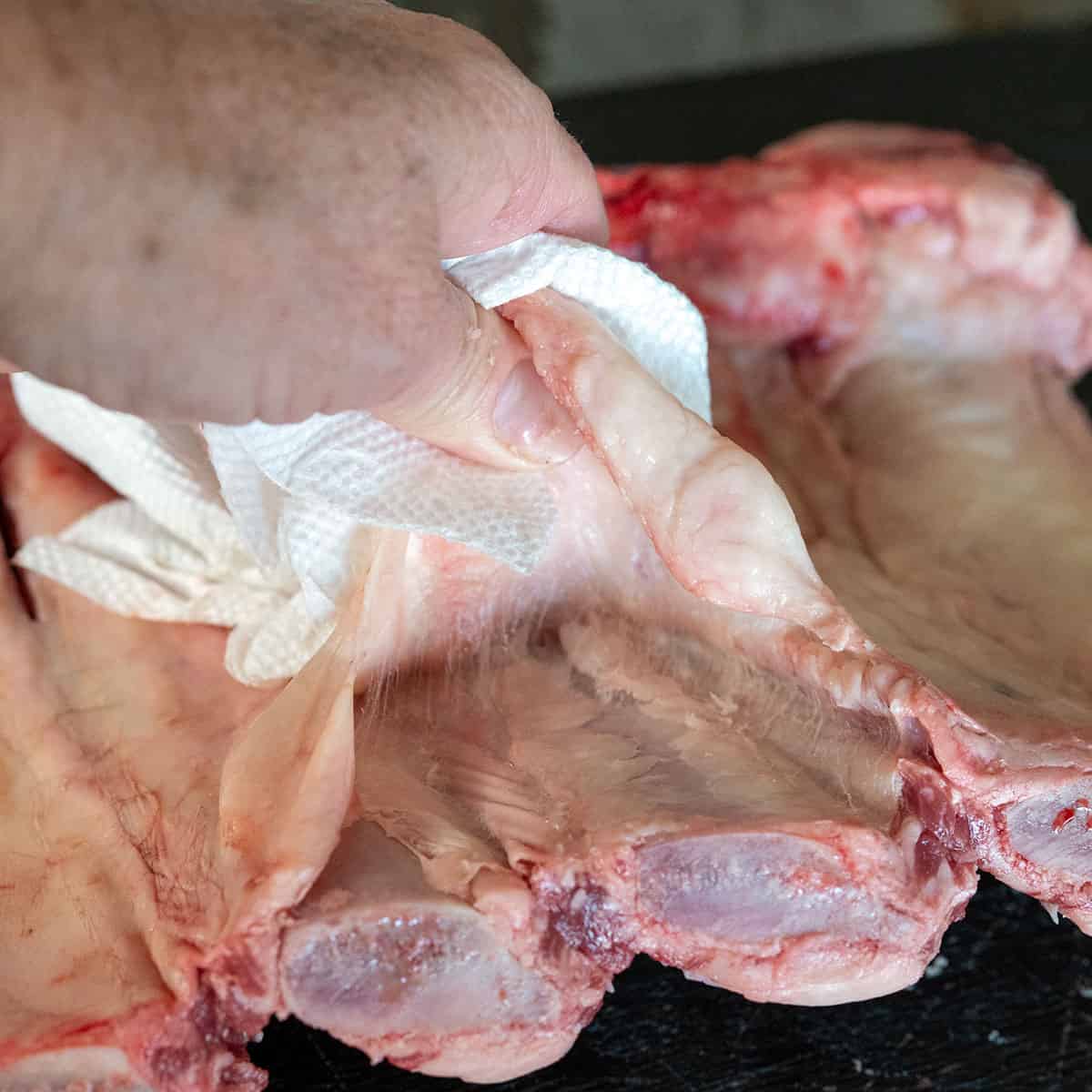
Before the ribs even meet the heat, proper preparation is paramount. This involves removing the thin, sinewy membrane that often covers the bone side of the ribs. Similar to preparing pork baby back ribs, a butter knife or a thin fillet knife is used to gently lift an edge of the membrane. Once a corner is accessible, a paper towel provides the necessary grip to peel off the entire membrane. This step is critical as it allows for better penetration of rubs and smoke, leading to more tender and flavorful meat. After membrane removal, the ribs are seasoned generously on both sides. Many pitmasters opt to apply the rub the night before smoking, allowing the seasonings to melad and penetrate the meat further, a technique known as dry brining or marinating.
The Art of Smoking
Once the smoker is at the correct temperature and the ribs are prepped, they are placed on the grill with the bone side down. The lid is closed to maintain a consistent smoking environment. The smoking process typically lasts between two to three hours, with periodic spritzing every 30 minutes. A common and effective spritz mixture involves combining cola and Worcestershire sauce, which helps to keep the ribs moist and contributes to a beautiful bark formation.
Enhancing with Sauce (Optional)
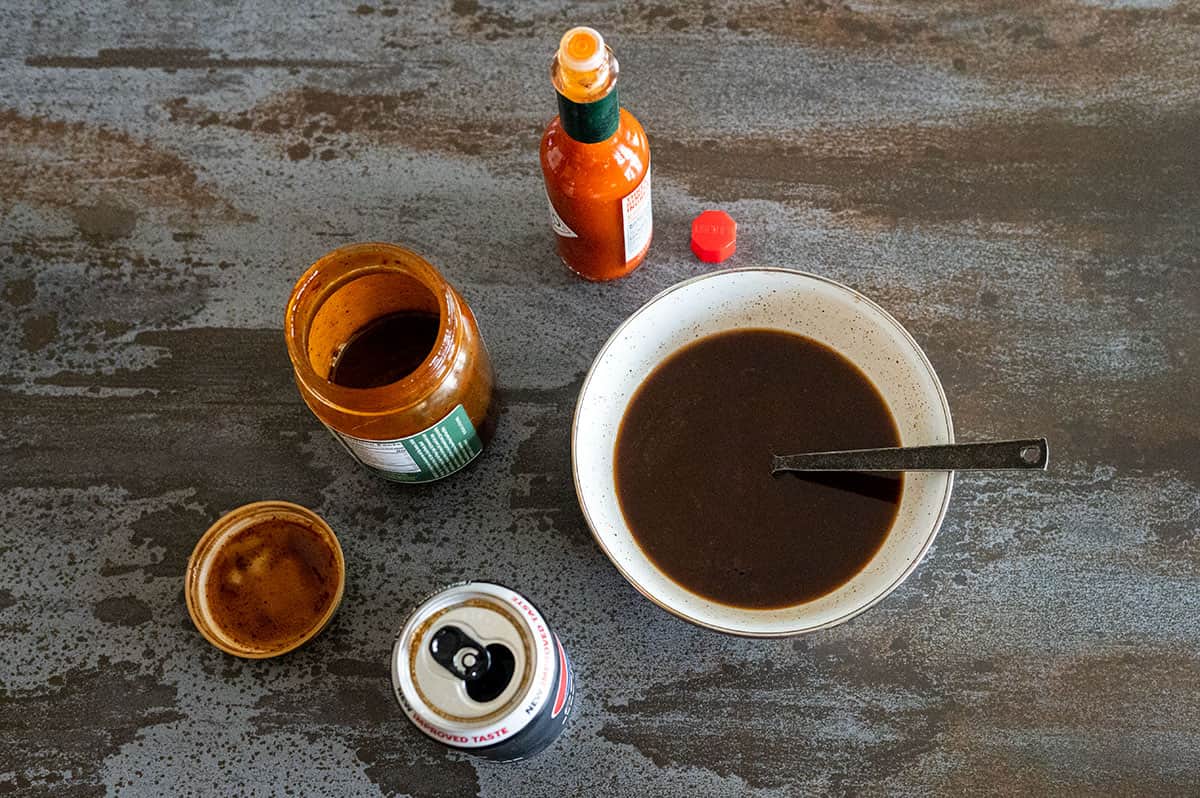
The decision to sauce the ribs is a matter of personal preference. If a glaze is desired, it’s typically applied when the ribs reach an internal temperature of 205°F (96°C). A popular sauce mixture often includes barbecue sauce, a splash of cola for sweetness and caramelization, and a dash of hot sauce for a subtle kick. After saucing, the ribs are returned to the smoker for an additional 15 minutes to allow the sauce to set and meld with the meat. If saucing is omitted, the ribs are removed once they reach the target internal temperature.
The Crucial Resting Period
Following the smoking and optional saucing, the ribs must rest. This resting period, typically around 15 minutes, allows the juices within the meat to redistribute. Skipping this step can result in the juices running out onto the cutting board when the ribs are sliced, leading to drier meat.
Serving and Storage Recommendations
Once rested, the beef back ribs are sliced into individual portions. They are best served immediately with additional barbecue sauce on the side, allowing guests to add more to their liking, and accompanied by classic barbecue side dishes. As noted, due to the meat distribution, one rack is generally sufficient for two people.
Leftovers can be stored in an airtight container in the refrigerator for three to five days or frozen for up to six months, ensuring that the delicious flavor can be enjoyed at a later time.
Pro Pitmaster Insights and Frequently Asked Questions
GCG Pro Pitmaster Tips:
A key piece of advice from experienced pitmasters is to cook to temperature rather than solely relying on time. The thickness and beefiness of the rack will influence the exact cooking duration. An instant-read thermometer is an invaluable tool for accurately gauging when the meat between the bones has reached the desired 205°F (96°C).
Frequently Asked Questions:
-
Are beef back ribs the same as baby back ribs?
No. Beef back ribs originate from cattle, while baby back ribs are sourced from pigs. -
Are beef back ribs the same as short ribs or plate ribs?
While all are beef ribs, they are distinct cuts. Beef back ribs are from the rib primal near the ribeye. Short ribs and plate ribs (often called "dino ribs") come from different sections and typically have more meat on top of the bone, often commanding a higher price. Beef back ribs have less top meat and a more concentrated flavor between the bones.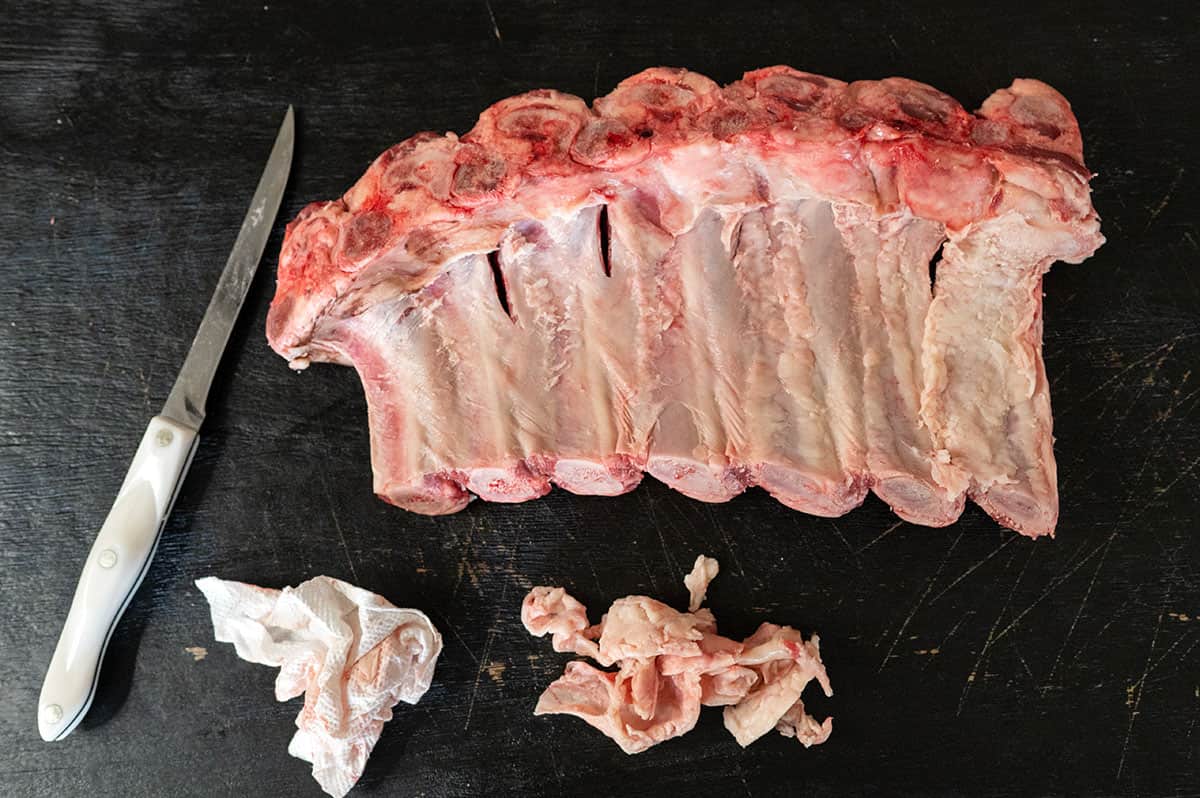
-
Should I wrap beef back ribs?
While not strictly necessary due to their inherent fat content which helps maintain moisture, wrapping is an option for those who prefer the "Texas Crutch" method. Using butcher paper or aluminum foil can potentially speed up the cooking process and further tenderize the meat. -
Can you cook beef back ribs in the oven?
Yes, beef back ribs can be cooked in the oven, but they will lack the characteristic smoky flavor. The oven can be preheated to 275°F (135°C), and the ribs baked on a wire rack over a baking sheet. The saucing step can be applied once the desired internal temperature is reached.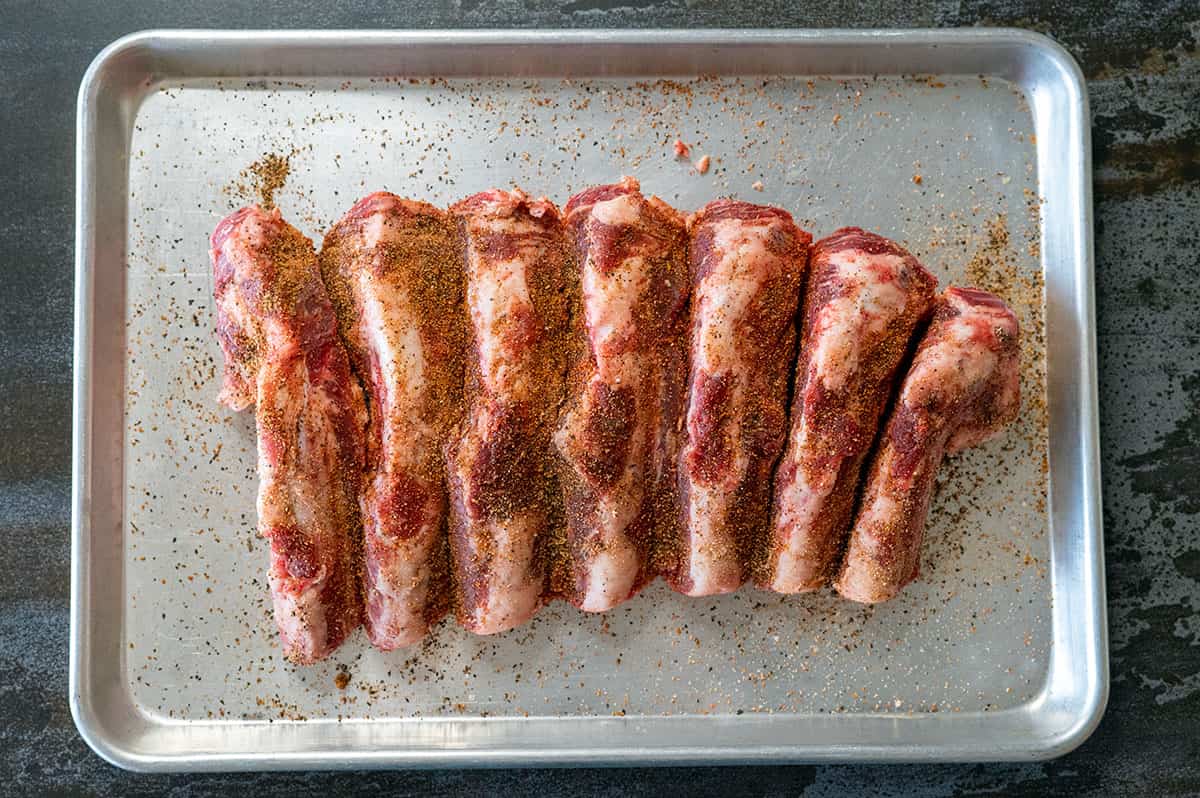
-
What temperature do you smoke beef back ribs at?
Smoking beef back ribs at 275°F (135°C) is recommended. This temperature allows the rub to set properly and imparts sufficient smoke flavor without drying out the thinner meat sections. -
How long do you smoke beef back ribs?
The smoking time typically ranges from two to three hours at 275°F (135°C), or until the internal temperature reaches approximately 205°F (96°C) between the bones. Temperature is the most reliable indicator of doneness.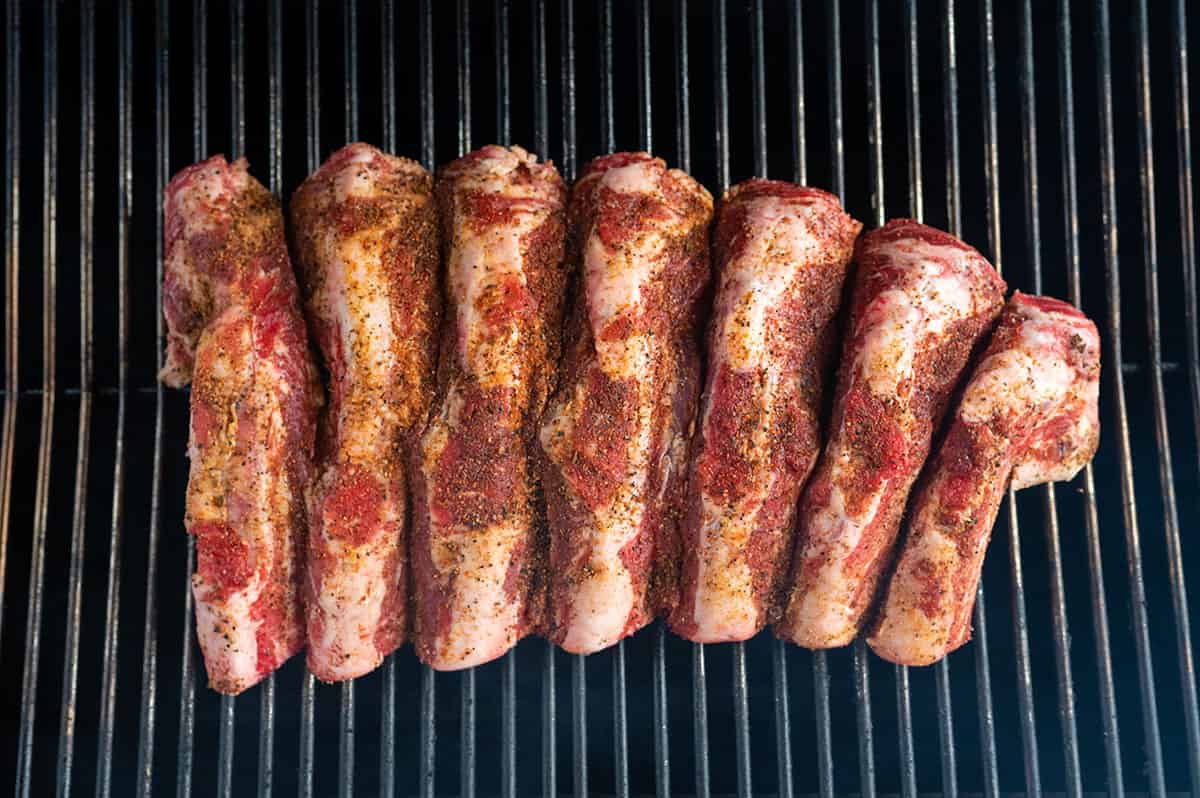
-
Do I need to remove the membrane on beef back ribs?
Yes, removing the membrane from the bone side is highly recommended. This allows for better seasoning and smoke penetration, leading to a more tender and flavorful result.
By understanding the unique characteristics of beef back ribs and employing these proven smoking techniques, home cooks and BBQ enthusiasts can consistently achieve delicious, flavorful, and budget-friendly results. Their accessibility and robust taste make them a staple for any barbecue repertoire, offering a satisfying beef rib experience without the premium cost.


