A new year brings with it a groundbreaking initiative from the acclaimed "Food in Jars" platform, launching "The Community Canning Challenge," a year-long program designed to simultaneously elevate food preservation skills and foster robust local community connections. Spearheaded by renowned preserving expert Marisa McClellan, this challenge marks a significant evolution from previous mastery programs, introducing a dual-focus model that seeks to bridge the gap between digital culinary education and tangible, in-person social engagement.
Reinvigorating the Art of Food Preservation and Community Building
For years, Marisa McClellan has been a leading voice in the home food preservation movement through her popular "Food in Jars" blog, cookbooks, and online communities. Her previous "Mastery Challenges" successfully guided participants through various food preservation techniques, cultivating a dedicated following eager to learn and share. The Community Canning Challenge, however, broadens this scope by integrating a critical social dimension, acknowledging that the act of preserving food is often deeply intertwined with sharing, community support, and local resourcefulness. This innovative approach reflects a growing global trend towards self-sufficiency, sustainable living, and the re-establishment of local networks in an increasingly digitized world.
The core premise of the challenge revolves around two distinct, yet complementary, monthly topics. The first track, rooted in the traditional spirit of "Food in Jars," focuses on practical food preservation skills. Participants will explore a diverse array of techniques and ingredients, from canning root vegetables and making jams to drying fruits and crafting homemade condiments. This ensures a continuous learning curve, encouraging both novices and experienced preservers to expand their repertoire and confidently tackle new culinary projects.
The second, equally vital, track is dedicated to "building out in-person communities." This aspect challenges participants to move beyond their kitchens and engage directly with their neighbors and local environment. Activities range from sharing homemade preserves to contributing to community fridges, learning from local experts, supporting farmers, and even organizing food swaps. This novel integration aims to transform individual skill development into collective community resilience, fostering a sense of belonging and mutual support often overlooked in modern life.

The Resurgence of Home Preservation: Context and Impact
The timing of the Community Canning Challenge aligns with a significant resurgence in interest in home food preservation. Driven by concerns over food security, rising grocery costs, environmental sustainability, and a desire for healthier, less processed foods, more individuals are turning to traditional methods like canning, fermenting, and drying. Data from various agricultural extension services and food industry reports indicate a steady increase in home gardening and preserving activities over the past decade, a trend further accelerated by recent global events that highlighted vulnerabilities in supply chains.
Home preservation offers numerous benefits: it reduces food waste by utilizing seasonal gluts, allows for greater control over ingredients and additives, and can significantly cut household food expenses. Furthermore, it reconnects individuals with the origins of their food and the rhythm of the seasons. Marisa McClellan, through "Food in Jars," has consistently championed these benefits, providing accessible, tested recipes and guidance that demystify what can often seem like an intimidating process. Her commitment to safe and effective methods has built a foundation of trust with her audience, making her platform a go-to resource for aspiring and experienced preservers alike.
The community-focused element of this new challenge amplifies these benefits by extending them beyond the individual household. By encouraging activities like "sharing a jar" or "bartering with a neighbor," the challenge seeks to reactivate informal food networks that were once commonplace, strengthening social bonds and creating a more localized, resilient food system. This mirrors broader movements such as community-supported agriculture (CSAs), farmers’ markets, and urban gardening initiatives, all of which emphasize local production and exchange.
A Detailed Monthly Chronology and Engagement Platforms
The Community Canning Challenge is structured as a year-long journey, with each month introducing a fresh set of preservation and community-building objectives. The organizational backbone of the challenge leverages established digital platforms to ensure wide accessibility and foster continuous engagement without overcomplicating the user experience.
Participation is primarily facilitated through Marisa McClellan’s Substack newsletter ("Food in Jars Fam"), the "Food in Jars Facebook Community" group, and the main "Food in Jars" blog. Challenge-related posts on Substack are entirely free, ensuring that financial barriers do not deter participation. This strategic choice allows for in-depth discussions and sharing of experiences, while the blog remains a primary hub for new recipes and foundational content, optimizing for search engine visibility and revenue generation critical for the platform’s sustainability.
The monthly rhythm of the challenge is carefully orchestrated:
- Beginning of the Month: An introductory post is published on both the blog and Substack. This post outlines the monthly preservation topic, provides a roundup of relevant recipes (both new and archival), and offers creative ideas for engaging with the community challenge.
- Mid-Month (Approx. 15th): A dedicated check-in post goes live on Substack and the Facebook group. This serves as a touchpoint for participants to share their progress, ask questions, and engage in peer-to-peer learning and encouragement.
- Late Month (Approx. 25th): A feedback request is circulated, gathering insights and experiences from participants, which will then be synthesized and reported back on Substack. This iterative process allows for collective learning and adaptation throughout the year.
The challenge explicitly encourages flexibility, acknowledging that participants live in diverse climates and have varying schedules. Individuals are empowered to shuffle topics to align with local growing seasons or personal availability, emphasizing that "the pleasure is in the doing" rather than strict adherence to a rigid schedule.
Monthly Topics: A Comprehensive Skill and Community Roadmap

The detailed monthly calendar for the Community Canning Challenge showcases a thoughtful progression of skills and community actions:
- January: Focuses on Root Vegetables & Brassicas for preservation, paired with the community action of "Share a Jar," encouraging participants to spread joy through their homemade creations.
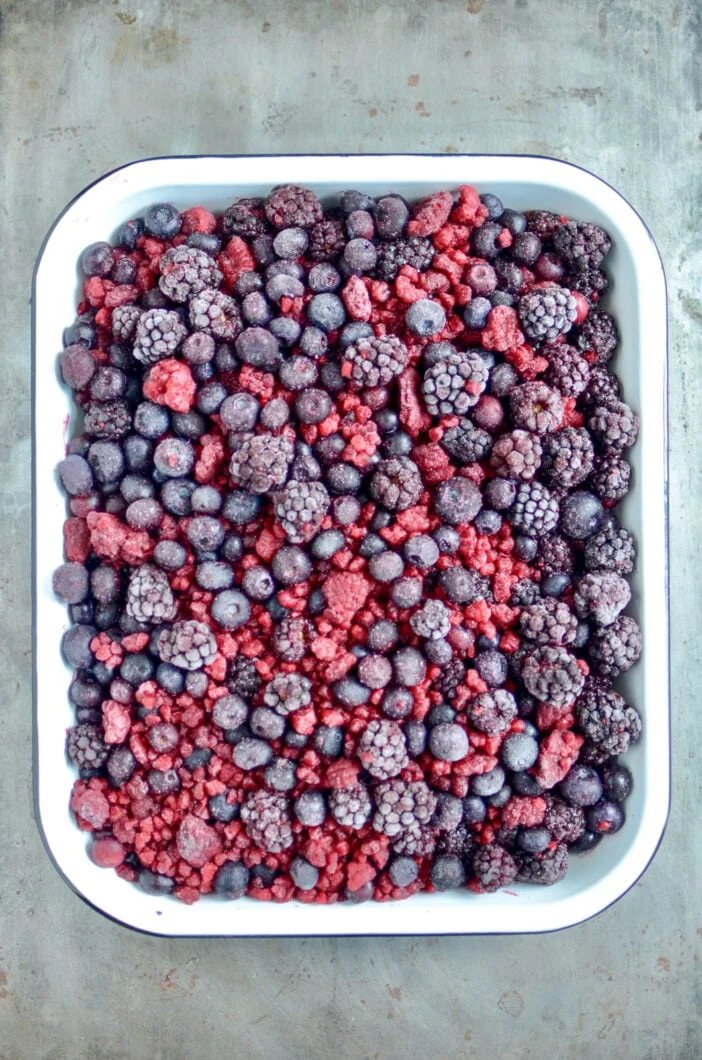
- February: Shifts to Frozen Fruit preservation, alongside a "Freezer Excavation" challenge to utilize existing stores.
- March: Explores "Make a Mix" (e.g., soup starters, muffin mixes), with a powerful community contribution: "Contribute to a community fridge or pantry."
- April: Highlights Herbs and Alliums, complementing the action to "Plant something," fostering a connection to growing food.
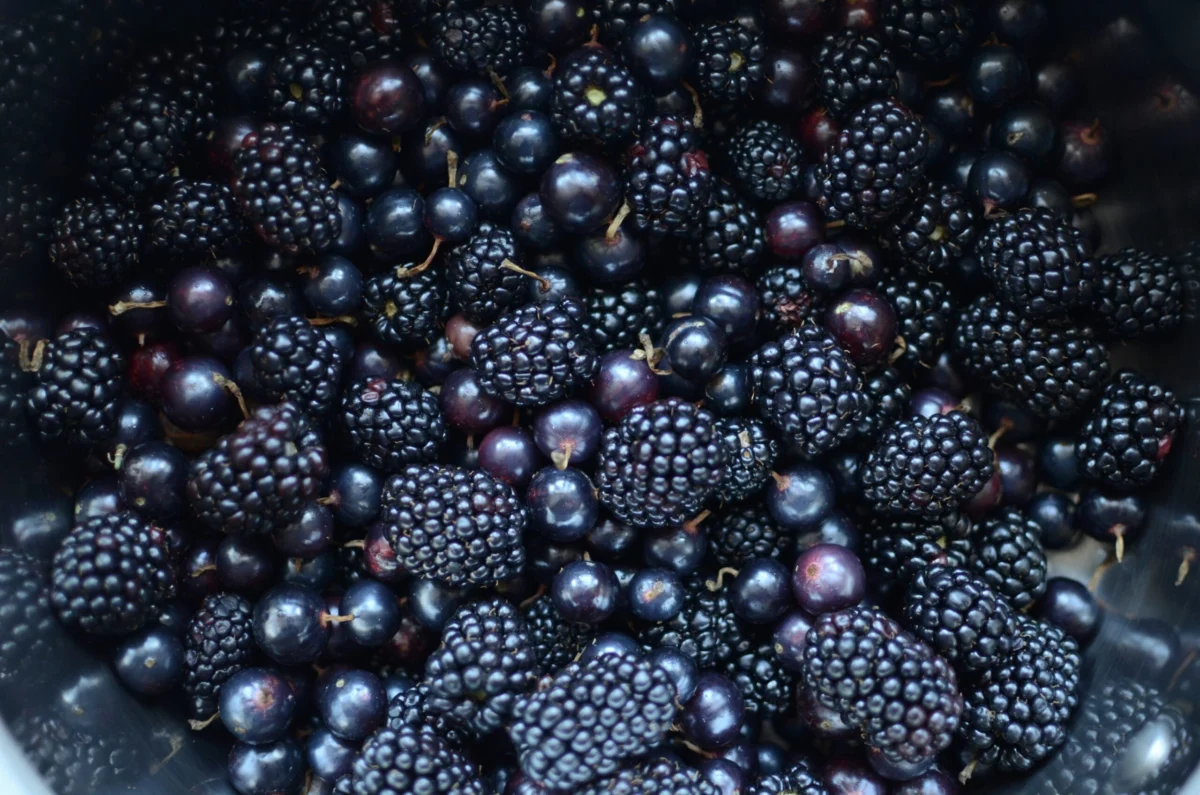
- May: Dedicated to Berries, with a social learning component: "Learn from a friend."
- June: The quintessential preserving topic of Jam, paired with the communal joy of "Attend a potluck."
- July: Delves into Pickles (quick, processed, or fermented), encouraging participants to "Support a local farmer/grower."
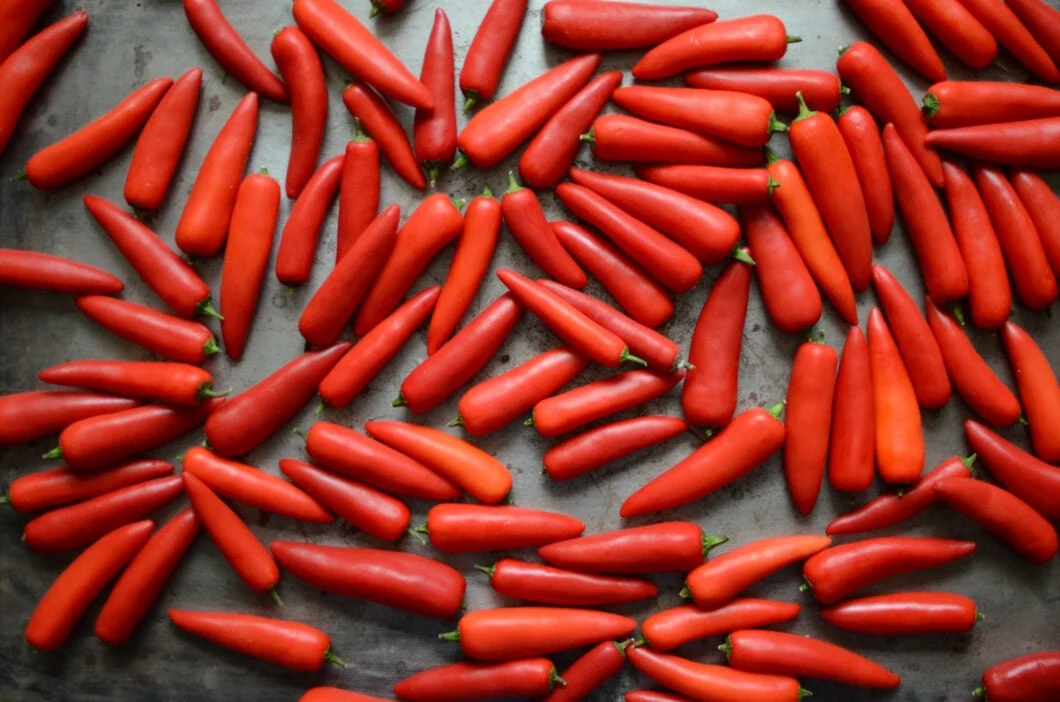
- August: Concentrates on Sauces (apple, chili, tomato, hot), alongside the resourceful activity of "Gather or glean" (with permission).
- September: Focuses on Condiments (ketchup, relish, mustard), with the engaging community action to "Host a swap."
- October: Explores Drying and Dehydration, coupled with the educational mission to "Share your knowledge."
- November: The seasonal bounty of Apples, and the relational act of "Barter with a friend or neighbor."
- December: A culminating month to "Use it up!" (utilizing pantry stores), and the festive action to "Bake for others."
This comprehensive calendar ensures a year of varied learning and interaction, touching upon essential preservation techniques and diverse community engagement opportunities.
Vision and Broader Implications
Marisa McClellan’s vision for The Community Canning Challenge extends beyond individual skill acquisition. It represents a deliberate effort to re-embed the practice of food preservation within a vibrant, supportive community framework. "My hope is to create something that helps us all grow our skills and our networks of neighbors at the same time," McClellan stated, underscoring the dual objective. This initiative aims to combat social isolation, foster local economies, and build resilient food systems from the ground up.
The implications of such a challenge are far-reaching. On an individual level, participants gain valuable life skills, enhance their culinary creativity, and develop a deeper appreciation for seasonal eating. Environmentally, promoting home preservation and reducing food waste contributes to a smaller carbon footprint. Economically, it offers a practical way for households to save money and support local agriculture. Socially, the emphasis on sharing, swapping, and collective action strengthens community bonds, creates opportunities for intergenerational knowledge transfer, and cultivates a sense of collective well-being.
Experts in community development and food systems often highlight the critical role of grassroots initiatives in fostering social capital and local resilience. "Programs that blend practical skills with direct community engagement are vital in today’s world," noted a hypothetical community food systems advocate. "They empower individuals, build trust, and create tangible networks that can support communities through various challenges, from economic shifts to environmental concerns." The Community Canning Challenge, by design, taps into this profound potential.
Call to Action and Initial Rollout
Prospective participants are encouraged to indicate their interest through a dedicated Google Form, signifying their intent to join this year-long journey. Further engagement and real-time interaction will occur on the Substack newsletter and the Facebook Community group, which are positioned as the primary hubs for discussion, support, and shared experiences.
Given the new year’s start, January’s timeline for the challenge introduction is slightly compressed. An introductory post for January’s "Root Veg & Brassicas" and "Share a Jar" topics was slated for immediate release, followed by a fresh recipe announcement shortly thereafter. This rapid deployment signals the organizer’s enthusiasm and readiness to kickstart the challenge with momentum.
"The Community Canning Challenge is more than just learning to put food in jars; it’s about putting life back into our local connections," McClellan affirmed. This initiative stands as a testament to the power of traditional skills intertwined with modern community building, promising a year of growth, connection, and delicious endeavors for all who choose to participate.