The recent spotlight on masa, a meticulously processed corn flour, underscores its foundational role in Mexican cuisine, extending its reach from the humble tortilla to complex tamales. This staple, which forms the heart of countless dishes, owes its profound cultural and nutritional significance to a sophisticated ancient technique known as nixtamalization. The process, far from being a mere culinary step, is a testament to ingenious ancestral knowledge, transforming a simple grain into a bioavailable powerhouse.
The Ancient Roots of Nixtamalization: A Mesoamerican Marvel
Nixtamalization is not a modern innovation but a culinary and scientific breakthrough dating back thousands of years to Mesoamerican civilizations. Evidence suggests its origins can be traced to at least 1500–1200 BCE, with archaeological findings indicating its practice among the Olmecs, and subsequently perfected by the Maya and Aztec peoples. This sophisticated method was not just about making corn more pliable for dough; it was a critical adaptation that directly impacted the health and survival of entire societies.
Before nixtamalization, consuming untreated corn as a primary food source led to widespread nutritional deficiencies, most notably pellagra, a disease caused by niacin deficiency. Early Mesoamericans, through keen observation and experimentation, discovered that cooking dried corn kernels in an alkaline solution—typically limewater (calcium hydroxide, known as cal)—and then steeping them, yielded transformative results. This process, where "nixtamal" derives from the Nahuatl words "nextli" (ashes) and "tamalli" (cooked corn dough), fundamentally changed corn’s nutritional profile and physical properties.
The timeline of nixtamalization’s adoption aligns with the rise of complex agricultural societies in Mesoamerica. As corn became the dominant crop, the ability to maximize its nutritional value became paramount. This ancient technology allowed for sustained populations, fueling the intellectual and artistic achievements of these advanced cultures. It’s an early example of food science applied on a grand scale, long before the advent of modern laboratories.
The Science Behind the Staple: Unlocking Corn’s Potential
The transformative power of nixtamalization lies in a series of intricate chemical and physical changes. When dried corn is cooked and steeped in an alkaline solution, several key processes occur:
- Hydration and Gelatinization: The corn kernels absorb water, causing their starches to swell and gelatinize. This makes the kernels softer and easier to grind.
- Nutrient Release (Niacin Bioavailability): Crucially, the alkaline environment liberates bound niacin (Vitamin B3) that is otherwise unavailable for human absorption. This chemical change was a historical lifesaver, effectively preventing pellagra in populations reliant on corn.
- Calcium and Potassium Absorption: The kernels absorb calcium or potassium from the cooking liquid, enriching the final product with these essential minerals.
- Protein Matrix Modification: The cooking process alters the corn’s protein matrix, making proteins and other nutrients more readily digestible and assimilated by the body.
- Pericarp Removal: The outer layer of the kernel, the pericarp, softens and loosens, making it easier to remove during washing. This results in a finer, smoother dough.
- Flavor and Aroma Development: Nixtamalization also contributes to the distinctive flavor and aroma of traditional corn products, enhancing their culinary appeal.
As noted by nutritional scientists, the impact of nixtamalization extends beyond niacin. It also improves the amino acid balance, enhances the digestibility of proteins and starches, and even reduces the presence of mycotoxins like aflatoxins, which can be naturally occurring in corn and are harmful to human health. Dr. Ricardo Bressani, a prominent food scientist, extensively documented these benefits, highlighting nixtamalization as one of the most significant food processing advancements in human history.
From Nixtamal to Masa Harina: The Modern Process
The prepared corn, now called nixtamal, undergoes further processing to become masa harina, the dried corn flour commonly found today. After cooking and steeping, the nixtamal is thoroughly washed to remove excess lime and the loosened pericarp. It is then traditionally ground using a metate (a stone grinding slab) or, in modern settings, industrial grinders. This grinding produces a wet dough known as masa. For masa harina, this fresh masa is then carefully dried and finely ground into a flour, which can be rehydrated later to form dough.
While traditionalists often prefer fresh masa for its superior flavor and texture, masa harina offers convenience and extended shelf life, making it accessible globally. Companies like Azure Standard, mentioned in the original context, provide organic, medium-ground yellow corn masa flour, catering to a growing demand for high-quality, ethically sourced ingredients. The availability of such products empowers home cooks to recreate authentic Mexican dishes, ensuring the legacy of nixtamalization continues in kitchens worldwide.
The Tortilla Press: A Bridge Between Tradition and Efficiency
Central to the creation of perfectly formed tortillas is the tortilla press, a seemingly simple yet indispensable tool. This device ensures an even distribution of pressure, transforming a ball of masa dough into a uniformly flat, round disc ready for the griddle. Its design reflects centuries of culinary evolution, moving from hand-patting techniques to more efficient mechanical aids.
Historically, tortillas were shaped entirely by hand, a skill requiring considerable practice and dexterity. The advent of the tortilla press revolutionized this process, making tortilla-making more accessible and consistent. Presses are typically constructed from various materials, each offering distinct advantages and considerations:
- Cast Iron: Widely regarded as the gold standard, cast iron presses are exceptionally durable, heavy, and provide superior leverage, ensuring thin, even tortillas. Their weight contributes to the even pressure distribution, which is crucial for preventing tears in the delicate masa dough. They are also known for their longevity, often becoming cherished family heirlooms.
- Wood: Traditional wooden presses, like the antique abuela’s press mentioned, are prized for their aesthetic appeal, tactile warmth, and connection to heritage. While often lighter than cast iron, well-built wooden presses can also achieve excellent results and are a favorite among those who appreciate artisanal tools.
- Aluminum: Lightweight and often more affordable, aluminum presses are common. However, quality can vary significantly. Lower-quality aluminum presses may flex or warp, leading to uneven tortillas or premature breakage. Culinary experts often advise caution, suggesting that if choosing aluminum, one should invest in a robust model to avoid disappointment.
The choice of press often reflects a balance between tradition, efficiency, and personal preference. Regardless of material, the function remains the same: to create the ideal canvas for a perfectly cooked tortilla, a testament to culinary precision.
The Art of Homemade Tortillas and Chips: A Culinary Revelation
Making tortillas and tortilla chips from scratch using masa harina offers a culinary experience far superior to their store-bought counterparts. The difference lies in freshness, texture, and an authentic flavor profile that evokes the true essence of corn. The process, while requiring a few dedicated tools and steps, is immensely rewarding.
Crafting Authentic Tortillas:
The journey begins by rehydrating masa harina with warm water and a pinch of salt to form a pliable dough. The consistency is crucial: it should be firm enough to hold its shape but soft enough to press without cracking. Once the dough is formed, small balls are rolled, placed between two sheets of plastic wrap (to prevent sticking), and then pressed in a tortilla press. The goal is a thin, uniform disc.
These freshly pressed tortillas are then cooked on a hot griddle (comal). The heat causes them to puff up, indicating they are cooking through and developing their characteristic soft, chewy texture. The slight charring on the surface adds depth of flavor. These fresh tortillas are versatile, serving as the base for tacos, enchiladas, quesadillas, or simply enjoyed warm with a sprinkle of salt.
Transforming Tortillas into Chips:
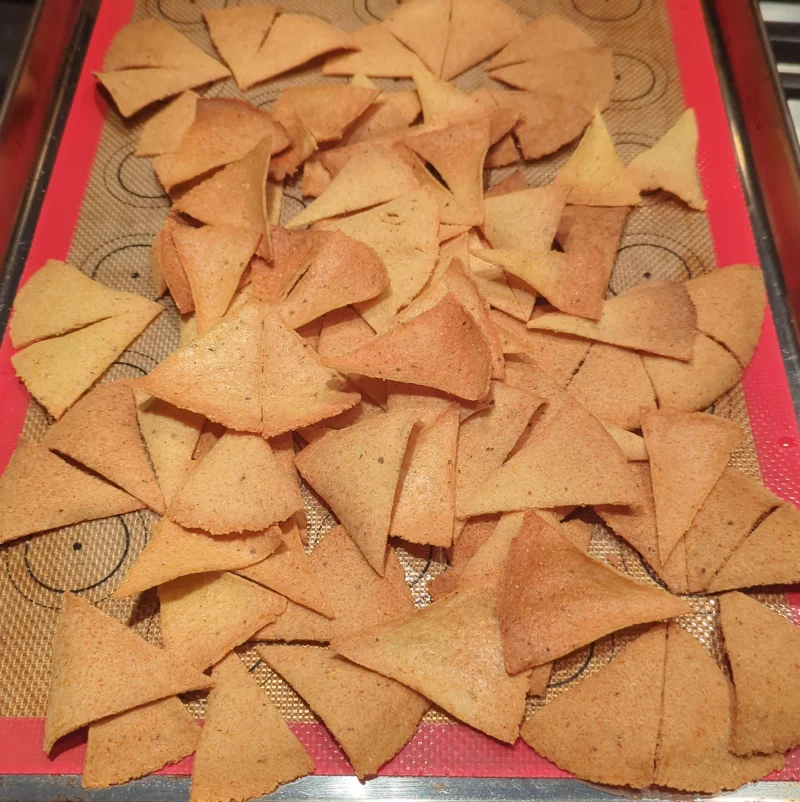
For homemade tortilla chips, the process extends slightly. Freshly made tortillas, or even slightly day-old ones, are cut into wedges. These wedges can then be either fried or baked. Frying in hot oil yields crispy, golden chips, while baking offers a healthier alternative, producing a crunchier, lighter chip. Seasoning them immediately after cooking with salt, chili powder, or lime zest elevates their flavor profile. Dedicating a portion of a single masa batch to both tortillas and chips is a common practice, allowing for immediate enjoyment in different forms.
Statements from the Culinary World:
Leading chefs and food writers frequently extol the virtues of homemade masa products. Chef Rick Bayless, a renowned authority on Mexican cuisine, consistently emphasizes the profound difference fresh masa makes in the authenticity and flavor of dishes. Food historians, like Diana Kennedy, have dedicated their lives to documenting and preserving these traditional techniques, highlighting that the act of making masa from scratch is an essential part of understanding Mexican culinary heritage. "The true flavor of Mexico," she often remarked, "resides in its corn, and how it is prepared."
Health and Nutritional Implications: Beyond Sustenance
The nutritional benefits of nixtamalized masa extend far beyond preventing pellagra. As a whole-grain product, masa provides dietary fiber, which is essential for digestive health. The increased bioavailability of niacin supports metabolic functions, energy production, and overall cellular health. Furthermore, the calcium absorbed during nixtamalization contributes to bone health, a significant advantage for populations where dairy intake might be limited.
In an era increasingly focused on nutrient density and whole foods, nixtamalized masa stands out as a superior grain product. It offers a naturally gluten-free alternative for individuals with gluten sensitivities, and its complex carbohydrates provide sustained energy. The traditional preparation method ensures that essential micronutrients are not lost but rather enhanced, making masa a cornerstone of a healthy and balanced diet.
Broader Impact and Implications: Cultural Preservation and Economic Vitality
The enduring legacy of masa and nixtamalization carries significant cultural, social, and economic implications.
Cultural Preservation:
The act of making masa and tortillas at home is more than just cooking; it’s a ritual that connects individuals to centuries of tradition and heritage. It is a tangible way to preserve culinary knowledge passed down through generations, ensuring that the techniques and flavors of Mexican and Central American cuisines remain vibrant and authentic. In a rapidly globalizing world, this hands-on engagement with food preparation helps maintain cultural identity and pride.
Economic Vitality:
The growing global demand for high-quality masa harina supports local corn farmers and traditional producers. Companies committed to sourcing organic and ethically grown corn play a crucial role in sustaining agricultural communities and promoting sustainable farming practices. This demand creates economic opportunities, allowing traditional methods of corn cultivation and nixtamalization to thrive.
Global Culinary Exchange and DIY Food Movement:
The increasing interest in homemade masa products is part of a larger global trend towards authentic ingredients and the "Do It Yourself" food movement. Consumers are increasingly seeking to understand the origins of their food, appreciate traditional processes, and engage in home cooking as a form of culinary exploration and self-sufficiency. This trend also contributes to a broader appreciation of Mexican cuisine beyond its most commercialized forms, fostering a deeper understanding of its complexity and cultural depth.
Conclusion: Masa’s Enduring Legacy
From its ancient origins in Mesoamerica to its place in modern kitchens worldwide, masa, forged through the ingenious process of nixtamalization, remains a culinary and nutritional marvel. It stands as a powerful testament to human ingenuity, transforming a simple grain into a staple that has sustained civilizations, prevented disease, and shaped entire cultures. The act of preparing masa, whether for fresh tortillas or crispy chips, is an embrace of history, a celebration of flavor, and a connection to a profound culinary heritage that continues to enrich lives globally. As consumers increasingly seek authenticity and quality in their food, the enduring legacy of masa and the science of nixtamalization ensure its place at the heart of healthful and flavorful cuisine for generations to come.