The practice of food dehydration has transitioned from a traditional preservation necessity to a modern culinary trend, driven by an increasing global focus on reducing food waste and the rising demand for shelf-stable, nutrient-dense snacks. While common fruits such as apples, bananas, and grapes have long dominated the home-drying market, recent developments in home food preservation have highlighted the efficacy of dehydrating high-moisture melons, specifically the honeydew (Cucumis melo Inodorus group). As consumers seek to extend the seasonality of summer produce, the dehydration of honeydew melon offers a strategic solution for maintaining a year-round supply of fruit that is both portable and resistant to spoilage.
The Rise of Modern Home Food Preservation
The resurgence of interest in home food preservation is largely attributed to a shift in consumer behavior toward sustainability and self-sufficiency. According to data from the United States Department of Agriculture (USDA), approximately 30% to 40% of the food supply in the United States is wasted annually. High-water content fruits like melons are particularly susceptible to rapid decay once harvested, often leading to significant household waste. Dehydration serves as a critical intervention in this cycle, utilizing low-heat thermal processing to remove up to 95% of the moisture content, thereby inhibiting the growth of bacteria, yeast, and mold.
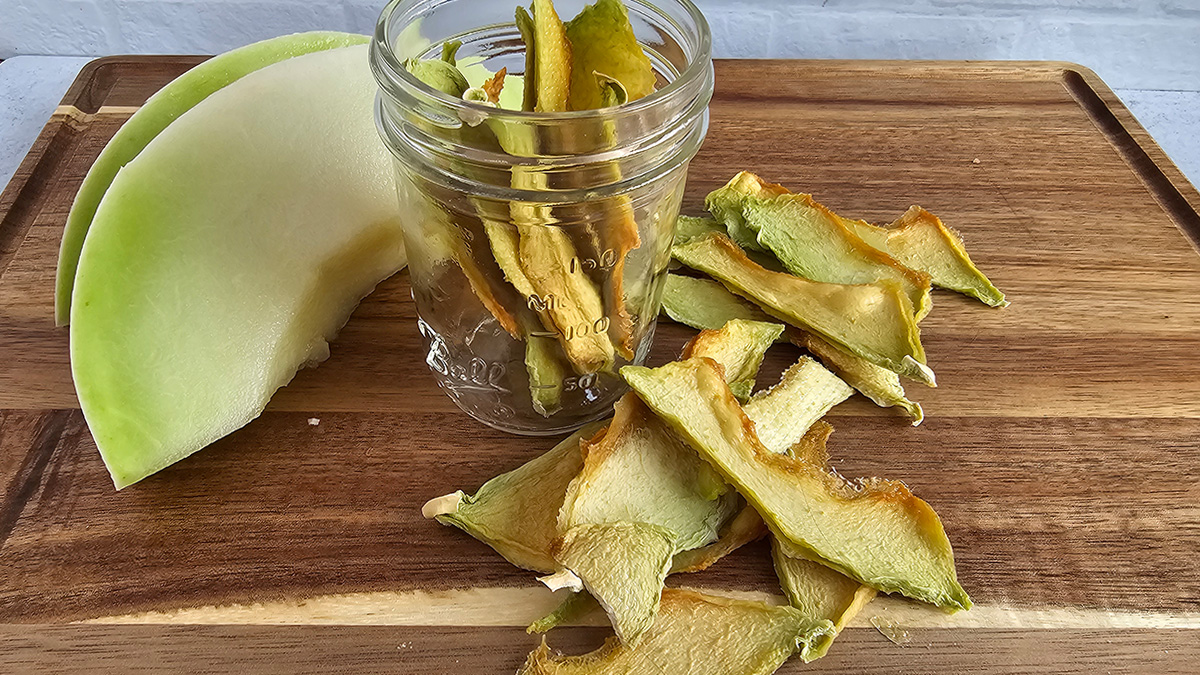
Honeydew melon, characterized by its pale green flesh and high sugar content, presents a unique set of challenges and rewards in the dehydration process. Unlike tougher fruits, the high water volume of honeydew requires precise temperature control to ensure that the exterior does not "case harden"—a condition where the outside dries too quickly, trapping moisture inside and leading to internal spoilage.
Technical Specifications and the Dehydration Chronology
Achieving a high-quality dehydrated honeydew product requires a systematic approach to preparation and processing. Food safety experts emphasize that the quality of the final dried product is directly proportional to the ripeness and quality of the fresh fruit.
Selection and Preparation
The process begins with the selection of a ripe honeydew melon. A ripe melon should feel heavy for its size and exhibit a slight softening at the blossom end. Once selected, the melon must be thoroughly washed to remove any surface pathogens or pesticide residue.
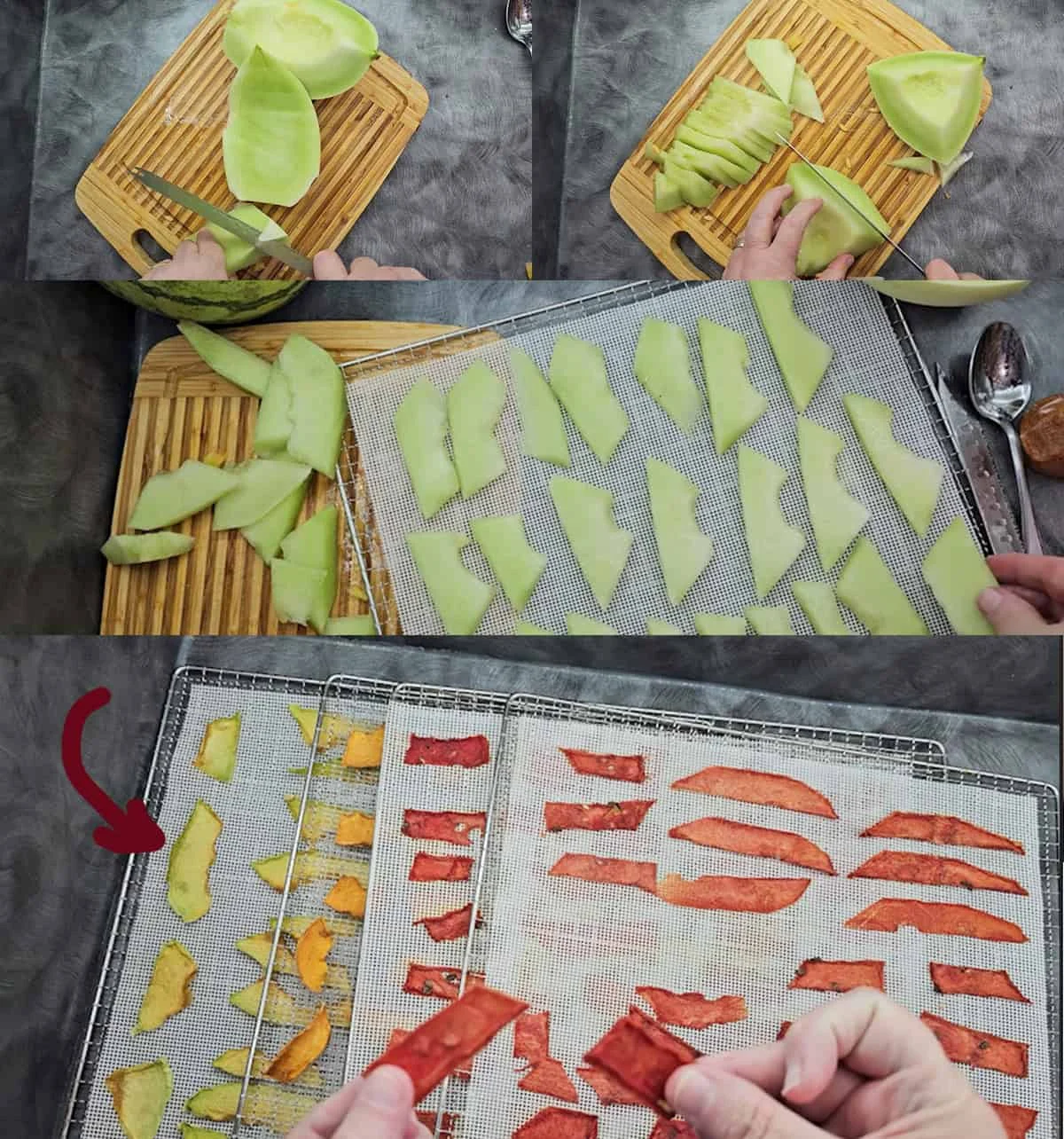
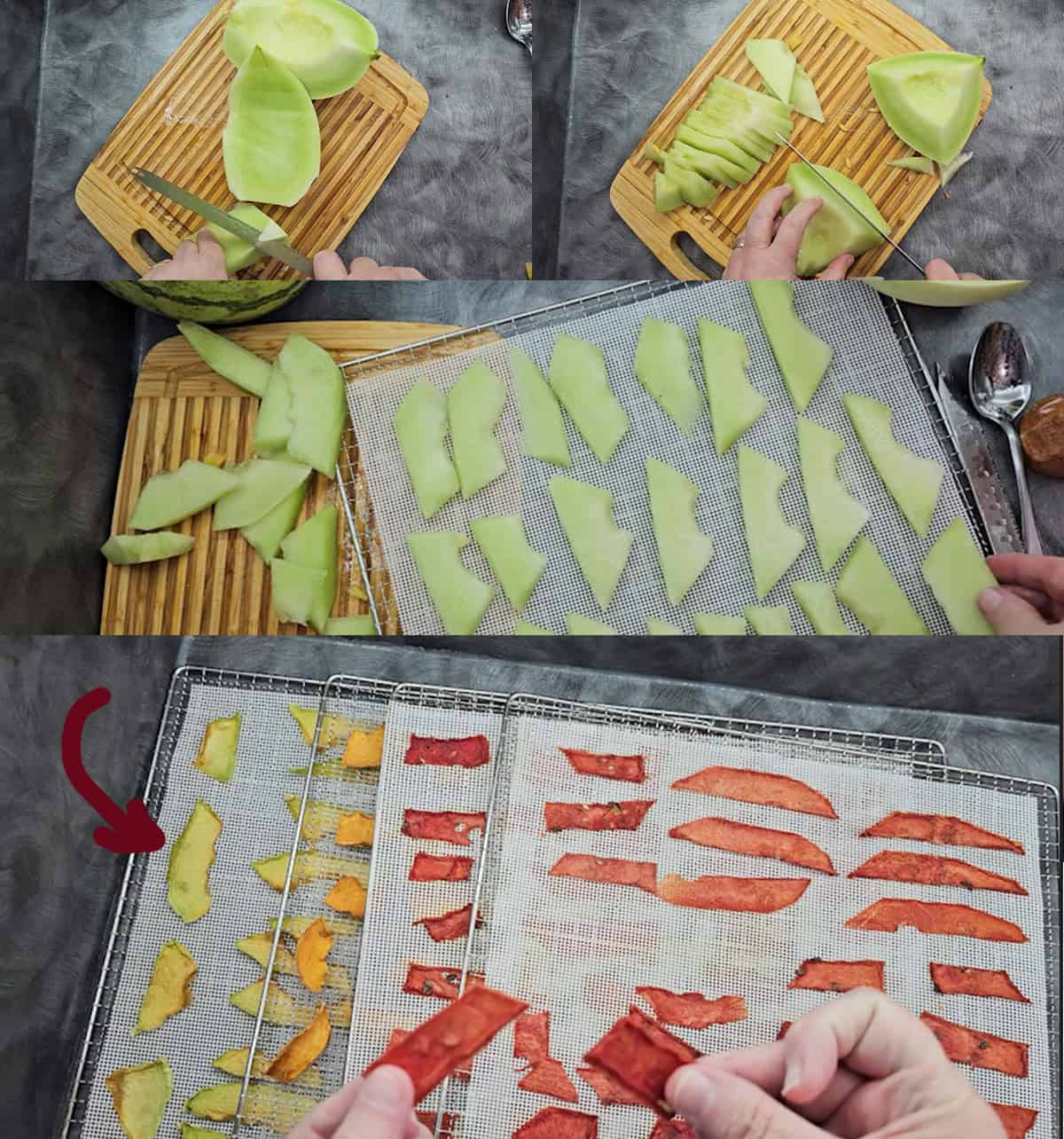
The chronology of preparation involves:
- Slicing and Rinding: The melon is halved, and the seeds are removed. The rind must be sliced away entirely, as it is too fibrous for palatable dehydration.
- Uniformity in Slicing: For consistent drying, slices should be uniform, ideally 1/4-inch (approx. 0.6 cm) thick. Professional food preparers often recommend using a mandoline or a sharp chef’s knife to ensure that all pieces reach the desired "leathery" state at the same time.
- Pre-treatment (Optional): While honeydew does not oxidize as rapidly as apples or pears, some preservationists utilize a light lemon juice spritz to maintain the vibrant green hue and add a subtle acidic counterpoint to the concentrated sugars.
The Thermal Processing Phase
The actual dehydration occurs within a controlled environment, typically a dedicated food dehydrator or a low-temperature oven. The industry-standard temperature for fruit dehydration is 135°F (57°C). At this temperature, moisture is evaporated efficiently without "cooking" the fruit, which would alter its nutritional profile and texture.
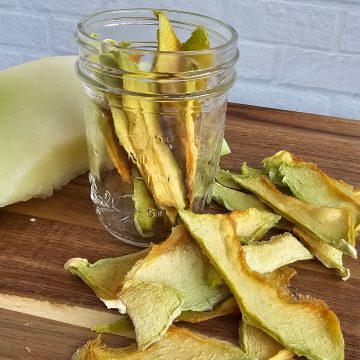
The estimated duration for honeydew dehydration ranges between 10 and 14 hours. This timeline is subject to variables such as ambient humidity, the specific water content of the melon, and the efficiency of the dehydrator’s airflow. The objective is to achieve a texture that is dry to the touch and leathery in flexibility, rather than brittle.
Storage Protocols and the Conditioning Process
Once the dehydration cycle is complete, the fruit cannot be moved immediately to long-term storage. A critical, often overlooked step in the preservation timeline is "conditioning." This process ensures that any residual moisture is distributed evenly throughout the batch, preventing mold growth during storage.
The Conditioning Sequence
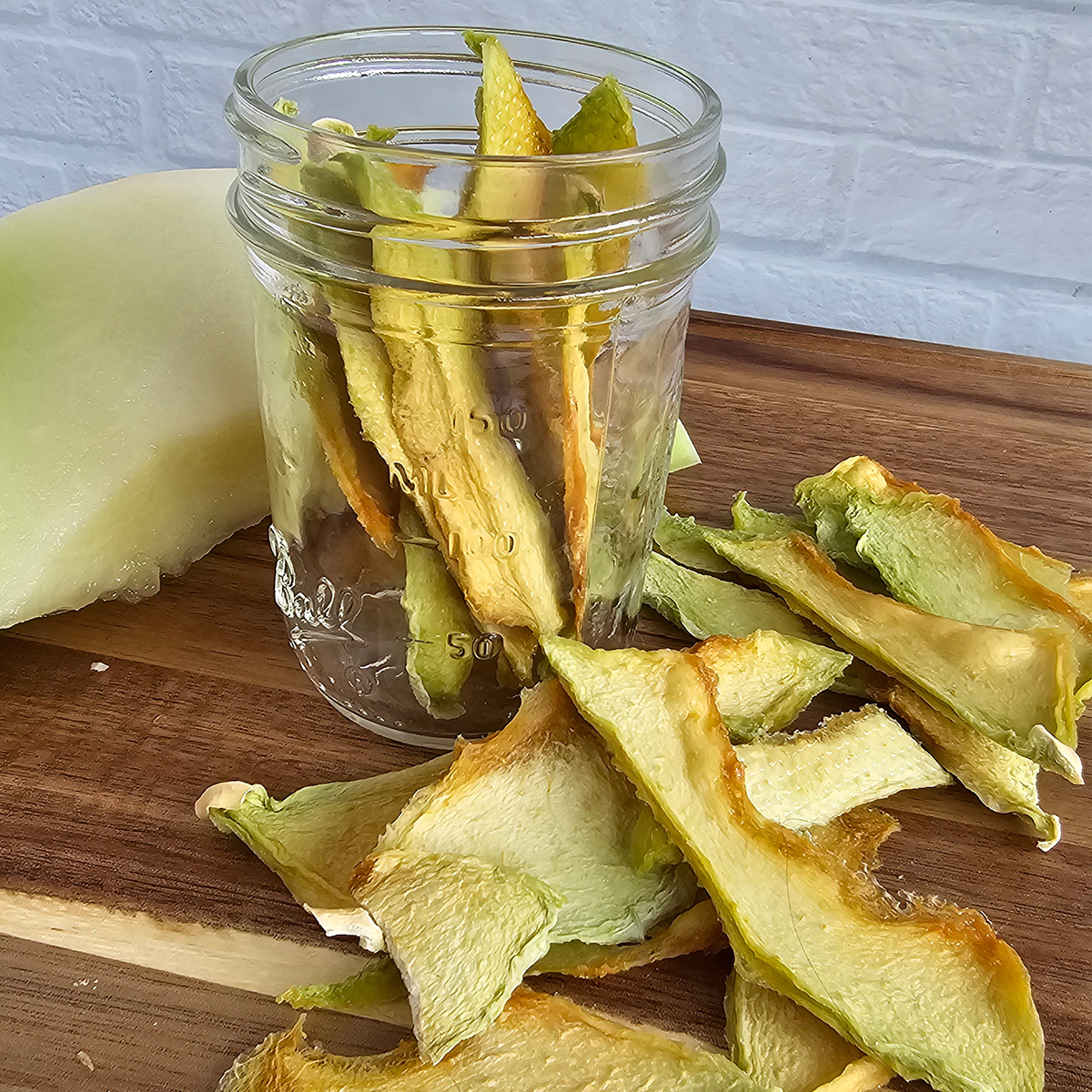
Conditioning involves placing the cooled, dried fruit into clear, airtight containers (such as glass jars) and filling them about two-thirds full. For a period of seven to ten days, the jars must be shaken daily. If any condensation appears on the interior of the glass, the fruit is insufficiently dried and must be returned to the dehydrator. If the pieces clump together, they also require further processing. Only after the fruit remains dry and separate throughout the conditioning period is it considered shelf-stable.
Long-Term Storage Infrastructure
For maximum longevity, dehydrated honeydew should be stored in an airtight environment, away from direct light and heat. Vacuum sealing is the preferred method for extended storage, as it removes oxygen, which can lead to the degradation of flavor and nutrients over time. Inclusion of a food-grade oxygen absorber or desiccant pack is recommended for those living in high-humidity climates. When stored correctly, dehydrated honeydew can maintain its quality for up to twelve months.

Nutritional Analysis and Economic Impact
From a nutritional standpoint, dehydrated honeydew is a concentrated source of the vitamins and minerals found in the fresh fruit. According to nutritional data, a 0.25-cup serving of dehydrated honeydew contains approximately 14 calories, 3 grams of carbohydrates, and 63 mg of potassium. While some heat-sensitive vitamins, such as Vitamin C, may see a slight reduction during the drying process, the mineral content remains stable.
Comparison to Commercial Alternatives
The economic benefit of home-dehydrated honeydew is substantial when compared to commercially processed dried fruits. Many store-bought dried fruits contain added sugars, sulfur dioxide as a preservative, and artificial colorants. By processing honeydew at home, consumers can ensure a "clean label" product while taking advantage of bulk pricing during the melon’s peak harvest season.
Broader Implications for Food Security and Lifestyle
The implications of adopting dehydration as a standard household practice extend beyond simple snack preparation. It represents a broader movement toward food security and the optimization of resources.

Versatility in Application
Dehydrated honeydew serves multiple functions in a modern diet:
- Outdoor Recreation: Its lightweight, high-energy nature makes it an ideal component for backpacking and hiking rations.
- Culinary Integration: Rehydrated honeydew can be used in smoothies, compotes, or as a unique topping for yogurt and salads.
- Emergency Preparedness: As a shelf-stable fruit, it contributes to a robust emergency food supply that does not rely on refrigeration.
Environmental and Social Reactions
Environmental advocates point to home dehydration as a viable method for reducing the carbon footprint associated with food waste. When produce is dehydrated rather than discarded, the energy and water used in its cultivation are preserved.
In the culinary community, the reaction to dried melons has been largely positive. Chefs and home cooks have noted that the dehydration process intensifies the natural musk and sweetness of the honeydew, creating a flavor profile that is distinct from its fresh counterpart. This "flavor punch" has made it a popular alternative to traditional candies and processed fruit snacks for school-aged children.
Alternative Methods: Oven Dehydration
For households without specialized equipment, the use of a conventional oven is a viable alternative, though it requires closer monitoring. Most modern ovens have a minimum temperature setting of 170°F (77°C), which is slightly higher than the ideal fruit-drying temperature. To compensate, experts suggest propping the oven door open slightly to allow moisture to escape and to keep the internal temperature closer to 135°F-150°F. While less energy-efficient than a dedicated dehydrator, this method democratizes the ability to preserve food, making it accessible to those in urban environments or smaller living spaces.
Conclusion: The Future of the Purposeful Pantry
As the global community continues to grapple with inflation and food supply chain vulnerabilities, the "Purposeful Pantry" philosophy—championed by experts like Darcy Baldwin—emphasizes the importance of mastering these preservation skills. Dehydrating honeydew melon is more than a culinary experiment; it is a tactical approach to food management that honors the lifecycle of produce.
By converting a highly perishable summer fruit into a year-round, shelf-stable asset, consumers take an active role in sustainable living. The transition from fresh to dehydrated honeydew illustrates a sophisticated understanding of food science, economics, and environmental responsibility, ensuring that the sweetness of the harvest is never wasted.