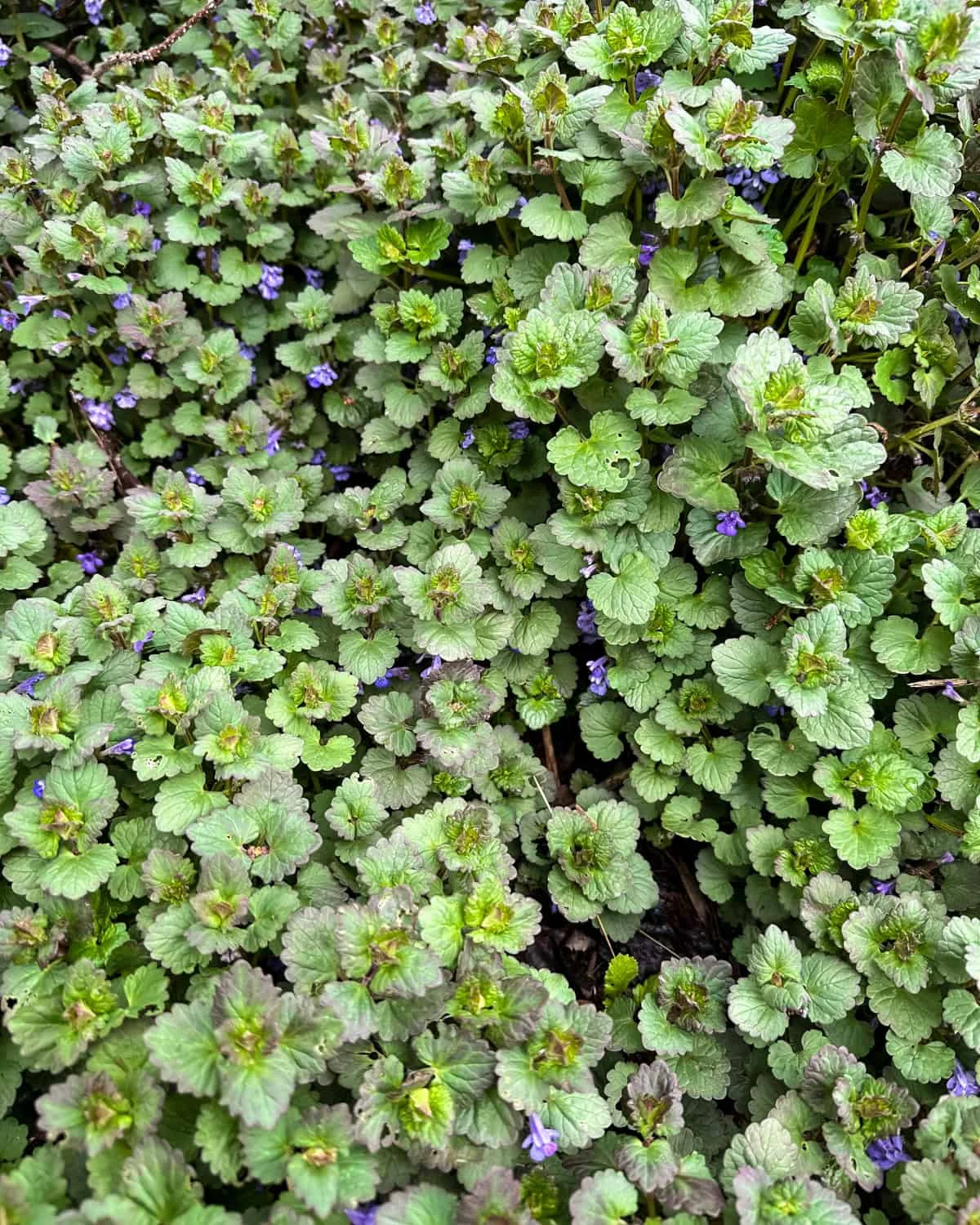
As the spring thaw recedes across the temperate regions of the Northern Hemisphere, a low-growing perennial known colloquially as Creeping Charlie is beginning its annual expansion across suburban lawns and forest floors alike. While modern landscaping standards often categorize Glechoma hederacea, or ground ivy, as an aggressive invasive species, a growing movement of foragers, herbalists, and sustainable gardeners is advocating for a reassessment of the plant’s ecological and nutritional value. Belonging to the Lamiaceae, or mint family, ground ivy is increasingly recognized not merely as a horticultural nuisance, but as a resilient source of antioxidants, vitamins, and culinary versatility that has served humanity for centuries.
The Historical Context and Migration of Ground Ivy
The presence of ground ivy in North America is a direct result of intentional human migration. Native to Europe and parts of Asia, the plant was transported across the Atlantic by early settlers who viewed it as an essential medicinal and utilitarian herb. For centuries prior to the widespread adoption of hops (Humulus lupulus) in the 16th century, ground ivy was the primary clarifying and flavoring agent used in the brewing of ale. This historical use earned it the nickname "alehoof," derived from the Old English "tunhoof."
Beyond the brewery, the plant was a staple of the European "physic garden." It was historically utilized to treat conditions ranging from lead poisoning in painters to chronic respiratory issues. Its ability to thrive in poor soil and shady conditions made it a reliable resource for rural populations. However, as the 20th-century aesthetic of the "monoculture lawn" took hold in the United States and Canada, the very traits that made ground ivy successful—its rapid spread via runners and its resilience to mowing—reclassified it as a "noxious weed." Today, the plant is found in nearly every state and province, flourishing in damp, shady areas where traditional turf grasses often fail.
Botanical Identification and Morphological Characteristics
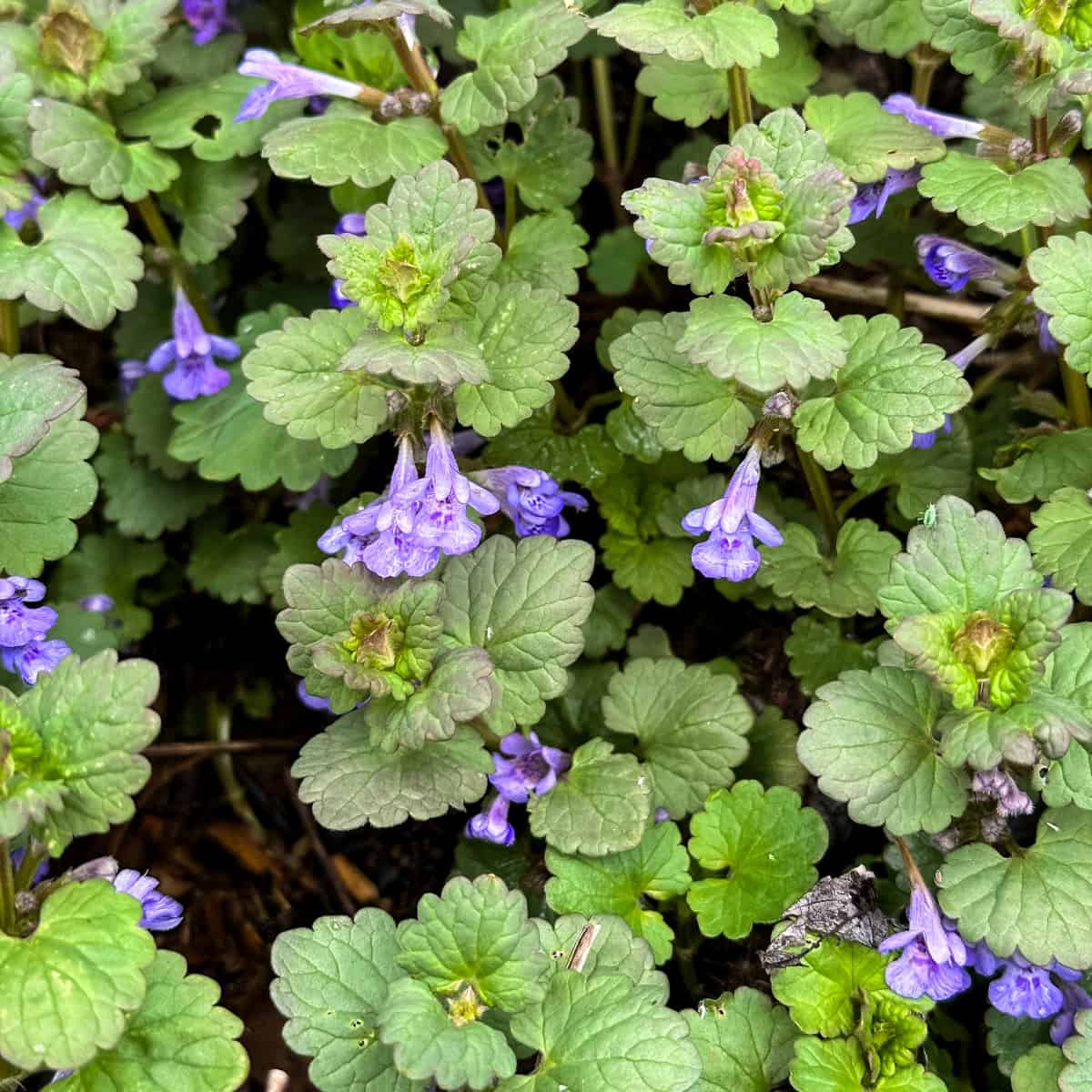
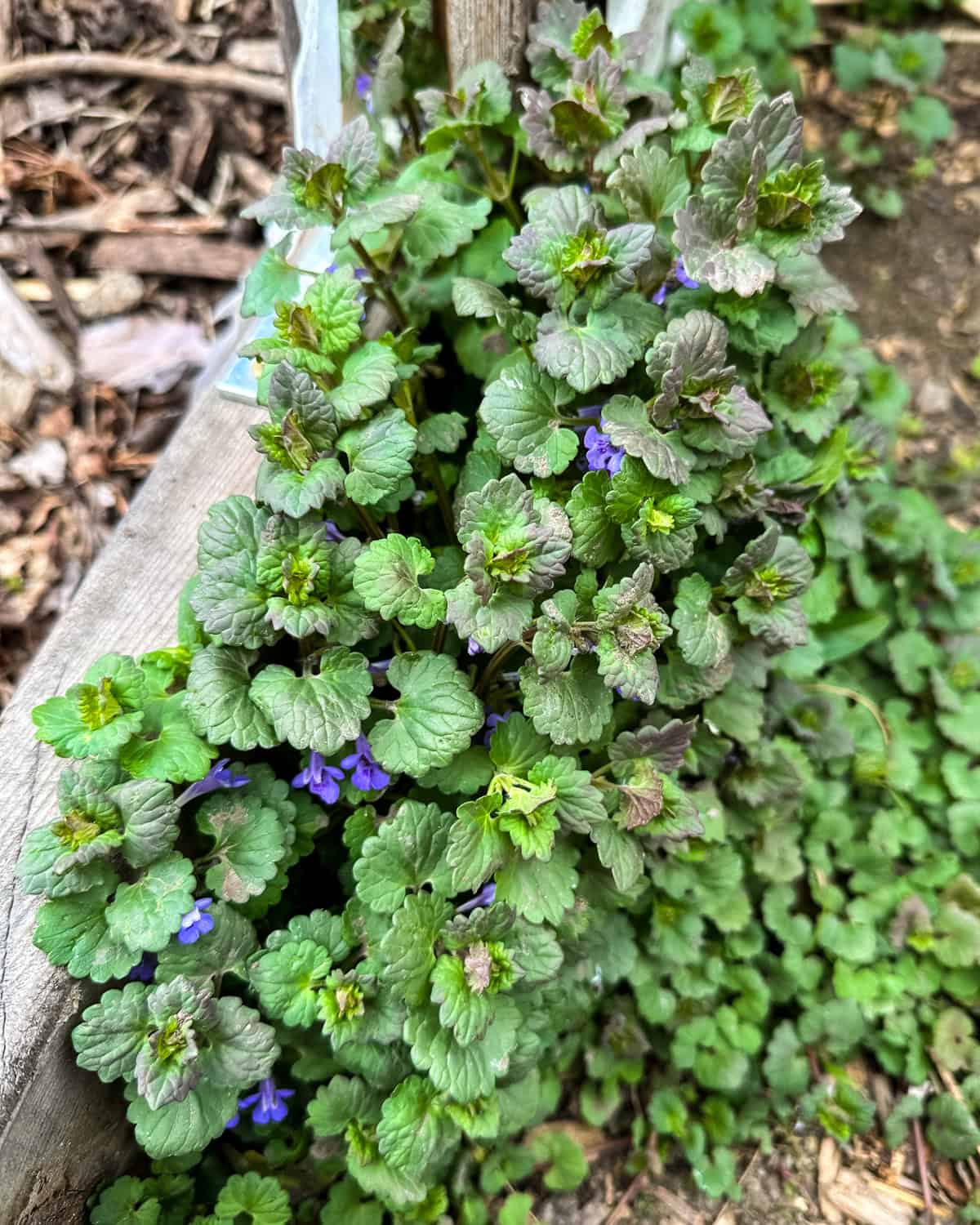
To the untrained eye, ground ivy may blend into the general greenery of a spring yard, but its botanical markers are distinct. As a member of the mint family, its most defining characteristic is its square stem, which is often green but can take on a reddish-purple hue in high-sun environments. The leaves are kidney-shaped or rounded with prominent scalloped (crenate) edges, growing in an opposite pattern along the creeping stems.
The reproductive phase of Glechoma hederacea begins in early to mid-spring. The plant produces dainty, funnel-shaped flowers that range from blue to lavender. These blossoms, typically appearing in clusters of three to seven, emerge from the leaf axils. A closer inspection reveals darker purple streaks on the lower petals, which serve as nectar guides for early-season pollinators like ground-nesting bees. When crushed, the foliage releases a pungent aroma that is frequently described as a complex blend of mint, sage, and damp earth—a scent profile that distinguishes it from other common lawn inhabitants.

Comparative Analysis: Distinguishing Ground Ivy from Look-Alikes
Foraging safety relies heavily on accurate identification. While ground ivy has several look-alikes, experts note that most are also non-toxic, providing a "low-stakes" entry point for novice foragers. However, for medicinal and culinary precision, distinguishing between ground ivy, henbit (Lamium amplexicaule), and purple dead nettle (Lamium purpureum) is essential.
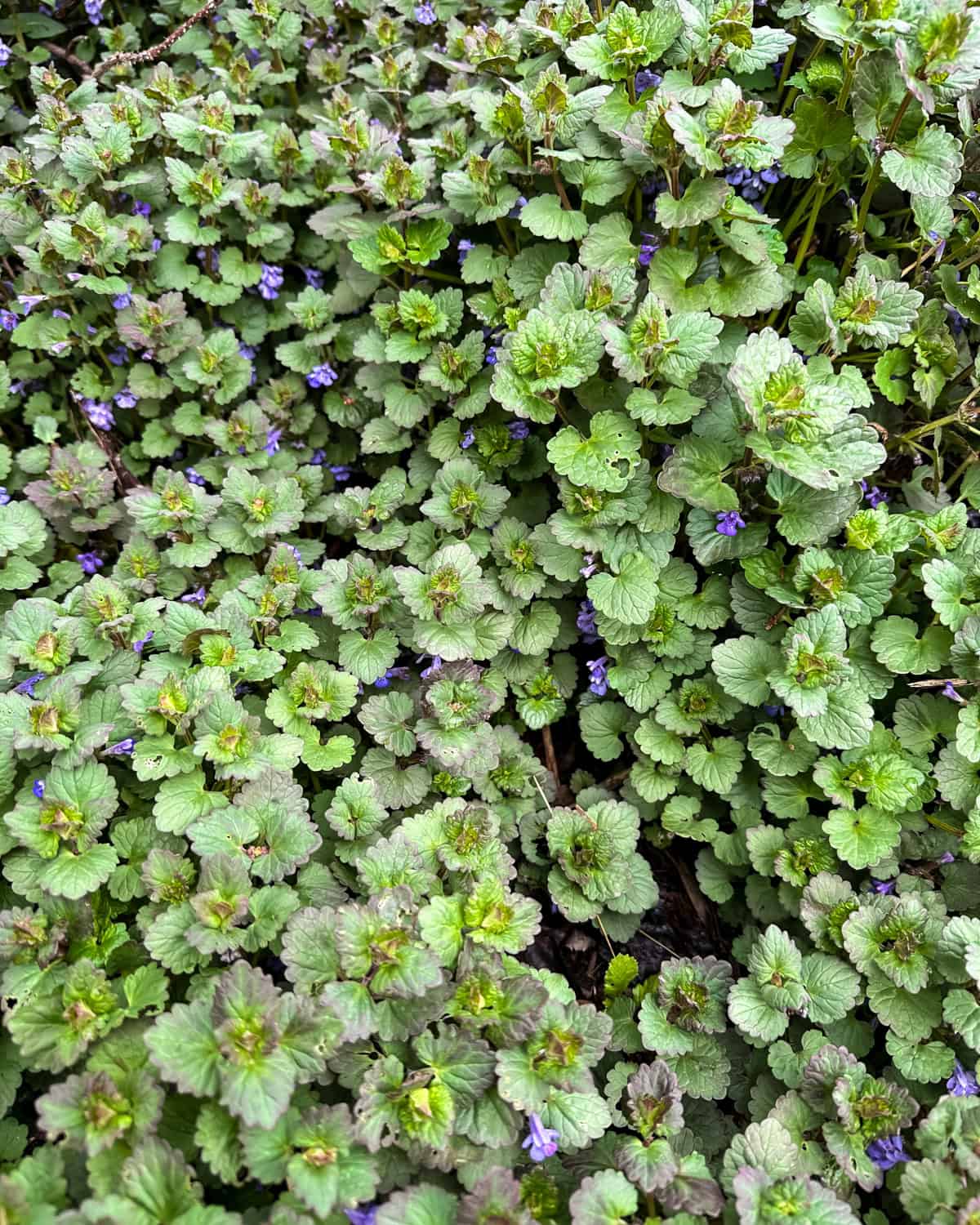
Henbit is often confused with ground ivy due to its similar purple flowers. However, henbit features leaves that are more deeply lobed and, crucially, the upper leaves lack petioles (stems), appearing to clasp the main stalk directly. Furthermore, henbit grows in more upright, vertical clumps, whereas ground ivy maintains a prostrate, "creeping" growth habit that can extend up to seven feet in length.
Purple dead nettle, another common spring weed, is distinguished by its leaf color and shape. The upper leaves of the dead nettle typically turn a distinct reddish-purple and are more triangular or spade-shaped compared to the rounded leaves of ground ivy. Additionally, the leaves of the dead nettle tend to crowd at the top of the stem, creating a pagoda-like appearance. While all three belong to the mint family and possess square stems, ground ivy’s tendency to form dense, matted ground cover is its most recognizable behavioral trait.
Nutritional Profile and Phytochemical Research
Recent biochemical analyses have provided a scientific basis for the traditional uses of ground ivy. The plant is a concentrated source of Vitamin C, iron, and potassium, making it a potent nutritional supplement during the early spring months when fresh produce was historically scarce.
Beyond basic nutrition, a study published in the International Journal of Molecular Sciences highlighted the "potent antioxidant and antimicrobial" properties of Glechoma hederacea. The research indicates that the plant contains high levels of phenolic compounds, which are known to combat oxidative stress in human cells. Furthermore, ground ivy has shown efficacy in inhibiting several bacterial species, supporting its traditional use in treating minor infections and respiratory ailments.
In the realm of modern herbalism, the plant is categorized as an expectorant and a vulnerary. It is frequently prepared as a tea or tincture to address:

- Respiratory Congestion: Helping to clear mucus in cases of bronchitis or seasonal allergies.
- Digestive Support: Utilizing its bitter qualities to stimulate gallbladder function.
- Inflammation: Applying as a poultice or compress for minor skin irritations and bruises.
The Conflict of the Modern Lawn: Ecological and Chemical Implications
The struggle to eradicate ground ivy from residential properties has significant environmental consequences. Because the plant spreads through an aggressive network of stolons (above-ground runners) and can root at every node, it is notoriously difficult to remove manually. This has led to the heavy application of broadleaf herbicides, such as triclopyr and 2,4-D, in suburban environments.
Environmental advocates point out that the obsession with a weed-free lawn often results in "chemical deserts" that are toxic to local fauna and runoff into groundwater. Conversely, ground ivy provides several ecological services. Its dense matting helps retain soil moisture and prevents erosion in shaded areas. Perhaps most importantly, it is one of the first nectar sources available for bees emerging from winter dormancy. The "No Mow May" movement, which has gained traction across the United Kingdom and North America, encourages homeowners to allow plants like ground ivy to bloom, thereby supporting biodiversity in the critical early weeks of the growing season.
Culinary Integration: From "Weed" to Gourmet Ingredient
In the culinary world, ground ivy is undergoing a renaissance as chefs look toward "wild-crafted" ingredients to provide unique flavor profiles. While the plant can be bitter if harvested late in the season, the young shoots of early spring offer a sophisticated, savory-mint flavor.

Professional foragers suggest using ground ivy as a direct substitute for mint in savory dishes, such as lamb seasonings or grain-based salads like tabbouleh. It is also being utilized in the "craft cocktail" movement. An infusion of ground ivy in vodka, often paired with horseradish, creates a botanical base for Bloody Marys that captures the "earthy" essence of the spring season. For home use, the leaves can be dried and used as a soup herb, providing a flavor depth similar to a cross between thyme and rosemary.
Harvesting Ethics and Safety Protocols
As interest in foraging grows, experts emphasize the importance of ethical and safe harvesting practices. Because ground ivy is often targeted by municipal and residential spraying programs, foragers must ensure their source is free from chemical contaminants. Harvesting near high-traffic roadsides is also discouraged due to the potential for heavy metal accumulation from vehicle exhaust.
Sustainability is rarely an issue with ground ivy due to its prolific growth; in most regions, it is considered an "invader," and harvesting by the handful is often welcomed by gardeners. However, foragers are encouraged to leave enough for local pollinators and to ensure they are not inadvertently spreading the plant to sensitive native ecosystems via discarded runners.
Broader Implications: Food Sovereignty and Rewilding
The re-evaluation of ground ivy is part of a larger shift toward food sovereignty and the "rewilding" of the human diet. By recognizing the utility of common plants that grow without human intervention, individuals can reduce their reliance on industrial supply chains and foster a deeper connection to their local environment.
Ground ivy serves as a primary example of "hidden abundance." In a world facing increasing food insecurity and environmental degradation, the transition of Glechoma hederacea from a despised weed to a valued herbal resource represents a broader cultural movement toward sustainability. As the purple blossoms continue to carpet the landscape this spring, they serve as a reminder that the solution to many modern needs may be growing, quite literally, right under our feet.