
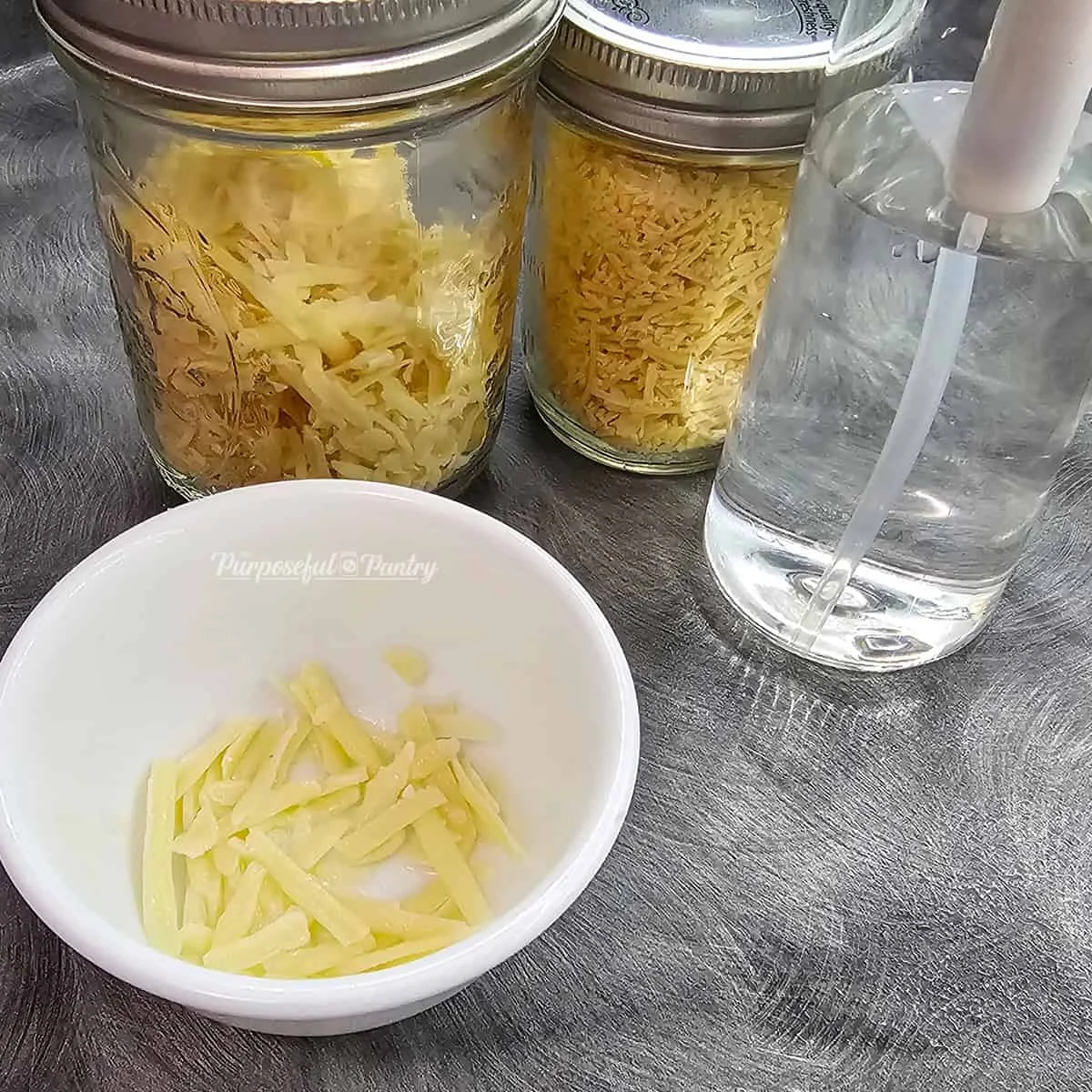
The practice of food preservation has evolved from a necessity for survival into a sophisticated culinary discipline, with dehydration standing as one of the most accessible methods for the modern home economist. Among the various food groups, dairy products present unique challenges due to their high fat and protein content. However, hard cheeses, specifically Parmesan, have emerged as a primary candidate for successful home dehydration. This process, while not rendering the cheese indefinitely shelf-stable at room temperature, significantly extends its utility for specialized applications such as lightweight camping rations, long-term culinary seasoning blends, and space-efficient pantry storage.
The Scientific Foundation of Dairy Dehydration
To understand why Parmesan cheese is suitable for dehydration while other varieties are not, one must examine the fundamental principles of water activity ($a_w$). Dehydration functions by reducing the moisture content of food to a level where microbial growth—including bacteria, yeast, and mold—is inhibited. Most pathogenic bacteria require a water activity level above 0.85 to proliferate.
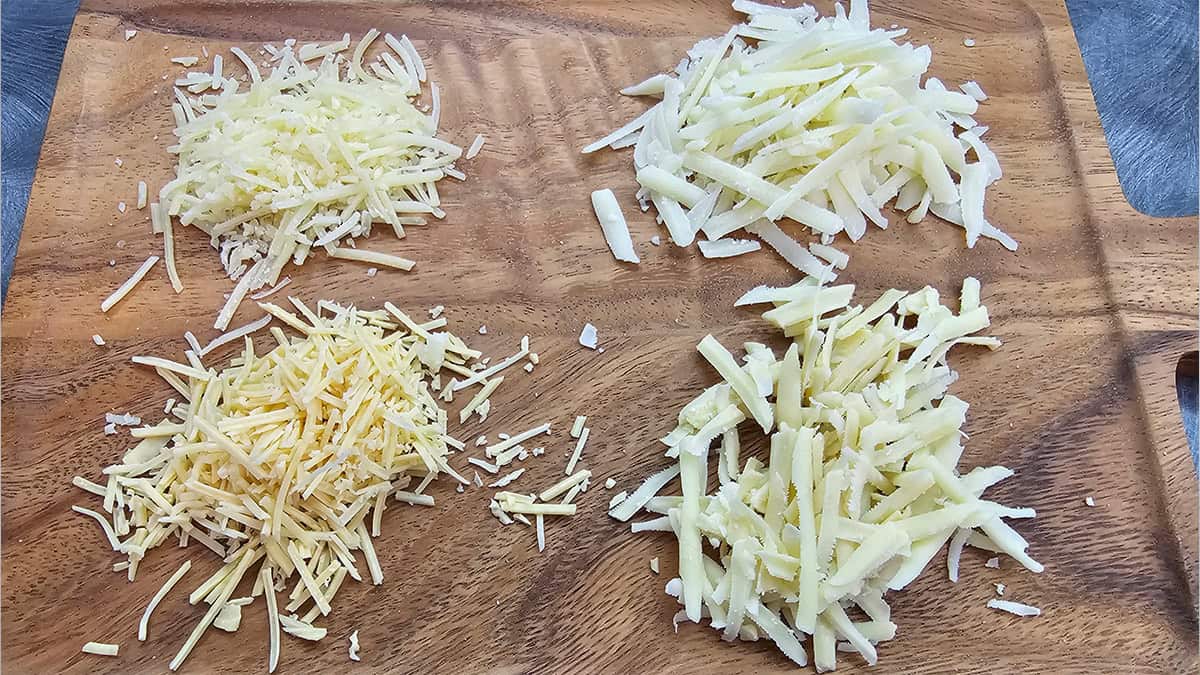
Parmesan is a hard, aged cheese that naturally possesses a lower moisture content than "wet" cheeses like mozzarella or brie. During its traditional aging process, which can last from 12 to 36 months, much of the water is already lost, and the salt content is concentrated. This makes the transition to a fully dehydrated state more efficient. However, the primary obstacle in dairy preservation remains the lipid content. Unlike water, fats do not evaporate during the dehydration process. Instead, they remain within the protein structure of the cheese, susceptible to oxidation—a chemical reaction where oxygen molecules break down fatty acid chains, resulting in rancidity. Consequently, while dehydrated Parmesan is more stable than its fresh counterpart, it requires specific handling to mitigate the effects of fat oxidation.
Step-by-Step Methodology for Dehydration
The process of dehydrating Parmesan requires precision to ensure a consistent texture and to maximize the removal of surface oils. The following protocol is established based on best practices in home food preservation.
Preparation and Selection
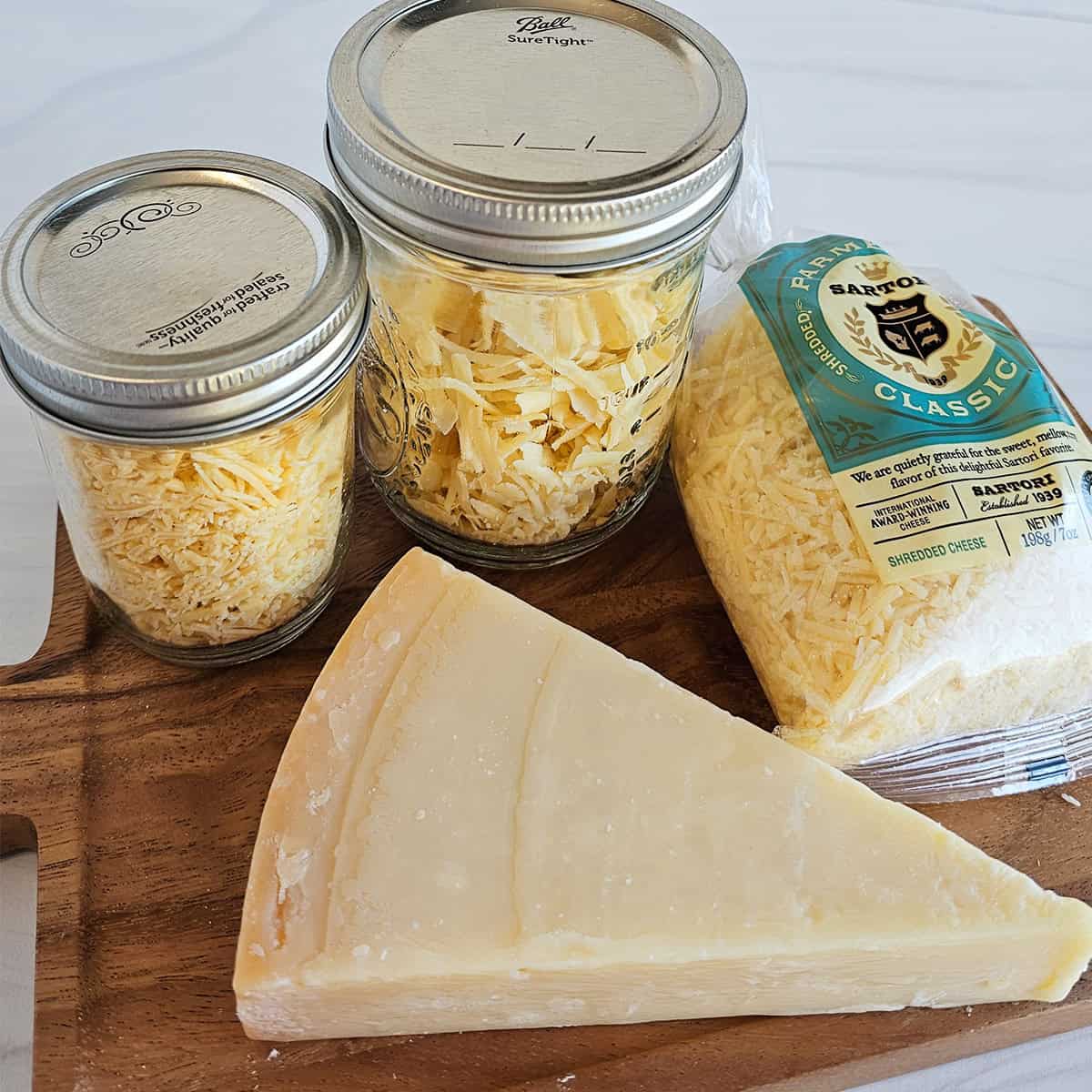
Preservationists recommend starting with high-quality blocks of Parmesan or Parmigiano-Reggiano for the best results. While pre-shredded cheese available in grocery stores can be used, these products often contain anti-caking agents like cellulose, which may affect the final texture. If using a block, the cheese should be finely shredded or grated to increase the surface area, which facilitates faster and more even drying.
The Dehydration Cycle
- Tray Arrangement: The shredded cheese should be spread in a thin, uniform layer across dehydrator trays. It is advisable to use fine-mesh liners or parchment paper to prevent smaller shreds from falling through the trays as they shrink.
- Temperature Regulation: The dehydrator should be set to a temperature between 125°F and 135°F (52°C to 57°C). Setting the temperature too high can cause the cheese to "case harden," where the outside dries too quickly, trapping moisture inside, or it may cause the fats to melt and pool excessively.
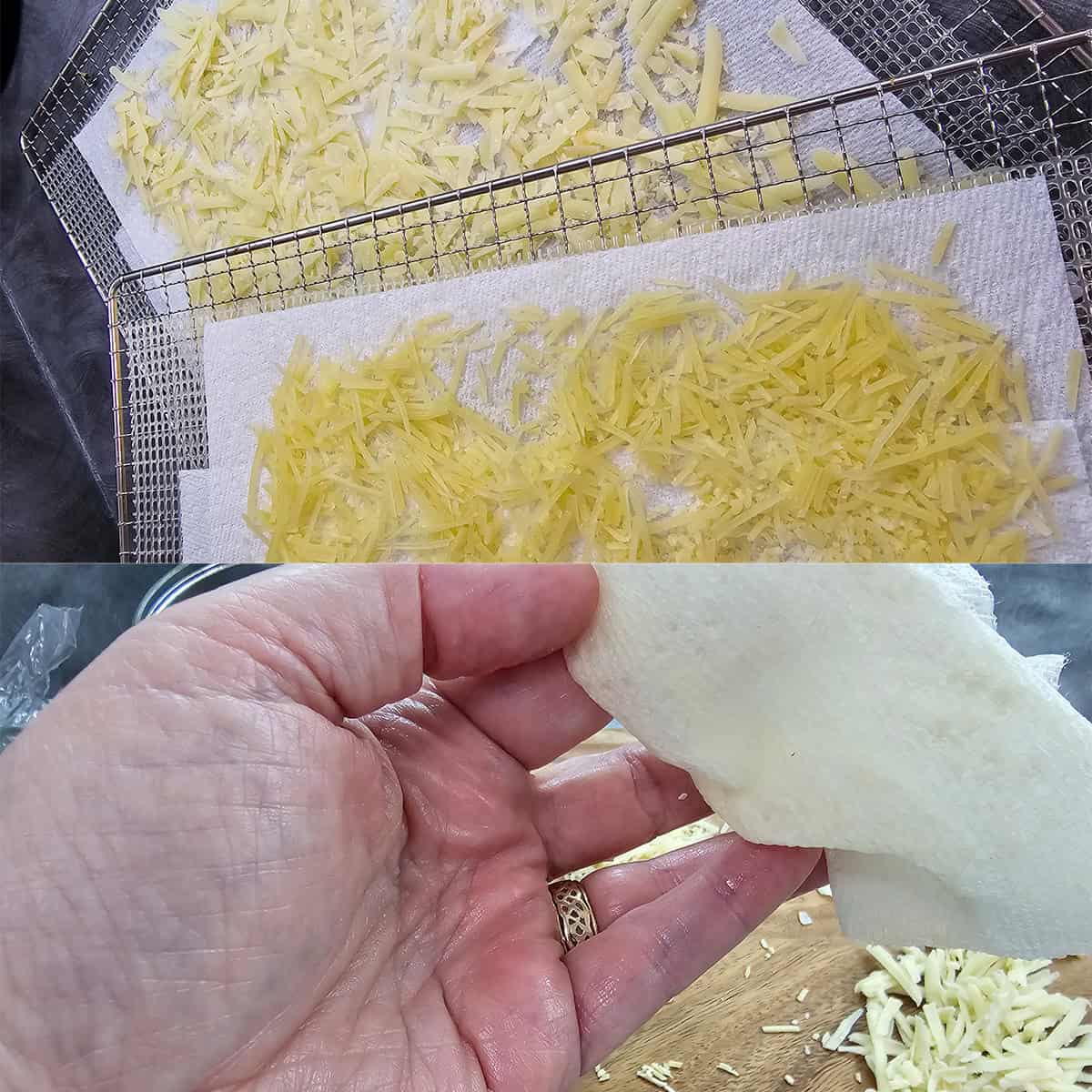
- Oil Management: Approximately two to three hours into the process, visible beads of oil will likely appear on the surface of the cheese. This is known as "sweating." At this stage, the cheese should be blotted firmly with clean paper towels to remove as much fat as possible. This step is critical for extending the eventual shelf life of the product.
- Duration: The drying process typically takes between 6 and 10 hours, depending on the ambient humidity and the specific moisture content of the starting material. The cheese is considered fully dehydrated when it is brittle to the touch and shows no signs of flexibility or stickiness.
Post-Dehydration Handling and Storage Protocols
Once the dehydration cycle is complete, the cheese must be allowed to cool to room temperature before packaging. Immediate packaging of warm cheese can lead to condensation inside the container, which introduces moisture and creates an environment ripe for mold growth.
Storage Options and Timelines
The storage of dehydrated dairy is a subject of significant debate among food safety experts. Because the fat remains in the cheese, true room-temperature shelf stability is limited.
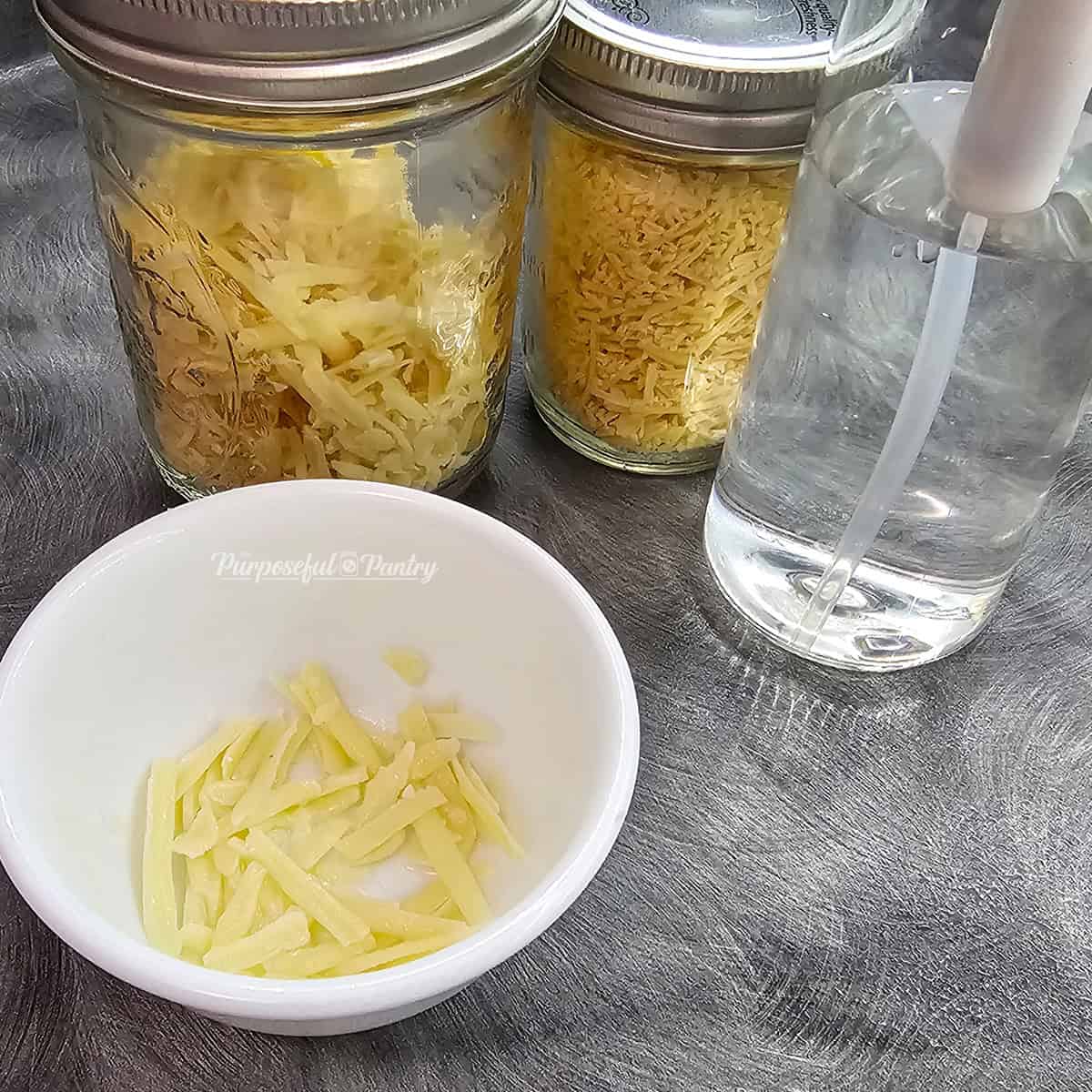
- Short-term (1–2 months): The cheese can be stored in airtight glass jars in a cool, dark pantry.
- Medium-term (6 months to 1 year): For those seeking a longer duration, vacuum-sealing the dehydrated cheese in Mylar bags or glass jars with oxygen absorbers is recommended. This minimizes the oxygen available for fat oxidation.
- Optimal Storage: Many experts suggest that the "shelf-stable" designation for home-dehydrated cheese should be treated as a supplement to refrigeration or freezing. Storing the dried shreds in the freezer effectively halts the oxidation process, providing a nearly indefinite lifespan while keeping the cheese in a convenient, pourable form.
Comparative Analysis: Hard vs. Soft Cheeses
The success of Parmesan dehydration is largely attributed to its classification as a hard cheese. Other varieties such as Romano, Asiago, and dry Monterey Jack follow similar success patterns. In contrast, softer cheeses like Cheddar or Swiss present significant hurdles.
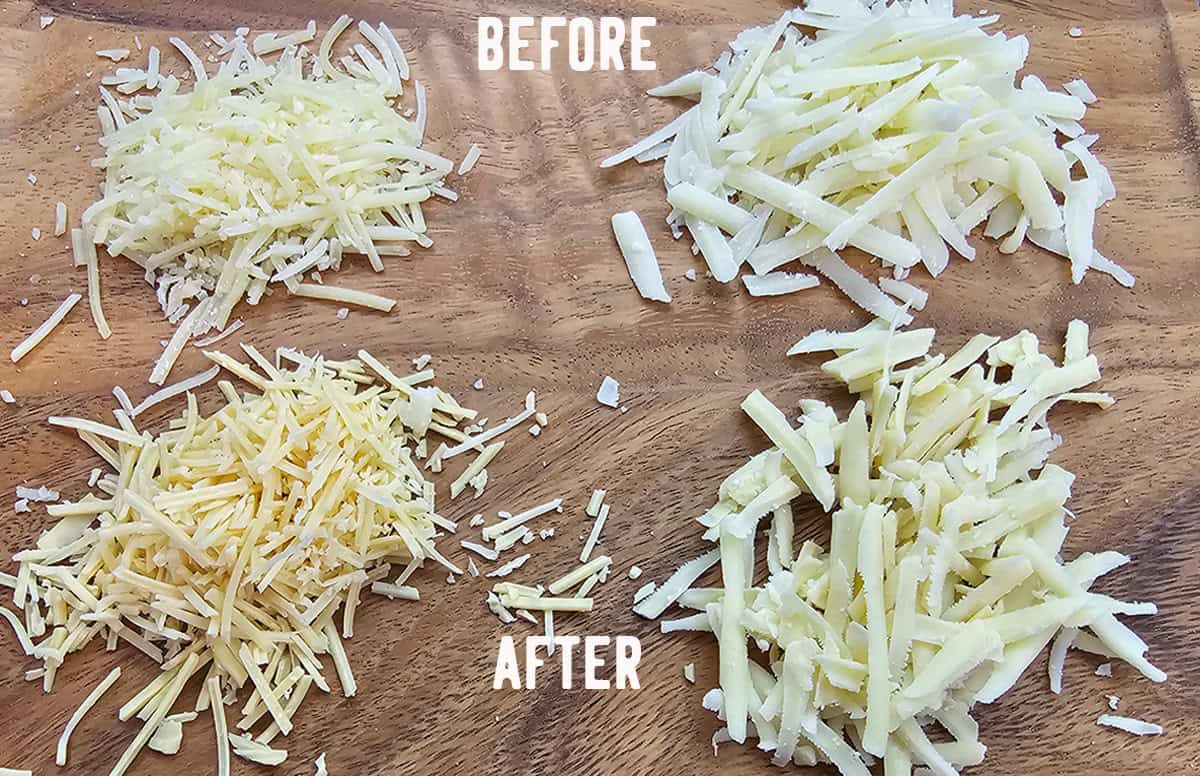
Softer cheeses have a higher fat-to-protein ratio and a higher initial moisture content. When subjected to heat, these fats tend to melt and coat the protein fibers, creating a barrier that prevents moisture from escaping. This results in a product that is often greasy and prone to rapid spoilage. For these reasons, industrial freeze-drying is the preferred method for preserving softer cheeses, as it removes moisture through sublimation at sub-zero temperatures, bypasses the melting phase, and preserves the integrity of the fats more effectively than heat-based dehydration.
Culinary Applications and Rehydration
Dehydrated Parmesan is prized not only for its longevity but also for its concentrated flavor profile. As the water is removed, the umami characteristics of the cheese become more pronounced.
Direct Usage
In its dried state, Parmesan serves as a potent seasoning. It is frequently incorporated into:
- Mushroom Parmesan Seasoning: A blend of powdered dehydrated mushrooms, dried Parmesan, and herbs used as an "umami bomb" for meats and vegetables.
- Trail Meals: For backpackers and hikers, dehydrated Parmesan provides a lightweight, high-protein addition to dehydrated pasta or risotto dishes.
- Snack Components: The crunchy texture of dried cheese shreds makes them a viable high-protein snack when paired with dried fruits or nuts.
Rehydration Techniques
For applications where a fresher texture is desired, such as in a cooked sauce, the cheese can be rehydrated. The standard ratio is approximately one part water to two parts dried cheese. It should be noted, however, that rehydrated cheese will not regain the exact elastic texture of fresh cheese; it is best suited for melting into sauces, soups, or stews where it acts as both a flavor enhancer and a thickening agent.
Nutritional Profile and Economic Impact
From a nutritional standpoint, dehydrated Parmesan is calorie-dense. A standard serving of approximately one ounce of fresh Parmesan contains roughly 105 calories, 7 grams of protein, and 7 grams of fat. Because dehydration removes roughly 50% to 70% of the weight (the water), the nutrients become concentrated. Home economists note that a quarter-cup of dehydrated cheese provides the same nutritional value as a much larger volume of fresh cheese.
Economically, dehydrating Parmesan allows consumers to take advantage of bulk pricing. Purchasing large wedges of high-quality cheese when on sale and dehydrating them for future use reduces food waste and lowers the per-meal cost of specialty ingredients. Furthermore, it provides an alternative to store-bought "shaker" cheeses, which often contain significant amounts of fillers and preservatives.
Safety Considerations and Regulatory Context
It is important to distinguish between commercially processed shelf-stable cheese powders and home-dehydrated products. Commercial manufacturers utilize spray-drying technology and additives that are not available to the average consumer. The USDA and FDA generally advise caution regarding the room-temperature storage of home-dried dairy products.
While the high salt content and low water activity of dehydrated Parmesan make it a low-risk food compared to dried meats or vegetables, users should always practice sensory inspection. If the stored cheese develops an "off" or soapy odor, it is an indication of fat rancidity, and the product should be discarded. The appearance of any mold inside a storage container indicates that the dehydration process was incomplete or the seal was compromised.
Conclusion
The dehydration of Parmesan cheese represents a bridge between traditional preservation and modern culinary convenience. By understanding the chemical limitations of fat oxidation and employing rigorous drying and blotting techniques, individuals can successfully create a versatile pantry staple. Whether used to enhance the flavor of a gourmet meal or to provide essential nutrients in a remote wilderness setting, dehydrated Parmesan remains a premier example of the efficacy of home food preservation. As interest in sustainable living and food security continues to rise, such techniques offer practical solutions for reducing waste and maximizing the utility of high-quality ingredients.


