
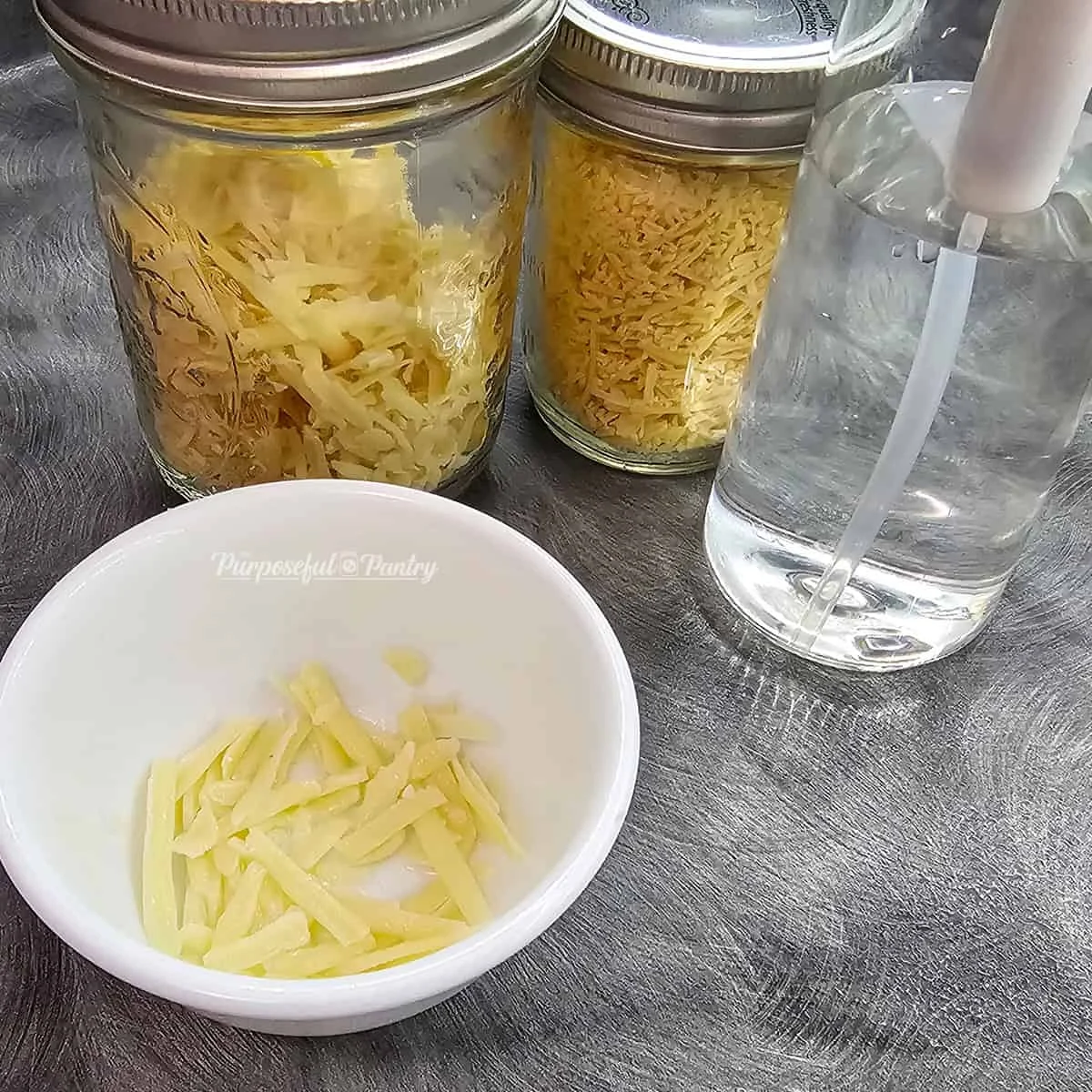
The practice of food dehydration has seen a significant resurgence as consumers seek to reduce food waste, prepare for supply chain disruptions, and create lightweight nutritional options for outdoor activities. While many enthusiasts focus on fruits, vegetables, and meats, the dehydration of dairy products—specifically hard cheeses like Parmesan—presents a unique set of technical challenges and rewards. Parmesan cheese, characterized by its low moisture content and high protein density, is an ideal candidate for short-term shelf-stable storage through the removal of residual water. However, the process is governed by specific biochemical constraints, primarily involving the persistence of lipids, which dictate the ultimate longevity and safety of the finished product.
The Biochemical Profile of Parmesan Preservation
To understand why Parmesan cheese is suitable for dehydration, one must examine its composition. Unlike soft cheeses such as Brie or Mozzarella, which possess high moisture levels, Parmesan is a "hard" cheese. During its traditional aging process, which can last from 12 to 36 months, much of its initial water content is lost, and proteins are broken down into flavorful amino acids. This naturally low water activity ($a_w$) provides a head start for home preservationists.
The primary objective of dehydrating Parmesan is to further reduce this water activity to a level where microbial growth—specifically mold and bacteria—is inhibited. However, home dehydration technology, which typically utilizes heated air circulation, is incapable of removing fats. Because Parmesan contains approximately 25% to 30% fat, it can never be rendered truly shelf-stable in the same manner as a dried apple or a grain. The remaining lipids are susceptible to oxidation, a chemical reaction where exposure to oxygen leads to the development of rancidity, off-flavors, and unpleasant odors. Consequently, while the removal of water extends the cheese’s life, the presence of fat necessitates specific storage protocols to prevent spoilage.
Technical Protocol for Home Dehydration
The process of transforming fresh Parmesan into a shelf-stable ingredient requires precision to ensure a consistent texture and to manage the "sweating" of fats during the heating cycle.
Phase I: Preparation and Surface Area Optimization
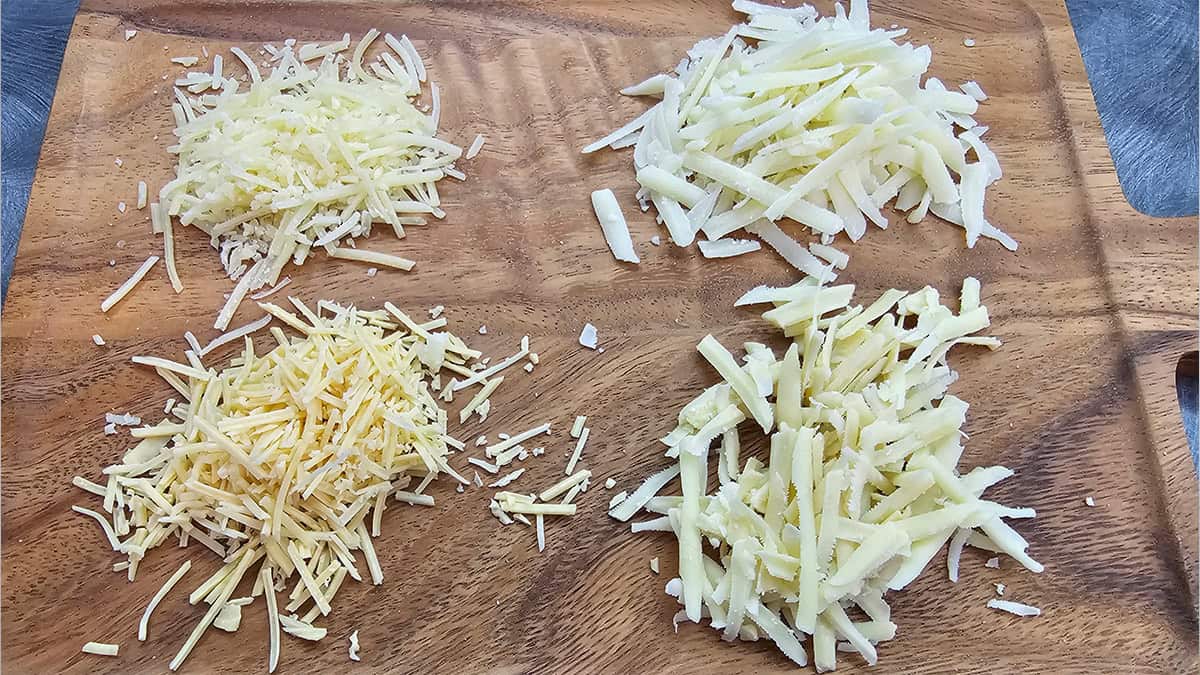
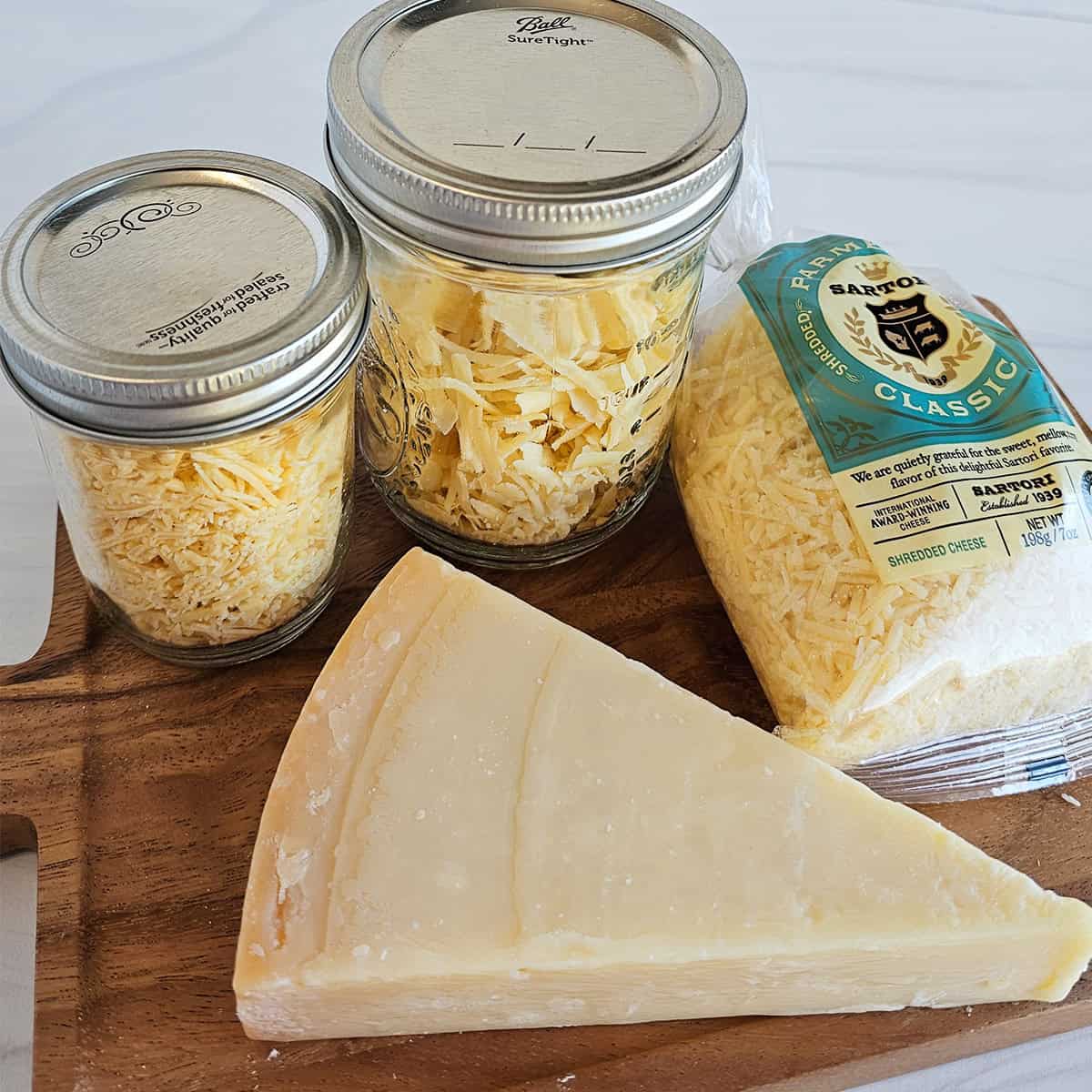
Preservationists recommend beginning with high-quality Parmesan wedges or pre-shredded varieties. The cheese must be shredded into uniform, thin strips. Uniformity is critical in dehydration; inconsistent thickness results in some pieces remaining moist while others become overly brittle, creating an environment ripe for localized mold growth. If using pre-shredded cheese, it is often beneficial to ensure the shreds are loose and not clumped together by anti-caking agents like cellulose, though these agents generally do not interfere with the drying process itself.
Phase II: The Dehydration Cycle
The shredded cheese is spread in a single layer on dehydrator trays, preferably lined with mesh inserts to prevent smaller bits from falling through. The optimal temperature for dairy dehydration is generally cited at 135°F (57°C). This temperature is high enough to facilitate moisture evaporation but low enough to prevent the cheese from melting into a singular mass.
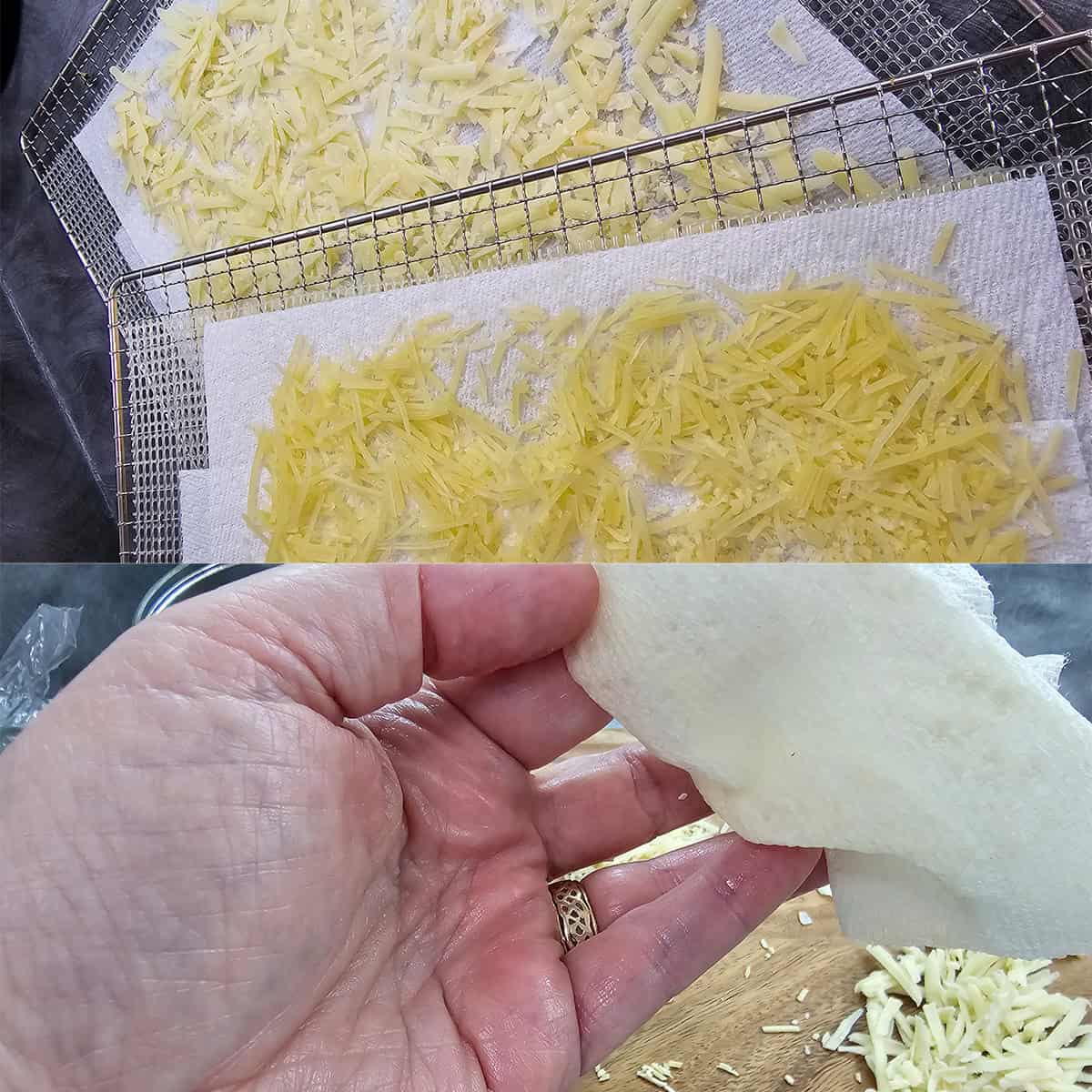
A critical step in the "Purposeful Pantry" methodology involves the management of oils. As the cheese warms, fats migrate to the surface—a process known as "beading" or "sweating." Practitioners must periodically blot the cheese with clean paper towels throughout the 6-to-10-hour drying cycle. This manual removal of surface lipids is the only way to reduce the overall fat content of the final product, thereby slightly extending its resistance to rancidity.
Phase III: Conditioning and Testing
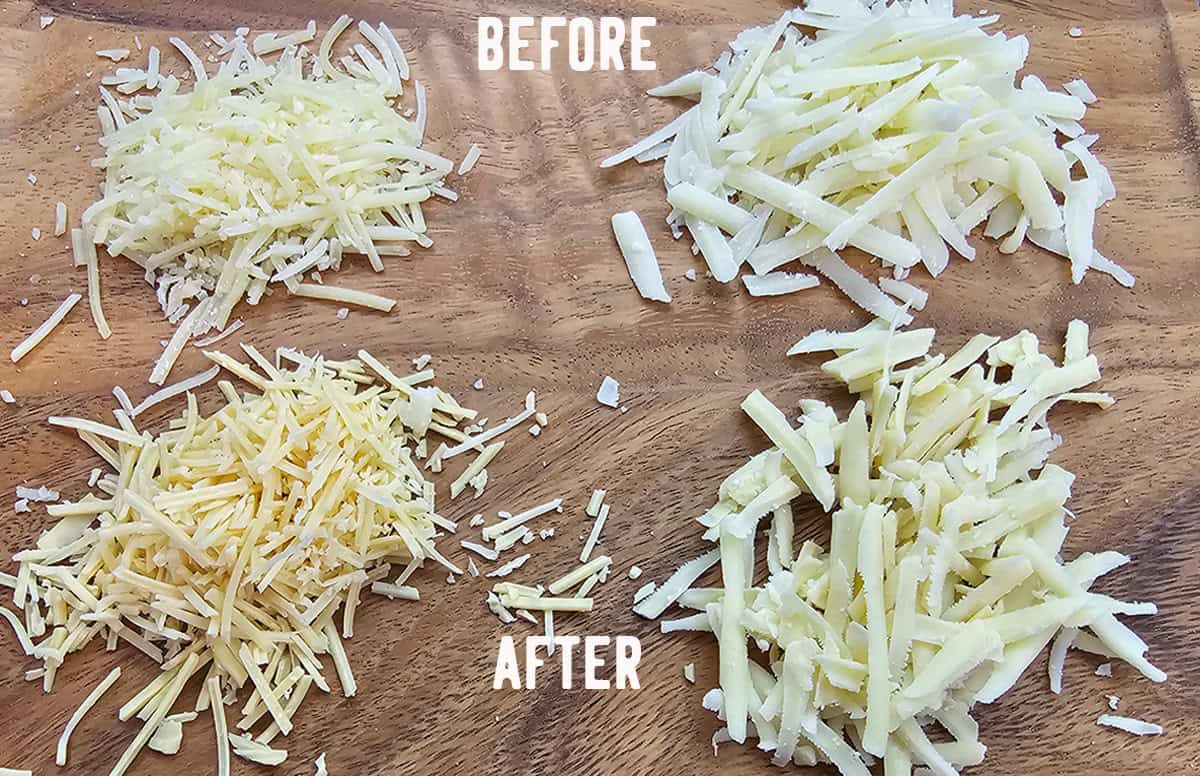
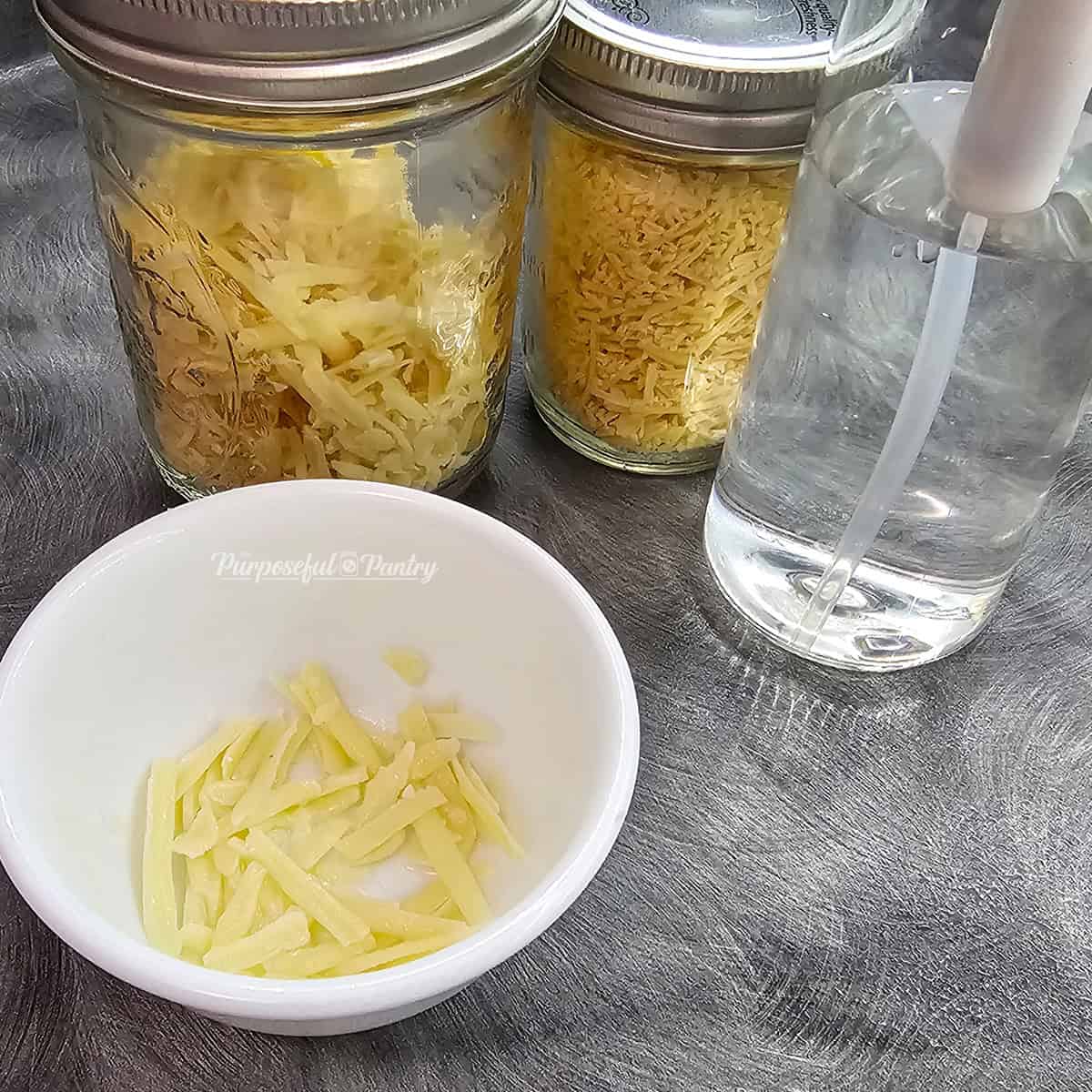
The process is complete when the cheese shreds are "clink-dry." When dropped onto a hard surface, they should produce a metallic or plastic-like sound rather than a soft thud. They should be brittle enough to snap when bent. After the heating cycle, the cheese must be allowed to cool completely at room temperature to ensure no residual steam is trapped in the storage container, which would reintroduce moisture and invite spoilage.
Comparative Analysis: Hard vs. Soft Cheeses
The success of this method is largely dependent on the type of cheese selected. Hard cheeses, including Parmesan, Pecorino Romano, and Asiago, have a higher protein-to-fat ratio and lower initial moisture than their softer counterparts.
| Cheese Type | Suitability | Challenges |
|---|---|---|
| Parmesan / Romano | High | Low moisture, high protein; stays granular. |
| Cheddar / Swiss | Moderate | High fat content; prone to significant melting. |
| Mozzarella / Brie | Low | High moisture and fat; often requires freeze-drying rather than dehydration. |
Softer cheeses tend to melt into a translucent sheet when subjected to 135°F heat. While these can be dehydrated and then ground into a powder, the risk of fat oxidation is significantly higher. For these varieties, industry experts and home preservationists alike suggest that storage in a freezer is mandatory post-dehydration to maintain safety and quality.
Storage Parameters and Shelf-Life Expectations
Data regarding the shelf life of home-dehydrated Parmesan varies based on environmental conditions. Because the fats remain, the product is classified as "short-term shelf-stable."
- Ambient Storage: In a cool, dark pantry, dehydrated Parmesan may last between 6 and 12 months. However, the risk of the fats going "off" increases after the six-month mark.
- Refrigerated Storage: This extends the quality significantly, as the cold temperature slows the oxidation of lipids.
- Freezer Storage: This is the gold standard for long-term preservation, virtually halting the oxidation process and preventing any microbial activity.
For those utilizing the cheese for "meals in a jar" or camping rations, vacuum sealing the dried shreds with an oxygen absorber is a highly effective way to mitigate the primary enemy of the product: oxygen. By removing oxygen, the primary catalyst for rancidity is eliminated, though the product should still be monitored for changes in scent.
Nutritional Profile and Culinary Applications
Dehydrated Parmesan is a nutritionally dense additive. Based on standard nutritional data, one ounce of the product contains approximately 105 calories, 7 grams of protein, and 7 grams of fat. It is also high in sodium (approximately 438 mg), which acts as a secondary preservative. When calculating nutrition for dehydrated foods, it is a general rule of thumb that the nutrients are concentrated; one-quarter cup of dehydrated cheese provides roughly the same caloric value as one cup of fresh shredded cheese.
The culinary utility of dehydrated Parmesan extends beyond simple preservation:
- Backpacking and Camping: It provides a lightweight, high-protein flavor booster for pasta and rice dishes without the weight of water or the need for refrigeration.
- Seasoning Blends: When ground into a powder, it can be combined with dried mushrooms, garlic, and herbs to create "umami" seasonings.
- Snacking: The crunchy texture makes it a viable high-protein snack, often paired with dried fruits.
- Emergency Preparedness: It allows for the inclusion of dairy in long-term food storage rotations that are updated annually.
Rehydration Techniques
For applications where the original texture is desired, such as in a cooked sauce or atop a casserole, rehydration is straightforward. The cheese can be submerged in warm water for 15 to 20 minutes, or simply added directly to liquid-heavy recipes like soups or stews. Because the structure of the cheese changes during the drying process, it may not regain the exact "stretch" of fresh cheese, but its flavor profile remains intact.
Industry Perspectives and Safety Implications
While home dehydration is widely practiced, food safety organizations like the USDA emphasize that dairy products require careful handling. The primary concern with home-preserved dairy is the potential for Staphylococcus aureus or Salmonella if the cheese is handled improperly before drying. However, the high salt content and low pH of Parmesan provide an inhospitable environment for many pathogens.
Industry analysts note that the rise in home preservation is a direct response to the "premiumization" of pre-packaged shelf-stable cheeses. Commercial "grated cheese" found in ambient aisles often contains high levels of cellulose and preservatives to maintain stability. By dehydrating fresh Parmesan at home, consumers can ensure a higher purity of product, free from unnecessary additives, while maintaining a similar level of convenience.
Conclusion and Broader Impact
The dehydration of Parmesan cheese represents a sophisticated intersection of culinary tradition and modern self-sufficiency. While it does not offer the multi-decade shelf life of freeze-dried goods or commercially canned items, it provides a practical, 6-to-12-month solution for diversifying a pantry. By understanding the chemical limitations imposed by fat content and employing rigorous blotting and storage techniques, home cooks can successfully bridge the gap between perishable dairy and shelf-stable convenience. As food costs continue to fluctuate, the ability to preserve bulk purchases of high-quality hard cheeses remains a valuable skill in the modern domestic economy.


